Your Cat's 'Aloof' Stare: It's Actually a Deep Conversation You're Missing
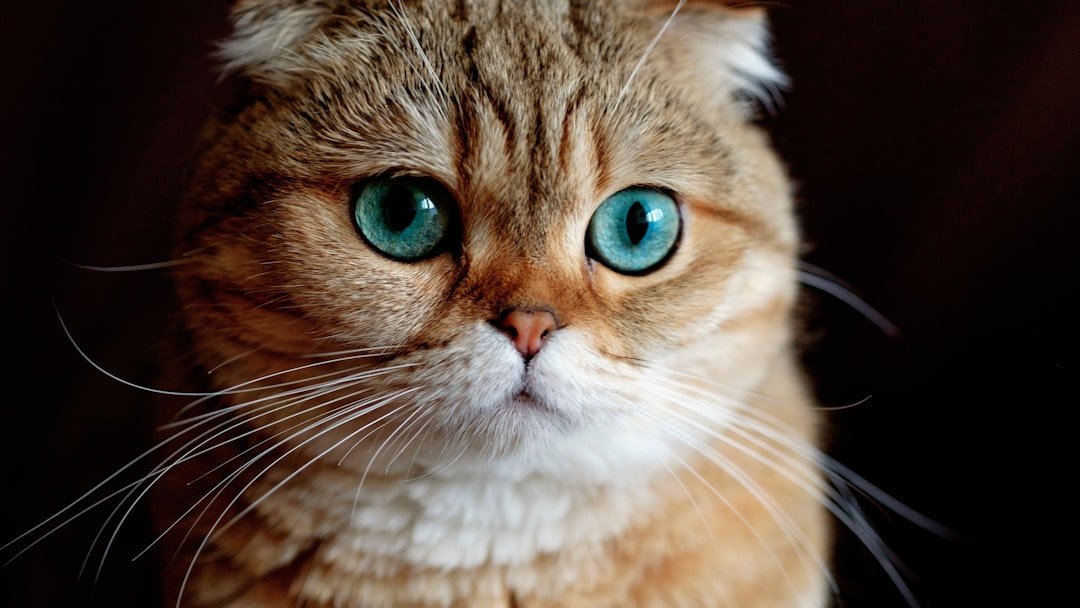
You glance up from your book and your cat is just... there. Sitting perfectly still, locked on you with an unblinking gaze that feels like it belongs in a thriller movie. You laugh it off, maybe call them "creepy," and go back to reading. Meanwhile, your cat has just tried to say something important. Something you completely missed.
Here's the wild truth: that silent stare is not emptiness. It is not indifference. It is one of the most nuanced forms of communication in the animal world, and most of us are walking right past it every single day. Let's dive in.
The Stare Is Not Blank. It Is a Broadcast.
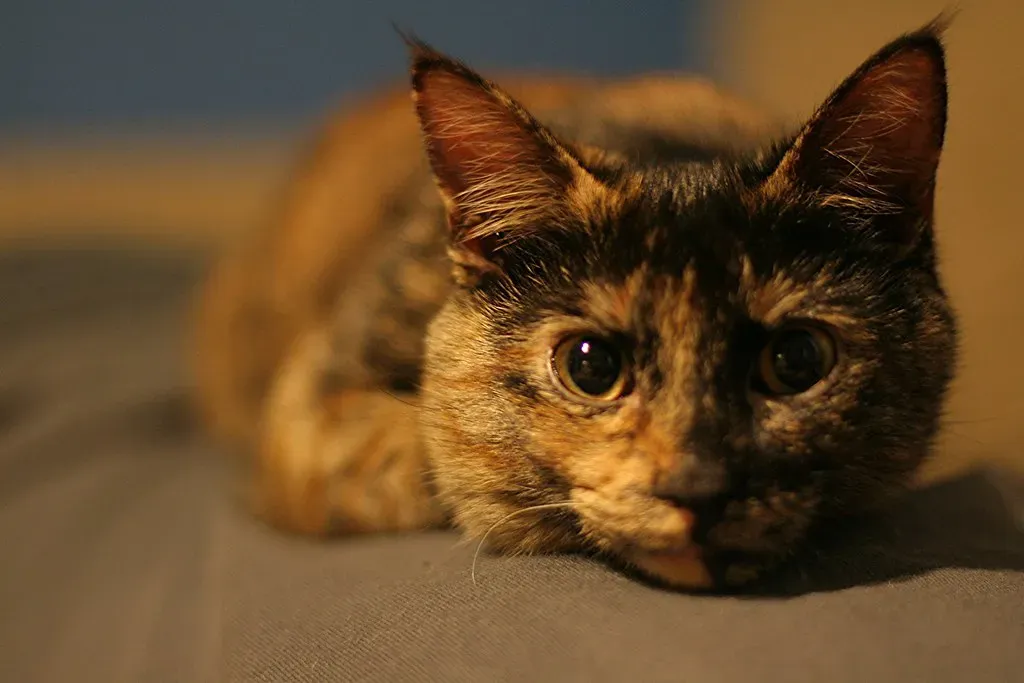
Cats stare to communicate needs, emotions, or intentions. Common reasons include attention-seeking, play solicitation, hunger, affection, fear, or aggression. Think of it less like a blank television screen and more like a smartphone with notifications you have not yet opened. Every gaze has a message queued up.
Cats may have a reputation for being aloof, but they're actually expressive and affectionate. One way they communicate is by staring. They also use subtle shifts in their posture, ears, eyes, and tail to signal their mood or health. So next time you catch those eyes trained on you from across the room, know that your cat is not daydreaming. They are actively trying to reach you.
Why Cats Evolved to Communicate Through Their Eyes
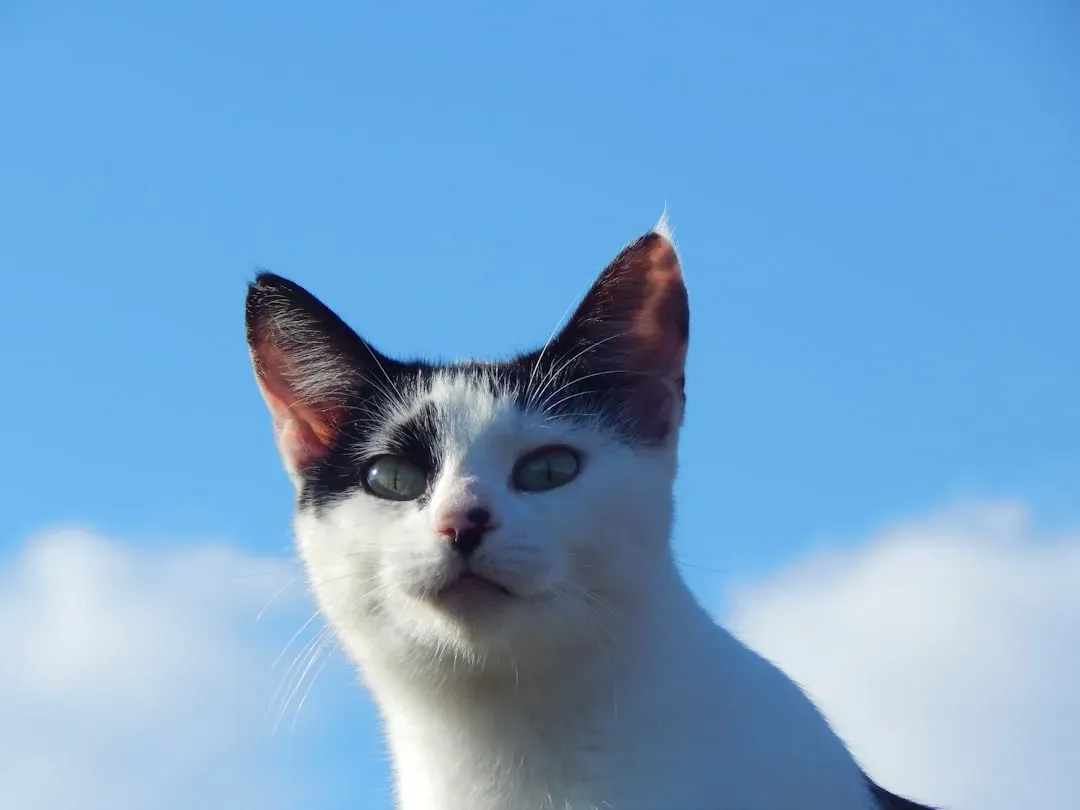
Unlike humans who blink about 15-20 times per minute, cats have evolved to blink much less frequently. This reduced blink rate is a direct result of their evolutionary history as both predators and prey. Cats can go for extended periods without blinking, helping them remain vigilant for potential threats or hunting opportunities. It is a survival mechanism as much as it is a social tool. Their eyes are always doing double duty.
Their eyes are equipped with a specialized third eyelid, called the nictitating membrane, which moves diagonally across the eye. This membrane helps keep their eyes moist and protected without requiring frequent blinking, a crucial adaptation for survival in the wild. So when your cat stares at you seemingly without blinking, their eyes are not drying out. They are just built differently, perfectly adapted for watching, waiting, and yes, communicating with you.
The Slow Blink: A Love Letter Written in Eyelids
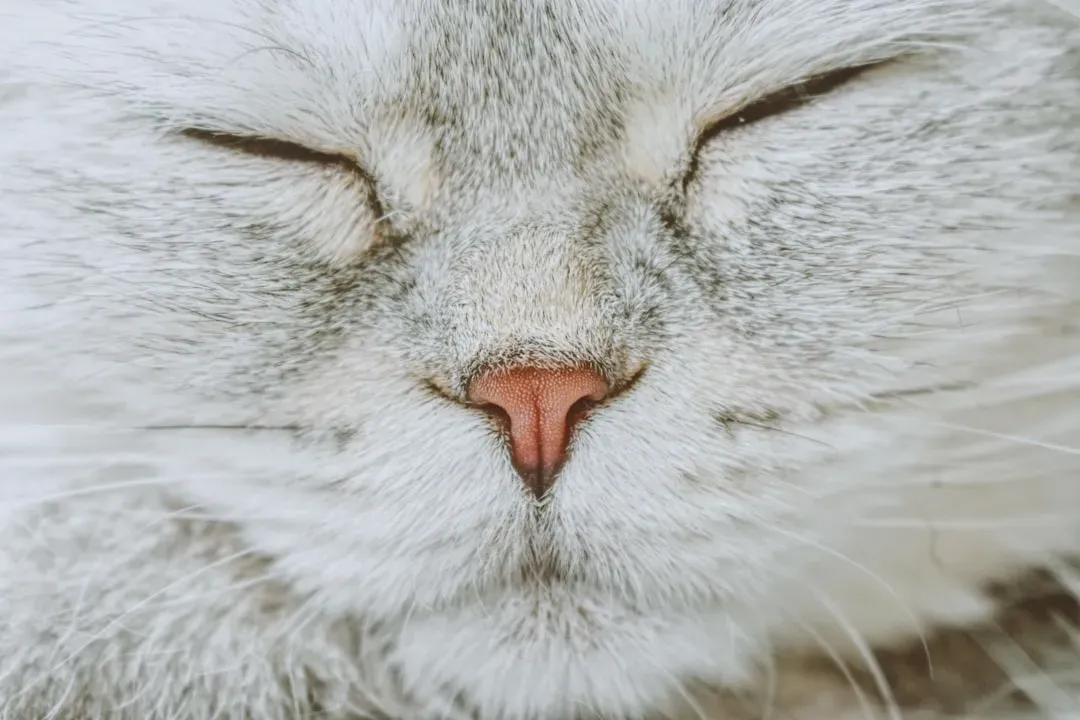
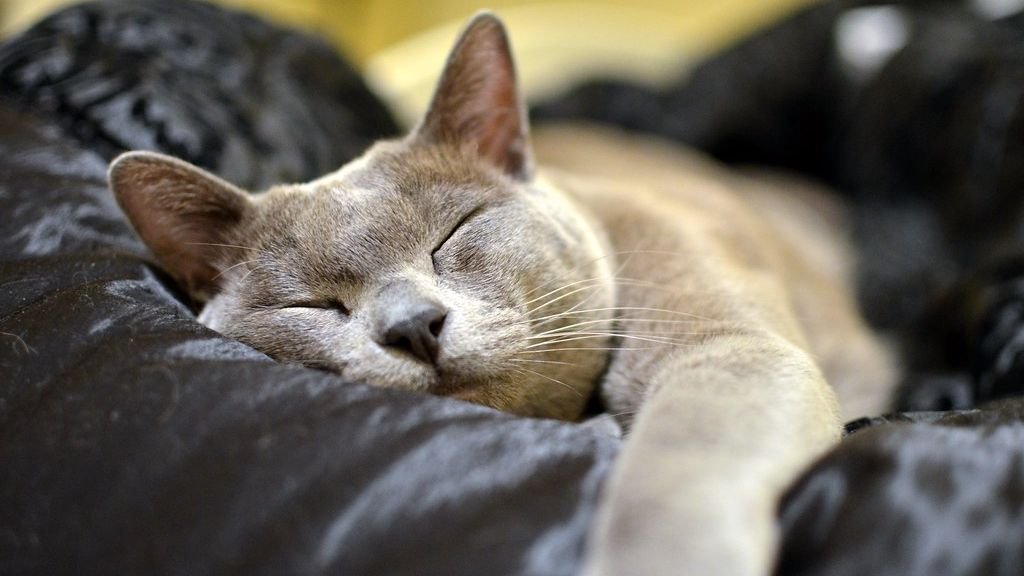
Honestly, if I had to pick one single cat behavior that blows people's minds when they finally understand it, this would be it. When a cat slow blinks at you, they are often expressing a sense of trust, contentment, and affection. In the feline world, closing their eyes in the presence of another creature makes them vulnerable, as they are unable to detect potential threats. Voluntarily going vulnerable around you. That is not nothing. That is everything.
The slow blink requires your cat's eyes to be almost fully closed for longer periods, and by performing this behavior, your cat is trusting that you will keep him safe while he's vulnerable. It makes sense to assume that this behavior is a way for your cat to show you affection and to demonstrate her trust in you. Imagine closing your eyes in front of a lion and smiling. That is essentially the emotional equivalent of what your cat is doing with you.
The Science Is In and It Is Surprisingly Heartwarming
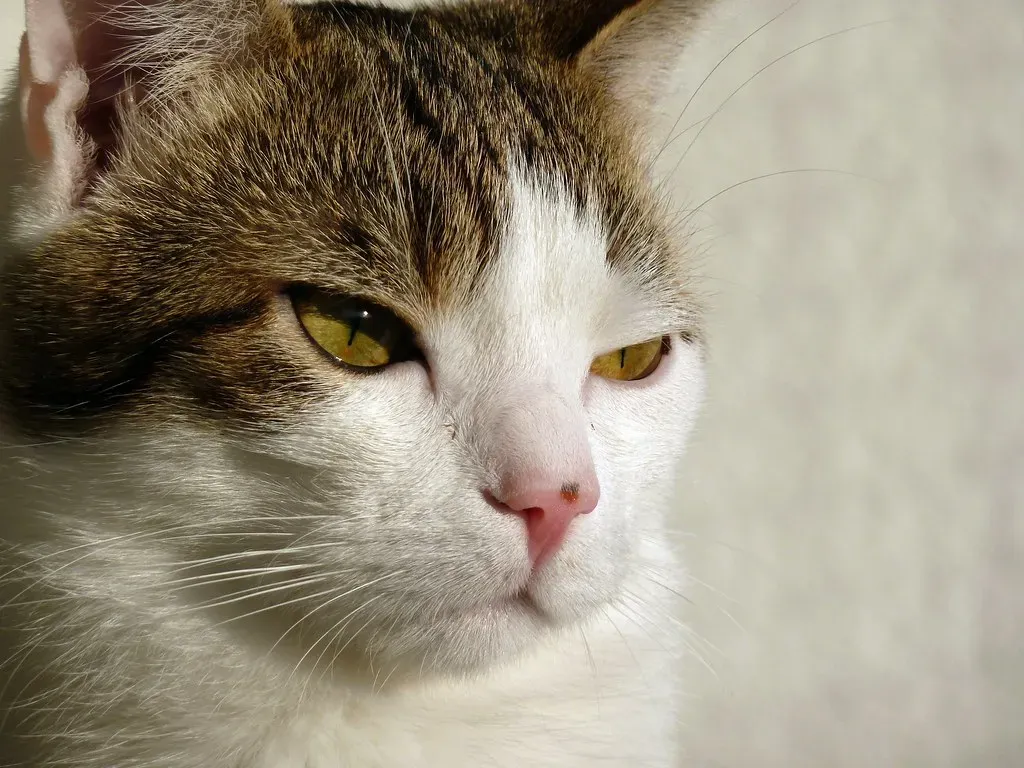
Domestic animals are sensitive to human cues that facilitate inter-specific communication, including cues to emotional state. The eyes are important in signalling emotions, with the act of narrowing the eyes appearing to be associated with positive emotional communication in a range of species. This study examines the communicatory significance of a widely reported cat behaviour that involves eye narrowing, referred to as the slow blink sequence. This research, published in the journal Scientific Reports, changed how scientists understand feline social behavior.
The study's authors were able to draw two conclusions from a pair of experiments video-recorded for the study: Cats more often offered a slow blink at their owners if the owners slow-blinked first. Cats were more likely to approach an experimenter who was a stranger after a slow-blink exchange, as opposed to when the experimenter had a merely neutral expression. In other words, you can literally melt a cautious cat's resistance just by blinking slowly at them. That is not a trick. That is a language.
Reading the Hard Stare vs. the Soft Stare
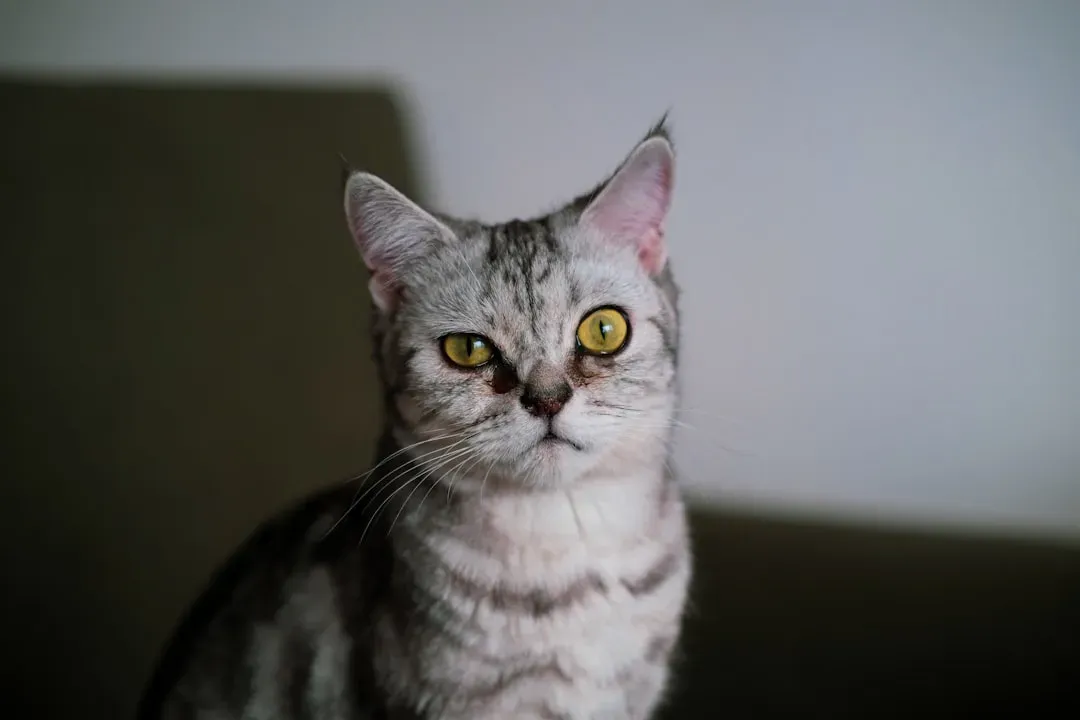
Not all stares are created equal. There is a world of difference between the cat that gazes at you softly from a sunny windowsill and the one that locks onto you like a laser before pouncing on your ankle. There are two types of kitty stares: a "hard stare" and a "soft stare." These mean totally different things, but don't stress about misinterpreting what your cat is communicating, because the two stares look nothing alike. Learning to tell them apart is genuinely one of the most useful skills a cat owner can develop.
When a cat gives a hard, unblinking stare paired with stiff body language and piloerection along the back and tail, he is telling the other party that if they do not back off, there will be a confrontation. Contrast that with a soft stare where your cat's body is loose, the tail is still, and the eyes are relaxed. Same cat, completely different conversation. Pay attention to what surrounds those eyes, not just the eyes themselves.
Pupils Are Mood Rings. Seriously.
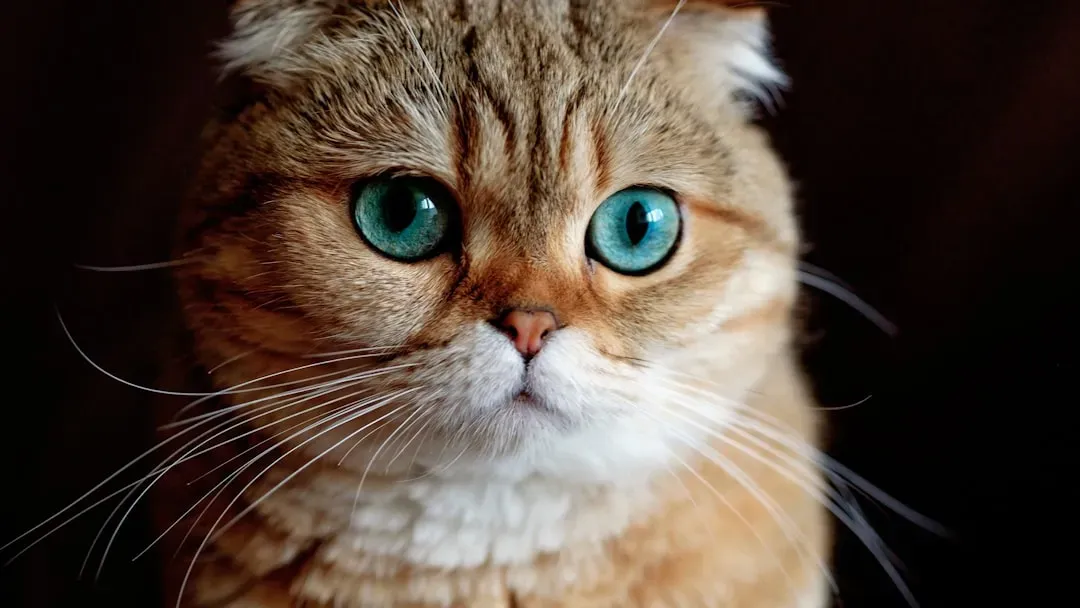
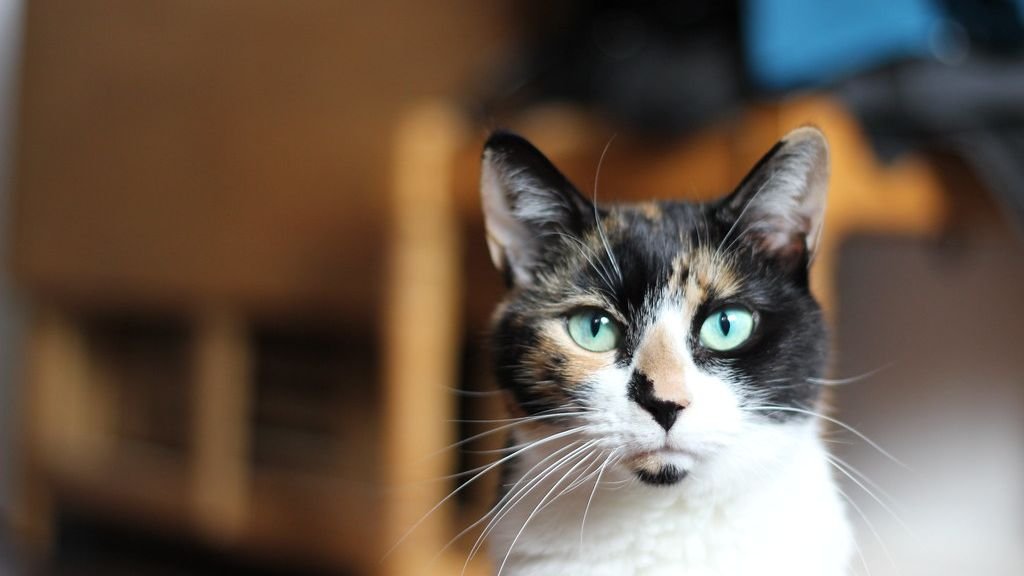
Whether they are blue, green, or gold, round, oval, or almond-shaped, your cat's eyes communicate emotions through physiological changes in pupil size and eyelid position. A cat's pupils can shrink to the narrowest of slits or widen into black pools. It is like having a built-in mood ring, except this one cannot be faked because the changes are involuntary.
Pupil size is a direct indicator of emotion. Dilated pupils (saucer eyes) signal fear or excitement, while constricted pupils (slits) often mean anger or aggression. Context matters enormously here. If your cat's pupils go wide when you pull out the feather wand, that is excitement. If the same big pupils appear while their ears are flattened and their body is pressed to the floor, that is a completely different story and your cat is asking you to back off.
What the Rest of Your Cat's Body Is Screaming
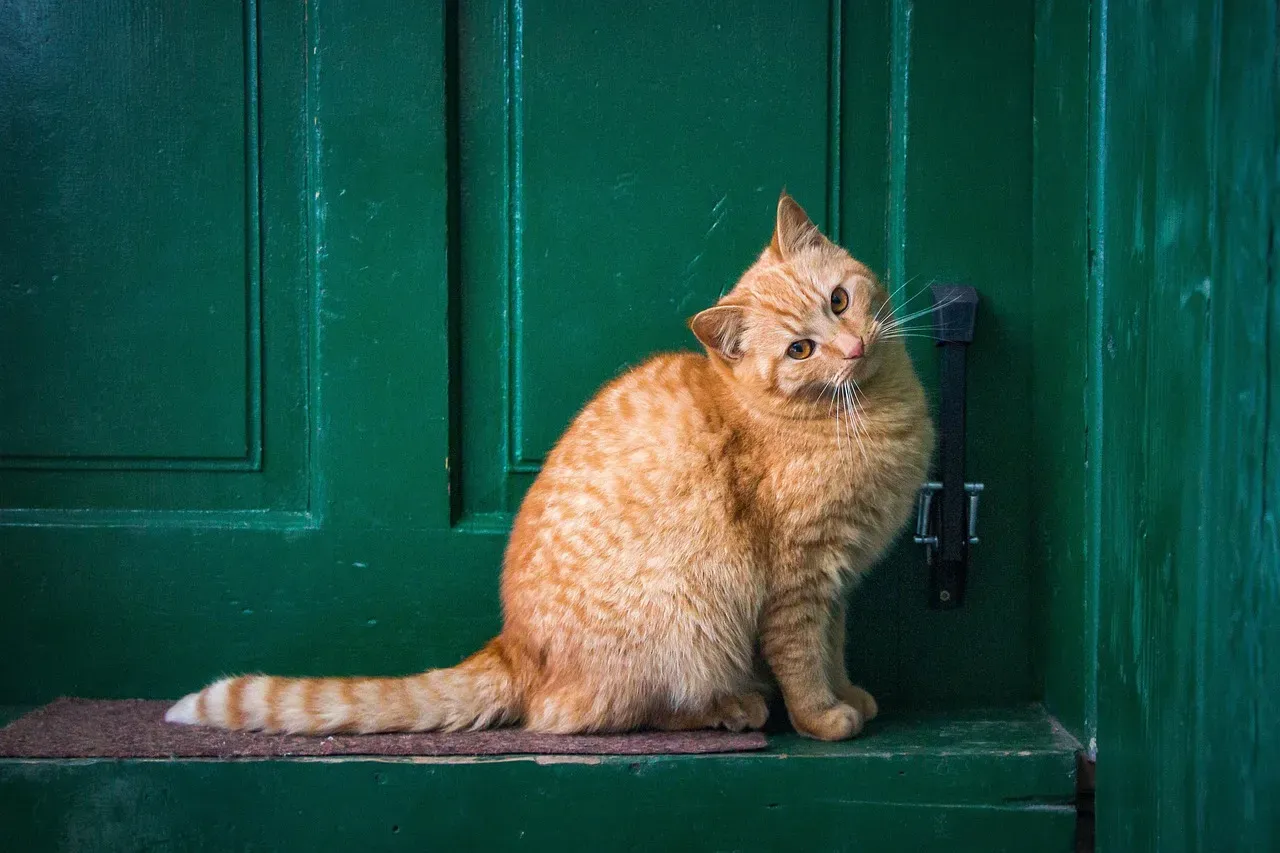
A cat's tail is a powerful communication tool, and each tail position conveys distinct messages. An erect tail is usually a sign of friendliness, and a tail that is up but hooked at the tip may mean cautiously optimistic. Up and quivering indicates that the cat is either spraying or happy and excited. So when your cat struts toward you with their tail pointed at the ceiling, that is the feline equivalent of a big wave and a smile. Take it as the greeting it is meant to be.
Whiskers are highly sensitive tactile hairs, or vibrissae, that provide spatial awareness. When a cat's whiskers are pulled back, it often indicates stress or defensive behaviour, while whiskers pointing forward signify curiosity and readiness to explore. The positioning of whiskers is closely linked to a cat's emotional state and sensory engagement with their environment. Your cat is basically wearing their feelings on their face, in every direction. You just have to learn to read the whole picture, ears, eyes, tail, and whiskers all at once.
How to Talk Back and Actually Start a Conversation
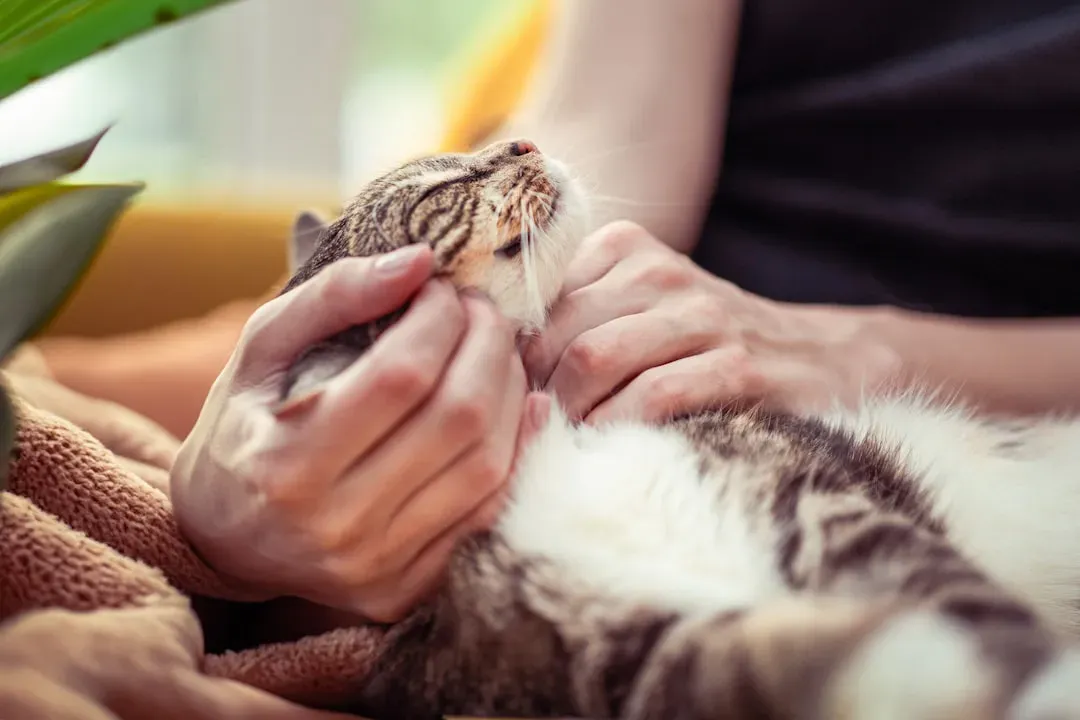
You can strengthen your relationship with your cat by learning to "speak their language." Try initiating slow blinks when interacting with your cat. Make eye contact briefly, then slowly close and open your eyes. Many cats will respond to this gesture, creating a moment of mutual understanding and trust. It really is that simple. No special equipment, no training treats required. Just your own eyelids.
The study found that, in their normal home environments, cats responded to slow blink movements of owners by expressing a higher rate of slow blink movement themselves. In addition, even though cats can normally find visitors unsettling, a separate investigation found that the cats were more likely to exhibit slow blinking behavior in response to an unfamiliar person who engaged in slow blinking; they were also more likely to approach the visitor when they held out their hand if the person was also engaging in slow blinking activity. You can use this with a stranger's cat too. The technique works across the board, which makes it feel almost like a superpower.
Conclusion: You Have Been Having a Conversation All Along
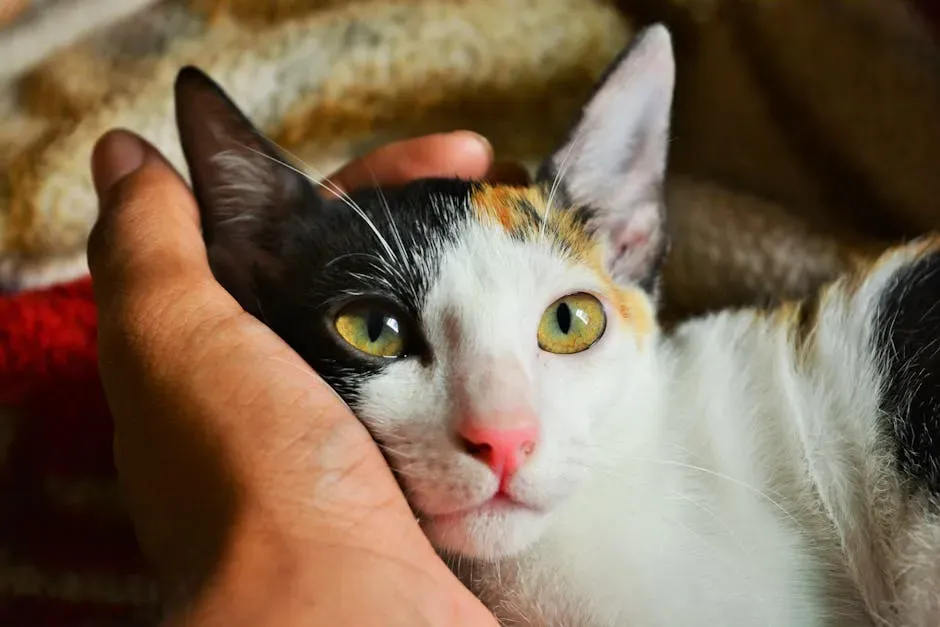
Your cat has never been aloof. They have never been cold, mysterious without reason, or randomly fixated on you for no cause. They have been talking. Slowly, subtly, and in a language that does not use a single spoken word. The stare, the blink, the pupil shift, the tail curl - it is all one long, layered conversation that has been happening in your living room every single day.
The beautiful part? Understanding your cat's slow blink as a form of communication can help you to better interpret their emotions and needs, allowing you to respond more effectively and compassionately. Once you start reading these signals, you will never look at your cat the same way again. They are not staring at you in silence. They are waiting patiently for you to write back.
So the next time your cat locks those luminous eyes onto yours, do not look away. Slow blink. See what happens. What have you got to lose - and what might you finally gain? Drop your experience in the comments. We would love to know what your cat had to say.