9 Signs Your Cat Feels Lonely - Even If You're Home
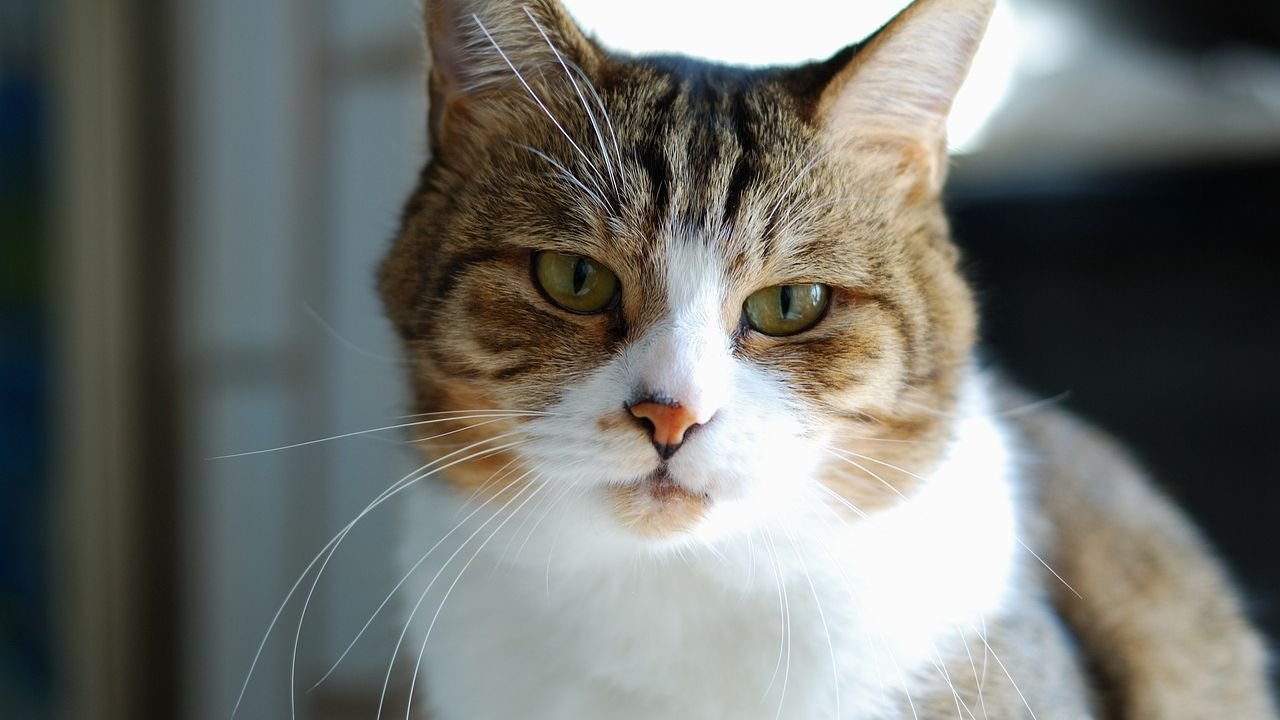
You're sitting on the couch, laptop open, doing your thing. Your cat is somewhere in the house. You're technically there. So everything's fine, right? Not necessarily. Here's something that surprises a lot of cat owners: your physical presence in a room doesn't automatically translate to emotional connection for your cat. Loneliness in cats is real, nuanced, and honestly a little heartbreaking once you start recognizing it.
The reputation cats have for being aloof and self-reliant has led many people to believe that cats can't get lonely - and nothing could be further from the truth. The truth is, your cat might be sending you quiet little signals all day long, and you might be completely missing them. Let's dive in.
1. Your Cat Won't Stop Meowing - Even When You're Right There
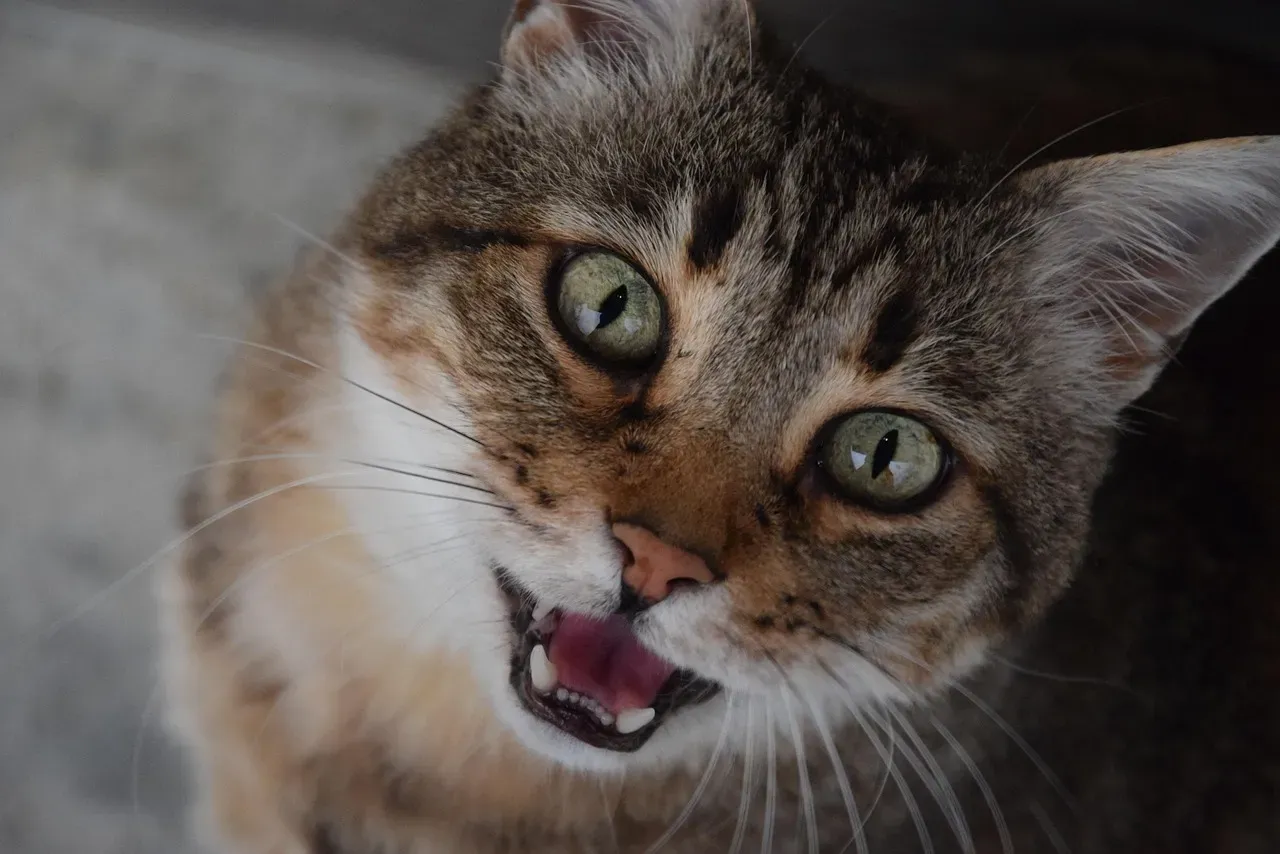
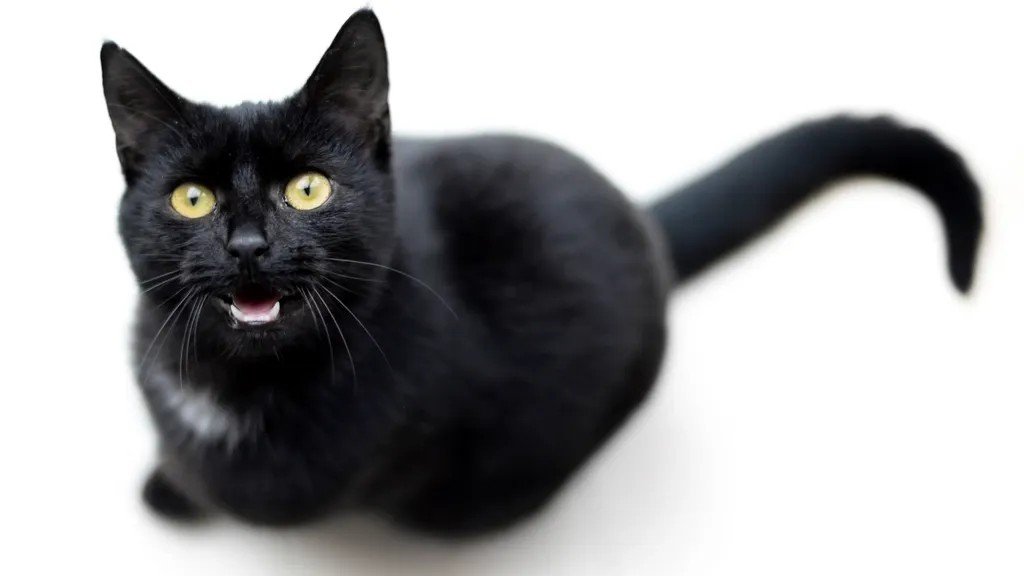
Even if your feline is a natural chatterbox, excessive vocalization may be a demand for more attention, especially if they feel lonely or neglected. Think of a baby crying for their mother. Cats similarly cry for their owners when they are lonely or need something from them. It's one of those things that can easily get dismissed as "just being a vocal breed," but the context matters enormously.
Excessive vocalization is likely to occur when you leave the house, when you return home after being away for hours, at meal times, or when you're trying to fall asleep. Cats cry or meow loudly when calling for a companion, to have reassurance that they are not alone. Your cat may even call you from another room by meowing repeatedly if they cannot get to you. If your cat seems to be having a full-on conversation with the walls, it might be time to have a conversation back.
2. They Follow You Everywhere - Including the Bathroom
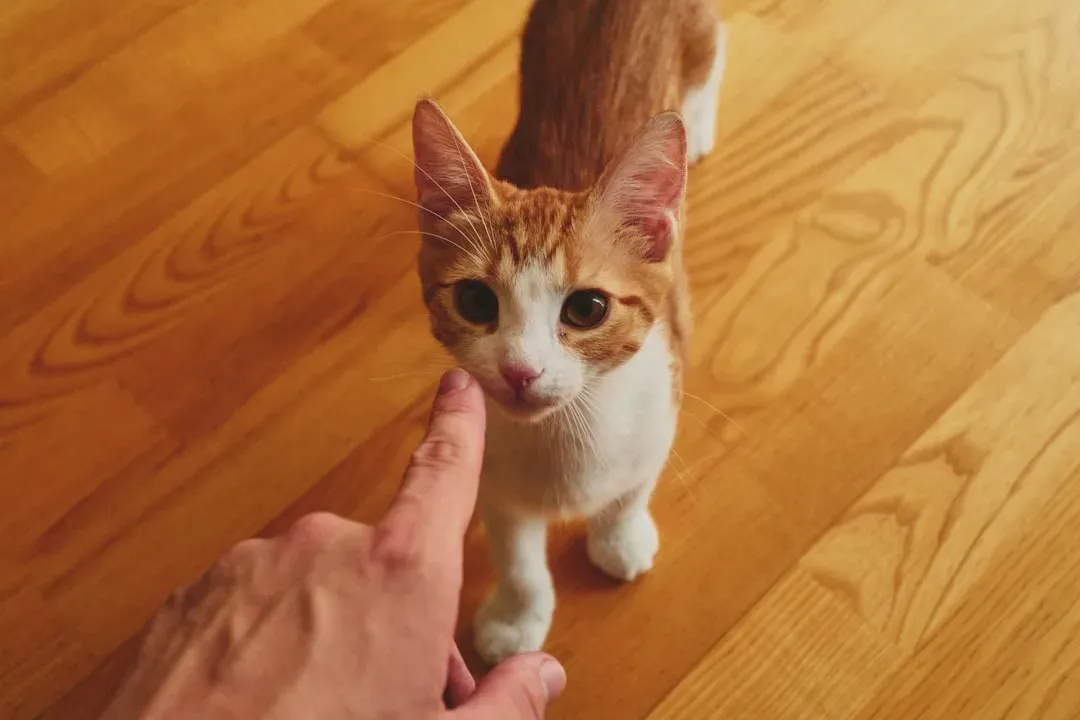
Cats love to run around your feet and jump on your lap for some cuddles, which is great for both of you. However, if you notice your cat will not leave your side and is constantly sleeping on you or sitting on your lap, this could be a sign that they are lonely. There's a meaningful difference between a cat who occasionally enjoys a good cuddle and one who shadows your every move like a tiny, furry detective.
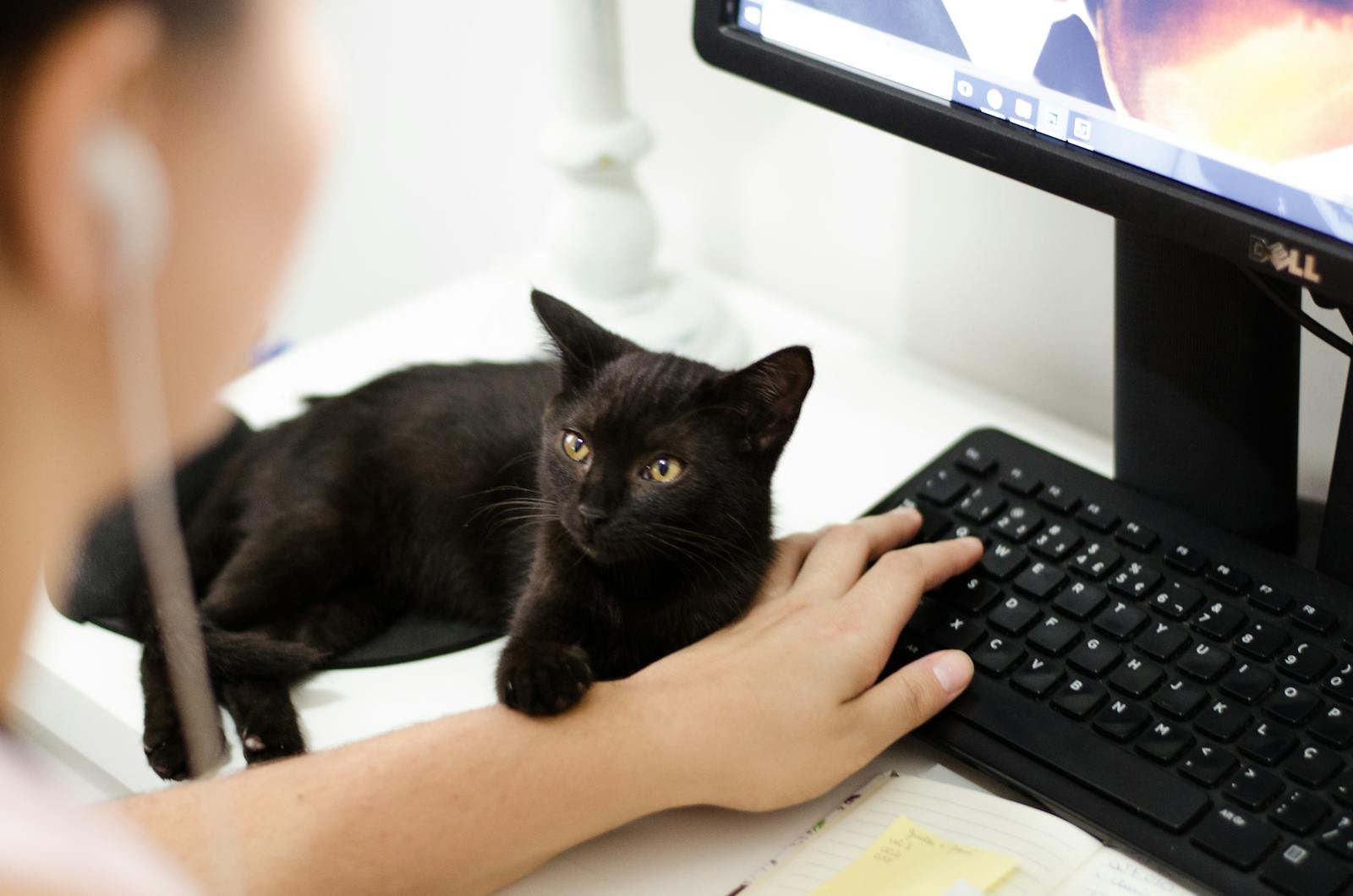
If you work from home, your cat may sprawl across your keyboard. It seems strange that your cat would be lonely with you sitting right in front of them. But even though you're home, you're not paying attention to them. Clinginess is a sign they want your attention. You being physically present isn't enough if your focus is elsewhere. For a lonely cat, being ignored in the same room feels just as isolating as being ignored from across town.
3. They're Sleeping Way More Than Usual
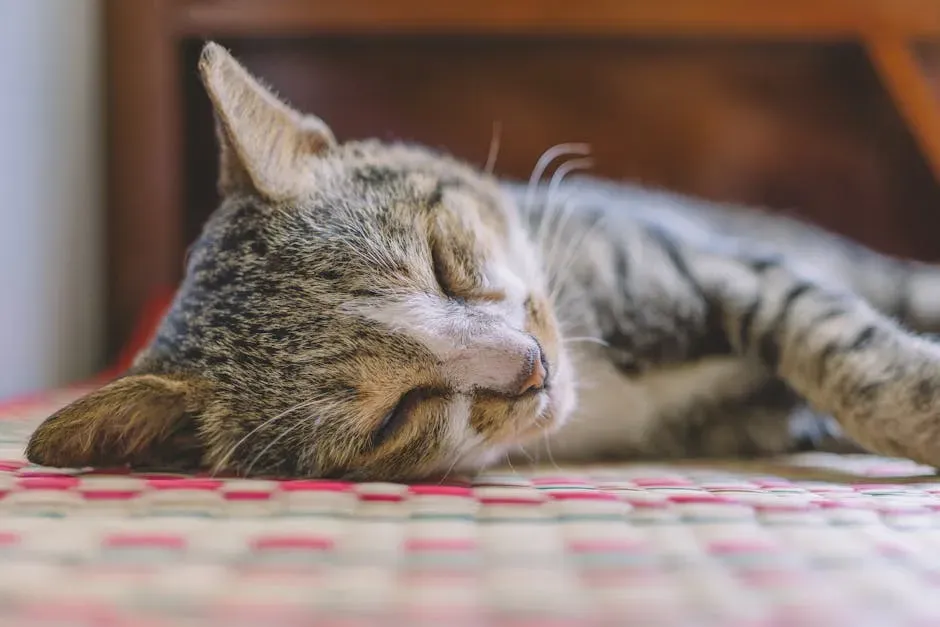
Okay, we all know cats sleep a lot. Cats spend the majority of their time sleeping - about 16 hours a day. That's basically a full-time job. So spotting the difference between "normal cat napping" and "suspiciously excessive sleeping" takes a bit of attention.
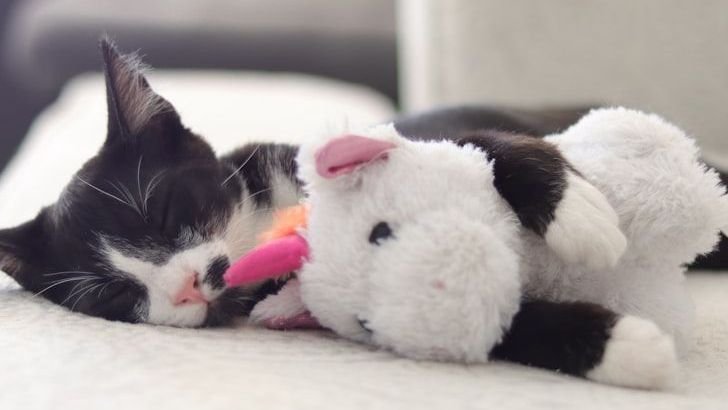
Just like for humans, boredom can spark the blues in cats, and that can lead to more naps. So if you notice your cat sleeping more than usual or reducing their level of engagement during playtime, it could be a sign of loneliness. Boredom can also cause your usually active kitty to become withdrawn or sluggish. Think of it like this: when a person is deeply lonely, they often retreat into sleep as an escape. Your cat isn't so different. Cats are nocturnal creatures, so it's normal for them to sleep away a large chunk of the daytime hours. However, it can be a sign of loneliness or depression if your cat begins to sleep more than usual or would rather sleep than engage in playtime with you.
4. Destructive Behavior That Seems to Come Out of Nowhere
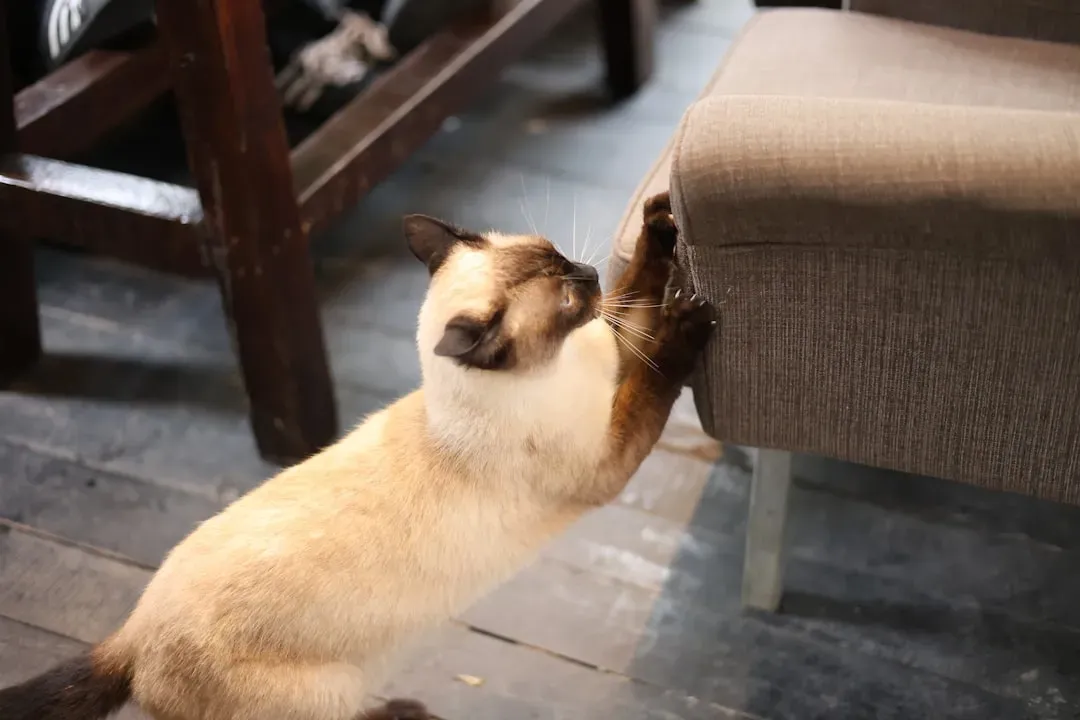
You come home to find your favorite throw pillow in pieces. Or maybe the curtains have been thoroughly "redesigned." Lonely cats are bored cats, and they are masters at finding some pretty creative and destructive ways to occupy their minds. Cats may move or destroy things in an attempt to stay busy while you're away. Whether your cat has decided to wreak havoc on your sofa, climb your curtains, or shred your toilet paper, destructive behavior is likely a sign of idle paws that have gone searching for something to do.
Here's the thing, though: don't mistake this for spite. Although these behaviors can be destructive, it's important to remember that your cat isn't being spiteful - what they're doing is communicating their feelings to you. It's frustrating, no doubt. Still, your cat knocking your water glass off the counter for the third time today isn't personal revenge. It's a cry for connection. Active and playful cats may become bored and lonely if they lack stimulation and interaction. Without opportunities for play and mental stimulation, they may exhibit signs of loneliness or engage in destructive behavior.
5. They've Started Over-Grooming Themselves
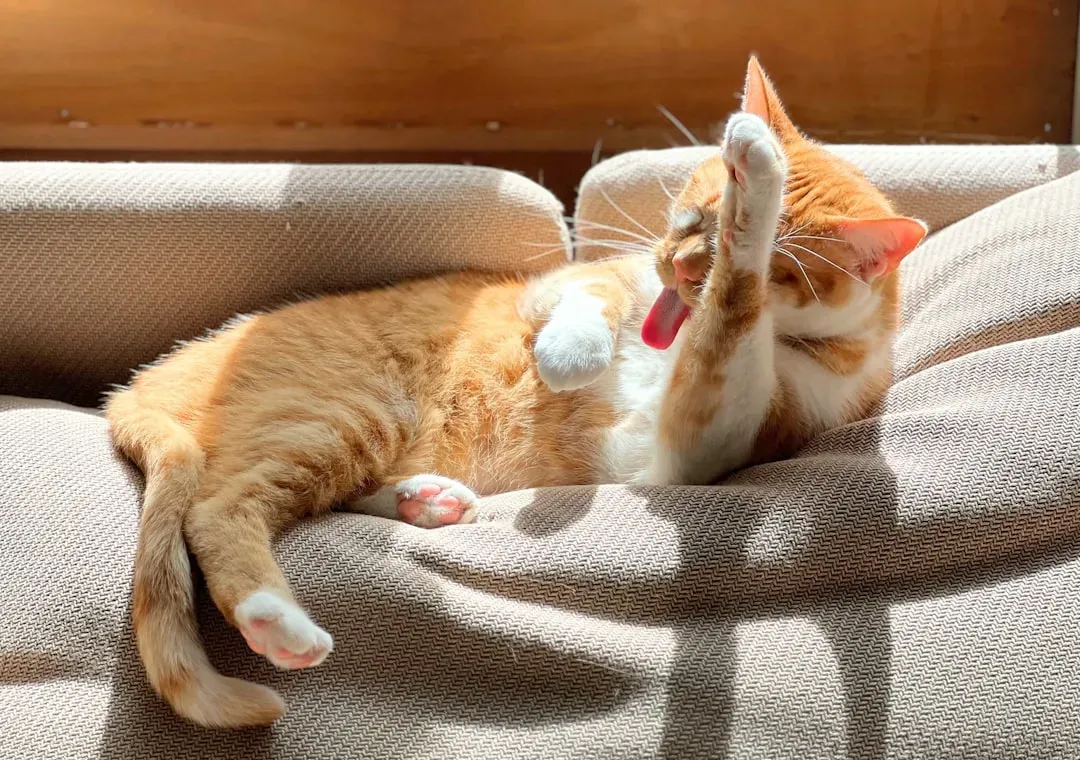
Cats are famously fastidious groomers. It's one of the things we love about them - they're practically self-maintaining. So when does grooming cross the line? Lonely cats frequently pull out their fur or groom themselves excessively. Cats are naturally meticulous groomers, but if your cat's grooming regimen begins to border on obsessive-compulsive behavior, it may be a sign that they are feeling lonely. Overgrooming can also indicate a medical condition that needs veterinary treatment, so interpreting this symptom as potential loneliness should be done in light of your cat's other behaviors.
Honestly, it's one of the more distressing signs on this list. Overgrooming is essentially a self-soothing mechanism, not unlike how some people bite their nails or compulsively fidget when they're stressed. Cats can over-groom to the point of skin irritation when they're stressed or unhappy. If you start noticing bald patches, redness, or more hairballs than usual, it's worth both a vet visit and a long, honest look at how much quality time your cat is actually getting.
6. They've Lost Interest in Food or Toys
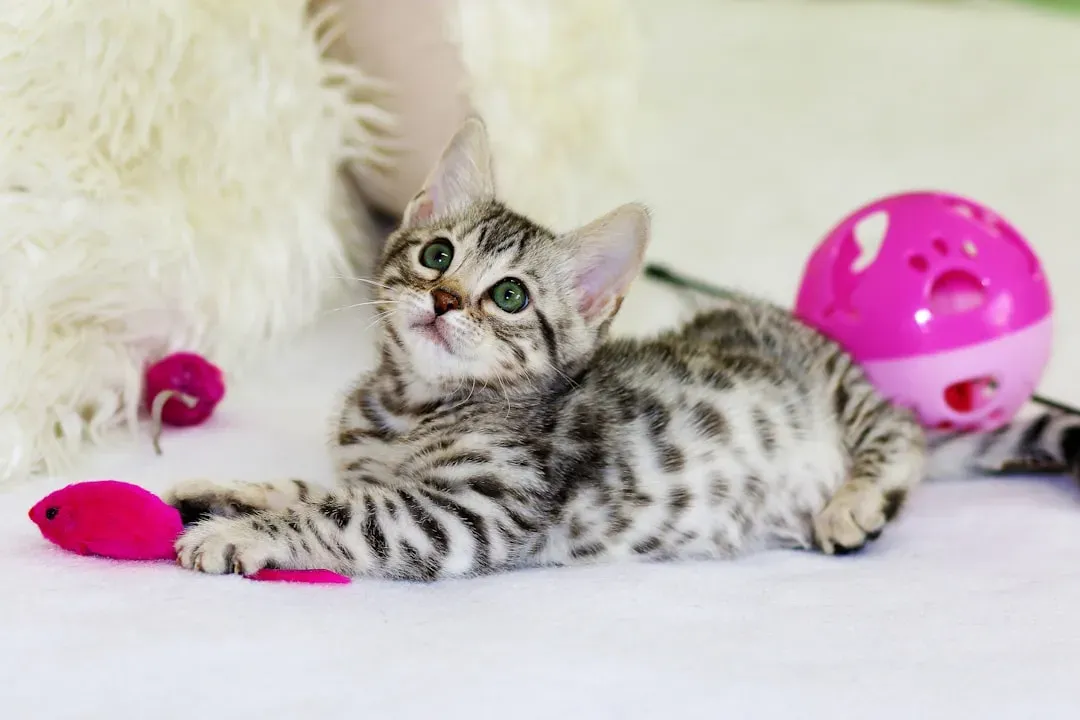
A cat who turns its nose up at dinner is a cat worth paying attention to. Another way to tell if your cat is feeling lonely is that they won't come close to their food like usual. If you find yourself leaving your cat alone and they are not eating, they could be lonely. If you are unsure, or you feel that your cat could potentially be ill, always take them to the vet, because there could indeed be an underlying health problem that needs to be sorted out.
A large indicator that your cat is lonely would be a decreased shift in their energy, meaning they have a lack of interest in playing, don't want to move, and sleep more than usual. A toy your cat used to go absolutely berserk over, now left untouched in the corner, is telling you something. Feline loneliness doesn't always look like human sadness - it's often about unmet needs. If your cat is lonely, it's likely they need more play, mental stimulation, or exploration. A disengaged cat is a lonely cat. Full stop.
7. They're Suddenly Acting Aggressive Toward You
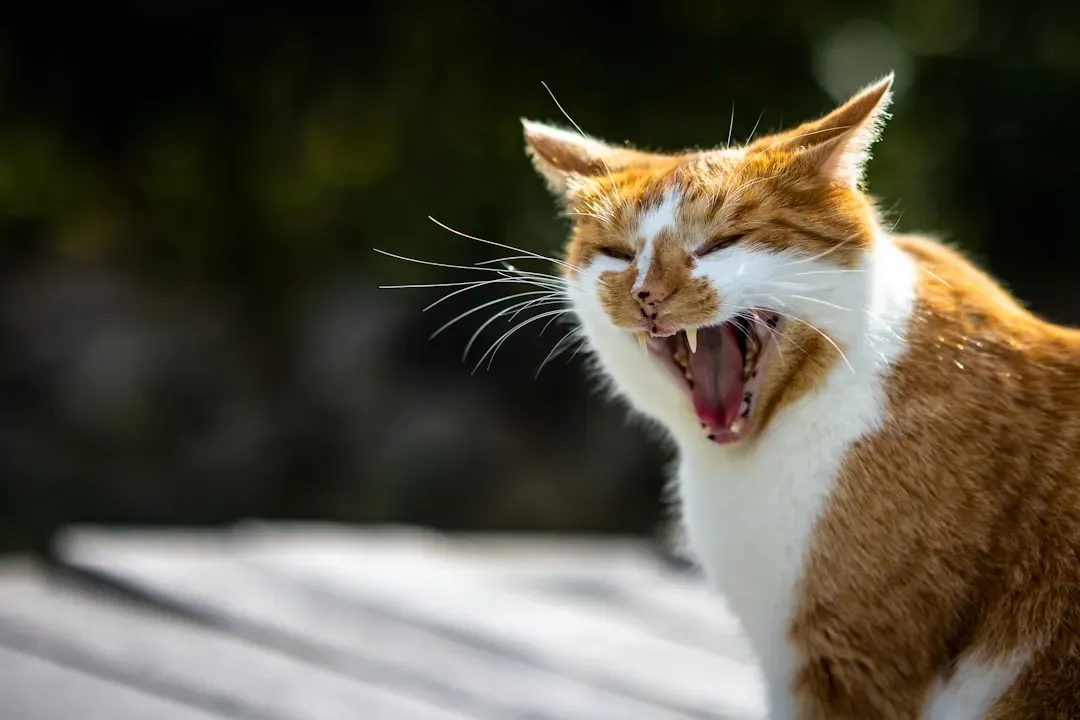
This one catches people off guard. Most of us assume that a lonely creature becomes needier, not more hostile. But cats don't always follow the playbook. If you notice that your feline is starting to "act a bit strange" towards you and becoming aggressive, then they may feel lonely. This is a sure way to tell if your cat is lonely.
Your cat may be lonely if she has suddenly taken to swatting or nipping at you as you're preparing to leave your home. It's almost like they're saying "Don't go" in the most dramatic way possible. Cats may become aggressive or rush the door when someone tries to leave. If your normally mellow cat has started ambushing your ankles or hissing when you try to walk away, it's worth stepping back and asking whether they're getting enough genuine, interactive time with you each day.
8. Litter Box Issues With No Medical Explanation
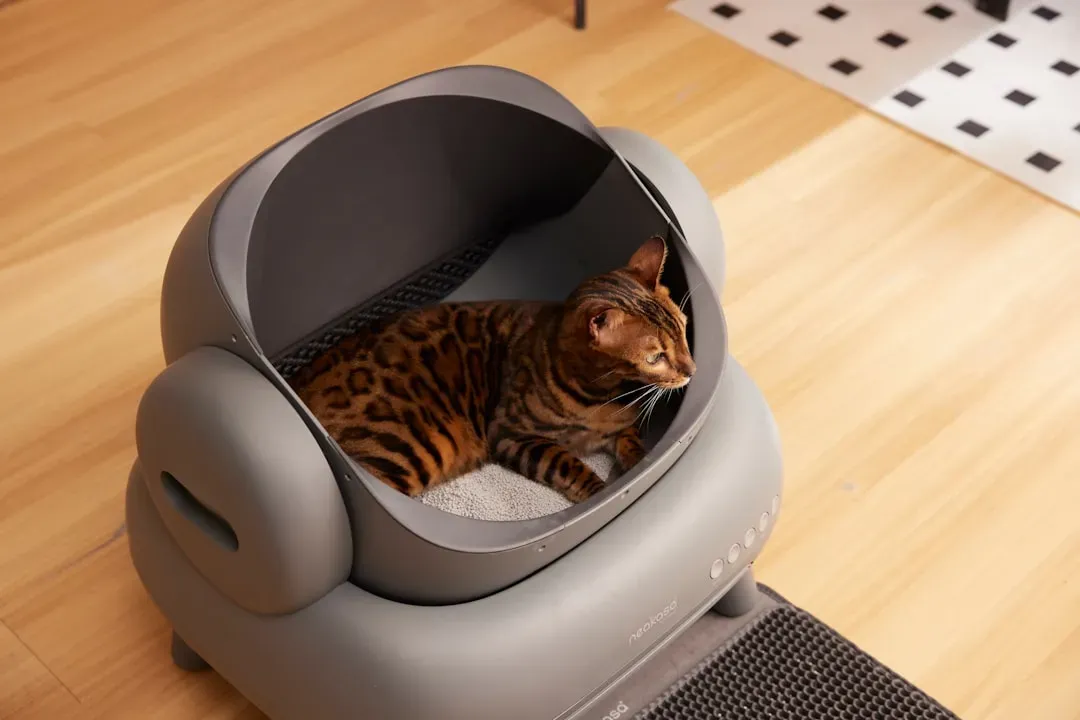
Nobody wants to talk about this one, but here we are. If your cat goes to the bathroom outside of the litter box while you are out of the house, this might be another sign loneliness is creeping in. Cats often exhibit negative feelings like stress or loneliness with destructive behavior, especially when they are under-stimulated or left alone for long periods of time.
Peeing outside the litter box can either be a health or behavioral problem. If you've ruled out a medical issue like kidney stones or a urinary tract infection, you can bet that the problem is rooted in stress. Think of litter box avoidance as your cat's version of a strongly worded letter. Defecating and urinating outside the litter box is purposeful, a way to express displeasure. It's unpleasant. It's also a message you probably shouldn't ignore.
9. They Seem Emotionally Flat - Even When You're Engaging With Them
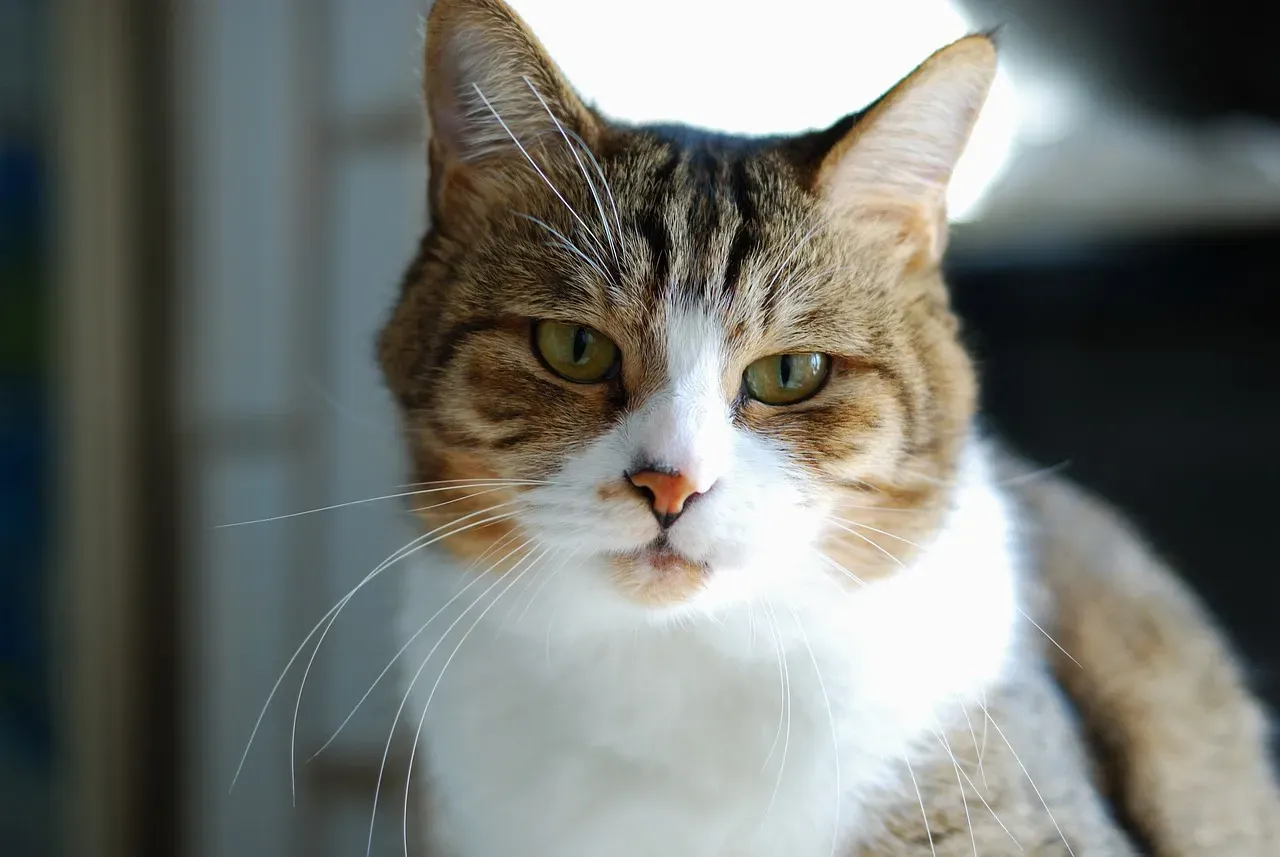
This is probably the subtlest sign on the entire list, and the one most people miss. Behavioral changes can signal loneliness or health issues. It's not always loud or obvious. Sometimes loneliness in cats looks like quiet withdrawal, a dullness in the eyes, a lack of that usual spark when you walk into a room.
If cats experience stress or anxiety while being alone, it may prompt them to isolate themselves or ignore their owners, deepening a lack of engagement. You might try to play with your cat and get nothing back. You might call their name and they barely lift their head. Cats can form strong emotional bonds with their people, and when those bonds go undernourished, cats show it in this quiet, defeated flatness that honestly hurts to witness once you recognize it for what it is. It's not aloofness. It's a kind of giving up on asking.
What You Can Do Right Now
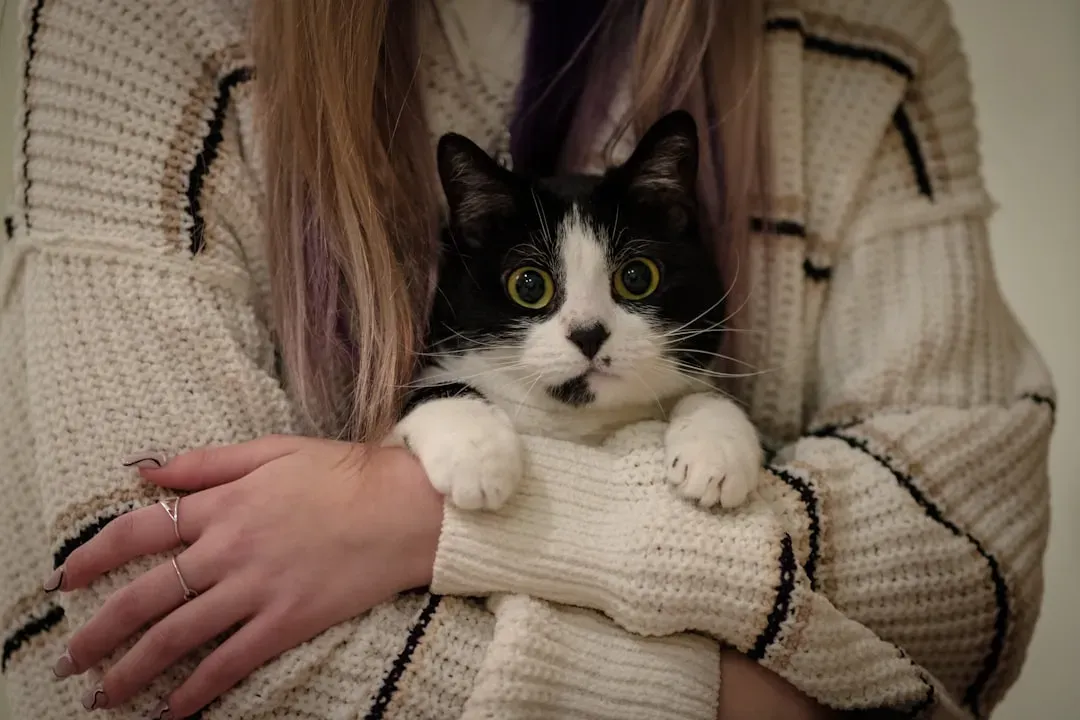
Recognizing the signs is the first step, but awareness alone doesn't fix the problem. Chronic loneliness can arise if your cat is left alone too often without enough stimulation. This could happen if your schedule changes, they lose a pet companion, or their environment lacks enough enrichment. In addition to time with you, your feline should always have enriching toys, puzzles, and climbing tools to keep them busy.
Stick to a routine. Cats thrive on consistency. Feeding, playtime, and rest should happen around the same time each day. Sudden changes can be stressful, so aim for predictability. Even fifteen focused minutes of interactive play each day can make a staggering difference. Put the phone down. Drag that feather toy across the floor. Make eye contact. Your cat doesn't need a bigger house or a fancier toy. They need you, present and attentive, even just for a little while. And honestly? That's probably the most touching thing about them.
What would you have guessed was the biggest sign of a lonely cat? Let us know in the comments - chances are, your cat has already been trying to tell you.