10 Things Cats Love That Many Owners Forget to Do Every Day
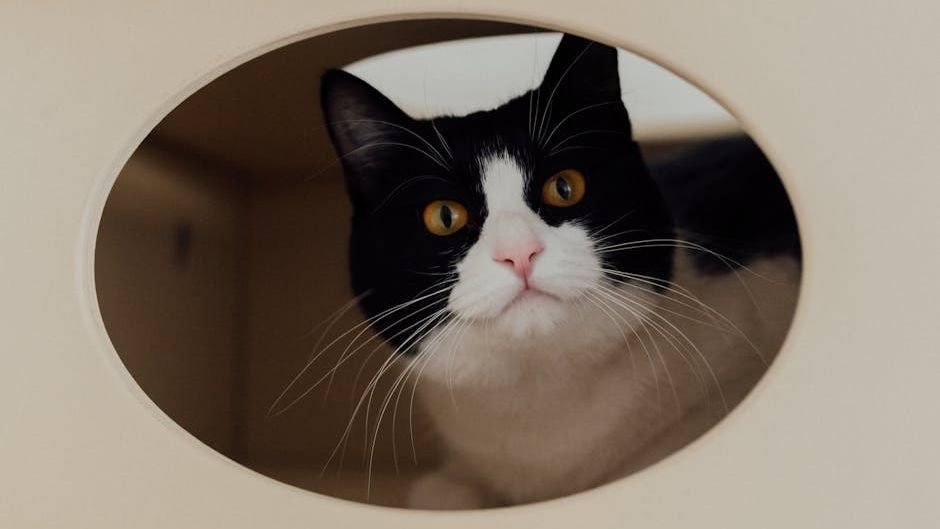
You probably think you're doing everything right for your cat. Fresh food, a clean litter box, maybe a toy or two tossed across the floor. Honestly, most cat owners are doing their best. The thing is, cats are quietly, patiently waiting for something more. Something you may not even realize they're craving.
Cats might act independent, but that does not mean they do not have preferences. In fact, there are many things cats absolutely love that often go unnoticed by even the most devoted owners. From scent-based bonding to playful hunting games, cats have emotional and physical needs that go far beyond a full food bowl and a clean litter box. If your relationship with your cat feels a little one-sided lately, you may just be missing a few of these daily essentials. Let's dive in.
1. Daily Interactive Play Sessions That Actually Mimic Hunting
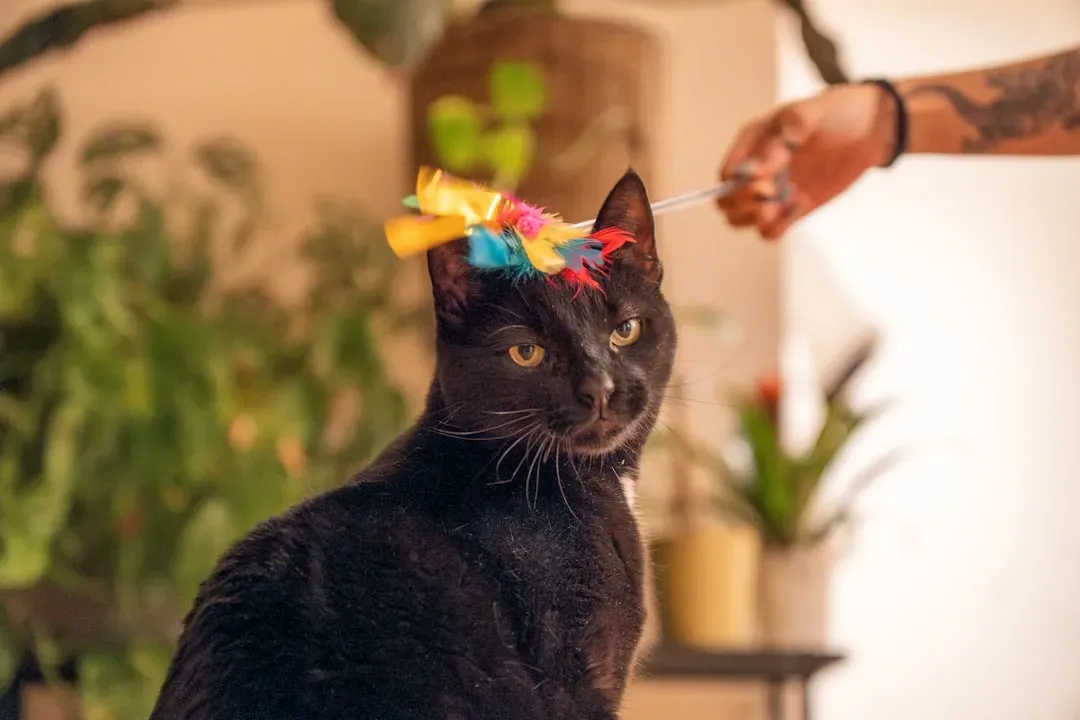
Here's the thing most people get wrong about playtime: throwing a crinkle ball and walking away doesn't count. Cats are natural hunters, and interactive play is how they simulate the chase. In the wild, they stalk, pounce, and capture prey to satisfy both hunger and instinct. In a home environment, that drive still exists, but without stimulation, it turns into boredom, restlessness, or even aggression.
Interactive play between owner and cat remains one of the most powerful tools for engagement. Cats respond strongly to toys that replicate the movements of prey animals. Wand toys with feathers, ribbons, or fabric attachments are particularly effective because they allow owners to mimic the unpredictable movements of birds or small animals. Think of it like this: your cat is a tiny, furry athlete who needs a proper workout, not just a warm-up stretch. Two sessions a day of about fifteen minutes each can genuinely transform your cat's mood and behavior.
2. Offering Fresh Running Water, Not Just a Static Bowl
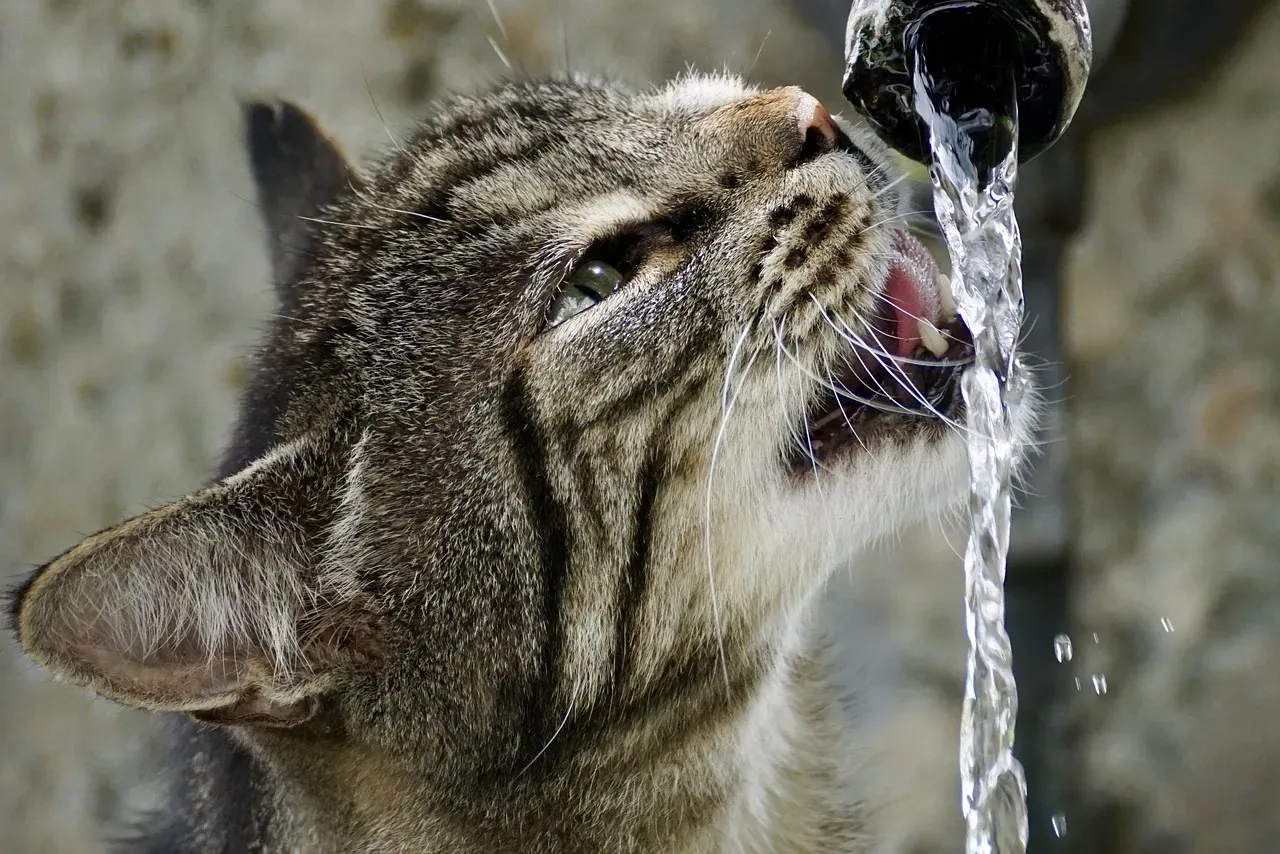
This one surprises a lot of people. Cats are notoriously picky drinkers who prefer running water over stagnant bowls, and this love for running water comes from their ancestors who preferred running water as cleaner and more trustworthy. It's not a quirk or a personality trait. It's deeply wired biology.
Installing a pet water fountain or even leaving a bathroom faucet dripping can dramatically increase your cat's water intake. This isn't just a preference; it's a health necessity that many cats communicate by pawing at faucets or drinking from unusual places like bathtubs or plant saucers. If your cat has ever jumped up and stared at the tap like it owes them something, now you know exactly why. A cat water fountain is one of the simplest upgrades you can make for their long-term kidney health.
3. Providing Proper Vertical Space to Climb and Observe
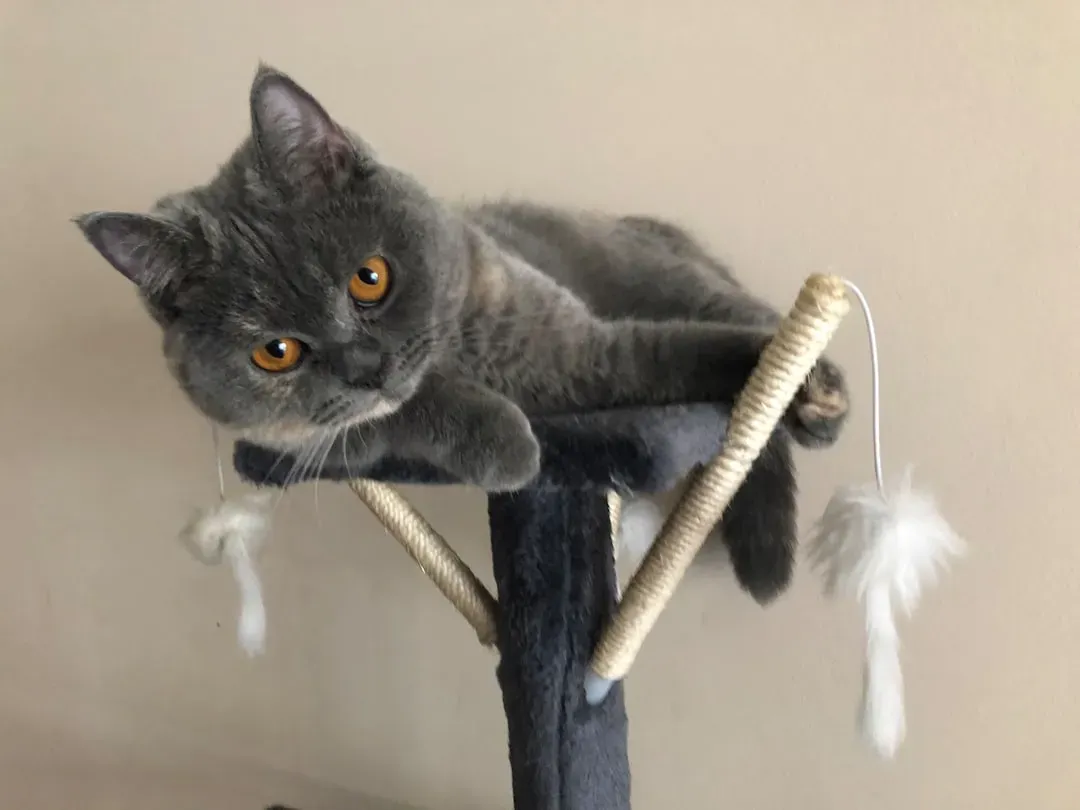
Cats are natural climbers and enjoy surveying their domain from above. High perches, such as cat trees or shelves, offer them the vantage point they instinctively crave. I think of it like giving a person a corner office with a view. The elevation itself feels like power and safety to a cat.
Adding cat shelves, tall scratching posts, or cat trees throughout your home satisfies this primal need for vertical territory. Many owners provide just one climbing spot when cats actually need multiple vertical pathways throughout the house. This vertical space helps reduce stress and territorial conflicts in multi-cat households. So if you've got one sad little cat tree sitting in the corner and you're wondering why your cat seems edgy, vertical variety might be exactly what they're missing.
4. Creating a Dedicated Quiet Retreat They Can Always Access
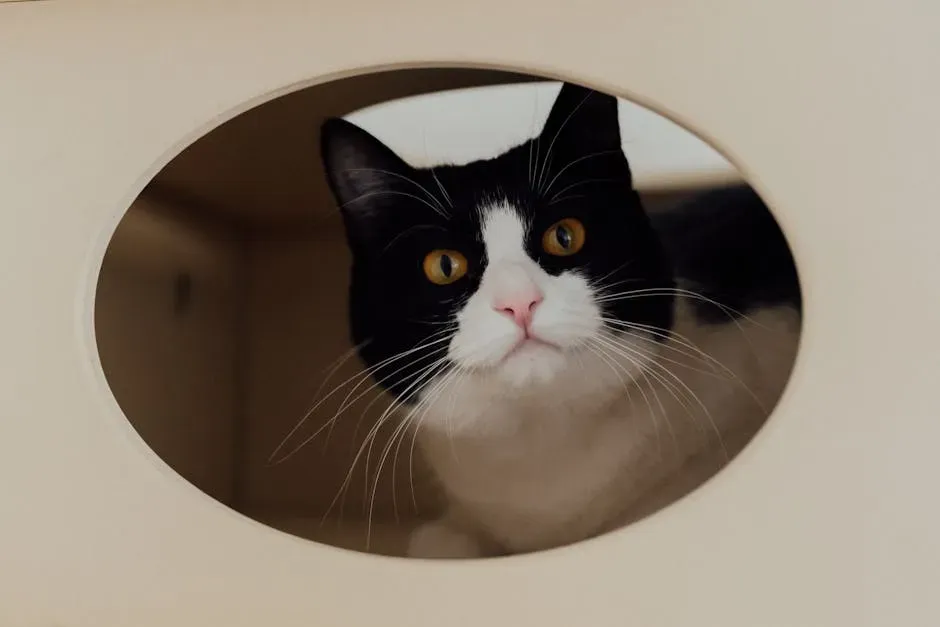
Every cat needs a sanctuary where they can completely relax without interruption from children, other pets, or household activity. This might be a dedicated cat cave, a high shelf in a quiet room, or even a simple cardboard box in a peaceful corner. The key is ensuring this space remains consistently available and undisturbed, giving your cat somewhere to recharge when the world becomes overwhelming.
Creation of a living space that keeps the cat free from fear and distress and that provides a predictable daily routine over which the cat perceives it has some control is the starting point for enhancing feline welfare. It's a small thing to you and an enormous thing to them. Don't let kids or other pets invade that space. Treat it as sacred, because to your cat, it genuinely is.
5. Puzzle Feeding to Engage Their Natural Foraging Instincts
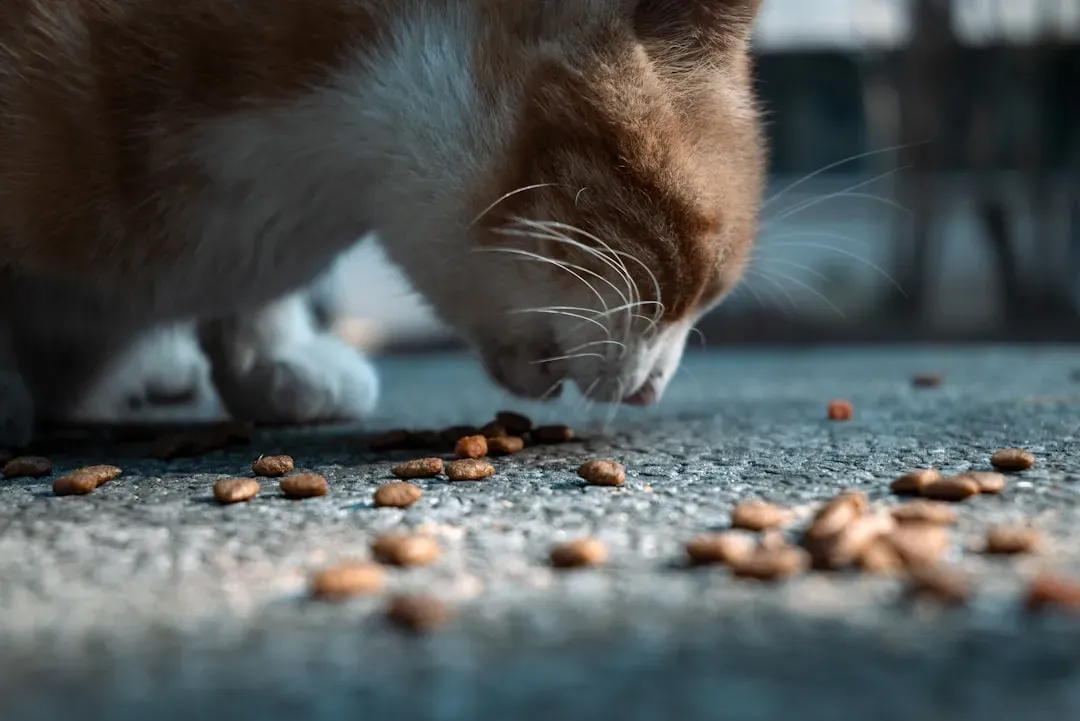
Free-feeding from bowls doesn't tap into your cat's hunting instincts. Puzzle feeders challenge cats to work for their food, mimicking natural hunting behaviors and providing crucial mental stimulation. Cats in the wild spend hours hunting, catching up to many small prey items daily. This activity engages their brain and body in ways that eating from a bowl simply can't match.
Cat enrichment with food can help a picky eater, as sometimes a finicky cat eats better when it must work for its food. It can also help to slow down the cat's eating if the cat is very greedy for food. A good cat enrichment challenge encourages the cat to use its brains but does not lead to excessive frustration. You don't need expensive gear either. A muffin tin with a few balls placed over hidden treats works beautifully as a DIY puzzle feeder that costs almost nothing.
6. Respecting and Protecting Their Sleep Schedule
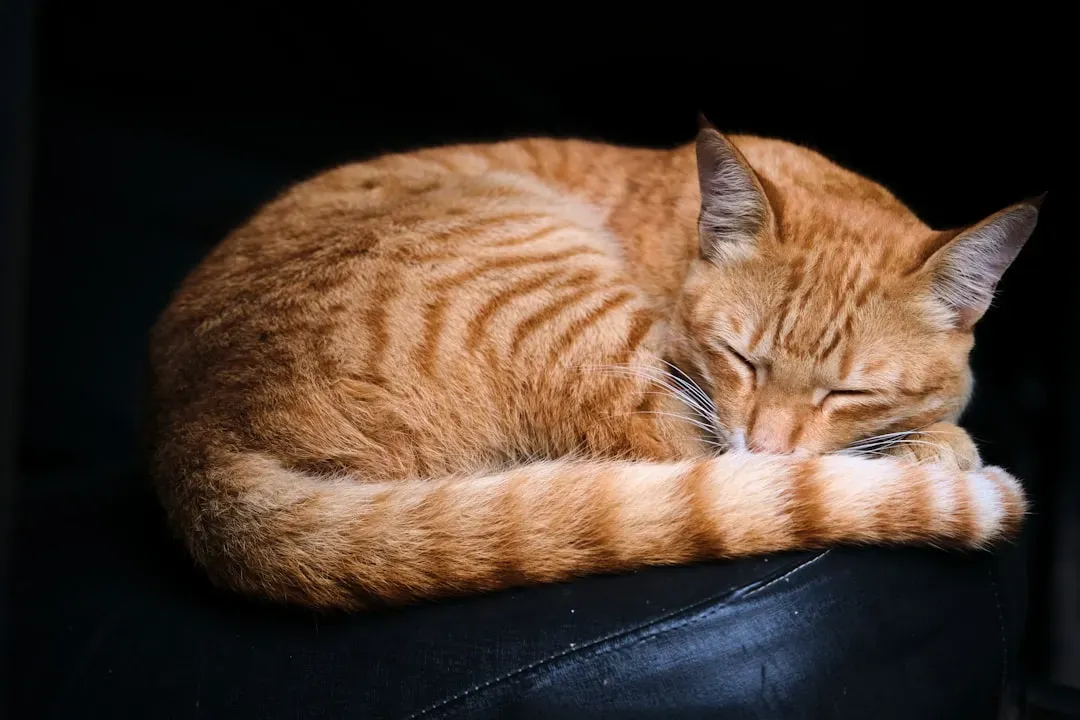
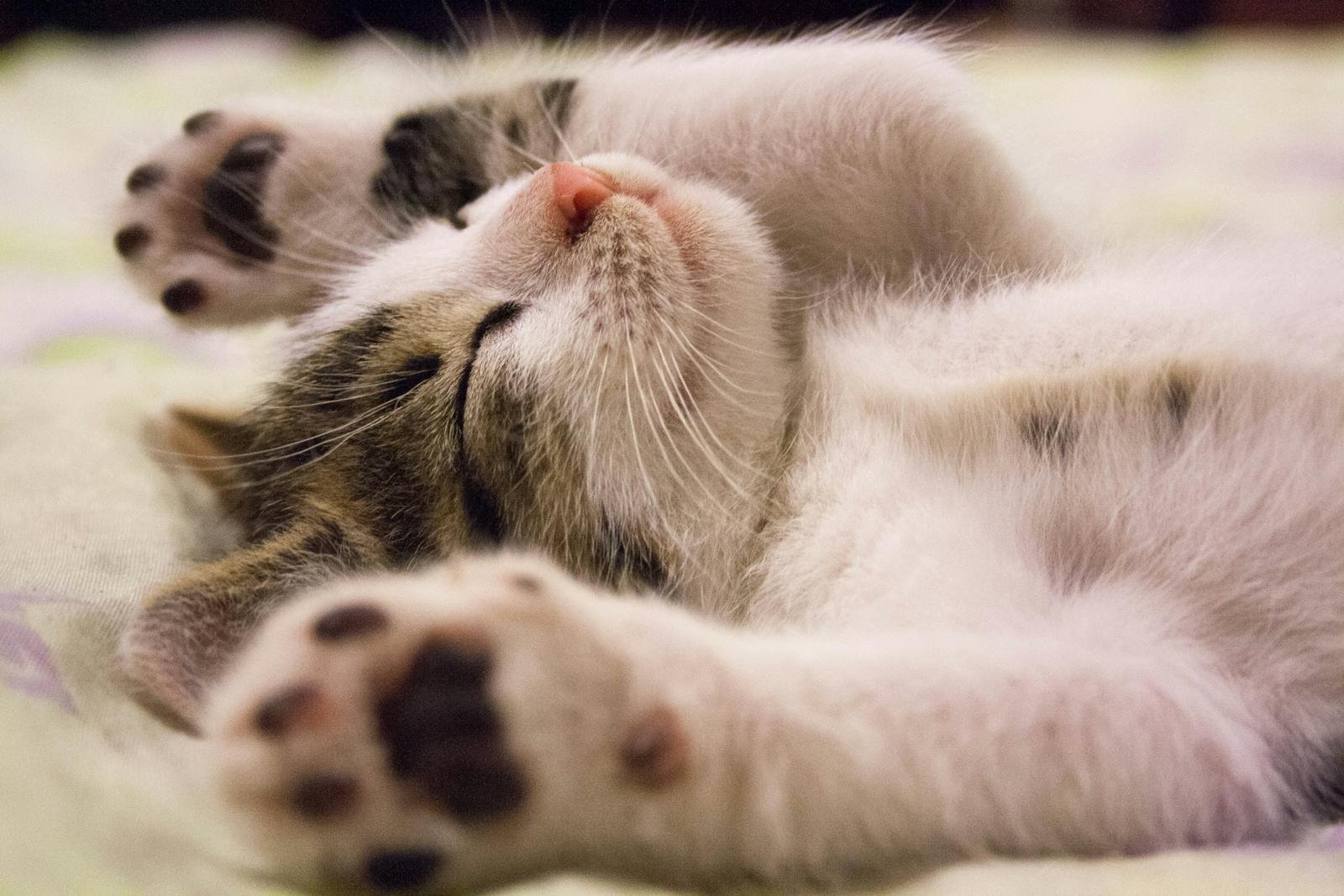
This is one that almost every owner overlooks. Cats sleep twelve to sixteen hours daily, yet many owners disrupt these crucial rest periods. Respecting your cat's sleep by creating undisturbed quiet zones allows them to complete vital sleep cycles that support health and mood. Waking a sleeping cat for a cuddle might feel affectionate to you. To them, it can be genuinely stressful.
Sleep deprivation in cats leads to stress-related behaviors like inappropriate elimination or aggression. Observing and protecting your cat's preferred sleeping schedule creates harmony in your household while supporting their biological needs for extensive rest between active periods. Think of it the way you'd think of a toddler's nap time. Interrupt it, and everyone pays the price later. Cats are no different.
7. Learning to Respond to Their Slow Blink Communication
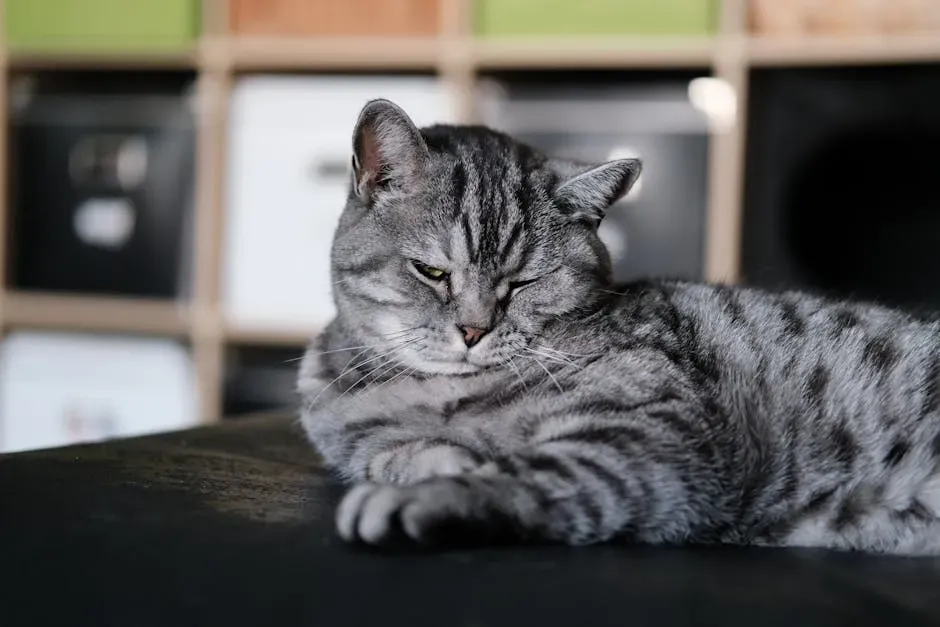
Most owners miss this one entirely, and it's honestly a little heartbreaking once you know about it. When your cat looks at you and blinks slowly, it's their version of a kiss and shows trust and affection. This subtle gesture is one of the most profound ways cats communicate love, yet most owners either miss it entirely or don't know how to respond. If a cat makes eye contact and slowly blinks at you, try slowly blinking back, as this indicates they feel safe and comfortable in your presence.
Cats learn specifically how their owners react when they make particular noises, and they're much smarter than we give them credit for, as they learn what works with what person. Your cat is constantly trying to talk to you, using their whole body as the language. Slowing down enough to notice those signals and respond to them is one of the most meaningful daily habits you can build with your feline companion.
8. Maintaining a Consistent Daily Routine They Can Rely On
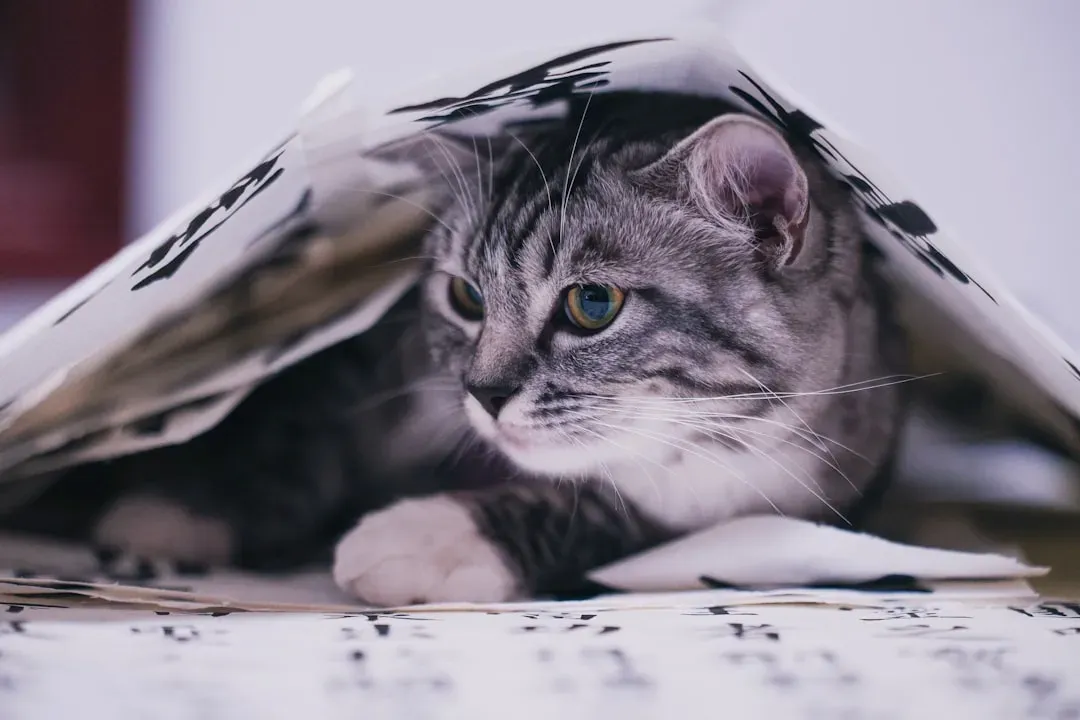
While humans often crave variety and spontaneity, cats find deep comfort in predictable patterns. This means feeding times, play sessions, and even your daily routines become important markers in their world. Cats who seem anxious or destructive often improve dramatically when their environment becomes more structured and predictable, even down to something as simple as consistently using the same route through the house.
Predictability builds trust. When your cat knows what to expect, it becomes more confident and relaxed in its surroundings. This leads to fewer behavior issues and a stronger bond between pet and owner. Routine for a cat is like a warm security blanket. Even something as simple as feeding them at the same time every morning creates a foundation of trust that ripples through your entire relationship with them.
9. Providing a Window Perch With an Engaging Outdoor View
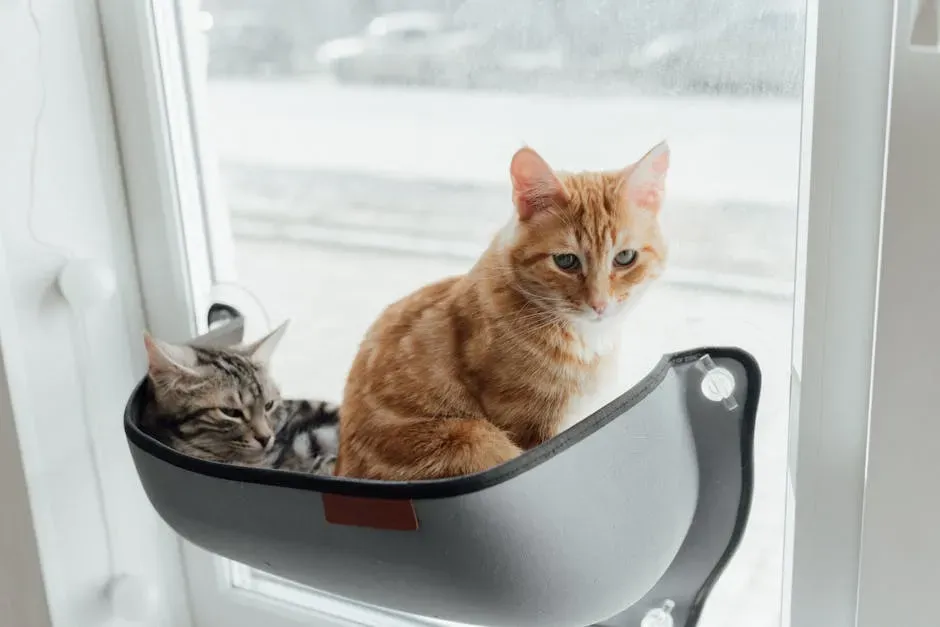
Cats are visual creatures that love watching the world go by. A view of a bird feeder, tree, or quiet street provides endless entertainment and reduces boredom. Window watching also gives indoor cats a taste of the outside world without the risks. It's basically free television, and your cat will watch it for hours, deeply and completely absorbed.
Placing a bed, mat, or cat perch near a window transforms it into their personal observation deck. You can also add a bird feeder outside to create a dynamic, ever-changing scene. For apartments or places without direct window access, a small shelf installed near a window works well. A happy cat will spend hours each day sunbathing, watching movement, and even chattering softly in response to birds or squirrels. It sounds so simple. Yet so many owners never even think to set it up.
10. Regular Brushing and Gentle Touch in Their Favorite Spots
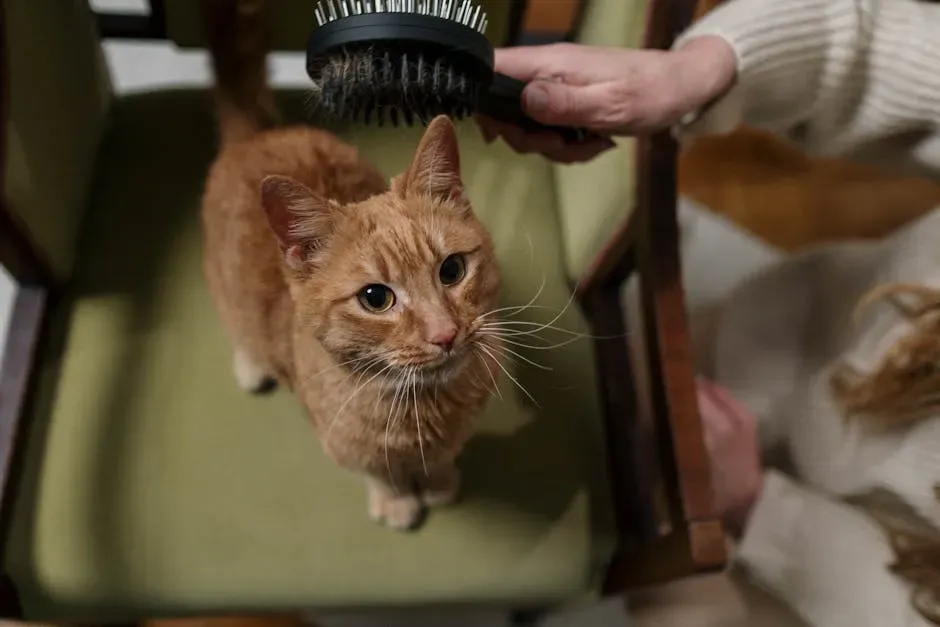
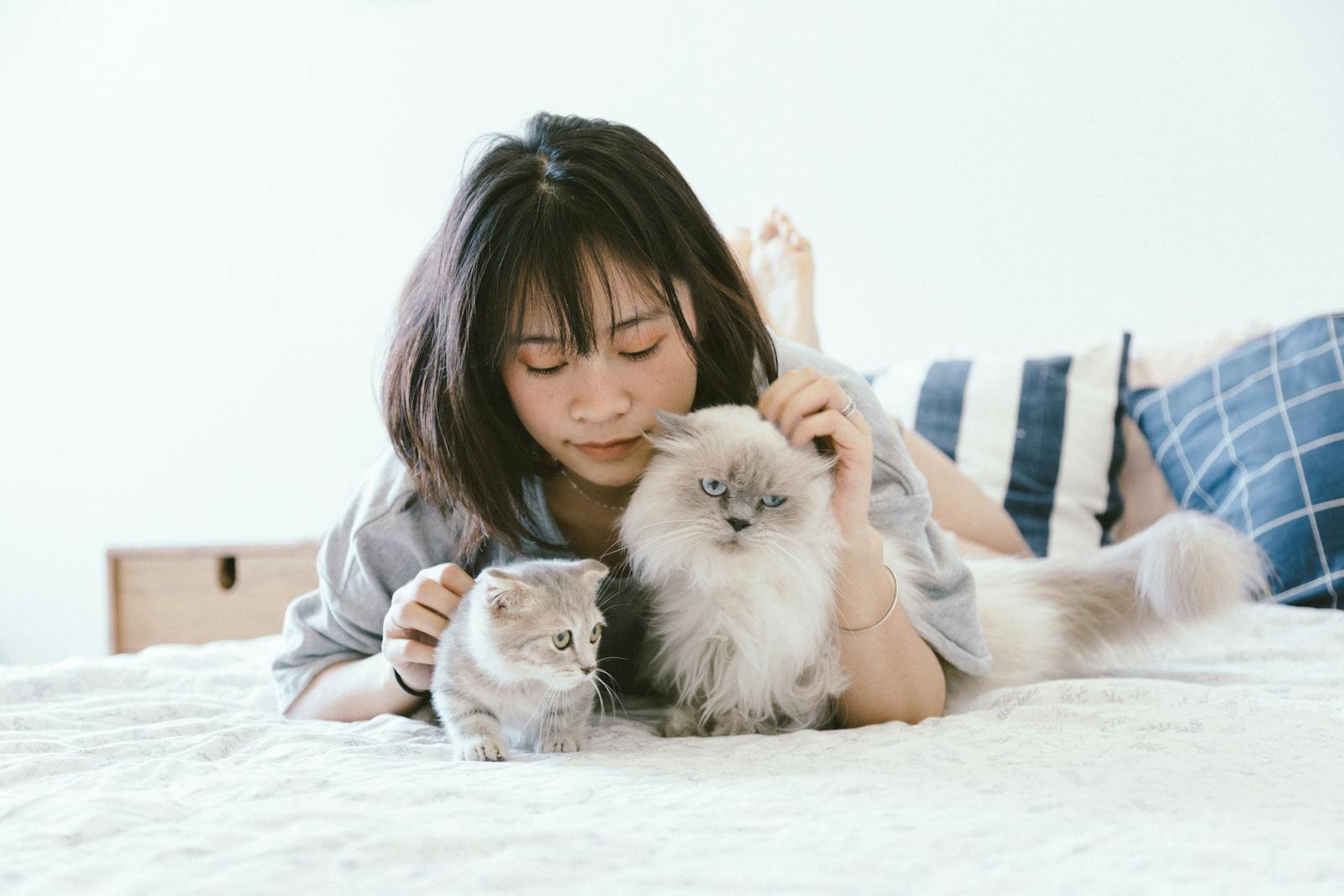
While cats are adept at self-grooming, regular brushing from their human can be a bonding experience. Grooming helps reduce shedding and hairballs while offering your cat the sensation of being pampered, much like the mutual grooming seen in feline colonies. In the wild, cats groom each other as an act of social bonding. When you brush your cat, you're essentially speaking their language of affection.
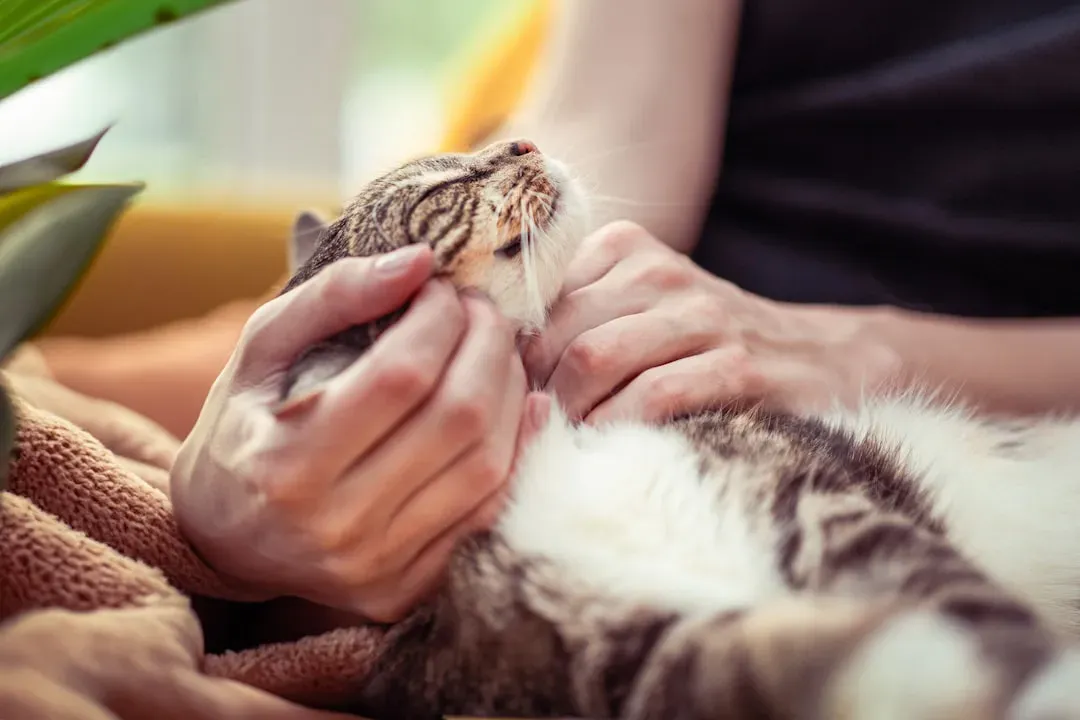
Cats enjoy gentle touches on their cheeks, chin, and forehead, where scent glands are located. These are the areas they use to mark you and their environment. Using your fingers or a soft brush, gently stroke these spots while watching for signs of enjoyment like slow blinks or purring. Not every cat wants a full grooming session every day. Pay attention to what your cat enjoys and build from there. Even two or three minutes of intentional, gentle touch in the right spots can deepen your bond more than you'd ever expect.
Conclusion
Caring for a cat is one of those relationships that rewards the people who pay close attention. Your cat isn't being mysterious or aloof for no reason. They have genuine needs, real preferences, and a rich inner world that responds to the little things you do, or forget to do, each day.
For cat owners, enrichment means intentionally creating opportunities for your cat to hunt, explore, climb, problem solve, and interact with their environment. When done well, enrichment activities can dramatically improve a cat's physical health, emotional balance, and overall quality of life. None of the ten things on this list require a massive budget or hours of your time. They require presence, awareness, and a genuine willingness to meet your cat where they are.
The cats who thrive aren't just the ones who are fed well. They're the ones whose owners actually show up for them every single day. Which of these ten things are you going to start doing differently? Your cat is probably watching you right now, waiting to find out.