10 Subtle Sounds Your Cat Makes That Carry Hidden Messages for You
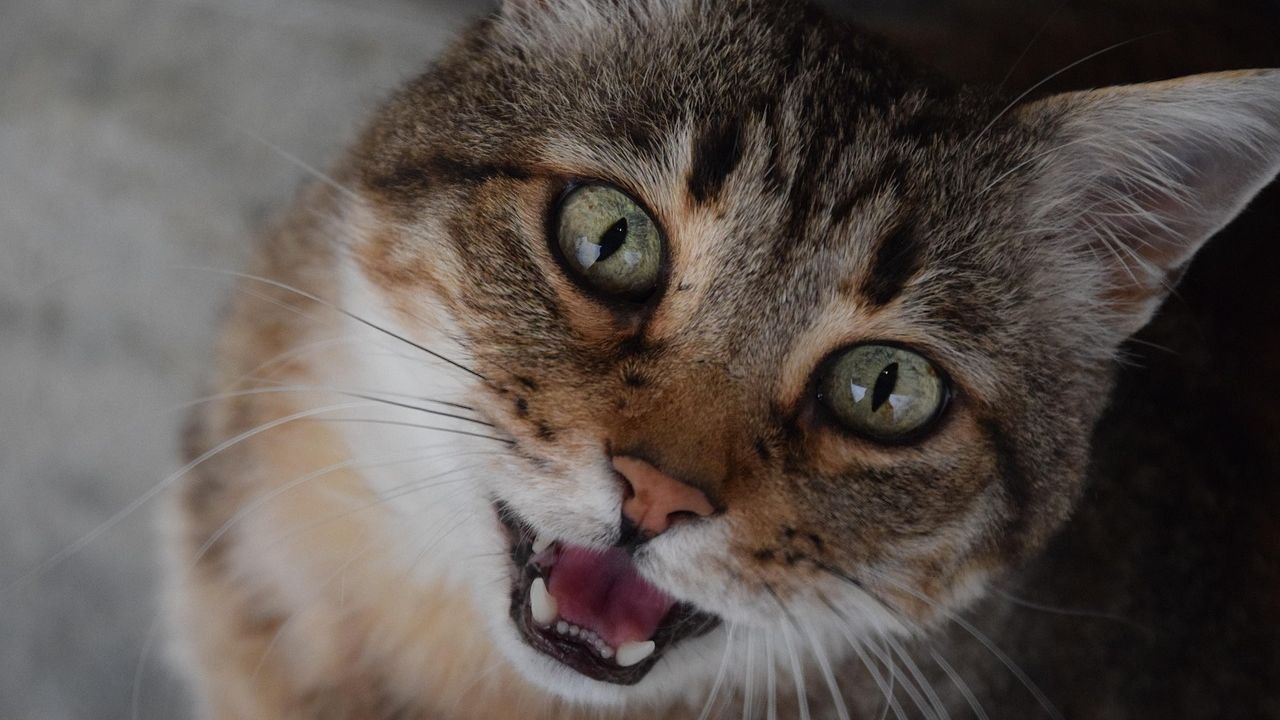
You've probably sat across from your cat at some point and thought, "What on earth are you trying to tell me?" One moment they're staring at you with laser focus, the next they're letting out a tiny sound that's halfway between a meow and something you've genuinely never heard before. It's both adorable and a little baffling.
Here's the thing - your cat isn't random. Not even close. Your cat is actually communicating to you information about their world and about how they feel toward you. Every squeak, rumble, and chirp is a sentence in a language that most humans spend years trying to decode. The good news? You don't need to be a scientist to start understanding it.
So whether you're a seasoned cat parent or a newer one just figuring out the quirks of your furry roommate, get ready to have some "aha" moments. Let's dive in.
1. The Trill: Your Cat's Way of Saying "Hey, I Like You"
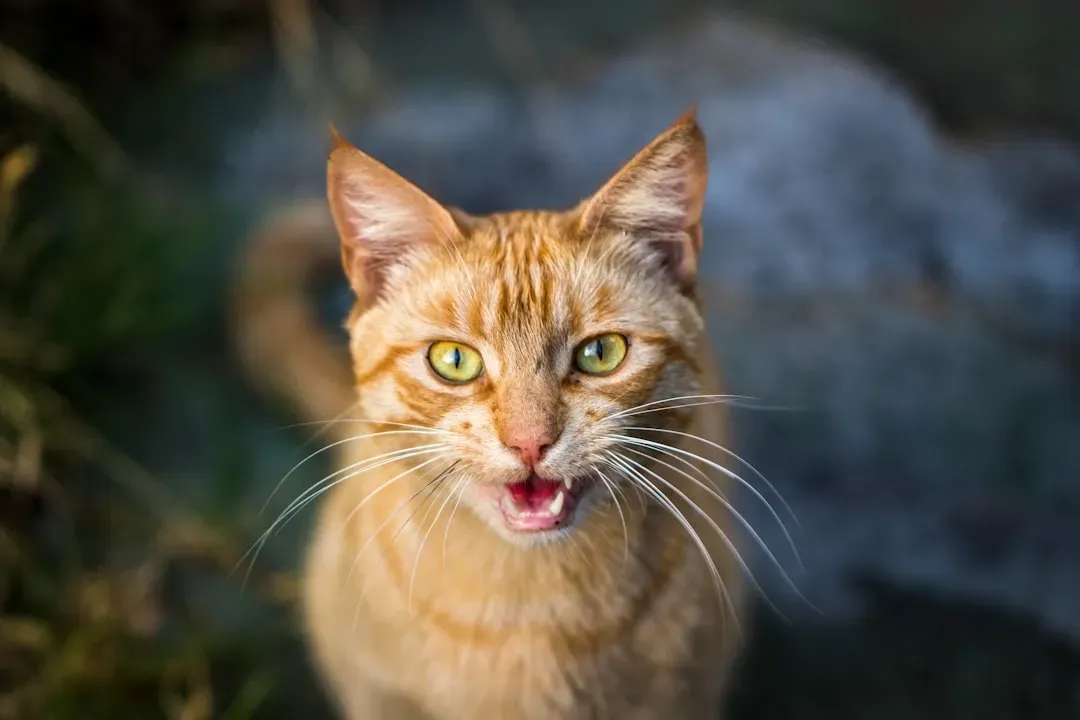
Most people know the meow, but the trill? That's a genuinely special sound, and honestly, if your cat does it to you, consider yourself lucky. A mix between a meow and a purr, the trill is often described as a friendly "mrrp" sound. It's high-pitched and repetitive, coming out in short bursts. Think of it as your cat's version of a cheerful wave from across the room.
Cats trill when they see or approach a familiar and well-liked person, cat, or other animal. Studies show it is specifically associated with positive and familiar situations. A person they know may be offering treats or bringing out a favorite toy, but the reason for the trill is the specific person, not the activity itself. In short, your cat is not trilling at the treat - they're trilling at you. That's a big deal.
2. The Chirp: Excitement, Frustration, and a Whole Lot of Hunter Energy
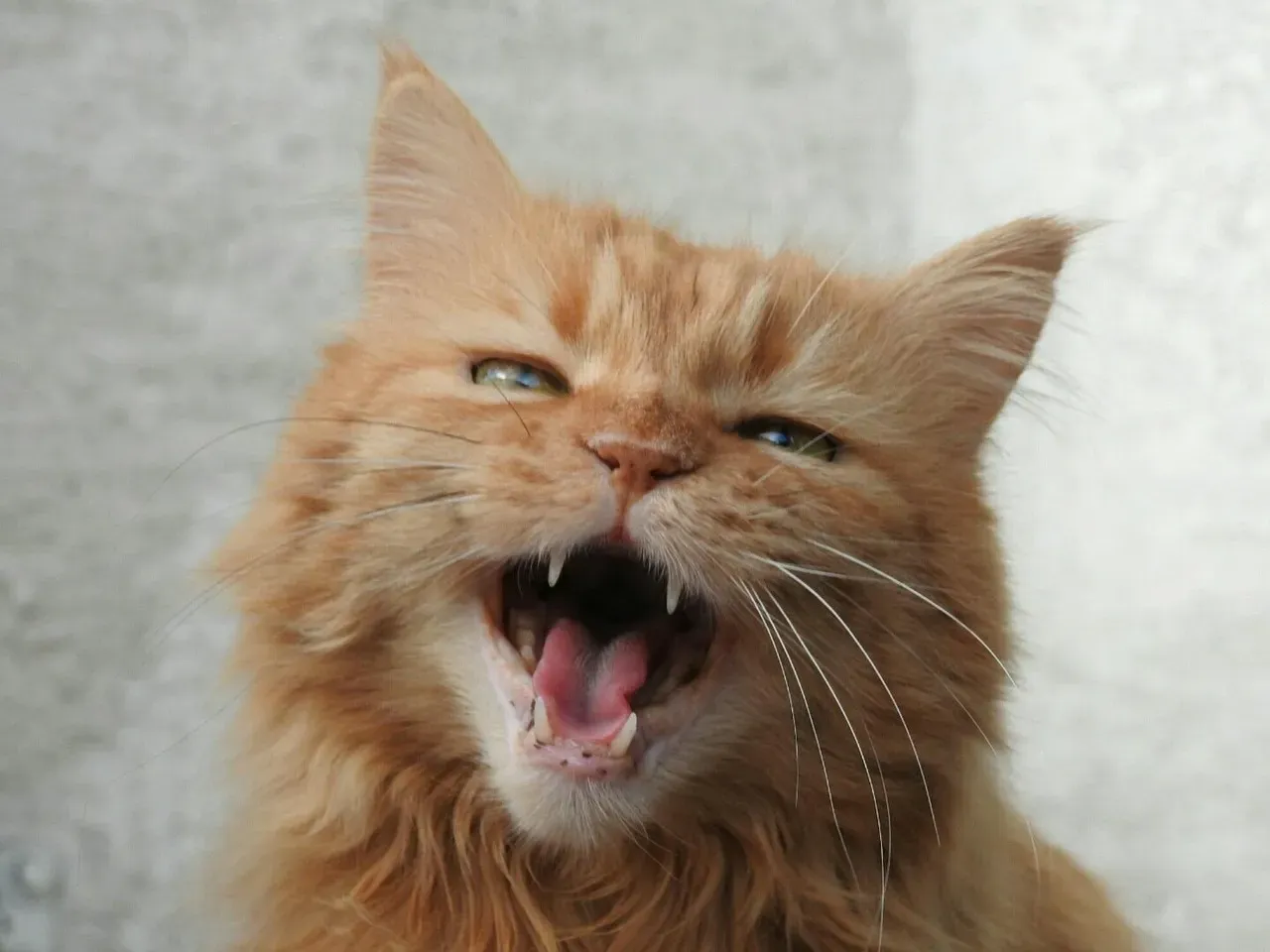
If you've ever watched your cat lock eyes on a bird through the window and start making that strange stuttered sound, you've witnessed the chirp in full glory. It's one of the most fascinating sounds in the feline repertoire. One of the most common reasons a cat chirps is when they see potential prey they cannot access, such as while watching squirrels or birds outside the window. In this context, a chirp can indicate excitement mixed with a little frustration.
Learned in kittenhood, these birdlike utterances are slightly more declarative than a meow. Originally used by mothers to tell kittens to pay attention and follow her, your cat may chirp in an effort to get you to pay attention or as a way to get you to check out something they deem important. So the next time your cat chirps at you from across the hall, they might just be inviting you to witness something spectacular - or at least something they think is spectacular.
3. The "Worry Purr": Not Everything That Rumbles Is Contentment
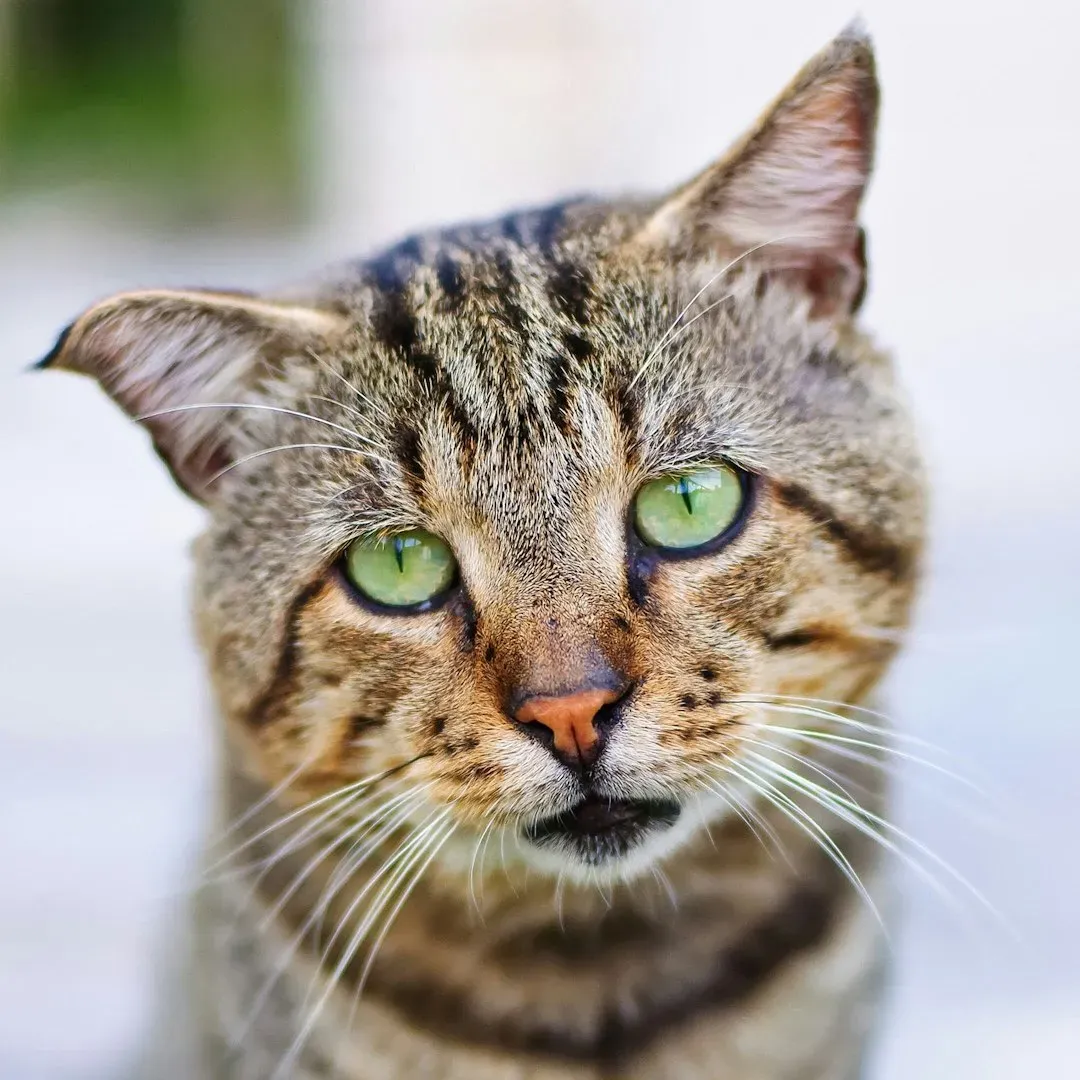
Everyone associates the purr with a happy cat. And most of the time, that's absolutely true. Purring is a soft, low rumbling sound that almost all cats make. Depending on the feline, a cat purring sound may be a very quiet murmur or so loud you can hear it across the room. You can also often feel a vibration when they purr. It's one of those sounds that genuinely makes you feel calm too, like a living white noise machine.
But here's where it gets tricky. On rare occasions, purring can occur when your cat is agitated over something. It's similar to how you might nervously whistle or hum while waiting for in-laws to arrive for dinner. The key to discerning this "worry-purr" is body posture - if your cat's ears are back and their body seems tense, the purr denotes concern over something. Always read the whole picture, not just the sound.
4. The Short, Sweet Mew: A Gentle Hello Just for You
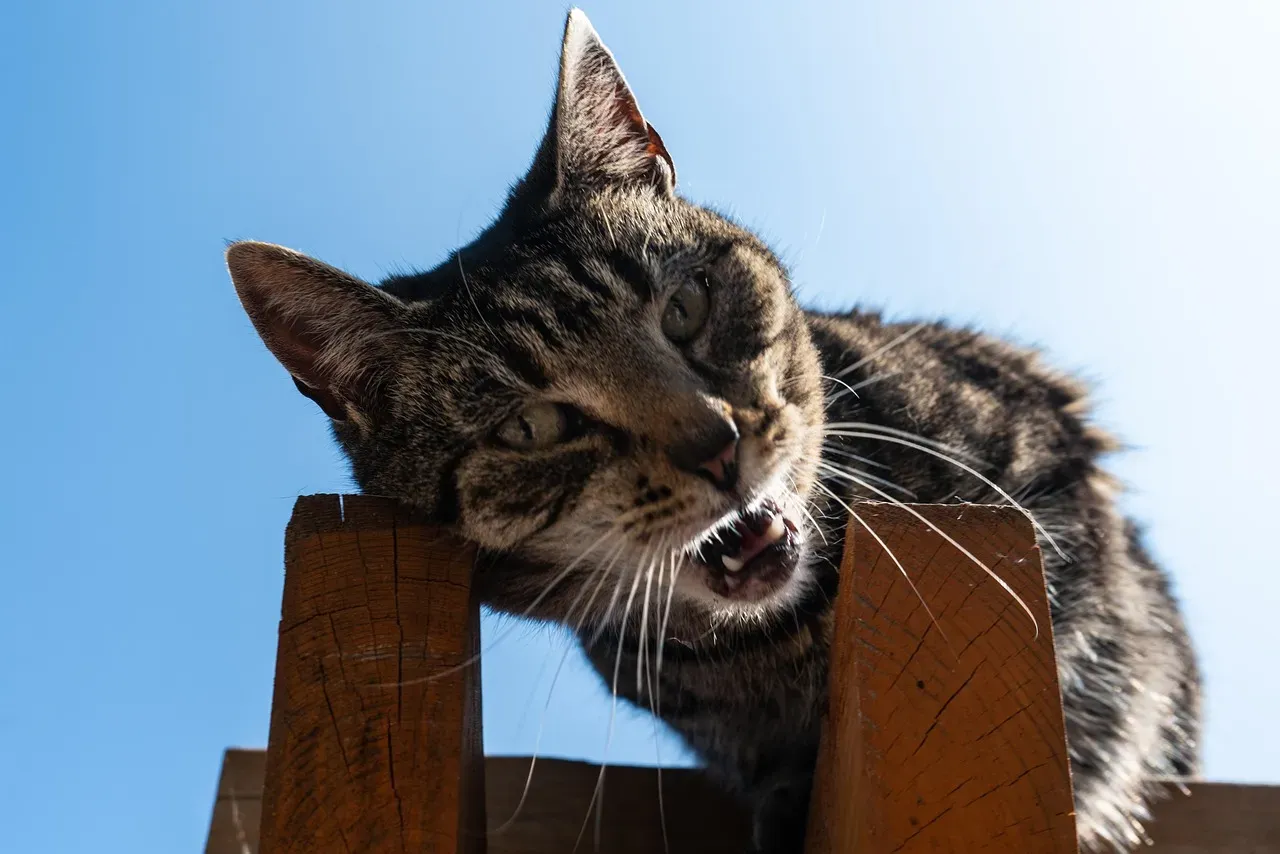
There's a huge difference between a long, demanding meow and a soft, tiny mew. The short mew is delicate, almost like a whisper, and it carries a very specific message. The mewl - a short, high-pitched meow - usually means "hello," and can be accompanied by rubbing against your legs. It's one of the warmest greetings your cat can offer.
A short, high-pitched meow is typically a greeting. It's the sound your cat makes when you walk through the door or enter a room. Think of it as a casual "hey." I think this is one of those sounds that most owners subconsciously recognize but rarely stop to appreciate. Your cat sees you, and they're acknowledging you. That's love, even in feline terms.
5. The Chattering: When the Jaw Takes Over
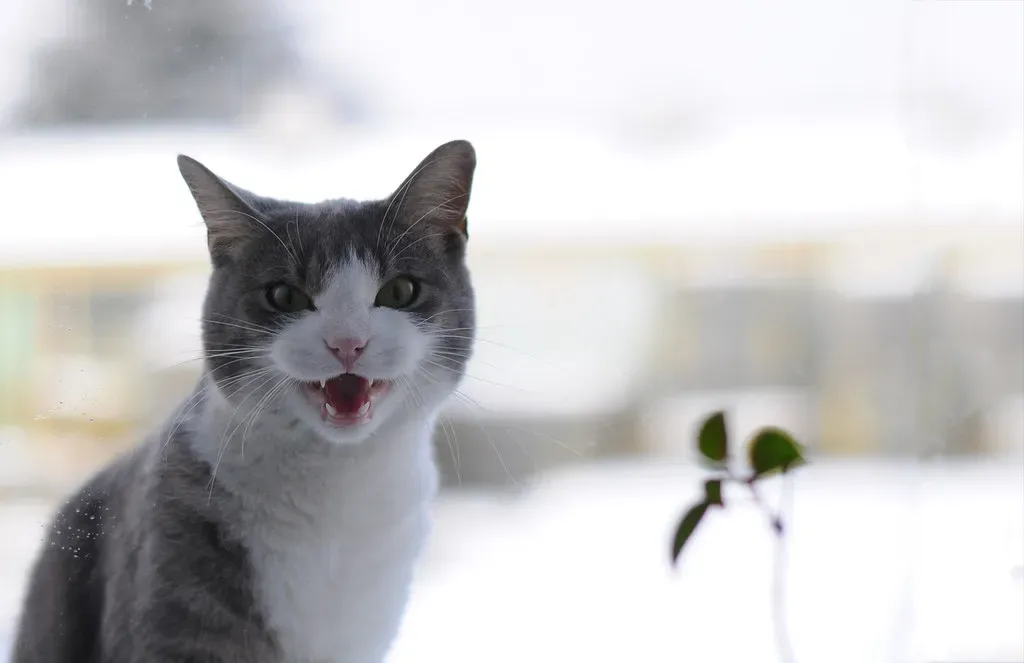
Chattering is hard to describe until you've actually heard it - it's one of those sounds that makes you stop and stare. Chattering, also called twittering, is a low smacking sound produced by a rhythmic clashing of the jaws. It is usually voiceless, produced without using the vocal cords. Along with chirping, chattering may occur when a cat spots prey that's out of their reach.
Chattering often expresses a mix of extreme excitement and predatory frustration. Chattering involves intense frustration because the cat cannot reach the prey. It's a bit like watching someone pace the floor before a big game - the energy is there, the desire is real, but the opportunity just isn't. If your cat is deep in a chattering session at the window, it's probably best not to interrupt them mid-hunt.
6. The Yowl: A Sound You Should Never Ignore
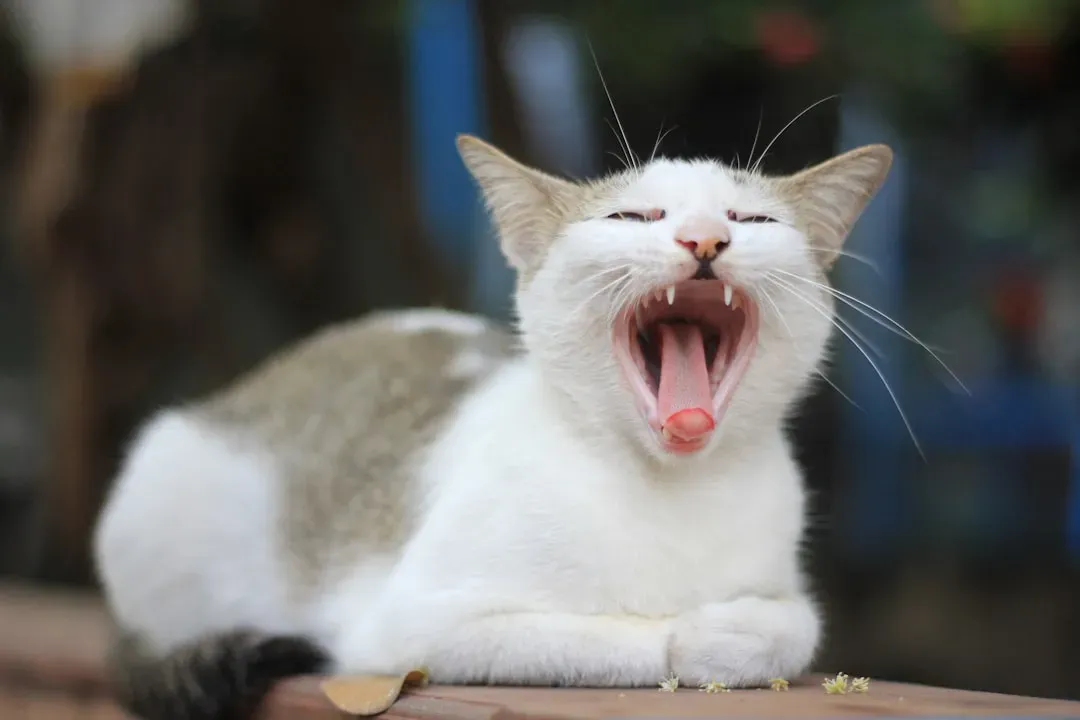
The yowl is hard to miss. It's long, drawn-out, and has an almost haunting quality to it. When your cat lets out a yowl - a long, drawn-out, and somewhat distressed or mournful version of a meow - you and everyone in your household will know it. It's dramatic, yes, but it's also almost always meaningful.
Yowling and howling are signs that a cat is in distress. This may be physical distress from pain or illness, or emotional distress from worry, frustration, boredom, or confinement. A low, drawn-out yowl can be a complaint. In older cats, excessive yowling is often a sign of cognitive disorder or dementia. If your cat starts yowling out of nowhere and it's not their normal behavior, a vet visit is genuinely worth considering.
7. The Growl: Your Cat's Personal "Back Off" Button
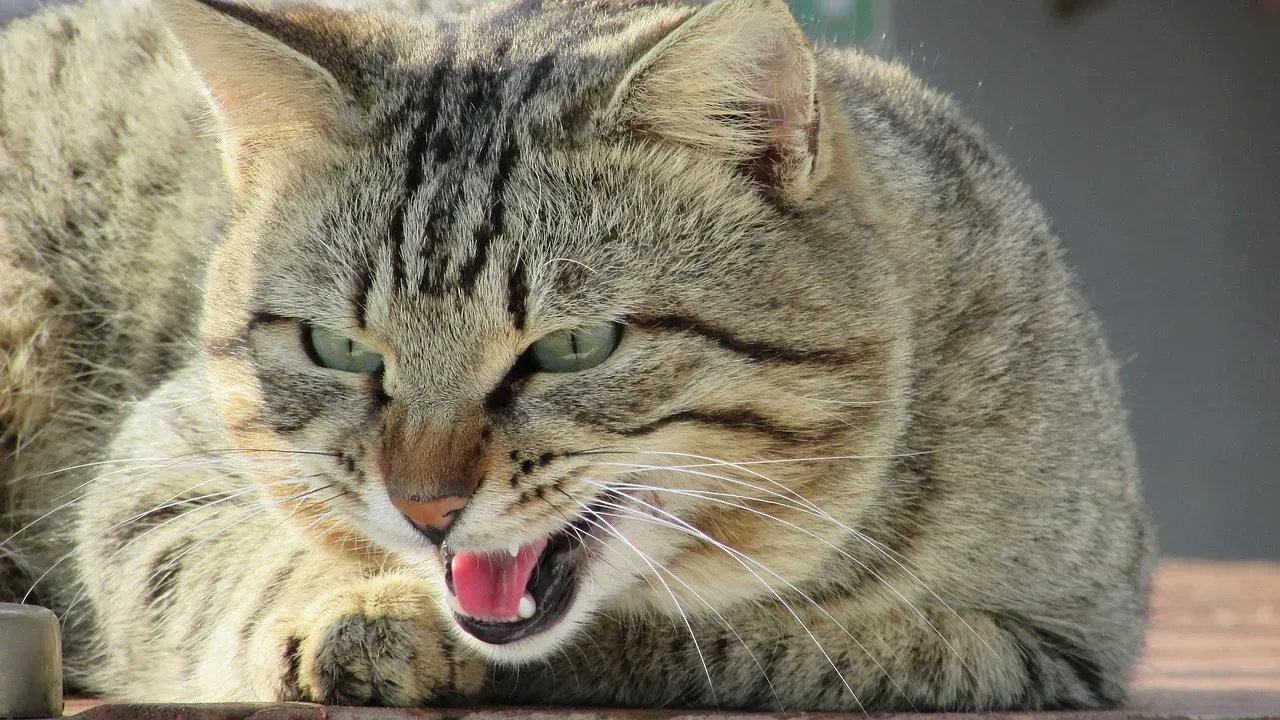
Let's be real - a cat's growl is not subtle, but many owners mistakenly brush it off or think their cat is just being dramatic. They're not. A growl is a low, rumbling sound used to warn or scare off a threat. It can be directed toward humans or other cats or animals. Growling is an indication that a cat feels threatened, frightened, or is about to become aggressive. This sound often increases as the cat's fear grows.
A growling cat is annoyed, frightened or angry. Some cats use growling to show possession of a favored item - like a food bowl - if another cat dares to come near it. The growl is a clear sign that the cat wants whoever is triggering them to back off. Think of a growl like a cat's personal alarm system. When it goes off, your best move is to respect it and give them some space.
8. The Hiss: Fear Wearing an Aggressive Costume
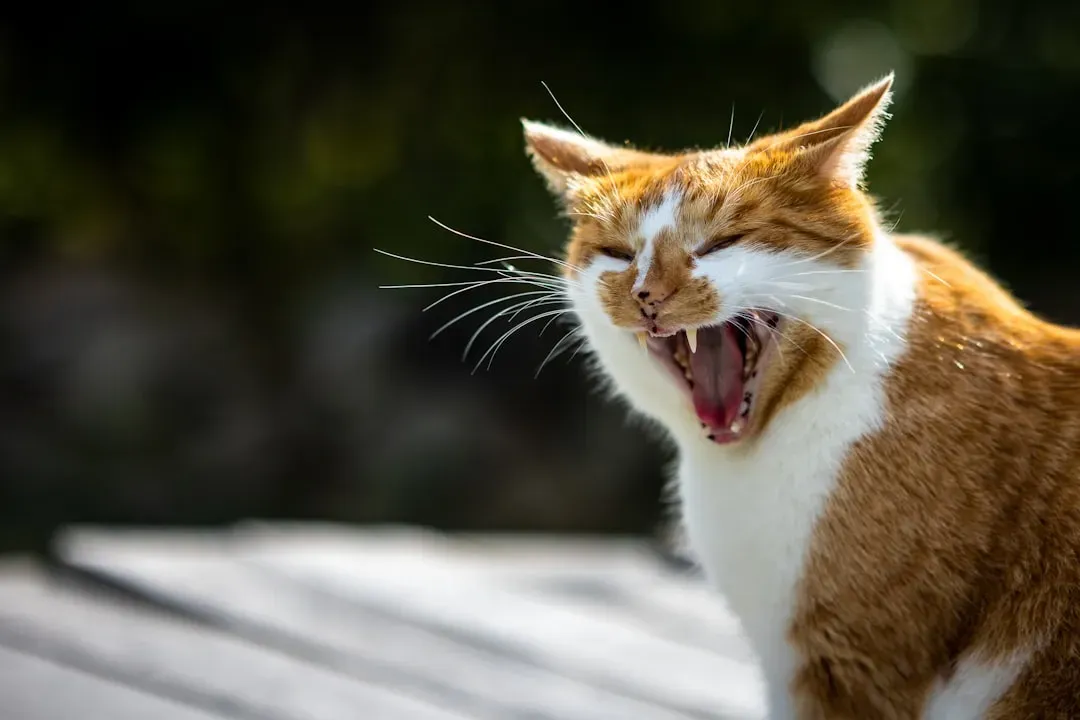
The hiss sounds fierce, and it looks fierce. But the truth about what it really means might surprise you. Hissing can seem aggressive, but it's actually a fear-based response. This sometimes involuntary reaction is used when a cat is surprised by a perceived threat or enemy - whether it's the neighborhood stray cat or the veterinarian. A hissing cat is feeling vulnerable, insecure or threatened.
Some feline experts believe that cats may have developed this defensive habit by imitating snakes - mimicking another species is a survival tactic among many animals. Hissing is primarily used as a last resort before a full-blown attack. So when your cat hisses at something, they're not trying to start a fight. They're terrified and trying to make themselves seem bigger and scarier than they feel inside. It's actually kind of heartbreaking when you think about it that way.
9. The Low, Drawn-Out Mrrrow: Your Cat's Complaint Department
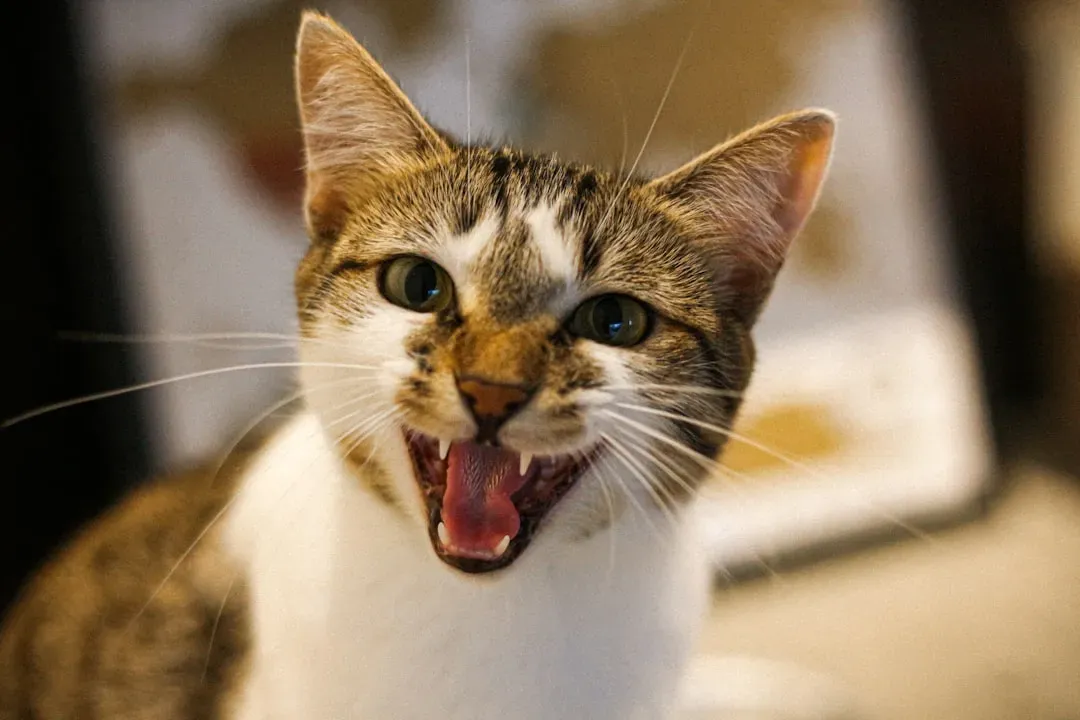
Not all meows are asking for something pleasant. Some carry a distinctly grumpy energy, and you can feel it. A drawn-out, mild-pitched "mrroooow" is more of a demand or an early warning of aggression or fear. A drawn out, low-pitched "MRRRooowww" is usually a complaint but can also signal heightened aggression or fear. If agitated for much longer, the cat may lash out.
Low-pitched meows express unhappiness and are a way for your furry companion to let you know you've done something wrong. Think of it as your cat filing a formal complaint. Maybe you moved them off the couch, maybe dinner was five minutes late, maybe you dared to sneeze too loudly. Honestly, it's hard to say for sure, but the message is always the same: they are not pleased, and they want you to know it.
10. The Silent Meow: The Ultimate Sign of Trust and Affection
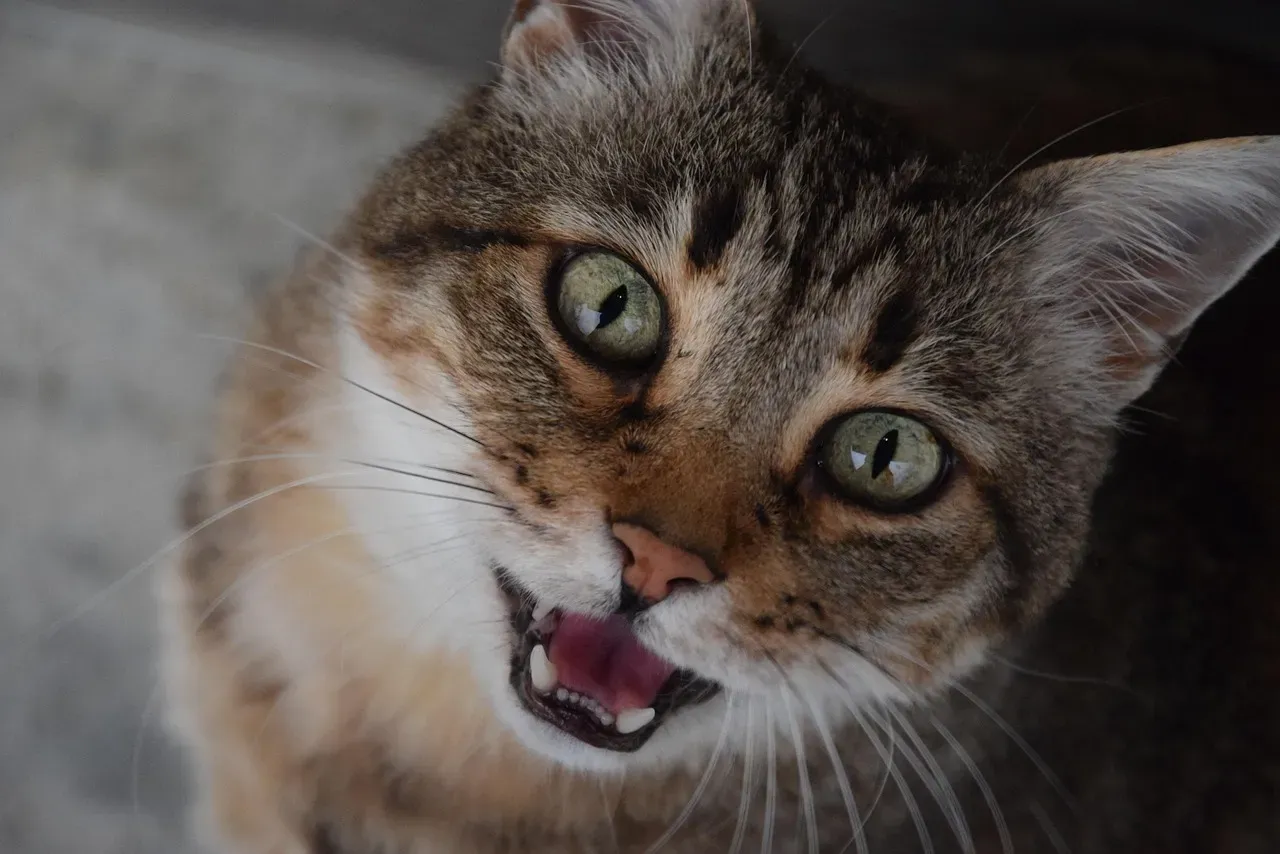
This one is genuinely magical, and if you've experienced it, you know exactly what I mean. Your cat opens their mouth, looks directly at you, and absolutely nothing comes out. No sound. Just a tiny open mouth and total sincerity. The silent meow, most often, is a sign of gratitude and affection. Ever had a cat look at you with half-closed eyes, ears relaxed and pointing up, body relaxed, mouth slightly open but no sound coming out? That's the silent meow.
The silent meow is most often a sign of gratitude and affection. A cat with half-closed eyes, relaxed ears pointing up, and a relaxed body but a slightly open mouth with no sound coming out has given you the silent meow. Congratulations - you've been given the silent meow. It's a pretty big deal. Unless your cat is sick or has a health problem that stops them from meowing, the silent meow is a special sign. In a world where cats are often called cold or aloof, this tiny silent gesture says everything.
Conclusion: Learning Your Cat's Language Is Worth Every Moment
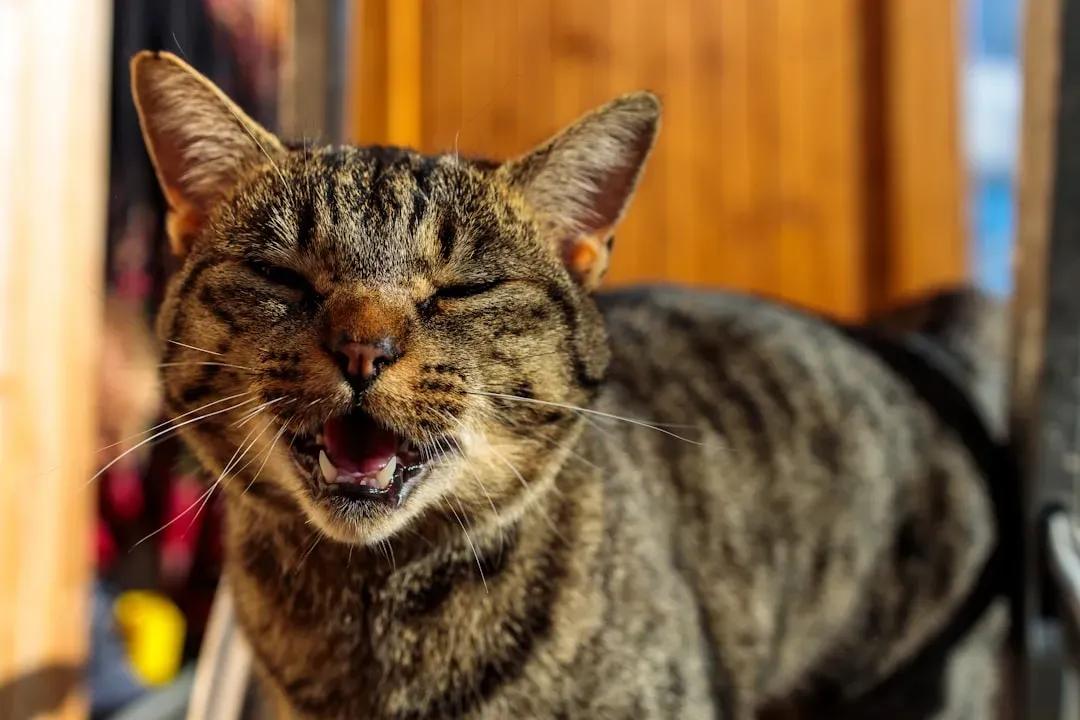
Cats are not mysterious just for the sake of it. They communicate constantly - through chirps, trills, growls, purrs, and even total silence. You can better understand your furry friend by paying attention to their vocalizations, body postures, and daily routines. In time, you may become so attuned to your kitty's personality and habits that you're able to detect subtle changes in their mood and even recognize health problems before physical signs of illness appear.
Up to 21 different feline vocalizations have been described in scientific research, but their vocal repertoire probably contains even more. Cats can use these vocalizations to create complex phrases - sort of like sentences created by people - and there are many reasons for why they speak up. Your cat has been speaking to you this whole time. All you had to do was learn to listen.
Now that you know what those subtle sounds actually mean, which one surprised you most? Drop your thoughts in the comments - and pay close attention to your cat tonight. They've probably already got something to say.