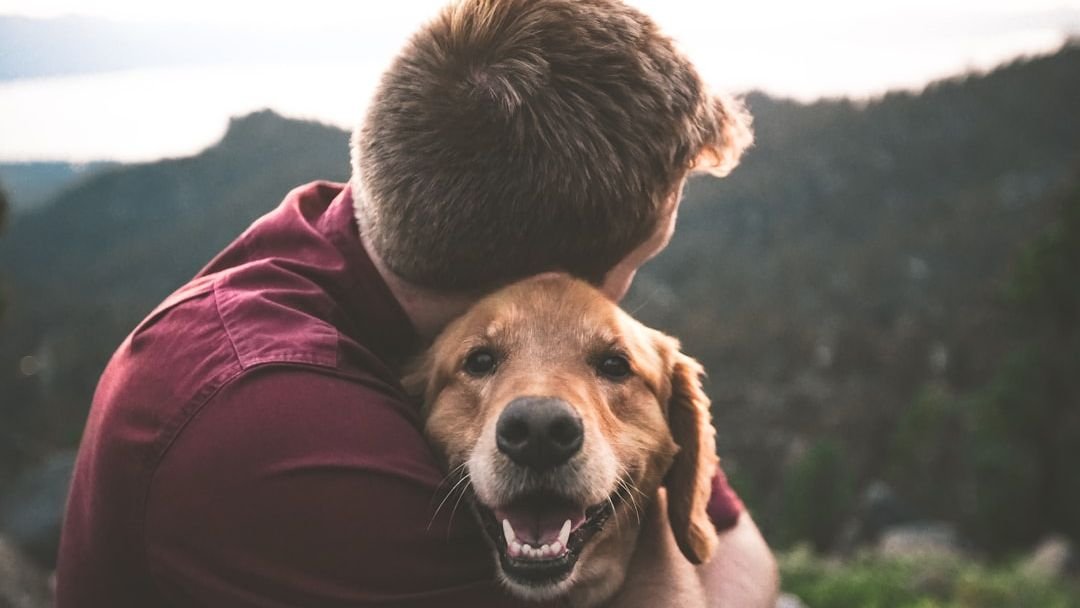
You share your home, your couch, and probably your heart with a dog. You feed them, walk them, and call them your best friend. Yet somehow, despite all that closeness, there are things your dog has been desperately trying to tell you that you keep missing.
Dogs are communicating with you every single day through their body, their behaviors, and their emotions. The gap isn’t a lack of love on their end. It’s a gap in understanding on ours. So let’s close that gap, one revelation at a time. You might be surprised how much you’ve been misreading.
Your Dog Isn’t Being Stubborn – You’re Being Misread

Here’s the thing: when your dog ignores a command, it’s almost never an act of defiance. When your dog ignores a command, they’re not trying to defy you – they might not understand what you’re asking, or they could be too distracted, anxious, or fearful. That’s a huge difference from stubbornness, and treating it like the latter makes everything worse.
Dogs don’t generalize commands easily. “Sit” in the living room doesn’t always mean “Sit” at the park – you have to re-teach in new places. Think of it like learning a word in Spanish at home, then being asked to use it at a noisy street market in Madrid. Context matters enormously to dogs. Yelling increases stress, which makes learning even harder. Stay calm and patient.
A Wagging Tail Is Not Always a Happy Signal
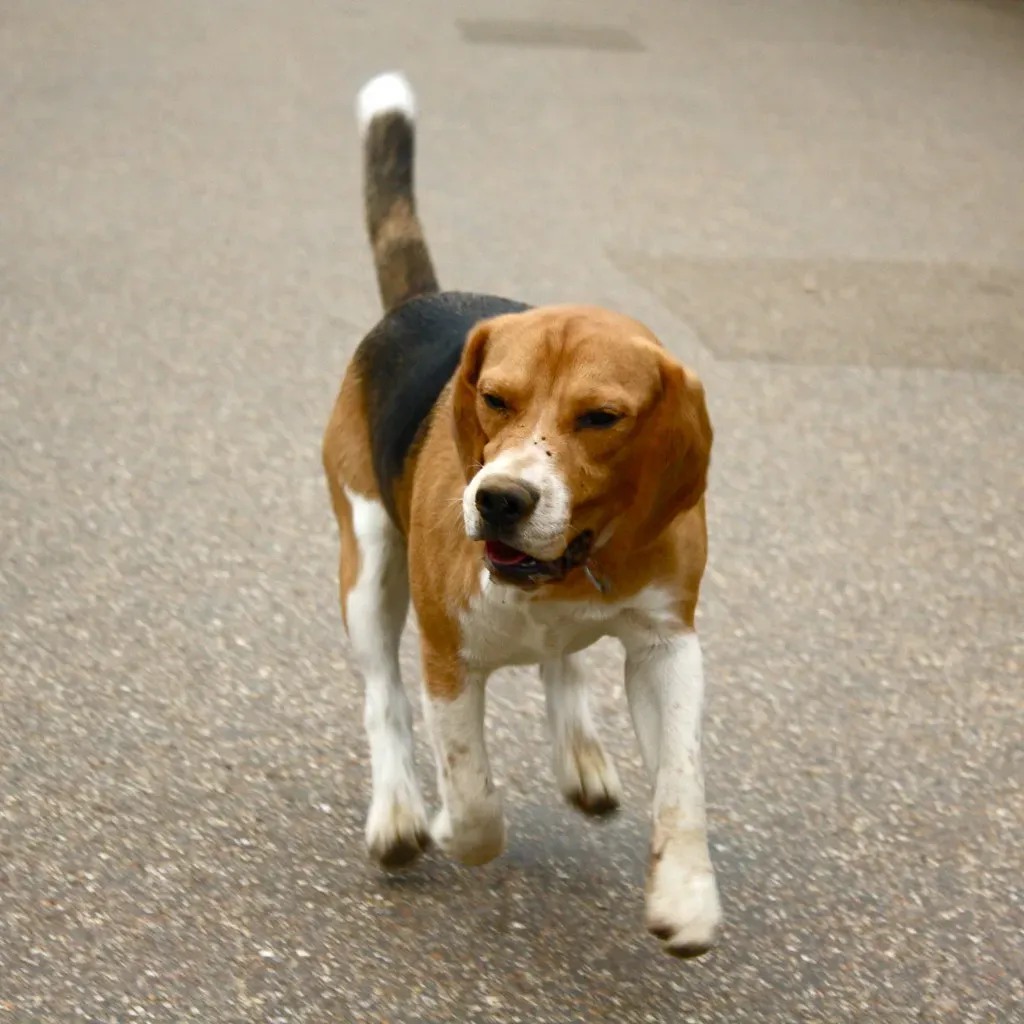
Almost every dog owner makes this mistake. You see a tail wagging and assume everything is fine. Honestly, it’s one of the most widespread misunderstandings in the human-dog relationship. Tail-wagging seems like an obvious body language signal. If a dog’s tail is wagging, the dog is happy, right? But all a wagging tail means is that the dog is emotionally aroused.
The direction, speed, and position of that wag tell the full story. The direction of the wag may hold clues as well. A study on tail-wagging showed that dogs tend to wag their tails more to the right when they’re feeling positive about something, such as interacting with their owner. Tails wagged more to the left when dogs faced something negative. So next time, look past the wag itself and read the whole picture your dog is painting for you.
Your Dog Actually Reads Your Emotions – And Feels Them Too
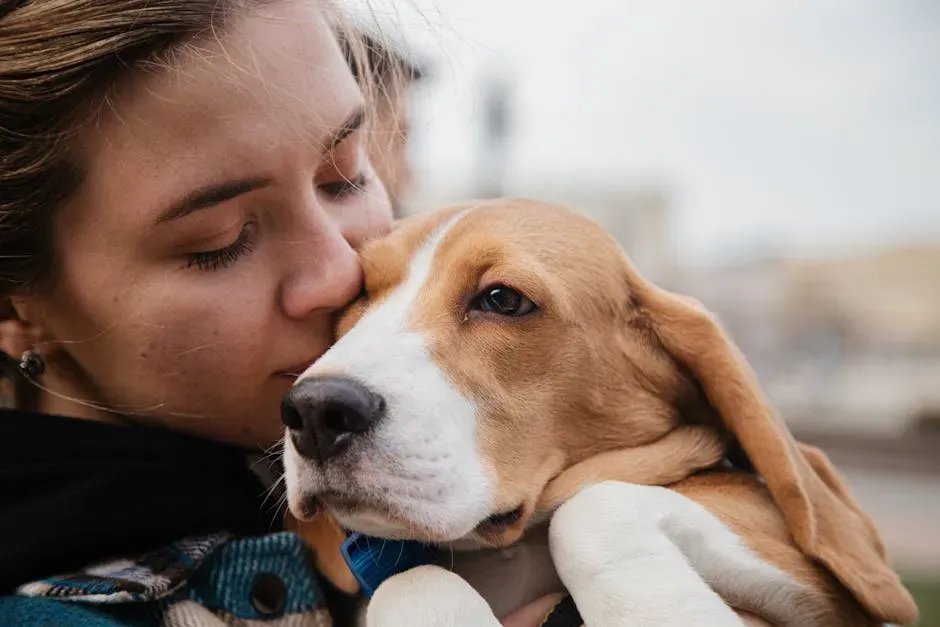
You might think your dog has no idea you’re stressed about work or sad about a breakup. You’d be wrong. Your dog knows how you feel. In reality, it goes much further than that. Your dog not only knows how you feel, but will feel the same. She will be happy when you are and stressed when you are. That’s not a metaphor. That’s biology at work.
The available evidence suggests that dogs are capable of emotional contagion. It’s like emotional WiFi – your dog is constantly connected to your signal. Dogs arguably get more from your tone and body language than your actual words. They observe your physical clues to determine what you want them to do or not do. They watch your facial expressions, posture, and body movements. They listen to the tone of your voice. They combine all these observations to determine your meaning. You are, quite literally, an open book to them.
Sniffing Is Not a Distraction – It’s a Necessity

If you’re the type of person who yanks the leash every time your dog stops to sniff a lamppost, I get it. You want to move. You have places to be. Still, you’re actually depriving your dog of something deeply important. Dogs love to check their “pee-mail” by sniffing around the neighborhood on walks. This behavior isn’t just territorial – it’s their way of gathering information about which dogs and other animals have passed through.
Studies reveal that sniff-focused walks don’t just satisfy curiosity – they actively reduce stress hormones, trigger your dog’s relaxation response, and can transform reactive behaviors. Sniffing is essentially meditation for dogs. Sniffing has been shown to not only decrease a dog’s heart rate, decreasing their stress, but it also releases dopamine, the “happy” brain chemical. Let them sniff. Your schedule can wait three extra minutes.
Your Dog Genuinely Loves You – And Science Can Prove It
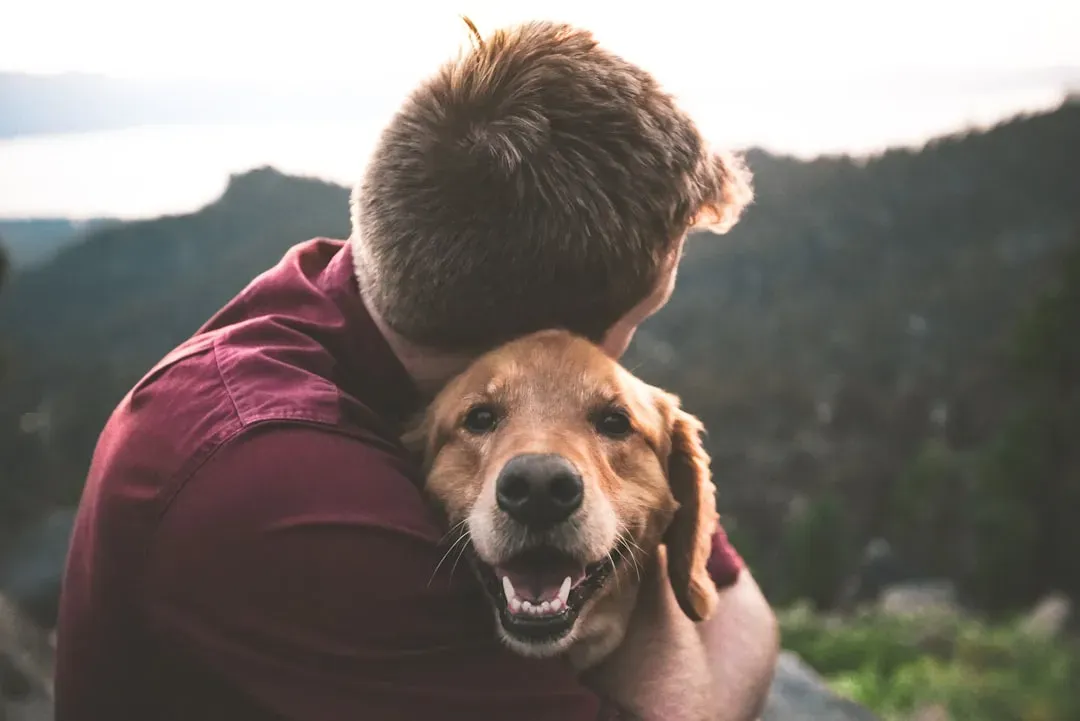
It can be easy to wonder if your dog’s affection is just about food and routine. Let me reassure you: it’s not. The love between you and your dog is real and measurable. Often called the “love hormone,” oxytocin is released in the brain during positive social interactions, including eye contact, petting, and cuddling. Studies have shown that when dogs gaze into their owner’s eyes or receive affectionate touch, both the dog and the human experience an increased level of oxytocin.
The high level of oxytocin demonstrates the love of men for dogs and also the opposite, since man’s best friend increases its level of oxytocin up to 57% while playing with the owner. That’s not a small number. That’s a profound hormonal response. When dogs were domesticated, their neural systems that use gaze as part of communication evolved to activate the human oxytocin release associated with bonding among family members, especially between a parent and child. Your dog didn’t stumble into loving you. Evolution built that bond deliberately.
Growling Is Communication, Not Aggression

A growl from your dog can feel alarming. Most people either punish it or panic. Neither response helps. The truth is that growling is one of the most important forms of communication your dog has available. Many people immediately see growling as aggression. In reality, many studies show that dogs use growling to communicate all sorts of things – as a warning, in a playful way, to communicate their size. When your dog growls at home, it’s often a sign of discomfort and that they need more space.
Here’s the crucial part: if you punish a growl, you don’t fix the problem. You silence the warning system. In fact, it’s positive when your dog communicates this discomfort because you can act on it and prevent escalation. Should you punish your dog for expressing discomfort through growling, they may feel like they have to skip to the next step of escalation next time, which may be snipping or biting. Think of it as your dog using their words. Punishing that is like punishing a child for saying “I’m scared.”
Your Dog Needs Mental Stimulation Just As Much As Physical Exercise
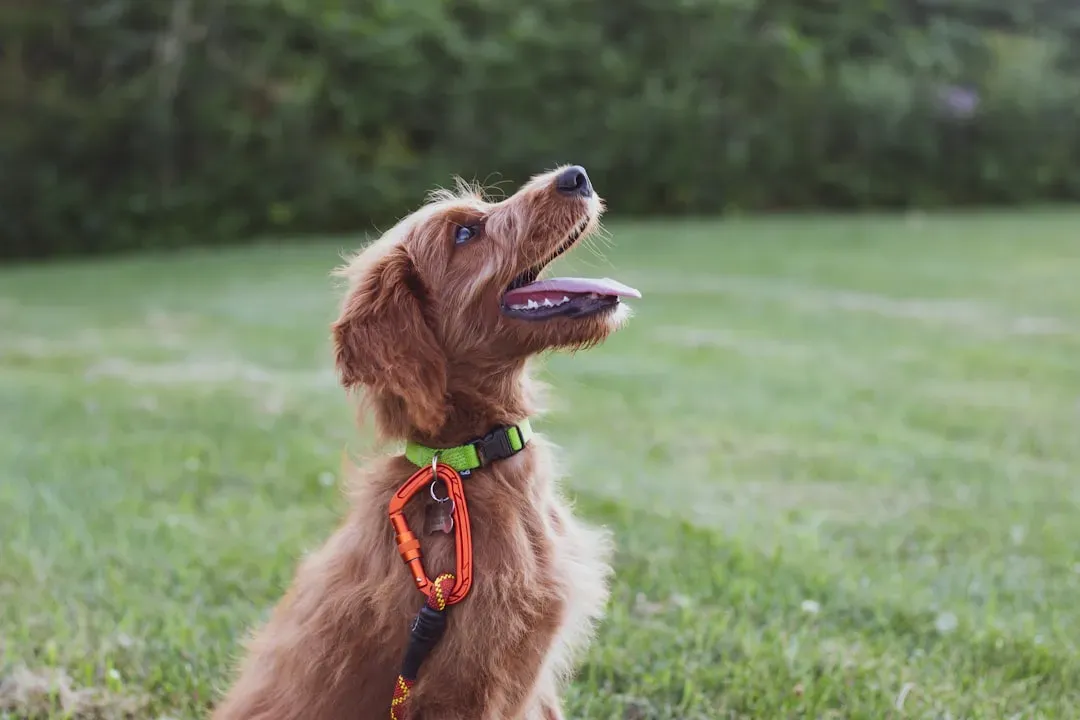
We’re good at taking dogs for walks. We’re less good at giving their minds something meaningful to chew on. Dogs need enrichment for their overall health and well-being to prevent boredom, frustration, anxiety, and unhappiness. Dogs need mental stimulation and are smarter than most people give them credit for. They learn verbal cues, social cues, and hand gestures, and they can feel emotions.
Many destructive behaviors in dogs can be resolved simply by implementing mental exercises every day. That chewed-up shoe or the sofa cushion gutted like a fish? More often than not, that’s boredom speaking. Training is a phenomenal way to mentally stimulate and exhaust your dog. It also teaches them all sorts of new tricks. Dogs like to know the rules of a household, and training not only bonds them with you, but also makes them feel more secure at home. A mentally tired dog is a happy dog. Full stop.
Separation Anxiety Is Real – And It’s Not “Bad Behavior”

When you come home to shredded pillows and a neighbor’s noise complaint, it’s tempting to feel frustrated or embarrassed. Your dog isn’t acting out to spite you. Separation anxiety is triggered when dogs become upset because of separation from their guardians, the people they’re attached to. Escape attempts by dogs with separation anxiety are often extreme and can result in self-injury and household destruction, especially around exit points like windows and doors.
Although some dogs are fine when their humans leave home, others get upset. These dogs want you to know they aren’t behaving badly just because they ate your favorite book. They missed you, and it is their way of getting out anxiety because they feared you might not come back. That reframe changes everything, doesn’t it? Protective factors include ensuring a wide range of experiences outside the home and with other people, between the ages of 5 to 10 months, stable household routines and absences from the dog, and the avoidance of punishment.
Your Dog Processes Your Words More Deeply Than You Think

Dogs understand more language than most of us give them credit for. It’s not just tone. It’s actual words, processed in a brain remarkably similar to ours. Scientists found that dogs process language much like humans do. The left side of the brain processes word meaning while the right side interprets intonation. Dogs, like humans, integrate both sides of the brain to arrive at a clearer meaning.
That said, tone still carries extraordinary weight. The reward center of the brain, which responds to pleasurable sensations like affection, playing, or eating, was only activated when the dogs heard words they understood in a tone they liked. So, praising your dog is nice, but it’s nicer if you say it sweetly. Words matter. How you say them matters even more. Scientists have observed that dogs respond much like human infants in understanding language. In fact, dogs may have roughly the same cognitive ability as a 6 to 12-month-old human infant. That’s surprisingly powerful for a species with no grammar lessons.
Your Dog Wants You to Let Them Be a Dog
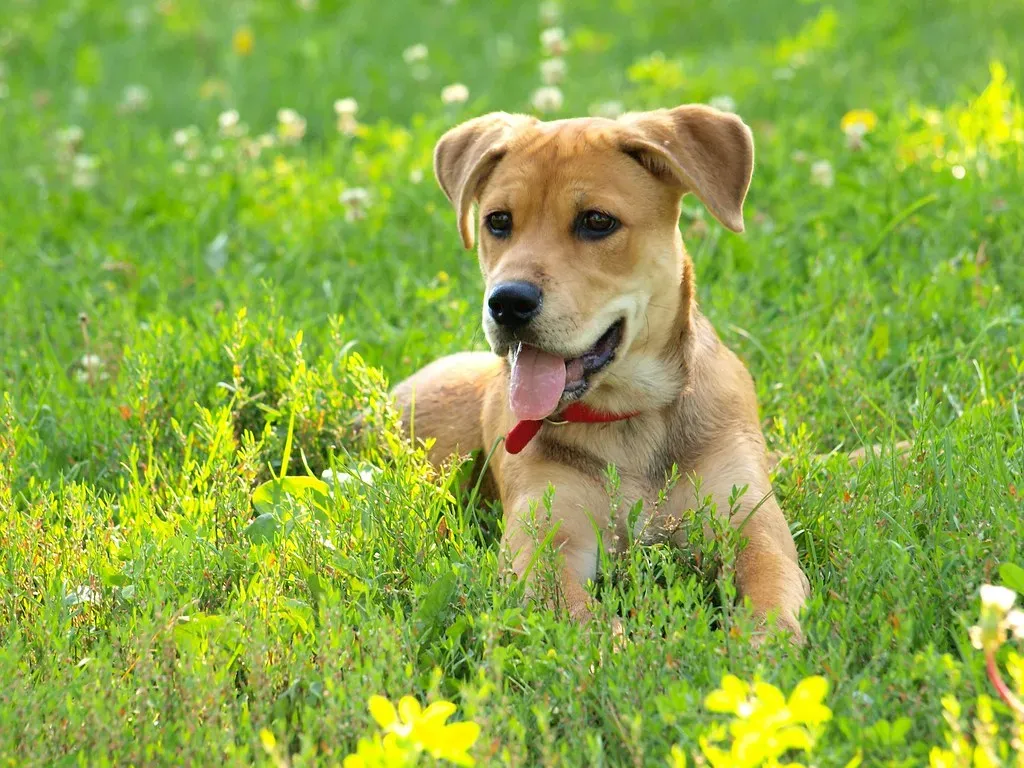
This last one might be the most important of all, and the one we get most wrong. We dress them up. We expect them to tolerate anything. We get surprised when instinct kicks in. We expect dogs to live serenely and effortlessly in a world of human-making, without showing any signs of being dogs. Then we are surprised when they act like dogs. We need to learn to respect dogs for who they are rather than the fantasy of who we think they should be.
Breed and the genetic make-up of mutts matter, but not nearly as much as many claim. Breeds don’t have personalities but individuals do. Every dog is a unique creature with their own quirks, comfort zones, and preferences. Among the topics worth understanding are why dogs like squeaky toys; why some dogs are afraid of thunder and what can be done to help them; why dogs jump on people without meaning any harm; and busting boredom. Let your dog sniff weird things, roll in grass, and yes, occasionally chase a squirrel with complete, ridiculous abandon. That’s not misbehavior. That’s a dog being alive.
Conclusion: The Relationship You Both Deserve
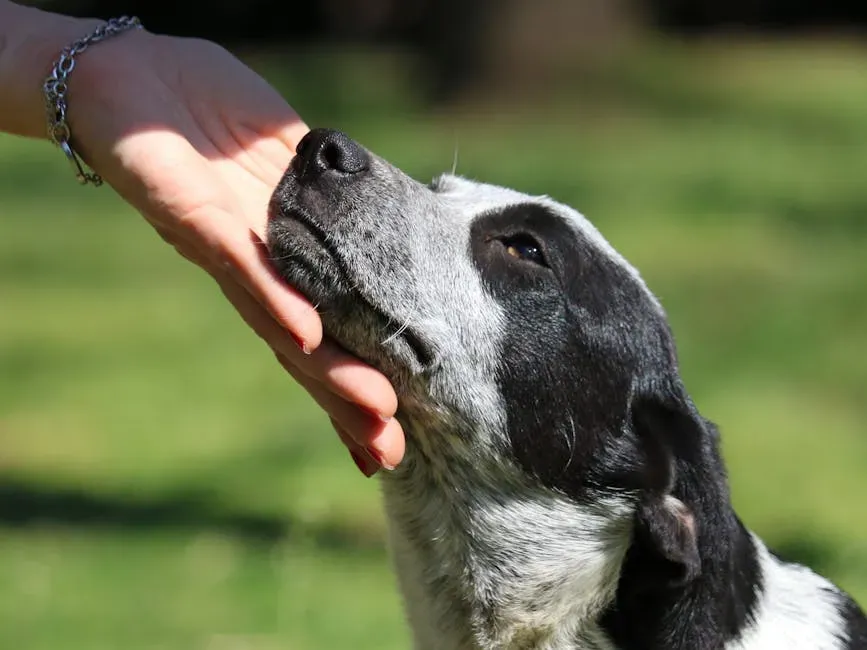
Your dog has been trying to talk to you from day one. Every yawn, every growl, every frantic tail wag, every nose dragged along a fence post – all of it is language. The remarkable truth is that dogs attend so closely to the behavior of their caregivers because they want to please them and are inclined to obey them. However, they might also understand themselves as partners in our social interactions. Partners. Not pets. Not property. Partners.
The more you understand your dog’s inner world, the richer your relationship becomes. It’s a two-way street built on attention, patience, and a genuine willingness to see things from their perspective. Reading, understanding and responding to your dog’s body language is a key part of the companion-to-owner relationship. By understanding their cues and appropriately advocating for your dog, owners can continue to ensure their dogs remain happy, comfortable and safe. So the next time your dog does something you don’t understand, pause before reacting. They’re not misbehaving. They’re communicating. Are you listening?