Cats Secretly Judge Your Decor Choices – Here's How to Tell
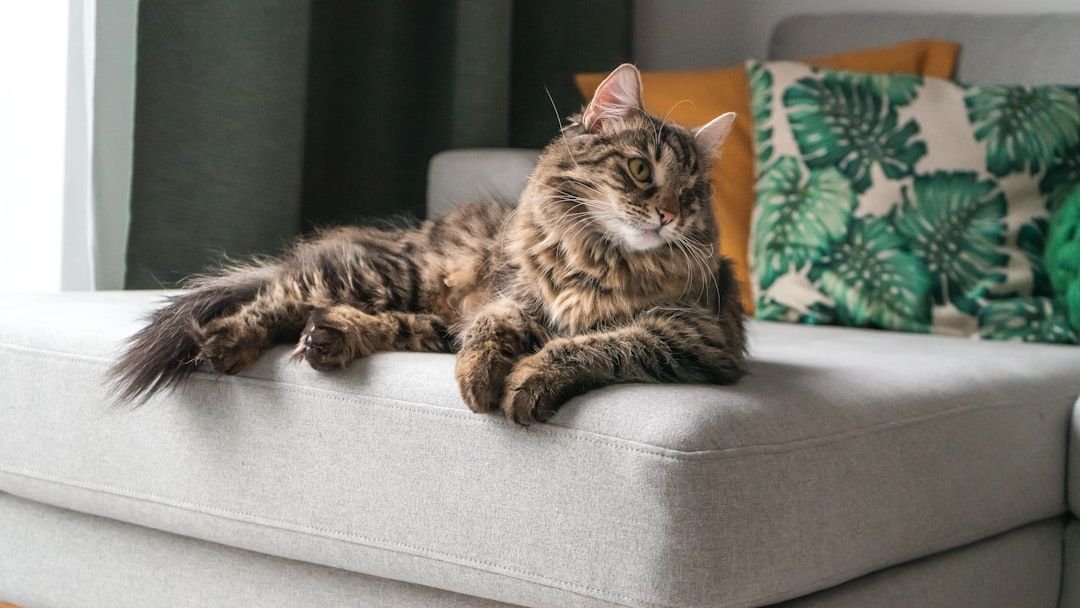
You rearranged the living room last weekend, bought a sleek new minimalist sofa, and lit a gorgeous citrus candle to make the whole space feel fresh. Your cat walked in, sniffed the air once, gave you the slowest, most deliberate blink of disdain, then disappeared under the bed for the rest of the day. Sound familiar? There's actually a lot going on in that silent judgment.
Cats are deeply sensory creatures. Every texture, scent, sound, and surface in your home sends them a message, and they respond whether you notice it or not. The truth is, your decor choices genuinely affect your cat's mood, behavior, and wellbeing. Be surprised by what you may have been missing all along.
Your Cat Is Basically a Texture Critic With Very Strong Opinions
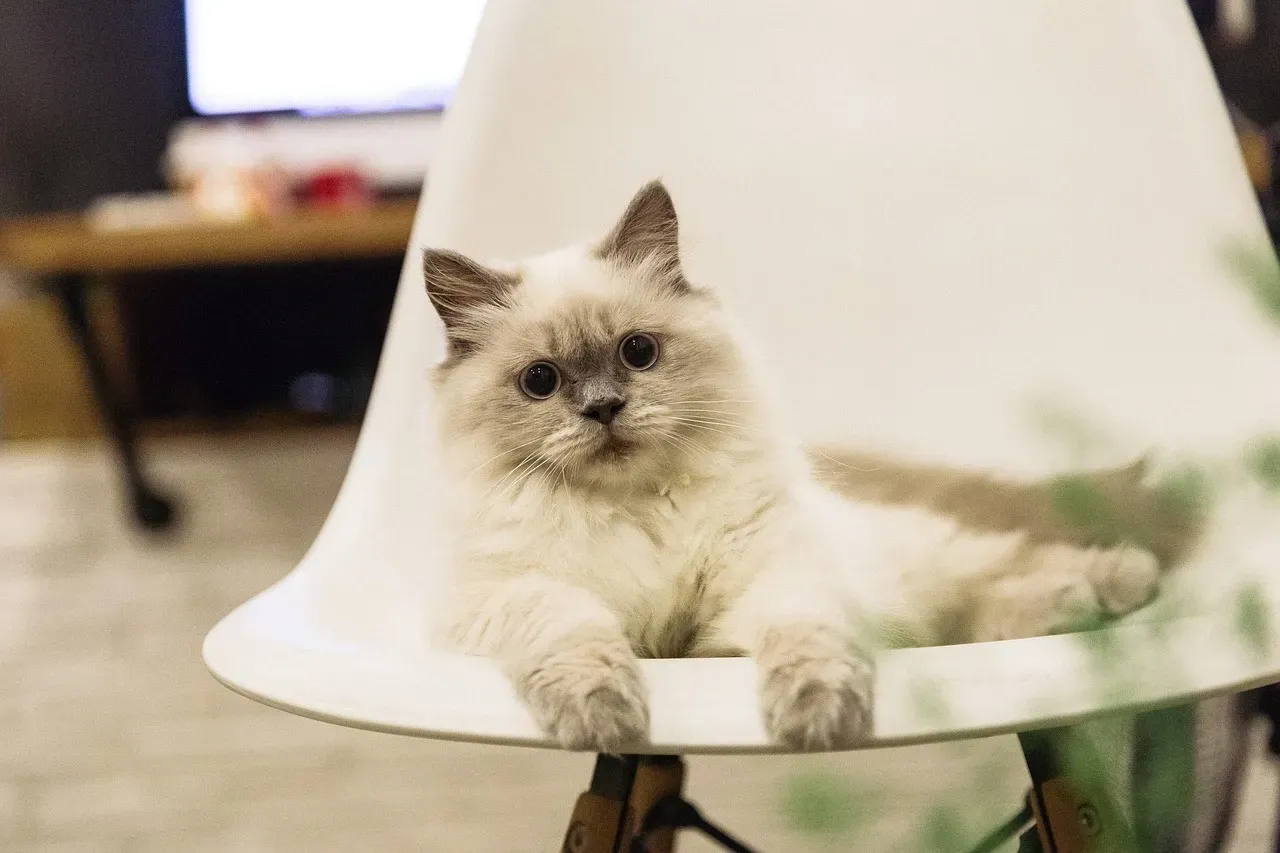
Here's the thing: your cat's paws are extraordinarily sensitive tools. Cats have extremely sensitive paw pads full of nerve endings, and those nerve endings pick up every signal from the surfaces they walk on. Think of it like walking barefoot on a warm wood floor versus stumbling across a cold, gritty tiled patio. The difference registers immediately.
With thousands of sensory receptors located in their skin and hair follicles, cats can detect even the slightest changes in texture, temperature, and pressure. So when you add a new scratchy jute rug or lay down a bamboo mat as a chic decor piece, your cat is forming a very strong opinion about it. Surprisingly, many cats dislike the smooth but ridged surface of bamboo mats, which is hard on their paws and offers no traction.
Cats prefer smooth, stable ground. Rough or prickly surfaces like pinecones, plastic carpet runners placed upside down, or lattice materials create an uncomfortable and uneven walking experience, triggering an avoidance instinct as they signal potentially painful terrain. If your cat keeps avoiding a particular room or keeps giving a certain rug a wide berth, your decor choice may genuinely be the reason.
The Sofa Your Cat Shreds Is Actually a Glowing Five-Star Review
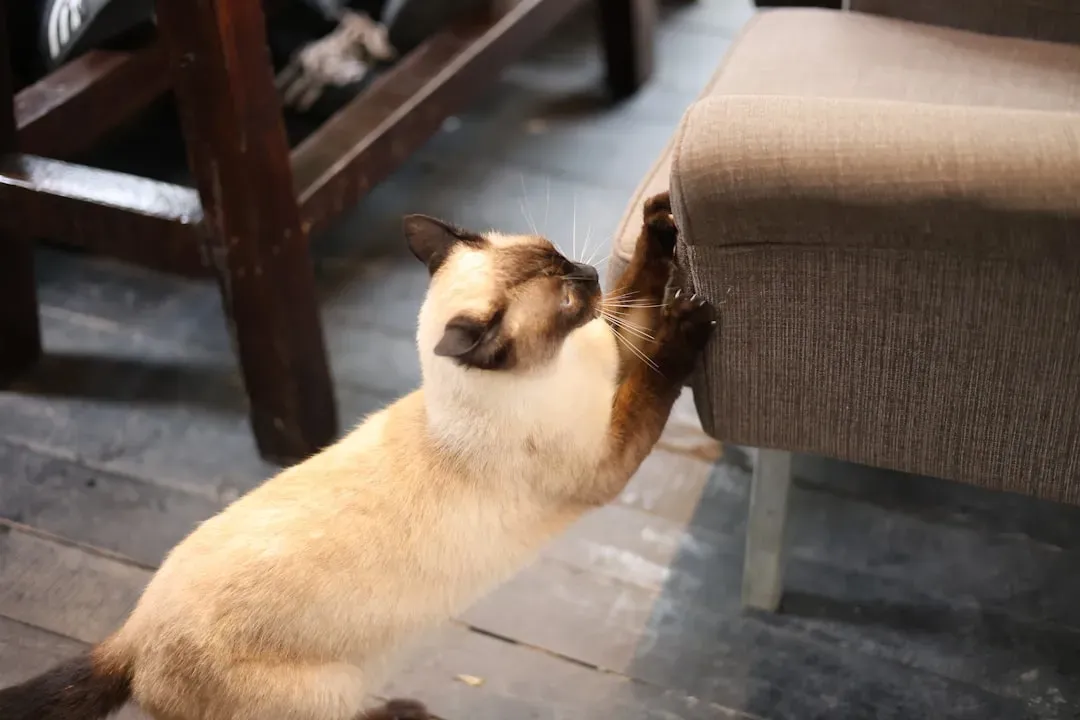
I know it sounds counterintuitive, but stay with me here. When your cat claws your expensive velvet couch into oblivion, they're not being vengeful or spiteful. Far from it. Scratching surfaces allows cats to mark their territory, both with the visual cue of torn material and the chemical cue of a pheromone released from scent glands in their feet. Your sofa is basically the feline equivalent of prime real estate.
Cats are most likely to target prominent and frequently used areas such as carpets or sofas, or even your favorite armchair, because scratching these areas will make them feel more secure and relieve stress by putting their scent on things, making the space feel more like their home. Honestly, that's weirdly sweet when you think about it.
Marking territory is a very reassuring and soothing activity for cats, which is why cats who are anxious or afraid may scratch furniture more often. So if your cat has suddenly graduated from the old scratching post to attacking your new bookshelf, take note. Scratching of new areas and sites may be related to anxiety and marking behavior, sometimes related to a change in the household such as the introduction of a new cat, moving, or a change in the family's schedule.
Your Color Palette Doesn't Impress Them the Way You Think It Does
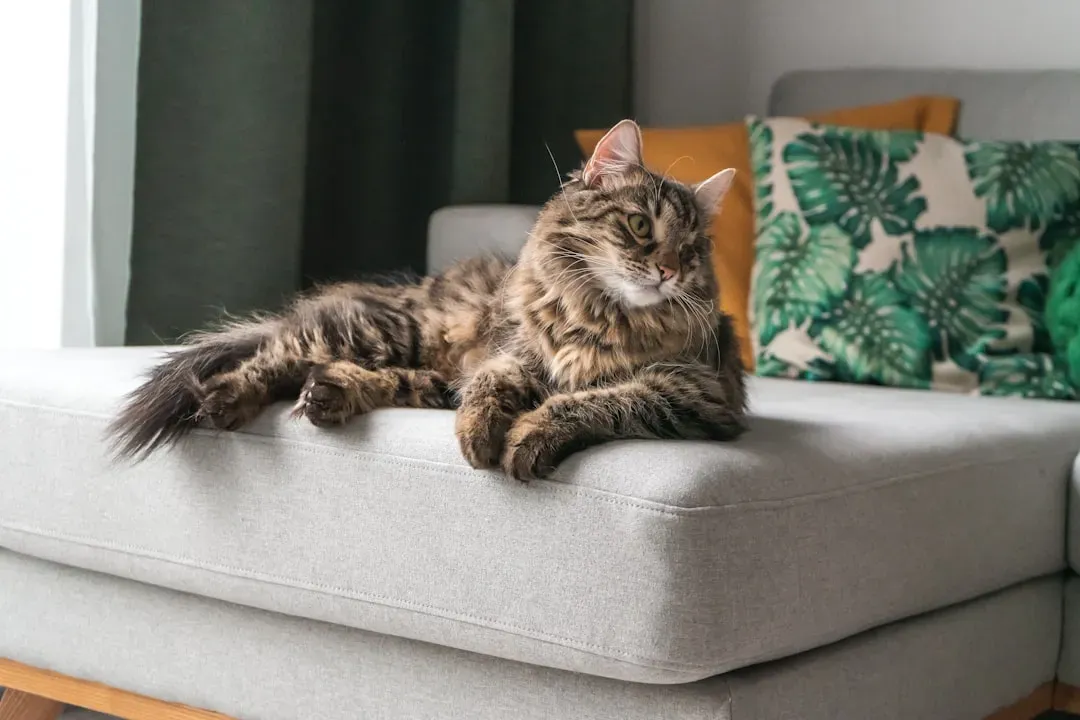
You spent weeks choosing the perfect terracotta accent wall. Your cat could not care less about terracotta. Feline companions are technically dichromatic, meaning they can see only two primary colors: blue and green. They lack the photoreceptors for red hues, which means shades like crimson and pink appear as dull browns or grays to them. That bold red sofa? Basically invisible to your cat.
Cats live in a blue-green world, where reds and oranges fade into dull browns or grays. Their vision is less about appreciating rainbows and more about surviving in low light, detecting motion, and hunting with precision. If you want to choose something your cat can actually visually engage with, the science points clearly in one direction.
Most research suggests that cats find pale blues, yellows, purples, and greens soothing. That's not to say you should redecorate your entire living room in blue for your cat's approval. Still, if you're choosing a new cat bed, blanket, or play area, leaning into blues and greens can make the space more visually engaging for your feline housemate. Brightly painted rooms don't impress cats as much as textures and movement.
Lighting Choices Can Make Your Cat Nervous or Comfortable

That aggressively bright overhead fixture you installed in the kitchen? Your cat may genuinely hate it. Color isn't the only visual factor that affects cats, as lighting plays a significant role as well. Cats' eyes are highly sensitive to light, so overly bright spaces can be overwhelming, making soft, natural lighting a better choice where possible. Think of their eyes as a camera that's already set to high sensitivity. Blast too much light, and the whole image gets blown out.
It's worth observing where your cat chooses to nap throughout the day. They almost always gravitate toward softly lit corners, filtered window light, or darker alcoves. This is instinct at work. Lighting affects moods and behavior for many different animal species. Maximizing natural light for a bright, airy space is a good goal, but soft, warm lighting can create a cozy atmosphere while brighter lights can make play areas more engaging.
Consider adding cat-friendly lamps with dimmer settings to create a cozy vibe in the evenings. It's a small and simple adjustment, but your cat will register it. If they start gravitating back toward your lamp-lit reading corner instead of hiding in the dark hallway, you'll know you got it right.
Rearranging Furniture Sends Your Cat Into a Mild Existential Crisis
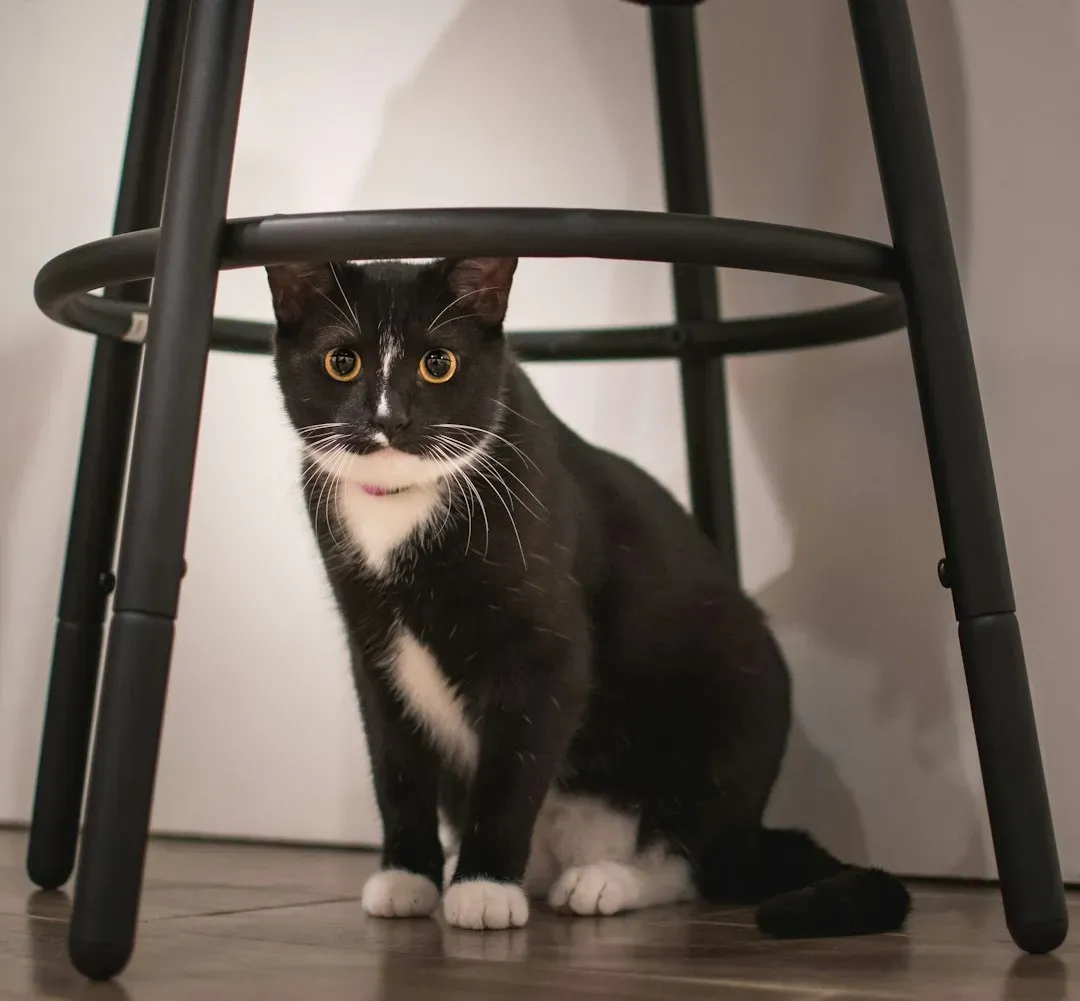
Cats are not fans of change. Full stop. Cats are true creatures of habit who value their routines, and they do not deal well with changes in their environment, such as a move or a new partner. Rearranging furniture may feel refreshing and exciting to you. To your cat, it feels like someone quietly dismantled the entire map they had memorized.
Moving to a new house, rearranging furniture, or changing the litter box's location can send them into tailspins. All big changes are significant triggers for cat behavior, and specific behavioral changes like hiding more, eating less, or being more jumpy are expected during their new transition. It's hard to say for sure just how long it takes a specific cat to readjust, but the signs are almost always there if you look.
The solution here isn't to never rearrange anything. Life happens. When making changes to your home or routine, introducing them gradually can help minimize stress. Even moving a single piece of furniture slowly over a couple of days, rather than overhauling an entire room in one afternoon, gives your cat's mental map time to update. Small mercy, big difference.
The Sounds Your Decor Makes Are Part of the Review
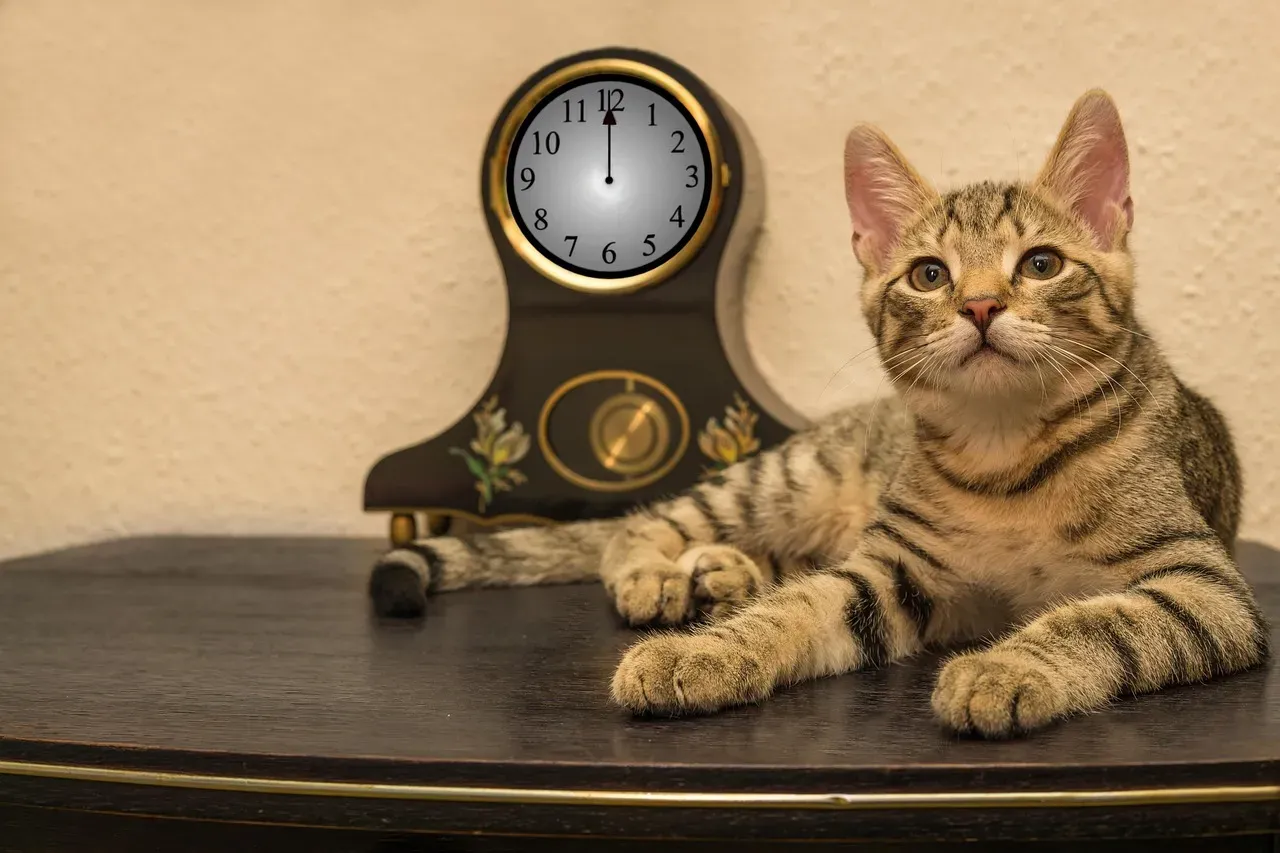
Here's something most people never think about: decor has sound. Wind chimes near an open window, a ticking wall clock, speakers that play bass-heavy music, decorative metal wind sculptures. Your cat hears all of it, and hears it far more intensely than you do. Cats can hear frequencies ranging from about 48 Hz up to 64 to 85 kHz, far beyond the upper range of human hearing, meaning many high-pitched or electronic sounds are louder, sharper, and more intense for cats than for people.
Similar to other species, cats have a pronounced acoustic startle reflex in response to loud, sudden noises that is associated with strong muscular contractions, and is usually followed by defensive or avoidance behavior in an attempt to self-protect from a perceived threat. That decorative wall clock you love might be ticking like a drum to your cat every single hour.
When cats react strongly to whistles, alarms, or phone sounds, they're not being dramatic or misbehaving - they're responding to a world that sounds much louder and more intense than ours. By understanding how feline hearing works and recognizing fear-based reactions, you can make small changes that dramatically improve your cat's comfort and emotional well-being. Worth checking what sounds are hidden in your decor choices before writing off your cat's strange behavior.
Clutter Stresses Them Out and Bare Minimalism Bores Them to Tears
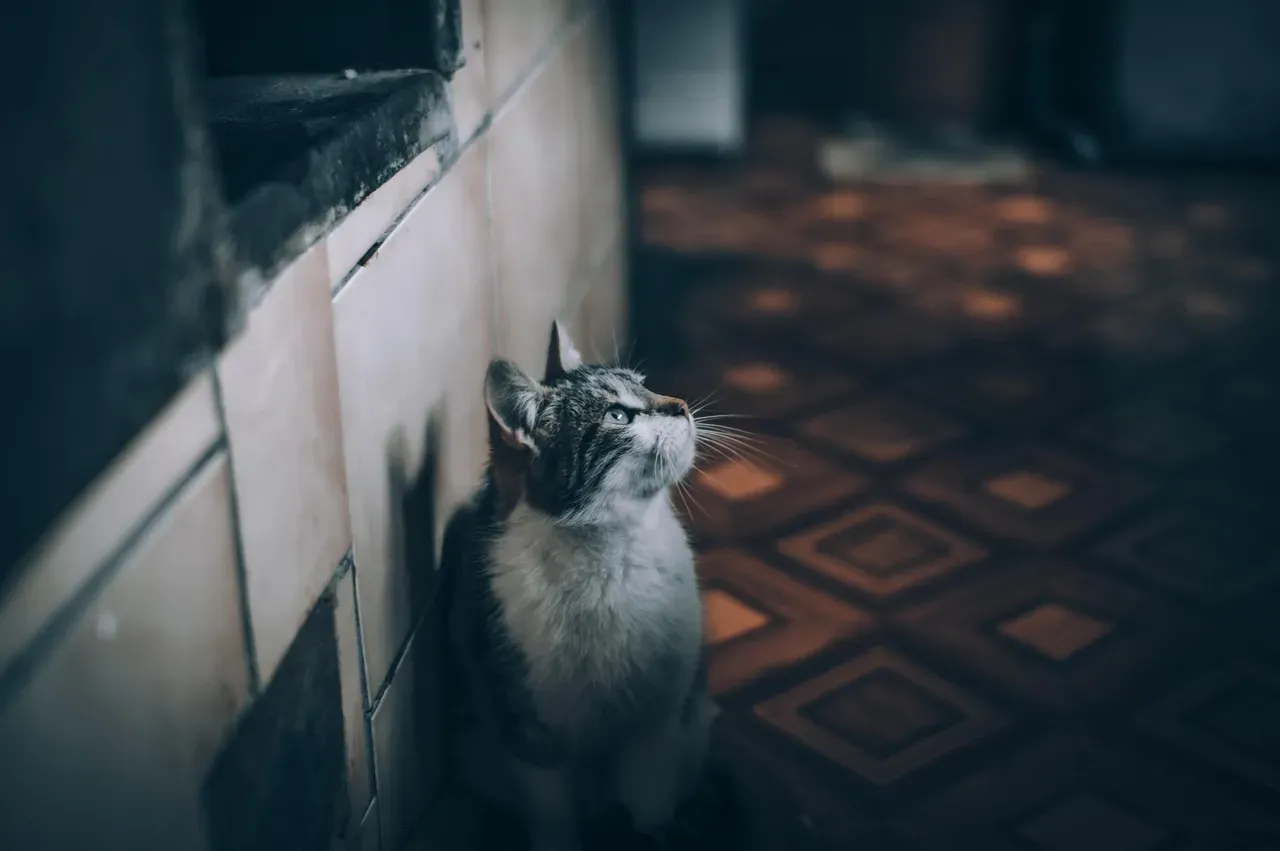
Let's be real, there's a fine line between a cozy home and a chaotic sensory overload for a creature as perceptive as a cat. Cats get overstimulated when they're receiving too much sensory information from their environment, such as noise, touch, or fast movement. A room crammed with objects, textiles, competing scents, and visual noise can genuinely exhaust a cat's nervous system.
On the flip side, a stark, cold, sparse minimalist space offers your cat almost nothing to engage with. Stress, anxiety, and confinement can cause cats to act out. When their environment isn't appropriately enriched, they will seek out ways to entertain themselves. That's how your pristine white walls end up with claw marks and your curtains become a climbing structure.
The sweet spot is a curated, enriching environment with variety but not chaos. Think soft textures in some areas, sturdy scratching materials in others, and clear paths to navigate comfortably. If your home becomes uninviting and there are too many places your cat can't or doesn't want to be and not enough places where they can, such as soft places, high places, and hiding places, they may start acting out. Balance is everything.
Vertical Space Is the One Decor Element Your Cat Actually Demands
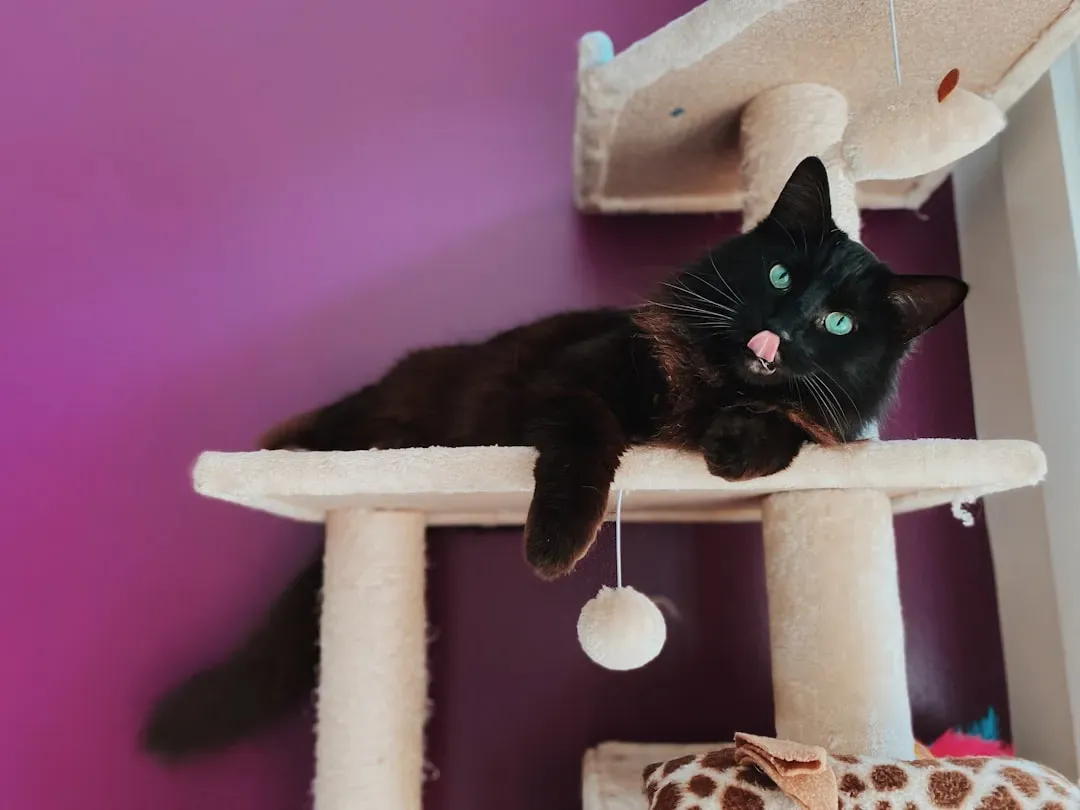
If your home design focuses entirely on ground-level furniture and horizontal surfaces, your cat is almost certainly unhappy about it. Because cats are predator and prey animals, they appreciate the ability to survey their environment from an elevated position. Ensuring they have high places to rest such as cat trees and open shelving meets this fundamental need. Think of it as the feline equivalent of having a balcony with a great view.
Cats are known for being independent, and one of their key needs involves allowing your cat to hide if she feels stressed, as well as giving your cat places to move vertically. When your interior design lacks this vertical dimension, your cat is essentially living in a world without elevation, which is deeply at odds with their instincts. If a cat doesn't have these options, she can react negatively to unpleasant events such as loud noises or strangers in the house.
The great news? Cat-friendly vertical spaces can absolutely look stylish. Floating wall shelves, thoughtfully placed cat trees that match your decor palette, and window perches with views of the garden are all options that serve both your aesthetic and your cat's wellbeing at the same time. Providing cats with cat trees, carpeted shelves, and window boxes can reduce stress and provide enrichment, which makes for a happier animal. It's one of those rare decor decisions that everyone in the household agrees on.
Conclusion: Your Home Is Also Their Home, and They Want You to Know It
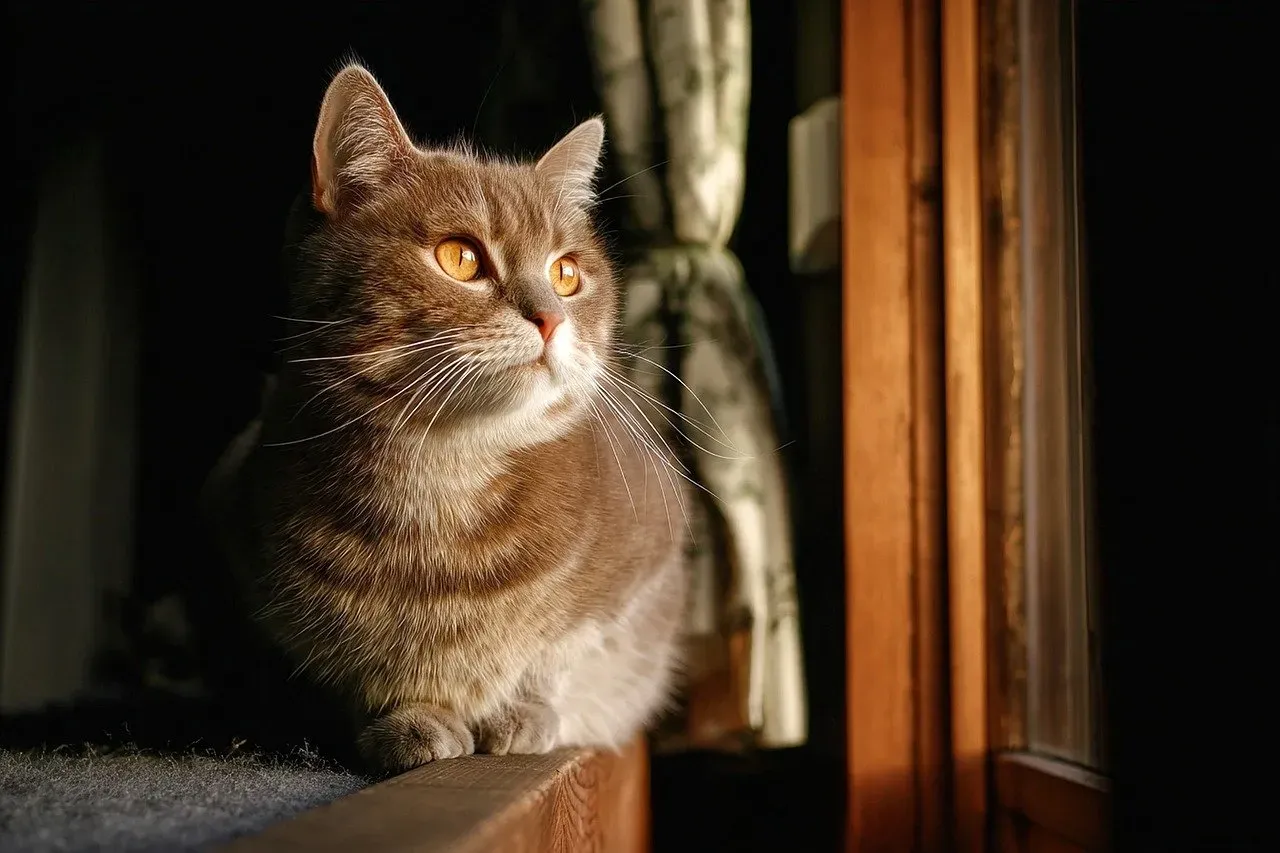
Living with a cat is essentially co-habiting with a highly opinionated, sensory-driven roommate who communicates exclusively through behavior. Your furniture choices, color palette, lighting, textures, sounds, and spatial layout all send constant signals that your cat is reading, processing, and responding to every single day. The scratching, the hiding, the staring at a corner of the room like it personally insulted them, it all means something.
The encouraging thing is that none of this requires a full-scale home renovation. Small, thoughtful adjustments, adding a perch near a window, swapping out one rough rug, dimming the lights in the evening, can shift the dynamic entirely. Understanding what materials cats hate isn't about punishment, it's about cooperation. By respecting their sensory world, you can create environments where both pets and people thrive.
Your cat may never verbally compliment your interior design choices. They won't leave a review. However, a cat that naps contentedly in the middle of your living room, stretches out freely on their favorite perch, and greets you with a slow blink is giving you the highest rating possible. Now that you know what they're looking for, how many of their hints do you think you've been missing all this time? Share your thoughts in the comments below!