Your Cat's Tail Language: What It Really Means in Everyday Interactions
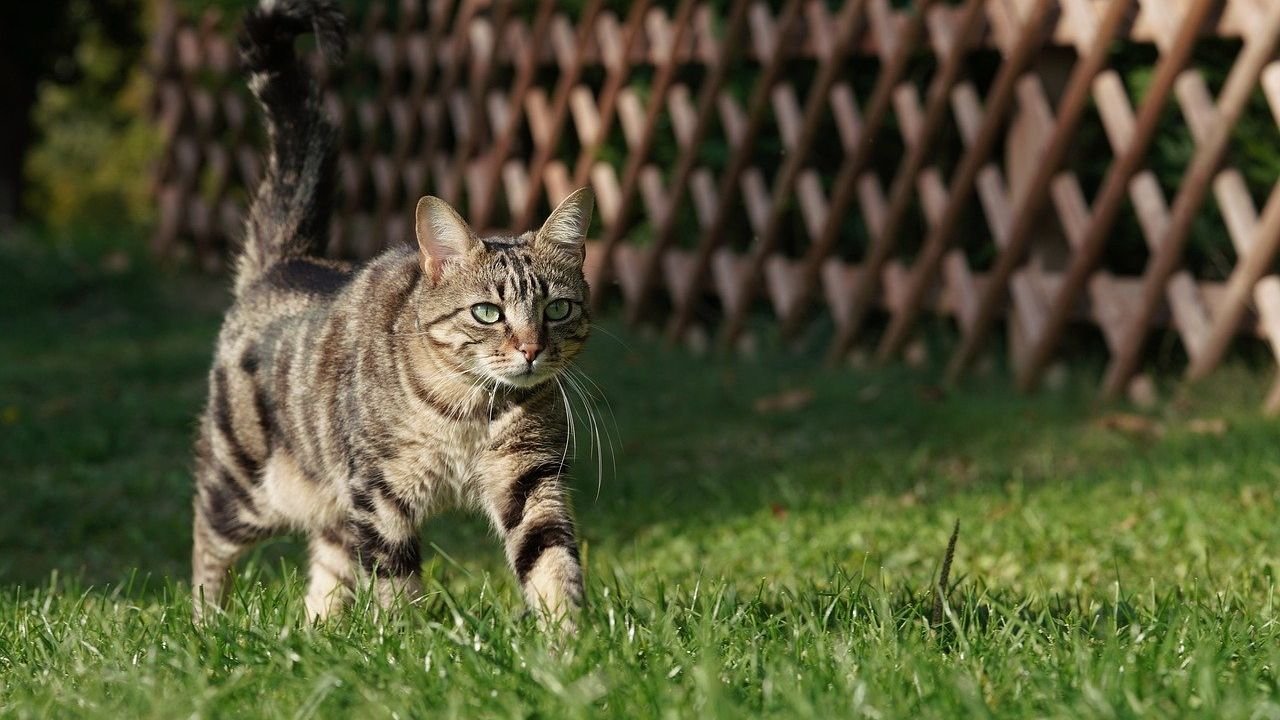
You live with one of the most expressive creatures on the planet, yet chances are you've been missing half of what they're trying to tell you. Your cat doesn't need words to communicate - far from it. Every flick, puff, curl, and quiver of that tail is a sentence, sometimes a whole paragraph.
Honestly, once you start paying attention, it's a little humbling. Your cat has been speaking to you this whole time. You just didn't know how to listen. So let's change that - and dive right in.
The Tail Is More Than Just a Tail
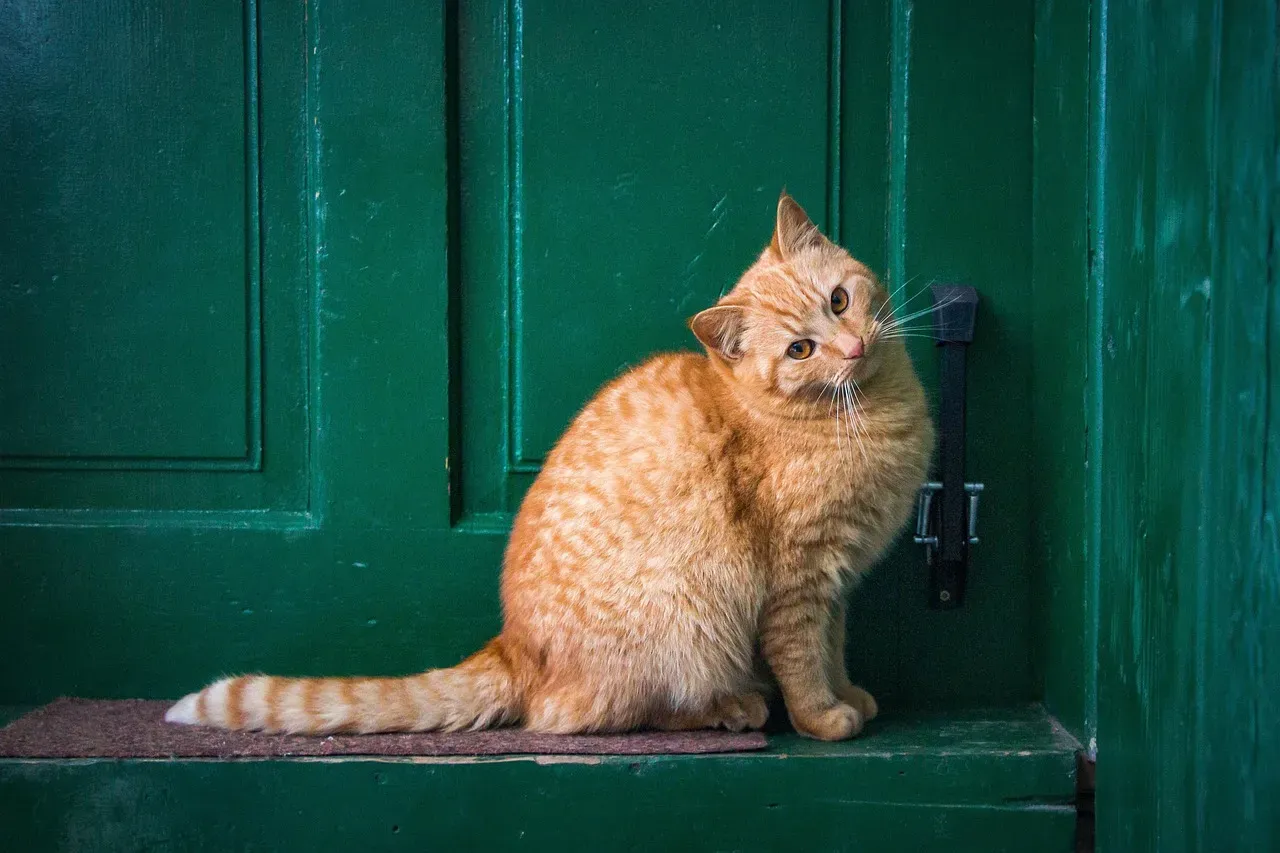
Before you can decode the messages, it helps to understand what you're working with. The tail is an extension of the spine - while the human spine stops at the pelvis, in cats the spine continues backward for another 18 to 23 small bones, spanning roughly 20 to 30 centimeters. That's a sophisticated piece of anatomy, not just a furry appendage.
Cats use their tails for two main functions: balance and communication. Think of it like a tightrope walker's pole, helping your cat stay stable while also broadcasting their inner emotional world to everyone around them. Although you should look at more than just their tail movements to fully understand your cat's emotional state, the tail may be the most expressive part of a cat's body language.
The High, Straight-Up Tail: Your Cat's Version of a Warm Hello
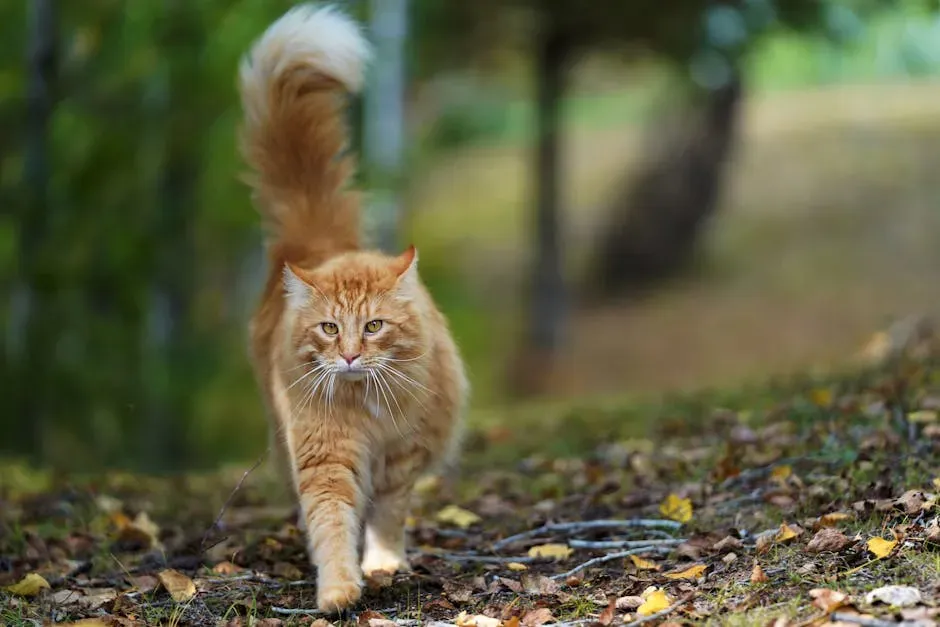
Here's the one tail signal that almost always puts a smile on your face. When a cat's tail is upright, they are feeling social and confident, and are approaching in a friendly manner - this tail language indicates a friendly greeting between cats, and it's how kittens greet their mothers. So when your cat walks into the room with that flag flying high, they're essentially saying, "Hey, I like you."
If a cat walks into the room with its tail sticking straight up, they're feeling confident, comfortable, and ready to engage in friendly interaction - this tail position indicates all is right in the world, or at least from the cat's perspective. You can take that as a green light. If your cat approaches you with their tail up, they are open to an interaction - this is a good time to pet them or play with them.
The Question Mark Tail: An Invitation You Should Accept
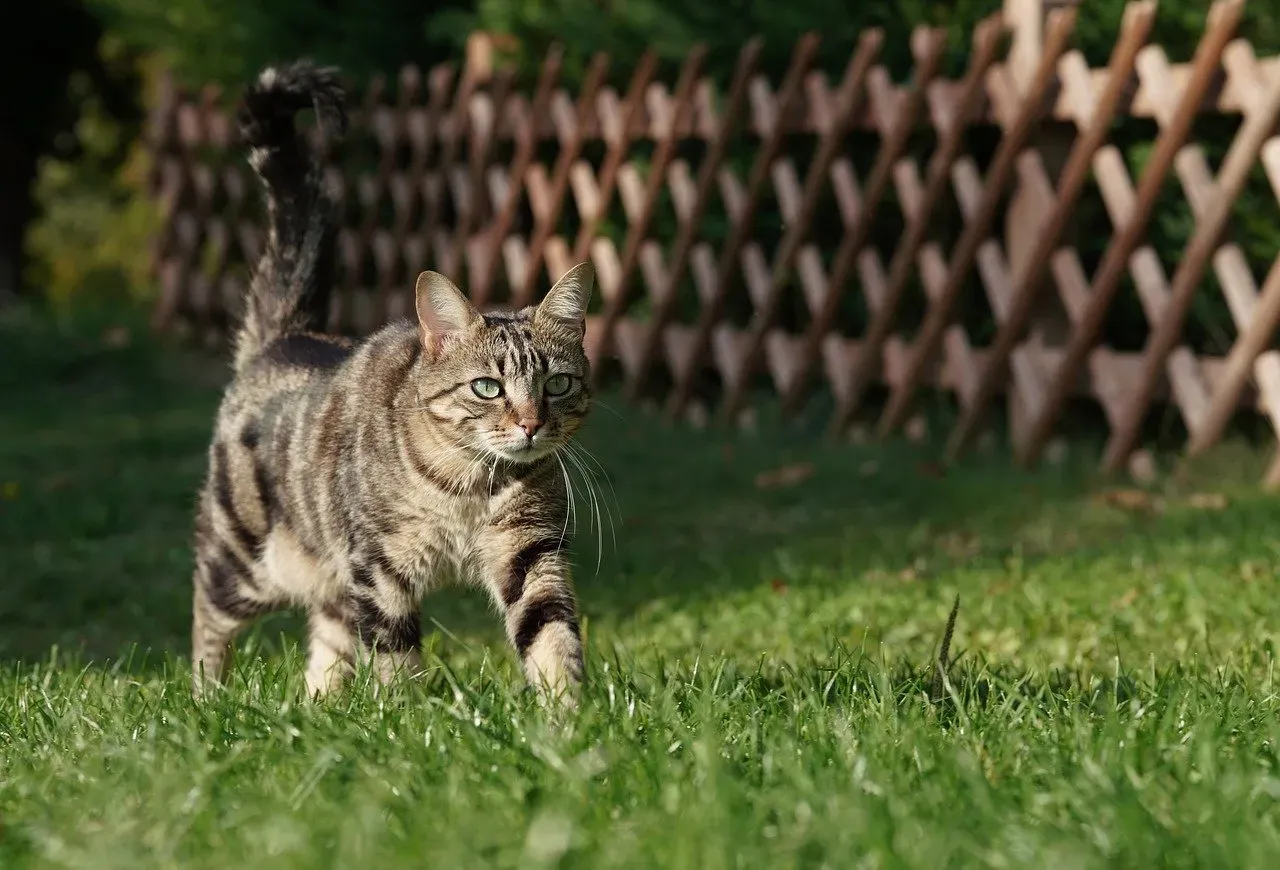
This one is delightful once you know what it means. You may notice that sometimes your cat's tail looks like a question mark - it stands upright but curls at the end. This cat tail language indicates that your cat is happy and approaching amicably, and when your cat's tail is in this position, it means it's an invitation to interact. It's basically your cat asking, "Ready to hang out?"
When a cat bends its tail in the shape of a question mark, this is good news, especially if you have a few minutes to spare and some cat toys at the ready - the question mark-shaped tail position is a cat's way of asking you, "Would you like to play?" One thing to keep in mind, though: while it is tempting to pet that curly-tipped tail, most cats prefer to be petted around their facial glands on their cheeks, under their chin, and next to their ears.
The Puffed-Up Bottle Brush Tail: Back Off, Seriously
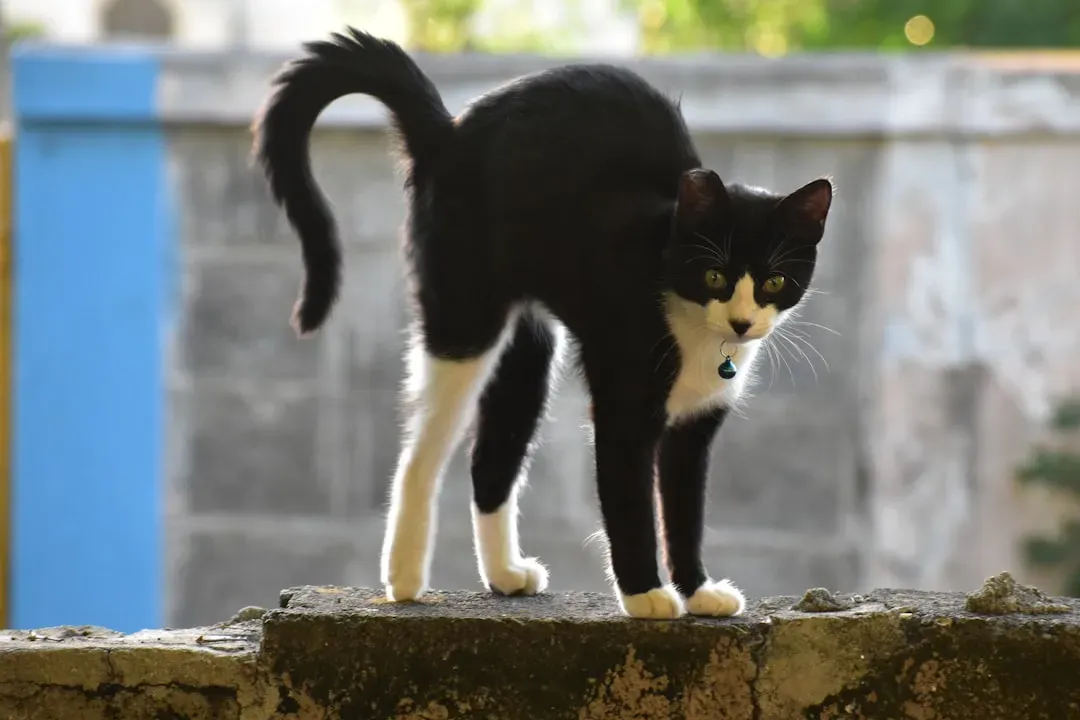
If the high tail is your cat's smile, the puffed-up tail is their alarm siren. When a cat puffs up their tail, be on alert - this is a clear message that they are aroused or afraid. The puffed-up tail is common around other animals and might be intended to make them seem larger against a potential attacker. It's a survival instinct that goes back millions of years.
If your cat assumes the quintessential Halloween-cat posture with a puffed tail and arched back, they are startled or frightened by a sudden, severe threat - your cat's hair stands on end so they can appear to be larger. Don't approach a cat with this tail position because they're frightened or angry and could act out. The kindest thing you can do in that moment is give them space and quietly remove whatever is triggering the reaction.
The Thrashing and Lashing Tail: Your Cat Is Done With This
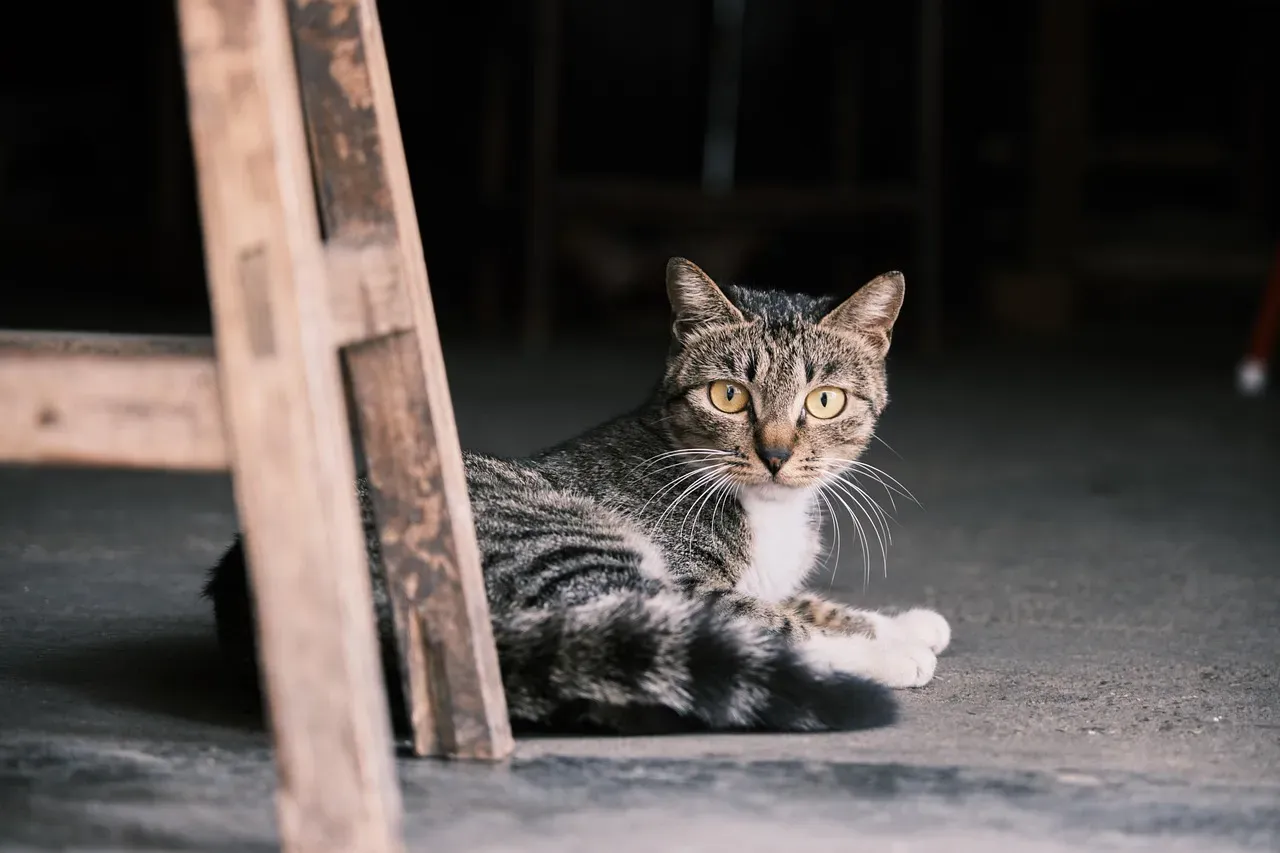
There's a reason behaviorists call this a "distance-increasing behavior." When your cat thrashes their tail or is thumping it on the ground, they are irritated, annoyed, or angry - this tells you something is bothering your cat and is a distance-increasing behavior. In other words, if you are petting your cat and they start thrashing their tail, they are trying to tell you to stop.
If you don't stop, the thrashing tail may be a prelude to hissing, growling, swatting, or biting. This one really matters in everyday interactions. It's especially common to see this behavior during petting sessions - your cat might enjoy attention one minute, but start lashing its tail if the interaction goes too far. Consider the lashing tail your cat's polite final warning before things escalate.
The Tucked Tail: Fear, Submission, or Pain in Disguise
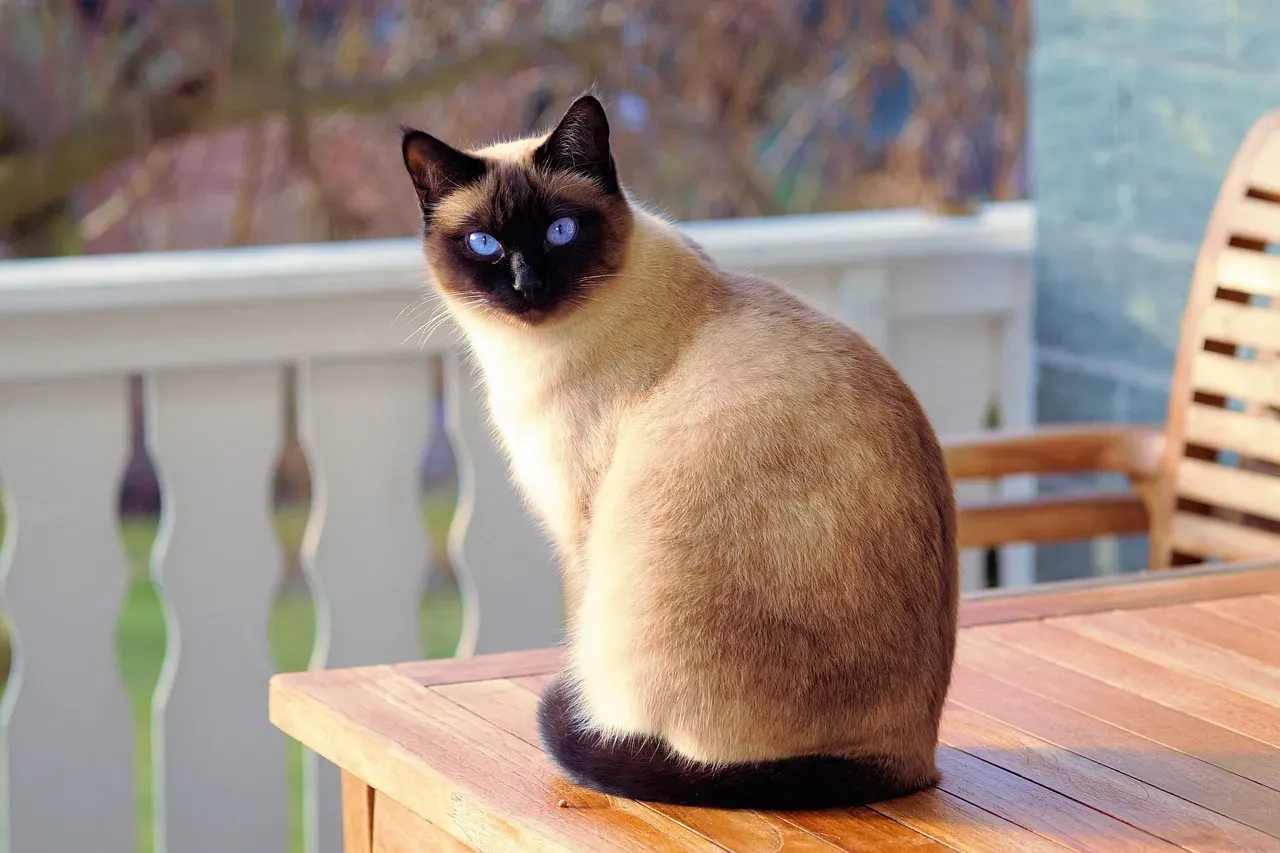
A tucked tail is one of the most telling and often most overlooked signals your cat gives you. A cat may lower their tail below the level of their back if they are frightened or anxious - if your cat's tail is tucked between their legs, then they are really scared or may be experiencing pain. It's the feline equivalent of someone curling in on themselves during a stressful situation.
A cat who has tucked the tail between the hindlegs is very frightened - this is a submissive posture where the cat is trying to appear small and non-threatening. Here's something that might surprise you: if your cat frequently crouches with their tail curled tightly around their body for more than a few days, then an evaluation by your veterinarian is warranted to rule out pain or illness. Don't ignore this one. It could be more than just a bad mood.
The Tail Wrap: A Gesture of Deep Affection
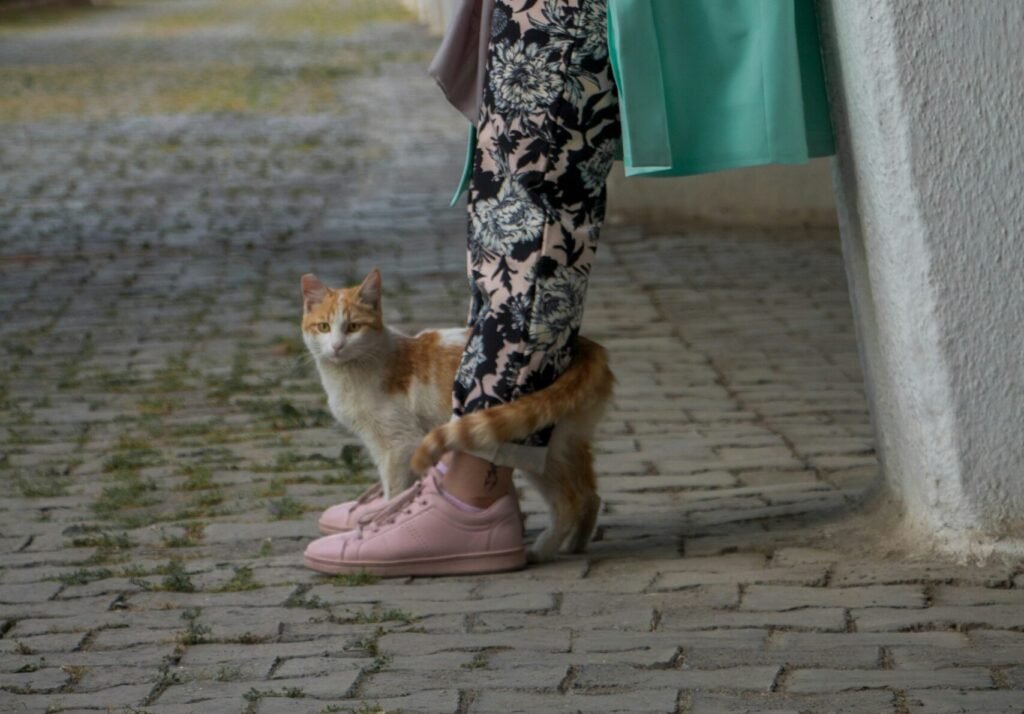
Let's be real - this is one of the sweetest things a cat can do. When a cat wraps their tail around a person or animal, it is usually a sign of affection - if a cat uses their tail to wrap around your leg, or perhaps another cat's tail, this is a sign of close affection. It feels understated, but in cat terms, it's practically a bear hug.
This behavior is rooted in territorial instincts - the end of a cat's tail contains scent glands with pheromones, which they use to leave their unique signature on things they consider theirs, including you. So when your cat drapes their tail over your arm while you're sitting together, your cat may also gently wrap their tail over your arm when resting nearby - consider it a cat's version of a hug. That's a level of trust worth appreciating.
The Slow Swish vs. The Twitching Tip: Context Is Everything
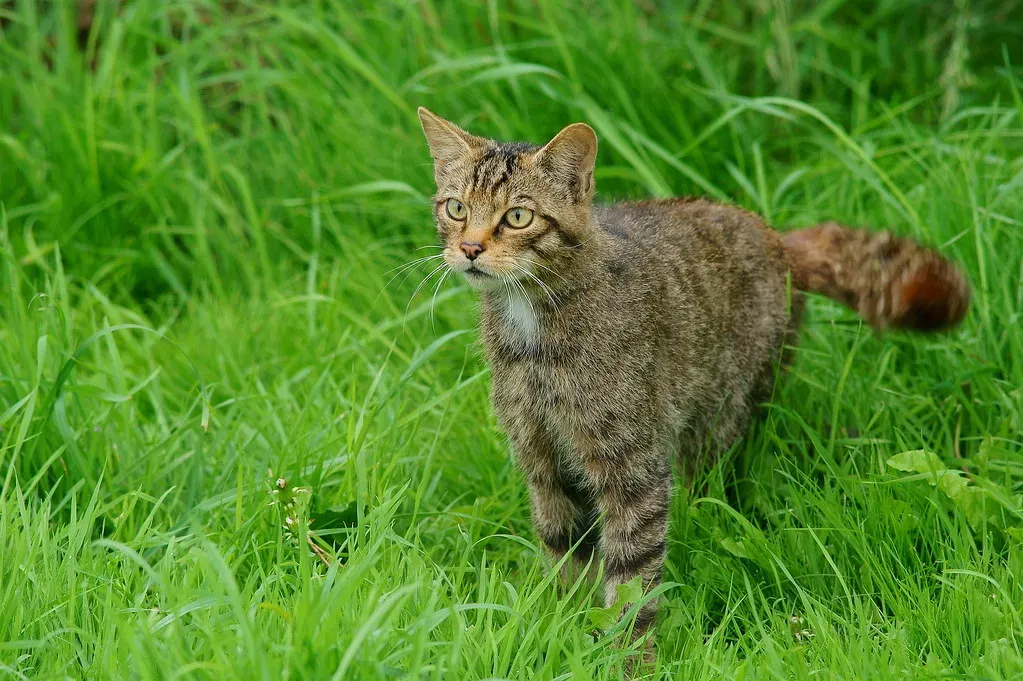
This is where things get genuinely fascinating, and frankly, a little tricky. Two tail movements that look almost identical can mean completely different things depending on what your cat is doing. Swishing tails slowly from side to side in a soft, fluid manner indicate cats who are relaxed, calm, and perhaps mildly interested in something. Think of it like a cat doing a slow, lazy daydream.
The twitching tip, however, requires a second look. Cats twitch the end of their tails when they are hunting and playing, as well as when they are mildly irritated and frustrated - in this case, read the scene and look for other clues to their mood. If they're not playing or stalking something, the twitching tail movement probably means they are annoyed. A twitching tip of the tail may also be a sign that your cat is excited or focused on potential prey or a toy, but it could also indicate mild annoyance. Context is your best tool here - always look at the full picture.
Conclusion: You Now Speak a Little Cat
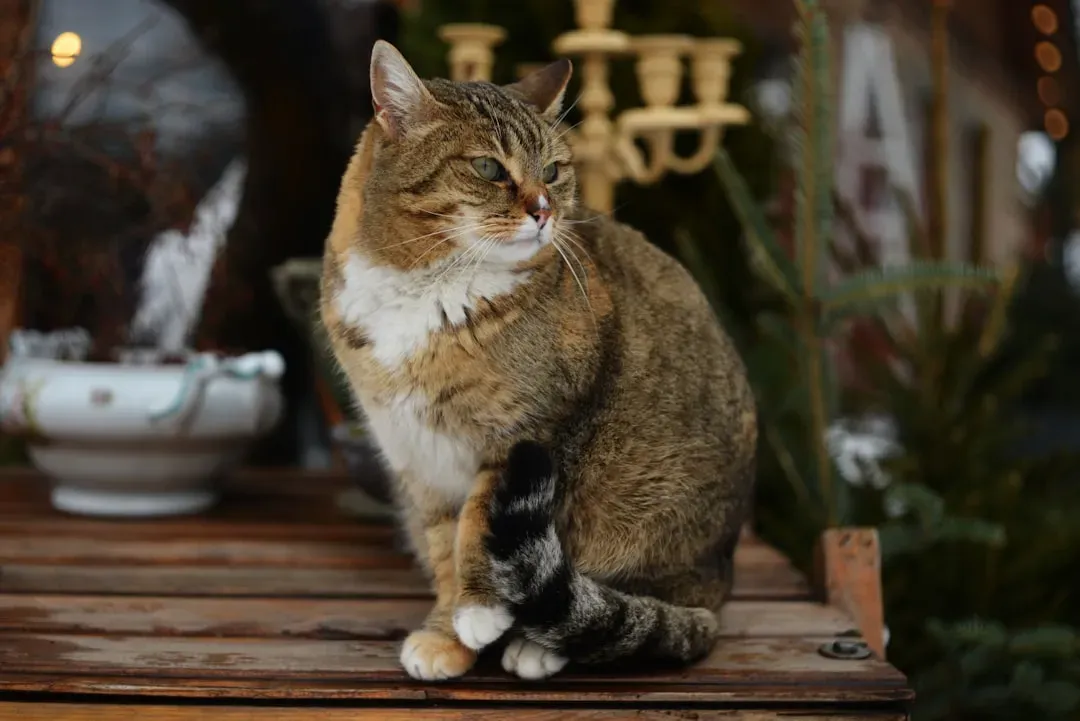
Your cat has been talking to you every single day. The high tail at the door, the slow swish on the couch, the sudden puff before the neighbor's dog walked by - all of it means something. The main takeaway is that a cat's body language and behaviors should be looked at as a part of one big picture. By using the context of the entire situation and looking for subtle cues in body language, you'll have an excellent chance at understanding your feline friend.
Going from a position of ignorance about your cat's feelings to one of understanding can have powerful benefits in your relationship with your cat - cats are complicated, emotional creatures who rely on a combination of instinct and intelligence to navigate their day-to-day lives. The more you watch, the more fluent you become. And that fluency builds something real: trust, comfort, and a bond that goes far beyond a bowl of kibble and a warm lap.
You already love your cat. Now you can finally understand them, too. What's the most surprising tail signal you've noticed in your own cat? Drop your thoughts in the comments - we'd genuinely love to hear.