Your Cat's Silent Strength Reveals Their Unwavering Loyalty
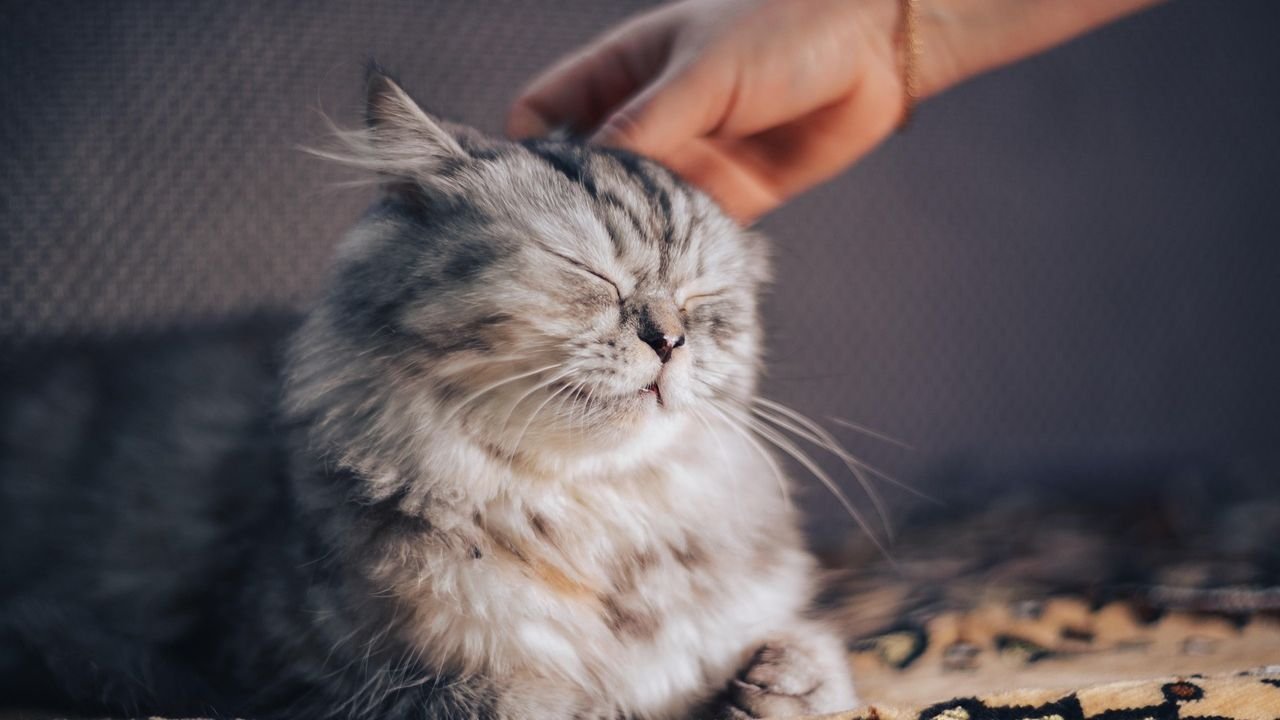
There's a reason people have been fascinated by cats for thousands of years. They're mysterious, graceful, and just a little bit infuriating. You sit down expecting nothing, and suddenly your cat is curled up on your lap like they own the place - which, let's be honest, they probably think they do.
Some people claim cats are aloof, even indifferent, while others swear their furry friends are as loyal as any dog, just in their own mysterious way. The truth is, cat loyalty isn't as simple as we'd like it to be - and that's what makes it so fascinating. So if you've ever wondered whether your cat actually cares about you or is just tolerating your existence, you're in for a very pleasant surprise. Let's dive in.
The Science Behind Feline Loyalty Is More Surprising Than You Think
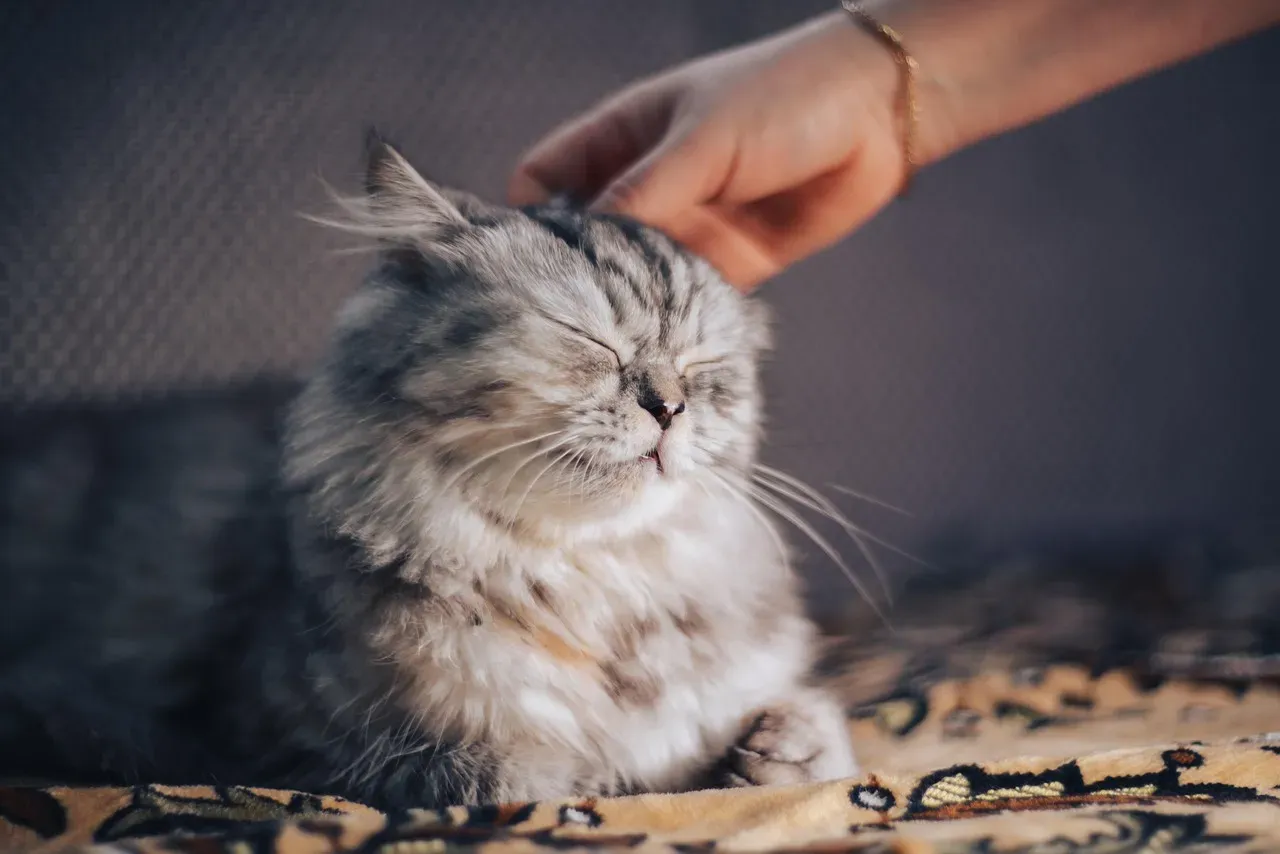
Here's the thing - cats have a reputation problem they don't entirely deserve. For years, science didn't take feline attachment seriously. Then researchers at Oregon State University changed everything. Researchers at Oregon State University found that, just like children, primates, and dogs in similar studies, cats form emotional attachments to their caregivers, including what is called "secure attachment," which is when the presence of a caregiver helps the cat to feel calm and secure.
What's even more jaw-dropping is the actual data. Around 65 percent of cats formed secure attachments to their owners - higher than the 58 percent of dogs. That's right. Your "aloof" cat may actually be more bonded to you than a dog is to its owner. I know it sounds crazy, but the numbers don't lie.
Your Cat Sees You as a Source of Security, Not Just a Food Dispenser
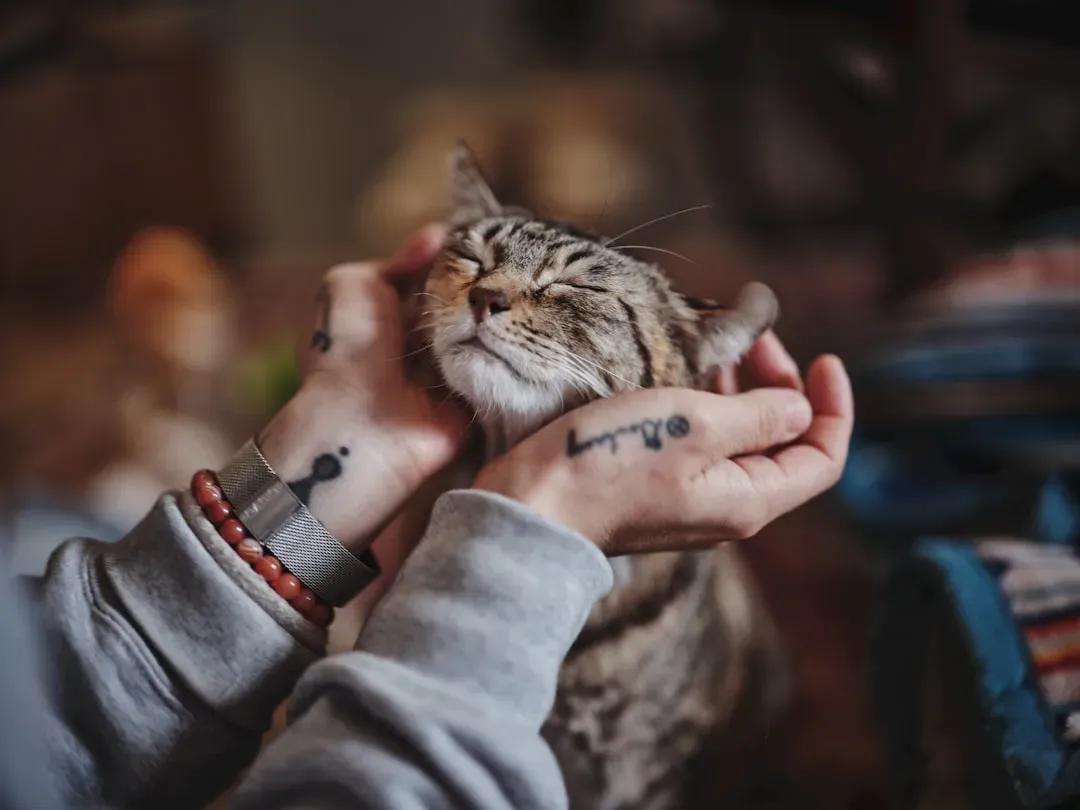
One of the most common dismissals of cat loyalty is the idea that they only care about who feeds them. Honestly, it's a lazy assumption. Cats genuinely do care about their owners. Many people claim that cats only like a hand to feed them. However, research indicates otherwise. Cats are capable of feeling emotions and bonding with their caretakers.
Cats form complex relationships with humans called secure attachments. Cats feel you are their caretakers. Think of it like this - you're not just a vending machine to your cat. You're their anchor. Their safe base in an unpredictable world. That quiet comfort they seek when something feels off? That's loyalty speaking, just in a softer voice than you expected.
The Slow Blink: Your Cat's Most Intimate Declaration
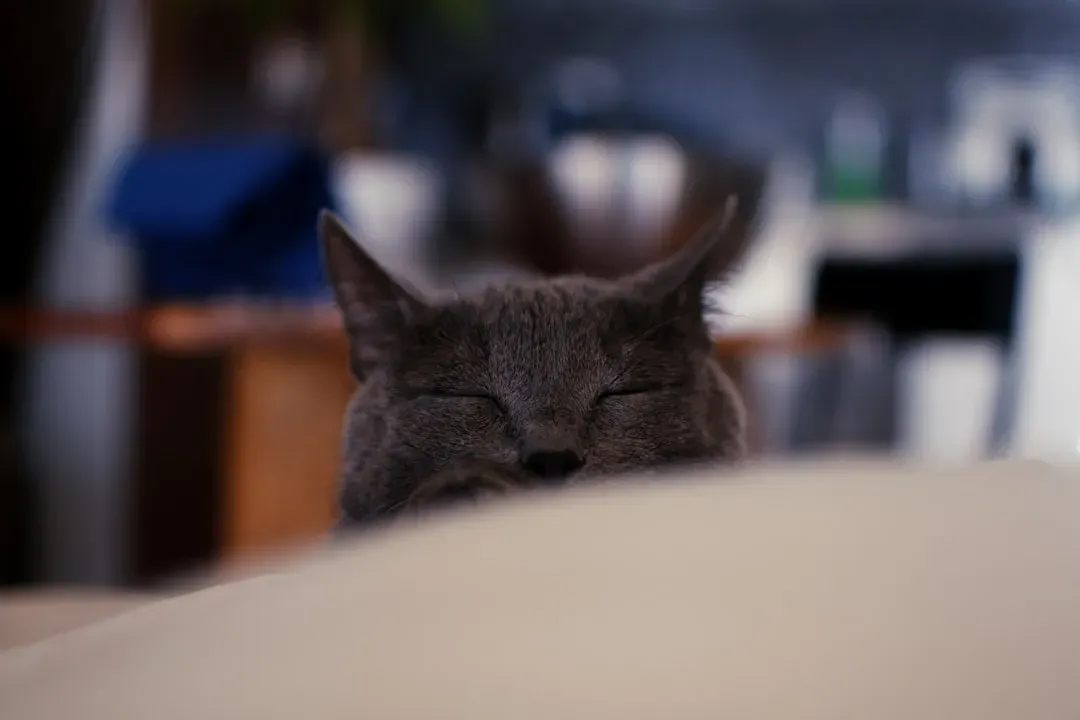
When a cat looks at you and slowly closes and opens its eyes, it's not just feeling sleepy - it's saying, "I trust you." This gentle blink is often called the "cat kiss" and is a powerful gesture in feline communication. It's one of the most understated yet profound things your cat can offer you. Think of it as the feline equivalent of a warm, heartfelt hug.
This behavior is especially meaningful if your cat does this in a quiet, calm moment, rather than during play. It's a sign your cat feels protected and secure, knowing you won't take advantage of its vulnerability. If you notice this, count yourself lucky - your cat sees you as family. Try returning the gesture slowly. You might be surprised when your cat blinks right back at you.
Following You in Silence: The Loyalty You Almost Miss
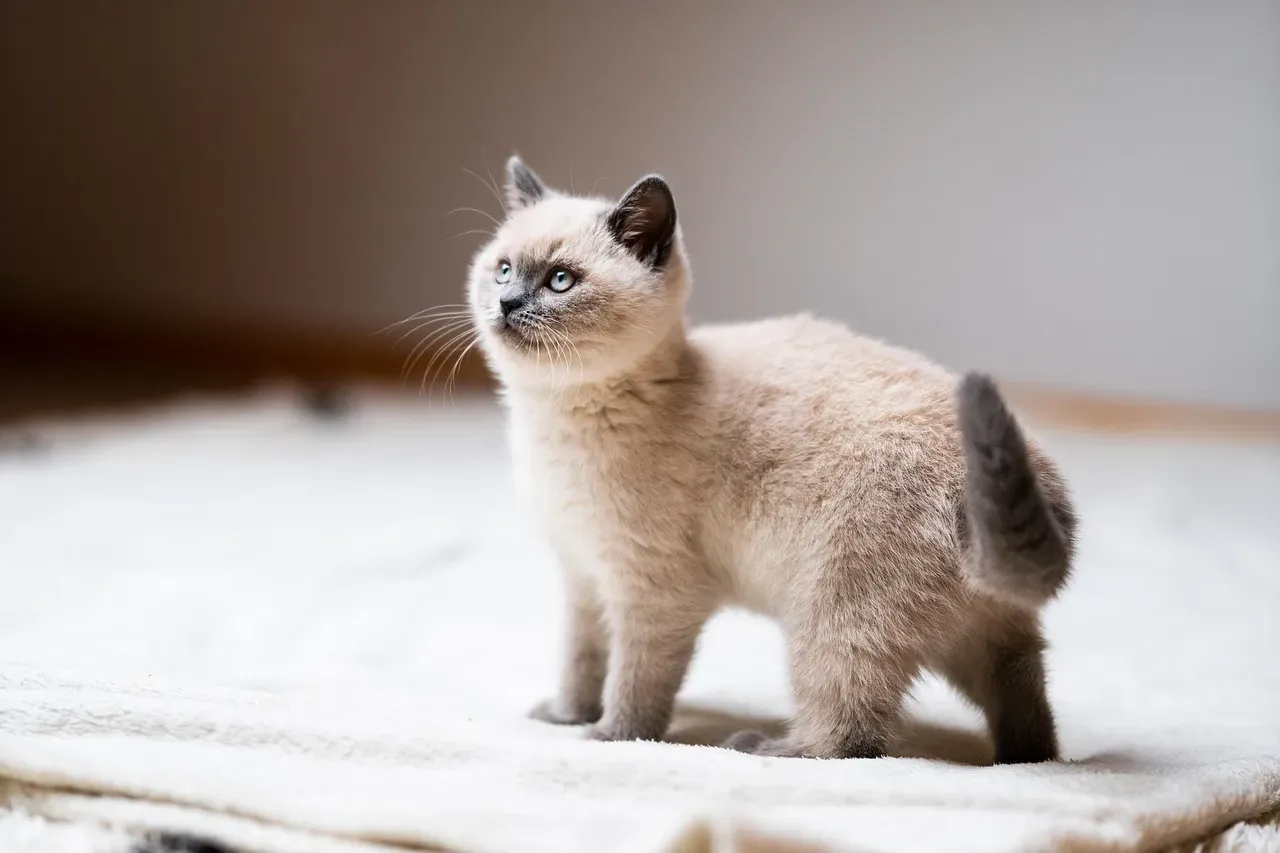
Some cats are chatty followers, but others simply trail behind you in silence. If your cat moves from room to room, quietly keeping you in sight, it's a subtle sign of attachment. They might not make a sound or demand attention - they just want to be near you. This gentle shadowing means your presence is comforting, and your cat enjoys being part of your world, even without direct interaction.
Cats are known for their independence, so when your feline friend starts shadowing your every move, it's a clear sign of loyalty. This behavior is akin to a child following a parent, seeking comfort and security. It's quiet, it's gentle, and it's one of those things you might not even notice until the day your cat isn't there anymore. Pay attention to those little footsteps behind you.
Sleeping Near You Is the Deepest Trust They Can Offer
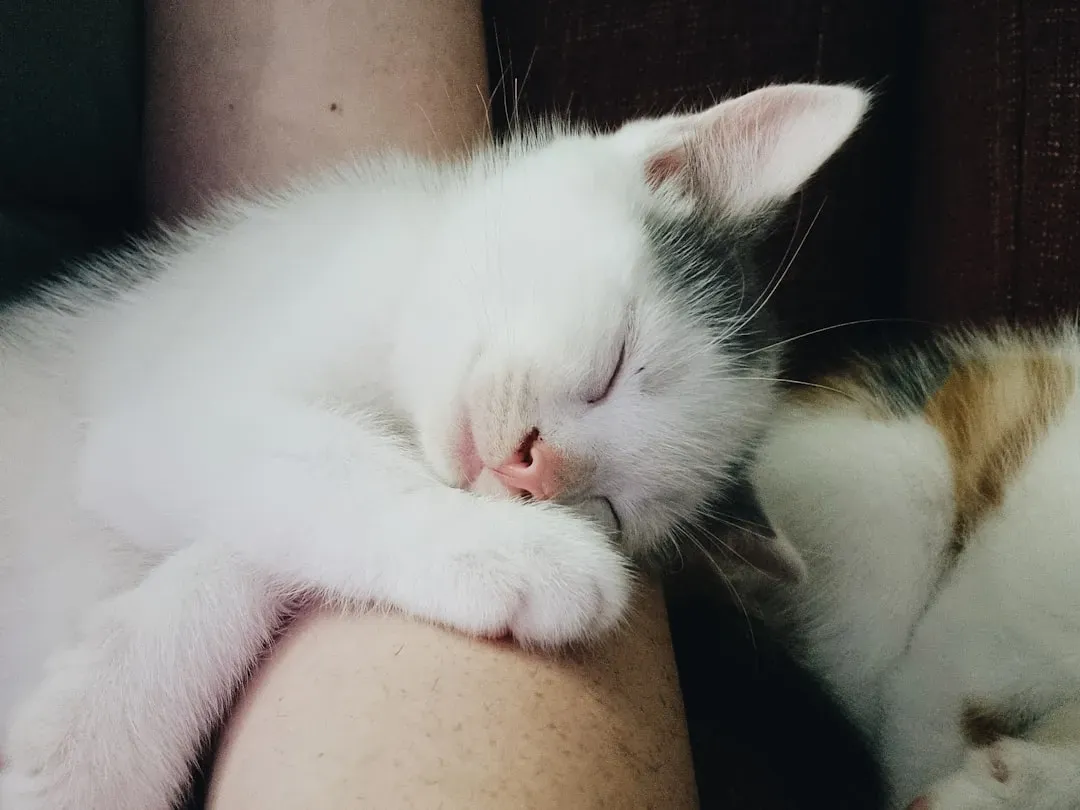
Cats are vulnerable when they sleep, and choosing to doze off on you or beside you is a significant sign of trust and loyalty. When a cat sleeps on you, they feel safe and protected in your presence. This behavior demonstrates their dependence on you for security and comfort. In the animal world, vulnerability is never given freely. When your cat offers it to you, that's saying something enormous.
Not every cat is a lap cat, but many will choose to nap somewhere near you if they trust you. Sleeping is when cats are most vulnerable, so their choice of location says a lot. If your cat curls up next to your chair, at the foot of your bed, or on a nearby cushion, it's a sure sign they feel safe in your presence. Location is everything in the feline language of trust.
Head Bunting and Grooming: You've Been Officially Claimed
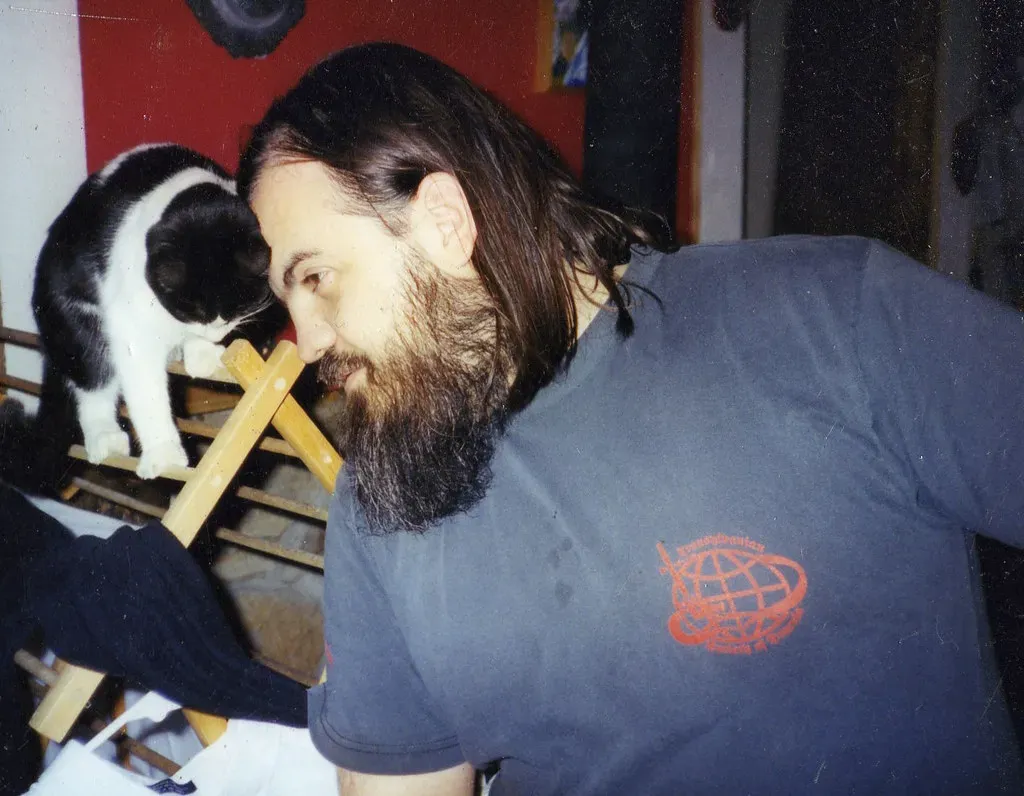
Head nudges, or "bunting," are among the sweetest ways cats show affection and trust. When your cat quietly presses its forehead against your hand, cheek, or even your foot, it's marking you with facial pheromones. This is a way for cats to claim you as part of their safe space. You're not just a person in their home - you're family, marked and recognized as their own.
When a cat grooms you, it's more than just a cleaning ritual - it's a profound gesture of bonding. This act, usually reserved for fellow cats, signifies acceptance and affection, as they share their most intimate ritual with you. Through grooming, cats express their care, ensuring you're part of their circle. This subtle gesture of kindness is a testament to their trust, a quiet declaration of belonging and connection that transcends the need for words.
Kneading: A Warm Habit Rooted in Kitten Love
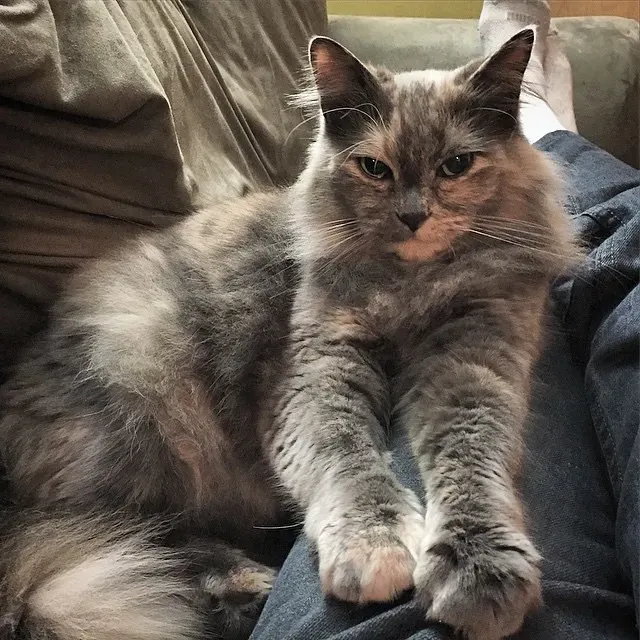
When a cat kneads on you, pushing their paws rhythmically against your body, it's a comforting behavior rooted in their kittenhood. Kittens knead their mothers to stimulate milk flow, and as adults, cats continue this behavior as a sign of contentment and trust. When your cat kneads on you, they are expressing their comfort and happiness in your presence. It's essentially your cat regressing to its happiest, most secure moments - and choosing to experience that with you.
The rhythmic kneading cats do on blankets, pillows, or their humans is a behavior that mimics what they did while nursing as kittens. It's "just a leftover instinctual thing that they do when they feel super happy and super connected." So yes - when your cat is making biscuits on your stomach at midnight, they're not just being weird. They're telling you they love you.
Your Cat's Protective Instincts Are Very Real
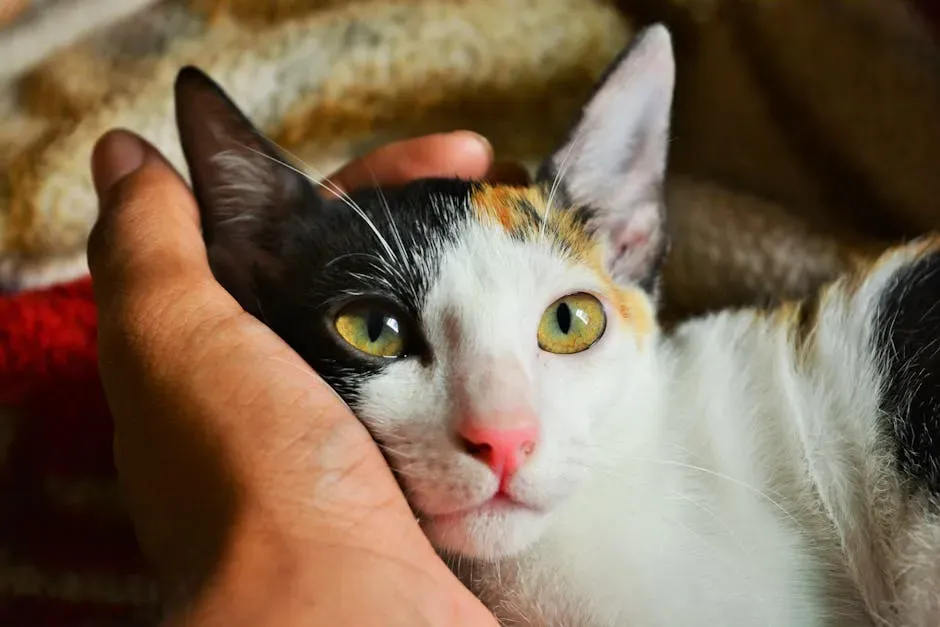
It might sound surprising, but cats can actually be protective of their humans. While they're not likely to chase off an intruder like a guard dog, there are countless stories of cats alerting their owners to danger - such as fire, medical emergencies, or even intruders. This is one of those things that catches people completely off guard. We expect it from dogs. From cats? Not so much.
Some cats will place themselves between their owner and a perceived threat, puffing up or hissing to scare it away. This protective streak is another sign of feline loyalty, even if it manifests in less dramatic ways. Your cat might keep a watchful eye on new visitors, or stay close when you're feeling unwell, acting as a silent guardian. It's not showy. It's not loud. It's simply steady, devoted protection.
Cat Loyalty Is Earned - and That Makes It Priceless
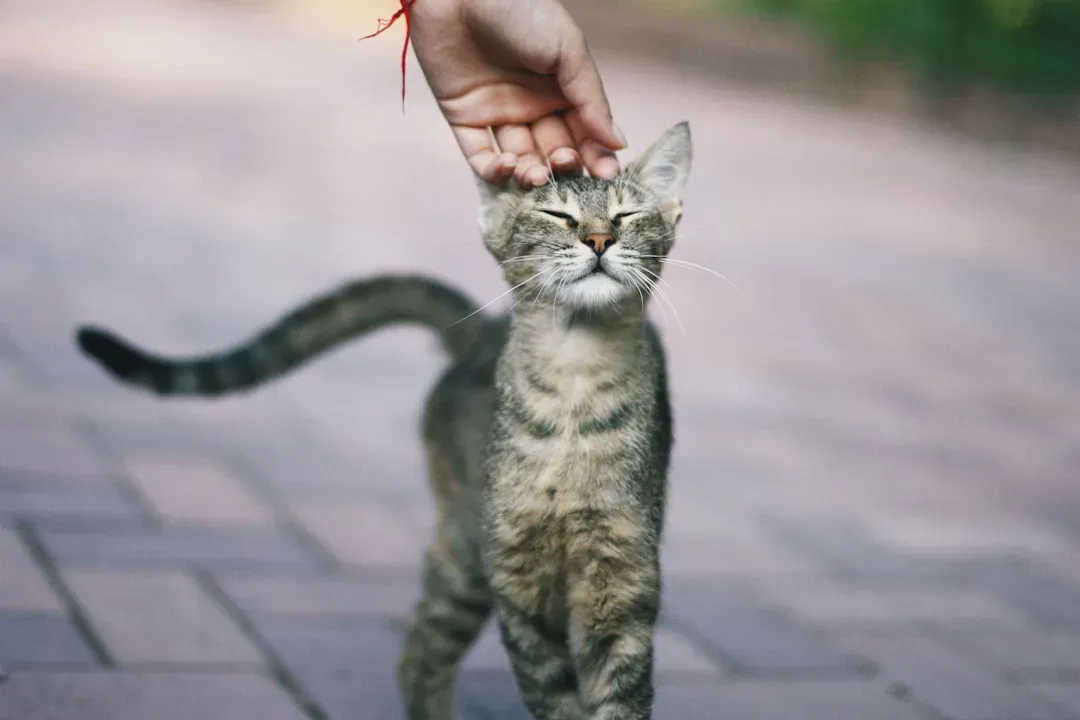
Cats can be truly loyal, but unlike dogs, that loyalty comes out of their desire to be loyal to you. There's no leash here. No pack instinct forcing compliance. There's something truly special about earning the loyalty of a cat. Unlike dogs, whose love is often immediate and unconditional, a cat's devotion is earned over time. That distinction matters more than most people realize.
The intensity of a cat's loyalty can be influenced by factors such as shared experiences, positive interactions, and familiar scents. By acknowledging and appreciating the unique qualities of our feline companions, we can cultivate a deeper, more fulfilling bond with them. Put in the care, the patience, the gentle consistency - and what you get back is a form of loyalty that feels genuinely chosen. That, honestly, is more meaningful than anything forced or reflexive.
Conclusion: Your Cat Has Always Been There for You
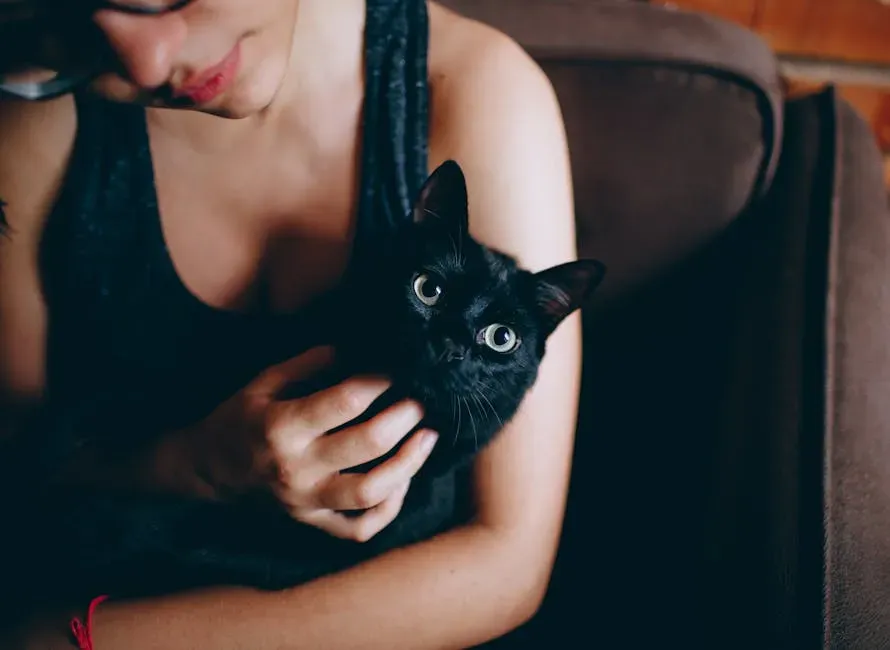
Let's be real - cats will never write the story of their loyalty in big, dramatic gestures. They won't leap from buildings or bark the neighborhood awake for your sake. Through subtle gestures - like staying close, watching over you, or reacting to unfamiliar sounds - they express loyalty and care in their own quiet way. Understanding these signs allows you to appreciate the emotional depth behind their behavior.
When your cat chooses to curl up beside you, greet you with a soft meow, or simply sit quietly in your presence, it's a sign of a bond that's deep and genuine. This loyalty may not always be loud or obvious, but it's real - and those who experience it know just how rewarding it can be. Your cat's silence is not indifference. It's trust. It's strength. It's love, expressed in the only language cats have ever known.
So next time your cat settles beside you at the end of a long day without making a sound, don't take it for granted. That quiet presence is one of the most sincere things another living being can offer you. Did you ever expect your cat to be this deeply devoted to you?