8 Mistakes You Might Be Making That Stress Out Your Feline Friend
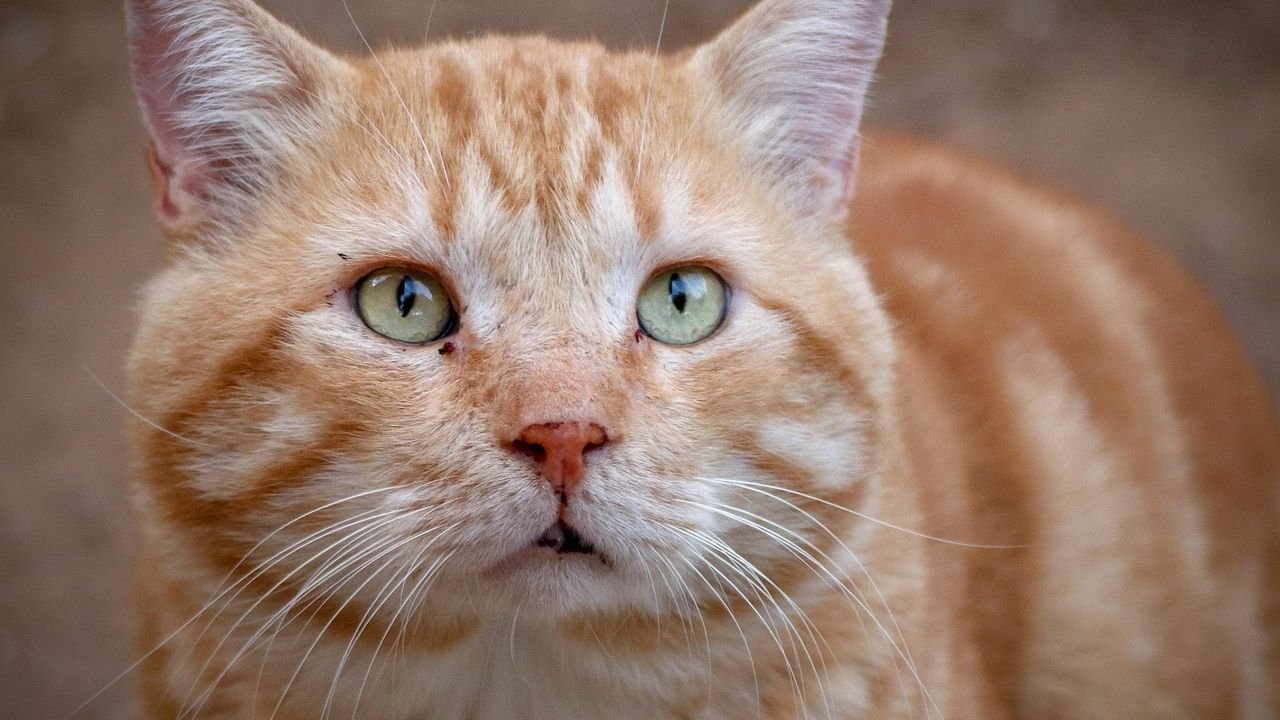
Cats have a reputation for being cool, composed, and completely unbothered. But here's the thing - that image is largely a facade. Beneath that silky fur and those half-closed, sleepy eyes, your cat might be quietly dealing with more anxiety than you ever imagined. The tricky part? Felines are subtle animals, and it can be tricky to tell if you've got a stressed cat in your home. Their behavior might change slightly, or they might begin to do things that you perceive as "being naughty." In fact, the domestic cat can be great at hiding signs of stress, and it's in their nature.
What's even more surprising is that you, as their loving owner, could unknowingly be one of the biggest sources of that stress. From the way you handle them to the way you set up their litter box, a handful of everyday habits can quietly push your cat toward anxiety without you realizing it. Let's dive into the eight most common mistakes cat owners make - and how to fix them.
1. Forcing Physical Affection on Your Cat
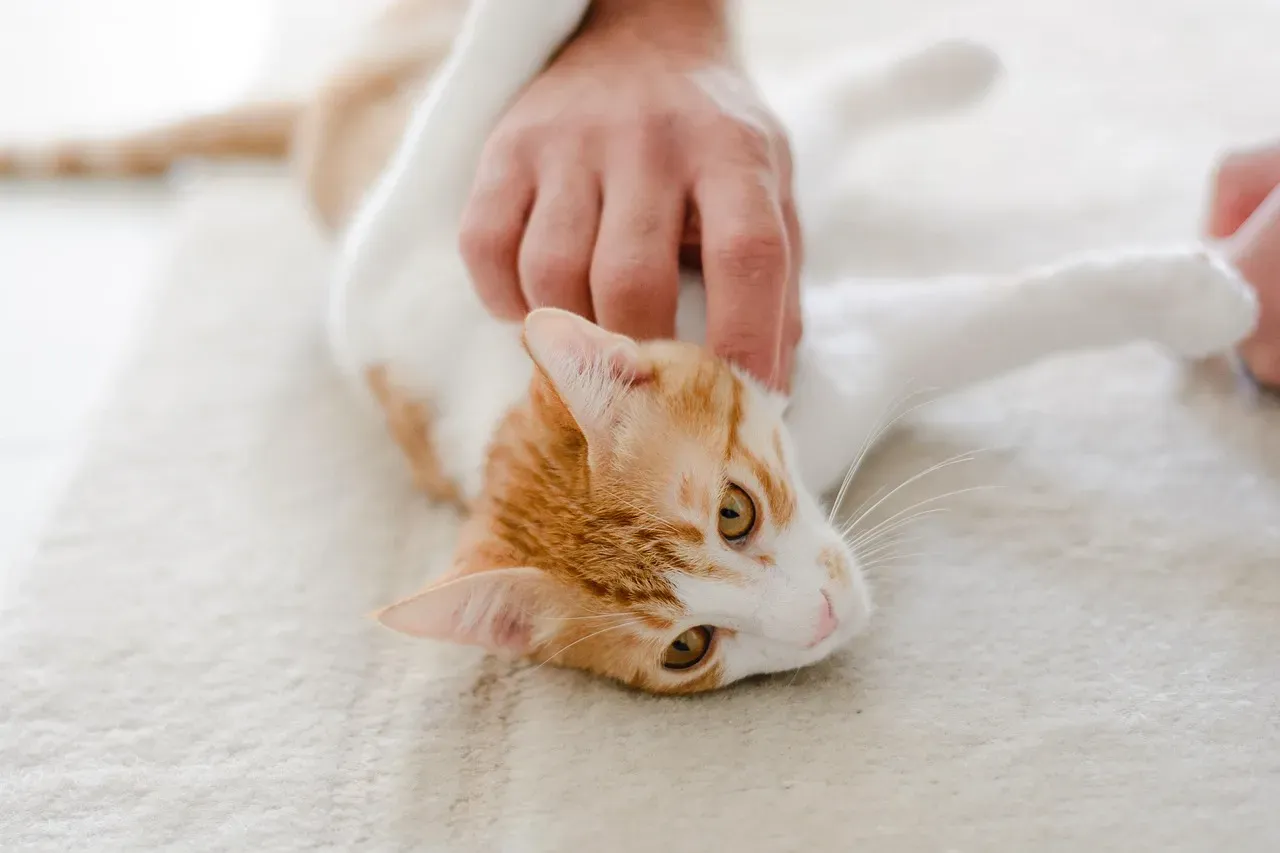
You love your cat, so naturally you want to squeeze them, hold them close, and kiss them on the head. Totally understandable. But your cat might feel very differently. Being stroked or picked up when it's not wanted or enjoyed is stressful for cats. Think of it this way - imagine someone hugging you tightly every time you just wanted to sit quietly and read. That's essentially what you're doing when you force contact on a cat who isn't in the mood.
Allowing your cat to initiate contact with you, so they feel they have choice and control over the interaction, is probably the easiest way to establish the quality and quantity of affection that they want. It's a small shift in mindset, but it makes a massive difference. Let your cat come to you, and when they do, you'll know the affection is genuine - not endured.
2. Punishing Your Cat for Unwanted Behavior
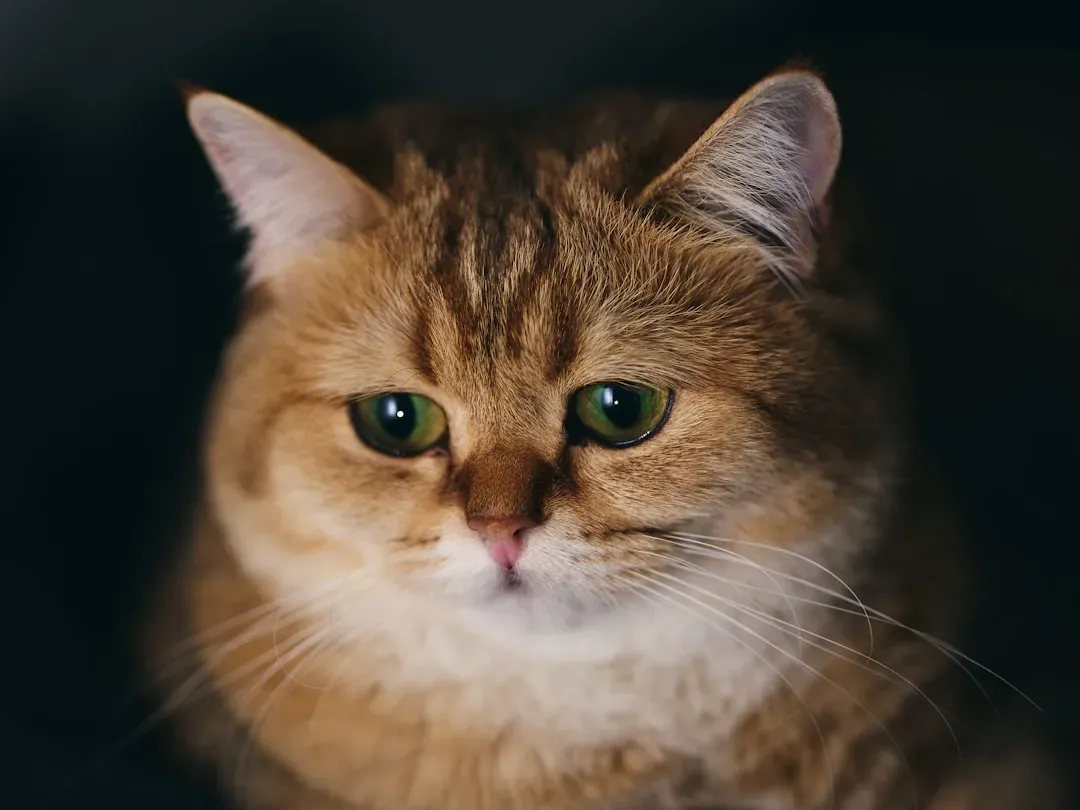
Honestly, this is one of the most damaging mistakes a cat owner can make, and it's shockingly common. When your cat scratches the sofa or knocks something off the shelf, the instinct is to scold or punish. Resist it. Never punish or scold your cat for unwanted behaviors - period. This only increases fear and makes things worse. Cats don't associate punishment with the act they just committed the way humans might hope they do.
Owners who want more contact than their cat is comfortable with, or who are inconsistent in how they behave, can cause real problems. If the cat is punished for an unwanted behavior such as scratching the carpet, this can damage the relationship between a cat and their owner, as the cat may view their owner as unpredictable and choose to avoid them or even act defensively by scratching or biting. So instead of building trust, punishment actually destroys it.
3. Neglecting a Proper Litter Box Setup
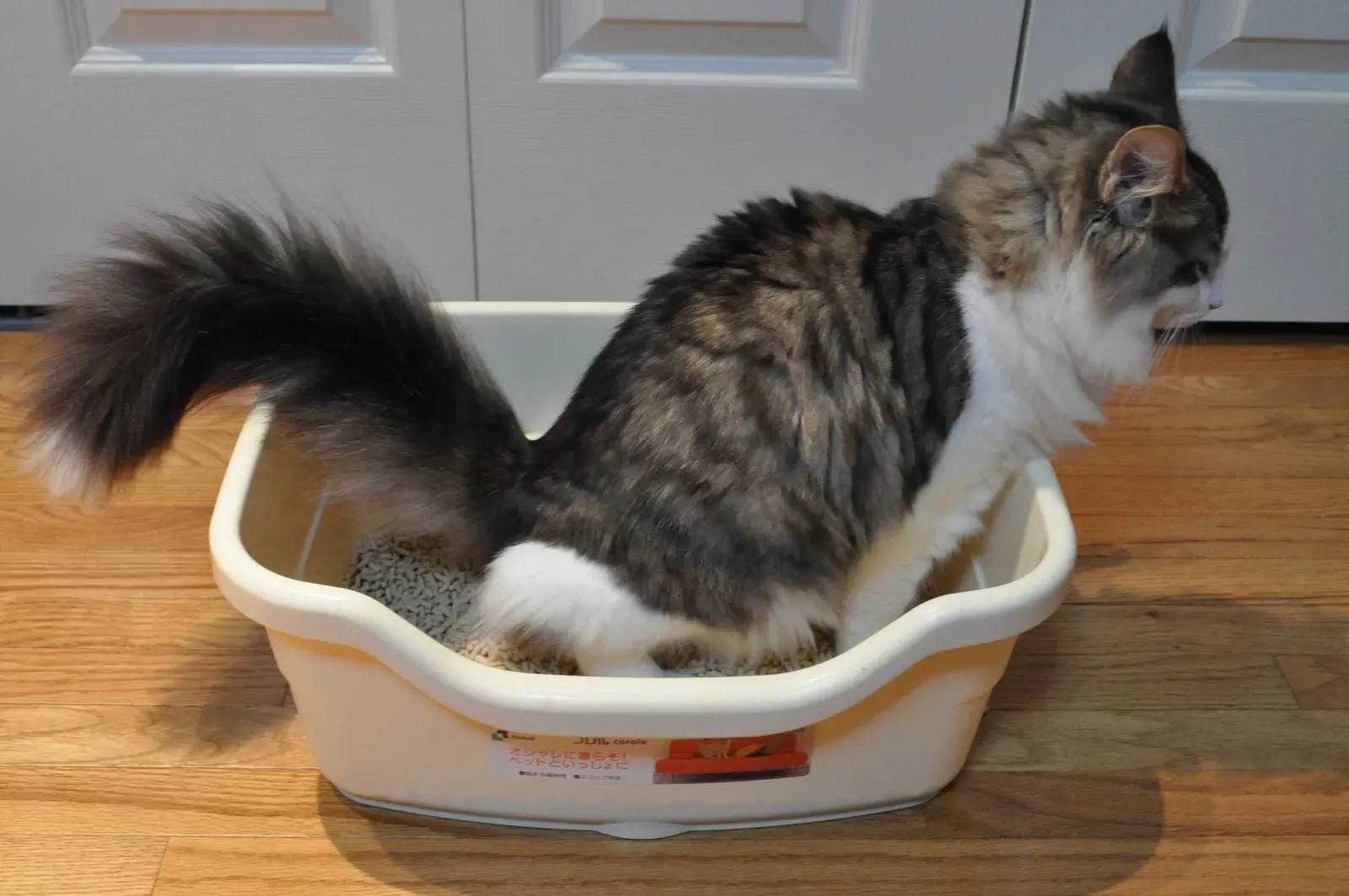
Your cat's litter box situation matters far more than you might think. Like, way more. Cats can be stressed if their litter box setup doesn't meet their standards, especially if the litter box needs cleaning or is in an inconvenient location. Imagine if your own bathroom was filthy, placed in the noisiest corner of your home, and you had to share it with three other people. You'd be stressed too.
To ensure the box meets your cat's approval, scoop the litter twice a day and change out the litter at least once a week. Use about one to two inches of unscented, clumping litter. Place the litter box in a quiet, convenient place so your cat isn't disturbed when they need their privacy. The golden rule for multiple cats? Provide enough litter boxes for every cat in your home. The general rule is one box for every cat, plus one extra.
4. Changing Their Routine Without Warning
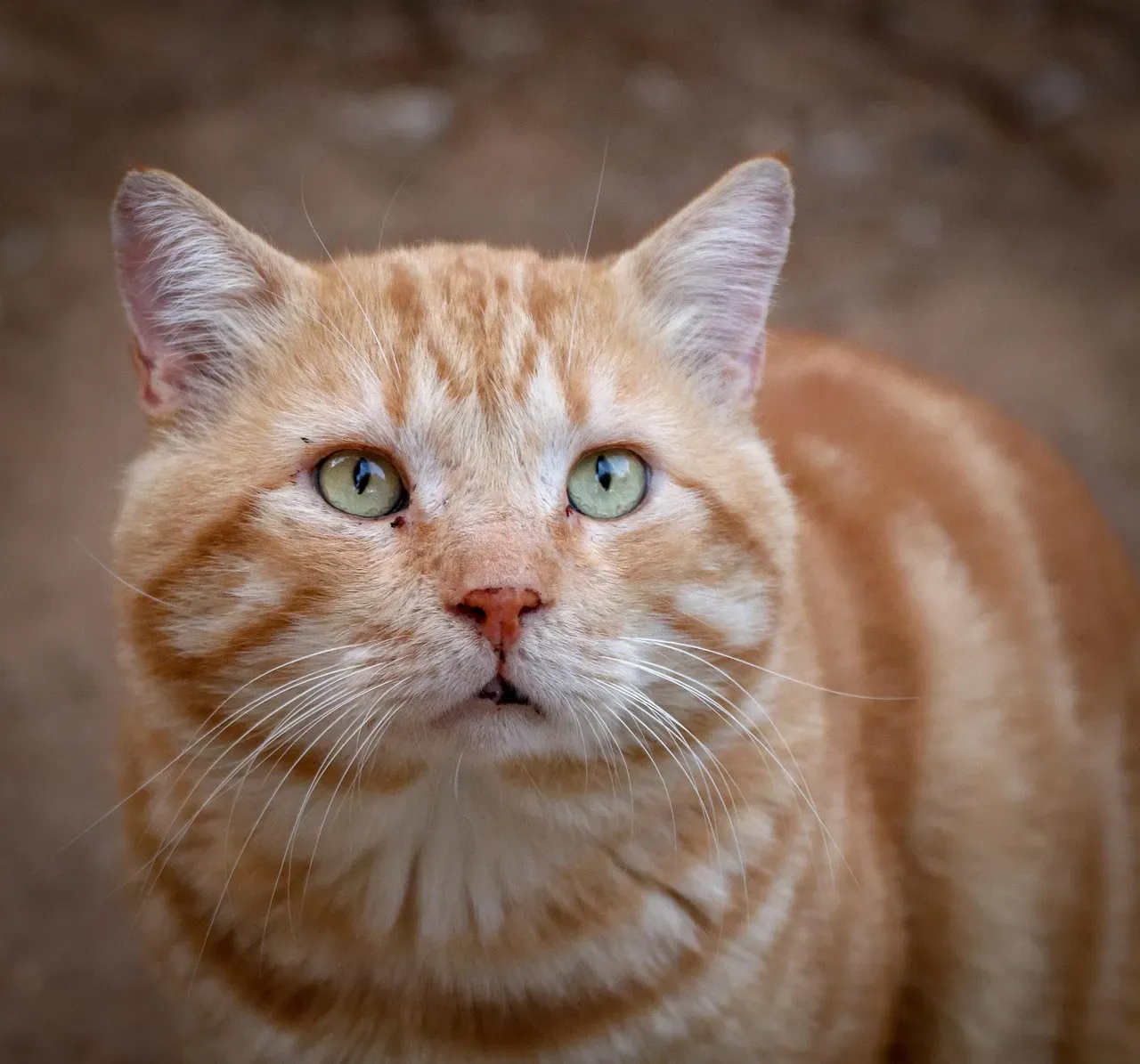
Cats are creatures of deeply ingrained habit. Your schedule is their schedule, whether you realize it or not. A change in daily routine, such as rescheduling your work or school hours, can cause stress for your cat. It's not that they're being difficult or dramatic - it's that predictability is genuinely tied to their sense of safety and security.
One of the main psychological factors that increase the aversive dimension of a given stimulus is a perceived sense of unpredictability and lack of control. In the domestic environment, both changes in the husbandry routine and inconsistency in the owners' reaction to the cat's behavior may cause chronic stress. Think of your cat's routine like a security blanket. You wouldn't yank it away suddenly, would you? Being predictable in your behavior and creating daily routines is a great way to minimize stress.
5. Ignoring the Need for Vertical Space and Hiding Spots
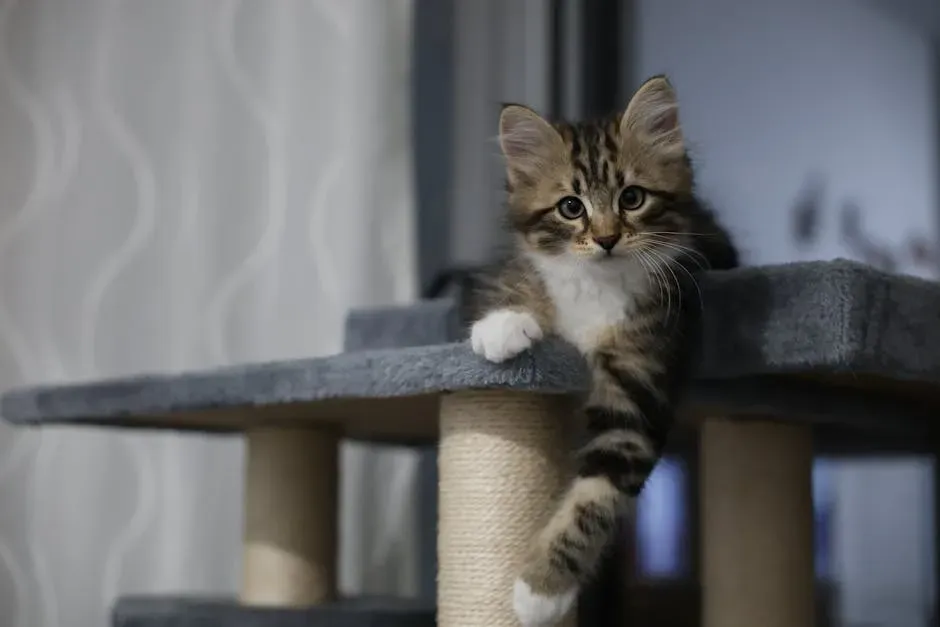
Here's something a lot of people miss entirely. Cats aren't just horizontal creatures - they're vertical ones too. Because cats are predator and prey animals, they appreciate the ability to survey their environment from an elevated position. Ensure they have high places to rest, such as cat trees and open shelving. Without these options, your cat can feel exposed and vulnerable, like someone who can't find a safe corner in a crowded room.
Being confined indoors, being bored, having restricted access to hiding places where the cat feels safe, or not having enough clean litter trays, can all be very stressful for some cats. A hiding spot doesn't need to be fancy - even a cardboard box in a quiet corner can work wonders. Providing a hiding place where they can escape the chaos, or ideally a quiet room to themselves, will go a long way to reducing their anxiety.
6. Forcing Introductions With New People or Pets Too Quickly

Bringing home a new pet or having strangers over might feel exciting to you. To your cat, it can feel like a full-blown invasion. A visit from a stranger was the single most common source of stress for cats, according to a review in the Scientific World Journal. That says a lot, doesn't it? Your cat isn't being antisocial - they're genuinely overwhelmed by the unfamiliar.
The same goes for introducing a new animal into the home. Living with other cats is one of the most common reasons that can cause stress in cats. They're not naturally inclined to live with other cats, so they'll need careful introductions if they are to get along. Slow and steady really does win the race here. Gradually introduce your cat to new people by involving them in play sessions with some healthy treats to create a positive connection.
7. Exposing Them to Overwhelming Scents and Loud Noises
Your cat's nose is not like yours. It's working overtime, all the time. Cats have an incredible sense of smell which is much more powerful than ours. Significant changes to the smell of their home can be a real concern to cats, even though it may not be obvious to us. That new cleaning product you love? That plug-in air freshener with the "calming" lavender scent? Your cat may find it anything but calming.
Loud noises follow the same principle. Cats thrive on routine and aren't keen on excessive noise, so having builders in is likely to make them feel unsettled. Construction, parties, even a vacuum cleaner can send a sensitive cat into a tailspin. Human-based aromatherapy and essential oils have not been shown to help cats with stress, and some are actively toxic for your pet. So when in doubt, keep things quiet and fragrance-free around your feline.
8. Not Providing Enough Mental Stimulation and Play
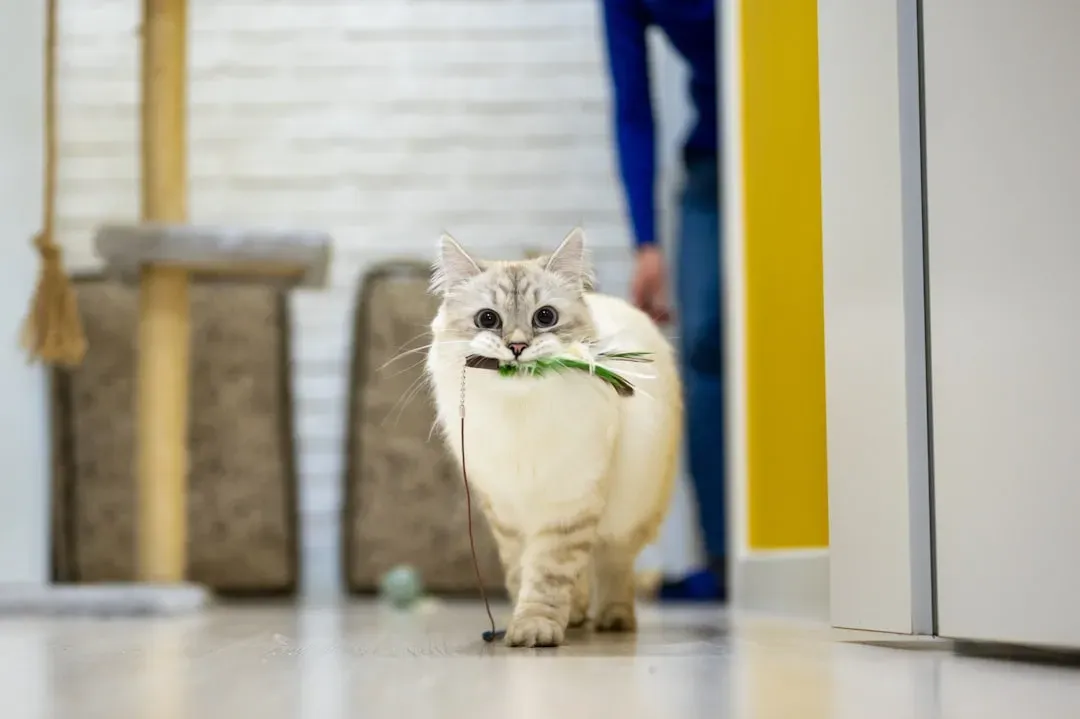
Let's be real - a bored cat is not a happy cat. And yes, being bored can cause stress. It sounds almost too simple, but the truth is that many indoor cats are profoundly under-stimulated. If your cat is kept exclusively indoors, you'll need to provide a dynamic and challenging home environment for exercise and entertainment to prevent boredom and frustration. Cats need to behave like cats for their emotional and physical health, so providing your cat with a setting that is as close to their natural habitat as possible, with objects to climb, is essential.
Cats need physical exercise and mental stimulation to stave off boredom and stay engaged. Schedule time daily to play with your feline friend, and consider using a food puzzle toy to make mealtimes more exciting. It doesn't have to take hours - even ten or fifteen focused minutes of interactive play per day can dramatically change your cat's emotional state. Relieve boredom and encourage your cat's natural hunting instinct by placing puzzle toys filled with treats or your cat's usual food around the house. Think of it as their daily workout and therapy session rolled into one.
The Bottom Line: Your Cat Is Counting on You
The most humbling truth about cat ownership is this - your cat can't tell you what's wrong. They can only show you, in the quiet, subtle language of hiding, overgrooming, or staring at the wall. Over time, if left untreated, chronic stress could lead to health issues like urinary tract problems, weight loss, and infections. The good news is that most of these stressors are completely within your control to fix.
Reducing stress will not only make your cat happier but make them healthier as well. Small adjustments - a cleaner litter box, a quieter environment, a little more patience during cuddle time - can add up to an enormous difference in your cat's quality of life. Your feline friend gives you so much silent, steady companionship. Taking the time to learn what stresses them out is genuinely one of the most loving things you can do in return.
So, did any of these mistakes surprise you? Which one do you think you might be guilty of? Tell us in the comments - your fellow cat lovers would love to know they're not alone.