10 Things Your Cat Does When They're Truly Happy (You Might Miss These)
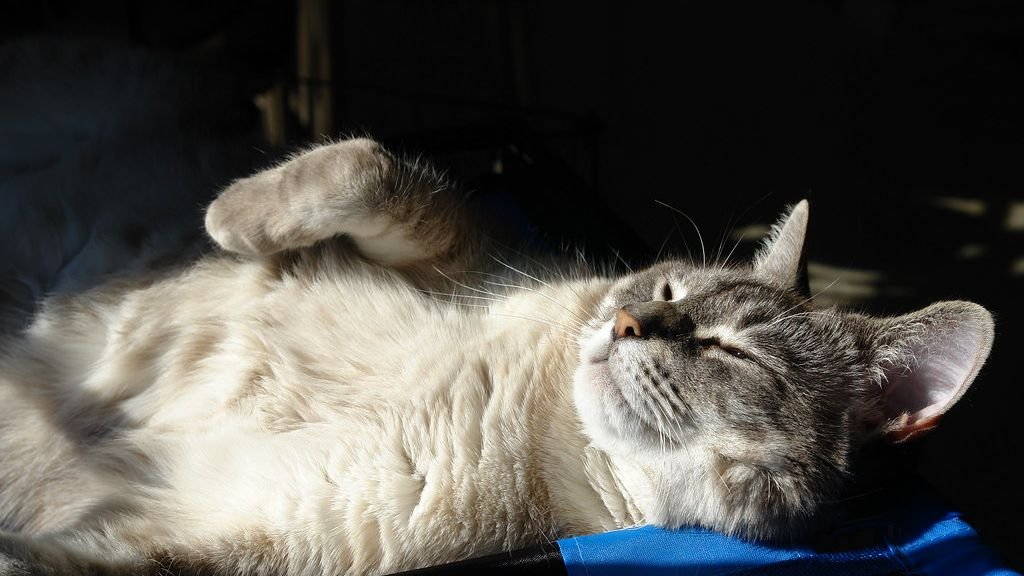
Cats are masters of mystery. They strut around your house like tiny, fur-covered philosophers, giving you just enough affection to keep you guessing. Most people assume that a cat who isn't hissing or hiding must be doing just fine. But honestly, that's like saying someone is happy just because they aren't crying. There's so much more going on beneath that velvet surface.
Here's the thing: cats evolved to communicate quietly, and their emotional signals are gentle and often missed. That means the signs of a genuinely happy cat can fly right over your head unless you know exactly what to look for. Get ready to see your feline in a whole new light. Let's dive in.
1. Your Cat Gives You the Slow Blink
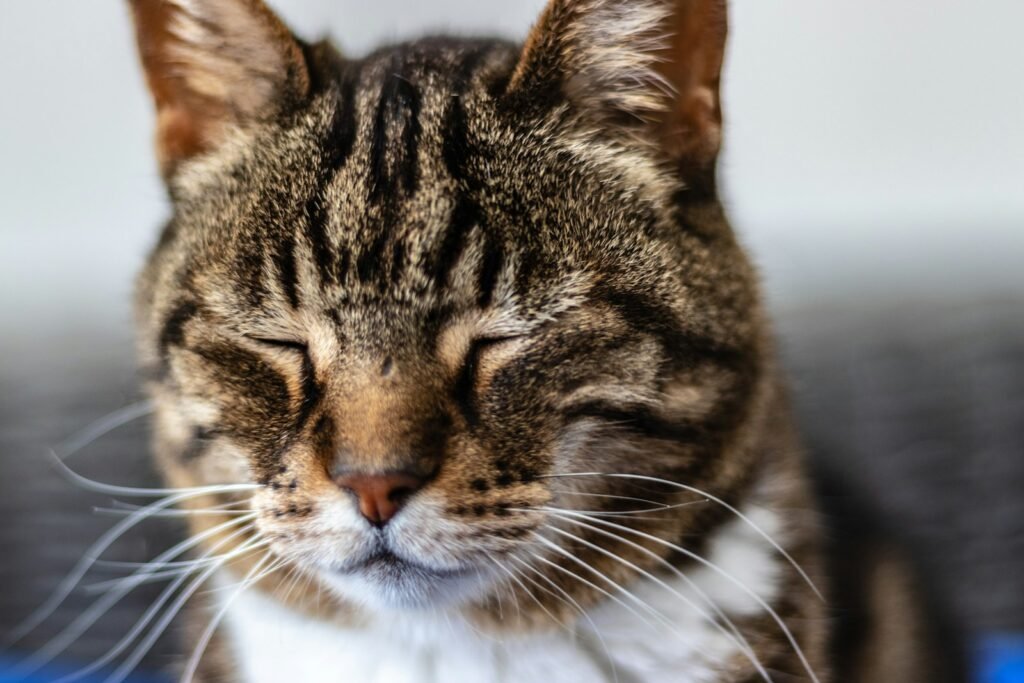
If your cat ever looks at you from across the room, holds your gaze, and then closes their eyes in one long, lazy blink, congratulations. You just received one of the highest honors in feline culture. Often referred to as a "cat kiss," a slow blink is how cats communicate with their eyes, and it's a telltale sign of trust, affection, and relaxation.
In reality, this gentle gesture is a subtle form of cat communication. A slow blink is your kitty's way of saying they feel safe, happy, and confident around you. You can even try blinking back slowly at your cat. Research has shown they're likely to return the gesture, making it a genuine two-way conversation written entirely in eyelids. It's oddly touching when you think about it.
2. They Knead You Like Dough
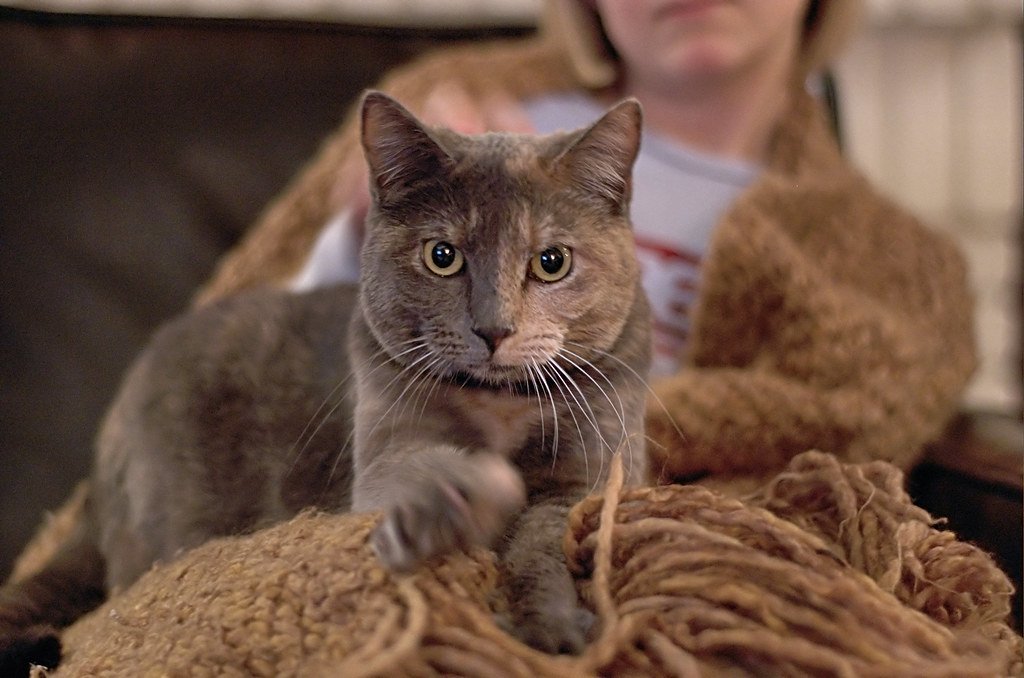
If your cat climbs into your lap, starts pressing their paws rhythmically into your thighs, and looks totally blissed out while doing it, you might wonder what on earth is happening. This is kneading, or as fans of baking humor like to call it, "making biscuits." Thought to be a throwback to the security that kittens feel when kneading on their mother, kneading is a clear sign that a cat is extremely happy.
Kneading, or rhythmic paw pressing against a soft surface, harks back to kittenhood nursing, carrying associations of maternal comfort and safety. Often accompanied by purring, this tactile ritual conveys affection and security. So if your cat is using your stomach as a bread board, try not to take it personally. It actually means they consider you home.
3. They Hold Their Tail High (With That Little Curl at the Tip)
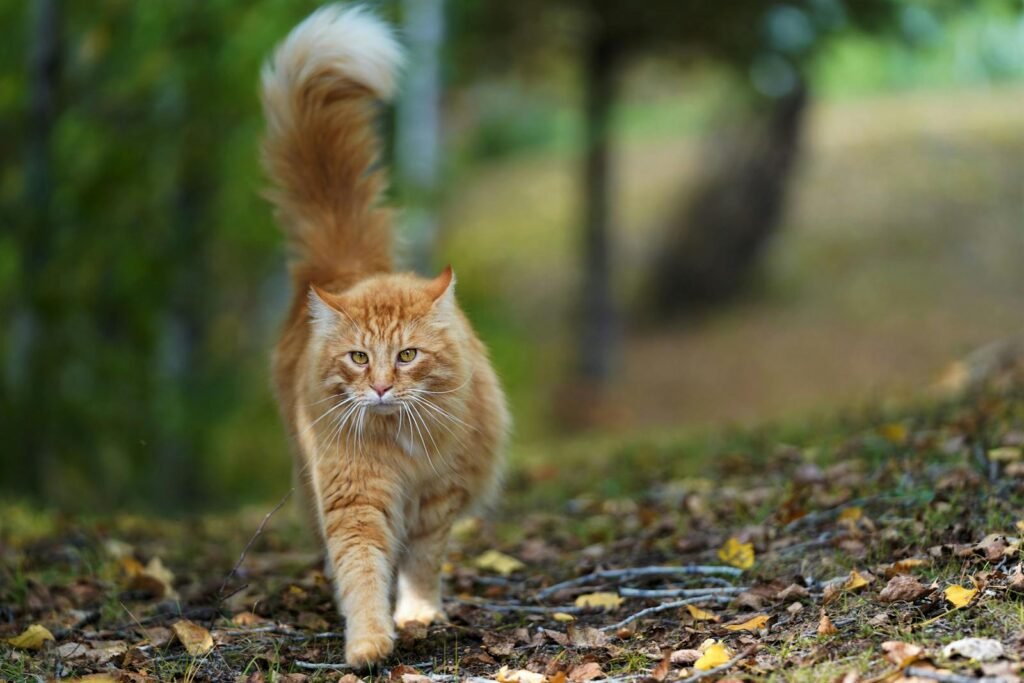
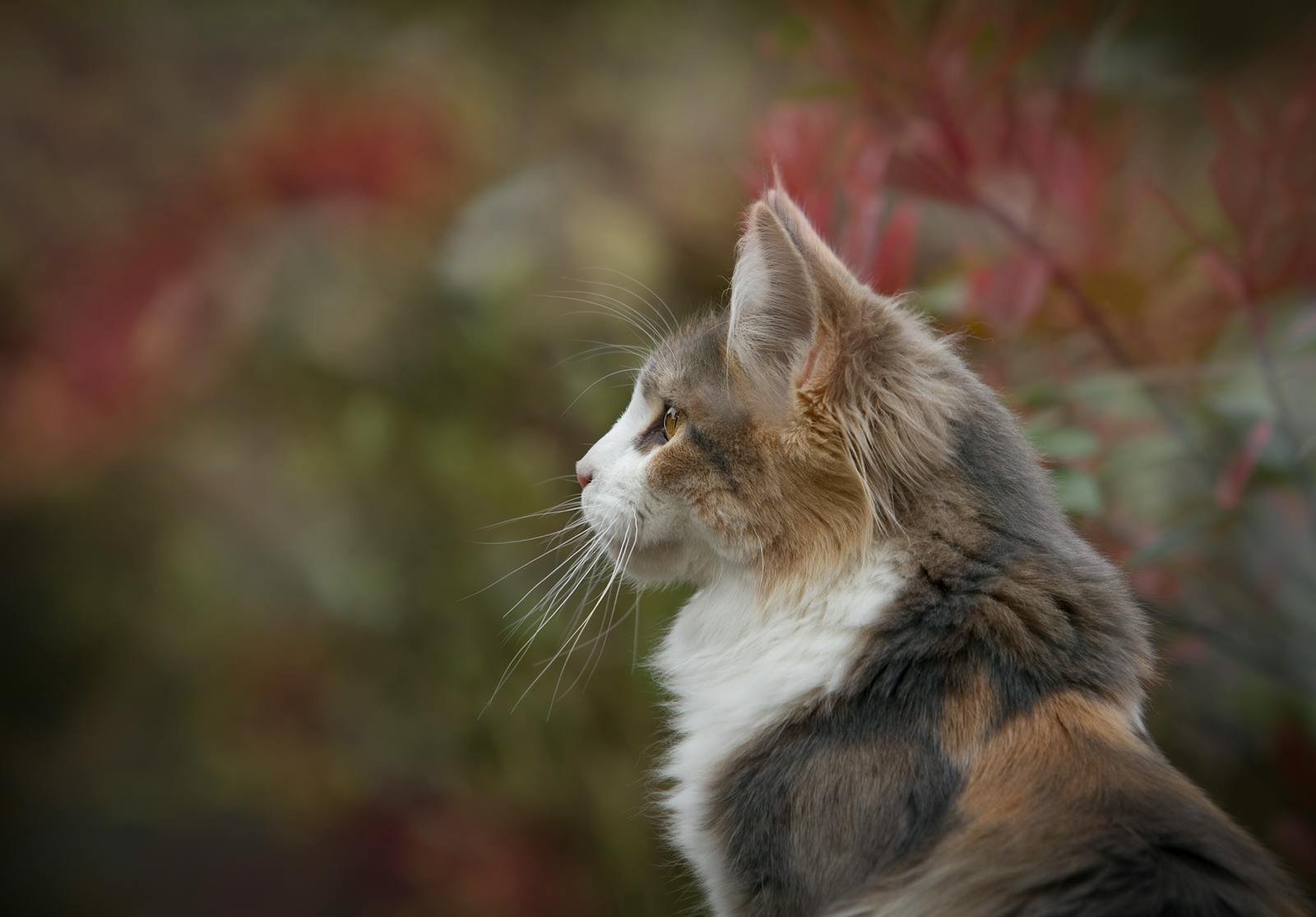
Your cat's tail is basically a mood antenna, and most people never bother to read it. Your cat's tail is a communication powerhouse. A tail held upright with a gentle curl at the tip signals confidence and friendliness. If they approach you this way, it's a clear 'hello' from your kitty. Think of it like a flag being raised, except cuter and much fluffier.
You can tell your cat is happy if their tail is straight up in the air, usually with a little curve to the end. Some cats' tails even vibrate slightly when they are really happy and excited. That vibrating quiver is basically the feline version of a joyful dance. If you see it when you walk through the door, know that you are genuinely loved.
4. They Greet You With Chirps and Trills
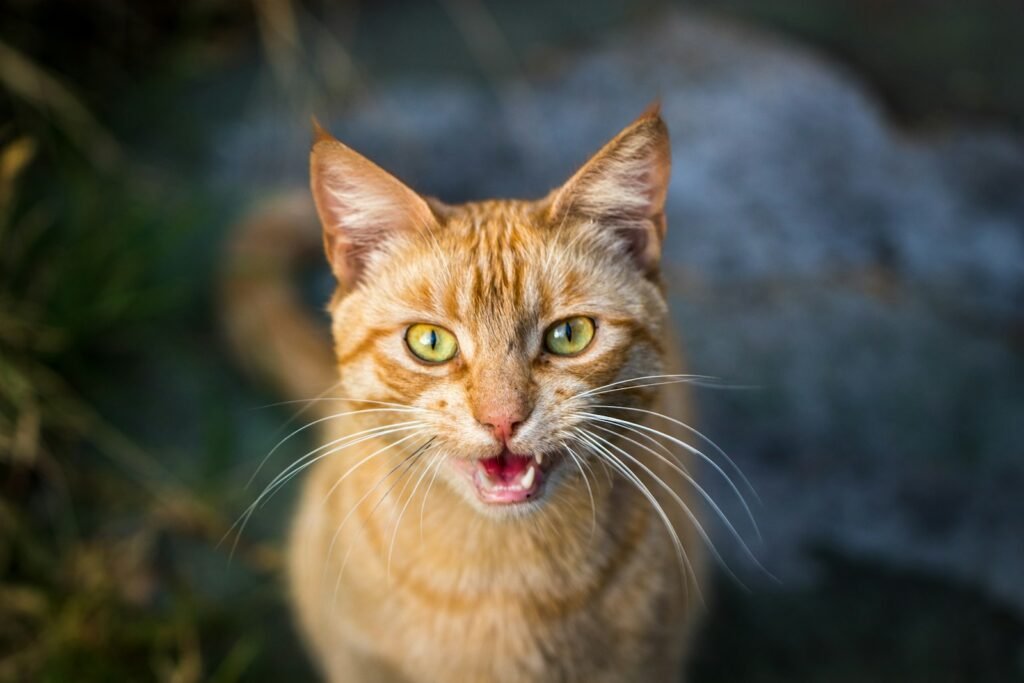
Cats aren't as vocal as dogs when it comes to showing how they feel, but they have their own unique ways of communicating. From purring to meowing, your cat's vocal cues can say a lot about their emotional state. One of the most underrated sounds your cat can make is that little chirping trill, the "prrrrupttt" that sounds almost like a tiny rolling thunder.
Vocal kitties are often happy kitties. Gentle purring, soft chirps, high-pitched meows, and the adorable 'prrrt' indicate contentment. While purring can happen for other reasons, when paired with relaxed posture, it's usually a sign of feline bliss. A high-pitched meow is a content cat, while a low-pitched meow may indicate an unhappy or annoyed kitty. Pay close attention to the tone, because there's a real difference.
5. They Flash You a Relaxed, Exposed Belly
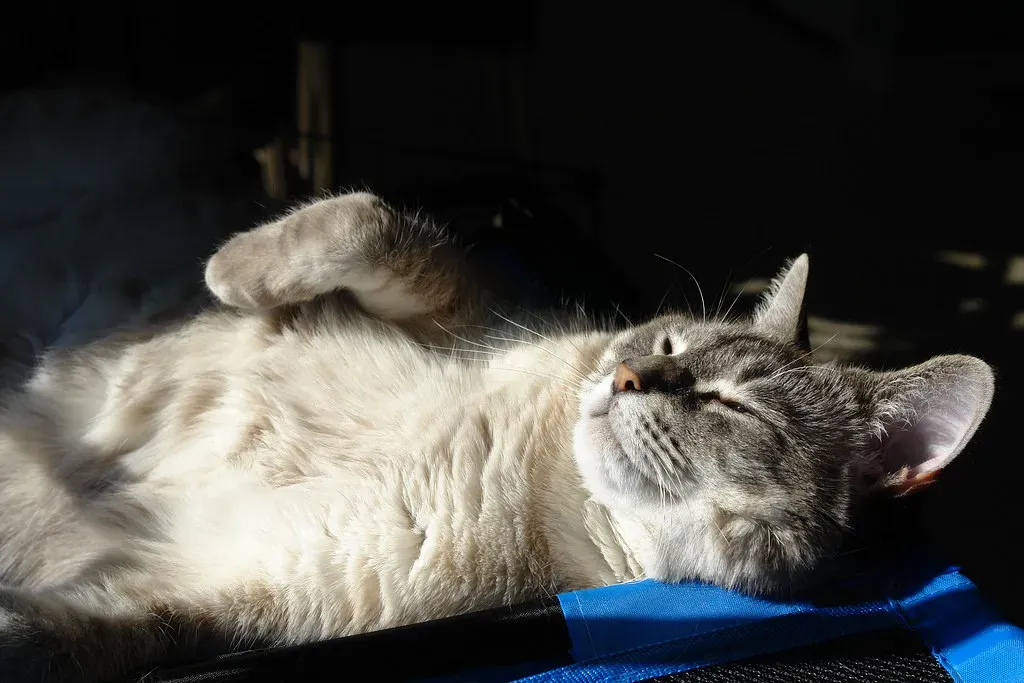
Let's be real. Most cat owners have reached for a cat's exposed belly only to immediately regret that decision. The belly flop isn't necessarily an invitation for a rub. More importantly though, it's something far more meaningful. Rolling on their back and showing their belly is something cats only do when feeling very content and secure.
Their muscles are loose, not stiff, and they aren't crouched or ready to bolt. Rolling onto their back or stretching out is a sign of trust, as exposing a vulnerable body part is the ultimate feline compliment. So the next time your cat flops dramatically onto the floor near you, admire it for what it is. It's a profound statement of comfort and joy directed entirely at you.
6. They Follow You From Room to Room
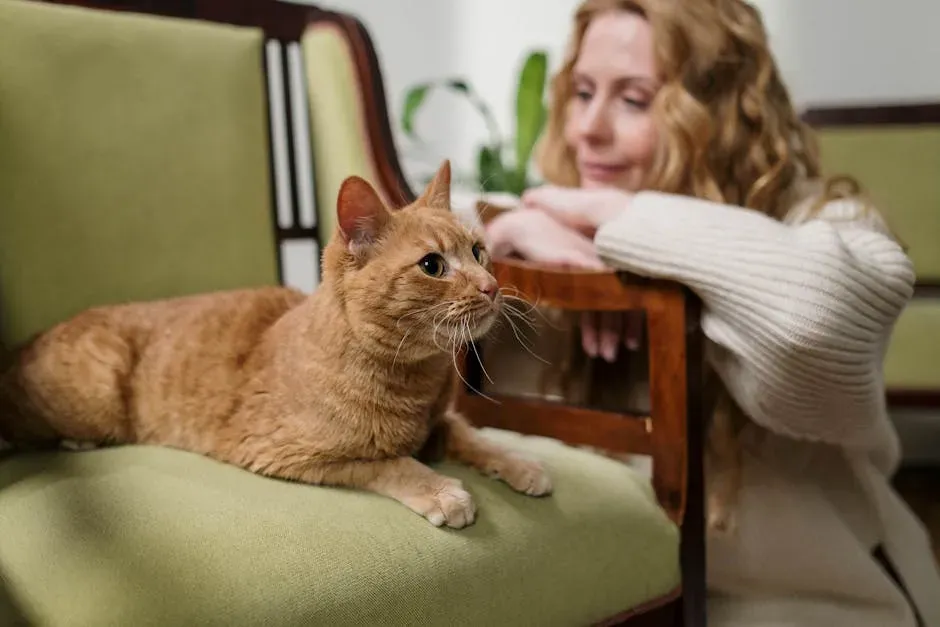
Your cat has the entire house to explore, and yet there they are, padding quietly behind you into the kitchen, the bathroom, the bedroom. It can feel a little eerie, I'll admit. A cat that chooses to be around you is a cat that loves and trusts you. If your feline follows you from room to room, curls up nearby, or greets you at the door, it's a strong sign of affection and happiness. Cats are naturally territorial, so choosing to spend time in your presence shows that they consider you part of their inner circle.
If your cat seems glued to your side and follows you from room to room, there's a good chance there's nowhere else they'd rather be. Cats that groom you, rub against you, or even "supervise" you from a distance are also displaying that they have a strong connection with you. In fact, in cat colonies, these actions are reserved for preferred companions and are one of the most meaningful ways cats show affection. Your cat isn't stalking you. They're just quietly devoted.
7. They Head-Butt and Cheek-Rub You
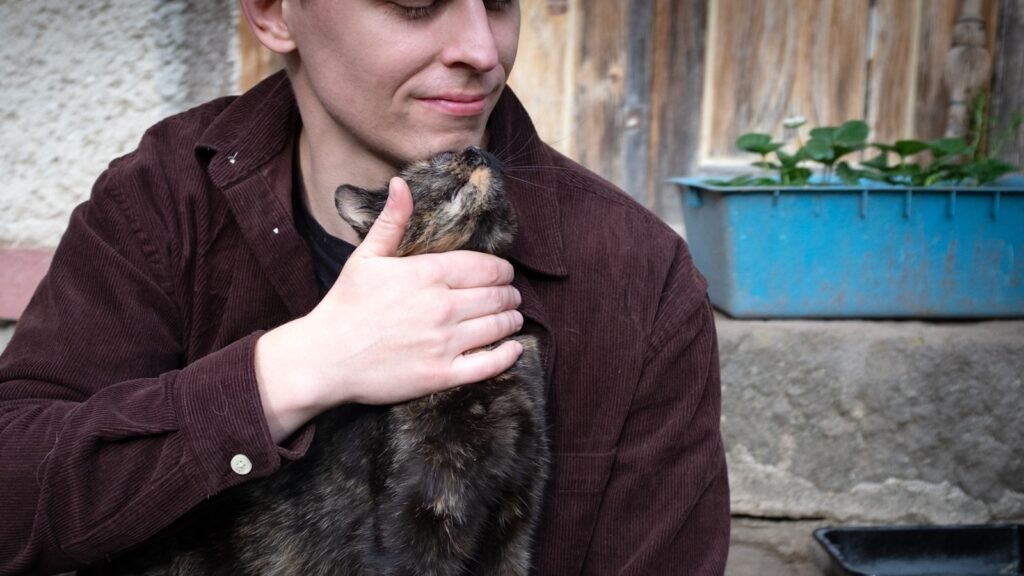
When your cat walks up to you, lowers their head, and bumps it firmly against your chin or forehead, that is not an accident. That is a deliberate act of affection with a fascinating biological layer underneath it. Bunting deposits pheromones from glands in the cheeks, marking people and objects as safe and comforting. In other words, your cat is literally branding you as theirs.
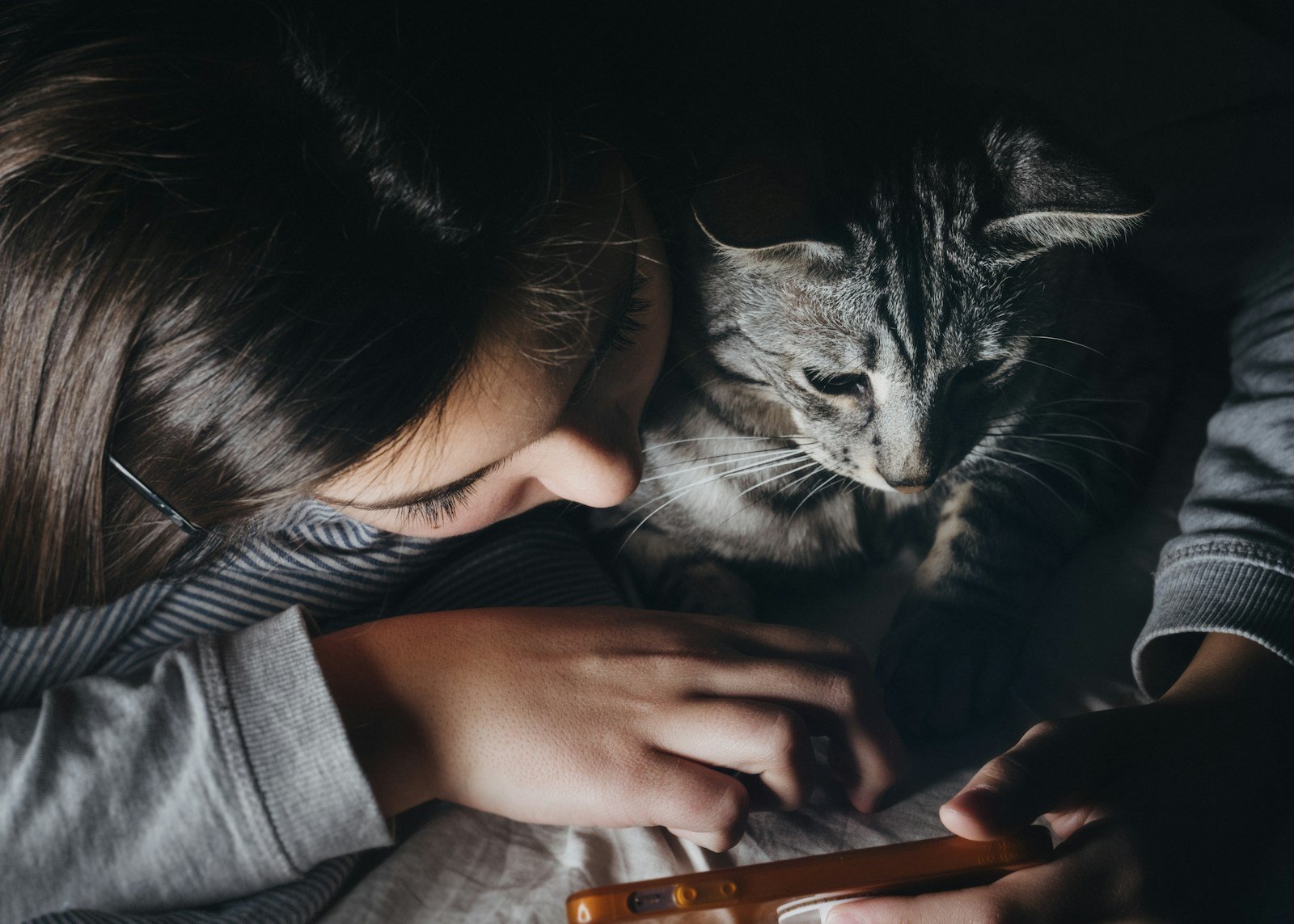
Affectionate gestures such as head-butting, nuzzling, and co-sleeping illustrate strong social bonds. When your cat rubs its head against you, it transfers scent markers that integrate you into its social group, demonstrating trust and belonging. Choosing to curl up on your lap or sleep beside you further confirms secure attachment, which are key indicators of happiness. It's one of the most honest things a cat can do. Take it as the compliment it absolutely is.
8. They Groom Themselves Regularly (and Maybe You Too)
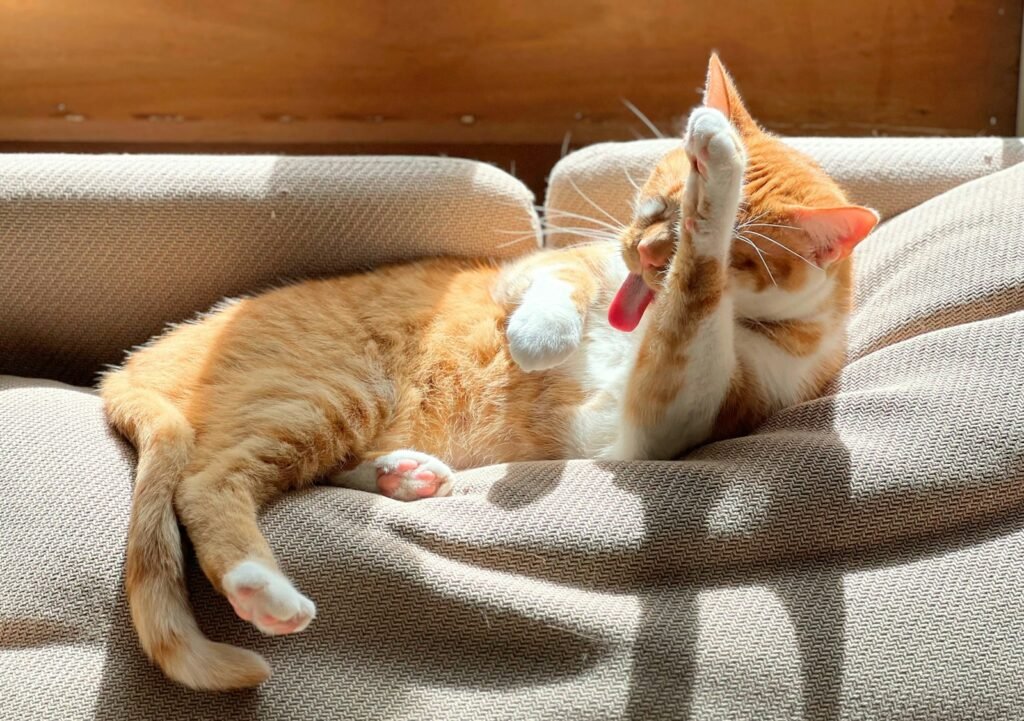
A cat who grooms consistently is a cat who feels good. A clean, well-kept coat is a sign of a healthy, happy cat. Not only do cats enjoy sleeping for many hours, but they can also spend roughly half of their waking hours grooming themselves. Grooming is serious business, so a happy cat will always make sure they keep themselves in tip-top condition.
Now here's where it gets even sweeter. Happy cats tend to groom others around them, including their owners. It's a huge sign of trust and affection, called allogrooming. You'll notice this if your cat licks your hand, arm, or clothes. If your cat grooms you by licking your hand or hair, they're showing affection and treating you like part of their social group. You've basically been inducted into the grooming circle. Welcome.
9. They Play With Energy and Pure Enthusiasm
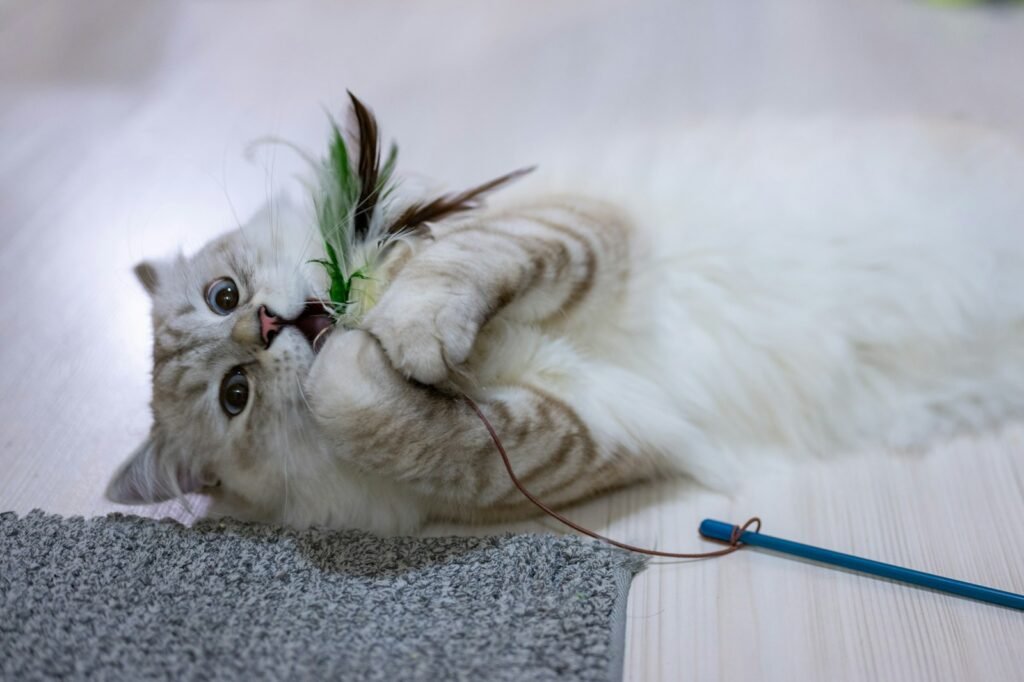
Watching a cat sprint at full speed across the living room, leap sideways off the couch, and then freeze like it never happened is one of life's great free entertainments. But those sudden bursts of energy mean something important. From spirited sprints and chasing toys to gentle pawing or wrestling with other pets, playful behaviour shows your cat is confident and engaged. Even calm, interactive games are a sign they enjoy their environment. Cats that feel stressed often withdraw, avoiding toys or social interaction.
A cat that regularly engages in play, whether chasing toys or participating in interactive games with their humans, is showing signs of both physical and emotional well-being. Healthy energy levels and an interest in environmental enrichment are key indicators of happiness. So the next time your cat goes absolutely feral over a crinkle ball at 2am, take it as a wellness update. They're thriving.
10. They Sleep Near You in Vulnerable, Relaxed Positions
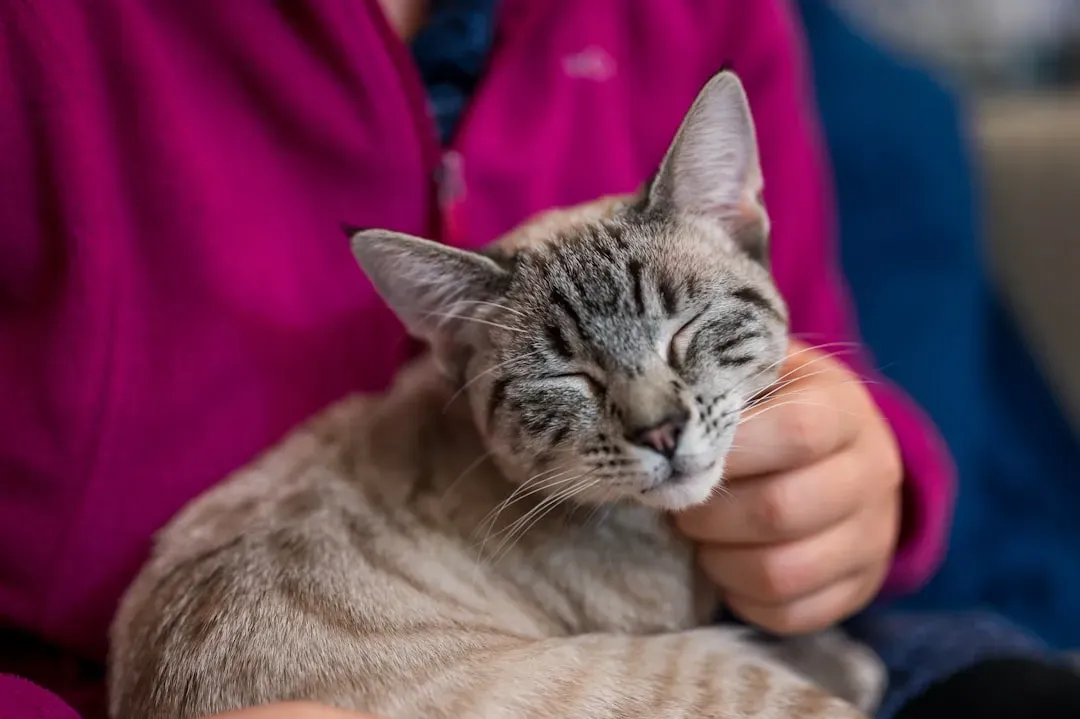
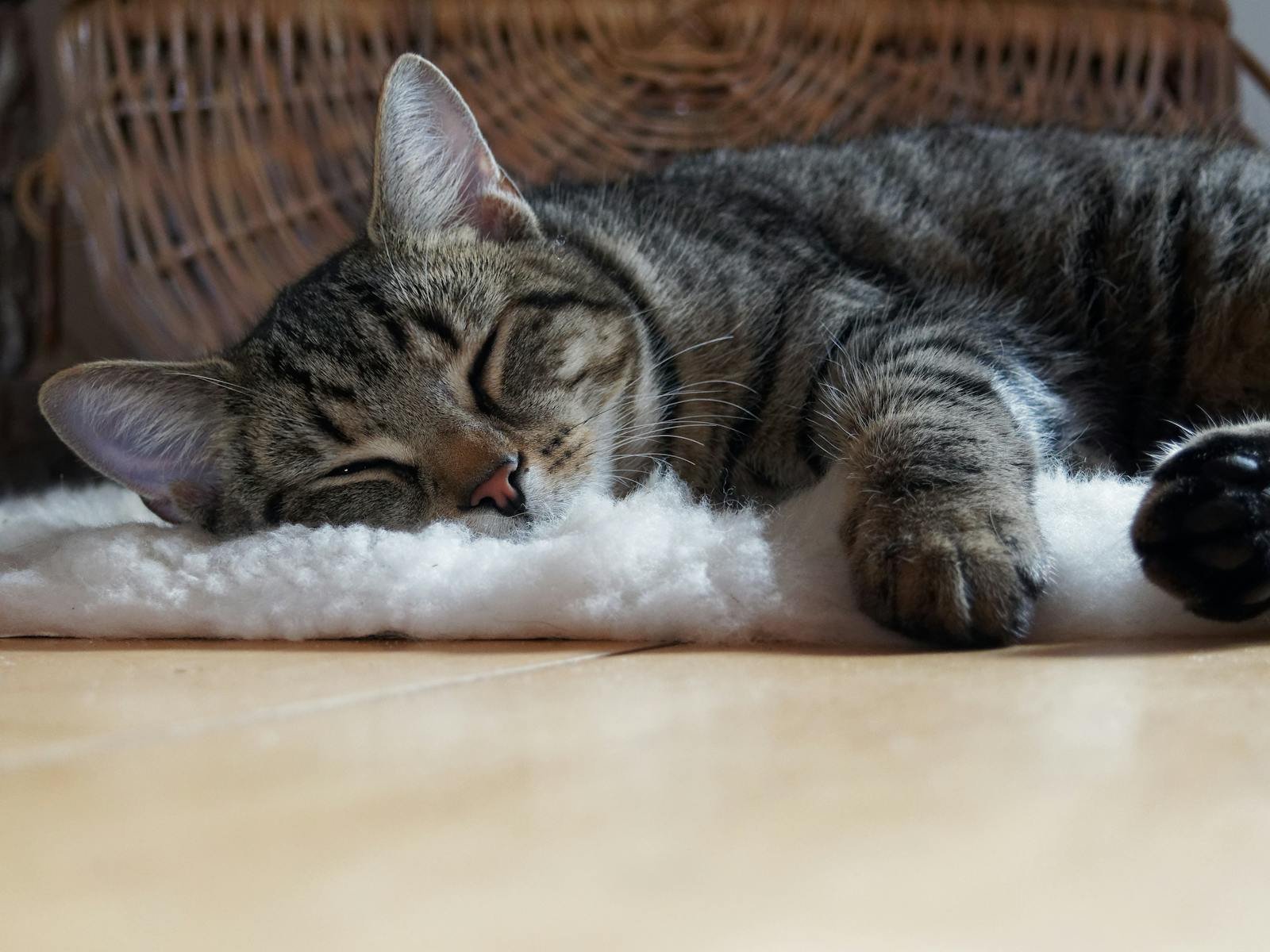
There is something deeply moving about a sleeping cat. Especially one who has chosen to sleep right next to you, belly softly rising and falling, paws tucked under their chin. Cats are independent, but when they choose to sleep near you or curl up with other pets, it's a huge compliment. Social sleeping shows strong bonds, comfort, and a sense of security.
Consistent eating habits and healthy sleep patterns are important signs of contentment. A happy cat maintains a regular appetite and feels comfortable enough to sleep in exposed positions, especially near their trusted humans. Happy cats sleep the right amount at the right times. Cats are known for loving their naps and can spend up to 20 hours a day sleeping and resting. If your cat is happy, they tend to stick to a consistent sleeping schedule. When your cat dozes beside you without a care in the world, it's one of the quietest, most sincere declarations of love you'll ever witness.
Conclusion
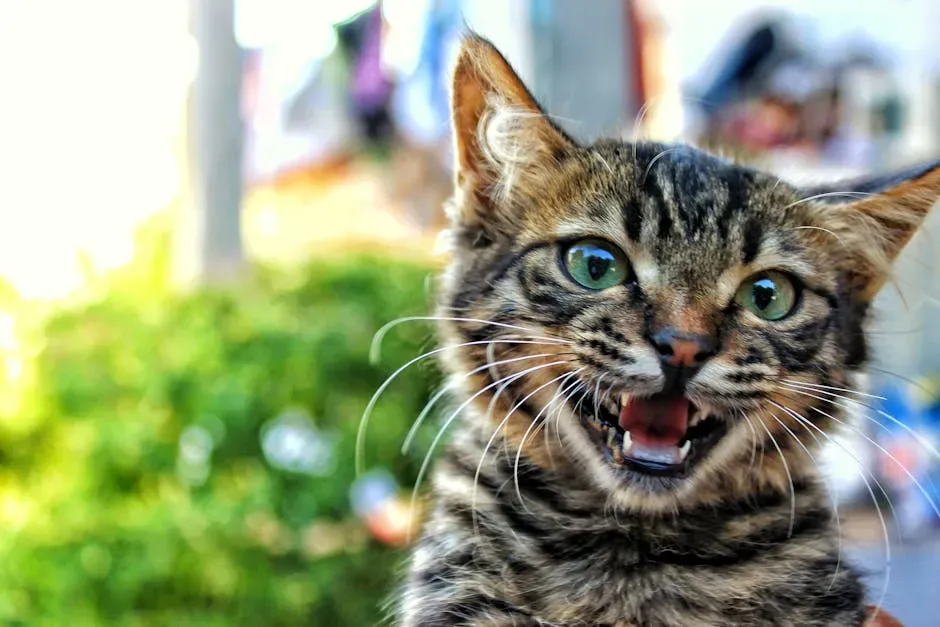
Cats don't love the way dogs do, loud and obvious and tail-wagging. They love in slow blinks, in soft trills, in the gentle pressure of paws kneading your lap at midnight. By understanding cat body language, recognizing cat happiness body language, and respecting the natural communication style of feline body language, you gain a deeper, clearer picture of your cat's emotional wellbeing. These gentle behaviors are not small details. They are the real, everyday signs of a happy cat.
Once you start seeing these signs for what they are, your whole relationship with your cat transforms. Every headbutt becomes a love letter. Every purr becomes a lullaby meant just for you. Reading your cat's mood can be a rewarding experience that strengthens the bond between you and your pet. So pay attention. Your cat has been telling you they're happy this whole time. You just needed to learn the language.
How many of these signs does your cat show you? Tell us in the comments, we'd genuinely love to know.