Your Cats Are Not Aloof: They're Just Experts at Expressing Love Differently
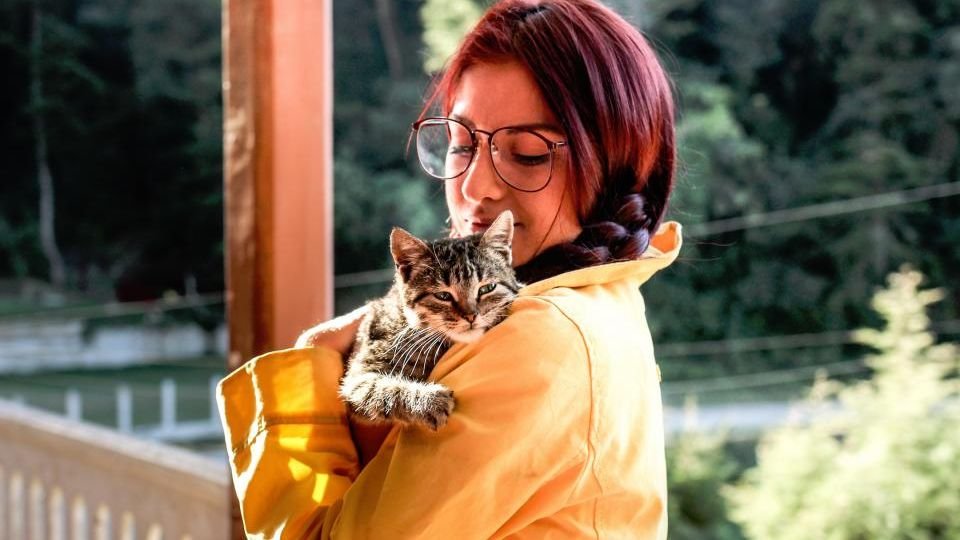
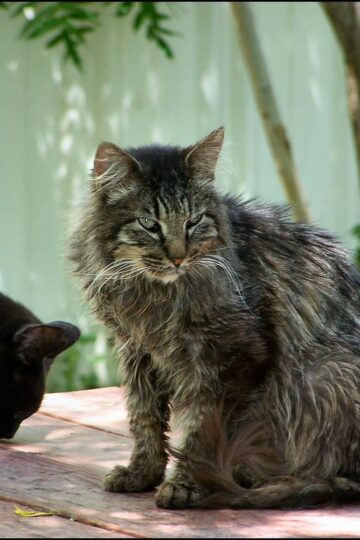
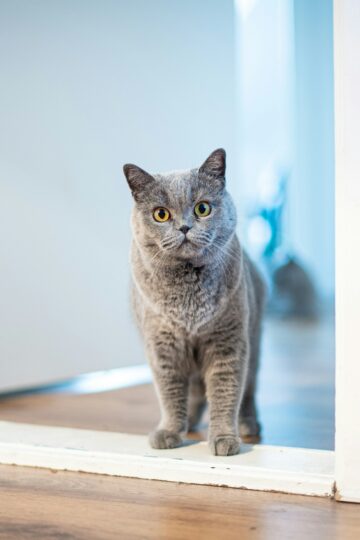
If you've ever watched your cat sprawl across the couch, stare at you with half-closed eyes, and then coolly look away, you've probably thought, "Does this creature even like me?" You're not alone. Millions of cat owners wrestle with that exact question every single day. Cats have earned a stubborn reputation as the introverts of the animal kingdom, creatures who tolerate your presence rather than cherish it.
Here's the thing, though. That reputation is wildly unfair. The science of feline behavior has evolved dramatically, and what researchers are finding might completely change the way you see your cat. Research shows that cats form strong attachments to their owners and display affection through distinct behaviors, even if those behaviors look nothing like a dog's tail-wagging enthusiasm. Get ready to rethink everything. Let's dive in.
The Science of Feline Love: It's Real, and It's Chemical
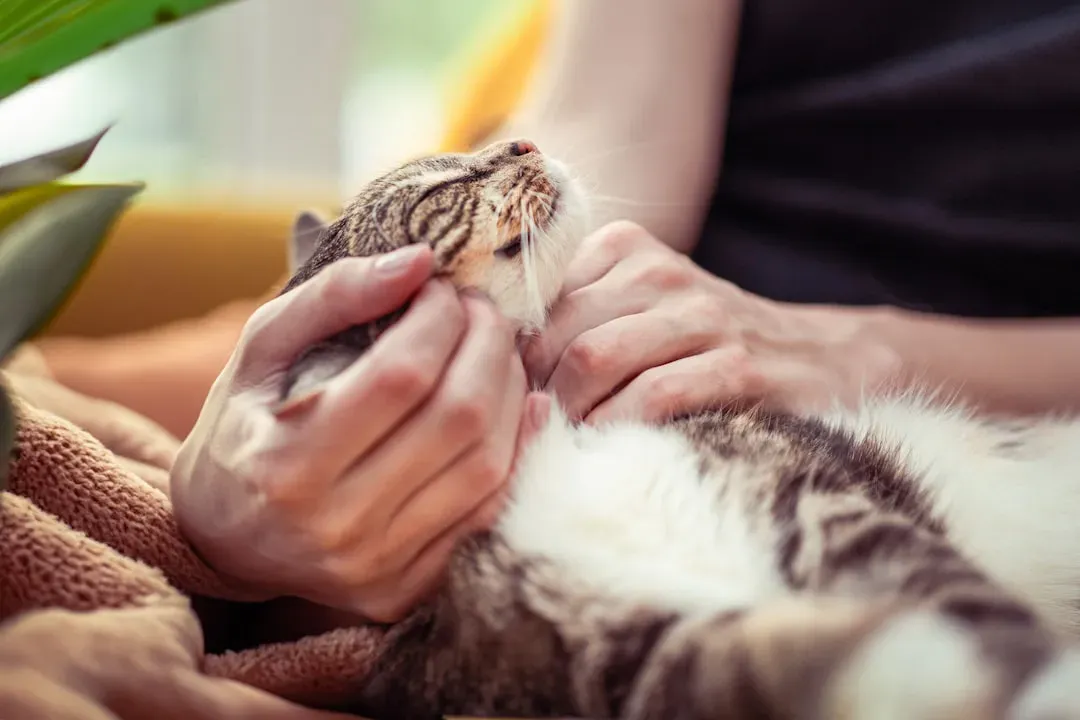
Oxytocin, often called the "love hormone," is essential for social bonding in mammals. Cats experience increased oxytocin levels when interacting with their owners, much like humans feel love and connection during physical affection. This physiological response supports the idea that cats are capable of genuine attachment and affection. Think of oxytocin as the biological glue of relationships. It's the same chemical surging through a mother cradling her newborn, or friends sharing a long-awaited hug.
A study published in Applied Animal Behaviour Science explored attachment styles in cats and found that cats with secure attachment styles receive a boost in oxytocin when they spend time with their pet parents. The amount of time a securely attached cat spent with their pet parent also correlated positively with exactly how much oxytocin was released. In other words, if you have a cat who likes to cuddle, every minute together counts toward their happiness and your bond. So the next time your cat parks itself on your lap, know that something invisible and remarkable is unfolding in both of your brains.
The Slow Blink: Your Cat's Way of Saying "I Love You"
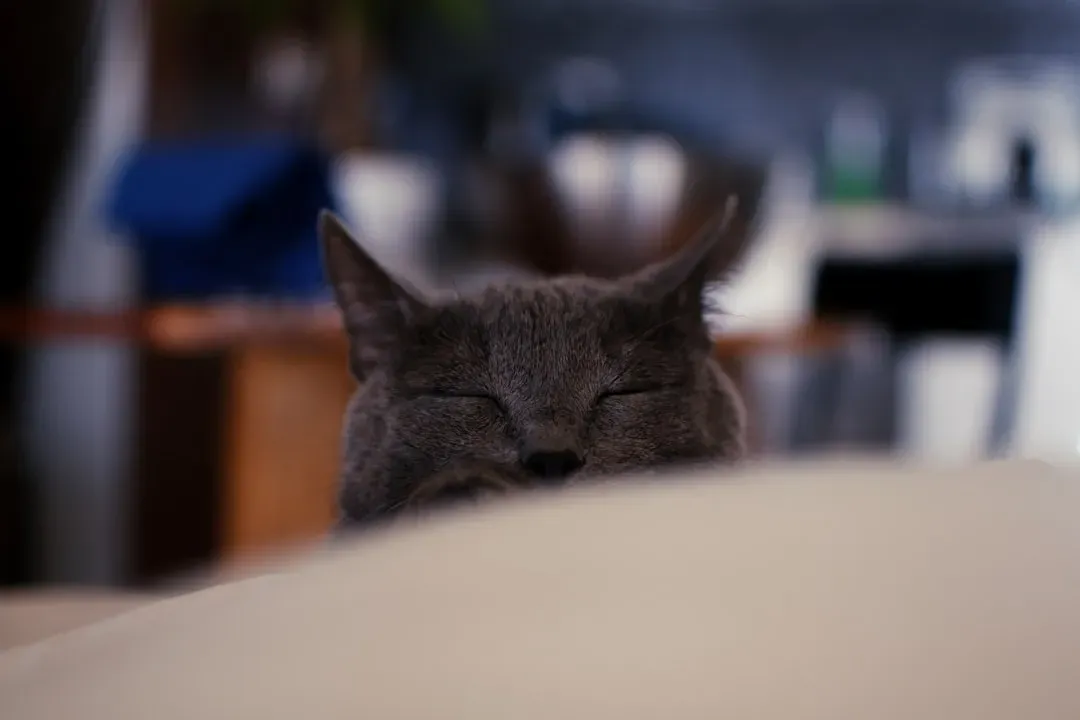
When your cat sits across from you and stares with sleepy-looking eyes, blinking slowly, it might seem like they're bored or tired. Those slow blinks are actually how they communicate peace and connection. Honestly, once you know this, it changes everything. What looked like indifference is actually intimacy. It's like learning that someone who quietly sits beside you is the one who cares the most.
A slow blink is one of the most intimate ways a cat shows love, often called a "cat kiss." This behavior may easily be missed or simply mistaken for your cat being sleepy, but when your cat looks at you deliberately and softly closes and opens their eyes, they are communicating that they feel safe and at ease with you. You can slow-blink back at your cat to return the sentiment, and many cats actually respond. It's a two-way conversation happening entirely without words.
Purring: More Than Just a Soothing Sound
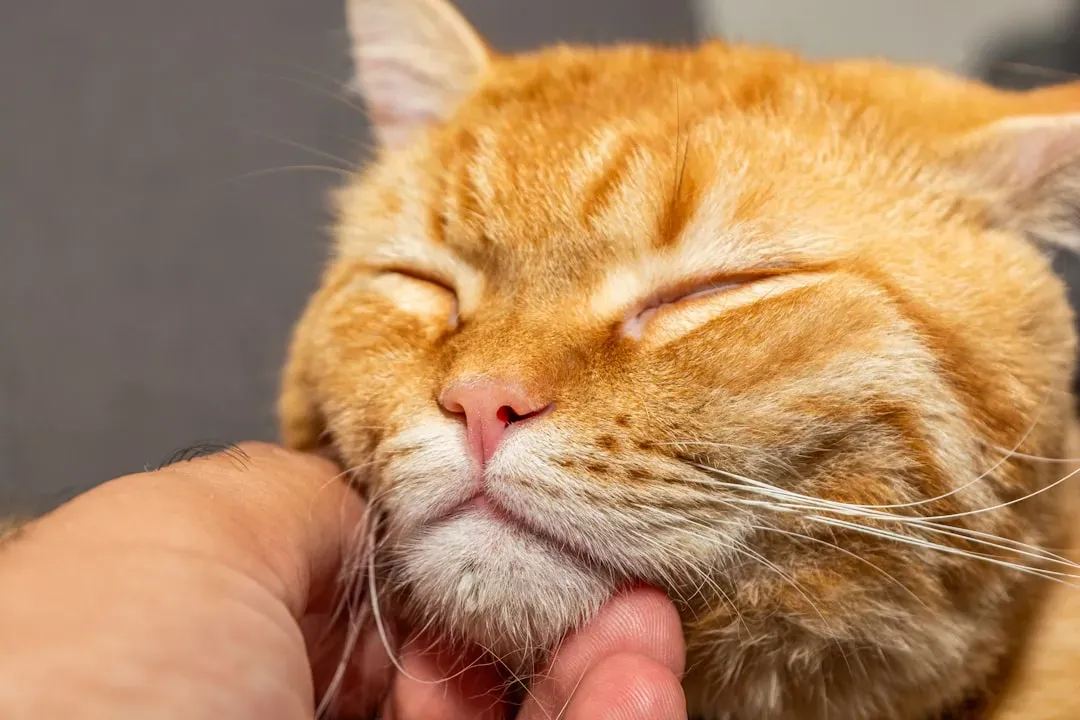
Feline behaviorists have found that cats purr for a variety of reasons, but they believe that purring first starts as a form of communication and bonding mechanism between kittens and their mothers. It's also a common indicator of comfort and ease. If your cat purrs contentedly when around you, there's a good chance they feel bonded with you and are relaxed in your presence. Picture purring as your cat's version of a sigh of contentment, the equivalent of a human saying "I'm happy exactly where I am."
Airflow through the glottis makes the vocal folds vibrate at 25 to 30 times per second on the inhale and exhale, producing the purr, which cats subtly modulate with laryngeal muscles. There is poetry in that. Your cat is essentially playing a tiny living instrument just by being near you. The low-frequency rumble of a cat's purr has been linked not only to healing in cats themselves but also to calming effects in humans, and listening to purring can lower heart rate and blood pressure.
Kneading: When Your Cat Treats You Like Family
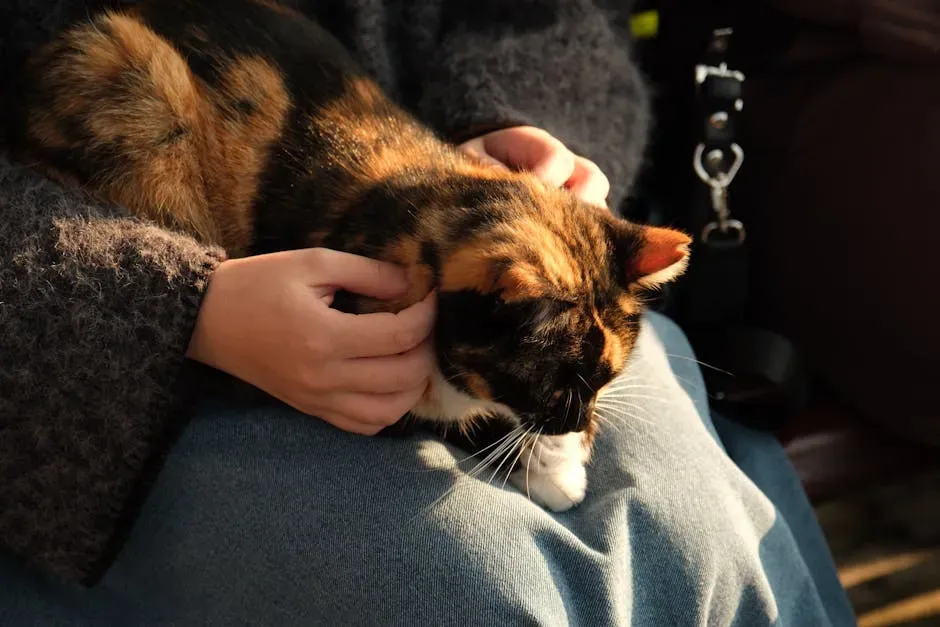
While kneading, a cat's front paws move rhythmically, with their paw pads opening and closing as they press against your body. Cats learn this behavior during the nursing phase and repeat it when they are happy, just as they felt with their mother. It's one of those behaviors that loops back to the earliest, most comforting experiences of a cat's entire life. You, in their world, represent that safety.
When kneading is involved, you can believe your cat views you as family. There are multiple theories as to why cats knead, and almost all have to do with comfort and affection. So yes, those little biscuit-making paws on your thigh are not random. Cats show affection by kneading their people with their front paws, and this is a behavior kittens perform with their mothers, strongly associated with happy times. It doesn't get much more heartfelt than that.
Headbutting and Bunting: You've Been Claimed, and That's a Compliment
Your cat headbutting you or rubbing their cheeks against you is a surefire sign your cat loves you. When your cat does this, they're actually "scenting" you. Not only is this a way to mark their territory, but it also shows they trust you. Think of it like your cat tattooing their initials on your soul. Dramatic? Sure. Accurate? Absolutely.
Your cat may bump their head against you or rub their cheeks against you to show affection. This is a social behavior formed in kittenhood through headbutting other kittens and their mother. Headbutting is often an attempt to mark you with their scent to claim you as one of their own. It helps cats bond and is offered to their humans to show love. Experts say this touch releases endorphins, both in the cat and in you. Two creatures, one tiny gesture, and a cascade of feel-good chemistry.
Tail Talk: The Flag Your Cat Waves for You
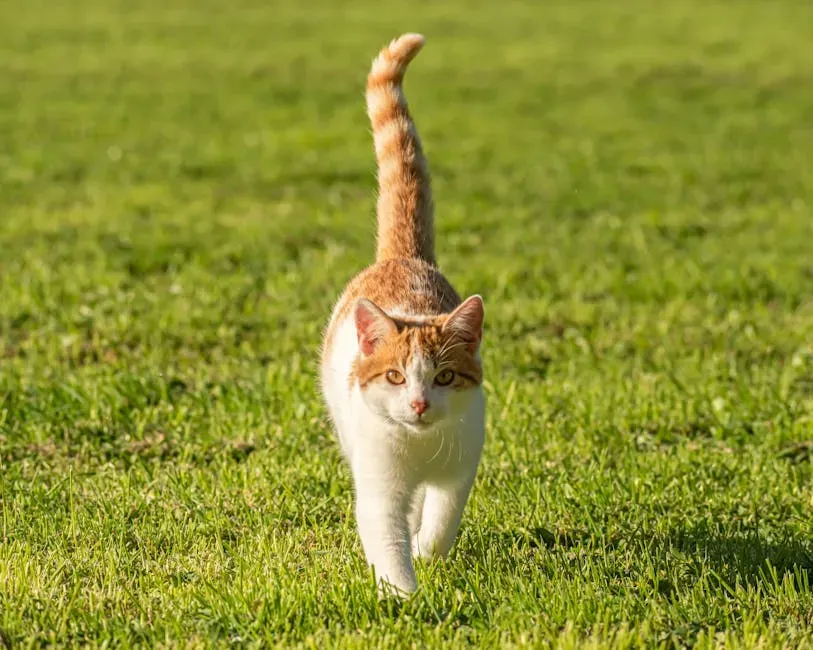
Tail posture is an important element of cat body language. A tail held high indicates that a cat is feeling happy and confident, and a cat walking toward you with its tail held high like a flag is usually eager to interact with you. It's the feline equivalent of a cheerful wave across a crowded room. You might have seen it dozens of times and never known what it meant.
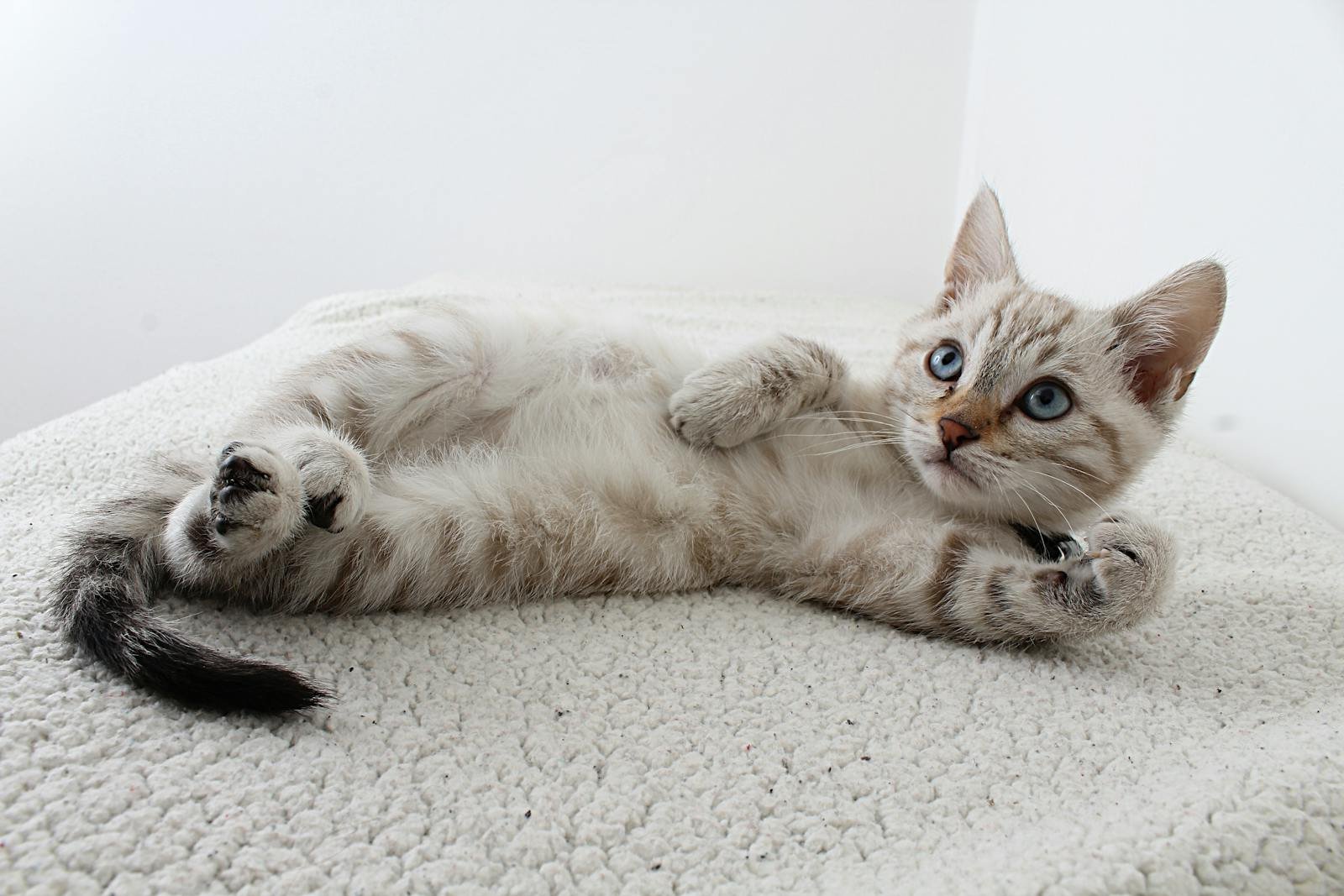
According to animal behavior specialists, felines often show affection through their tails. A curved tip is a friendly greeting and invitation to interact with your cat, while a more effusive display of love is your cat wrapping their tail around your hands, ankles, arms, or really just any part of your body. If they move it around your legs, embracing you, it can be seen as a hug. A tail hug. That might just be the most underrated form of affection in the known universe.
Sleeping Near You: The Ultimate Act of Feline Trust
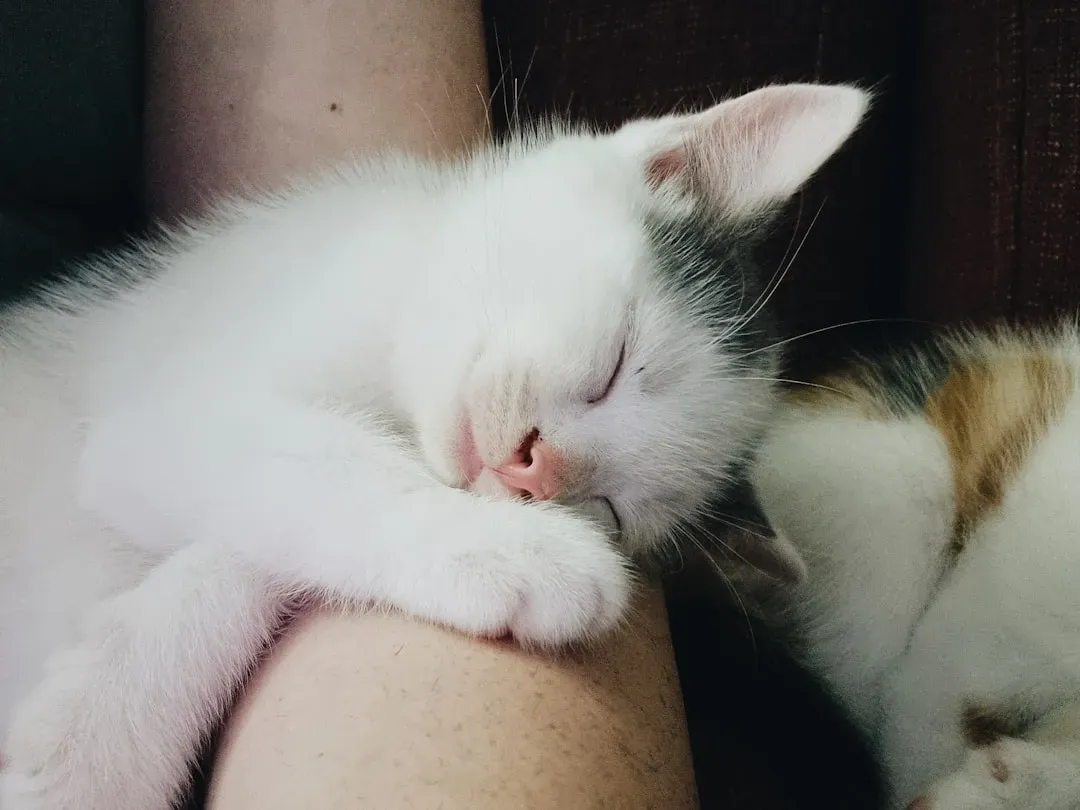
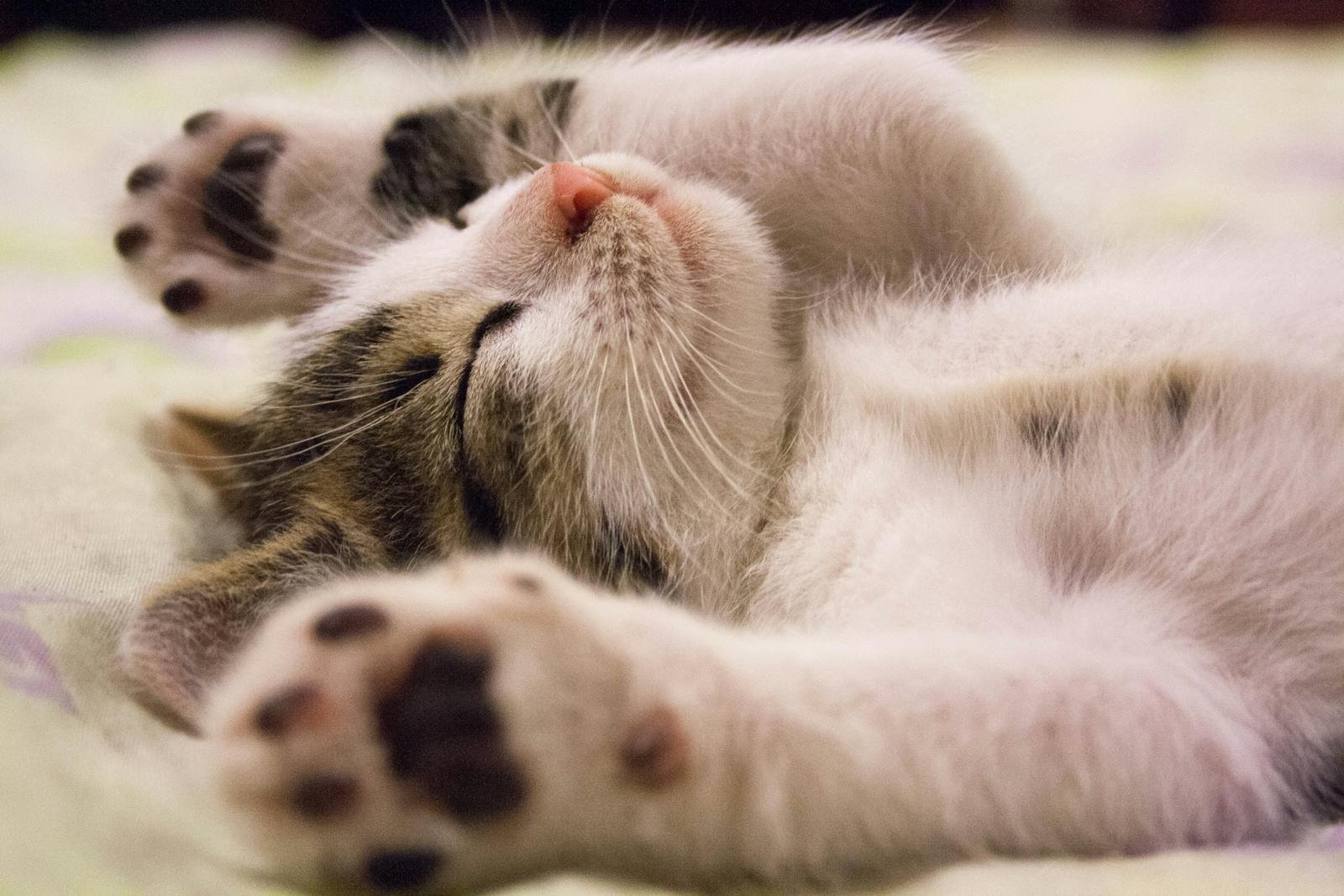
Bedtime is a vulnerable time for cats, and choosing to sleep near their owner is a clear sign of trust and safety. Choosing to sleep on or near you is a strong indicator of deep trust and security. In the wild, vulnerability during sleep can be fatal. When your cat chooses to curl up beside you, they are extending their most profound act of trust. You are their safe place.
When your cat snuggles up to or sleeps with you, it means affection. Every time your cat asks for contact, it is highly significant. Especially when they sleep with you or on you, they feel calm and happy. Even finding your cat sleeping on your clothes, your pillow, or your favorite spot carries great meaning: your cat is searching for your traces and showing their affection. It's less "my cat stole my pillow" and more "my cat is telling you something beautiful." I think that reframe alone is worth everything.
The Grooming Ritual: Social Bonding at Its Purest
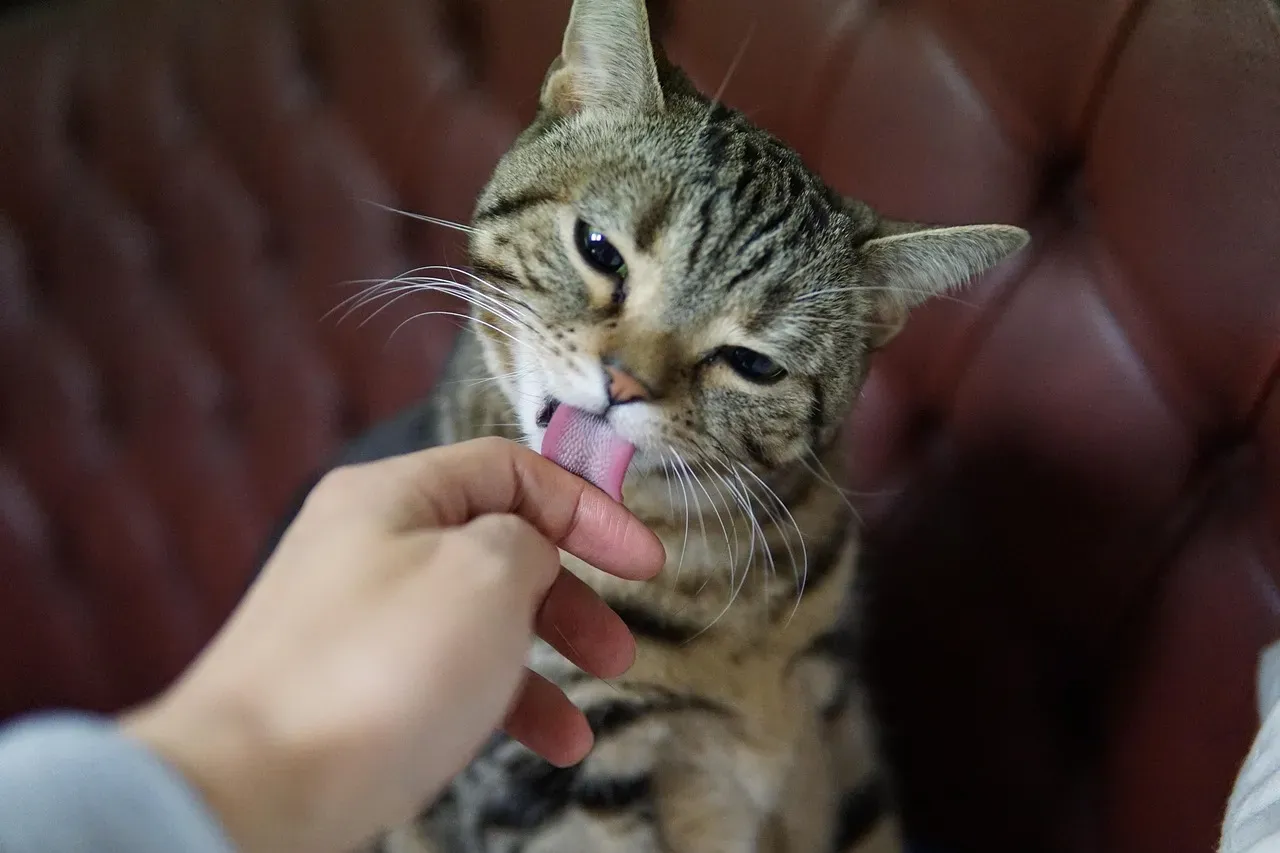
Just as mother cats will groom their young, cats who are bonded with each other will often groom one another, showing comfort and familial acceptance. If you find your cat licking you repetitively, you've either spilled something delicious on yourself or they see you as a close family member. Allogrooming, as it's technically called, is reserved for cats who genuinely accept each other as part of their social group. You earning that kind of attention is significant.
If your cat licks your hand, hair, or face, they may be showing social bonding behavior, just as they would with another cat they trust. Cats groom each other as a display of affection, and this behavior extends to humans when trust is built. It might feel a little sandpapery and slightly odd, but try to receive it for what it is: your cat doing one of the most intimate things they know how to do. That tongue is a love letter.
Gift-Giving: When Your Cat Brings You the Worst Presents Imaginable
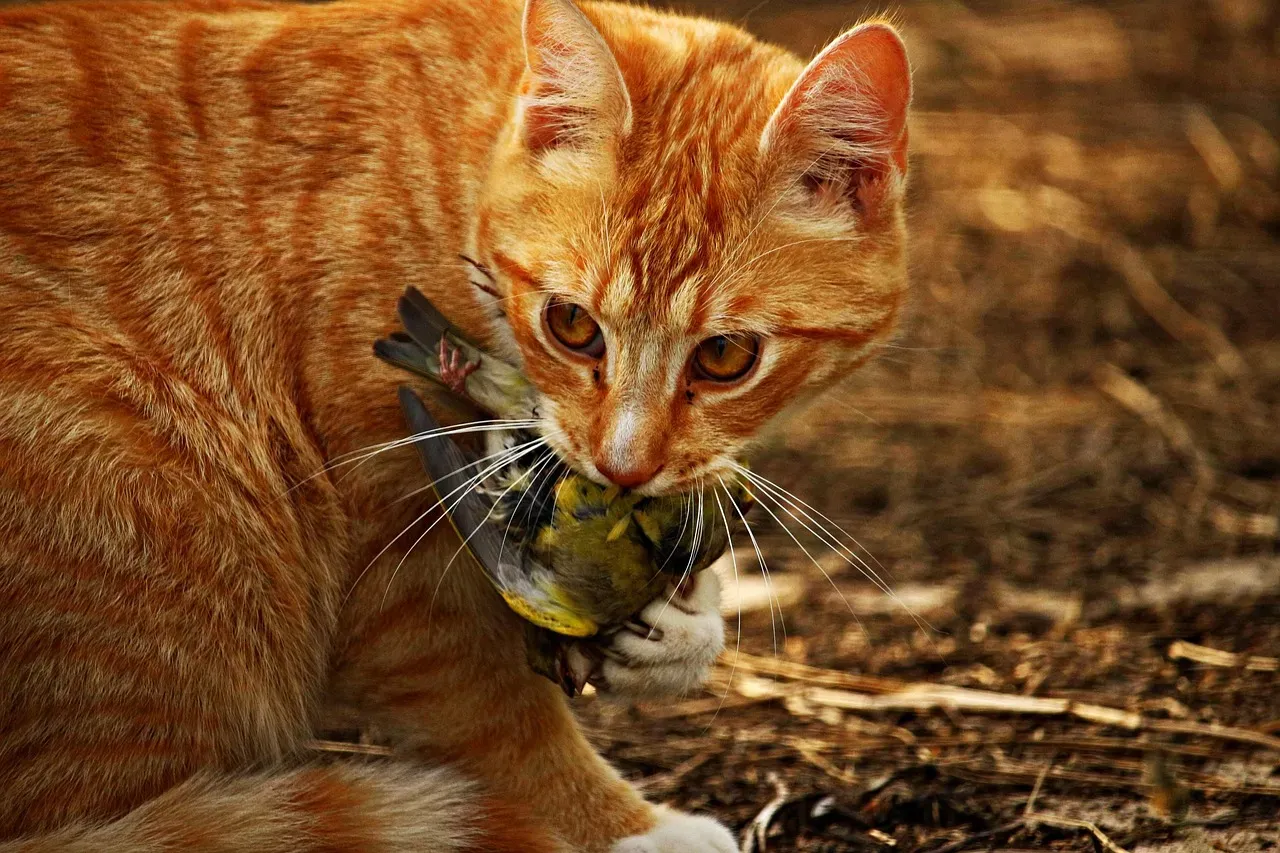
Let's be real. Nothing prepares you for stepping out of bed and onto a dead mouse in the dark. Yet, incredibly, that moment of absolute horror? It's your cat loving you. When cats bring gifts, they are often expressing affection and trust. By sharing their "prey" with you, they are demonstrating that they consider you part of their family group. This behavior helps strengthen the bond between cat and owner, even if the gifts themselves aren't always appreciated.
One theory is that cats practice a skill their mother taught them, to stalk, pounce, and kill prey, before bringing it home to share with family members. Because cats will often play with their prey before eating it, your cat might bring you dead animals or toys to engage in a play session with you. Gift-giving might therefore be a kind of attention-seeking and bond-building behavior in cats. Bringing you toys is a sign that your cat considers you family. I know it sounds crazy, but receiving a mangled toy mouse at 3 a.m. might actually be the deepest declaration of love your cat is capable of making.
Conclusion: You've Been Loved All Along, You Just Didn't Speak the Language
The truth about cats is both humbling and beautiful. They are not cold, they are not indifferent, and they are certainly not plotting your demise. Cats may not express emotions like humans, but that doesn't mean they lack sentiment. Research shows that cats form strong attachments to their owners and display affection through distinct behaviors. Their love might not be as overt as a dog's tail wag, but it's real and meaningful.
Cats are much more subtle in showing their love, though that doesn't mean the shared bond between cats and humans is any less than with dogs. It just means you'll need to work a little harder to understand your cat's love language and boundaries to build trust. Learning those subtle signals, the slow blink, the tail held high, the kneading paws, the fur left on your pillow, transforms your entire relationship. You stop waiting for your cat to love you the way a dog would, and you start appreciating the quiet, layered, deeply personal language they've already been using all along.
So the next time your cat sits three feet away, blinks slowly at you, and then looks out the window without a care in the world, just know: that was a kiss. A very dignified, entirely feline kiss. Did you ever imagine that aloofness could feel so much like devotion? Tell us in the comments what unexpected thing your cat does that you now see as an act of love.