Your Cat's Soft Head Butts Are More Than Just a Greeting; They're a Claim
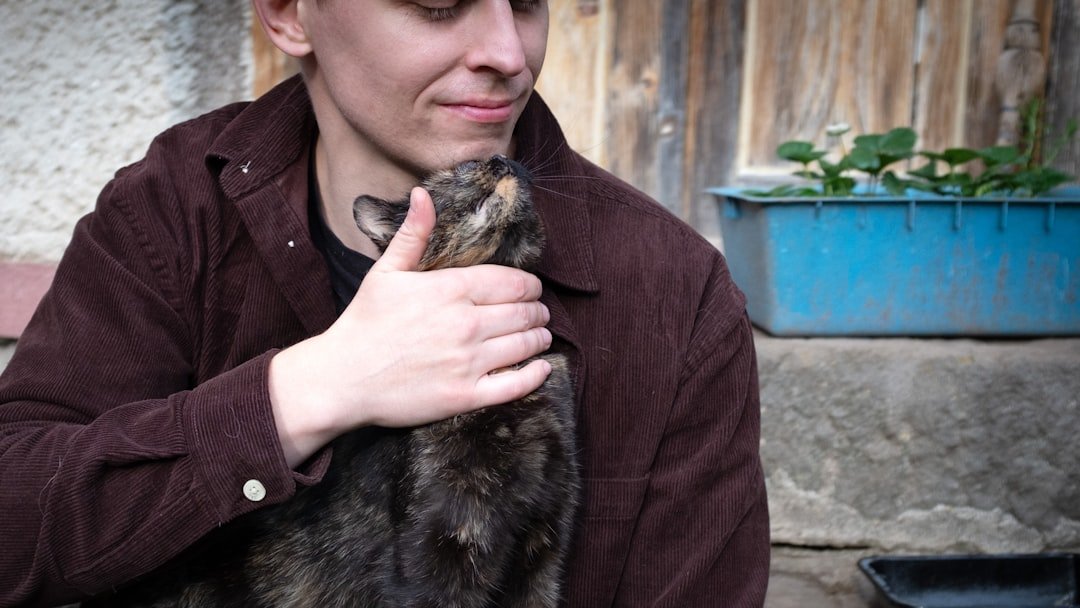
You're sitting on the couch, maybe scrolling through your phone or watching something on TV, when your cat pads over, locks eyes with you, and then gently presses that warm little forehead right against yours. Adorable, right? Most people smile, give a quick scratch behind the ears, and move on with their evening. But here's the thing - that tiny gesture is far more loaded than it looks.
What your cat just did wasn't random. It wasn't even just a "hello." It was a declaration. A quiet, fuzzy, absolutely intentional declaration. The world of feline communication runs deep, and that soft little bump to the head is your cat's way of sending a message - one that other cats can actually read. So let's dive in.
What Exactly Is Head Bunting? (And Why Do Experts Have a Fancier Name for It)
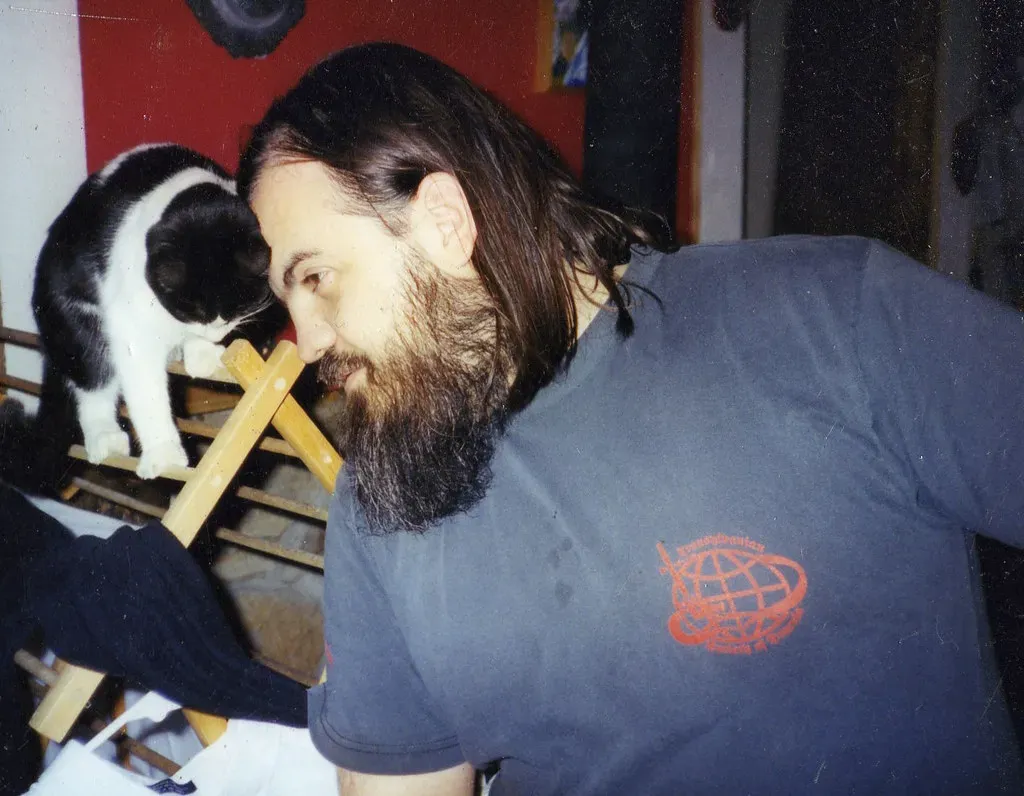
Some call it "head-butting," others call it "head bumping," and many feline behavioral experts prefer "head bunting" - but whatever we call it, most agree it's a lovely sign of affection and trust. If you've ever thought it was just your cat being weird, think again. This behavior has a real name, a real mechanism, and a real biological purpose behind it.
In short, cat bunting is when your cat places or butts their head on you, another animal, or an object, often finishing the behavior by rubbing their forehead and cheeks along the subject. It might look casual and spontaneous, but what's happening beneath the surface is actually quite deliberate and rich with meaning.
The Science Behind the Bump: Scent Glands You Never Knew About
Your cat has glands on their cheeks, forehead, and chin that contain pheromones - substances produced by animals as a type of scent communication. Think of these glands as your cat's personal stamp. Every time that forehead meets your face, those glands are working quietly and efficiently.
When your cat headbutts you, they are rubbing pheromones on you. The pheromone deposited during headbutting comes from glands located just in front of a cat's ears - and while humans can't detect these pheromones, to a cat, you can consider yourself marked. Honestly, there's something both humbling and oddly flattering about being invisible-ink stamped by a creature the size of a toaster.
You're Being Claimed - and That's Actually a Very Good Thing
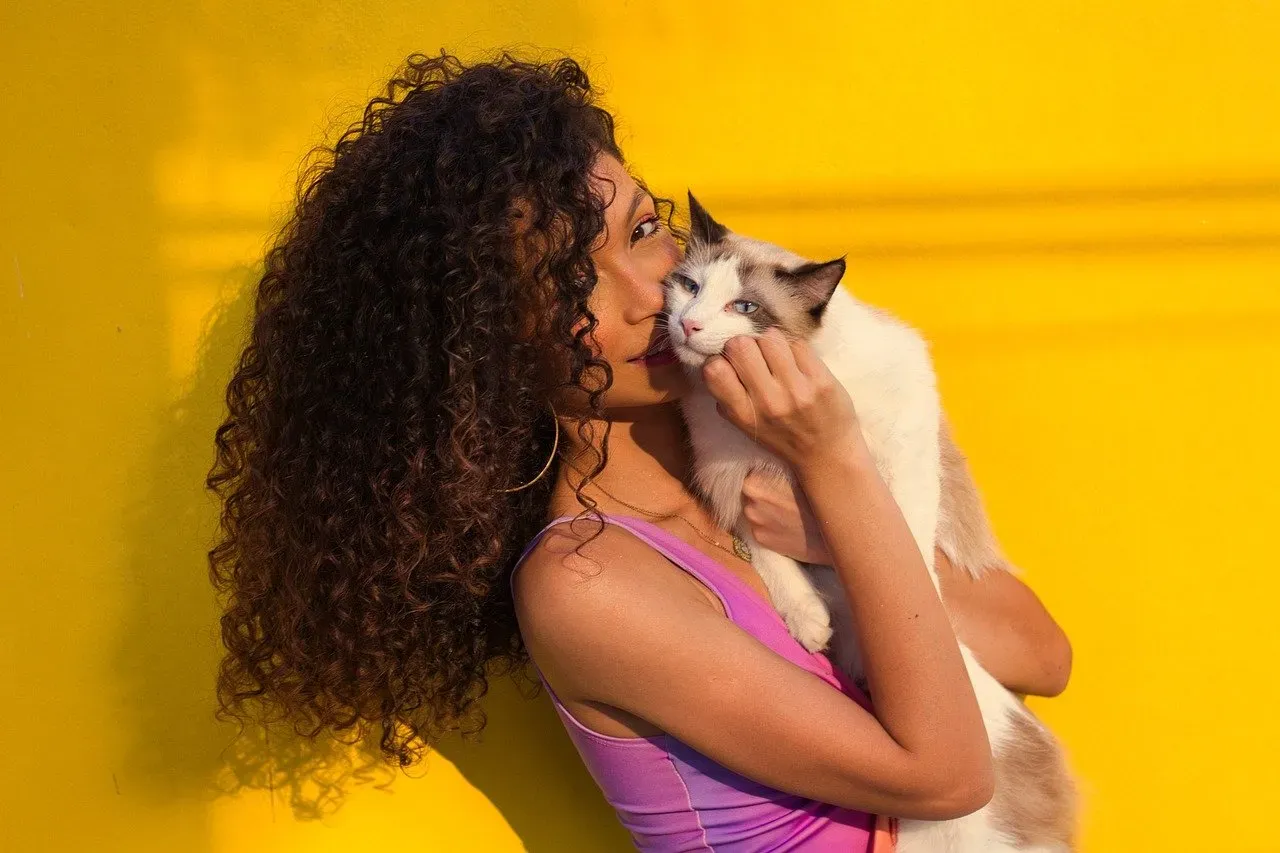
When your cat rubs their face on you, they are depositing their scent to claim you. Unlike urine marking, which is often a sign of stress or territorial defense, facial marking is about ownership and comfort. So there's nothing aggressive or hostile happening here. You're being claimed, yes - but in the warmest, most affectionate way a cat knows how.
This form of marking is actually stronger than leaving urine on objects to claim them, but instead of territory, your cat is claiming familial relationships. Let that sink in for a moment. Your cat isn't just saying you're their person - they're essentially filing paperwork. You belong to their family, and that information is being broadcast to every other cat in scent range.
It's Not Just About You: The Colony Scent System
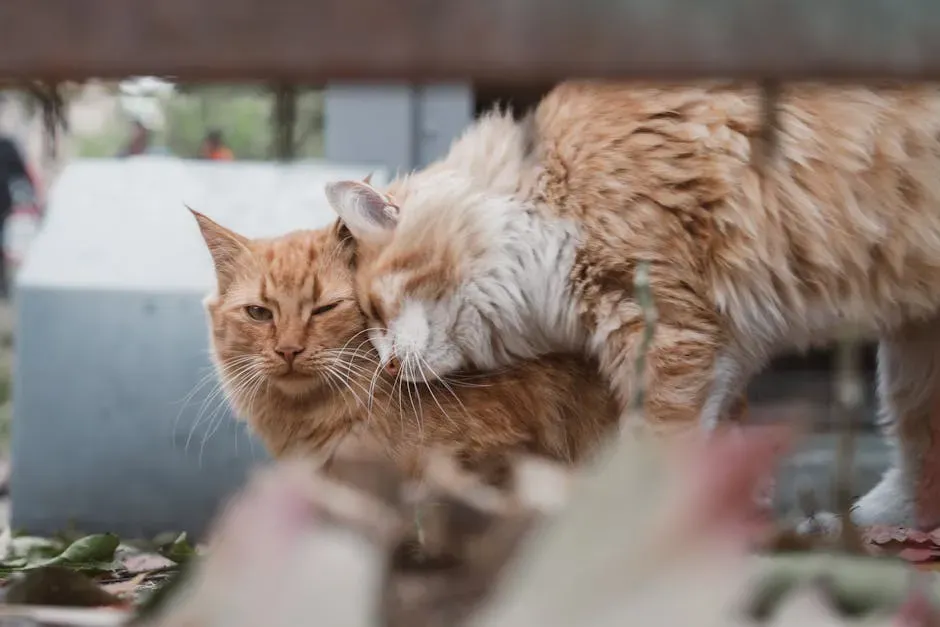
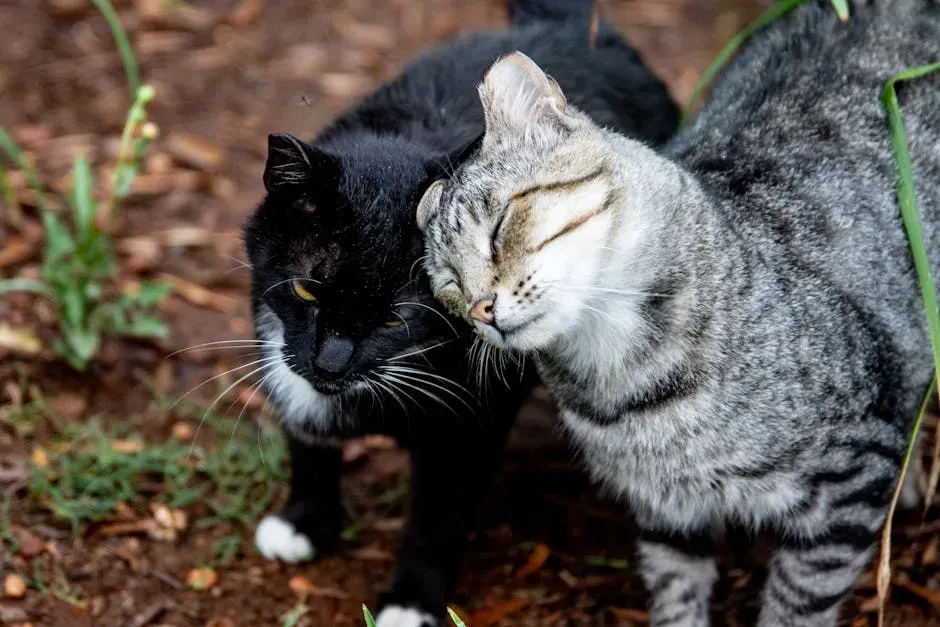
When cats within a colony headbutt each other, they are mixing their scents to create a combined scent. This unique scent is then distributed to all of the cats in the colony as the colony scent. This is a survival mechanism rooted deep in feline evolution, and your living room is no different from a wild cat colony in this regard.
Your cat hopes that their scent will be spread and shared with other beings in the surrounding area. It helps create a sense of community and balance for all group members involved and helps stave off other groups that could be trying to encroach on their territory. In a multi-cat household, you might notice this behavior happening between your cats too - and that's a very encouraging sign of harmony.
Is It Always Affection, or Can It Mean Something Else?
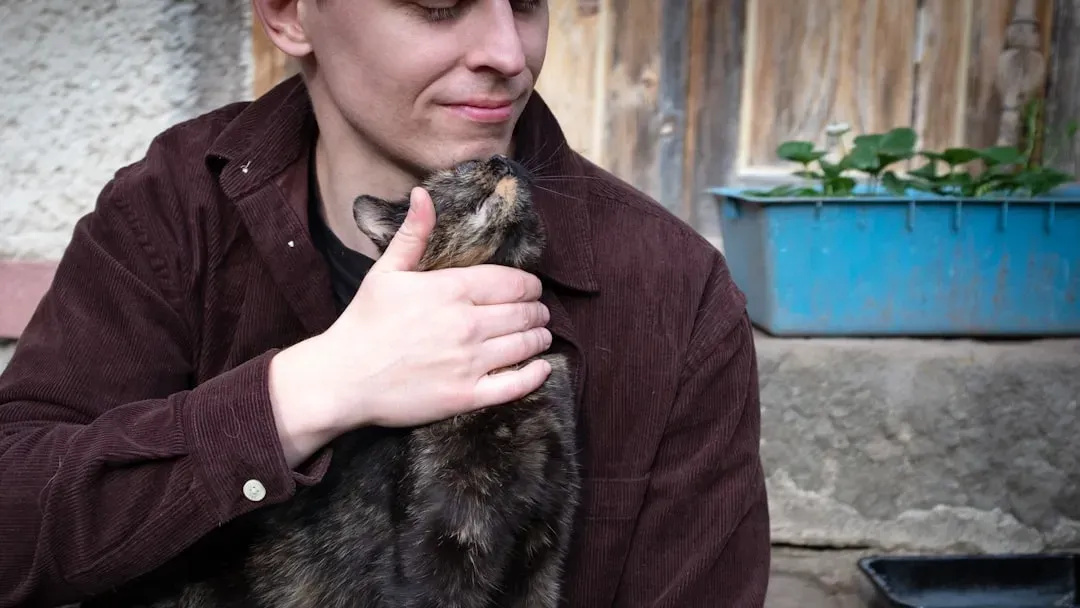
While head bunting can certainly be a sign of affection, cat headbutting can also be due to marking, self-soothing, and even investigating a new person. So the next time a stranger's cat walks up and bumps their head against you at a friend's house, they might just be gathering intel. Cats are curious little detectives, and your scent tells them a whole story.
Cats are smart - if headbutting results in pets or food, they will use it as a tool to demand your attention or redirect you from distractions like your phone. Let's be real: your cat has probably figured out exactly what works on you. That adorable head bump while you're busy? Calculated. Effective. And impossible to ignore.
Reading the Room: What Your Cat's Body Language Adds to the Story
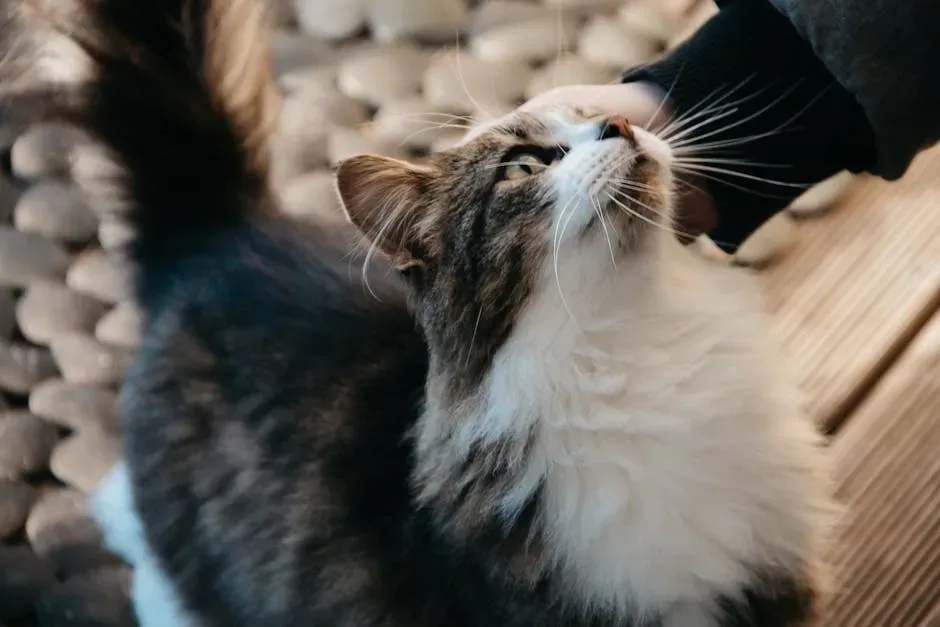
Head-butting accompanied by purring, slow blinking, and relaxed body language indicates genuine affection. Your cat views you as a cherished companion worthy of their personal scent signature, which represents the highest form of feline acceptance. Pay close attention to the whole picture, not just the bump itself. Context always matters with cats.
Genuine affectionate head-butting typically occurs when your cat approaches with their tail held high, ears forward, and eyes partially closed. They might also knead with their paws or emit soft purring sounds during the interaction. When all those signals line up together, you're receiving one of the most sincere expressions in the entire feline emotional vocabulary. Cherish it.
Head Bunting vs. Head Pressing: A Critical Difference You Must Know
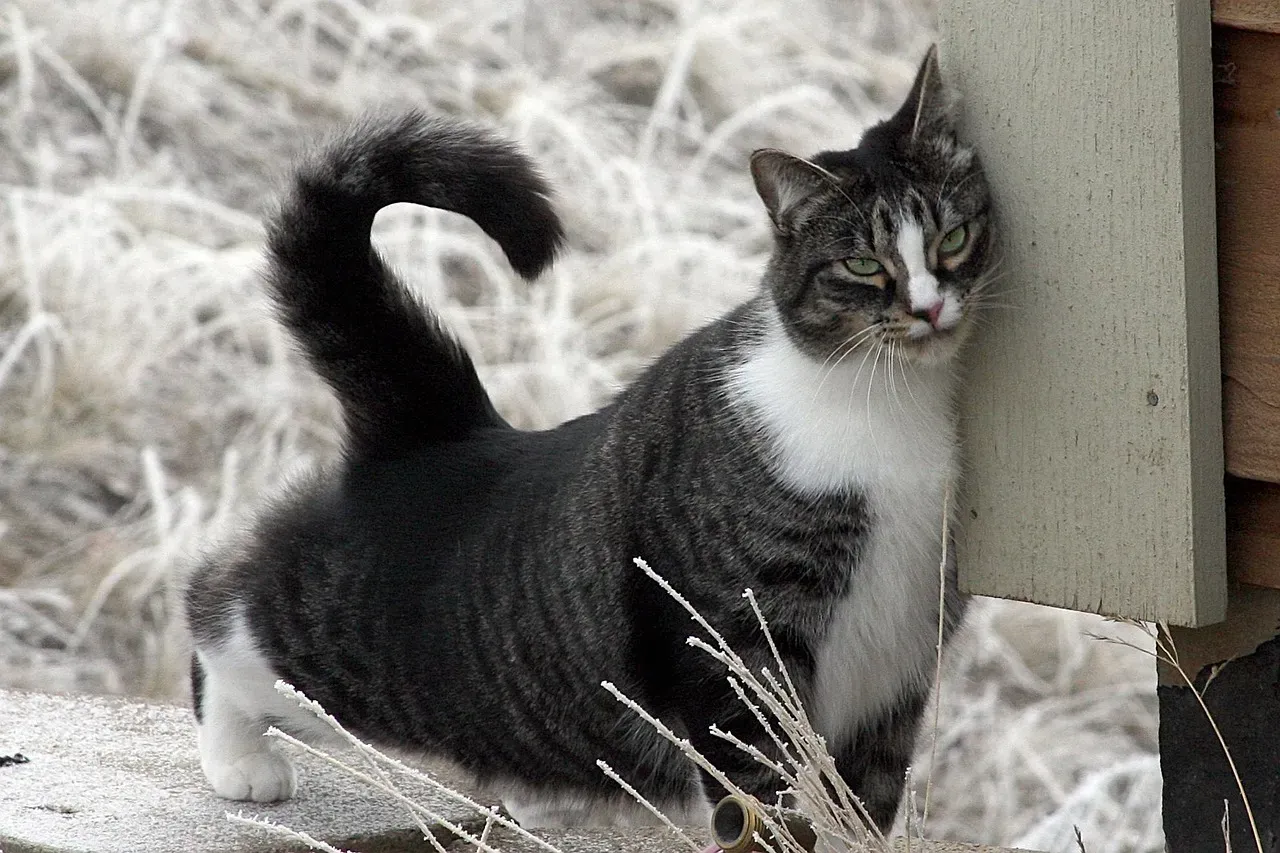
Cat bunting is a rhythmic, short-term social behavior where your cat gently bumps or rubs their forehead and cheeks against you or furniture to leave their scent. It is a sign of deep trust, affection, and territorial security. This is normal, beautiful, and nothing to worry about. The concern comes with a different behavior that looks superficially similar.
Head pressing is a compulsive, static action where a cat firmly presses their head against a wall, corner, or floor for long periods without moving, often appearing stuck, disoriented, or unresponsive. If your cat is head pressing against a wall or hard surface, do not wait - this is a primary sign of neurological distress, often caused by brain tumors, liver failure, toxins, or head trauma. If you ever see this, skip the article reading and go straight to the vet. It's that serious.
How to Respond When Your Cat Head Bunts You
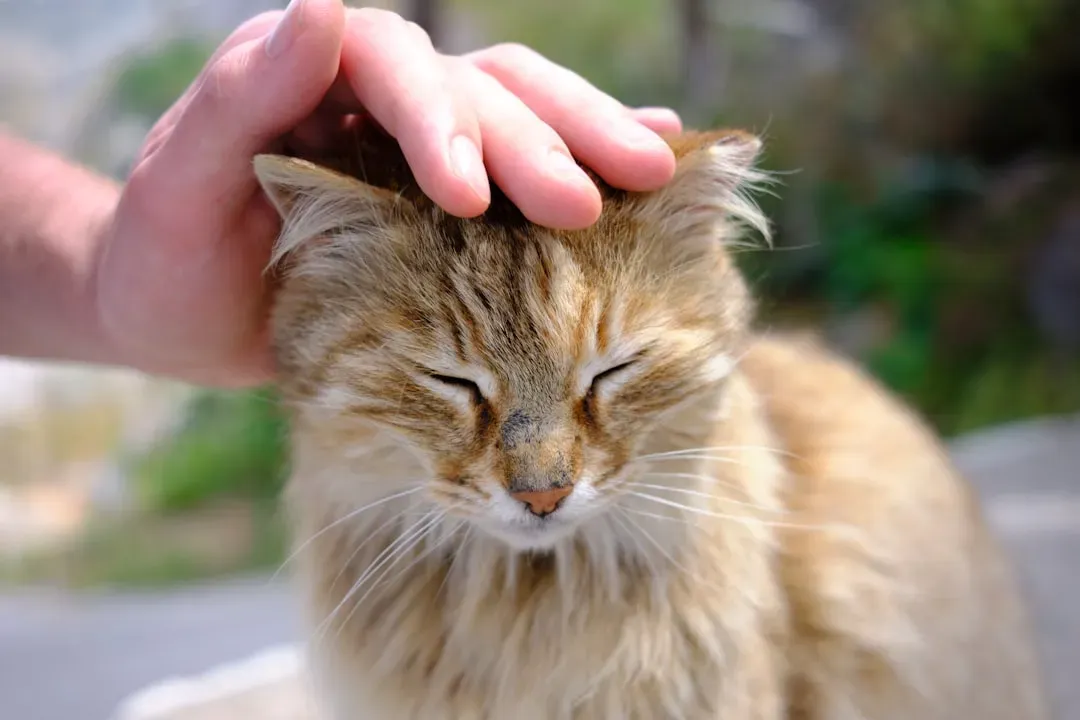
When your cat comes face to face with you and bunts or rubs, enjoy it. It sounds simple, but truly receiving and acknowledging that gesture is the single most important thing you can do in that moment. Pulling away or ignoring it can actually erode the trust your cat is actively trying to reinforce.
When you feel that cat head against you, this is a great bonding opportunity, so reciprocate by giving your pet attention such as petting. Rub their head or face in return - you can even give your cat a gentle head bunt back. What you're doing is building a relationship, one that should last for years to come. I think that's honestly one of the sweetest things about cats - they give you a very clear roadmap for how to love them back.
Conclusion
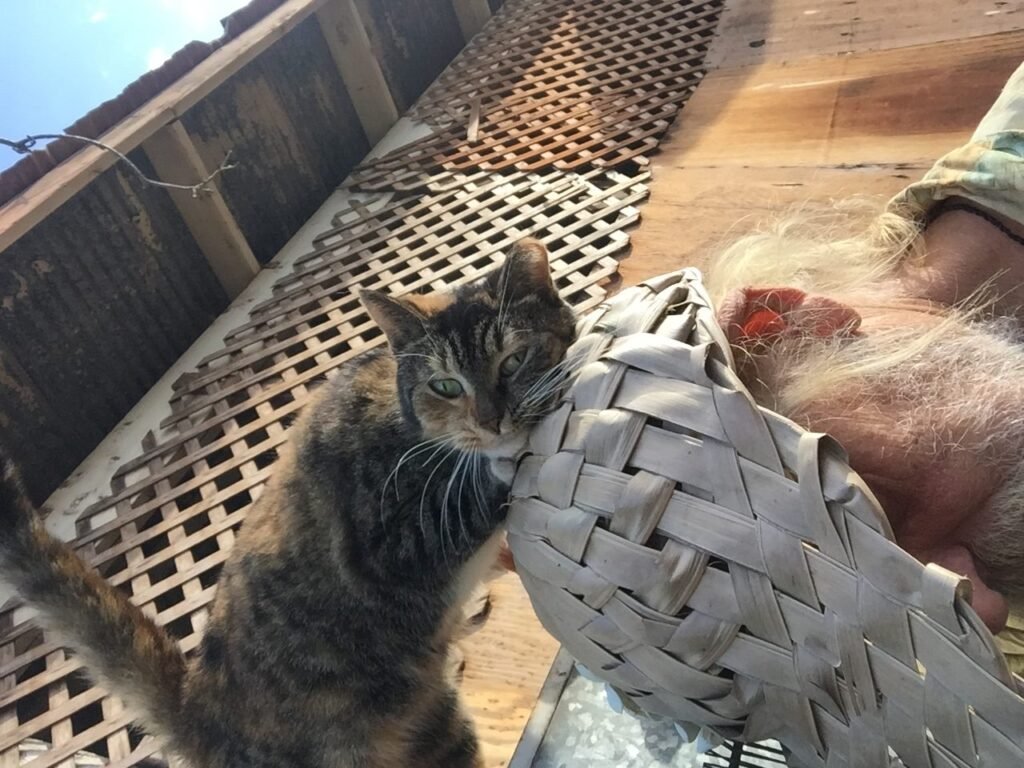
That soft little head bump your cat gives you is one of the most layered, meaningful gestures in the animal kingdom. It's a greeting, yes, but it's also a claim, a comfort signal, a community-building act, and an expression of trust that your cat doesn't hand out to just anyone. You earned that bump.
Understanding what your cat is actually saying when they press their forehead to yours transforms the whole relationship. You stop seeing random quirky behavior and start seeing a deeply wired form of communication that has kept cats socially functional for thousands of years. The next time your cat walks over and gives you that quiet little bonk, know that in their world, you just received a five-star review.
So here's something worth sitting with: how many times has your cat been trying to tell you something important, and you simply called it cute and moved on? What else might you be missing?