Most of us have had that moment. You’re sitting quietly, maybe after a rough day, and out of nowhere your cat silently pads over and drapes itself across your lap. You didn’t call them. You didn’t move. Yet somehow, they knew. That quiet kind of knowing is exactly what makes cats so utterly fascinating as home companions.
For centuries, cats were dismissed as aloof, independent, and emotionally disconnected from their owners. Let’s be real – science is now proving that idea spectacularly wrong. From their ability to smell your fear to the way they adjust their behavior based on your facial expressions, your cat may understand you on a level that goes far deeper than you ever imagined. Let’s dive in.
The Science Behind Your Cat’s Emotional Radar
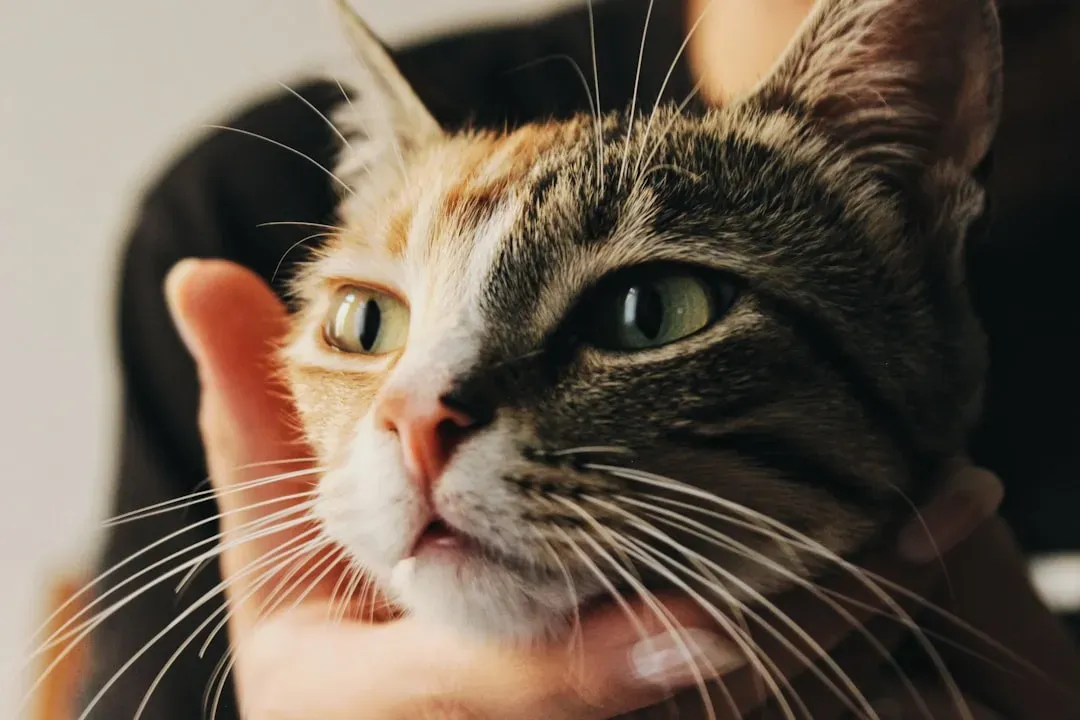
You might think your cat is simply hanging around waiting for food, but there’s a lot more going on in that furry little head. Recent research suggests that cats may be more attuned to human emotions than previously thought, with studies showing that cats react to their owners’ visual and vocal signals and adjust their behavior based on human emotions. That’s not coincidence. That’s biological intelligence at work.
Research demonstrates that cats integrate visual and auditory signals to recognize human and conspecific emotions, and they appear to modulate their behavior according to the valence of the emotion perceived. Think of it like this: your cat is running a constant background program, processing your posture, your tone, your face, all at once, like a very quiet and very fluffy emotional analyst.
How Your Cat Reads Your Face
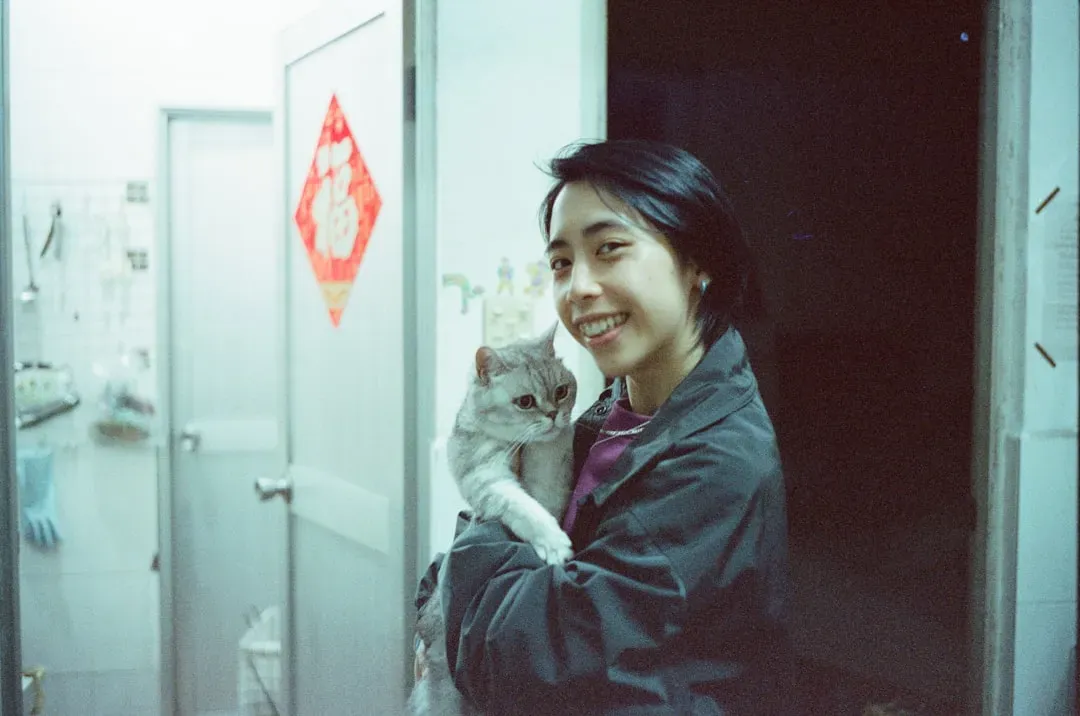
Here’s something that might genuinely surprise you. A study by Oakland University researchers Jennifer Vonk and Moriah Galvan suggests that cats are more receptive to human emotions than previously thought, with their study involving twelve cats and their owners showing that felines behave differently based on whether their owners are smiling or frowning. That’s a remarkably specific kind of awareness for an animal we usually assume doesn’t care much about us.
Researchers observed that cats exhibited more frequent positive behaviors, including purring, rubbing, or sitting on their owner’s lap and spending more time with them, when their owner was smiling. So the next time you’re not getting much affection from your cat, maybe check your expression first. Honestly, that’s a little humbling.
Your Cat Can Actually Smell Your Emotions
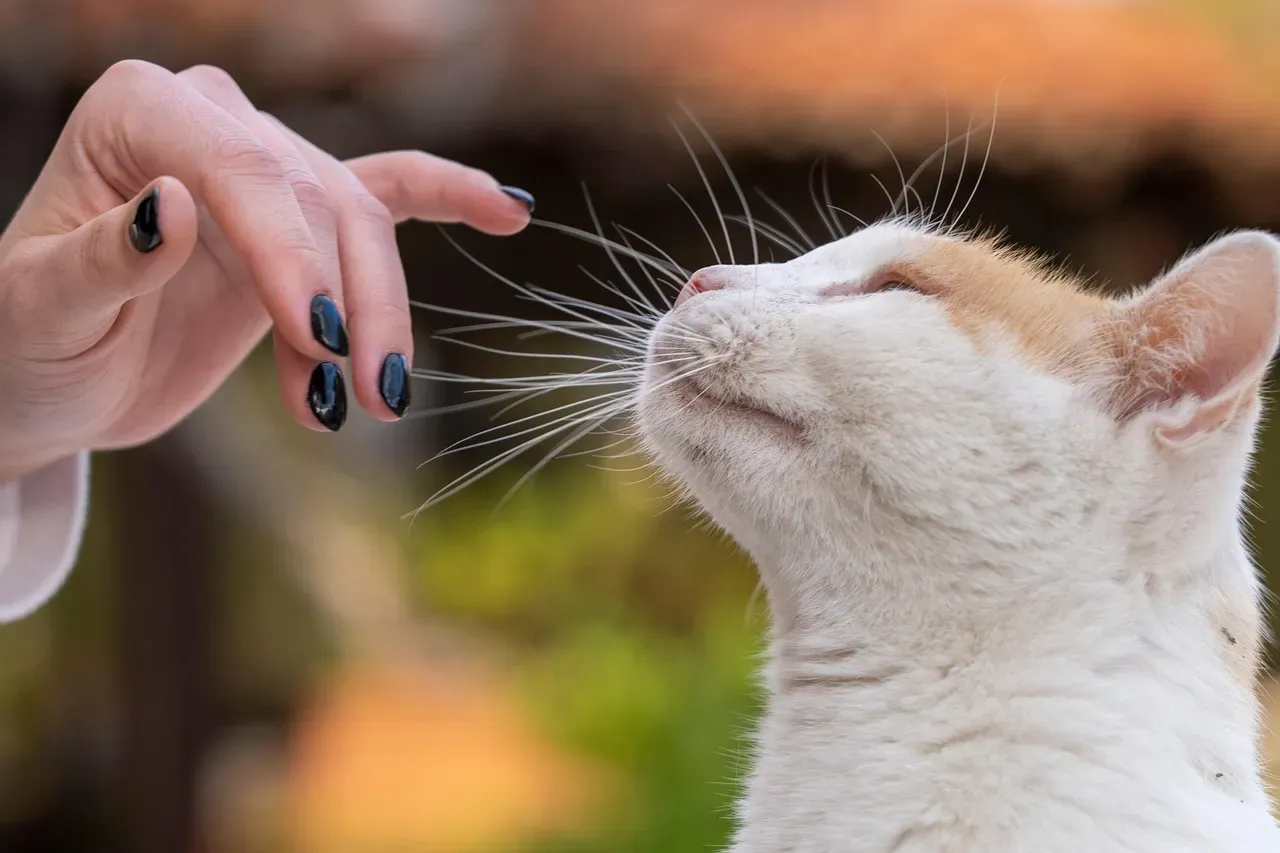
This is perhaps the most jaw-dropping discovery in recent feline research. Researchers from the University of Bari in Italy explored how cats react to human odors associated with different emotional states, conducting an experiment using odor samples from men exposed to different emotional states including fear, happiness, physical stress, and neutral. The results were striking.
The study revealed that cats’ behaviors changed significantly based on the emotional odors presented, particularly fear-related scents. When exposed to the fear odor, cats exhibited more severe stress-related behaviors compared to when they were exposed to physical stress and neutral odors. Your scent, in other words, tells your cat a story about how you’re feeling, even before you say a single word.
Social Referencing: Your Cat Looks to You for Clues
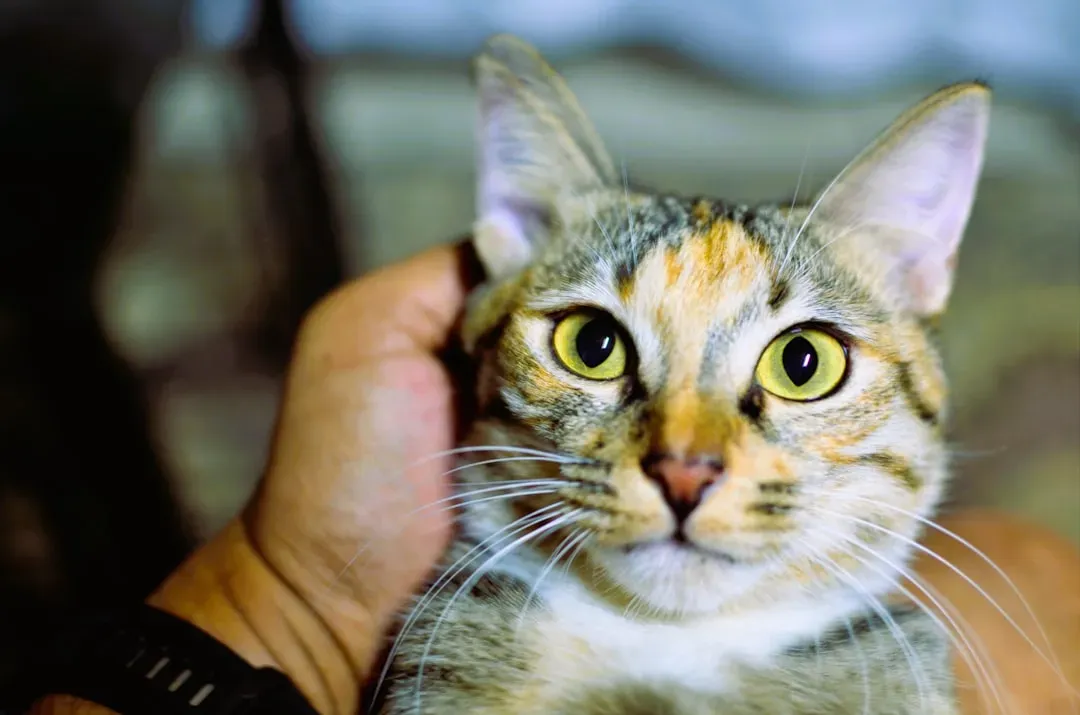
You’ve probably never heard the term “social referencing” in the context of your cat, but it describes something you’ve likely witnessed many times. Research showed that cats are looking at their owners for signals, or what is known as social referencing. It’s the same behavior seen in human infants, who check a parent’s face before deciding whether a new situation is safe. Cats do this too.
It has been found that cats might base certain behaviors and reactions on their owners’ cues, in a form of social referencing. For example, cats spend more time with owners when shown positive cues but look for an exit when owners respond in a fearful way to a new object. Your emotional reaction essentially becomes a guide for your cat’s next move. You’re their emotional compass, whether you realize it or not.
Cats Sense Your Sadness and Depression
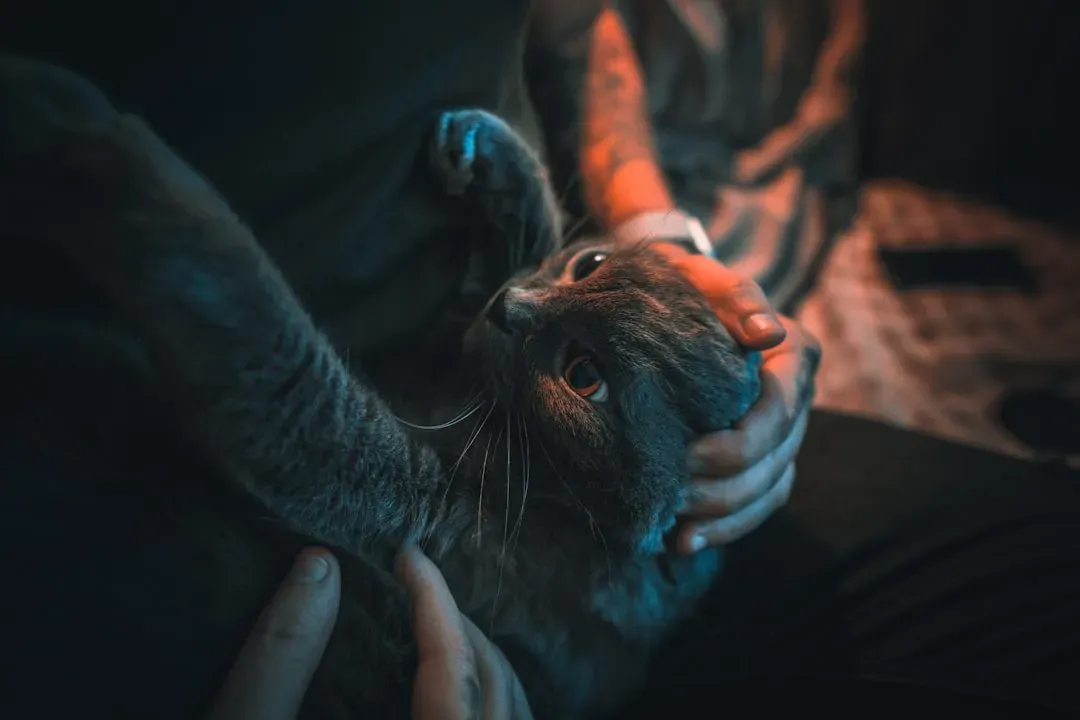
There’s a very real reason people with depression often report that their cats become unusually attentive during their lowest moments. It appears that cats can sense human moods as well as depression. Cats are observant and intuitive, and this allows them to understand emotional cues from humans. The connection isn’t just anecdotal. Research backs it up in meaningful ways.
In particular, cats may come in closer proximity when their owners are depressed. Some even purr and rub themselves more once they sense that their human is depressed, though it also depends on individual personalities, as cats may have their own ways of adjusting their behavior. It’s not magic, it’s a kind of quiet attentiveness that most of us don’t give cats nearly enough credit for.
How They Detect Your Anxiety and Stress
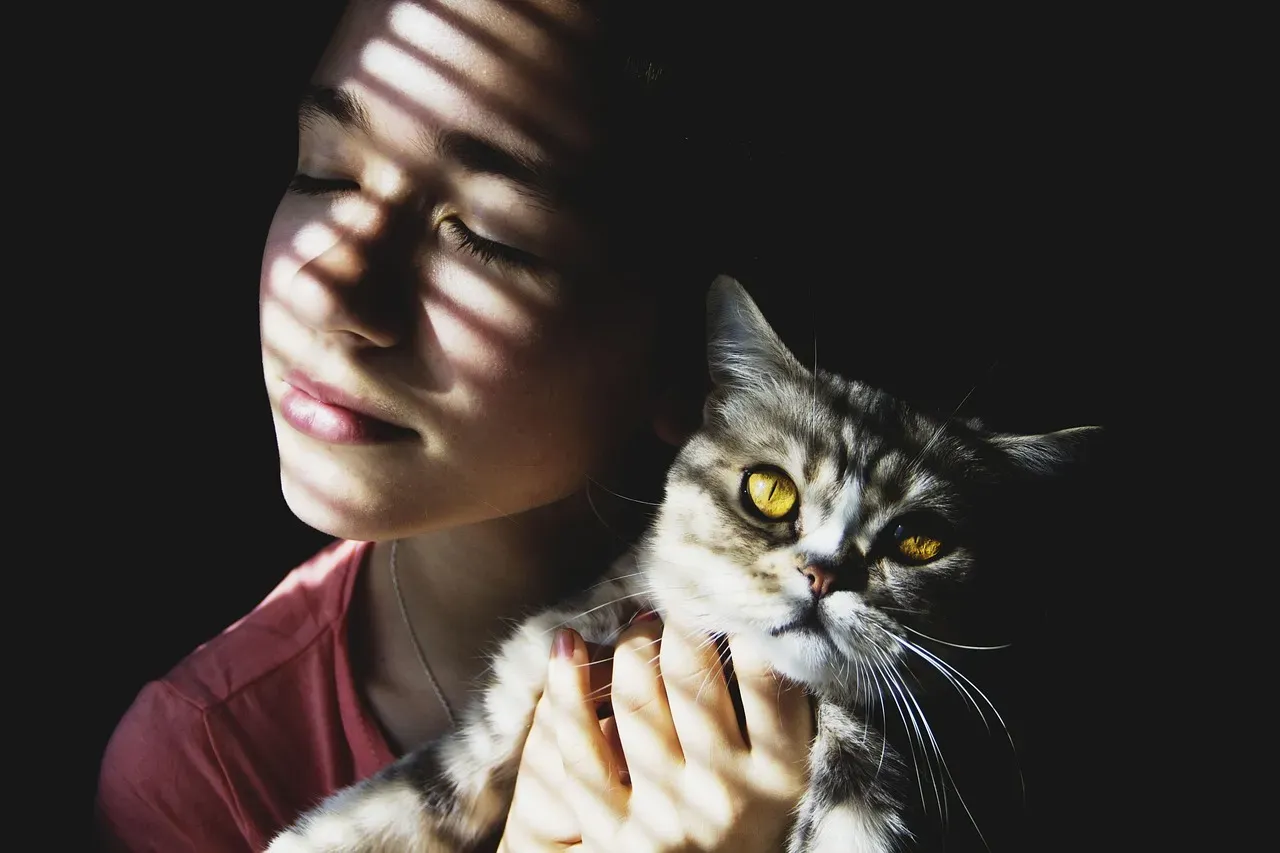
Research from Nottingham Trent University found that cats are able to determine when their humans are anxious or stressed. Apart from this, they can also mirror their human’s emotions and well-being. Mirroring, as a concept, is fascinating here. It means your cat isn’t just observing you. In some sense, they’re absorbing your emotional state and reflecting it back through their own behavior.
Through thousands of years of domestication, cats have developed the ability to interpret cues from their owners, including vocal tone, where cats respond differently to soothing tones versus angry or loud voices, facial expressions where studies have shown cats can differentiate between happy and angry faces, and body language, where your posture and actions send signals that your cat may interpret. Put simply, you’re communicating with your cat far more than you think, just not always in words.
The Deep Attachment Bond Between You and Your Cat
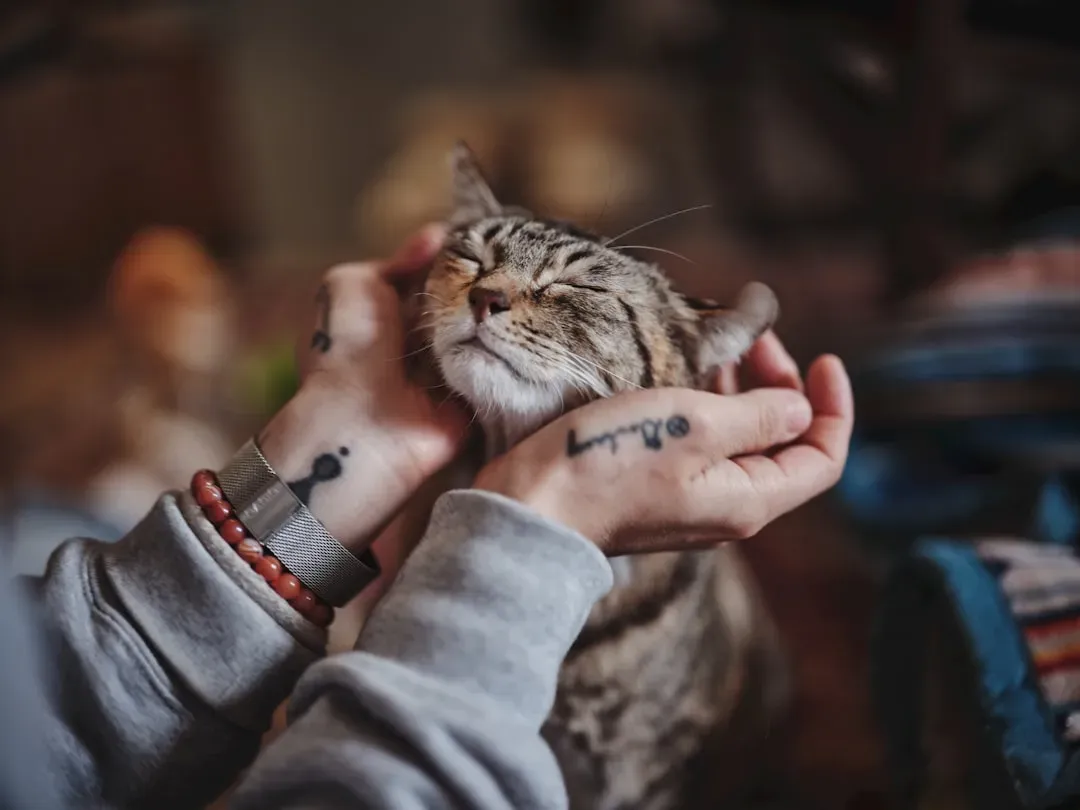
If you’ve ever felt like your cat is genuinely attached to you rather than just tolerant of your presence, science is firmly on your side. Research shows that overall, indicators of attachment relationships between cats and humans, including proximity seeking, separation distress and reunion behavior, were present, and individual differences in response were consistent with attachment style categorizations. These are the same attachment patterns we see in human parent-infant bonds.
Perhaps surprisingly to those who think cats don’t care about us, roughly two thirds of felines were identified as securely attached. Roughly thirty percent were ambivalent, and the rest were mostly avoidant. That means the majority of domestic cats genuinely form secure, meaningful emotional bonds with their people. I think that’s one of the most underappreciated facts in all of animal science.
The Healing Power of Your Cat’s Purr
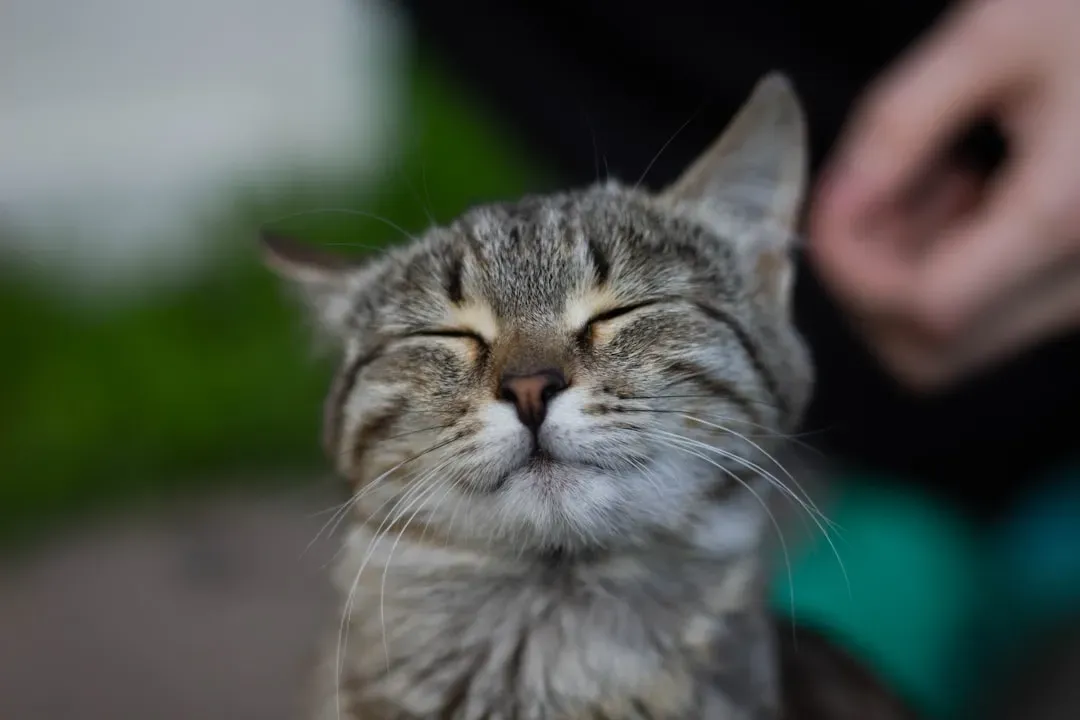
Your cat’s purr isn’t just pleasant background noise. It’s arguably one of the most therapeutic sounds in the natural world. The frequency of cat purring has been shown to fall between twenty-five and one hundred and forty Hz, and the same frequency range has been shown to aid in the healing of broken bones, joint and tendon repair, and wound healing. That’s not folklore. That’s vibrational biology.
When a person interacts with a purring cat, their body releases serotonin, a neurotransmitter associated with mood regulation. This physiological response can help lower cortisol levels, the primary hormone associated with stress. So when your cat curls up on your chest and rumbles away, it’s essentially performing a form of sound therapy on you, entirely for free, and without a single appointment.
What This Means for Your Daily Life With Your Cat
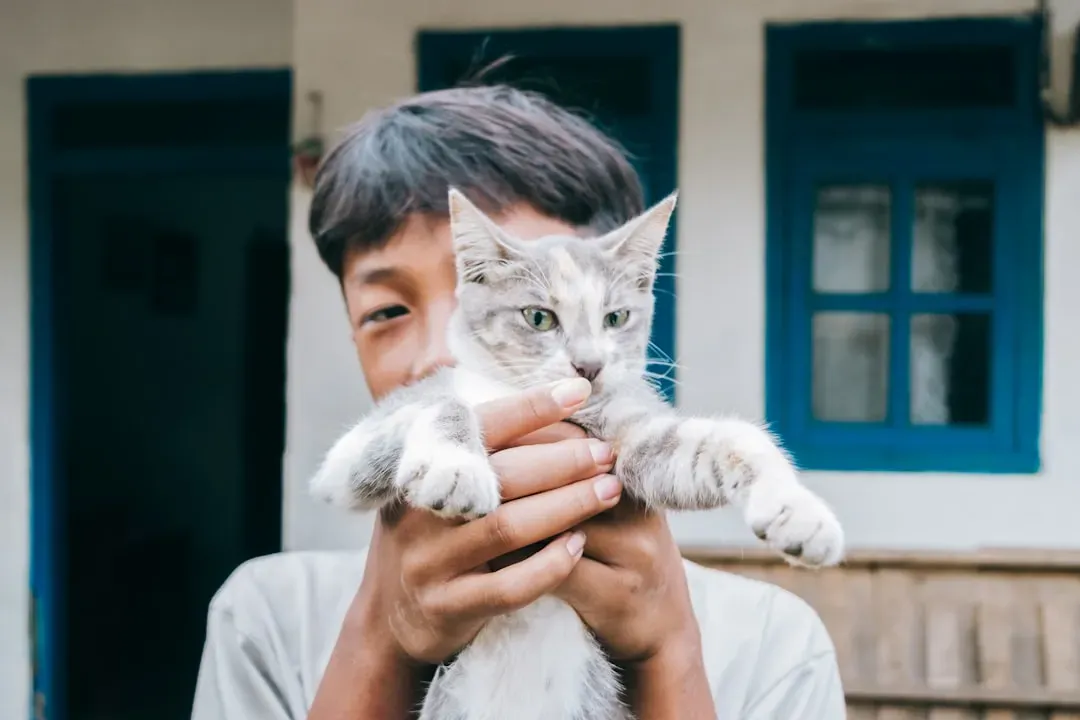
Understanding that your cat is reading your emotional state changes the way you should think about your relationship with them. The emotional connection between cats and their owners is a two-way street. Your emotions can significantly affect your cat. Changes in a cat’s environment or routine, often influenced by the owner’s emotional state, can impact the cat’s well-being. Your cat doesn’t just sense your moods. Your moods shape their world.
Cat ownership may also improve psychological health by providing emotional support and dispelling feelings of depression, anxiety and loneliness. Their ability to provide companionship and friendship are among the most common reasons given for owning a cat. The relationship, when you truly lean into it, becomes something remarkably mutual. You take care of them, they tune into you, and somewhere in that exchange, something genuinely healing takes place.
Conclusion
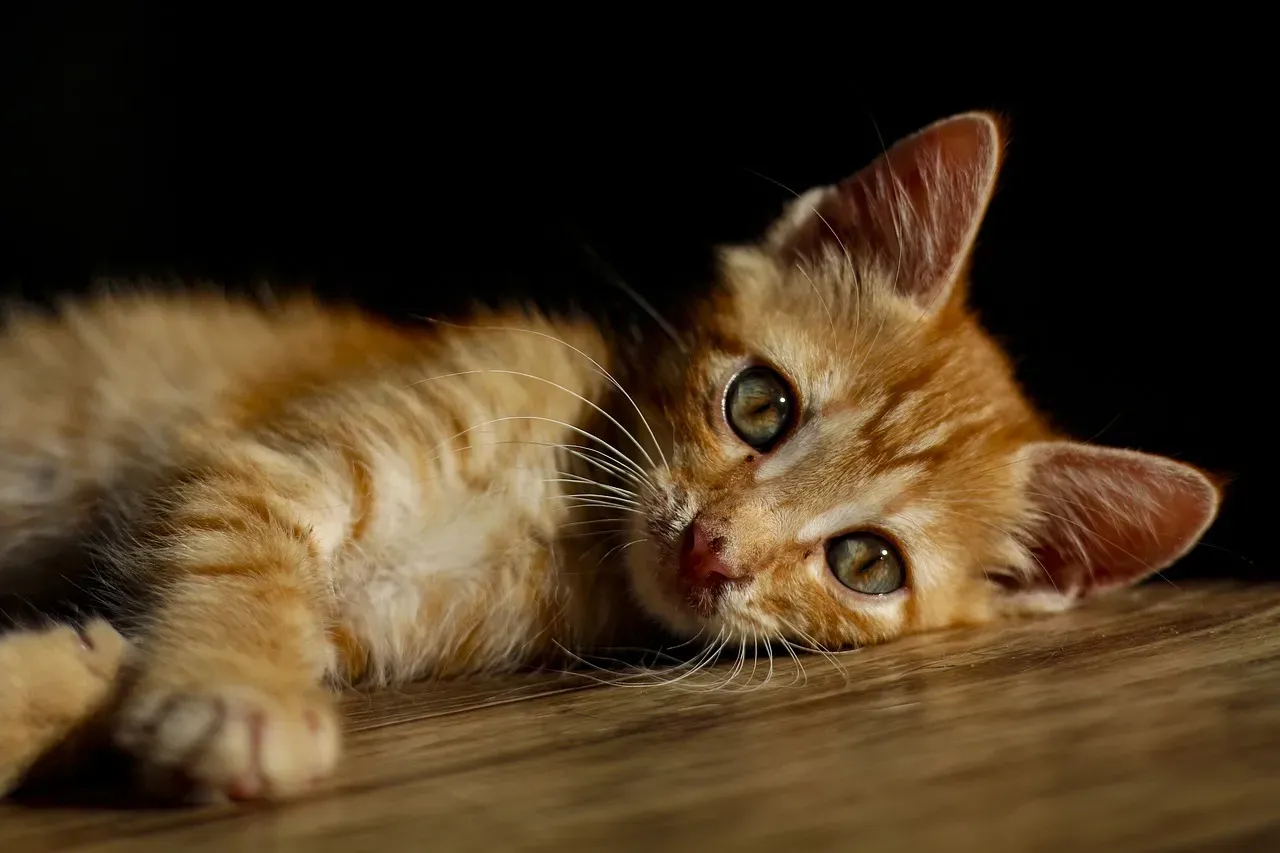
It’s hard to say for sure just how deeply a cat comprehends the full landscape of human emotion. What we do know, backed by a growing and compelling body of research, is that your cat is far from emotionally indifferent. They observe your face. They smell your fear. They adjust their behavior to your mood. They bond with you in ways that mirror the very attachment styles we see in human children.
The old idea of the cold, uncaring cat is well and truly outdated. Your feline companion at home is quietly, consistently, and sometimes profoundly aware of how you’re feeling. Maybe that’s been the real magic of cats all along, not mysterious aloofness, but a subtle, wordless empathy hiding just beneath the surface. So the next time your cat comes to sit with you for no apparent reason, perhaps ask yourself: what were you feeling in that moment?