Your cat seems perfectly fine – curled up on the couch, occasionally demanding food, doing very cat things. So it may surprise you to learn that behind that serene, unreadable face, your feline could be quietly struggling with stress. Cats are subtle animals, and it can be genuinely tricky to tell if you’ve got a stressed cat in your home. Their behavior might change slightly, or they might begin doing things that you’d interpret as just “being naughty.” The domestic cat can be great at hiding signs of stress – it’s simply in their nature.
Often, felines will hide their discomfort. This is a survival instinct inherited from their ancestors, as pain can be an indication of weakness to other predators. The problem is, what you don’t notice can genuinely hurt your pet. Chronic stress can have wide-ranging effects on your cat’s health. Stress hormones like cortisol can weaken the immune system, making your cat more susceptible to infections. Digestive issues such as diarrhea or constipation are common, and chronic anxiety may exacerbate skin problems, urinary tract issues, or arthritis. Ready to learn how to read your cat better and actually do something about it? Let’s dive in.
1. Your Cat Is Hiding More Than Usual
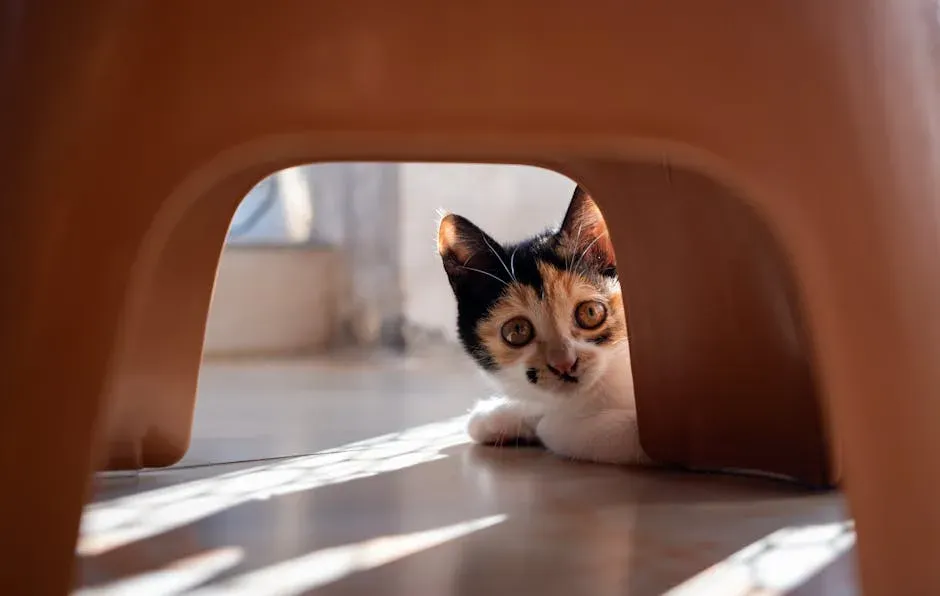
Here’s the thing – all cats enjoy their alone time. That’s normal. The real red flag appears when a cat who used to follow you from room to room is suddenly spending full days wedged behind the washing machine or deep inside a closet. The signal isn’t that your cat hides – it’s that the spots have changed. A cat who now rests behind the washing machine instead of on the sofa is telling you that their normal environment no longer feels safe. This is one of the earliest signs of chronic stress, and one of the most overlooked.
Cats under stress actively seek two things in a hiding place: elevation and enclosure. If the new hiding spot has both, that is a stronger signal than either alone. If your cat is hiding, resist the urge to pull them out and force comfort on them. Do not disturb your cat if she’s hiding, because this may worsen her stress. Instead, try creating a designated safe zone with a cozy covered bed in a quiet area, and allow your cat to come and go entirely on their own terms.
2. Sudden Changes in Appetite or Eating Habits
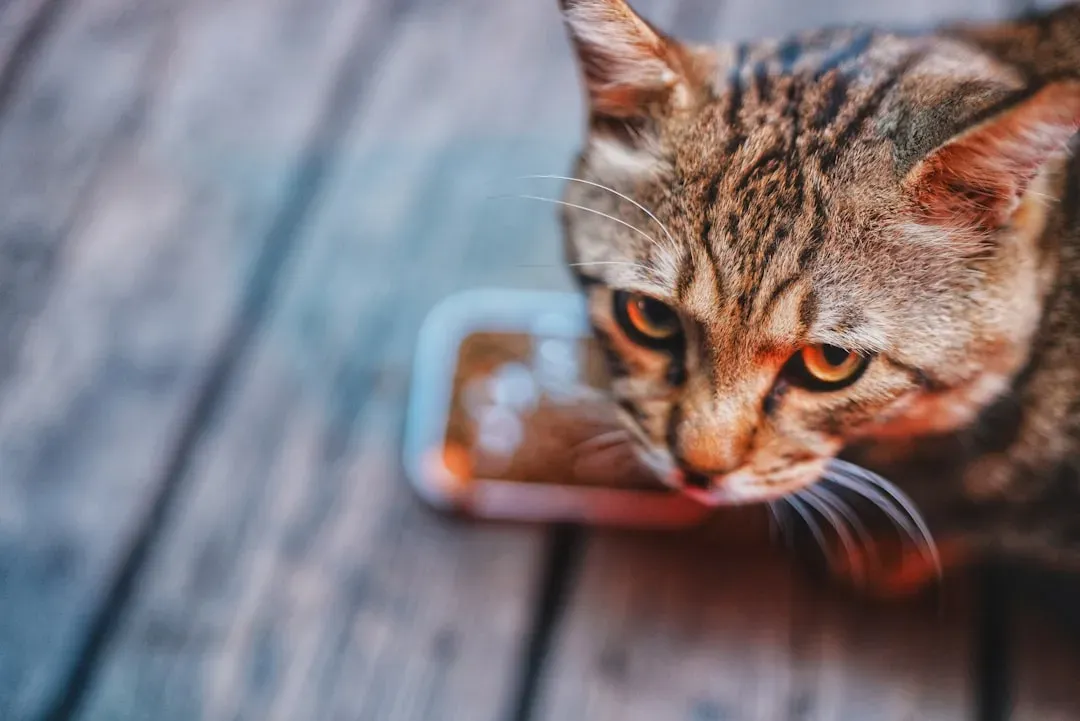
Anxious cats may lose interest in food or eat more than usual, depending on the reason for their stress. A sudden appetite change is always concerning in a cat, whether it is linked to a physical or mental health issue. Think of it like a person who either power-eats an entire bag of chips during a stressful week or forgets to eat lunch for three days. Cats operate on a similar emotional logic, which honestly makes them more relatable than we give them credit for.
Along with a lower activity level, your cat may not want to eat when stressed. This is because cortisol, a stress hormone, is released into the body, which suppresses her appetite and may even cause nausea. Keep mealtime consistent, since cats love routine. Make sure the food dish is in a quiet, calm area with minimal distractions. Rule out underlying health issues first, as food refusal often happens during changes in their environment if stress is the cause.
3. Excessive or Compulsive Grooming
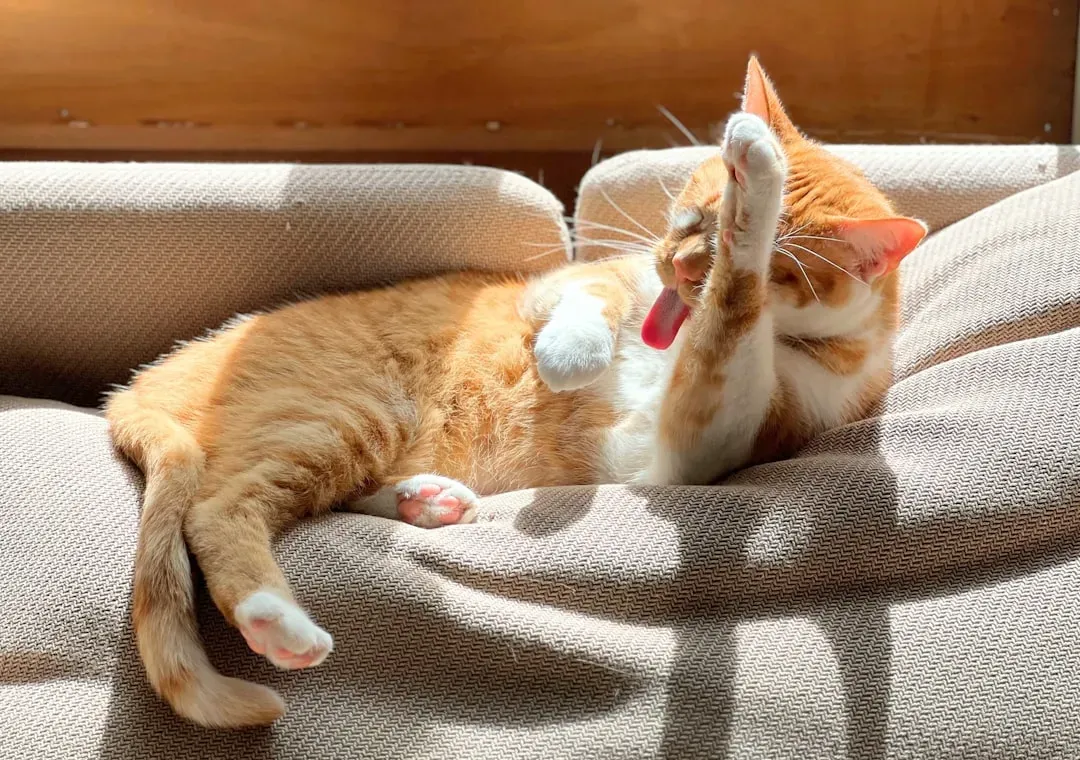
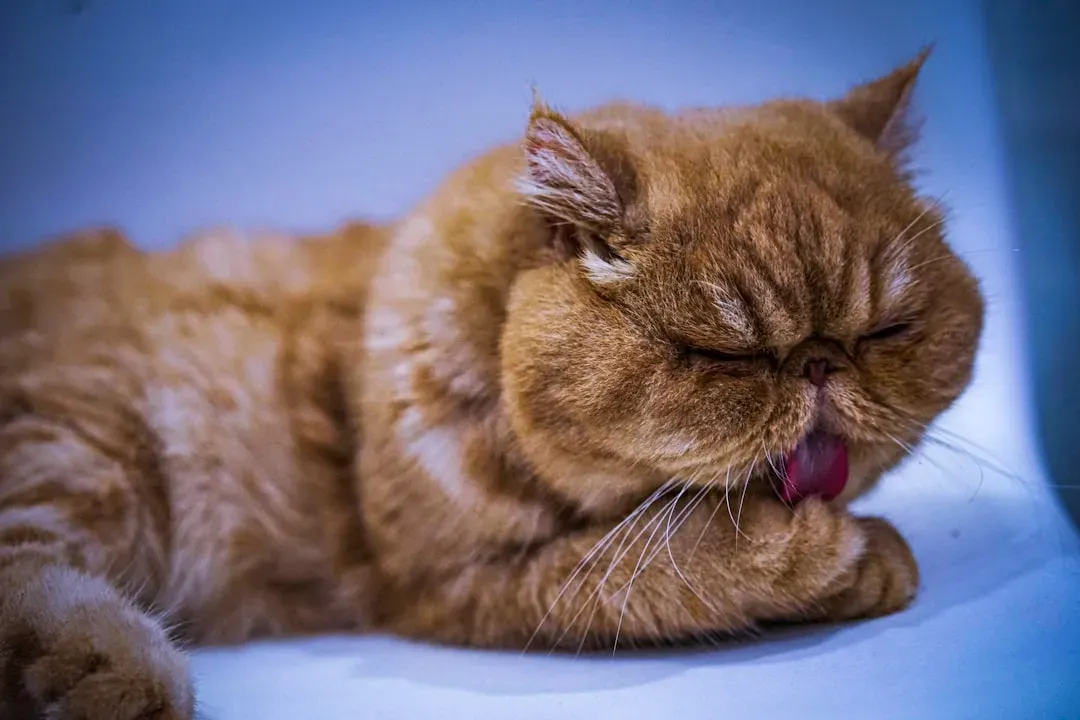
Grooming behaviors release endorphins into a cat’s body, which can increase feelings of contentment and happiness. Stressful situations may drive cats to perform these grooming behaviors to feel better. But overgrooming can lead to further skin irritation, and an increased desire to lick. It becomes a vicious cycle, almost like a cat version of obsessive nail-biting. You might start noticing thin patches of fur on the belly or legs, which is a clear visual sign something is off.
Stress can trigger excessive and compulsive grooming in cats, sometimes causing bald spots or skin irritation on the belly or legs. This sign of stress in cats could also be a food allergy, fleas, or another such issue, so be sure to rule those out first. Over-grooming can also be a sign of allergies or skin irritation. Once medical causes are eliminated, try identifying what changed in your cat’s environment recently. You’d be surprised – sometimes even switching to a different brand of laundry detergent is enough to unsettle a highly sensitive cat.
4. Litter Box Problems Out of Nowhere
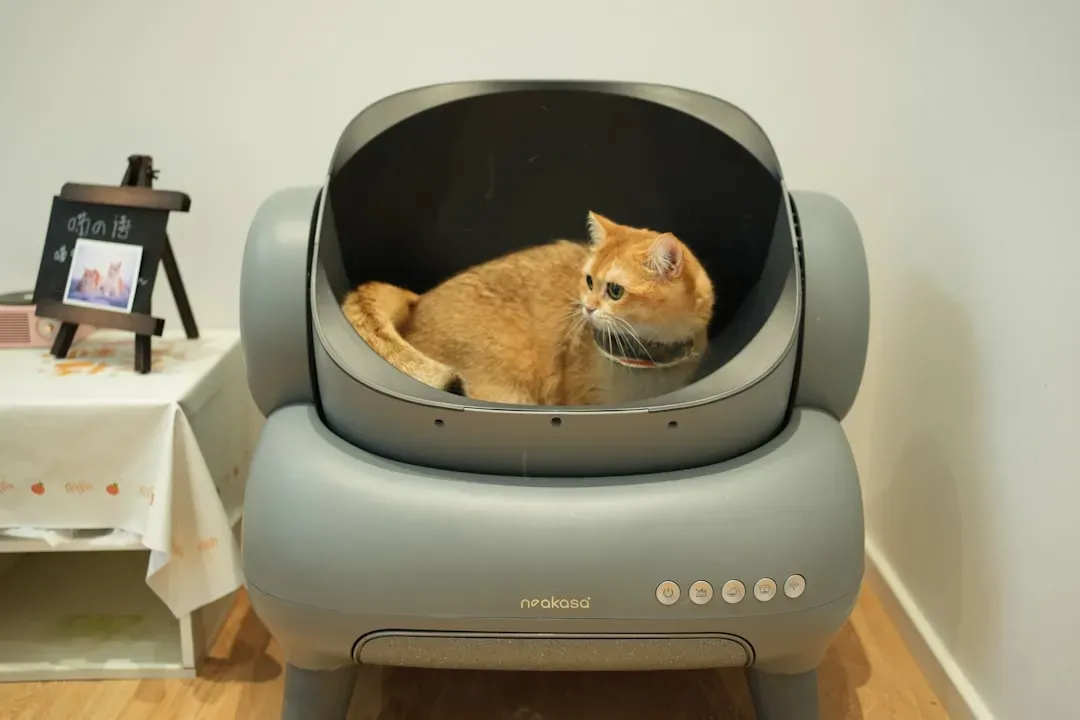
One of the most common signs of stress in cats is urinating outside the litter box. Cats usually do this because the smell of their own urine is comforting for them, and litter absorbs the smell. Cats may also spray onto vertical surfaces to mark their territory. This marking behavior can also be comforting to cats when they are stressed. So when your cat starts going outside the box, they’re not trying to annoy you – they’re genuinely trying to self-soothe.
Urinating outside of the litter box can also have medical causes, such as urinary tract infections, stones or crystals in the urinary tract, or underlying kidney issues. So if your cat begins peeing outside the litter box, talk to your veterinarian to address any potential health concerns before focusing on stress-reduction measures. Always keep your cat’s litter box clean, following the rule of one box per cat plus one extra box. Having the correct-size box can help erase your cat’s bathroom distress.
5. Increased Vocalization (or Sudden Silence)
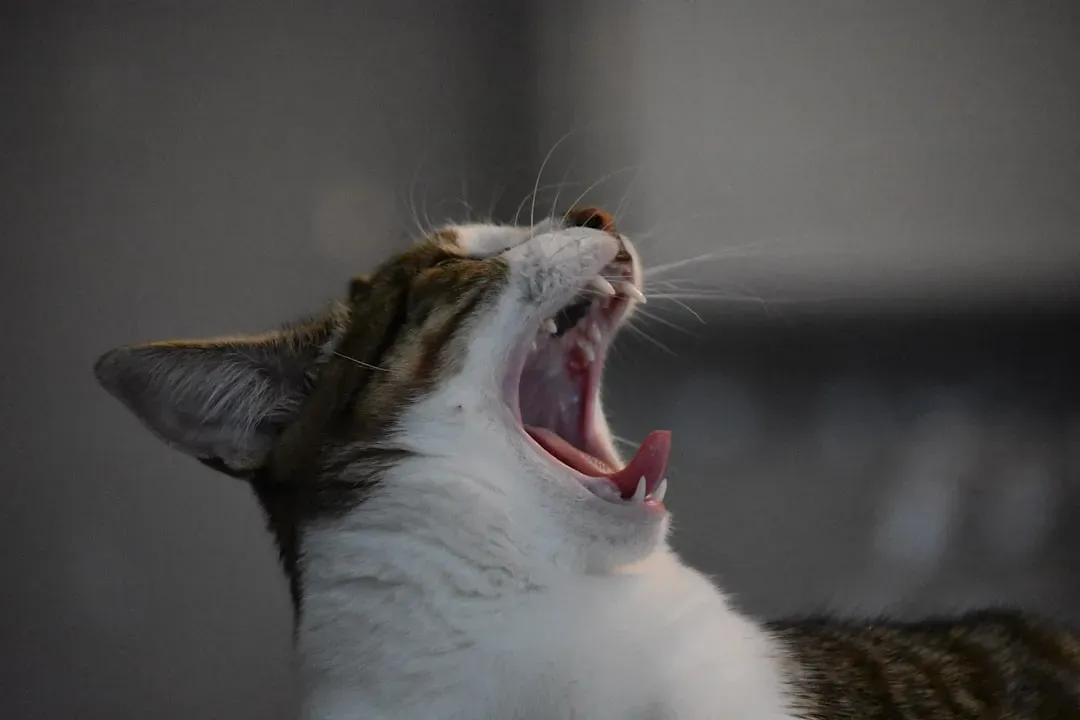
When cats are experiencing stress, they tend to be more vocal. The sounds a cat makes deliver precise messages about their condition. When your cat is stressed, she may make sounds that indicate distress. If your normally quiet cat has started yowling at 2am, or meowing persistently for no obvious reason, that emotional noise is worth paying attention to. It’s their version of calling out for help.
Stress may lead to more frequent meowing, yowling, or crying. On the other hand, silence in a normally chatty cat can also be a sign that something’s off. Both extremes matter. If your cat becomes more vocal than usual, it could be a sign of stress. Increased meowing, yowling, or crying, especially if it’s out of character for your cat, often indicates that something is bothering them. Pay attention to when and where this behavior occurs to identify potential stressors.
6. Unusual Aggression Toward People or Other Pets
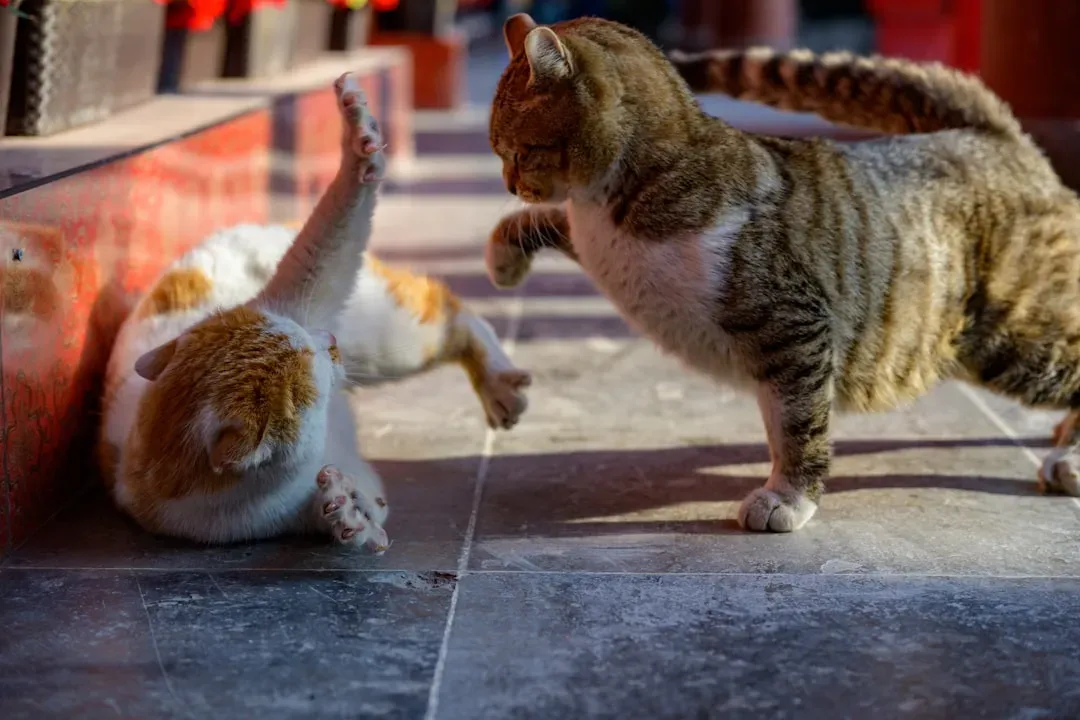
If your sweet, easygoing cat has seemingly transformed into a tiny, unpredictable tornado of hissing and swatting, don’t take it personally. Swatting, hissing, biting, and growling are normal behaviors cats use to distance themselves from something or someone they find threatening. When they happen out of the blue or are directed toward those they typically enjoy spending time with, it can indicate they are feeling overwhelmed. Stress essentially lowers a cat’s emotional threshold, and even a gentle touch can feel like too much.
Stress can make a normally chill cat behave aggressively, often because they feel cornered or overstimulated. Give them space – forcing cuddles when they’re not in the mood is a terrible idea. Use positive reinforcement to reward calm behavior with treats and affection. Never punish or scold your cat for unwanted behaviors – period. This only increases fear and makes things worse. Patience is genuinely your best tool here.
7. Sleeping Too Much or Restless at Night
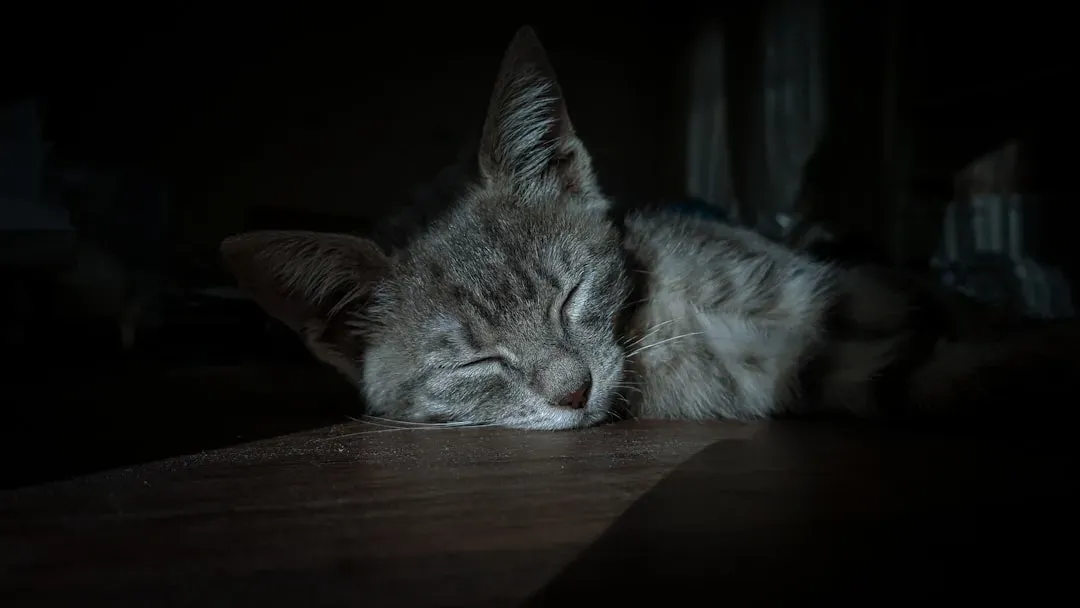
Although it’s natural for cats to sleep 16 to 20 hours a day, a further reduction in your cat’s activity level may indicate she’s feeling stressed. Increased sleeping and lower activity levels are a way for your cat to cope with stress by removing herself from an overwhelming situation. Because stress also places a high demand on your cat’s body, she may sleep more to help her body recover from this physical strain. Honestly, the napping can look so peaceful that it’s easy to miss completely.
Your cat might also be sleeping more than usual or seeming restless during naps. Stress can cause sleep disturbances. If your cat is suddenly up all night or seems excessively sleepy, it may be due to anxiety or fear. You might notice your cat becoming hyperactive or restless, followed by periods of lethargy or depression. These fluctuations occur because chronic stress depletes your cat’s emotional and physical reserves over time. Provide a quiet, comfortable resting area away from household disruptions, and try to keep the home calm and consistent during the evenings.
8. Destructive Scratching or Hypervigilance
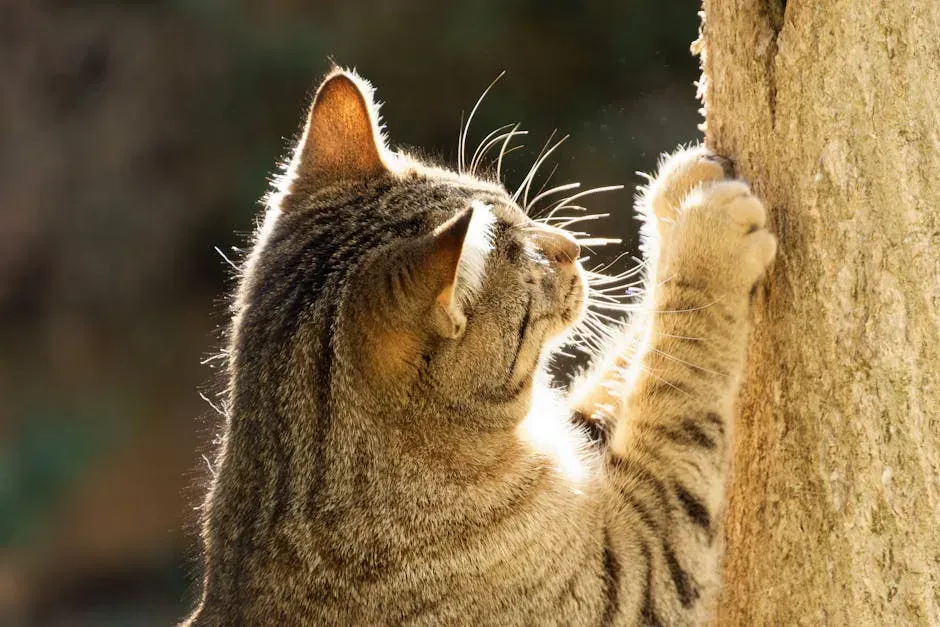
Scratching is a normal cat behavior used to mark territory, stretch, and strengthen muscles and care for nails. However, an increase in scratching or scratching in new or unusual places can mean that stress is a possible underlying cause. Think of it as your cat physically trying to reclaim their sense of ownership and safety in a space that suddenly feels less secure. It’s territorial reassurance, not random destruction.
Stress typically causes cats to be more aware of their surroundings, becoming hypervigilant and easily startled. Cats that are feeling anxious frequently have dilated pupils. They may also lick their noses, flatten their ears against their head, or hold their whiskers back. Provide appropriate outlets for their energy, like scratching posts or cat trees. Increase playtime and make sure they have plenty of toys to engage with. If the destructive behavior is happening while you’re away, try using a calming diffuser or treat-filled puzzle toys.
9. Withdrawal From Routines They Used to Start
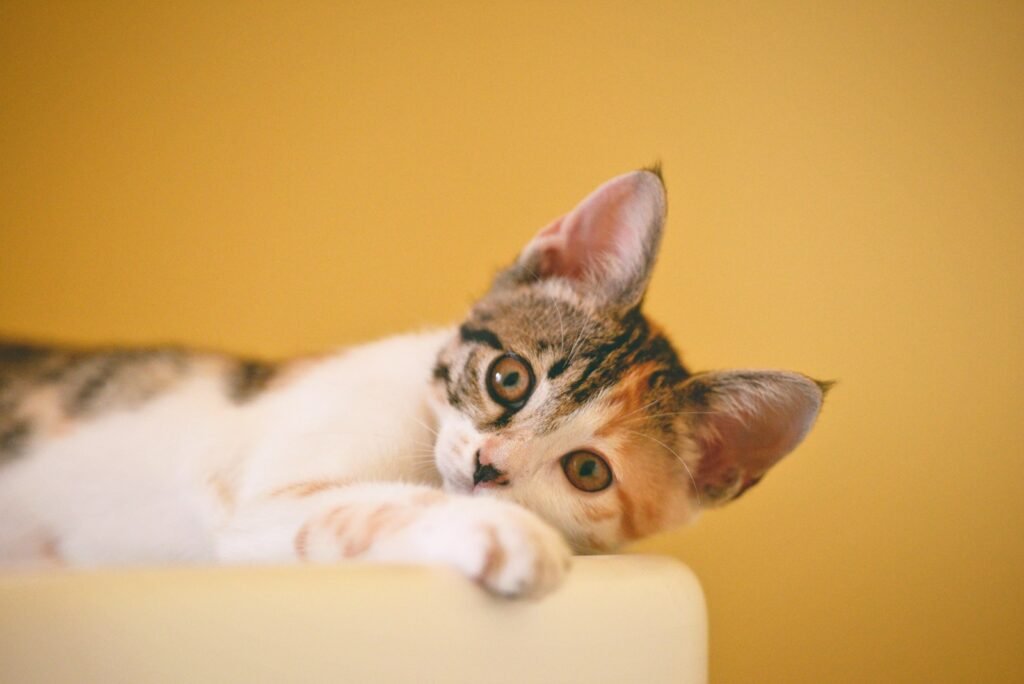
Common signs of stress in cats include hiding, litter box changes, over-grooming, appetite shifts, and increased vocalization. The signals most owners miss are subtler: displacement grooming in short anxious bursts, a cat who has quietly stopped playing, changes in resting posture, and withdrawal from routines they used to initiate. Maybe your cat used to greet you at the door without fail, or they always demanded morning playtime. When those self-started rituals quietly disappear, it’s worth noticing.
In some cases, stress inhibits normal behavior, and cats will hide for long periods of time, play less, reduce their exploratory behavior, and show fewer affiliative behaviors. Cats find consistent routines and predictable environments very comforting. Play, meals, and sleep should occur at approximately the same time every day. By providing consistent routines, offering sufficient playtime, and creating safe spaces, cat owners can foster a comfortable and nurturing environment. Small, steady gestures of reassurance go further than any single grand intervention.
What to Do Next: A Final Word on Helping Your Cat Thrive
Recognizing stress in your cat is only half the battle. The other half is actually doing something about it, calmly and without panic. Mild cat stress may resolve with simple changes at home, but some cats need more intensive help to feel better. If your cat’s abnormal behavior is damaging your bond or harming their health, it’s time to consult your veterinarian. After ruling out medical issues, your veterinarian may be able to provide recommendations for behavioral modification techniques, pheromone products, or anti-anxiety medications that can help.
Some of the main strategies to prevent or reduce stress-related behavioral problems in cats are environmental enrichment, appropriate management techniques to introduce unfamiliar cats to each other, and the use of the synthetic analogue of the feline facial pheromone. If there’s a transition in your cat’s life, try to provide familiar objects like beds, toys, or even an old scratching post in your cat’s space. These can be a great source of comfort if there’s a new animal or person in the house, or if they’ve lost a loving human or animal friend.
Your cat cannot tell you in words that they’re struggling. They can only show you through behavior, and they’re counting on you to pay attention. Experts have found that prolonged stress can compromise a cat’s immune system, leading to more frequent health issues. Recognizing early signs of anxiety allows caretakers to intervene promptly, potentially preventing more serious behavioral or medical complications. The earlier you catch it, the easier it is to turn things around. You know your cat better than anyone. Trust that instinct – and never stop paying attention to the small things.
What about you? Have you ever noticed one of these signs in your cat and been completely shocked by what it meant? Share your experience in the comments – you might just help another cat owner see what they’ve been missing.