You probably think your cat’s main way of talking to you is that familiar meow. Honestly, that’s what most people assume. The truth is far more interesting, and once you know it, you’ll never look at your cat the same way again.
Cats have built an entire silent language – rich, layered, and surprisingly intentional. Research shows that cats developed their vocal meowing primarily to communicate with humans, but among themselves, they rely almost exclusively on non-verbal cues. So much is happening beneath the surface every single day, and most cat owners miss it completely. Let’s dive in.
1. The Slow Blink: Your Cat’s Version of “I Love You”
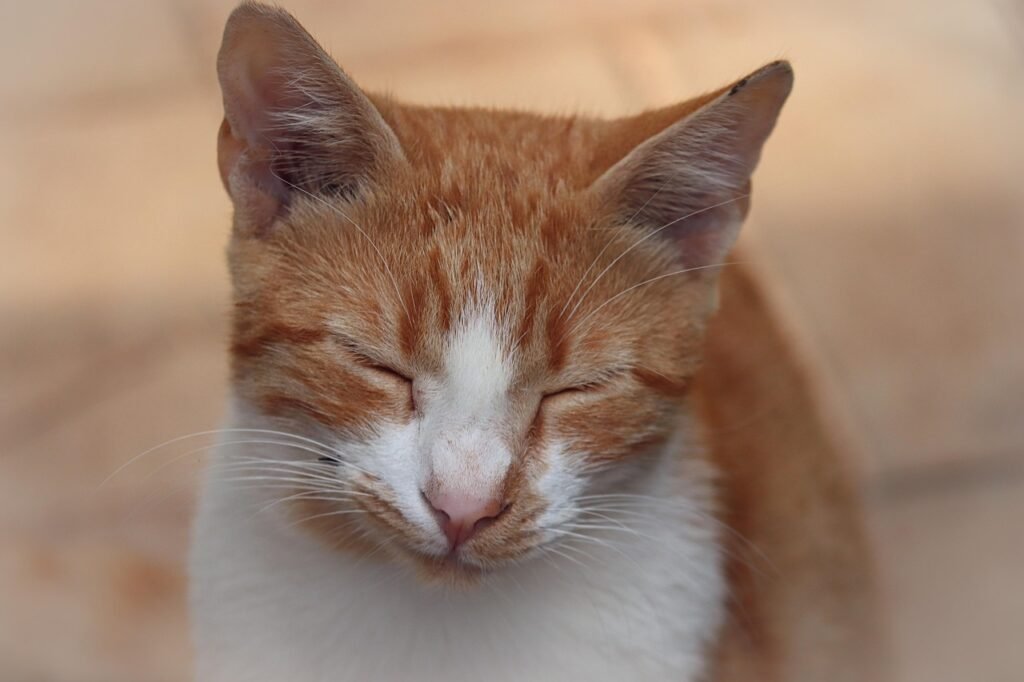
Here’s the thing – when your cat locks eyes with you and then slowly closes and opens their eyelids, that is not a coincidence or a sign of boredom. When a cat slow blinks at you, they are often expressing a sense of trust, contentment, and affection. In the feline world, closing their eyes in the presence of another creature makes them vulnerable, as they are unable to detect potential threats. Think about that for a second. Your cat is choosing to go temporarily “blind” around you. That is enormous trust.
Research has shown that slow blinking is not just an anecdotal behavior observed by cat owners but a scientifically supported form of communication. A study conducted by the University of Sussex found that cats are more likely to slow blink at their owners when their owners slow blink at them. Furthermore, cats were more likely to approach an experimenter who had slowly blinked at them compared to an experimenter who maintained a neutral expression. So next time your cat gives you that dreamy half-blink, try blinking slowly right back. You might just start your very first real conversation.
2. Tail Position: The Mood Ring You Never Knew You Had
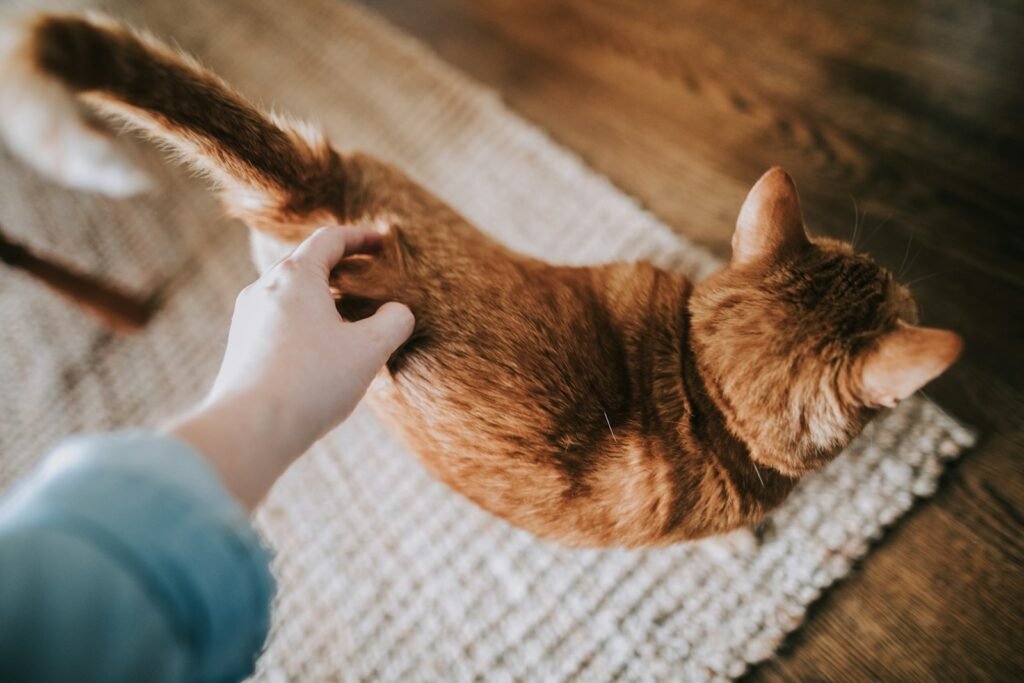
Your cat’s tail is one of the most expressive tools in their silent vocabulary, and it’s working overtime whether you notice it or not. The tail position is a well-known way that cats communicate visually. Generally, the “tail up” position, where the tail is held vertically in the air at a right angle to the ground, signals friendly intent when a cat approaches another cat, animal, or person. So when your cat struts towards you with their tail pointing straight up, they’re essentially waving hello with the enthusiasm of a golden retriever – just with more dignity.
An upright tail means your cat is feeling social and confident, approaching you in a friendly way. If the tail curls at the end like a question mark, that’s even better: your cat is happy and inviting you to interact. A twitching tail tip signals mild irritation or frustration. A tail tucked between the legs means your cat is genuinely scared or possibly in pain. Once you start reading these signals, you’ll realize your cat has been giving you clear emotional updates all along. You just weren’t fluent yet.
3. Head Bunting: Being Claimed as Family
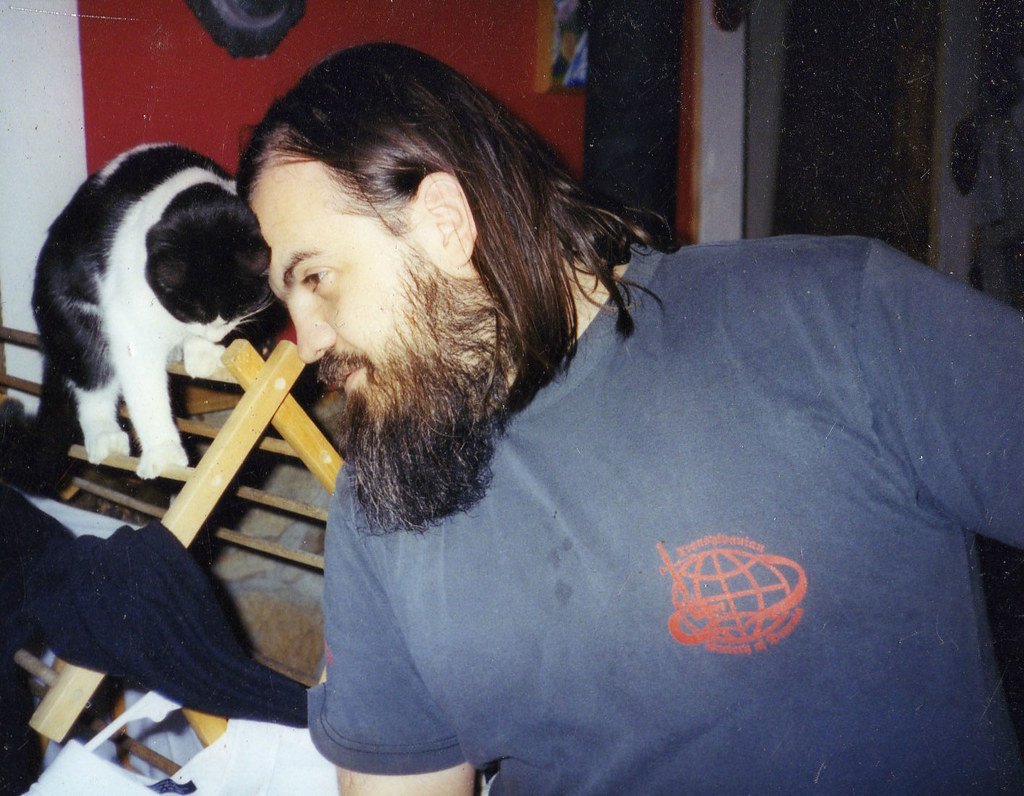
If your cat has ever walked up and bumped their forehead or cheeks directly into your face, your leg, or even your hand – congratulations. You’ve been officially claimed. Cat headbutting, also called bunting, is usually a friendly behavior where cats mark you with their scent to show bonding, comfort, and familiarity. It’s their version of putting a name tag on you, except instead of paper and a sticker, they use pheromones invisible to the human nose.
One of the reasons cats head bunt is to share their scent and mark you as one of their feline family. It’s less a dominance activity that marks territory and is more a sign of acceptance. I think that’s one of the most touching things about cats – they don’t give this gesture to just anyone. Cat bunting is a sign of affection because it’s one way your cat marks their scent. Cats typically headbutt the people and animals they love and trust. So lean into it, quite literally.
4. Kneading: The “Biscuit Making” Love Letter
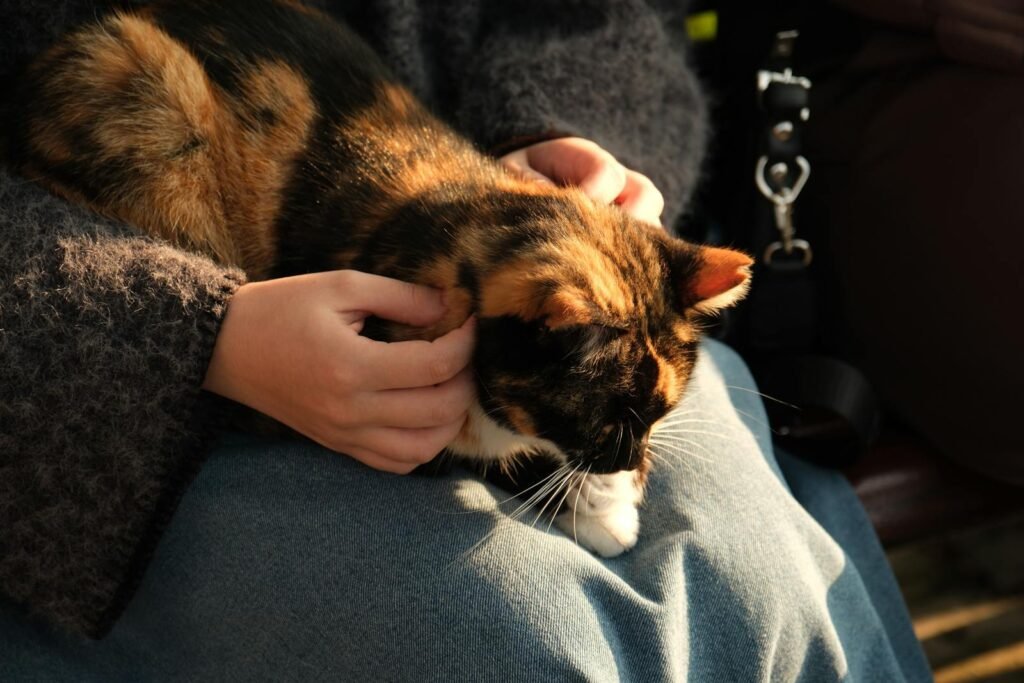
Few things are simultaneously as adorable and as painful as a cat kneading your lap with their little paws, claws half out. Cat behavior scientists have a clinical name for it, but most cat parents just call it “making biscuits.” Kittens knead their mother’s mammary glands to stimulate the milk flow, and they may grow to associate kneading with the deep comfort of nursing. The action of kneading provides adult cats with the same feeling of contentment. Grown cats tend to knead when they are around a special person that makes them feel safe and loved.
Let’s be real – it stings a little when those tiny claws dig in. Still, understanding what’s behind the behavior changes everything. Cats bond deeply with their humans, and kneading is one of the most common ways for cats to show their human companions how much they’re loved. When a cat jumps on your lap and decides to knead, it’s not just because the activity reminds them of the warm love they received from their mother, but it’s also because they feel love and contentment when close to you. Worth the occasional claw poke? Absolutely.
5. Whisker Position: The Tiny Emotional Compass on Their Face
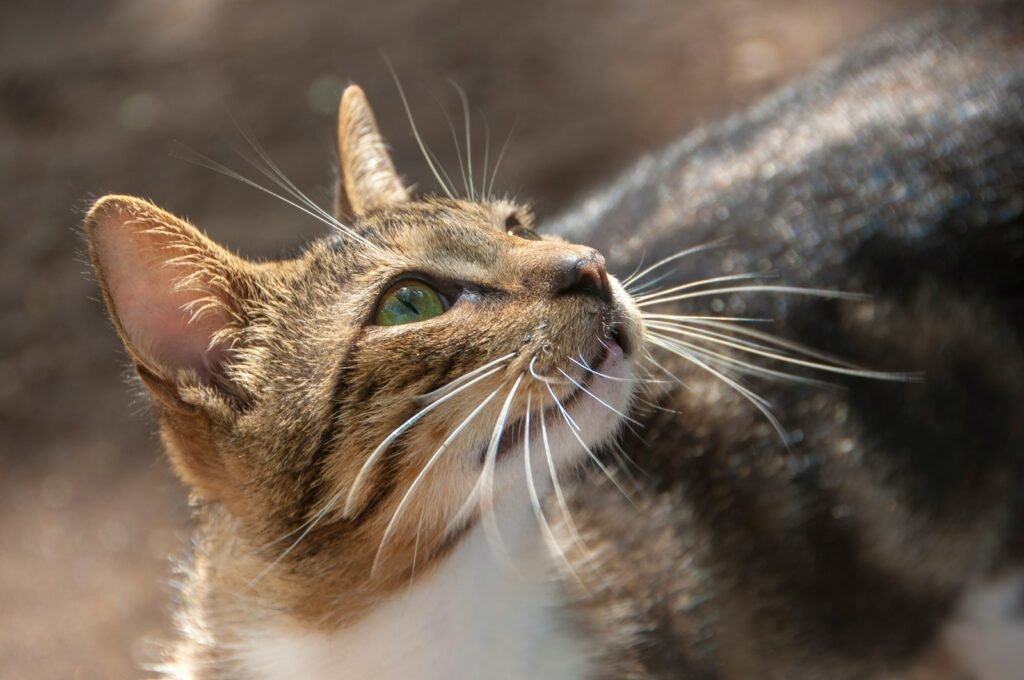
Most people look at their cat’s face and completely ignore the whiskers. That’s a huge missed opportunity. Whiskers do much more than help cats navigate tight spaces – they’re also important communication tools. When your cat’s whiskers are relaxed and sticking out sideways, it means they’re calm and content. If whiskers are pushed forward, it often shows excitement, focus, or curiosity. Pulled-back whiskers can signal fear or stress, especially if accompanied by other defensive body language.
Think of your cat’s whiskers like the needle on a compass – always pointing somewhere meaningful. Forward-facing whiskers indicate curiosity or hunting mode. Relaxed whiskers fanning naturally to the sides suggest calm contentment. Whiskers pinned back against the face signal fear, aggression, or irritation. Together with the ears and tail, whiskers give you a full picture of your cat’s emotional state at any moment. Once you start tuning in to all three signals at once, you’ll be reading your cat like a book in no time.
6. Scent Marking: The Invisible Language Written Everywhere
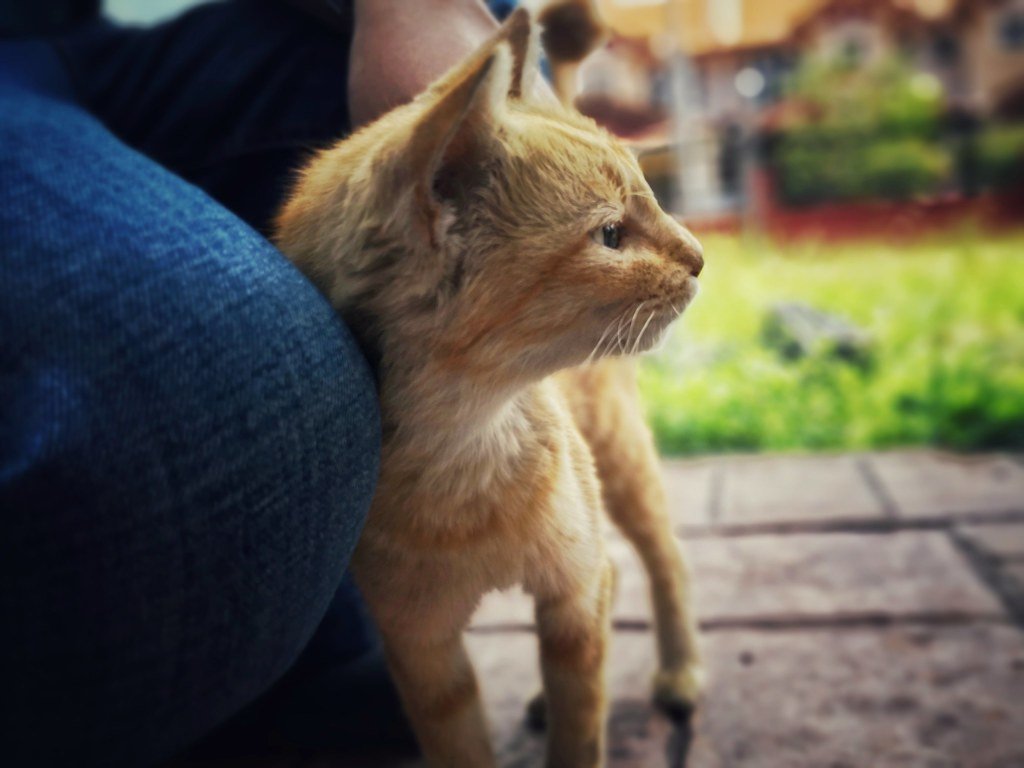
When your cat rubs themselves against your legs as you walk through the door, it feels sweet and welcoming. It is sweet – but it’s also deeply functional. When cats are rubbing themselves around your legs, they are scent marking you as they smooch their face and body against you. Cats have scent glands around their face and anoint you with these to show you are part of their family. You are, in the most literal chemical sense, being marked as theirs.
Scent marking is a fundamental aspect of feline communication, allowing cats to establish territory and convey information to other animals. Cats have scent glands located on various parts of their bodies, including the face, paws, and tail. When a cat rubs its face against an object or person, it is depositing pheromones that signal ownership and familiarity. This behavior is often a sign of affection and comfort. It’s hard to say for sure how complex their scent “vocabulary” really is, but one thing is clear: if your cat is rubbing up on you, you have officially passed the vibe check.
7. Body Posture and Ear Position: The Full-Body Broadcast
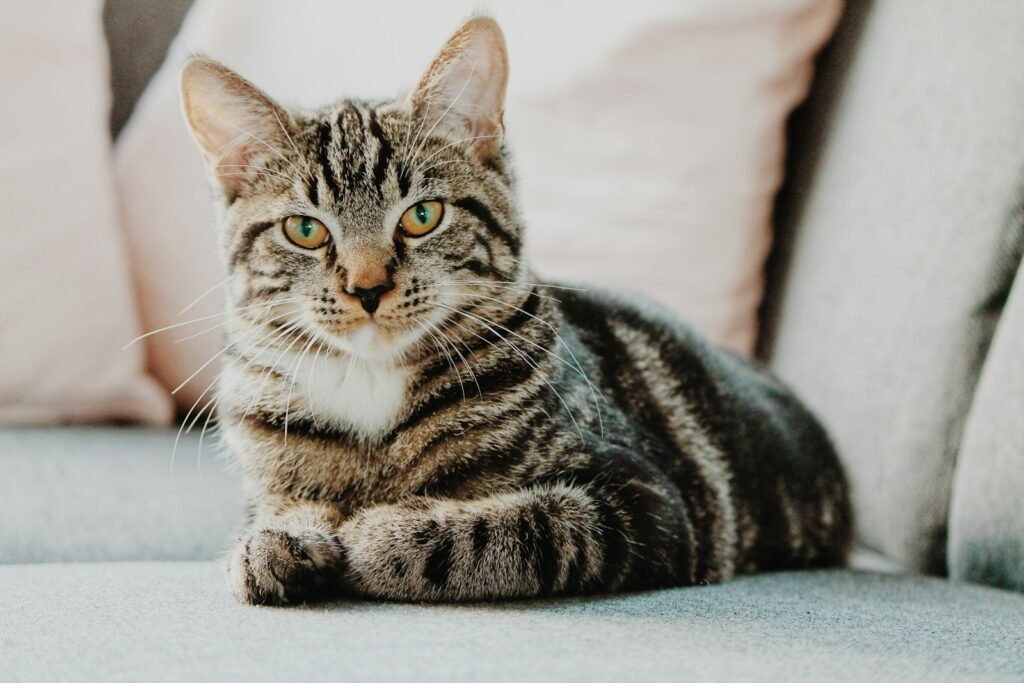
Your cat’s entire body is in constant communication – from the arch of their back to where they’re pointing their ears. A cat’s body language is a dynamic form of communication that involves the entire body. From the arch of the back to the positioning of the ears, each movement conveys a specific message. A cat that arches its back and fluffs its fur is likely feeling threatened and is trying to appear larger to deter potential threats. On the other hand, a cat that rolls onto its back is often signaling trust and playfulness.
Ears that are erect and rotated out along with narrow pupils are usually a signal of frustration, whereas dilated pupils with ears held flat against the head are often a sign of fear. Relaxed cats tend to have their ears facing forward in the normal position. Think of your cat’s posture as a whole-body announcement. Rolling on their back is a sign of love and trust. The abdomen is one of a cat’s most vulnerable areas, so when your cat shows you their belly, they are telling you that they know they can trust you. Though, fair warning: that belly is not always an invitation to touch. Your fingers will learn that lesson fast.
Conclusion
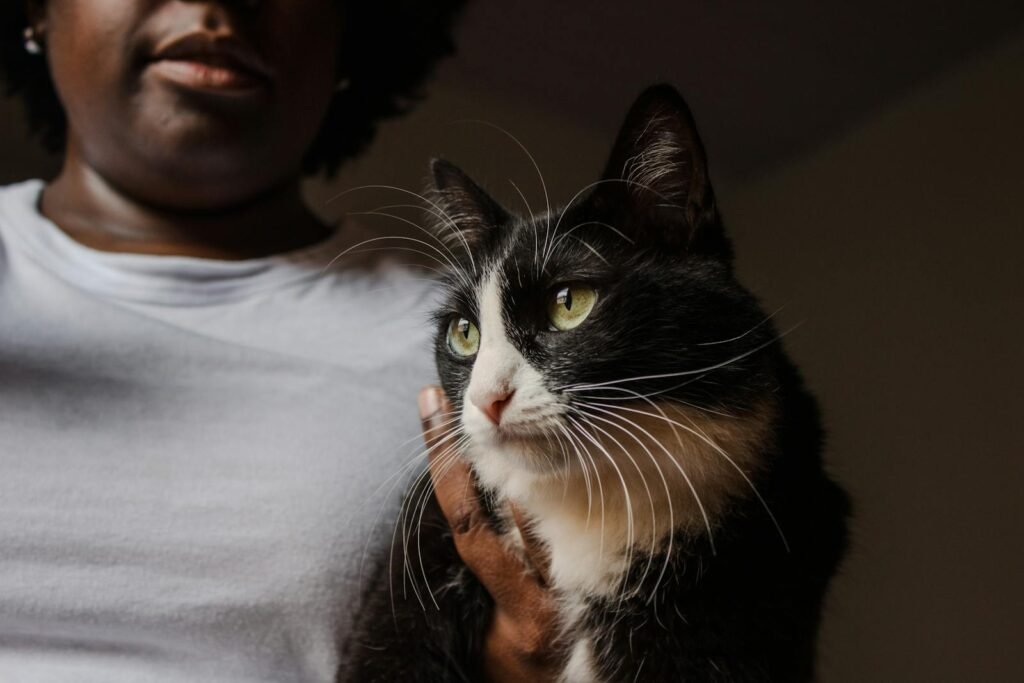
Cats are not the aloof, indifferent creatures they’ve been made out to be for centuries. They are communicating with you constantly, in a language built from body positions, blinks, scent signals, and silent gestures. While cats tend to have an independent nature, just know that they are communicating with you – you just may have to pay closer attention to their nonverbal cues to truly understand what they’re trying to tell you.
Once you start paying attention to these seven signals, your entire relationship with your cat shifts. Suddenly, the slow blink across the room means something. The tail held high when you walk through the door means something. The kneading on your lap, the head pressed against your cheek – all of it means something. Your cat has been talking to you this whole time. The only question is: how much have you been listening?
What do you think – did any of these surprise you? Drop your thoughts in the comments. We’d love to hear which silent signal you’re going to start watching for first.