You already know your cat acts like they own the place. Honestly, they kind of do. Yet there’s a real difference between a home a cat merely tolerates and one that genuinely makes them thrive. Most cat owners think a food bowl, a cozy spot on the couch, and a bit of daily petting is enough. Spoiler: it’s not always.
Cats are complex, deeply instinct-driven creatures who need their environment to work for them, not just around them. The good news is that creating that perfect feline paradise doesn’t require a full home renovation or a bottomless budget. Sometimes the smallest changes make the most extraordinary difference. Ready to discover what they are? Let’s dive in.
1. Go Vertical: Give Your Cat a Kingdom in the Sky
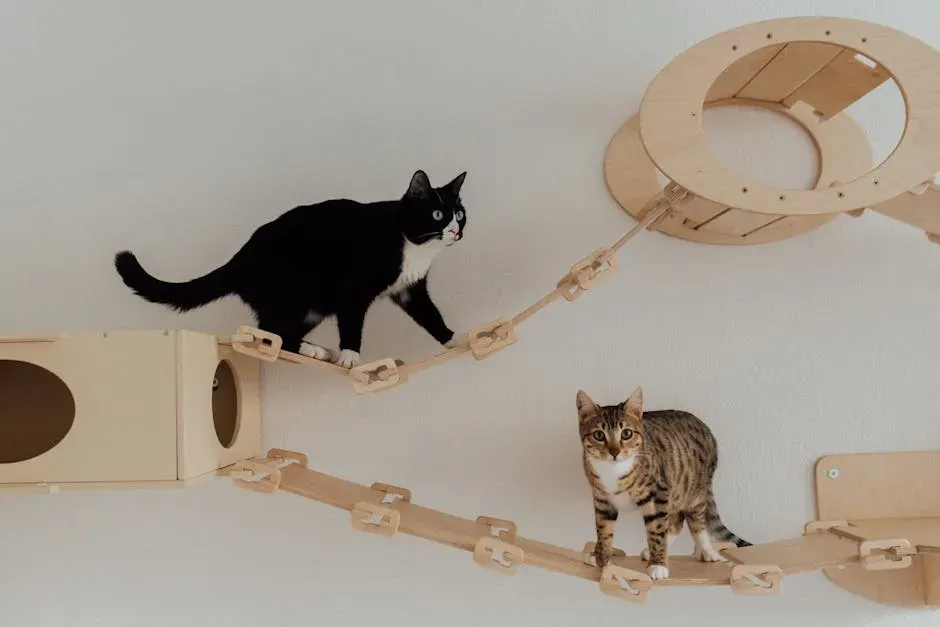
As predators, cats are instinctively drawn to elevated spaces that give them a strategic vantage point from which to survey your home – their kingdom, essentially. This isn’t just quirky cat behavior. It’s a deep-rooted survival instinct. When your cat climbs to the top of the bookshelf and stares down at you, they’re not being dramatic. They’re being a cat.
Climbing is more than just a fun diversion for your cat – it’s a way to feel safe and in control. A high perch lets them observe their territory and escape household commotion when needed. Start with a sturdy cat tree that offers different levels, scratching posts, and lounging areas. You can also install wall-mounted shelves at varying heights, essentially creating a “cat highway” through your home. Think of it like building a private penthouse suite – entirely for your feline overlord.
2. Create Your Very Own Cat Highway Through the Home
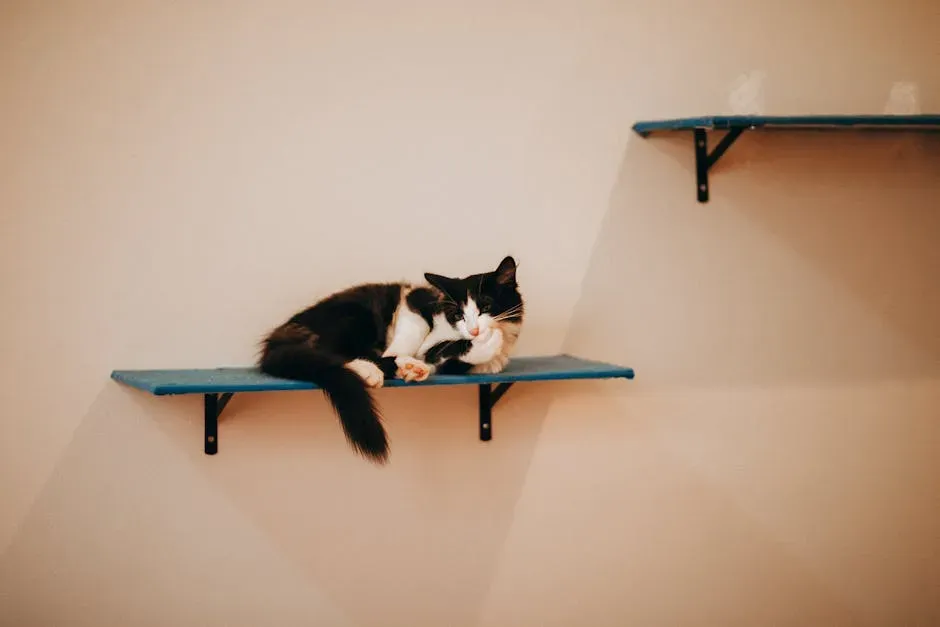
A key aspect of designing a cat-friendly home is creating pathways – or cat highways – that allow free movement throughout the space. It’s important to design the home so the cat can transition from one zone to another without obstacles or stress. For instance, installing special shelves at varying heights lets cats move around safely without needing to return to the floor. It sounds fancy, but really it’s just a series of connected perches and ledges that let your cat roam freely above ground level.
Interior doors can be fitted with cat flaps to enable easy access between rooms. These solutions provide convenience and reduce the stress of moving through the home, positively affecting the cat’s well-being and health. Once you have a well-connected vertical system in place, you’ll notice your cat becoming bolder, more active, and frankly a lot less likely to knock your favorite lamp off the counter out of sheer boredom.
3. Invest in Scratching Surfaces That Actually Work
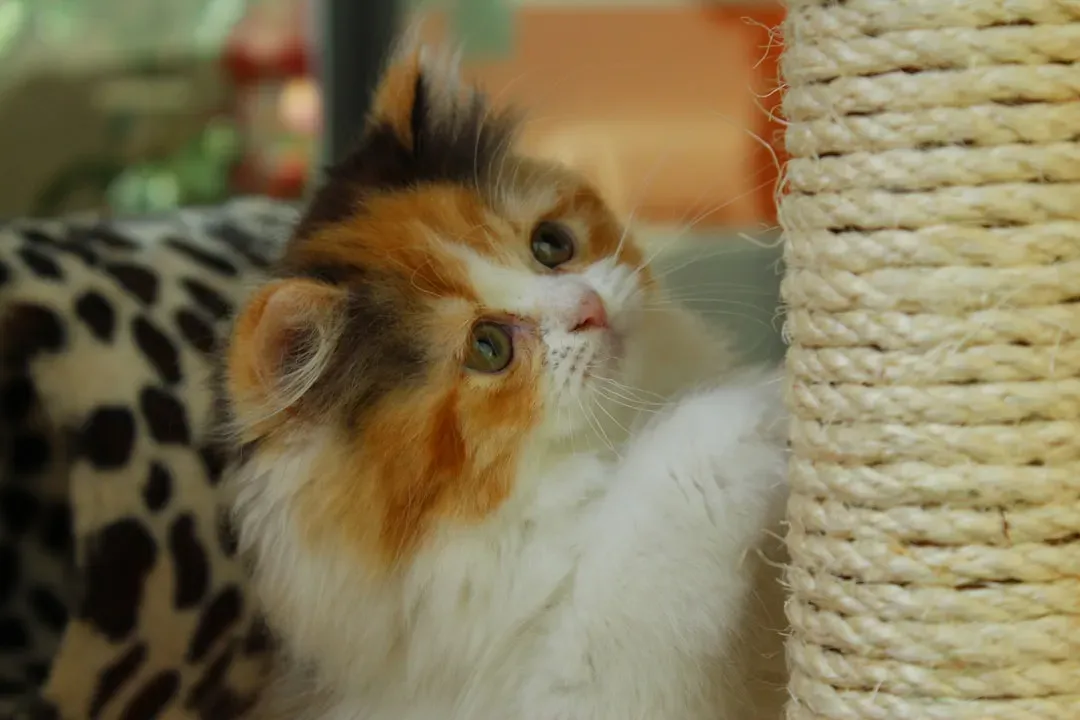
Scratching comes naturally to your cat. Make sure to provide acceptable scratching materials, such as a carpeted post or cardboard plank. To train your cat to use these items, reward with treats and praise each time they scratch appropriately. You can also place catnip, treats, and toys on or near the post to encourage this behavior. Here’s the thing – a scratching post isn’t a luxury item. It’s a necessity for your furniture’s survival.
Buy or build vertical and horizontal scratchers for your feline, unless you know your cat prefers one over the other. Make sure the vertical ones stand at least 3 feet tall and the horizontal ones are at least 1 foot wide for easy scratching. Scratching posts should be sturdy and made of materials cats prefer, like wood, sisal rope, rough fabric, or cardboard. Offering variety here is just as important as offering variety in toys – cats can be surprisingly picky about texture.
4. Set Up a Window Perch for Endless “Cat TV”
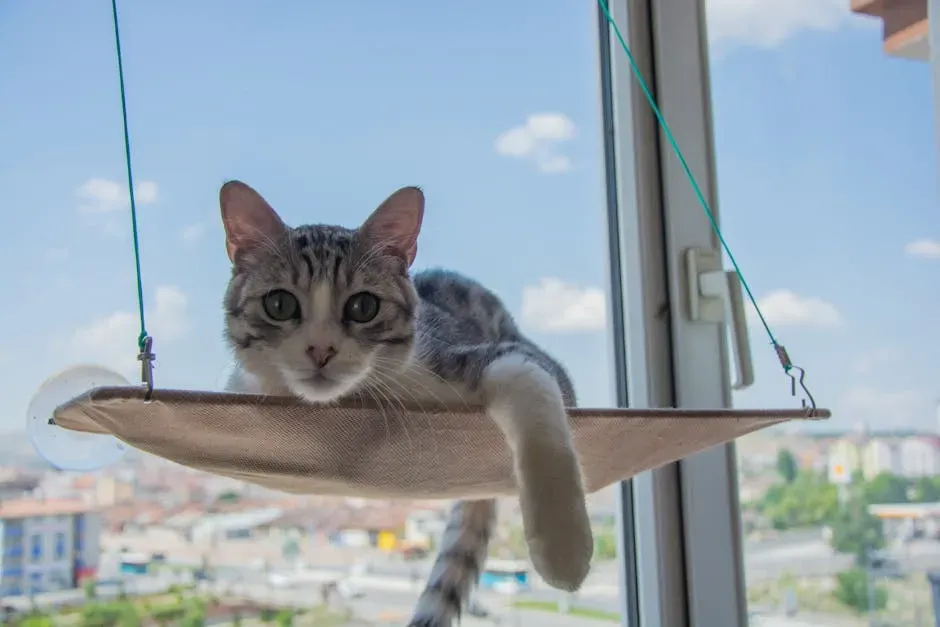
Access to windows, preferably with perches, provides mental stimulation as your cat looks out the window. Regularly move beds and perches. This mimics a changing outdoor environment and encourages cats to explore. I think of a window perch as the feline equivalent of a Netflix subscription – except it’s free, it never buffers, and your cat never gets bored of the content.
Something as easy as clearing off the back of a couch near a window can expand your cat’s horizons. A birdbath or bird feeder placed within sight of the window can increase your cat’s enjoyment. For some easy enrichment, create a comfortable place by the window for endless entertainment. Additionally, you can do an online search for “bird TV for cats” for cat-friendly videos to display on a screen for them. Nature documentaries on a tablet propped near their perch? Honestly, your cat might watch more television than you do.
5. Use Puzzle Feeders to Tap Into the Inner Hunter
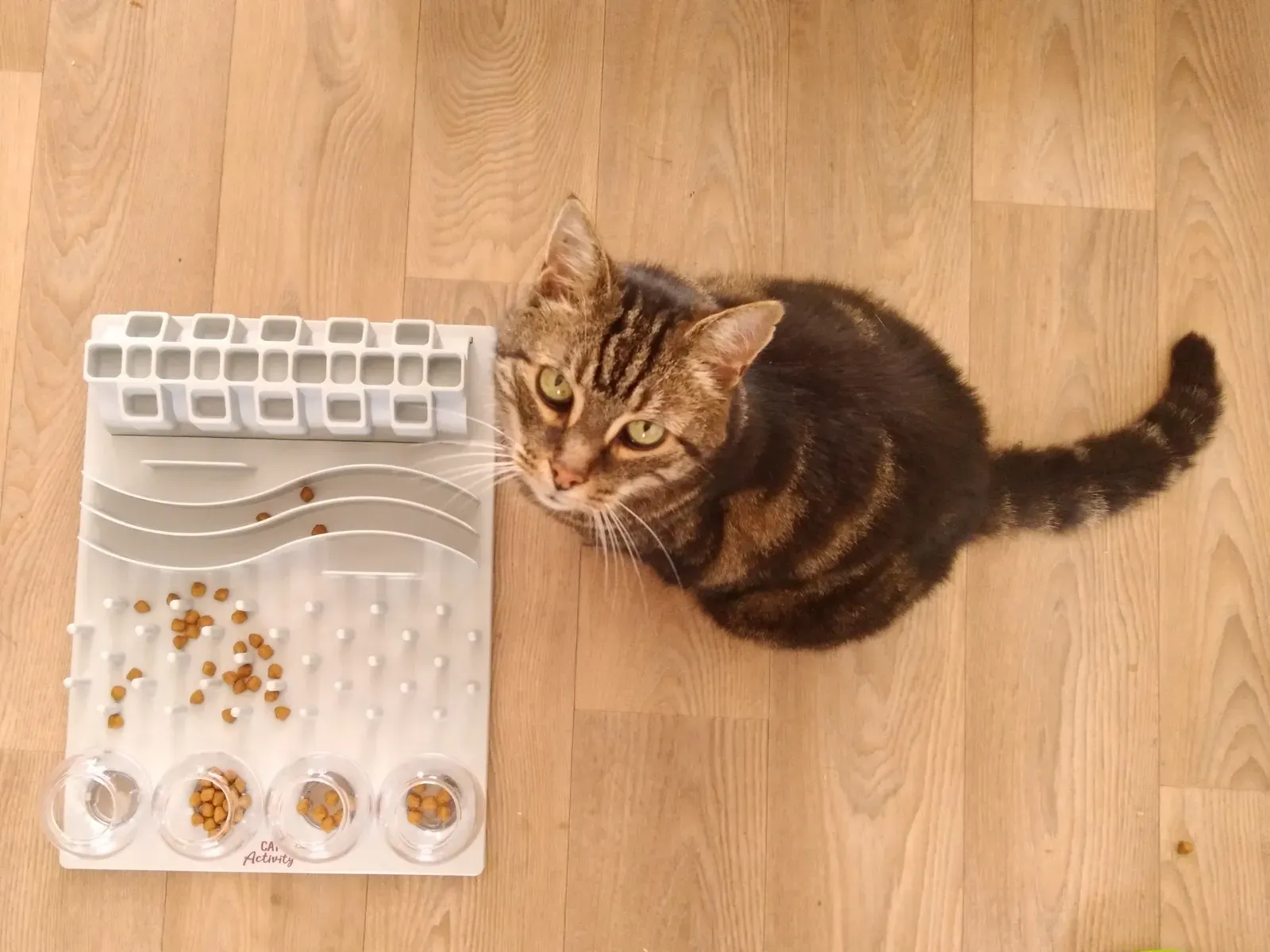
Just like dogs, cats can benefit from turning their typical mealtime routine into an enrichment activity. Puzzle feeders and interactive toys encourage mental stimulation by making your cat work for their food. Puzzle feeders dispense small amounts of kibble when your cat interacts with them, stimulating their hunting instincts and providing a rewarding challenge. Let’s be real – your cat descends from fierce, nimble hunters. Serving food in a plain bowl every day is like handing an athlete a trophy without letting them play the game.
You can engage your cat’s natural hunting abilities by playing hide-and-seek games. Hide small treats or toys around the house, encouraging your cat to search and discover them. You can even scatter their meals into smaller amounts around the house. This activity taps into their instinctual curiosity and provides a rewarding and interactive experience. You’d be amazed how much calmer and more content a well-mentally-exercised cat becomes. A tired brain is a happy brain, for cats just as much as for people.
6. Upgrade Their Water Setup with a Cat Fountain
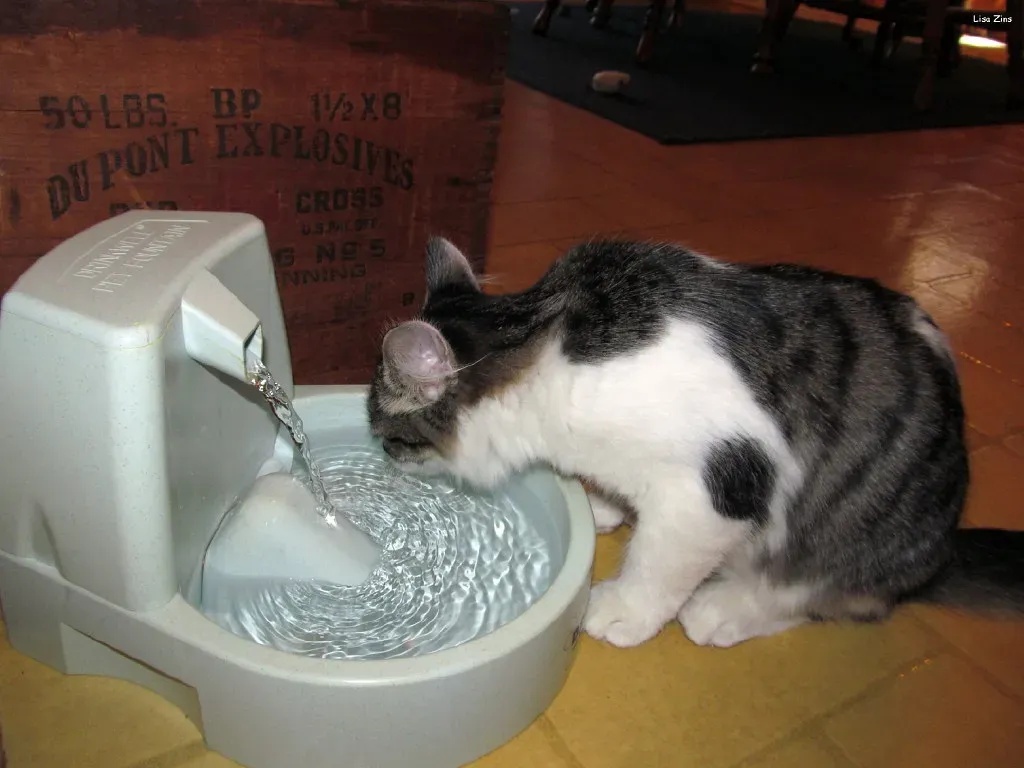
Cats are notorious for not drinking enough water. Their ancestors were desert dwellers, so they’ve evolved to get much of their hydration from food. However, modern cats – especially those fed primarily dry kibble – often fall short in water intake. This can lead to trouble, including urinary tract infections, kidney issues, and other health concerns. It’s one of those things that sneaks up on you. Your cat seems fine, right up until a vet visit reveals something preventable.
Some cats are drawn to the sound and motion of moving water. That’s why you might find your cat batting at a faucet or trying to drink from the tub. A fountain for cats mimics this behavior and can trigger their instinct to drink more frequently, which is essential for their health. One of the most significant health benefits of using a cat water fountain is preventing kidney and urinary issues, which are particularly common in older cats. Encouraging your cat to drink more water can mitigate these health risks. Think of it as a small investment with a very large return.
7. Get the Litter Box Setup Right – Placement Matters More Than You Think
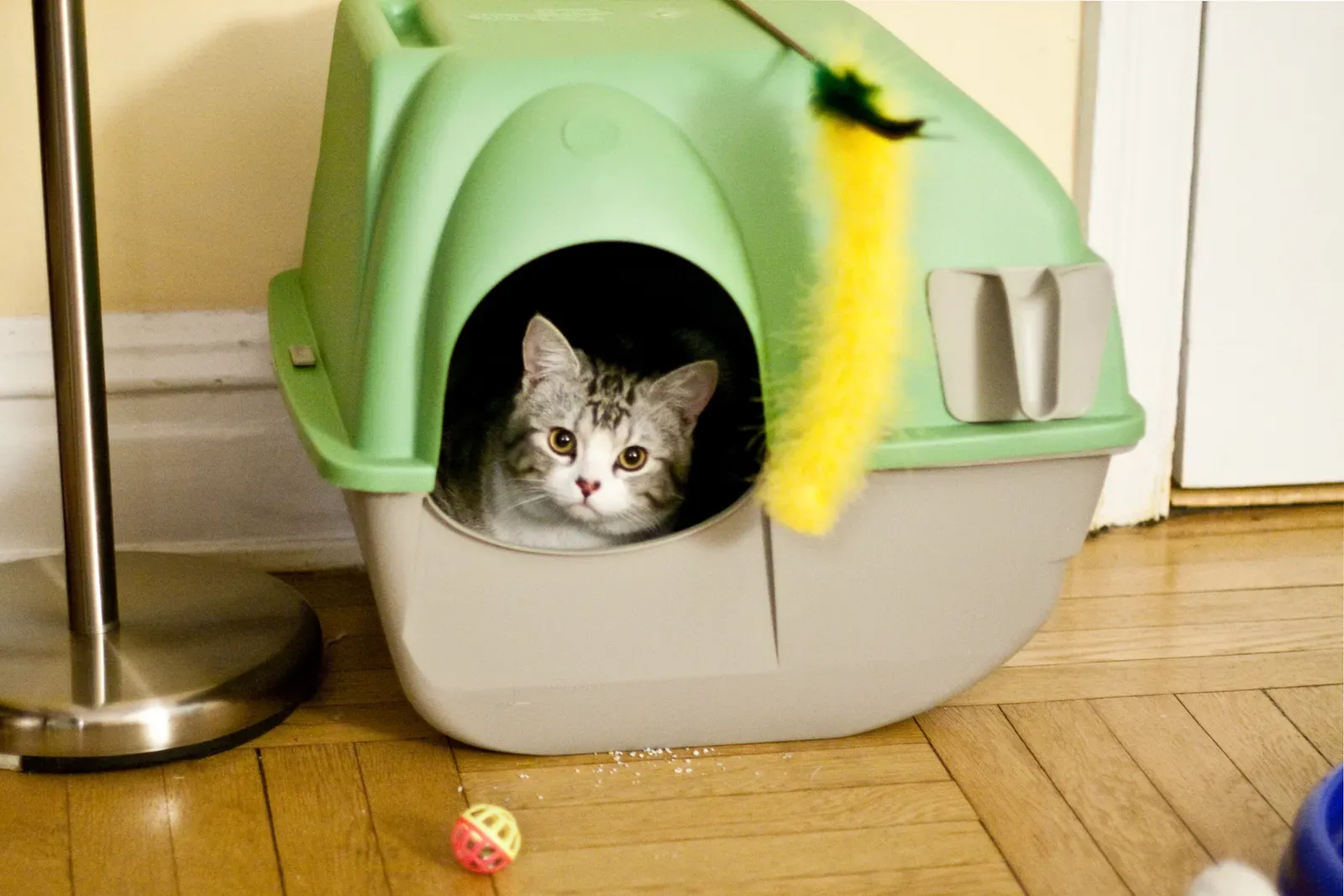
Place the litter box in a semi-private area, away from lots of traffic. Avoid placing the box next to your cat’s food or water, or near loud noises such as washing machines, that may be startling or scary. Avoid corners and tight areas like closets where your cat might feel trapped. You’d never expect someone to feel comfortable and relaxed in a loud, crowded bathroom with no privacy. Cats are absolutely no different.
The rule of thumb is to shoot for one more box than the number of cats. If you have 3 cats, you want 4 litter boxes. Try for at least one box on each floor. If your cat spends time on multiple floors, they should have access to a litter box on each floor. It might sound excessive, but the chances of house soiling due to litter box issues drop dramatically when the setup is right. House soiling is one of the biggest reasons cats end up in shelters or are forced to live outside – so getting this right is worth every extra square foot of space.
8. Grow an Indoor Cat Garden with Safe Plants
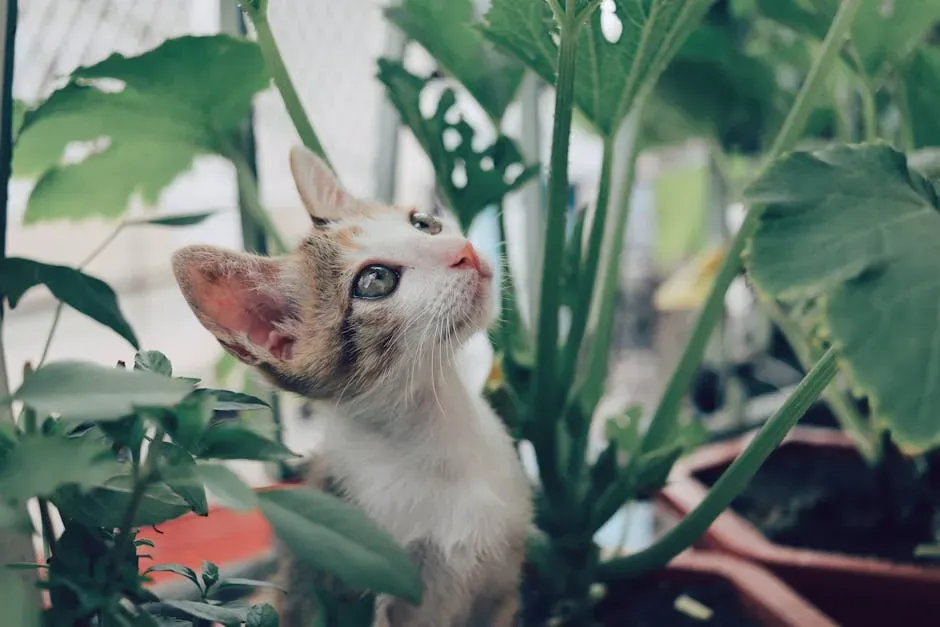
Cats love greenery. They enjoy snacking on it, playing in it, and just enjoying the smells. You can create an indoor cat garden using cat-friendly plants, including cat grass, catnip, silvervine, spider plants, and impatiens. You can check the ASPCA Toxic and Non Toxic Plants List to find more cat-friendly plant options. There’s something genuinely lovely about watching a cat roll around next to a pot of catnip they discovered themselves. It’s chaotic, adorable, and completely free entertainment.
We tend to overlook our cats’ sense of smell, but encouraging scent exploration is a simple way to provide daily enrichment. Outdoor cats naturally tend to survey their home ranges where they encounter many unfamiliar odors, so it’s important for a cat’s welfare to present unfamiliar scents to them in the home environment as well. Research with cat scent preferences found the scent itself is less important than offering cats a rotation of various scents. Rotating a small collection of cat-safe herbs and grasses around your home keeps the sensory experience fresh and stimulating. It’s like giving your cat a whole new adventure without ever opening the front door.
Conclusion: A Happy Cat Is Closer Than You Think
Turning your home into a feline paradise isn’t about tearing down walls or spending a fortune on custom cat furniture. It’s about understanding what your cat actually needs – and then making small, thoughtful adjustments that honor those instincts. Small, thoughtful changes to a cat’s environment or routine can make a huge difference in their quality of life.
Cat enrichment means creating an environment for your feline friend where they have plenty of opportunities to express their natural instincts and behaviors in appropriate ways. Meeting your cat’s mental and emotional needs will help them lead a happier, healthier life and have fewer behavior issues. When you think about it, most of these tricks cost almost nothing but your attention and a bit of creativity.
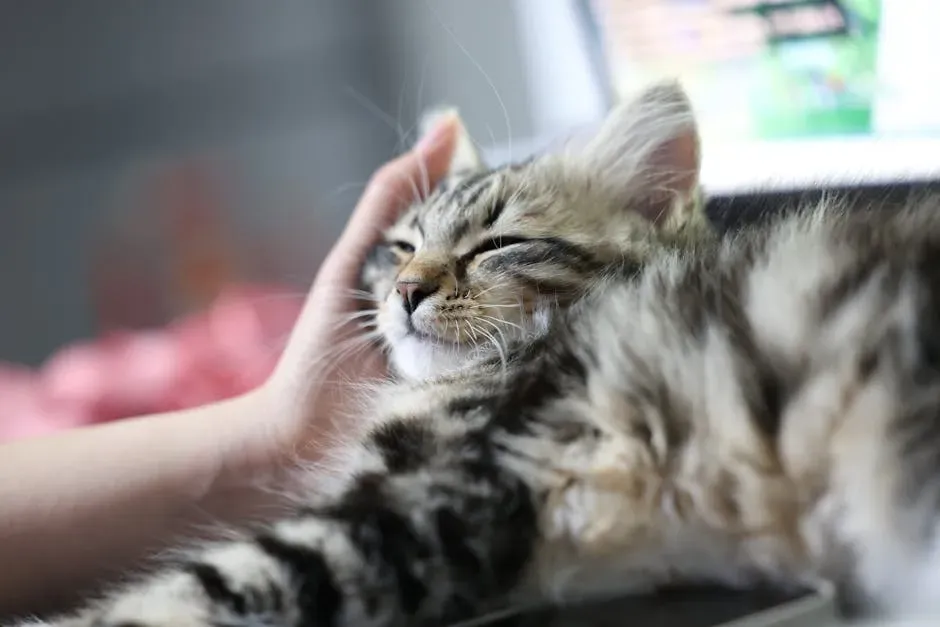
The purring, the relaxed stretching, the soft blinks of trust – those are your cat’s way of saying thank you. And honestly, isn’t that worth everything? So which of these tricks are you trying first – or perhaps you’ve already discovered one your cat absolutely loves? Share your experience in the comments and let other cat lovers know what worked in your home.