There’s a running joke among cat owners that their cats don’t actually love them, they’ve simply chosen to tolerate them. Honestly, I understand why people think that. Cats don’t rush to the door tail-wagging or smother you in wet kisses like dogs do. Their love is a different language entirely. Quieter. More deliberate. Almost poetic, if you stop to notice it.
The truth is, your cat might be whispering “I love you” to you dozens of times a day, and you could be completely missing it. Cats have more subtle ways of making their affection known, and just because they’re naturally more understated doesn’t mean the bond is any less strong. So before you assume your feline roommate is indifferent to your existence, let’s decode what they’re actually trying to tell you. You might be genuinely surprised.
The Slow Blink: Your Cat’s Silent ‘I Love You’
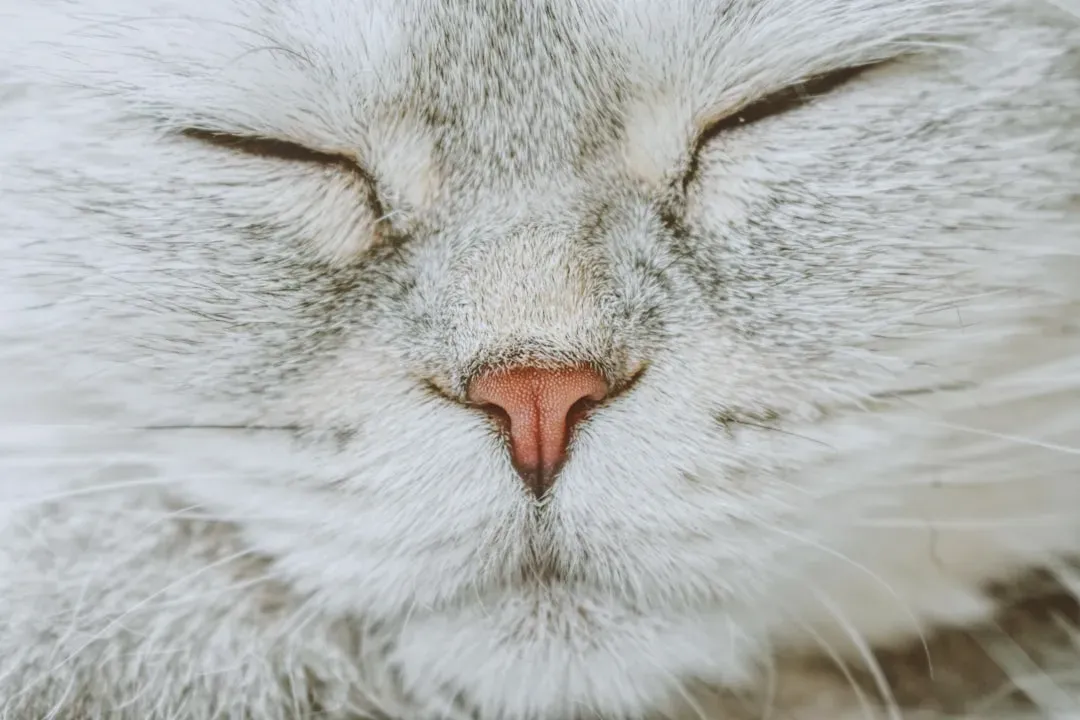
If you’ve ever caught your cat gazing at you from across the room, eyes half-closed, slowly blinking like they’re on the verge of nodding off, stop everything. That’s not laziness. That’s love. According to peer-reviewed research, it’s the feline equivalent of saying “I trust you.” In 2020, psychologists at the University of Sussex conducted the first scientific study on cat slow blink meaning, led by Dr. Tasmin Humphrey and Professor Karen McComb, whose research published in Scientific Reports proved something cat owners long suspected: slow blinking is genuine cat communication.
Think about what closing your eyes means in the animal world. When a cat slow blinks at you, they are often expressing a sense of trust, contentment, and affection. In the feline world, closing their eyes in the presence of another creature makes them vulnerable, as they are unable to detect potential threats. So when your cat does this to you, they’re essentially saying, “I feel so safe with you, I don’t even need to keep watch.” You can return the gesture too. Cats are more likely to approach a person who slow blinks than someone with a neutral expression. Try it tonight. You might just start a conversation.
The Headbutt: You’ve Been Claimed as Family
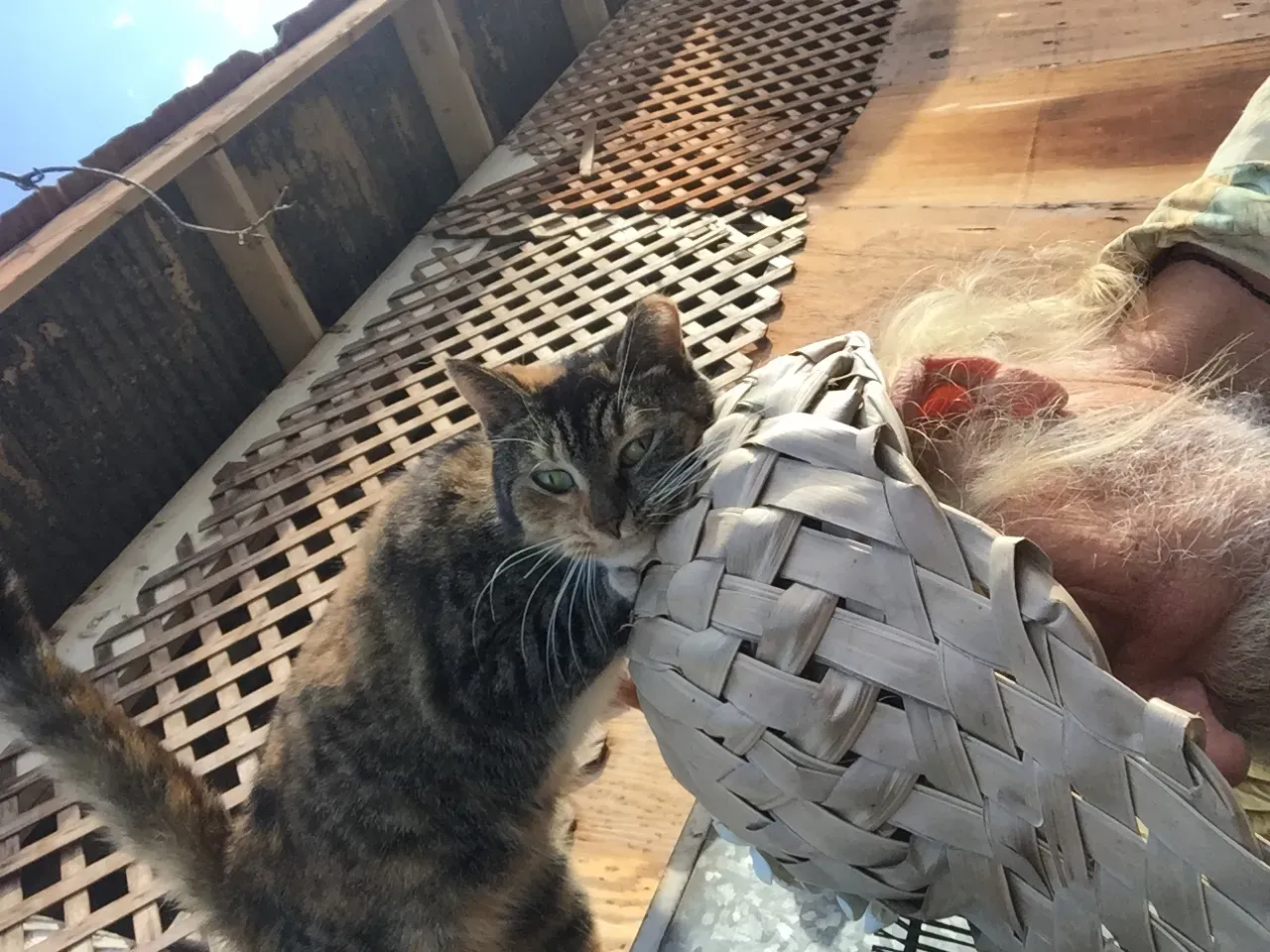
Your cat walks up, lowers their head, and presses it firmly against your forehead or cheek. Endearing? Absolutely. Meaningful? You have no idea. Bunting refers to the behaviour where cats press their head or cheeks against people, objects, or other animals. It’s a form of rubbing that often includes nuzzling or headbutting. Cats have scent glands located on their cheeks, forehead, and chin, and when they bunt, they release pheromones that mark their territory, communicating ownership and familiarity, signaling to other animals that the area or person has been claimed.
Here’s the thing though. It’s not just territorial claiming in a possessive sense. It’s far sweeter than that. Head bunting is a way cats mark their feline friends and family. It’s a stronger marker than leaving urine on objects to claim them, but instead of territory, they are claiming familial relationships. When your cat headbutts you, they’re not just tagging you. They are enrolling you into their inner circle, giving you the highest feline honor of being considered one of their own. If your cat headbutts you frequently, consider yourself part of their inner circle. That’s honestly a title worth celebrating.
Kneading: Making ‘Biscuits’ on the One They Love
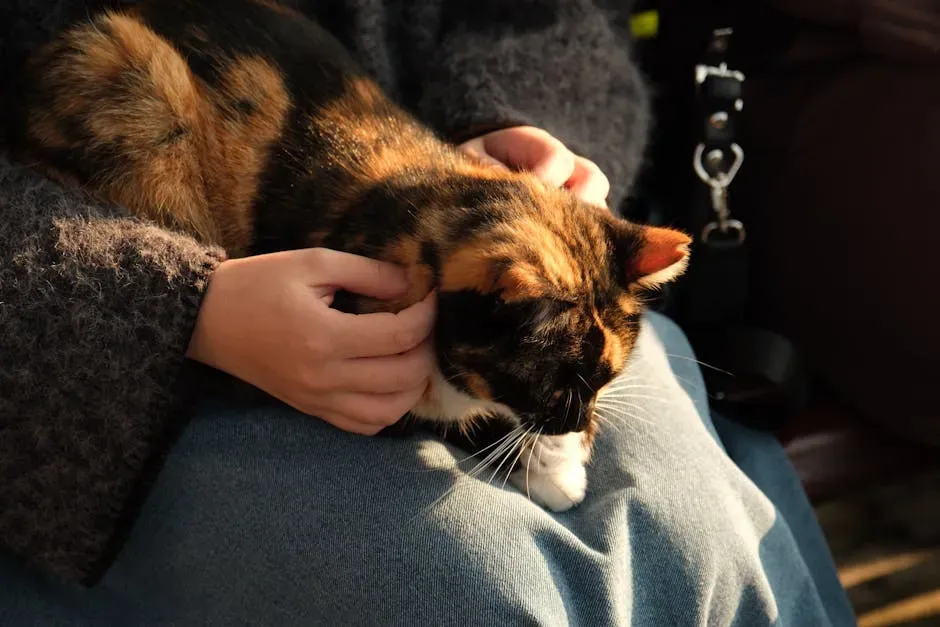
Let’s be real, it doesn’t always feel amazing when your cat digs their little paws rhythmically into your stomach at 6am. Yet here’s what’s happening beneath the surface. Kneading, often referred to as “making biscuits,” is the rhythmic motion cats make by pushing their paws into a soft surface, alternating between left and right paws. This behaviour is commonly observed when a cat is relaxed, such as on a cozy blanket or their owner’s lap. Kneading originates from kittenhood, when kittens press their paws against their mother’s belly to stimulate milk flow, a comforting behaviour that often persists into adulthood, associated with feelings of security and contentment.
So when your cat kneads on you specifically, the emotional weight of that gesture is significant. If your cat kneads on you, they’re showing love and trust. This action can be a sign that your cat sees you as a parental figure or simply enjoys your warmth and scent. Kneading releases a cat’s scent from the glands in their paws, marking you as theirs. You are their safe place. Their comfort. Their home. Not bad for someone they supposedly “just tolerate,” right?
The Tail That Tells It All
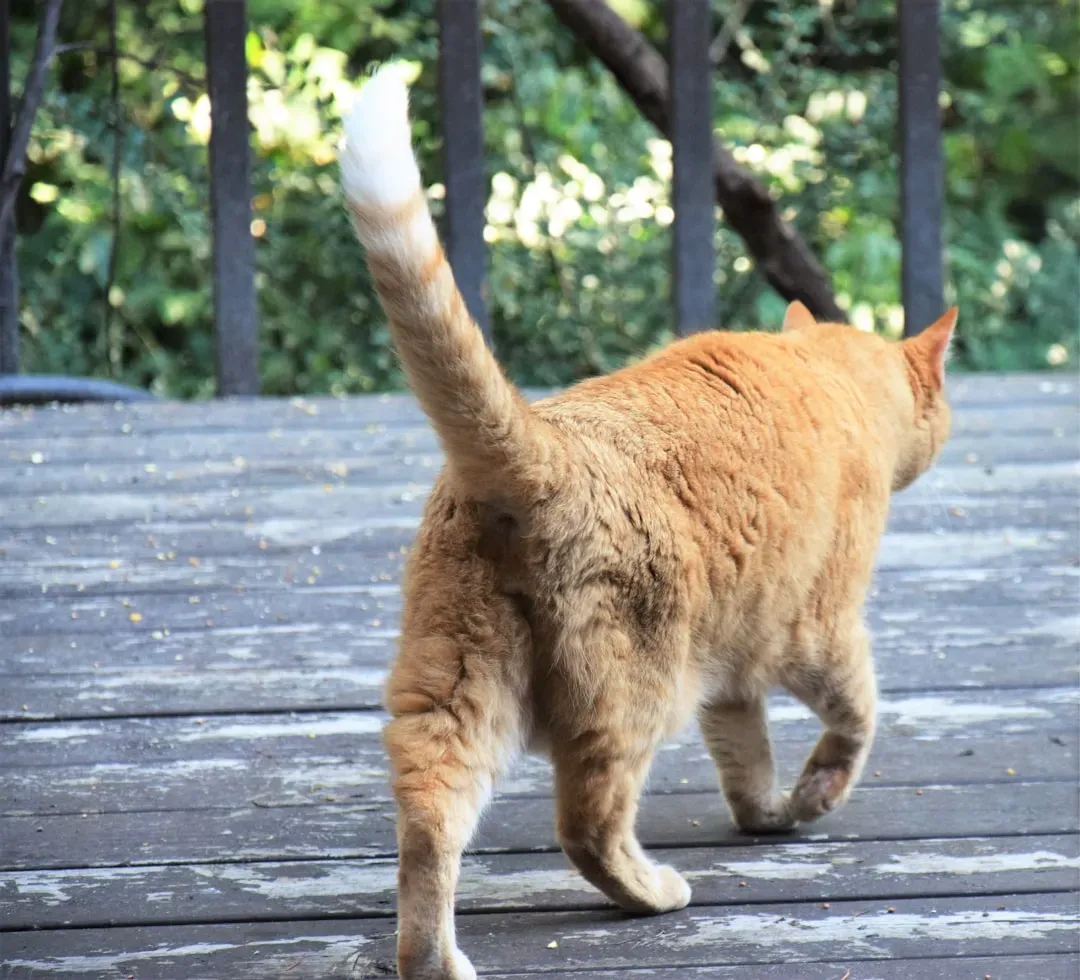
Your cat’s tail is basically a mood thermometer, and once you learn to read it, you’ll see love letters written in every flick and curve. A cat’s tail is like a mood ring, and when it stands upright with a gentle curl at the top, it’s a sign of friendliness and affection. Some cats even quiver their tails when greeting their favourite human, a gesture that means pure excitement and love. If your cat wraps its tail around you or brushes it against your legs, it’s their way of hugging you.
This upright tail greeting is no casual habit. Cats often approach humans with a tail up. Community cats will acknowledge their human caretakers with “tail up” at feeding time. Owned cats acknowledge their owners as part of their social group with a “tail up”, often followed by a head rub. So next time you walk through the door and your cat struts toward you with their tail pointing to the sky, understand what you’re witnessing. Many cats use a question mark shaped tail to greet someone they like or to signal they want to play. A tail in the full upright position also indicates familiarity, trust, and affection. That question mark tail? It’s your cat’s very own exclamation point of love.
The Purr: A Vibration That Speaks Volumes
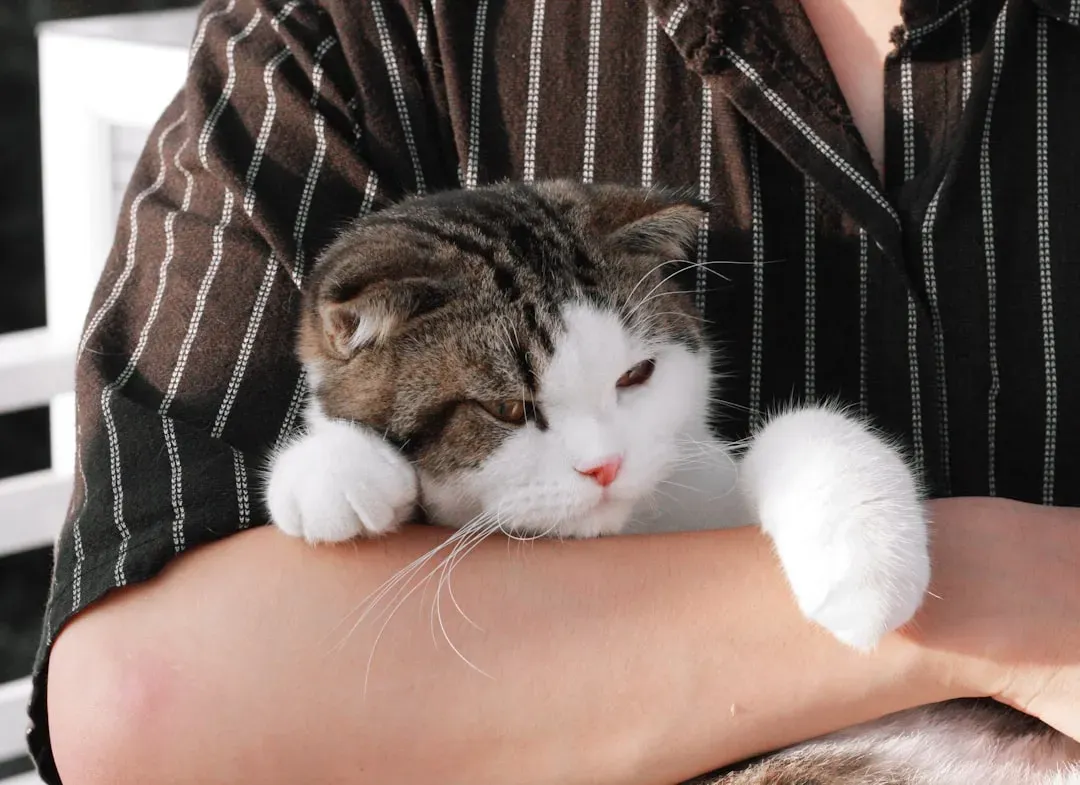
You curl up on the sofa, your cat settles onto your lap, and that familiar deep rumble begins. It’s one of the most comforting sounds in the world, and it means more than you think. That soft rumble you hear when your cat curls up beside you is one of the clearest signs of affection. Cats purr when they feel safe, relaxed, and happy, especially when they’re around someone they love. You might notice your cat purring while sitting on your lap or when you gently stroke their head. It’s their way of saying, “I trust you.”
What’s even more fascinating is that the purr benefits you just as much as your cat. One of the great things about a cat’s purr is that not only can it be a sign of affection, it can also benefit your health. Purring has a type of “healing power” and can lower your stress levels while lowering your blood pressure. Context matters too. While cats can purr for many reasons, including self-soothing from pain or stress, purring in a home environment is associated with comfort and a pleasant experience. “A happy cat will purr when it feels safe and content in your presence.” The next time your cat purrs in your arms, you’re both being healed, in the quietest way possible.
Social Grooming: You’re Now a Member of Their Colony
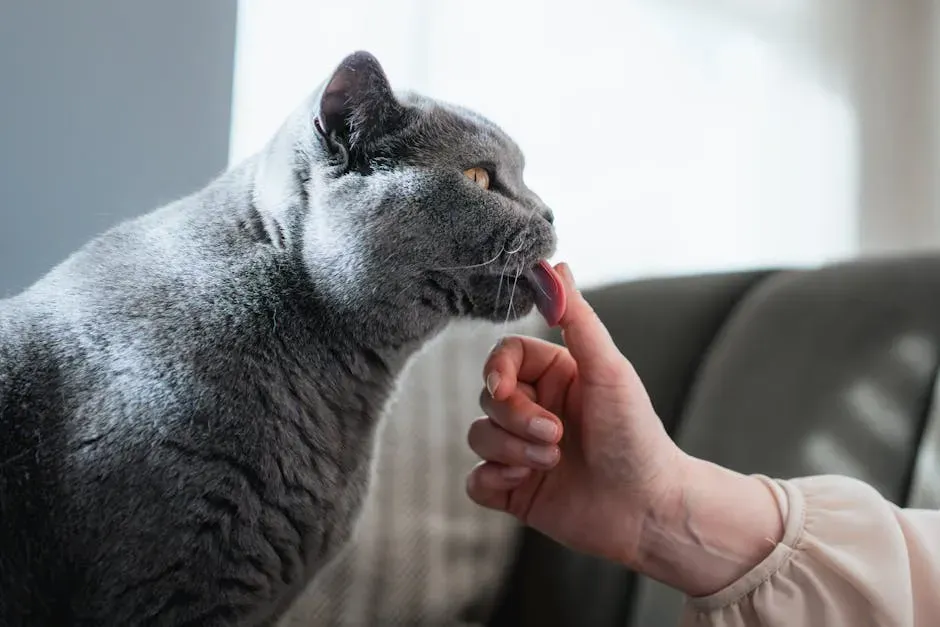
Your cat licks your arm. Maybe your hair. Sometimes your nose when you’re half-asleep. Gross? A little. Significant? Enormously. Cats engage in mutual grooming, called allogrooming, not only for cleanliness but also to bond and demonstrate love and friendship with members of their social group. When your cat licks or grooms you, it’s a clear sign that they view you as a trusted member of their social circle. This grooming behaviour represents your cat’s way of claiming you as family while also showing affection through one of their most intimate social rituals. The rough texture of their tongue and their focused attention during these grooming sessions demonstrates that they’re treating you exactly as they would a beloved feline companion.
Think of it like this. Cats don’t groom just anyone. Cat moms regularly groom their kittens. It not only keeps tiny cats clean, but it also stimulates them to eat and go to the bathroom. Mother cats also use grooming to bond with their kittens. Cats sometimes show humans affection in the same way by gently licking their favorites while cuddling. Being licked by your cat, as scratchy as that little tongue feels, means you have been elevated to the status of beloved feline family member. You’ve made it.
The Belly Reveal: Total Vulnerability, Total Trust
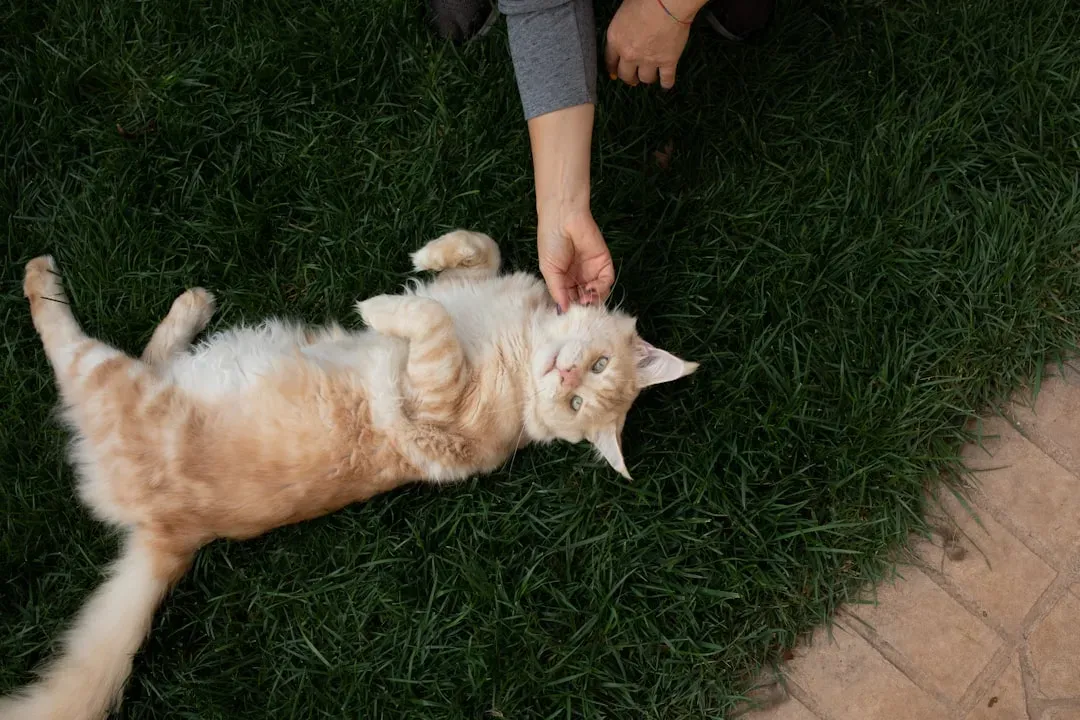
Your cat flops down in front of you, rolls onto their back, and exposes their soft belly to the world. To you. I know it seems like an open invitation, but don’t fall for that trap just yet. This is often considered the ultimate sign of trust for a cat. Cats only lie on their backs and show their bellies when they are in their most relaxed state. But this is not an invitation to pet or rub your cat’s belly! They are simply communicating that they feel comfortable and safe enough to reveal one of the most vulnerable parts of their body.
This gesture is essentially your cat saying, “I trust you with my life.” No exaggeration. When your cat rolls on her back, exposing her belly, it often means she’s trying to get your attention. Since this is a vulnerable position for an animal to be in, a cat puts itself in this position ONLY around someone it trusts. When a cat rolls over and exposes its belly, it’s showing a great deal of trust. The belly is a vulnerable area, and by exposing it, your cat is indicating that they feel safe and comfortable with you. While not all cats enjoy belly rubs, this gesture is still a positive sign of affection. Appreciate the love, but touch at your own risk.
Gift-Giving: The Most Misunderstood Love Language
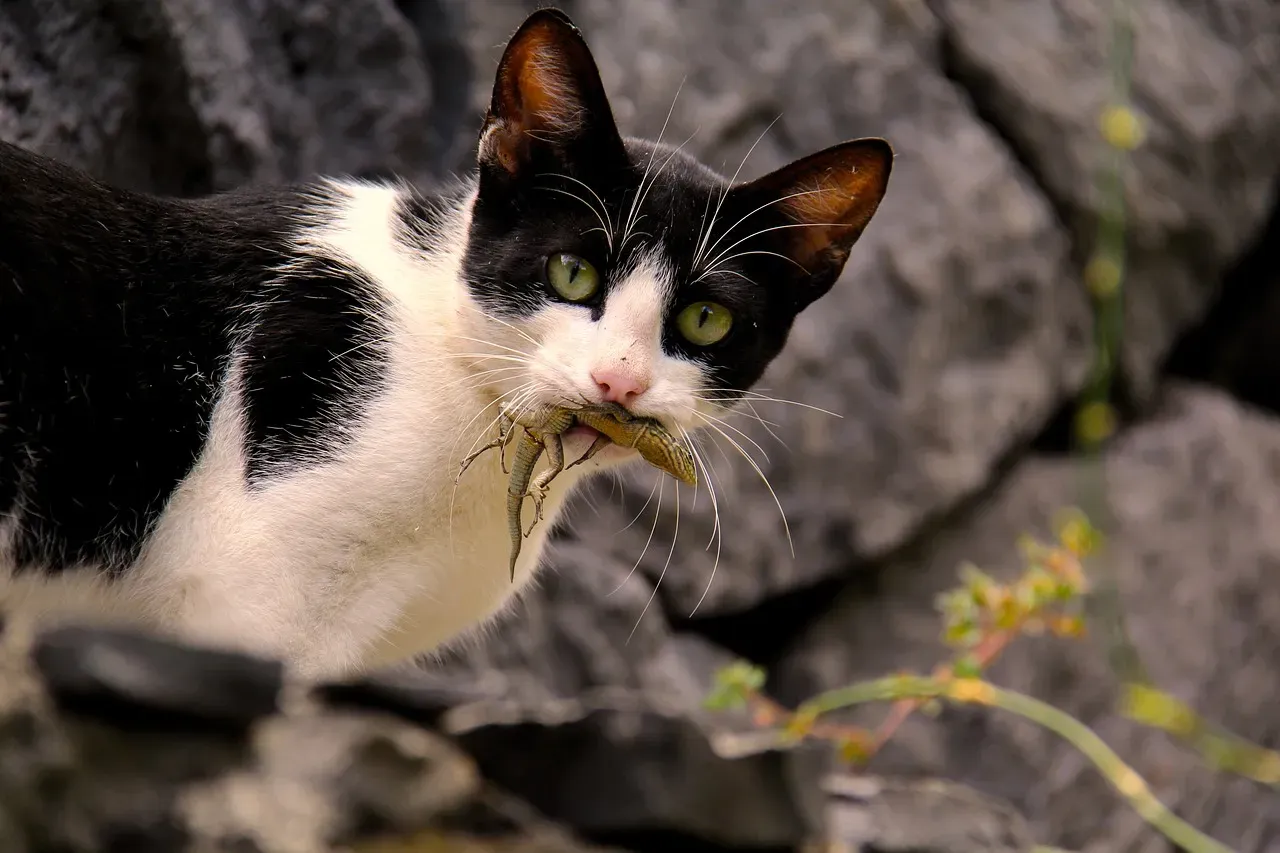
You wake up, stumble into the kitchen, and find a small dead creature arranged neatly near your door. Or perhaps a toy, a sock, even a leaf. Before you shriek, know that you are receiving one of the highest honors a cat can bestow. While it may not always be pleasant, the act of bringing you “presents” such as dead mice or birds, or favorite toys for indoor-only cats, is your cat’s way of showing affection. Cats are instinctive hunters and highly social, and in the wild, they would share their bounty with their family members. Even if their gifts may be startling, it means they view you as part of their family.
It’s hard to say for sure whether your cat understands that you don’t particularly want a half-eaten mouse, but the intention behind the gesture is purely loving. Some cats love to show their affection in the most adorable, and sometimes slightly shocking, ways by bringing you gifts. Whether it’s a favorite toy left carefully outside your bedroom door or a real-life “catch of the day,” your kitty is proudly sharing their hunting success with you. Cat behavior experts say this is a classic sign your cat has bonded with you. Bringing you toys, or occasionally less welcome “gifts” they’ve hunted in the yard, can also reflect bonding. From your cat’s perspective, sharing resources or playing together is a form of connection. Accept the offering graciously. Your cat worked hard for that.
Conclusion: Your Cat Loves You More Than You Know
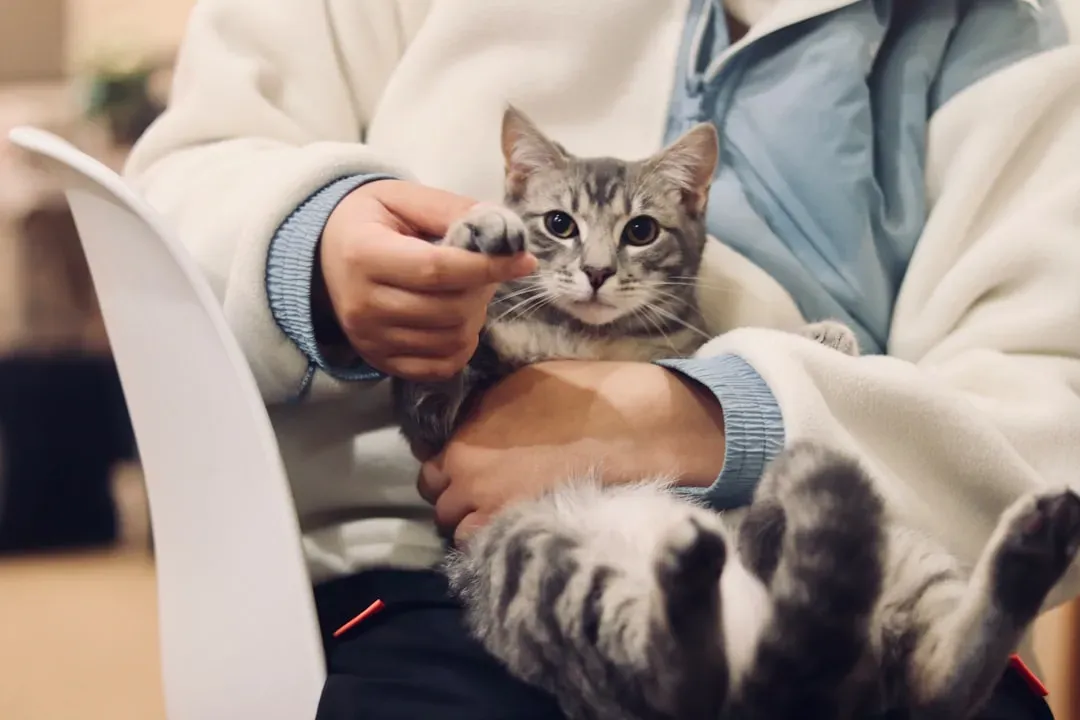
Cats have earned an unfair reputation as cold, aloof creatures who simply use humans as vending machines for food and warm laps. The reality is far more beautiful and layered than that. Feline affection isn’t always overt or constant. Instead, it’s often built around trust, safety, and selective social connection. Cats tend to show love through behaviors that signal comfort and familiarity rather than attention-seeking. Once you start seeing these gestures for what they really are, every slow blink, every headbutt, every rumbling purr becomes a full sentence of devotion.
The beautiful thing about learning your cat’s love language is that it works both ways. Cats are much more subtle in showing their love, though that doesn’t mean that the shared bond between cats and humans is any less than with dogs. It just means that you’ll need to work harder to understand your cat’s love language and boundaries to build trust. Pay attention. Slow blink back. Let them set the pace. You’ll discover that your seemingly indifferent cat has been whispering love to you all along, in the only language they know.
So the next time your cat blinks slowly at you from across the room, take a breath and blink right back. You just said “I love you” in fluent feline. What do you think about it? Tell us in the comments!