Cats are fascinating creatures. They have been living alongside humans for thousands of years, yet somehow remain deeply misunderstood. One of the biggest myths is that if your cat isn’t hissing, everything must be fine. Honestly? That couldn’t be further from the truth.
Your cat has a whole silent vocabulary, a rich, layered system of body signals and behavioral shifts that speak volumes before a single hiss ever escapes. Most people just don’t know how to read it. That’s where things get interesting, and sometimes a little painful, because an ignored cat signal almost always escalates into something you really didn’t want.
So whether you’re a new cat parent or someone who’s lived with felines for years, get ready to see your cat in a completely different light. Let’s dive in.
1. The Tail That Tells All: Rapid Flicking and Thumping
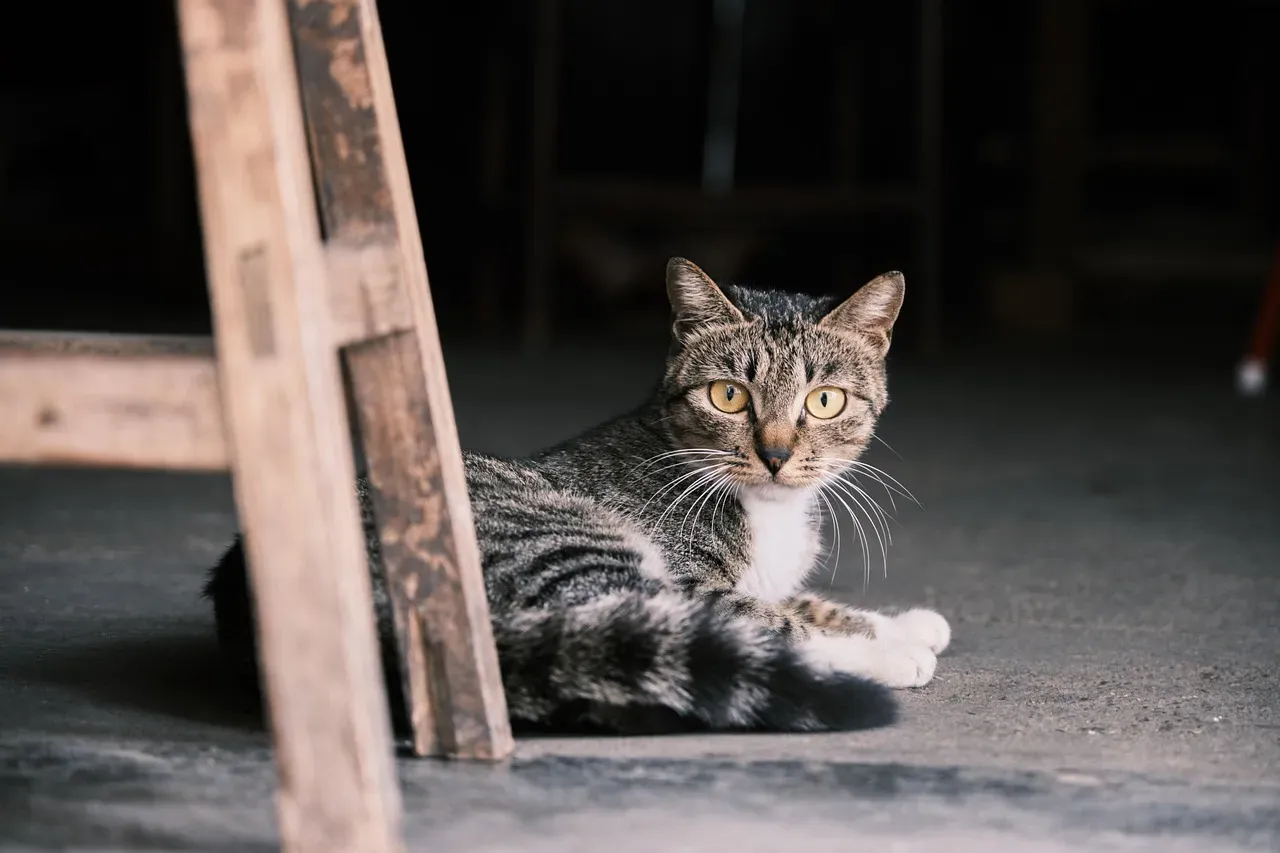
Think of your cat’s tail as their personal mood meter. When you’re petting your cat and everything feels calm, pay close attention to what their tail is doing. When your cat thrashes their tail or is thumping it on the ground, they are irritated, annoyed, or angry, and this tells you that something is bothering your cat. It’s one of the earliest warning signs you can catch, and most people miss it completely.
A cat experiencing annoyance will often display rapid tail flicking or thrashing motions, which can range from subtle twitches at the tip to vigorous side-to-side movements that involve the entire tail, and the intensity of the movement typically correlates with the level of irritation your cat is feeling. Think of it like a kettle slowly coming to a boil. A mild twitch is a gentle simmer. A full-on tail thump on the floor? That’s a rolling boil, and you need to step back.
Cats who are engaged in hunting behaviors will often flick their tail from side to side as they watch whatever is captivating their attention, but a flicking tail when the cat is not stalking something most likely means that the cat is annoyed. So yes, context matters. Look at the whole picture, not just one signal in isolation.
2. The “Airplane Ears”: When Those Ears Rotate Sideways
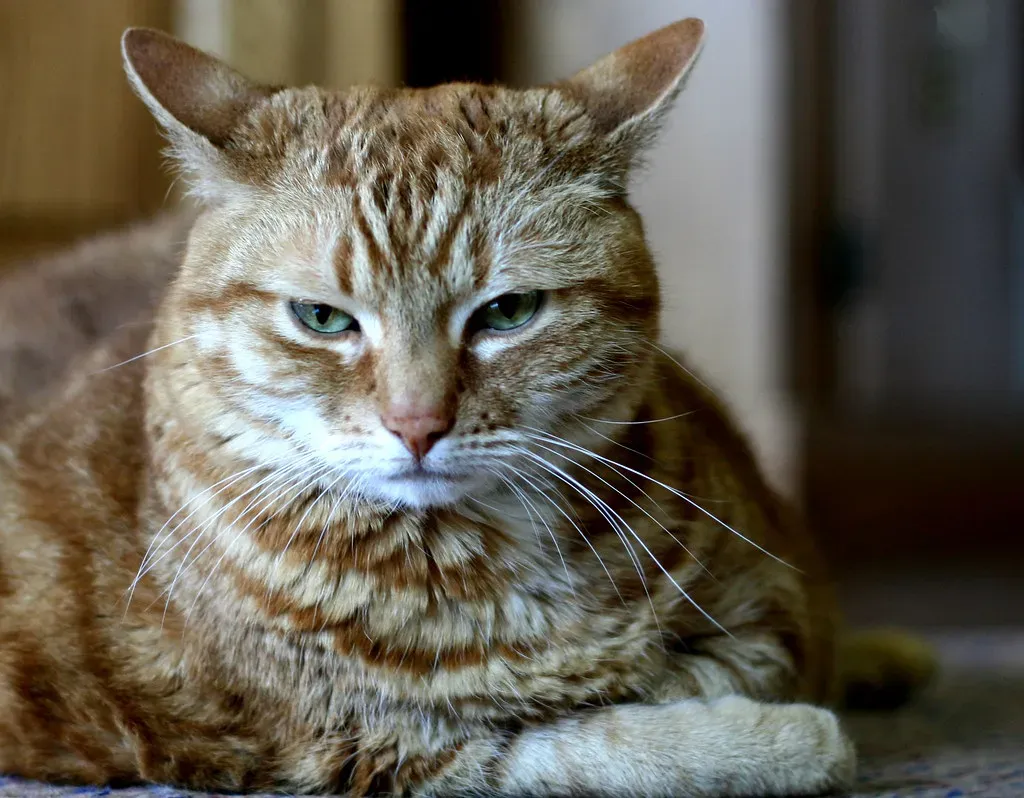
Cat ears are incredibly mobile and expressive, capable of rotating nearly 180 degrees to communicate different emotional states, and understanding ear positions is crucial for recognizing signs of annoyance before they escalate into more serious behavioral issues. When cats begin to feel annoyed or agitated, their ears will often turn sideways, creating what many experts call “airplane ears” due to their horizontal positioning. Once you know what to look for, you’ll never unsee it.
A cat who is irritated will turn their ears back, but won’t completely flatten them to their head, like they would when they are fearful. This is an important distinction. Flat, fully pinned ears usually signal fear or extreme aggression. Sideways “airplane ears,” on the other hand, are your cat politely telling you that they’re done with whatever is happening right now. Quick, repeated ear flicks often mean your cat is feeling irritated or overwhelmed, and you might see this when there’s too much noise, movement, or unwanted touching.
3. The Icy Cold Stare: Eyes That Say “Don’t Even Try It”
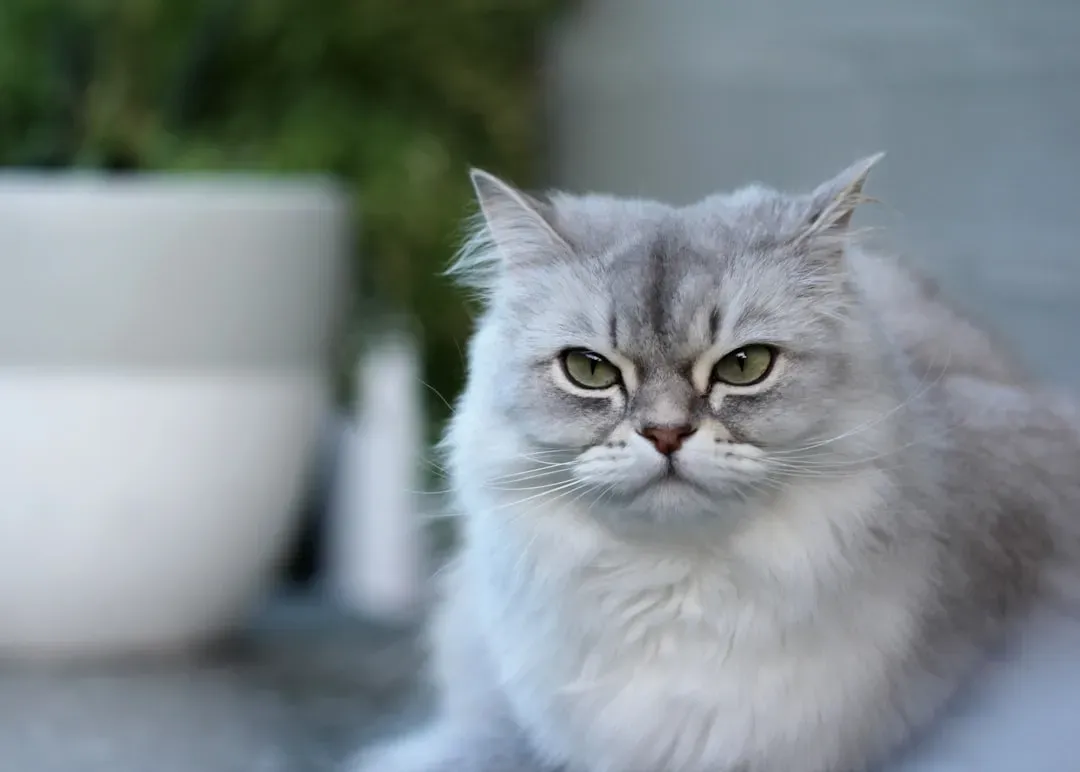
You’ve probably experienced it. You look over at your cat and they’re just… staring. Unblinking. Intense. If your cat is sitting staring with small pupils and narrowed eyes, they are probably feeling frustrated, and a cat that is sitting staring directly at you could be feeling annoyed. This isn’t the soft, loving gaze accompanied by slow blinks. This is an intense, unblinking stare that feels uncomfortable.
Cats use eye contact very differently than we do, and in the feline world, a prolonged stare can be a challenge or threat. If your cat is giving you the evil eye while their body remains tense, they’re definitely not in the mood for interaction. The contrast is actually quite clear once you know it. A relaxed, happy cat offers you slow blinks. A ticked-off cat locks eyes and holds the gaze like they’re daring you to make a move. Spoiler: don’t make a move.
4. The Great Retreat: Walking Away and Hiding
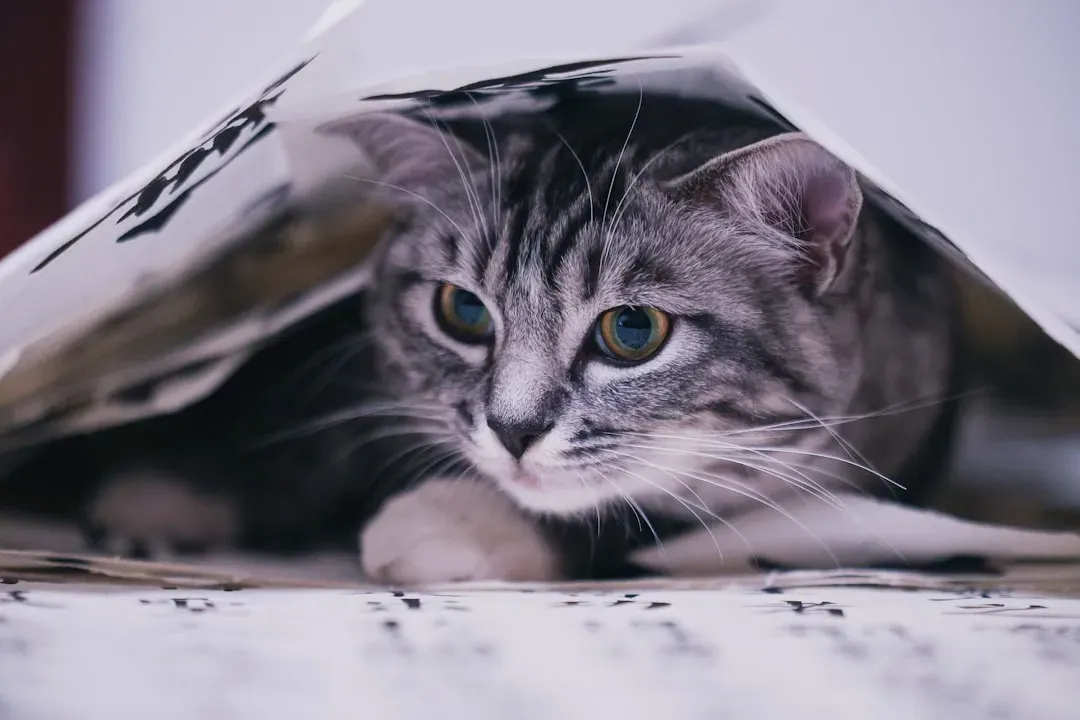
It might not seem dramatic, but your cat quietly leaving the room is actually one of their most definitive statements. Before they lash out with claws or teeth, cats will try to remove themselves from the situation by walking away or hiding. Let’s be real, this is your cat being incredibly polite by feline standards. They’re choosing to disengage rather than escalate.
If a cat is mad or annoyed with you, they might leave the area you’re in or sit and stare at you from across the room, just observing your movements, and sometimes it’s best to just give your cat some space to calm down, especially if there is something that is stressing them out. Think of it like this: you wouldn’t chase someone who’s clearly walking away from an argument, right? The same respect applies here. When your cat retreats, honor it.
5. Refusing Treats and Playtime: The Silent Sulk
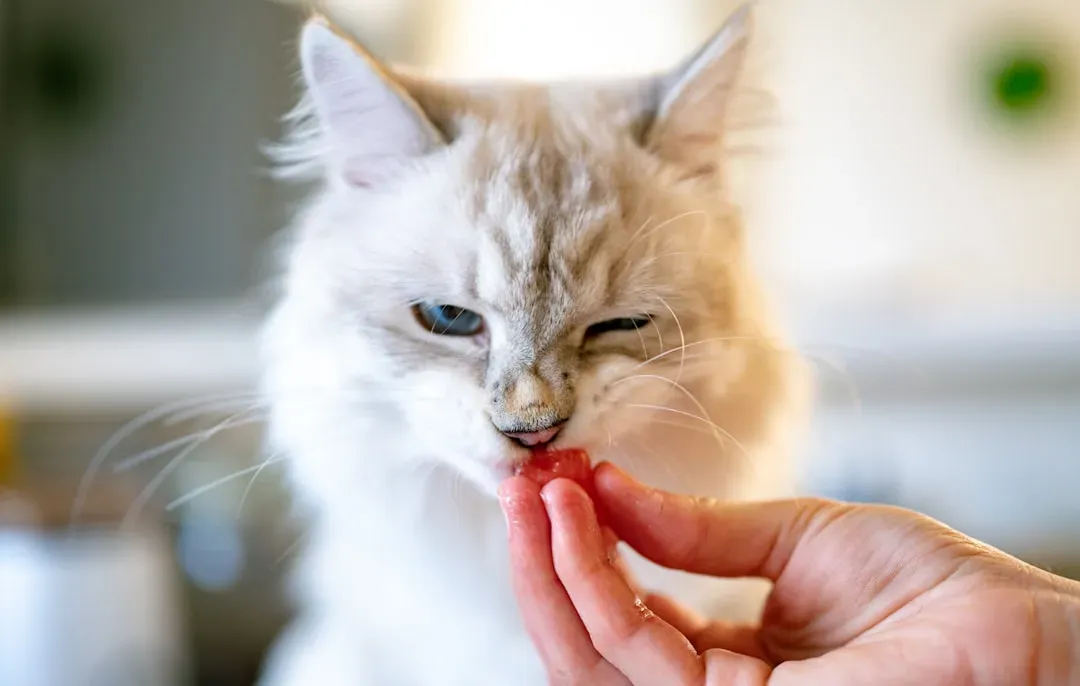
Here’s something that might surprise you. If your cat is feeling irritated, it’s unlikely they’ll want to engage with you for playtime or treats, so if your cat would typically jump at the chance for a treat and can’t be tempted, it might mean they’re feeling distressed. This is huge, because most cat owners associate treat refusal with illness, not annoyance. Sometimes your cat is just genuinely fed up.
If your cat is feeling annoyed, the last thing they probably want is to be cuddled or petted, and they may start shying away from your touch and become irritated if you persistently try to interact with them. This could happen when you are playing with your cat, and they decide they no longer want to. It’s kind of like canceling plans when you’re just not feeling it. Your cat isn’t being dramatic. They’re just setting a boundary, in the most dignified way they know how.
6. Skin Twitching and Sudden Grooming Out of Nowhere
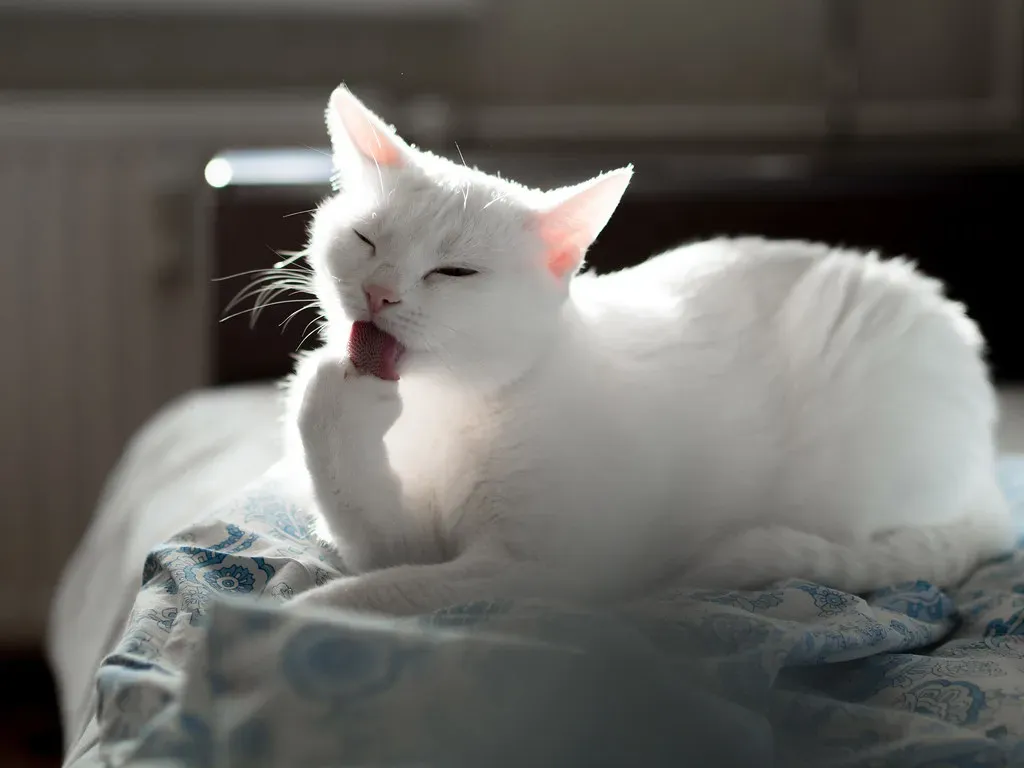
This one is subtle and often mistaken for random nervous tics. When a cat is feeling stressed, they may have a stiff and tense body held low to the ground, and the cat may also engage in displacement behaviors, meaning normal behaviors such as licking their lips, scratching, grooming, and yawning that are performed out of context, to cope with underlying stress. In other words, if your cat randomly starts grooming intensely in the middle of a stressful interaction, they’re not just being weird. They’re coping.
When irritated or over-stimulated, cats may have dilated pupils, ears turned back and tail twitching or waving. Combine that with sudden, frantic grooming that doesn’t seem to fit the moment, and you have a cat who is desperately trying to self-soothe. It’s a bit like a person anxiously tapping their foot or biting their nails. The behavior itself looks mundane, but the context makes it a clear distress signal worth paying attention to.
7. Turning Their Head or Body Away: The Subtle Snub
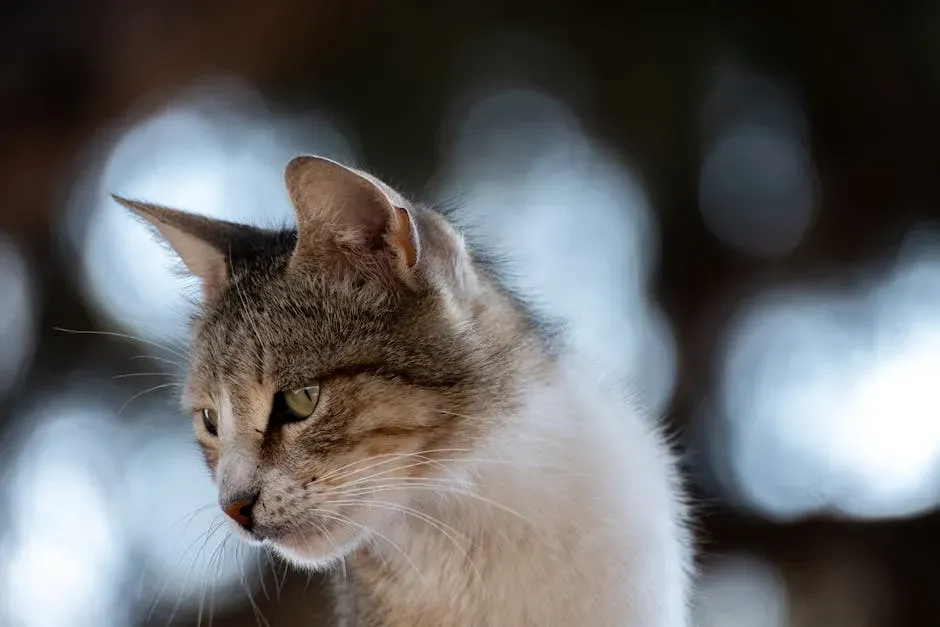
If you’ve ever reached out to pet your cat and they quietly shifted their head in the opposite direction, that wasn’t a coincidence. If your cat is frustrated, they might move their head or body away from you when you try to pet them, and you should pay attention to these subtle movements before the biting starts, because your cat is trying to tell you they’ve had enough physical contact for now. It’s genuinely one of the most polite rejections in the animal kingdom.
If your cat is not enjoying something, such as a belly rub, they may turn their head away in protest. This is worth treating seriously. The head-turn is a first-level warning. Ignore it, and your cat will move on to louder, less gentle forms of communication. Think of it as the cat equivalent of someone pulling their arm away when you touch their shoulder. The message is the same: not now, please back off.
8. Low Growling and Insistent Yowling: The Vocal Warning Without a Hiss
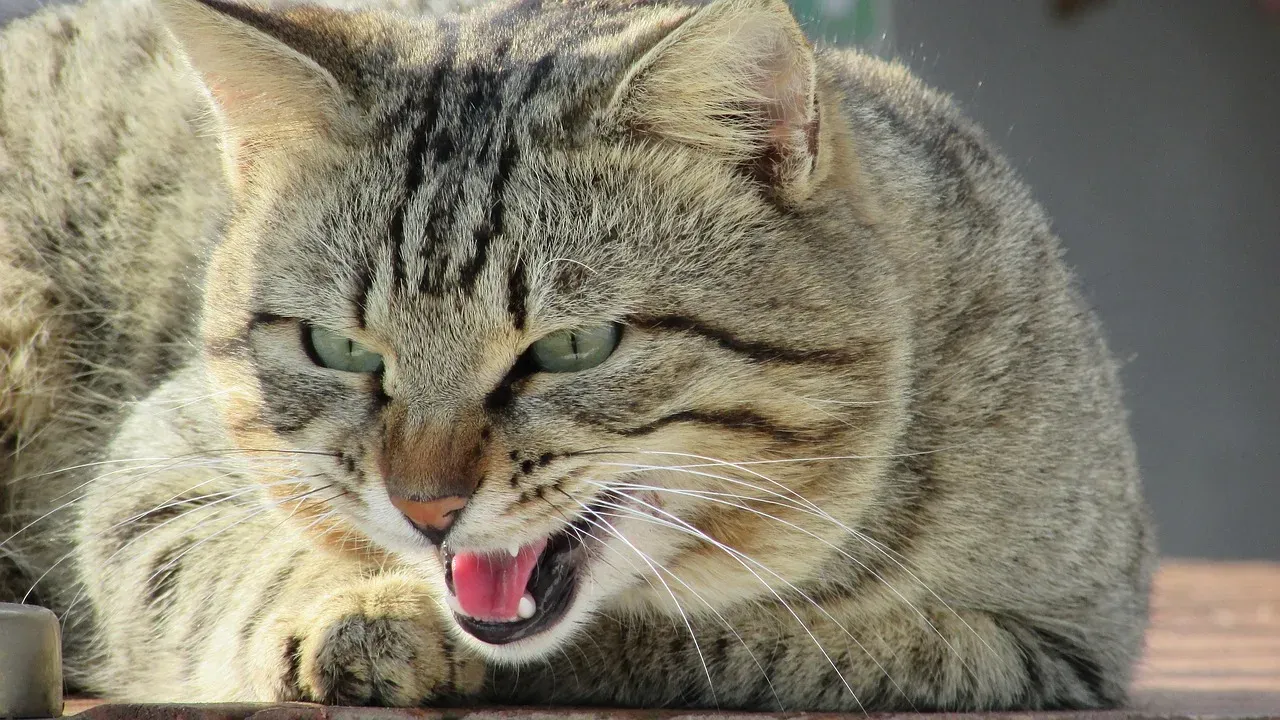
Yes, this article is about non-hissing signs, and growling absolutely qualifies. Many people don’t realize that growling is a completely separate signal from hissing and often appears much earlier in the irritation cycle. Growling represents one of the clearest vocal indicators of annoyance and displeasure, and this low, rumbling sound serves as a warning that your cat is feeling threatened and wants whatever is bothering them to stop immediately.
A highly agitated cat whose initial warnings have been ignored will vocalize their frustration with a growl or high-pitched meow, indicating that they are becoming more uncomfortable, and may resort to biting or scratching if they continue to feel stressed. There are specific vocalizations that are commonly recognized by annoyed cats, such as meowing or yowling, and yowls from an angry cat will be drawn out and low-pitched and often given as a warning before they result in biting or scratching. When you hear that deep, rumbling displeasure, respect it immediately.
Conclusion: Your Cat Is Always Talking. Are You Listening?
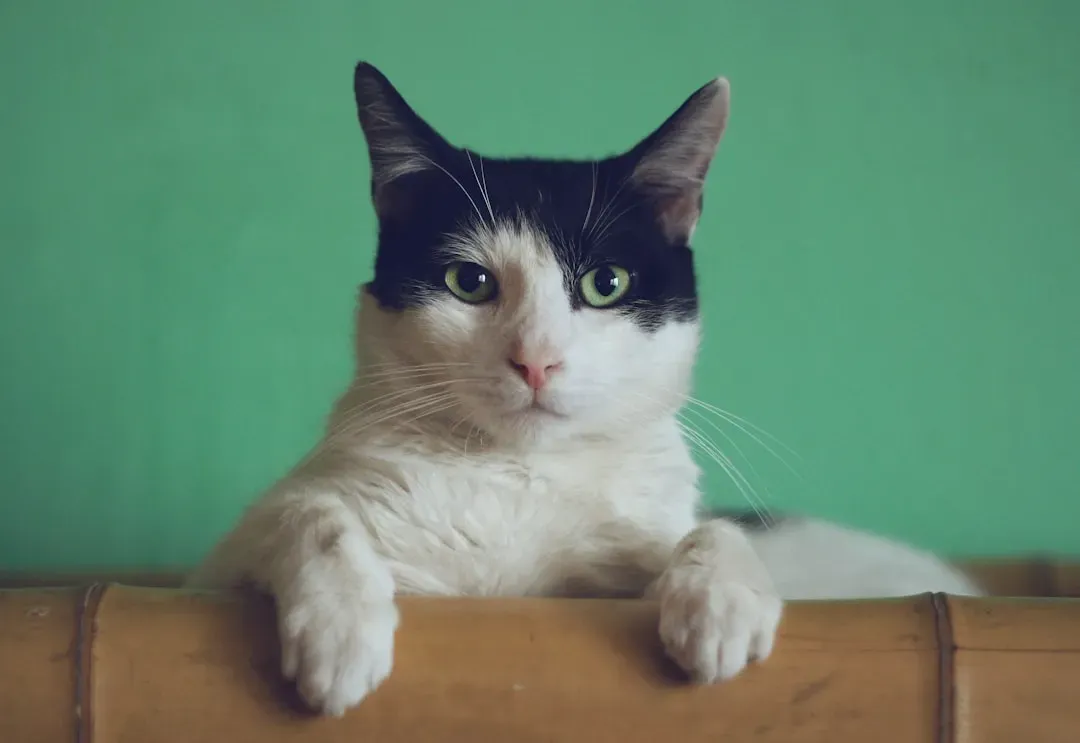
Here’s the thing about cats: they are never truly silent. Every flick of the tail, every sideways ear rotation, every cold stare and dramatic retreat is a sentence in a language that most of us were never taught to read. The good news is, it’s never too late to learn.
Understanding your cat’s emotional state through their body language is one of the most valuable skills any cat owner can develop, and unlike dogs, cats communicate their feelings through subtle and sophisticated signals that require careful observation to decode properly. Once you start noticing these signals, your relationship with your cat shifts entirely. You stop reacting to the scratch or the bite and start catching the warning long before it gets there.
Cats aren’t difficult or cold-hearted. They’re just communicating in a dialect most humans haven’t bothered to study. Now that you know these eight signs, you have a real advantage. The question is, how many of these have you already been missing without even realizing it? Drop your thoughts in the comments below.