Few debates in the world of pet ownership spark as much passion as this one. You’ve probably heard it a hundred times at a dinner table or in a comment section somewhere: dogs are loyal, cats are not. It’s practically accepted as common knowledge. Yet, the moment you start pulling at the threads of that assumption, the whole sweater unravels in the most fascinating ways.
Science has been quietly dismantling the “aloof cat” myth for years now, and what researchers keep uncovering is far more nuanced, surprising, and honestly more interesting than the old narrative. Before you pick a side, you might want to hear what the data actually says. Let’s dive in.
What Does Loyalty Even Mean in a Pet?
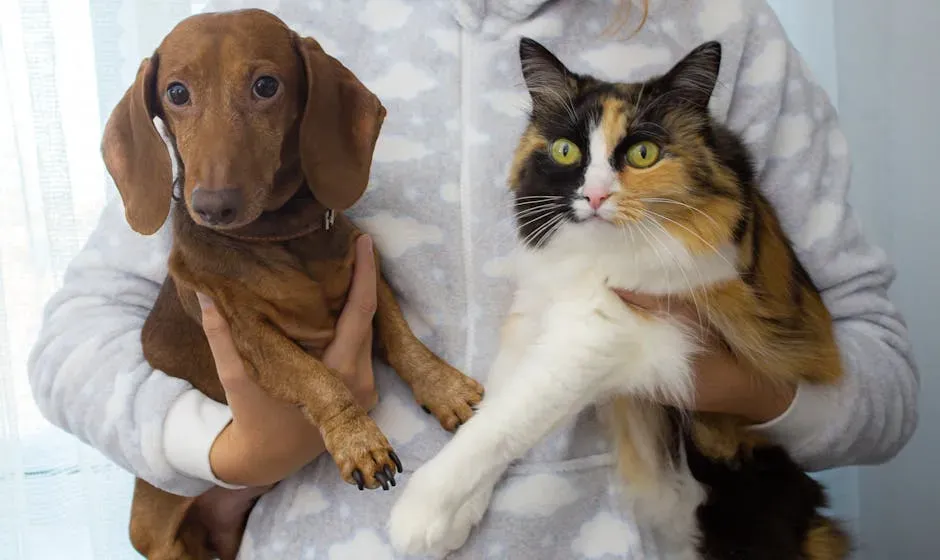
Here’s the thing: when you use the word “loyalty” about a pet, your brain almost automatically conjures up an image of a dog sprinting to the door, tail wagging furiously, practically sobbing with joy that you came home. That image is powerful. But it is only one version of loyalty, and perhaps not even the deepest one.
Scientifically, when loyalty is considered, it is defined as an animal that has empathy, trust, and is behaviorally partial to a particular individual, often their main caregiver. That means loyalty is about far more than who greets you loudest at the door. When most people use the word “loyalty” about a pet they automatically picture a devoted dog running to and jumping on its owner out of emotional excitement. That is loyalty, to be sure, but it must be understood that it isn’t the only way for a pet to demonstrate it.
The Ancient Origins of Canine Devotion
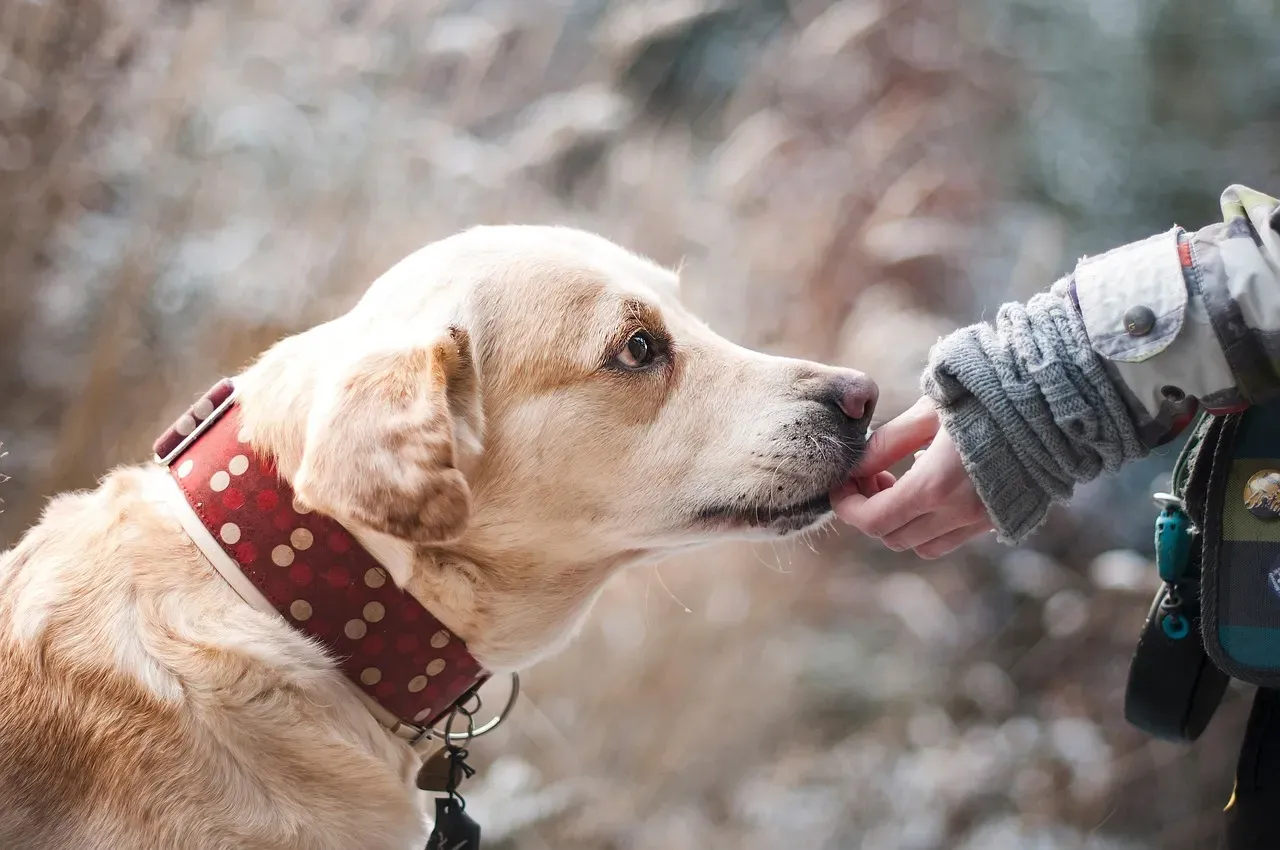
You can’t understand a dog’s loyalty without going back deep into history, and honestly, the story is remarkable. Dogs are descendants of wolves, animals known for their strong pack mentality and social structures. Thousands of years ago, certain wolves began to interact with human groups, leading to a mutually beneficial relationship. Humans provided food and shelter, while wolves offered protection and assistance in hunting. Over generations, these wolves adapted to human companionship, eventually evolving into the domestic dogs we cherish today. This long history of coexistence has ingrained a sense of loyalty and companionship in dogs, making them naturally inclined to form strong bonds with their human families.
A 2014 study in Vienna found when researchers examined lab-raised dog and wolf packs that the relationship between dogs and humans is hierarchical, with the owner at the top, rather than cooperative. As wolves were slowly domesticated into modern dogs, the study suggests, they were bred for their loyalty, dependence on human masters, and ability to follow orders. Think of it this way: thousands of years of selective breeding essentially hard-wired devotion into the canine DNA. It wasn’t an accident. It was a feature humans deliberately cultivated.
The Surprising Science of Feline Attachment
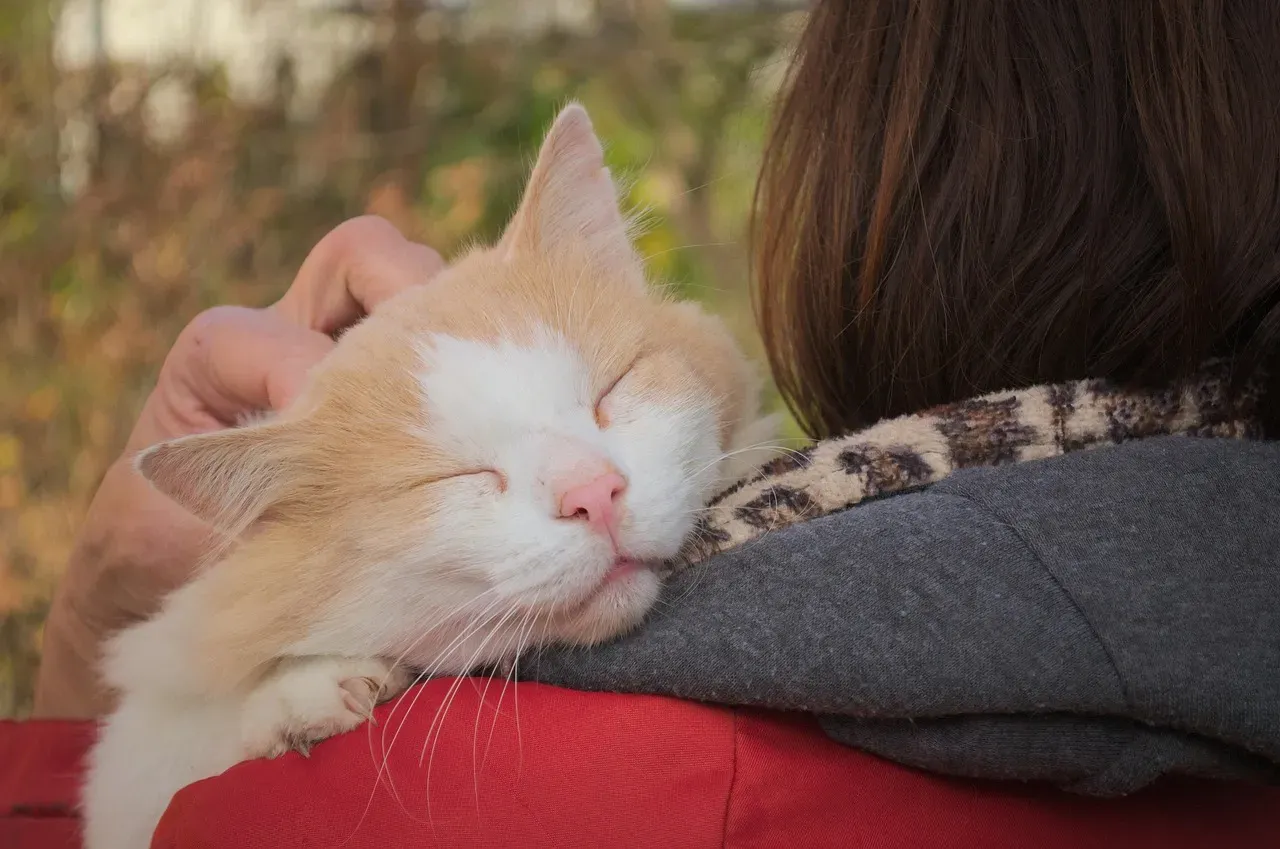
Now, this is where things get genuinely surprising, and I think a lot of people underestimate just how groundbreaking the research on cats has become. Findings reported in the journal Current Biology show that, much like children and dogs, pet cats form secure and insecure bonds with their human caretakers. These findings suggest that this bonding ability across species must be explained by traits that aren’t specific to canines, the researchers say.
Even more striking: Distinct attachment styles were apparent among adult cats, with roughly two-thirds of cats classified as securely attached and one-third as insecurely attached to their owners. These findings mirror those found in studies of dogs and human infants. In other words, the majority of cats view their owners as a source of comfort and security just like dogs do. You read that right. Cats, the internet’s favorite symbol of cold indifference, actually form secure bonds at a rate comparable to human babies.
The Oxytocin Question: Who Loves You More, Chemically Speaking?
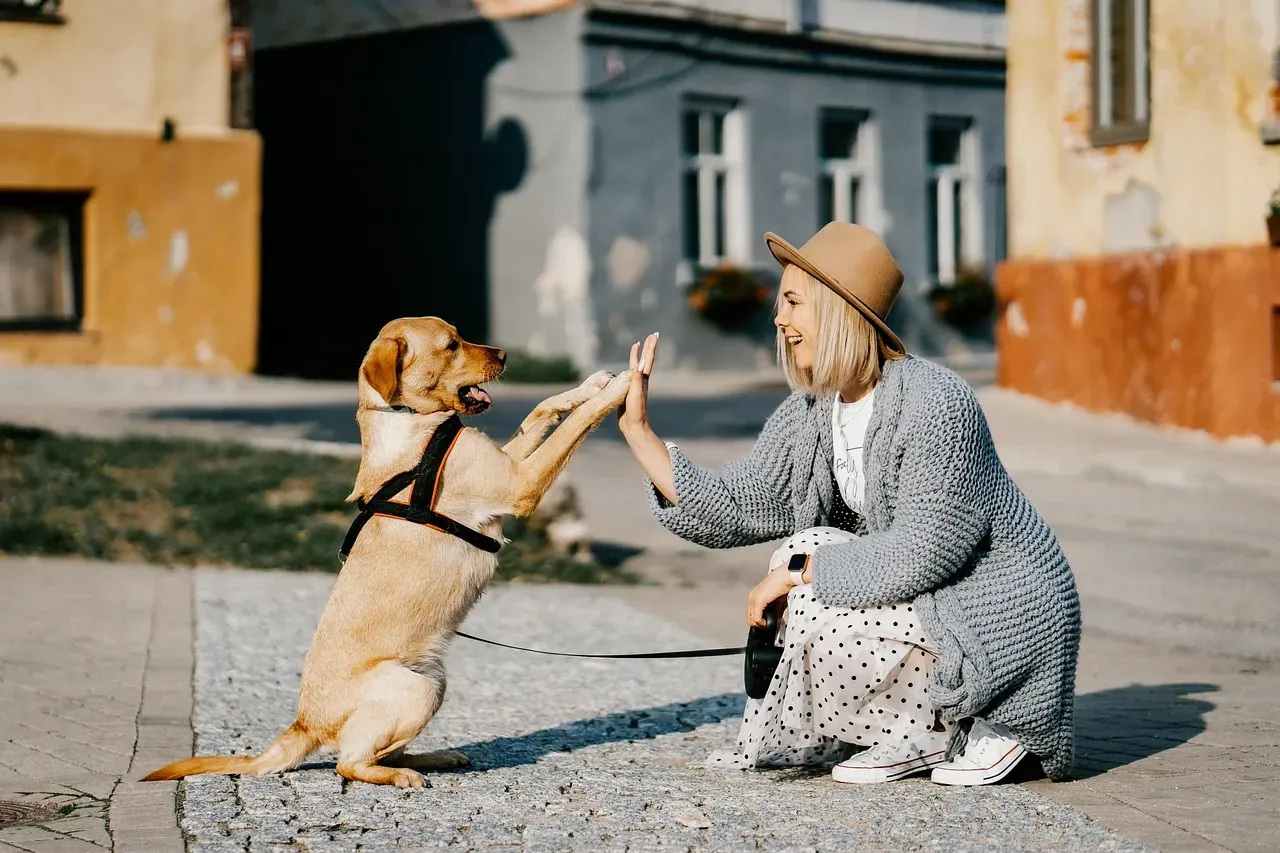
Oxytocin, often called the love hormone, is at the center of much of the loyalty science when it comes to dogs. When you share a loving gaze with your dog, both of your brains release oxytocin, often referred to as the “love hormone.” This chemical plays a crucial role in social bonding and is the same hormone that strengthens the connection between human mothers and their infants. It is a remarkable parallel that speaks to just how deep the canine bond can go.
However, here’s where you need to pump the brakes before declaring dogs the clear winner. While oxytocin levels were elevated in both animals after spending time with their owners, dogs showed a much larger hormonal surge compared to cats. Still, recent research also suggests that interactions with household cats may influence the human oxytocin system as well. So cats aren’t entirely out of the hormonal love game, they just express it differently, and quietly, in ways science is still working to measure.
How Cats Show Loyalty Without Making It Obvious
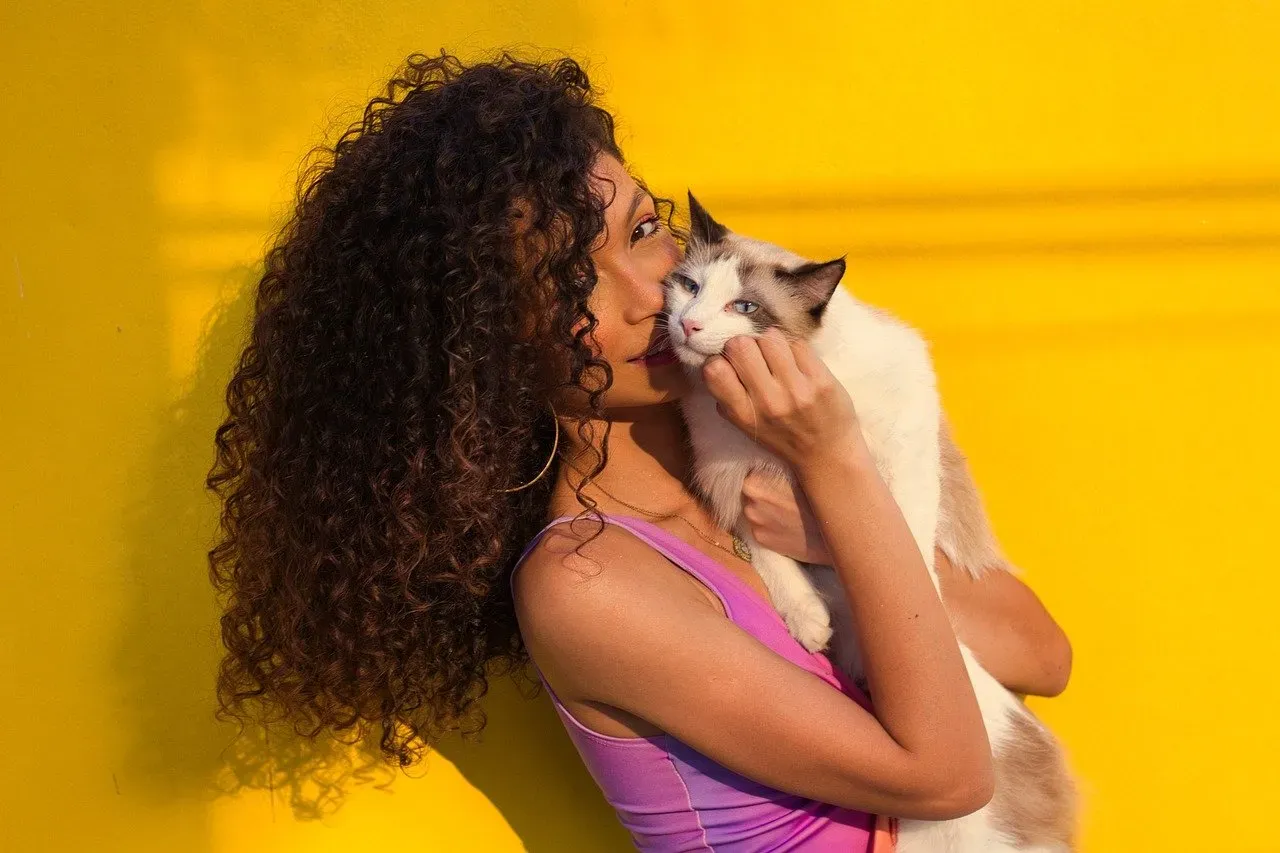
Let’s be real: cats have a serious PR problem. They’ve been branded as distant, selfish, and emotionally unavailable for so long that most people don’t even think to look for their signs of loyalty. But the trust and space found in the loyalty of a cat, not direct dependence, is what underlies it. Cats are able to recognize the voice, the smell, and the face of their owner and show preference to familiar people compared to strangers.
Cats appear to be autonomous. They don’t think you are better than them. They think you and they are completely equal. Because of this, you can’t force them to do anything. Everything they do, they do because they want to. Cats can be truly loyal, but unlike dogs, that loyalty comes out of their desire to be loyal to you. When a cat chooses to sit on your lap or follow you from room to room, it isn’t a reflex or a trained behavior. It’s a genuine, voluntary choice. That, honestly, might make it mean even more.
Dog Loyalty: Pack Instinct or True Devotion?
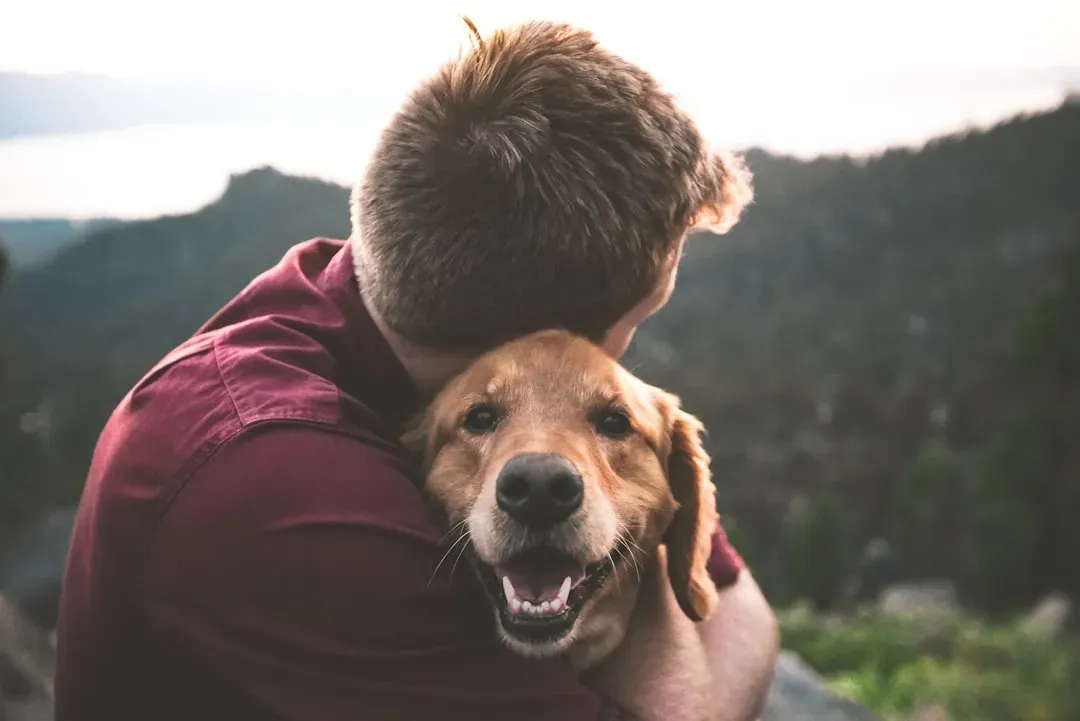
Here’s a question worth sitting with: is a dog’s famous loyalty truly devotion, or is it a deeply wired survival mechanism dressed up to look like love? The answer, it turns out, is probably both. The loyalty of dogs stems from three powerful biological forces working together. First, pack mentality drives dogs to form protective social groups, and you’ve become their chosen family. This instinct helped wild dogs survive by cooperating and sharing resources.
Dogs have evolved alongside humans for thousands of years, developing a unique ability to read our emotions and respond with empathy. Studies show that when dogs interact with their owners, both experience a surge in oxytocin, the “love hormone,” which deepens the bond and trust between them. This mutual connection is why dogs often seem to know exactly when you need comfort or companionship. Whether you call it instinct or devotion, the result looks remarkably similar. Your dog waiting by the door for you isn’t just cute. It’s ancient, biological, and surprisingly moving when you think about it.
Emotional Intelligence: Reading Your Feelings
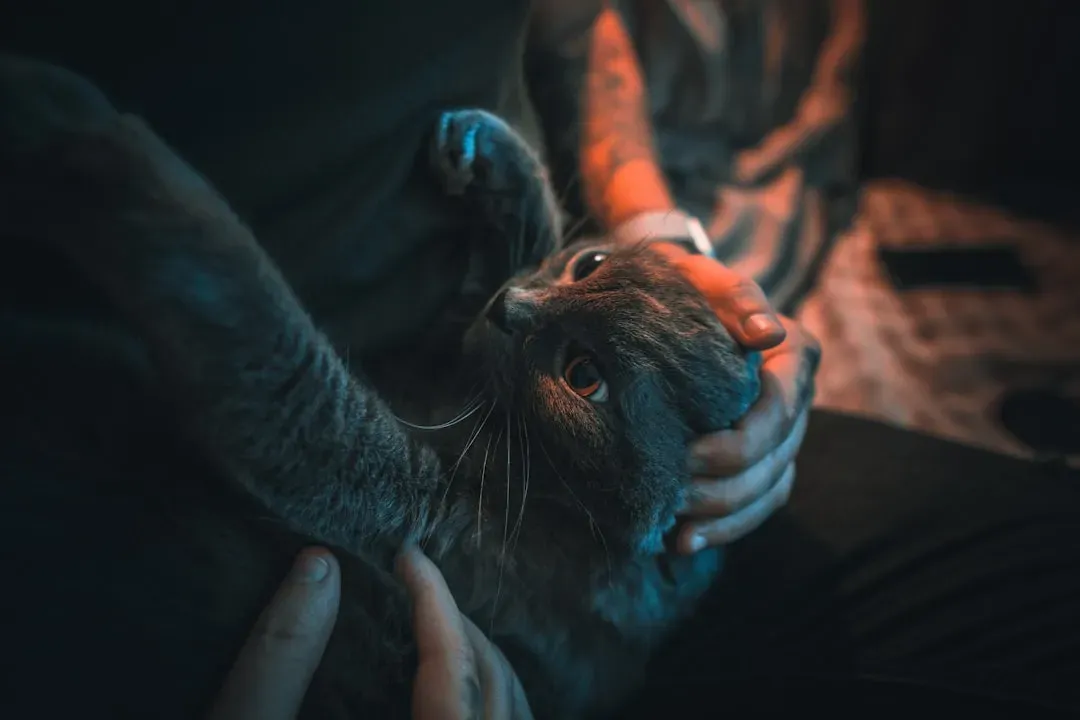
One of the more underappreciated aspects of this whole loyalty debate is how both animals actually read and respond to your emotional state. Dogs and cats have exceptionally developed sensory systems and abilities to recognize human signals and emotional states, which makes them invaluable in roles such as working dogs and therapy animals in human society. You may have noticed your dog pressing against you when you’re upset, or your cat suddenly appearing beside you on a bad day. That’s not coincidence.
Interestingly, there is evidence that cats may initiate interactions with familiar people based on that person’s mood. So your cat isn’t ignoring you when you’re stressed. They may actually be assessing you, and then deciding how to respond. Research confirms dogs can sense human emotions and will often approach with gentle nuzzles or simply sit close when their owners are distressed. Both animals, in their own completely different ways, are paying attention to you more than you probably realize.
The Role of Domestication Histories in Shaping Loyalty
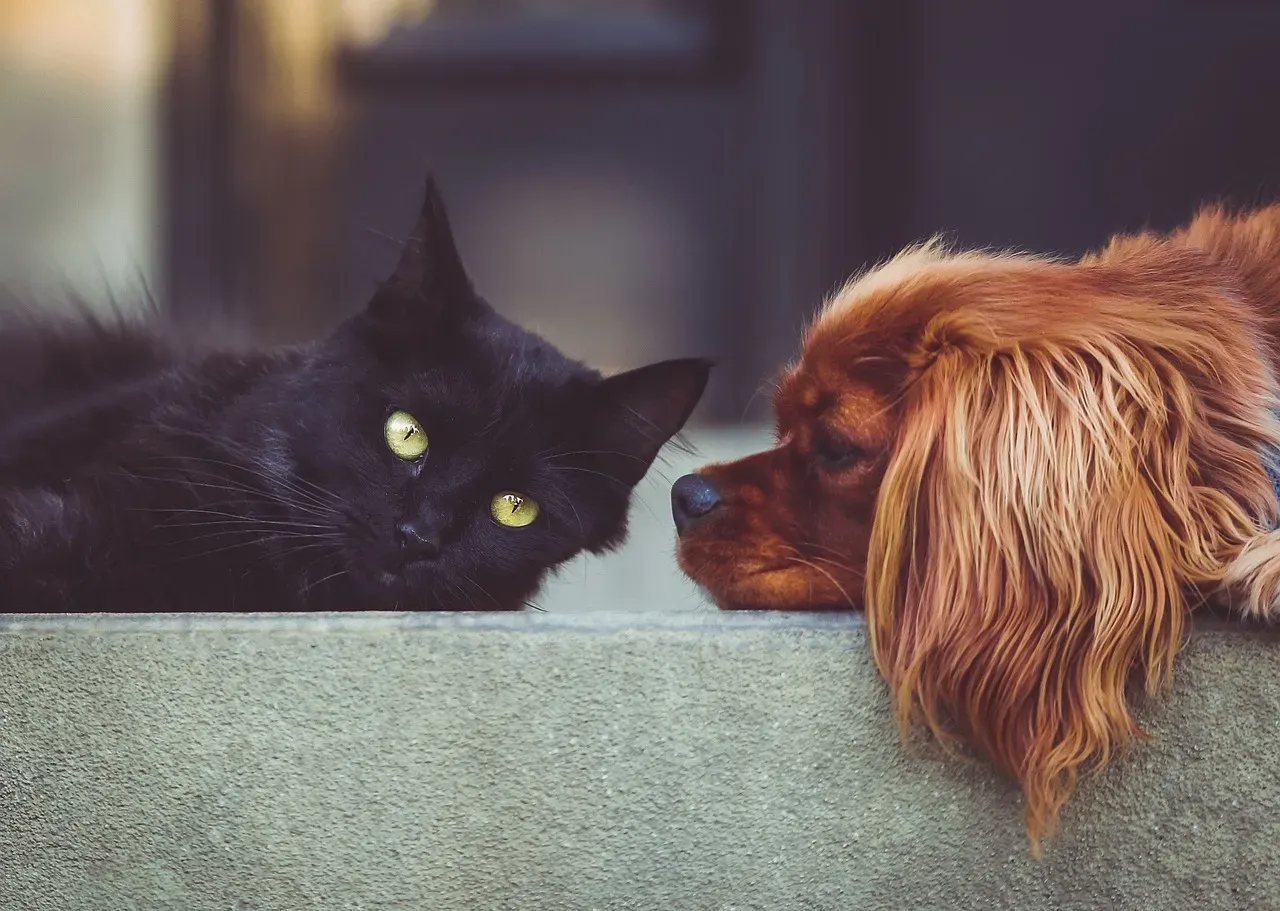
The evolutionary backstory of cats and dogs is strikingly different, and it shapes everything about how they relate to you today. According to a 2021 genetic analysis, dogs were likely domesticated around 23,000 years ago when humans and wolves had to rely on each other for survival during harsh climatic conditions. Cats, in contrast, are believed to have domesticated themselves around 9,000 to 12,000 years ago. Early agricultural societies attracted cats because of the abundance of rodents, and while humans benefited from their pest control, they didn’t actively domesticate cats. This might explain why cats have retained more of their wild, solitary behaviors compared to dogs.
The evolutionary paths of cats and dogs have shaped their current behaviors. Dogs, with their long history of cooperation with humans, have developed complex social evaluation abilities. This makes them more likely to exhibit loyalty and protective behaviors towards their owners. Cats, meanwhile, came to humans on their own terms. They chose domestication rather than being bred into it. That independence is baked into who they are, and it reframes their loyalty as something genuinely chosen rather than genetically mandated.
Pet Ownership Trends and What They Reveal About Modern Loyalty
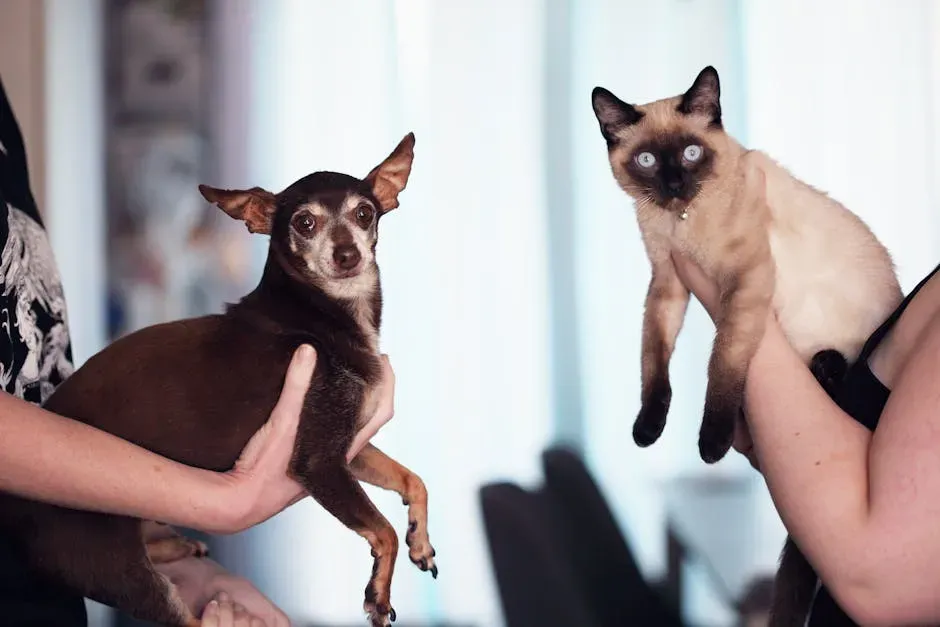
You might be surprised to learn that the way people relate to their pets, both cats and dogs, has shifted dramatically in recent years. Cat ownership is on the rise. A significant increase in ownership in 2024, more multi-cat homes, and a growing appetite for quality time with cats shows that today’s owners are redefining what it means to be a “cat person.” Nearly 49 million US households now own a cat. That’s a cultural shift that can’t be ignored.
Today’s dog owners prioritize shared experiences and deeper connections with their dogs, integrating them into active lifestyles, everyday routines, and travel. Dog owners increasingly incorporate their pets into daily routines that support healthy, active lifestyles, with more than half taking their dogs on foot for daily errands. What this tells you is that both camps are deepening their bonds with their pets, investing more time, money, and emotional energy than ever before. The loyalty, it seems, runs in both directions.
Conclusion: It’s Not a Competition, It’s a Language
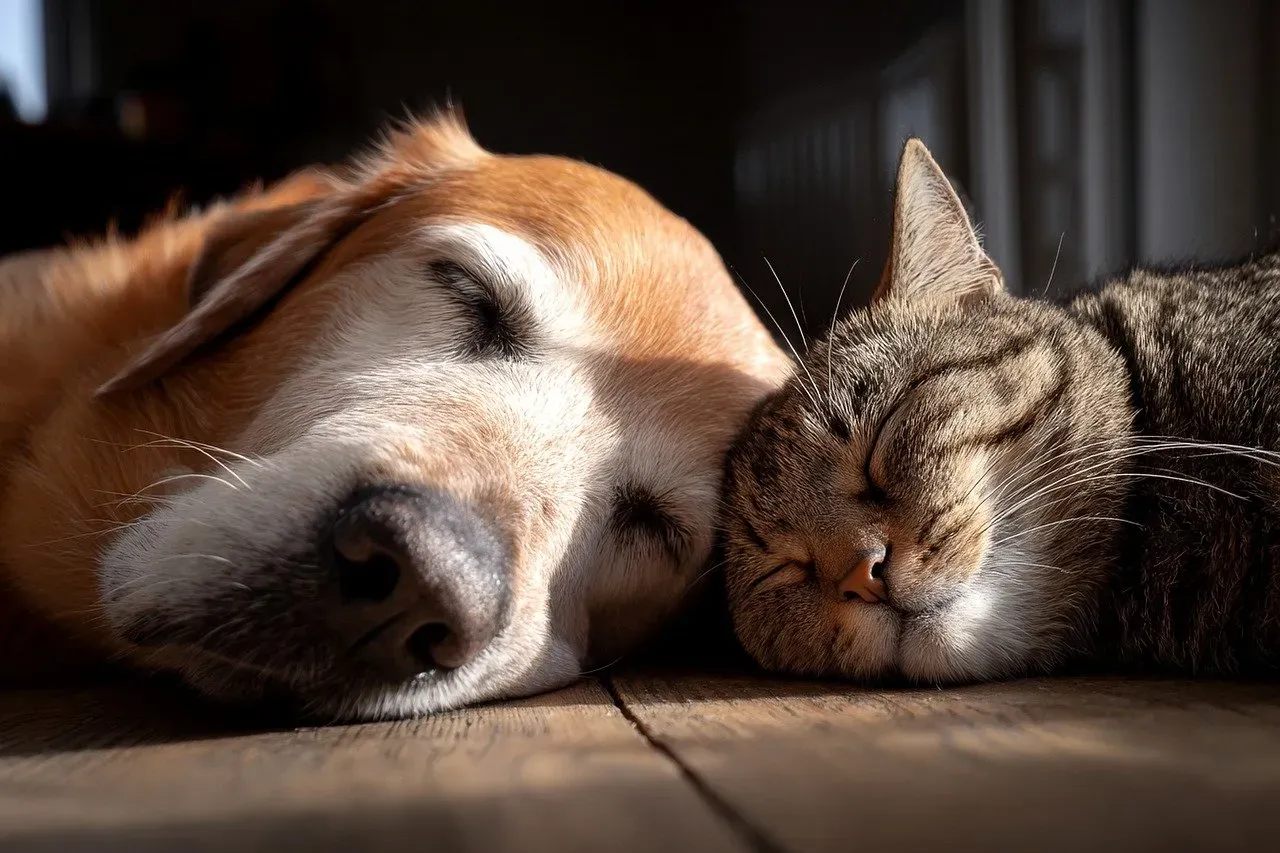
So who wins the loyalty contest? Honestly, I think that’s the wrong question entirely. Dogs express their loyalty loudly, visibly, and with their whole furry body. Cats express theirs quietly, on their own schedule, and in ways you might miss if you’re not paying attention. Neither is lesser. They’re just different dialects of the same emotional language.
While studies suggest that dogs may be more attuned to their owners’ social interactions, many cat owners will attest to their pets’ unique ways of showing affection and loyalty. Cats might not respond to social cues in the same way dogs do, but this doesn’t mean they don’t care about their owners. They simply express their bond differently, shaped by thousands of years of distinct evolutionary paths. The next time your cat settles beside you without fuss, or your dog gazes at you like you hung the moon, pause for a second and appreciate what you’re seeing. Both moments are forms of loyalty. The difference is just in how you listen for them.
So, does knowing the science behind it all change how you see your pet? What would you have guessed before reading this?
Kristina is a young writer from India. An arts graduate and an avid content creator, Kristina is passionate about animals and wildlife. She enjoys exploring topics related to pet care, animal behavior, conservation, and nature, combining thorough research with engaging storytelling.