Is Your Cat a Dog Person? 5 Ways Felines Mimic Canine Loyalty
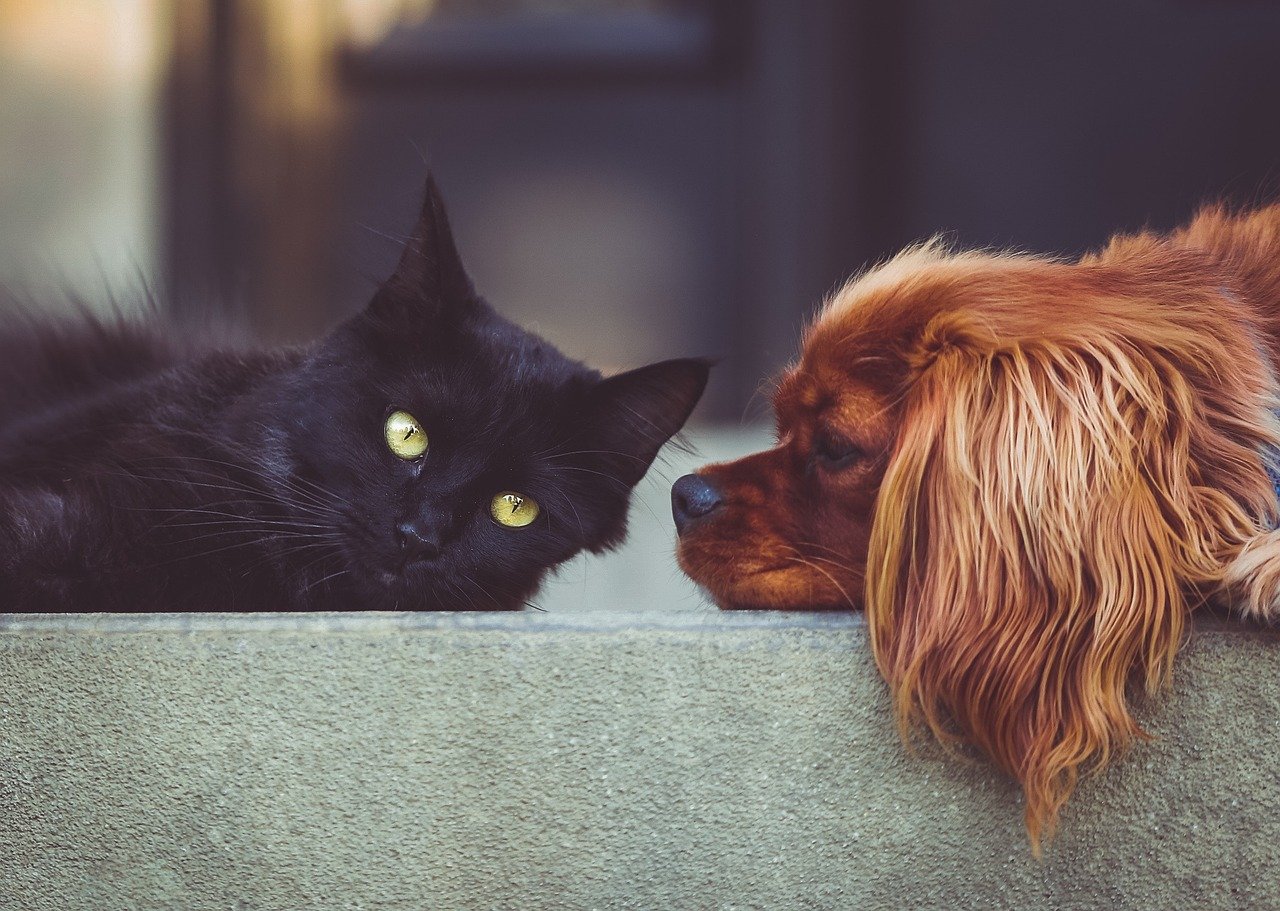
You've probably heard it a thousand times. "Dogs are loyal. Cats just tolerate you." People love tossing that one around at dinner parties, as if the entire feline species decided unanimously to be indifferent to human affection. Honestly, I used to half-believe it myself - until I started paying closer attention to what cats actually do behind the scenes.
The truth is far more interesting. Cats have been quietly breaking the mold, showing up in ways that look suspiciously, undeniably... canine. Surprising? Maybe. Life-changing for how you view your furry housemate? Absolutely. Let's dive in.
The Science Behind Feline Loyalty That Nobody Talks About
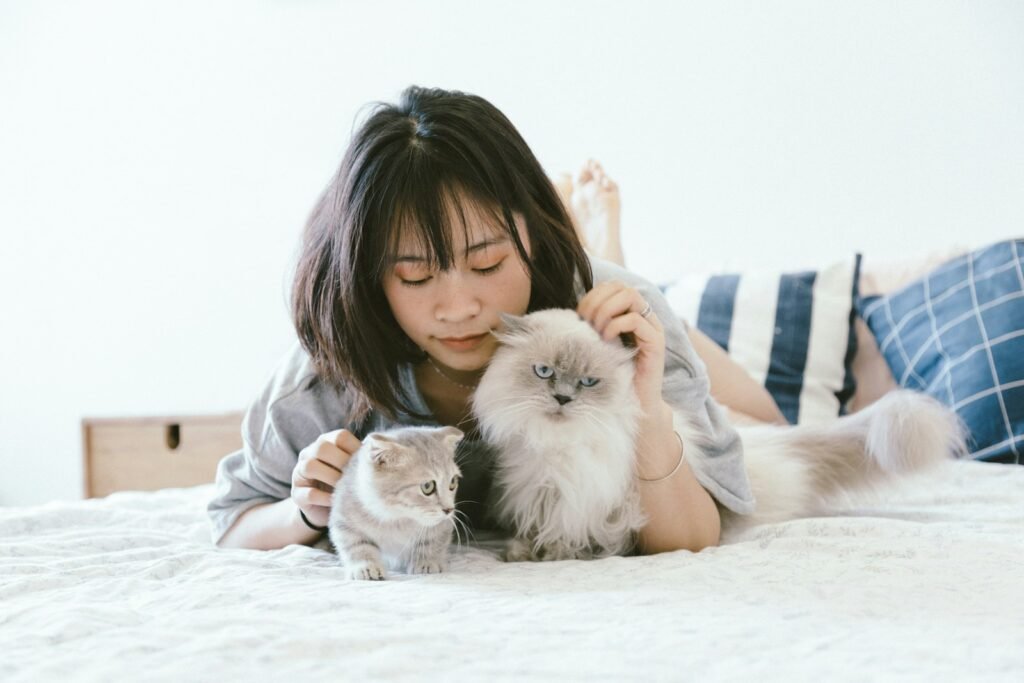
Here's the thing most people skip over entirely: there is real, peer-reviewed scientific evidence that cats form deep emotional bonds with their owners, bonds that look remarkably similar to what researchers find in dogs and even human infants. Researchers used a well-known psychological test first designed in the 1970s to study how infants bond with their parents, and this time it involved 108 cats alongside their owners. Each cat was brought into an unfamiliar room, and after two minutes together, the owner left for another two minutes before returning.
The results? Genuinely surprising. Roughly about two thirds of the cats showed signs of "secure attachment," meaning they trusted their owners and felt safe in their presence. That figure is actually higher than dogs, who scored a similar but slightly lower rate in comparable studies, and is right in line with what researchers observe in young children. So the next time someone tells you cats don't care, you have actual data to push back with.
Way 1: Following You From Room to Room Like a Four-Legged Shadow
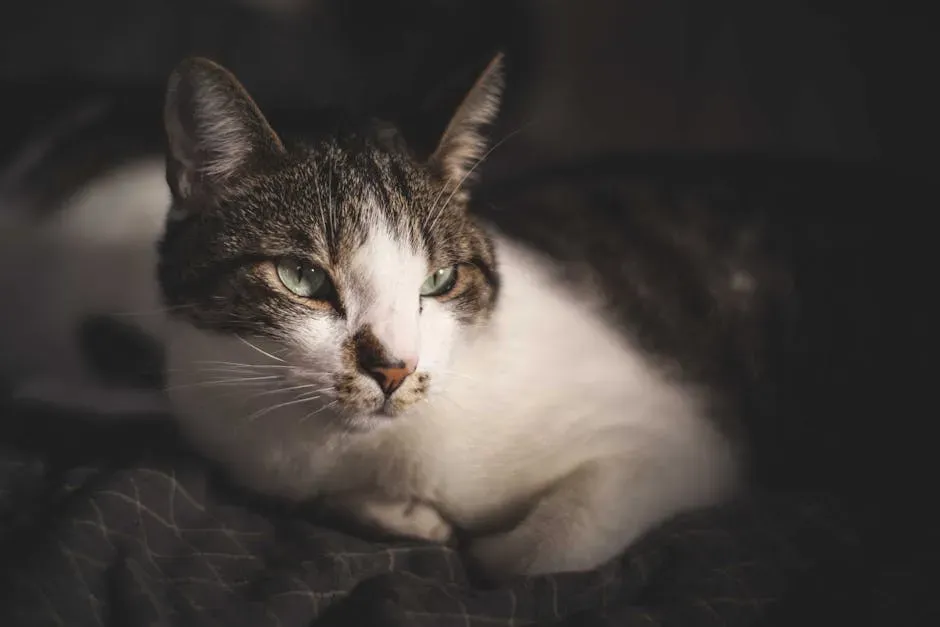
Think about the classic image of a loyal dog. It follows its owner everywhere, right? Down the hall, into the kitchen, even to the bathroom. Well, your cat might be doing exactly the same thing, and for very similar reasons. Cats like to show their loyalty by following their owners around the home or searching for them, and keeping tabs on your whereabouts ranks high on their priority list if you are important to them.
Although there are independent cats who aren't interested in interacting with people, others don't like being away from their owners for a second. When cats are deeply bonded with their owners, they're often described as dog-like, frequently following people around and even enjoying leashed walks. Think of it like having a quiet roommate who just needs to know you're still in the building. It's not clinginess. It's connection.
Way 2: Playing Fetch, Yes, Really
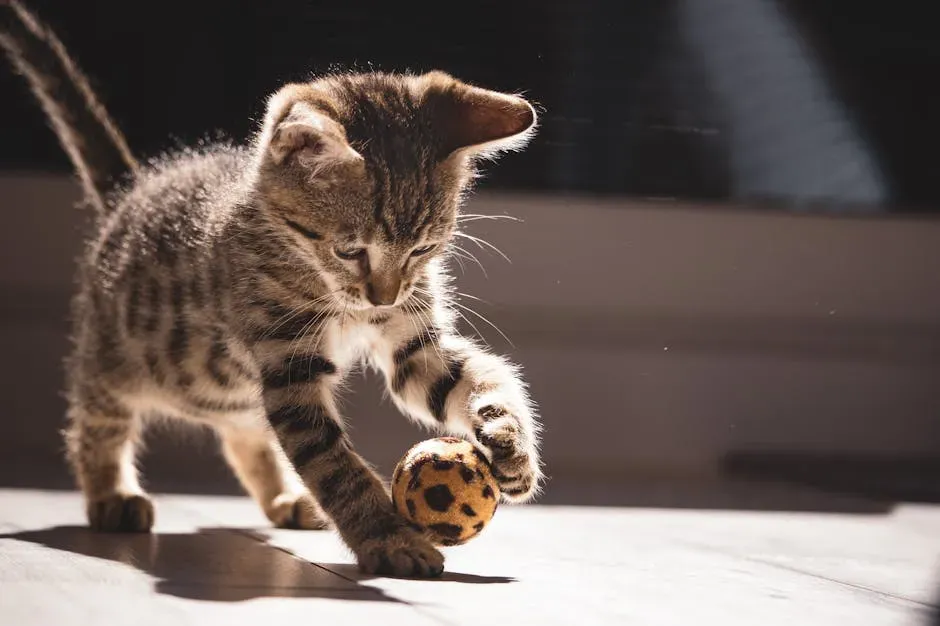
I know it sounds crazy, but fetch is not exclusively a dog's game. Many cat owners are stunned the first time their feline drops a toy at their feet and stares at them expectantly. Cats can pretty easily learn to play games like fetch with positive reinforcement, patience, a few treats, and plenty of praise. They can also learn to do remarkable things like running agility courses, and the Cat Fanciers Association even has organized agility competitions where cats do quite well.
Certain breeds are especially known for this behavior. Maine Coons are the giants of the cat world, and their size is only matched by their dog-like personalities. These cats love to follow their owners everywhere, always wanting to be part of the action, and if you throw a toy, don't be surprised when your Maine Coon brings it right back ready for another round. It's equal parts adorable and genuinely astonishing the first time you witness it.
Way 3: Greeting You at the Door
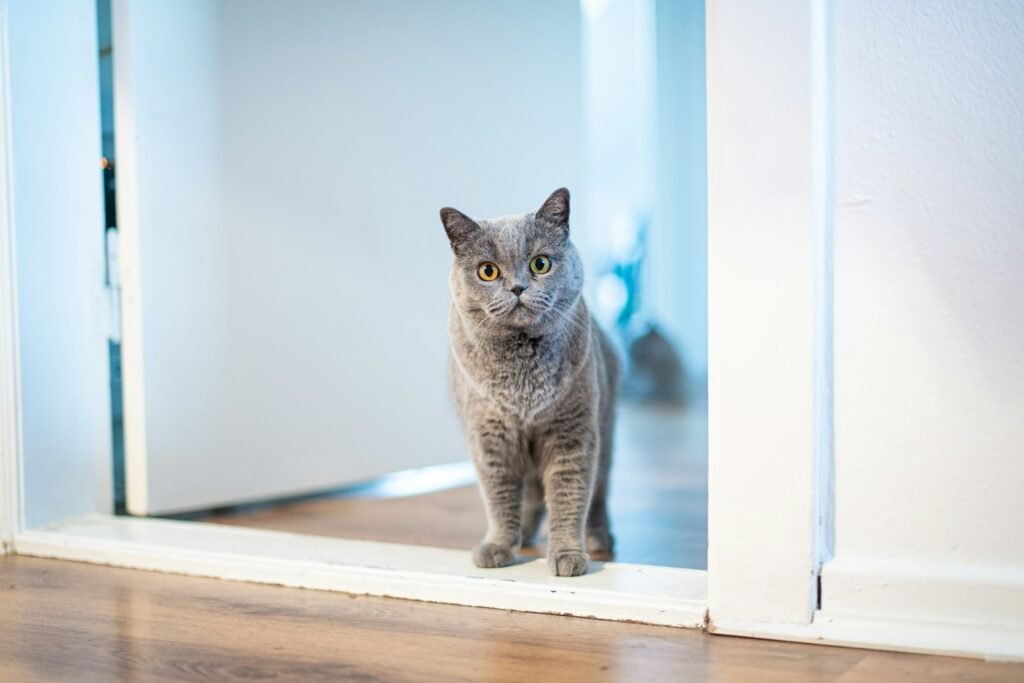
Dogs waiting at the front door when their owner returns home has long been held up as the ultimate symbol of canine devotion. What you might not have noticed is that your cat does this too. Waiting for you by the door is one of the signs your cat is protecting you. One certified cat behavior consultant noticed via a security camera that his cat would patiently wait at the door around the time he was due home, jumping up as soon as any noise associated with his return happened. Cats are instinctively aware of their surroundings, and waiting at the door is a way of monitoring their environment for your safety.
Cats showing secure attachment often follow their owners, sit near doors, and seek reunion contact after separation. You might have brushed this off as coincidence, but your cat is tracking your routine with impressive precision. It's a bit like having a tiny, opinionated personal assistant who refuses to carry a clipboard but is absolutely taking notes.
Way 4: Responding to Their Name and Learning Commands
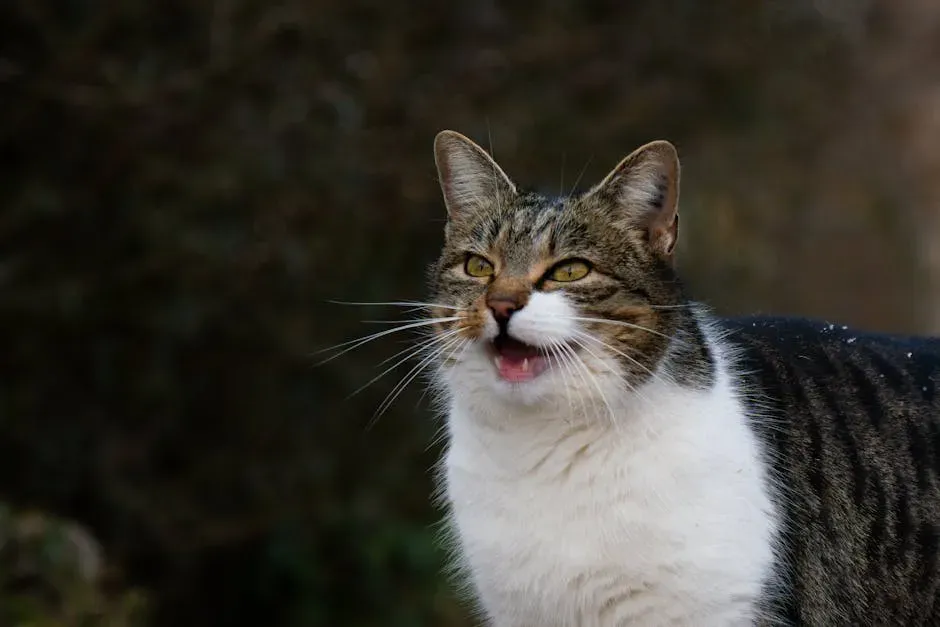
Dogs come when called. That's a given, right? But here's a fact that trips people up every single time: cats can do this too. The simple answer is yes, a cat can know its name. In a study done at the University of Tokyo, researchers concluded that cats can learn to recognize their names and discriminate their own names from other words. It's even possible to teach your cat a new name after they've been called something else in the past.
The process even mirrors how you'd train a dog. Cats are intelligent creatures, and their behaviors can be influenced with patience and training. Many people have taught their cats how to perform tricks, fetch toys, and even listen to commands like "come here," and felines will also quickly learn to associate a specific behavior with the sound of a clicker. The real trick, as any honest cat owner will tell you, is making your cat want to respond. That's a negotiation, not a command.
Way 5: Exhibiting Protective and Guard-Like Instincts
This one surprises people the most. We tend to think of protective behavior as a dog thing, something hardwired into golden retrievers and German shepherds. Yet cats have a long, documented history of stepping up when their owners need them. Cats may display protective behaviors like staying close, observing potential threats, or positioning themselves between their owner and something they perceive as harmful. Some cats have even been known to intervene during attacks, especially if they feel their owner is in immediate danger.
Cats may exhibit behaviors that appear protective when they perceive a threat to themselves or their family. While their small size typically means they rely more on warnings or deterrents than direct confrontation, some cats may display behaviors such as hissing, growling, or blocking access to their owner. It's a subtler form of protection than a Labrador charging at an intruder, but the instinct driving it is genuinely similar.
The "Puppy Cat" Phenomenon and What It Means for You
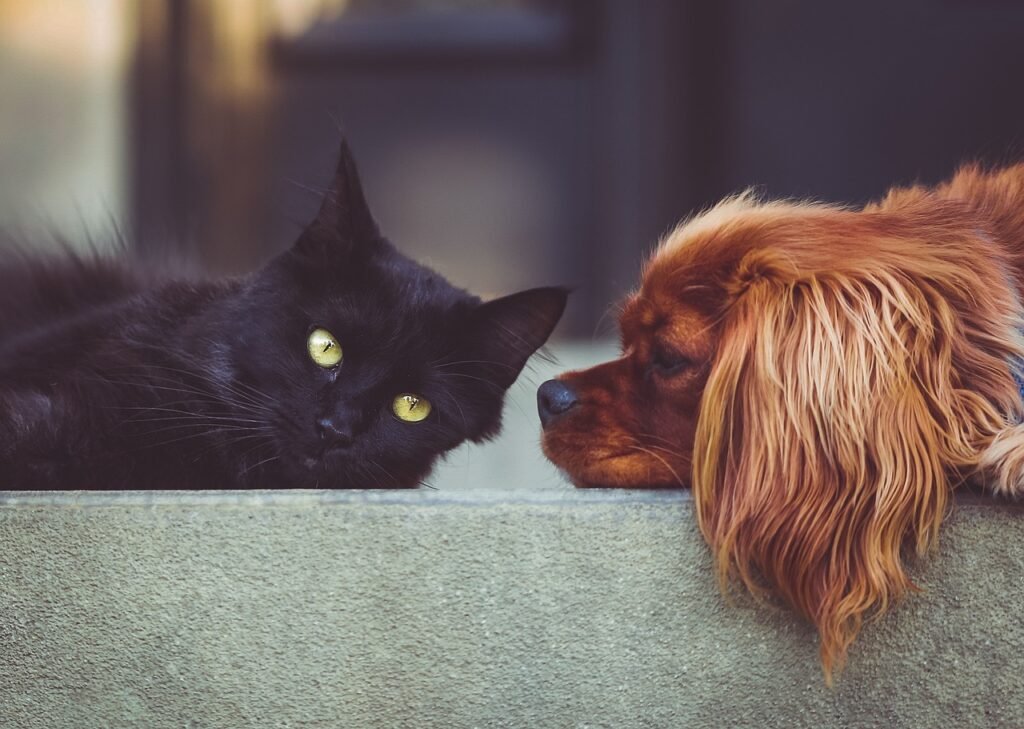
There is actually a name for cats who consistently show these dog-like tendencies. There's a growing market for cats that act like dogs, and there's a name for these pets: puppy cats. This name refers to specific breeds of domestic cats with behavioral patterns resembling those of dogs. Although uncommon, these dog-like tendencies are considered within the scope of feline behavior and have been enhanced through selective breeding.
Some of these behaviors include following their owner from room to room, craving constant acknowledgment and physical affection, showing a lack of aggression toward unfamiliar cats, enjoying baths or swimming, and showing no hesitation when walking with a collar and leash. If your cat ticks several of these boxes, you may have unknowingly adopted the feline equivalent of a golden retriever. Congratulations, by the way.
How Cats Communicate Loyalty Differently Than Dogs
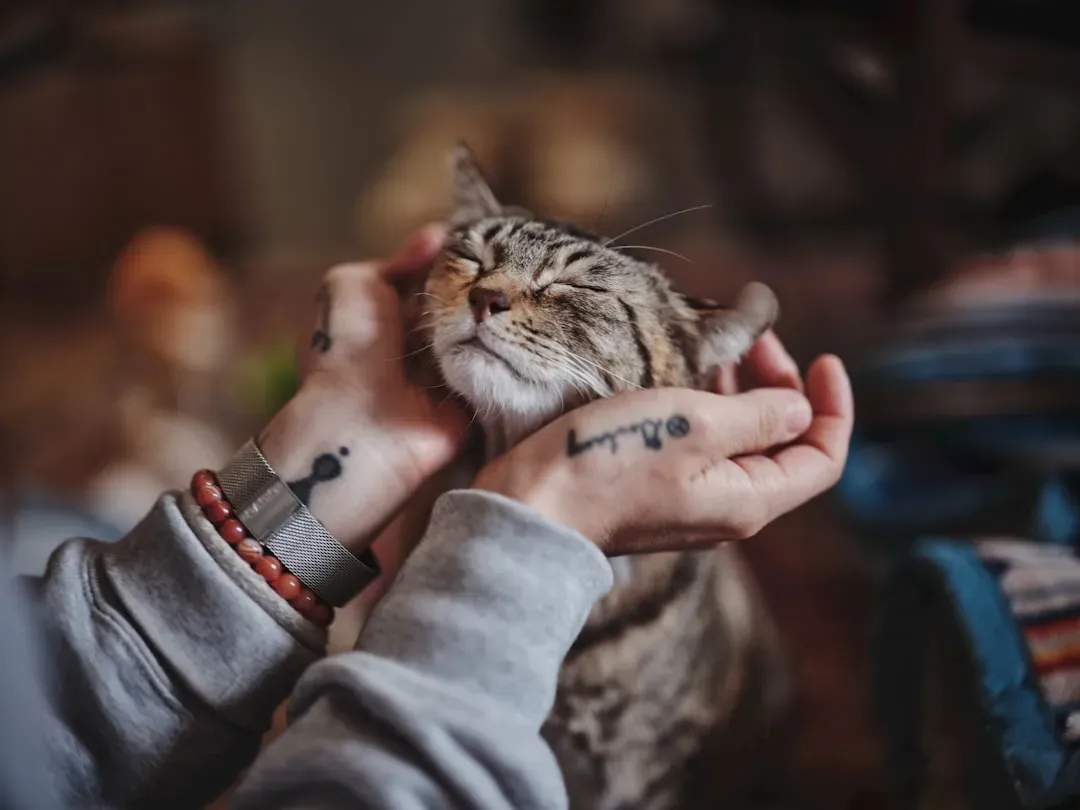
Part of the reason cats get mislabeled as cold or distant is that their loyalty doesn't wear the same outfit as a dog's. Cats appear to be autonomous. They don't think you are better than them. They think you and they are completely equal. Because of this, you can't force them to do anything. Everything they do, they do because they want to. Cats can be truly loyal, but unlike dogs, that loyalty comes out of their desire to be loyal to you.
Cats can develop a caring bond with their owners. While their expressions of care might differ from those of dogs, many cats form strong attachments and show affection through various behaviors like purring, rubbing against their owners, and seeking their attention. Cats can be protective of their owners, showing it through behaviors like staying nearby and hissing at potential threats. In other words, your cat's loyalty is real. It's just wearing a turtleneck instead of a wagging tail.
The Role of Imitation: Your Cat Is Watching You Closer Than You Think
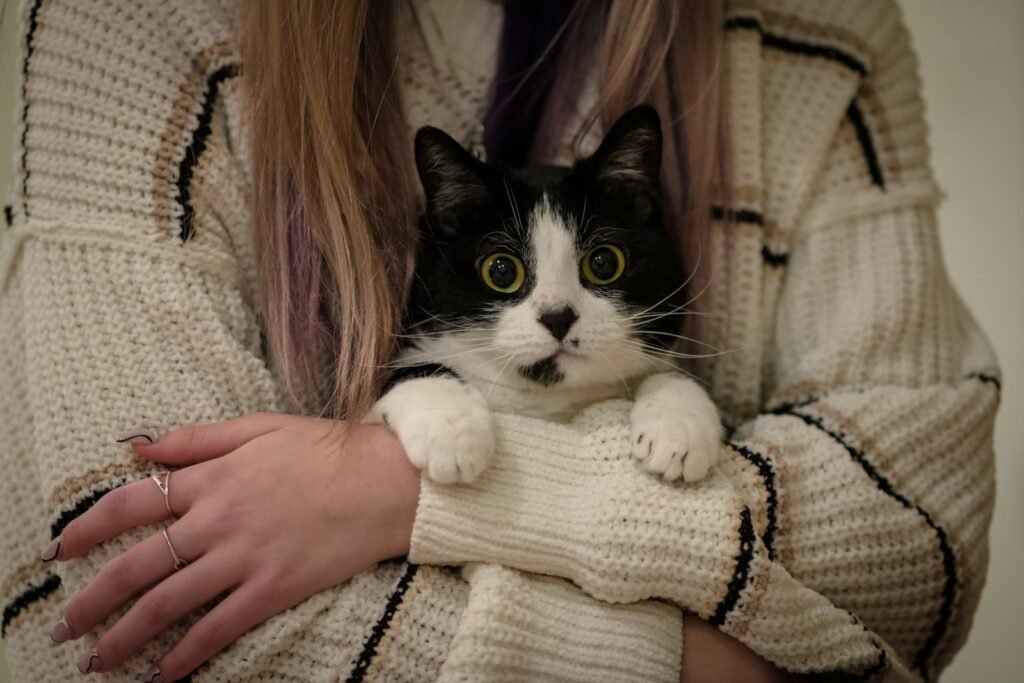
One of the most remarkable discoveries in feline behavioral research is the cat's ability to imitate human actions. Think of it like this: your cat is less a passive observer of your life and more an active student of it. Research shows that cats can imitate some actions of the owner under controlled scientific conditions, and significantly few species have been observed copying human behavior. Now the domesticated cat is officially one of them.
Researchers have also found that cats living with their owners can mimic their owner's habits and adapt to their lifestyle. More specifically, cats' sleeping and eating patterns are often quite similar to those of their owners. So if you're a night owl and your cat is suddenly keeping vampire hours with you, that's not coincidence. That's admiration, expressed in the most feline way possible.
Breeds That Go Above and Beyond the Canine Comparison
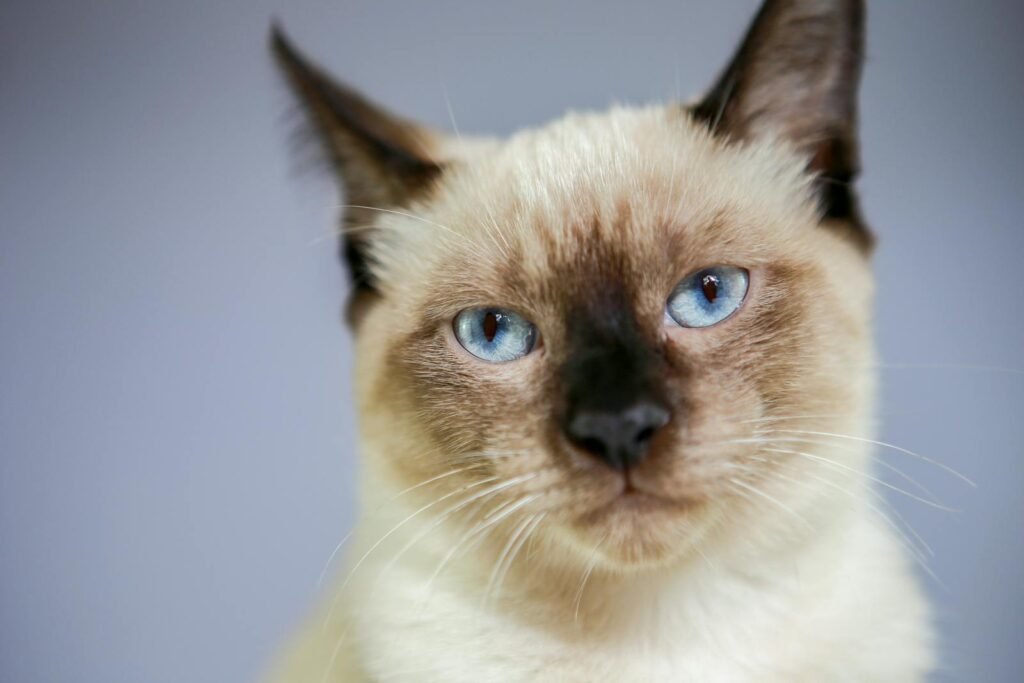
While any cat can exhibit dog-like loyalty, certain breeds seem to have it written into their DNA. Siamese cats are legendary for their chatty personalities and strong bonds with their humans. They'll talk to you all day, follow you from room to room, and always want to be involved in whatever you're doing. Siamese cats are quick to learn tricks, including fetching toys or even responding to commands, and their loyalty is fierce, often choosing one person as their favorite and sticking to them like glue.
Ragdolls are aptly named for their tendency to go limp in your arms, but their true gift is their unwavering loyalty. These cats follow their humans from room to room, rarely wanting to be left alone. They're gentle, affectionate, and eager to please, qualities that make them seem more like dogs than cats, and Ragdolls often greet their owners at the door and will even learn to play fetch. Honestly, if you renamed a Ragdoll "Buddy" and took it on a walk, the neighbors might not even blink.
Conclusion: Your Cat's Inner Dog Has Always Been There
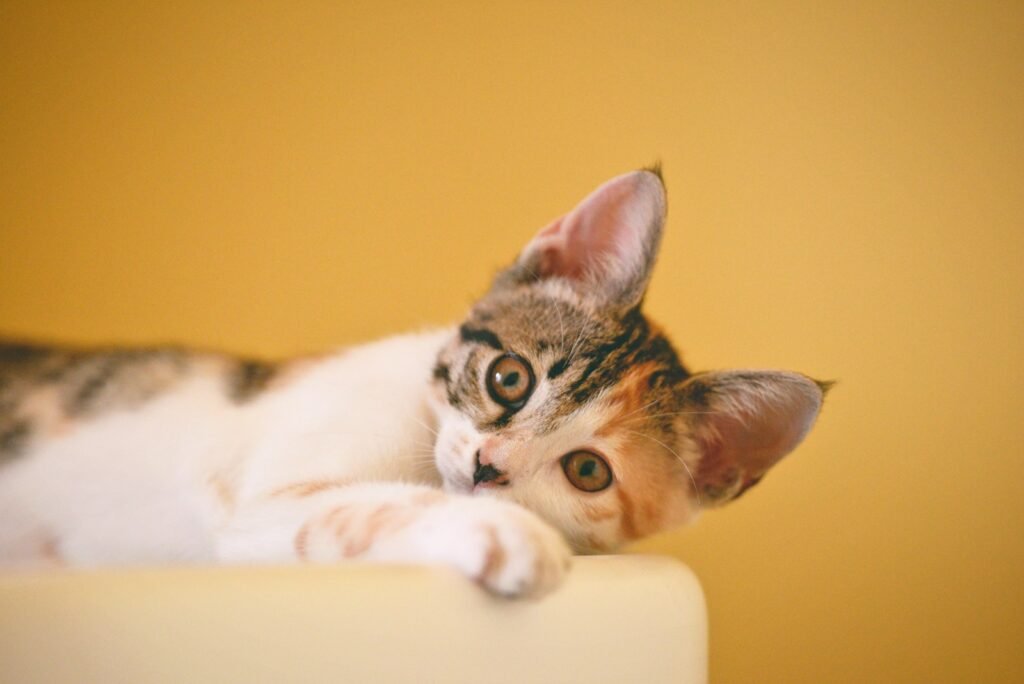
The idea that cats are aloof, uninterested, and emotionally unavailable is one of the great myths of the pet world. Science keeps chipping away at it, and the results keep landing in the same place. Cats are not disloyal, but cognitively speaking, they are wired differently from dogs, so they will show their loyalty to you in their own unique way. That uniqueness is actually what makes it so special when you finally see it for what it is.
Cat loyalty manifests uniquely. It involves a bond built on mutual understanding and trust, and cats show affection in subtle ways, from seeking your company to following routines. Your cat following you to the bathroom at midnight, waiting by the front door at 6pm, or dropping a crinkle ball at your feet and staring at you with intense expectation - none of that is random. It's devotion, just delivered in a very different package.
So the next time someone tells you cats aren't loyal, smile and let them believe whatever they need to believe. You and your cat know better. Did you ever suspect your cat was secretly a dog at heart? Share your thoughts in the comments below.