There’s something quietly magical about watching your cat claim a window perch like it’s a throne they were born to occupy. You’ve seen it a thousand times. That focused gaze. The still body. The occasional tail flick. It all looks so effortless and random, but here’s the thing – it’s anything but.
Your cat’s relationship with their window perch is one of the most telling windows (pun very much intended) into who they actually are. The spot they pick, the way they sit, how long they stay, what they’re watching – it’s all a language. A surprisingly rich one. So if you’ve ever wondered what your feline is really communicating from that little ledge, get ready to be genuinely surprised by what you’re about to discover. Let’s dive in.
Your Cat Is Running a Full-Time Surveillance Operation
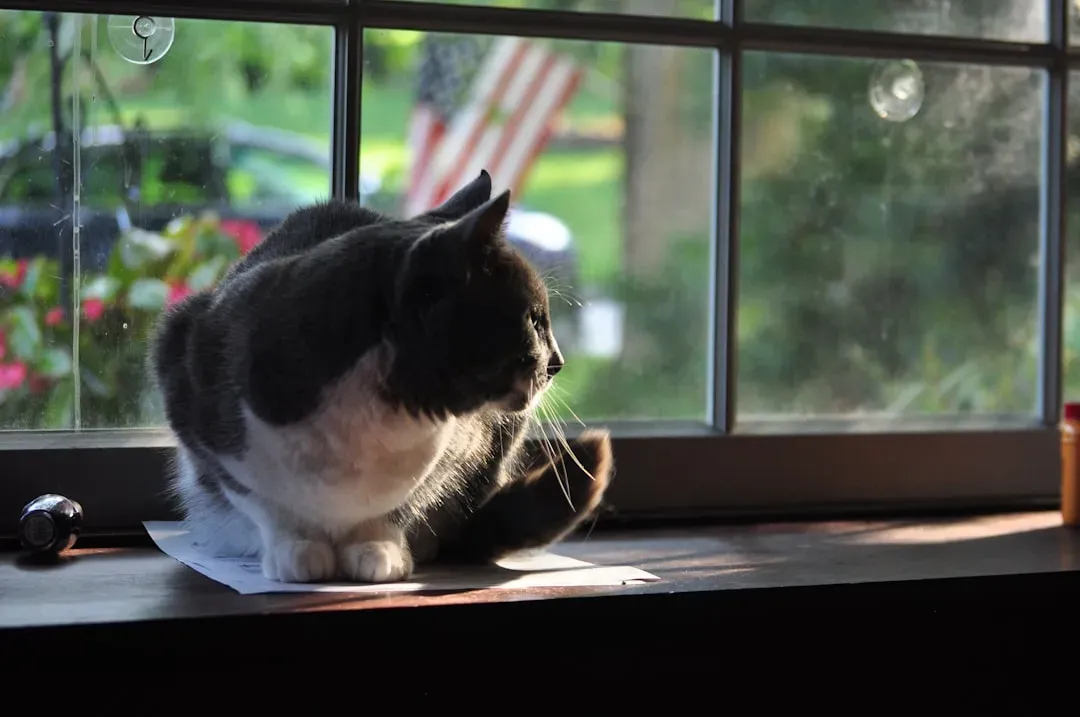
Your cat is deeply territorial by nature, and that window perch isn’t just a cozy spot – it’s their watchtower. Think of it as them taking detailed mental notes about everything around them: potential threats, new neighbors, unfamiliar cats passing through. It’s a behavioral habit rooted in survival instinct, the same one their wild ancestors depended on to stay alive.
A window offers a clear view of territory boundaries and potential intruders. Regular scanning from that elevated position lets your cat gather information and update their internal “threat map” without ever leaving the safety of your home. So if your cat stares down every dog that walks past your yard with laser intensity, they’re not being dramatic. They’re being a cat.
The Window Perch Reveals How Curious Your Cat Really Is
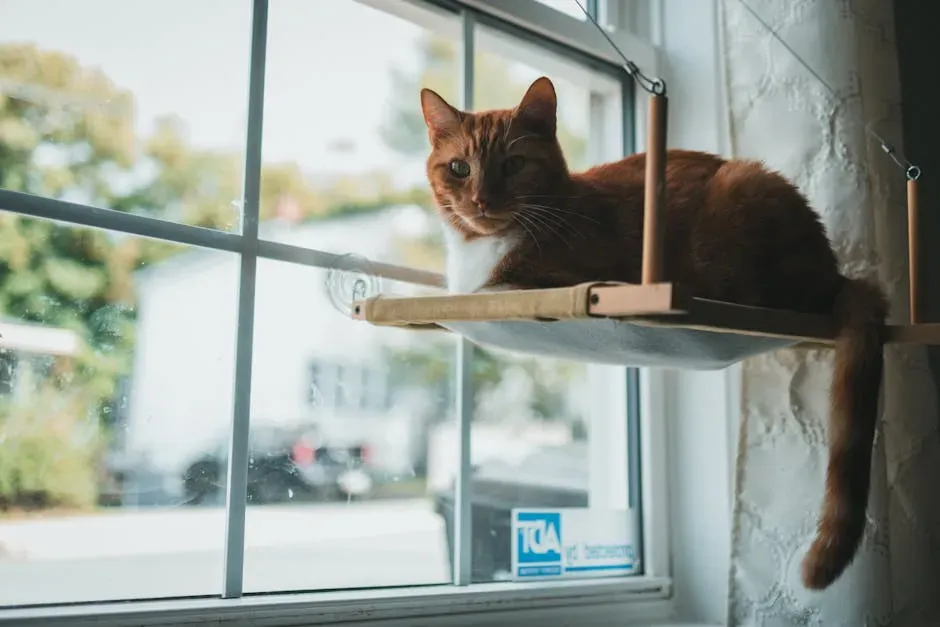
Cats are naturally curious and spend a large portion of their day observing their environment, which stems from their hunting background. Observing birds or other animals outside lets them mentally engage in hunting behaviors like stalking and tracking, even when they’re safely indoors. A cat who gravitates to the busiest window in the house is usually wired with a higher baseline curiosity than most.
Research indicates that cats perceive motion differently than humans, with an enhanced ability to detect subtle movements at greater distances. This evolutionary adaptation makes window watching particularly rewarding, as even minor environmental changes capture their attention and provide real entertainment. Honestly, your cat is not bored. Your cat is absolutely riveted.
It Tells You Whether Your Cat Is an Independent Explorer or a Velcro Companion
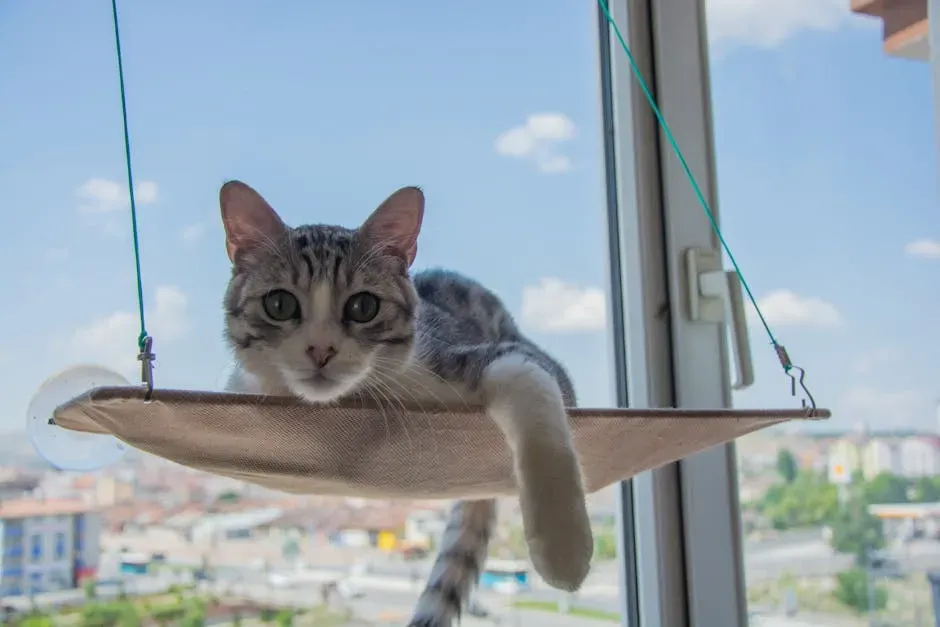
A cat who consistently prefers high perches or hidden nooks tends to enjoy solo play and rarely initiates cuddles, tolerating petting only on their own terms. This isn’t coldness – it’s a personality signature. The window perch becomes their private retreat, a self-directed experience they don’t need you to validate.
Independent-leaning cats truly appreciate having their own dedicated spaces, like a comfortable perch by the window. A simple, well-made window hammock can provide them hours of solitary entertainment watching the world outside. Compare that to a more social cat who still races to the window but then immediately turns around to chirp at you about everything they just saw. Same perch, completely different personality.
The Height They Choose Signals Their Confidence Level
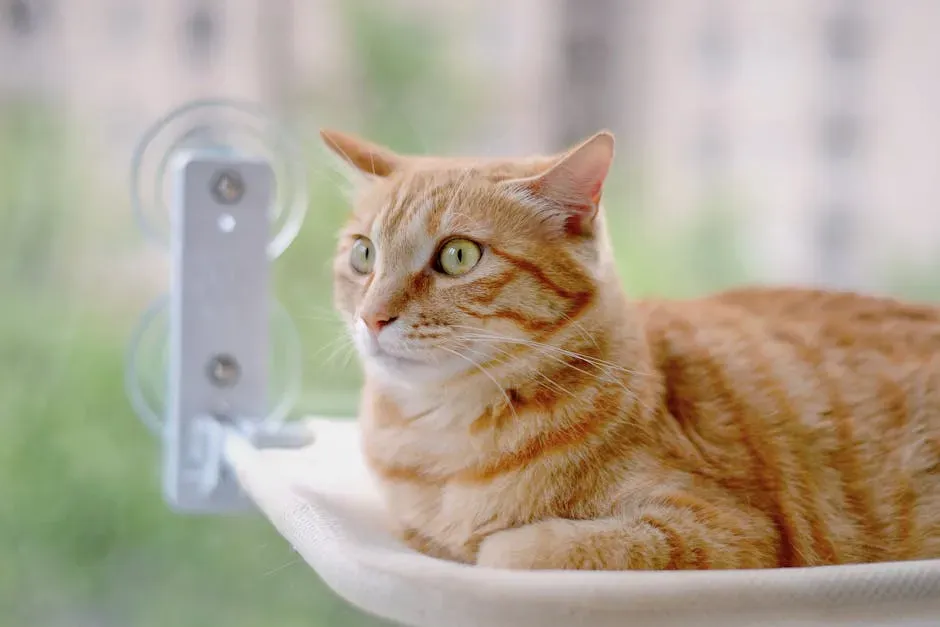
For shy or timid cats, a window perch can offer a genuine sense of security. Elevated spaces make cats feel safer and allow them to observe their environment without feeling vulnerable. Think of it like sitting at the back of a restaurant so you can see the entire room. It’s a comfort strategy, not just a preference.
True to their forest heritage, naturally confident cats are instinctive climbers who seek high vantage points. A well-placed window perch gives them the perfect lookout to monitor birds, drifting leaves, and neighborhood activity with steady focus. So the next time your cat climbs as high as physically possible to stare out the top corner of the window, you’re seeing quiet confidence in action.
How Long They Stay Reveals Their Mental Stimulation Needs
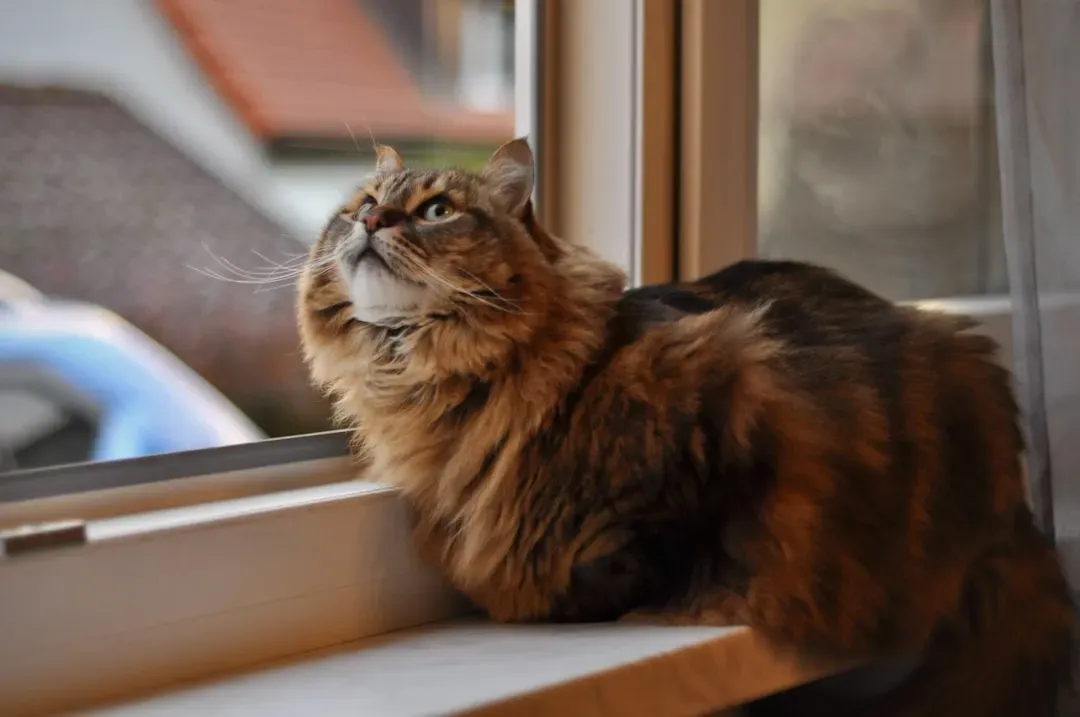
In a survey of 577 cats, caregivers reported that their cats spent less than five hours a day at the window, with the median time reported as two hours. So on average, pet cats spend around two hours a day at the window. That’s already a meaningful chunk of the day dedicated to one activity.
Almost 16% of cats were reported spending more than five hours a day looking out of the window. If your cat falls into that category, it’s less about obsession and more about an unmet need for stimulation. This environmental stimulation prevents boredom, which supports emotional health and reduces stress-related behaviors such as over-grooming or destructive scratching. A long-haul window watcher is often a cat who needs more going on in their world.
What They Watch Tells You What Makes Them Come Alive
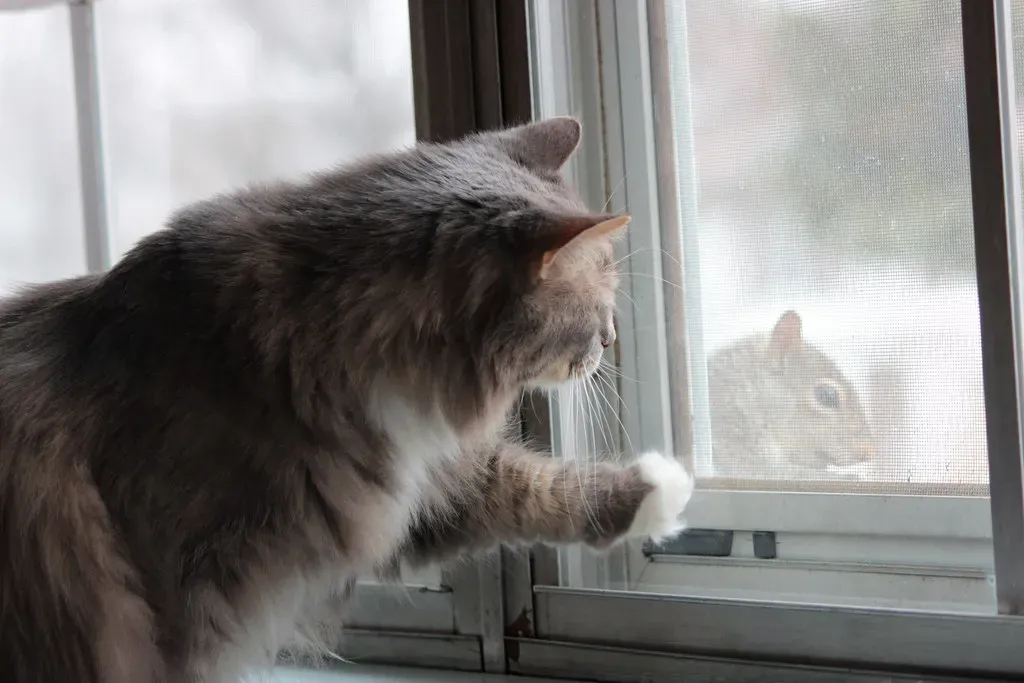
The most common activity cats engage in at the window is watching birds, small wildlife, or foliage. Reported less often, but still common, were watching other cats, people, vehicles, and insects. The specific focus of your cat’s gaze is genuinely revealing.
Birds move unpredictably, triggering a cat’s predatory instincts and providing visual stimulation that keeps them entertained and mentally sharp. A cat who fixates on birds is likely high in prey drive and needs active, chase-style play to feel satisfied. Meanwhile, a cat who watches people going about their day? That’s a socially curious animal who finds human behavior deeply fascinating. I think that one might say more about them than we’d like to admit.
The Sounds They Make at the Window Are a Personality Decoder
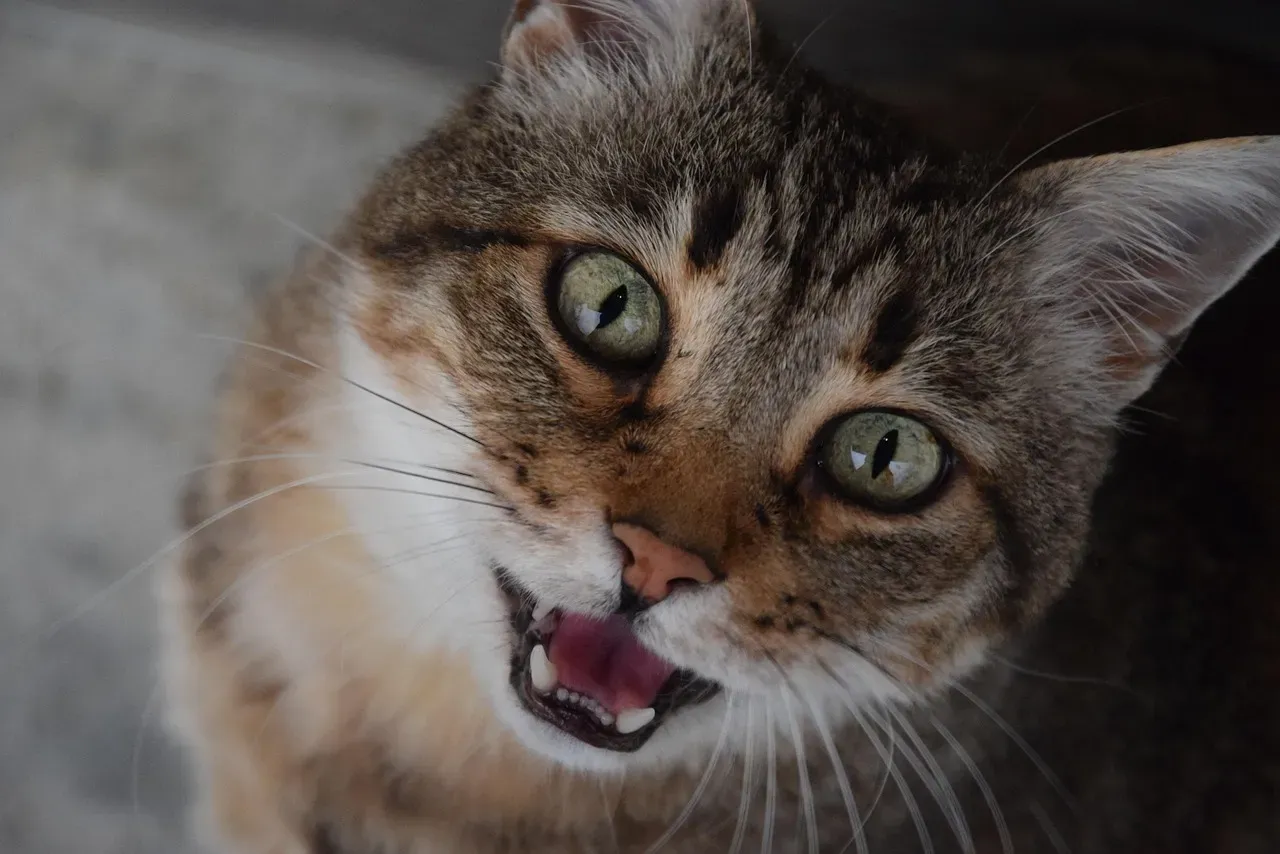
A happy and stimulated cat might make a quiet, excited “chattering” sound when they spot a bird. On the other hand, if you hear a low, sad, or constant meowing at the window, it might be a sign of frustration. The sound a cat makes from the perch is one of the clearest indicators of their emotional state in that moment.
This instinctive behavior manifests through several observable actions: tail twitching and body tensing when spotting potential prey, chattering or making distinctive clicking sounds at birds, and dilated pupils indicating heightened focus and excitement. Let’s be real – a chattering cat is one of the most endearing things in the world, but it also means their prey drive is running at full tilt. That energy needs an outlet beyond the glass.
Night-Time Window Watching Reveals Something Deeper
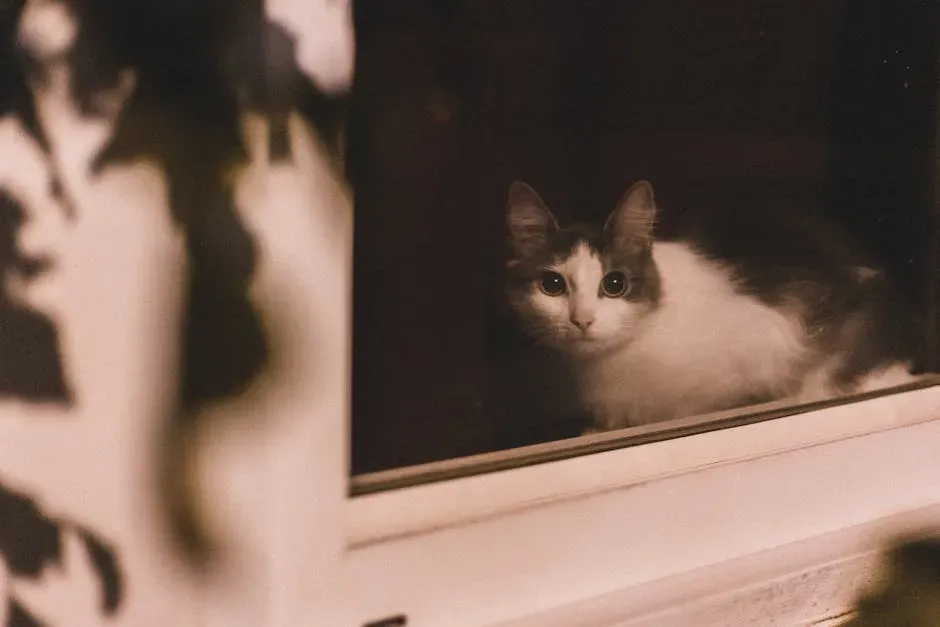
It’s a common misconception that cats are nocturnal. Felines are actually crepuscular, meaning they’re most active at dawn and dusk. So if your cat gravitates to the window in those low-light hours, they’re essentially living in alignment with their biological clock.
A cat looking out of the window at night may have the same instinctive motivations as during the day, but the stimuli shift. Your cat is likely becoming stimulated by different things at night, like bright lights, nocturnal animals, or shadows moving in the dark. A cat who watches intently but silently at night is probably just deeply engaged. However, if your cat shows signs of anxiety or restlessness related to nighttime window activity, there may be an underlying health or behavioral reason worth discussing with your vet or an animal behaviorist.
The Window Perch Is Also a Genuine Wellness Tool for Your Cat
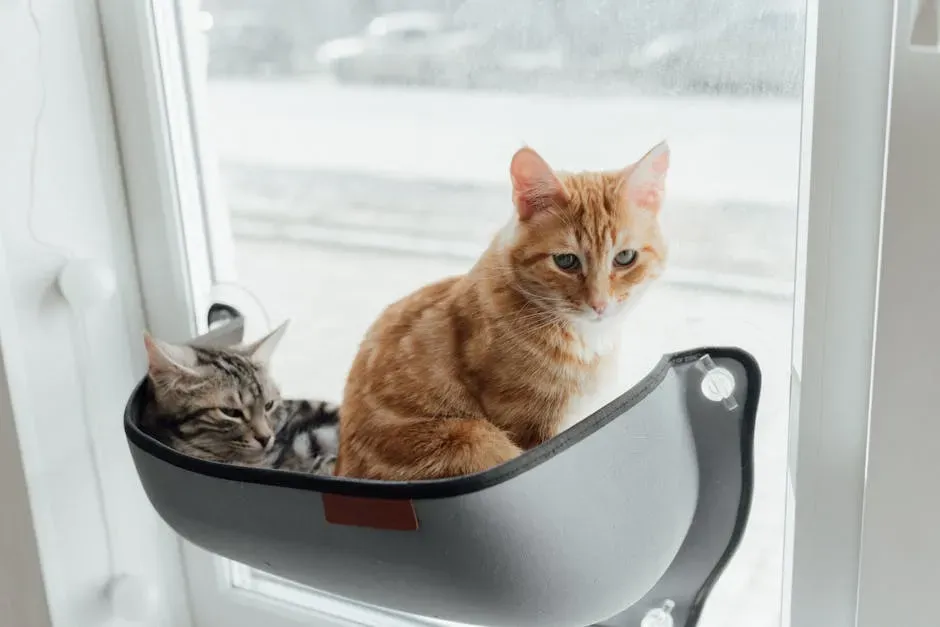
Window watching provides crucial mental stimulation that indoor cats would otherwise obtain through hunting activities. Feline psychologists emphasize that this observational behavior activates the same neural pathways involved in actual hunting. That’s not a small thing. It means your cat’s daily perch time is functionally equivalent to exercise for their brain.
Window watching actually functions as a form of meditation for cats, according to feline psychologists. The focused attention required to observe outdoor activity creates a calming effect similar to mindfulness practices, helping cats regulate emotions and manage stress that might accumulate from living in confined indoor spaces. So when your cat looks perfectly serene on that window perch, staring into the middle distance like a tiny philosopher? They genuinely are. You can help enrich this experience too. If you feed birds in winter, positioning a bird table in sight of the window gives your cat something lively to watch, and a bird bath would further encourage wildlife to come closer.
Conclusion: That Little Perch Is a Portrait of Your Cat’s Soul
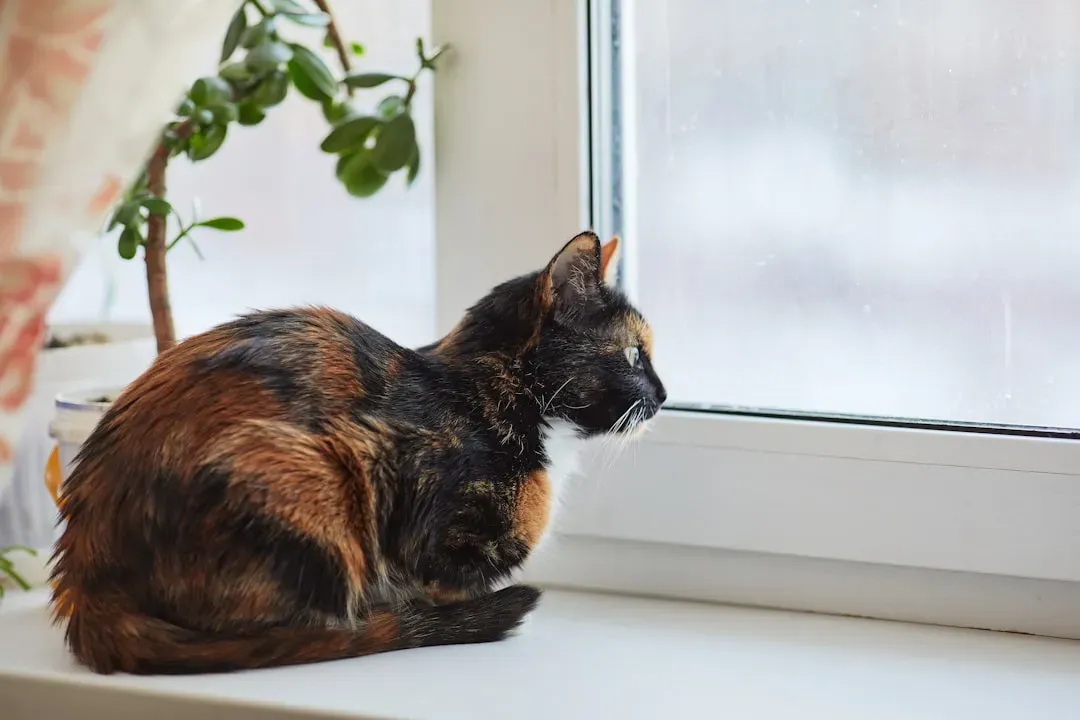
Your cat’s favorite window perch isn’t just a spot – it’s a stage where their true personality plays out every single day. The height they choose, the sounds they make, the things that hold their gaze, the hours they linger – each detail is a brushstroke in a portrait of who they genuinely are.
Cats, like humans, are individuals shaped by a mix of genetics, environment, and experiences. Research into feline behavior has revealed that cats exhibit consistent personality traits that can be categorized, offering real insight into their inner world. The window perch is one of the most honest places to observe those traits in their most natural form. Next time your cat settles in for their daily window session, take a moment to really watch them watch the world. You might realize they’ve been telling you exactly who they are all along. The question is – have you been listening?
What has your cat’s window behavior revealed about their personality? Tell us in the comments.