You share your home with one of the most perceptive, emotionally complex creatures on earth. Your cat notices everything. The way you move. The sounds you make. The smells you bring home. Yet despite your best intentions as a devoted cat owner, there’s a very real chance you’ve been setting off invisible alarm bells in your feline’s world every single day.
Because cats communicate differently, many people simply don’t pick up on the subtle signs of irritation in their feline friends. That slightly twitching tail, the flattened ear, the sudden disappearing act – these aren’t random mood swings. They’re messages. The good news is that once you know what you’re doing wrong, you can actually fix it. Let’s dive in.
1. Never Cleaning the Litter Box Often Enough
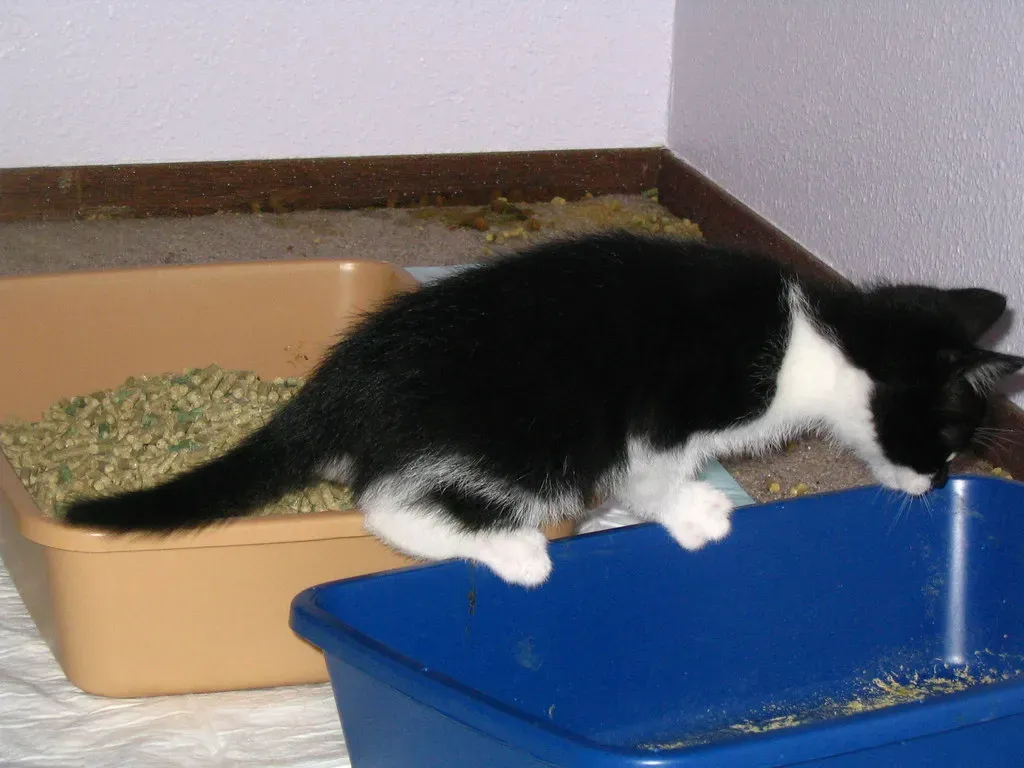
Honestly, this one should surprise no one, yet it remains the most commonly overlooked issue in cat households. Scooping out the cat box isn’t anyone’s favorite chore, but not doing it daily is the number-one way to annoy your cat. Think about it this way: would you use a public restroom that hadn’t been cleaned in three days? Neither would your cat.
One of the biggest sources of frustration for cats is a dirty litter box, since they are very clean animals and may refuse to use it if it is not in perfect condition. Not cleaning the box increases the chance your cat will find somewhere else around the house to go potty. Yes, that means your laundry pile, your bathmat, or the corner of your bedroom. You’ve been warned.
2. Disrupting Their Sleep or Rest Time
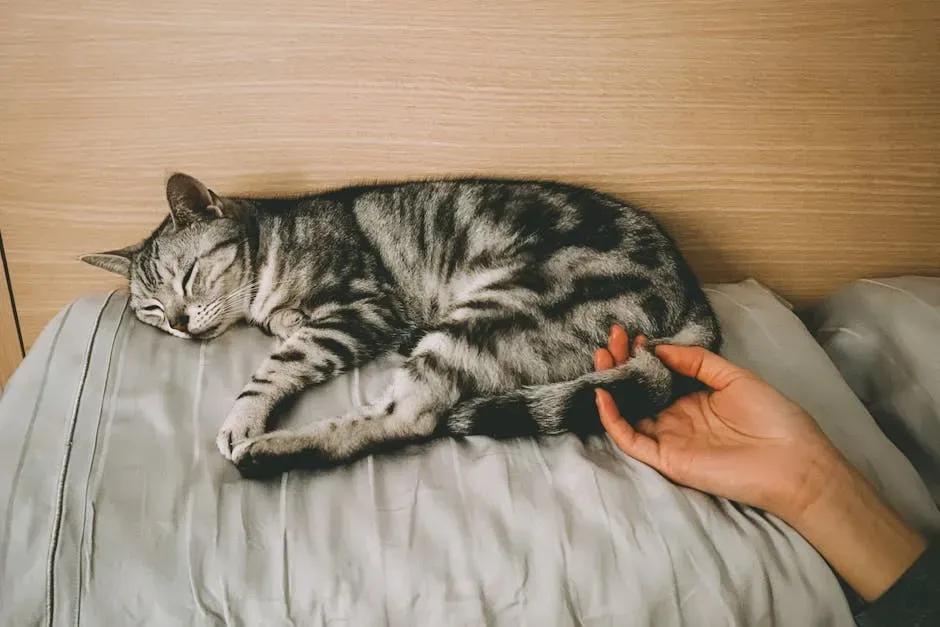
You walk over to your snoozing cat, see that tiny adorable face, and simply cannot resist a little poke or a cuddle. Completely understandable. Completely annoying to your cat. Cats love affection, but in the right amount and at the right time. If you insist on petting them when they are eating, sleeping, or simply not in the mood, they may become irritated.
Look for signs like ears back or flat, tail flicking, and even growling or hissing – this is an indication to stop and give them their space. Your cat sleeps for roughly two thirds of the day, and that rest isn’t laziness, it’s biological necessity. Interrupting it repeatedly is the emotional equivalent of someone shaking you awake every time you nod off on the couch.
3. Touching Their Belly When They Show It
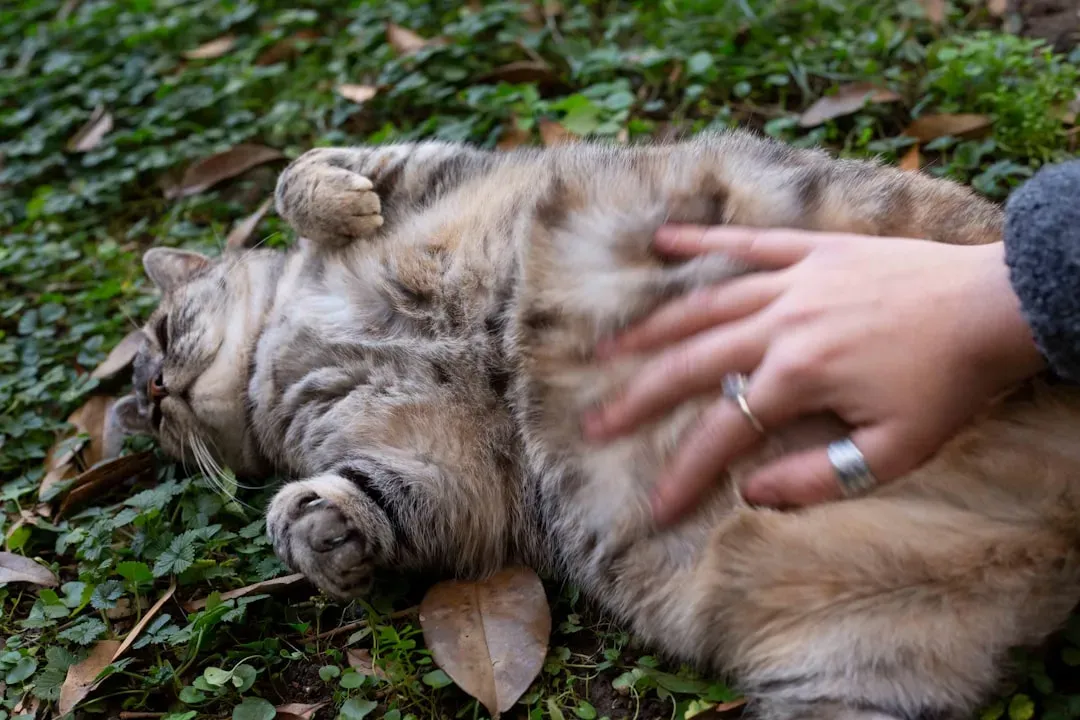
Here’s a trap nearly every cat owner falls into. Your cat rolls over, stretches out, and practically presents their fluffy belly like a gift. You reach down with excitement. Suddenly: claws. While some cats like it, most cats hate having their bellies touched. This area is extremely sensitive, and to them, showing their belly is a sign of trust, not an invitation for petting.
Cats love to roll around and show their belly – very inviting, but be aware it’s a trap. Cats usually don’t like belly rubs. Just be ready to back off if your cat gets annoyed, and always try to follow the three-second rule for cats: pet them for three seconds, then pause. If they stay close, seem at peace, or nudge you to keep going, give them some pets for another three seconds. It’s a negotiation, not an assumption.
4. Making Too Much Noise Around Them
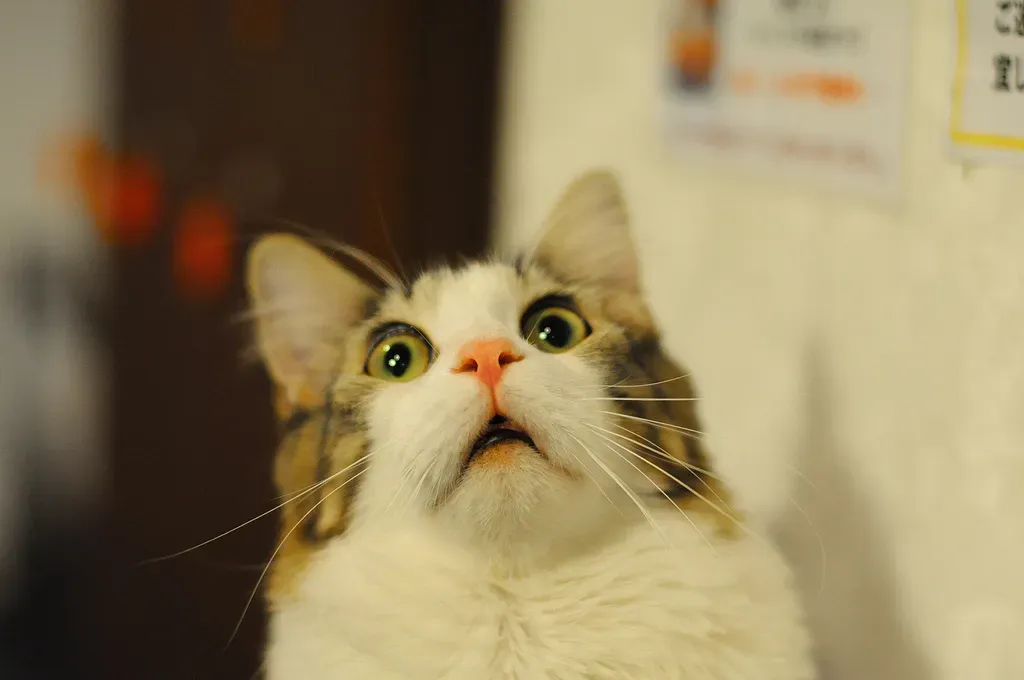
You blast your favorite playlist, run the vacuum, slam a kitchen cabinet shut, and wonder why your cat has vanished behind the sofa. It’s not drama. It’s genuine distress. Cats have very sensitive ears, which are helpful for alerting them to predators and for assisting them in finding and stalking prey. Their hearing is dramatically more powerful than ours, which means sounds that seem totally normal to you feel like a concert right next to the speakers for them.
Cats have very sensitive hearing, and loud noises such as vacuum cleaners, hair dryers, shouting, or even slamming doors can be extremely distressing. If tools, company, music, or other things are raising the noise levels in your home, don’t be surprised if your cat runs for cover. Creating quieter zones in your home, especially during stressful events, can make a genuine difference in your cat’s daily wellbeing.
5. Forcing Physical Contact or Picking Them Up Uninvited
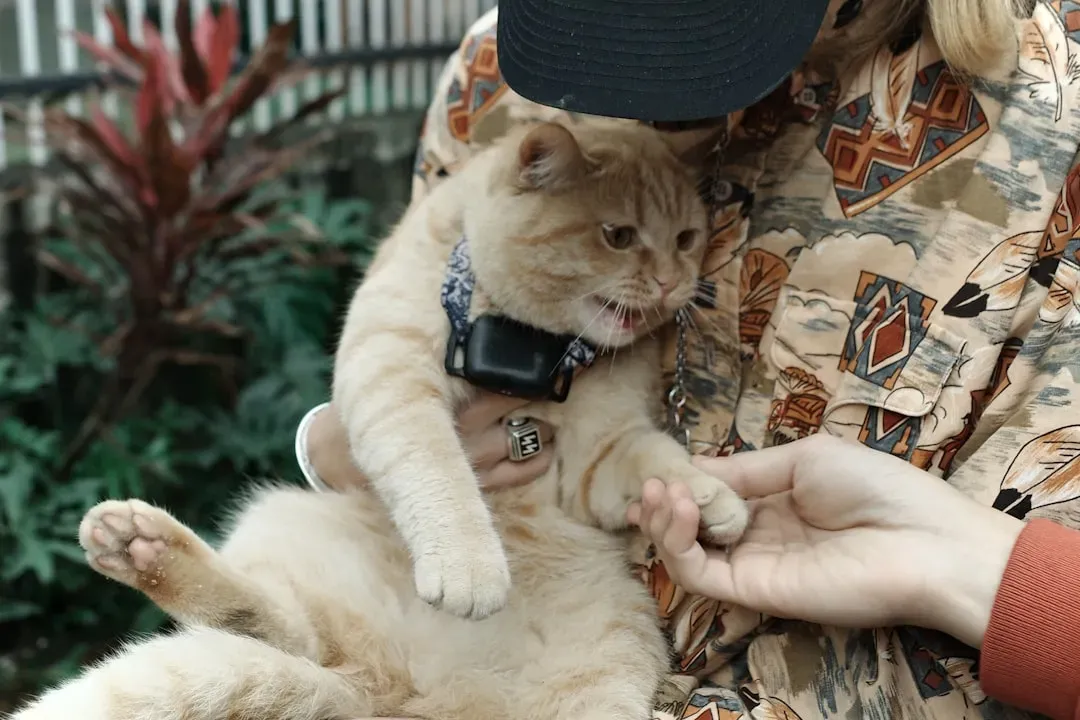
Let’s be real, most of us have been guilty of scooping up our cat just because we wanted a hug. Many cats don’t like being picked up out of the blue. They prefer to interact on the floor, where they have control of the situation. Catching a cat by surprise can make them nervous and stressed. It’s not personal rejection, it’s a deeply wired survival instinct.
Cats are prey and predator animals and they don’t like to be held close or restrained. Allowing your cat to initiate contact with you, so they feel they have choice and control over the interaction, is probably the easiest way to establish the quality and quantity of affection that they want. Think of it like this: the best human friendships are built on mutual respect, not forced hugs. Your cat operates the exact same way.
6. Changing Their Routine Without Warning
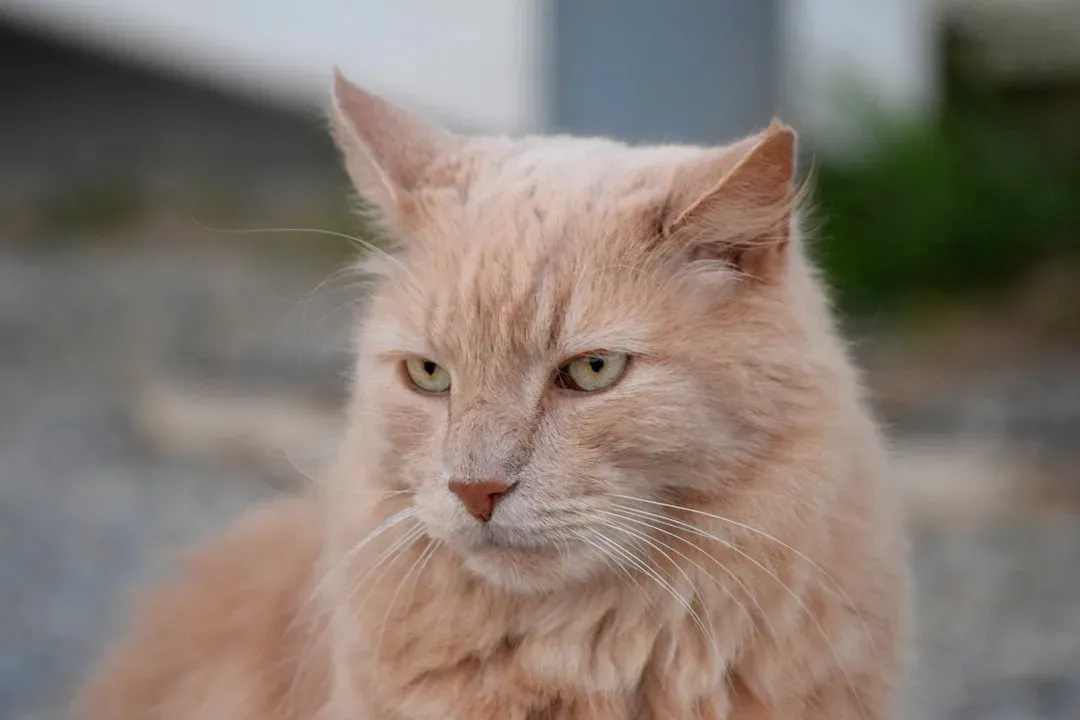
You moved the food bowl to a new corner. You started feeding them an hour later. You rearranged the living room furniture. These feel like tiny, insignificant changes to you. To your cat, it can feel like the entire world has shifted. Cats thrive on routine and predictability, and even small disruptions can be stressful for them. Things that shake up these routines or introduce something new can make cats feel like their boundaries have been crossed, and while these changes may seem insignificant to humans, they can be a major source of stress for cats.
Cats are creatures of habit, and sudden changes in routine, such as changing the location of their food bowl, moving their bed, or changing their feeding schedule, can leave them confused and upset. While changing up your home decor may be fun for you, it can be stressful for your pet, especially for cats. Changes in their surroundings, like rearranging furniture, can create anxiety, so keep things consistent or make changes slowly. When big changes are unavoidable, introduce them gradually and give your cat time to investigate on their own terms.
7. Ignoring Their Need for Play and Mental Stimulation
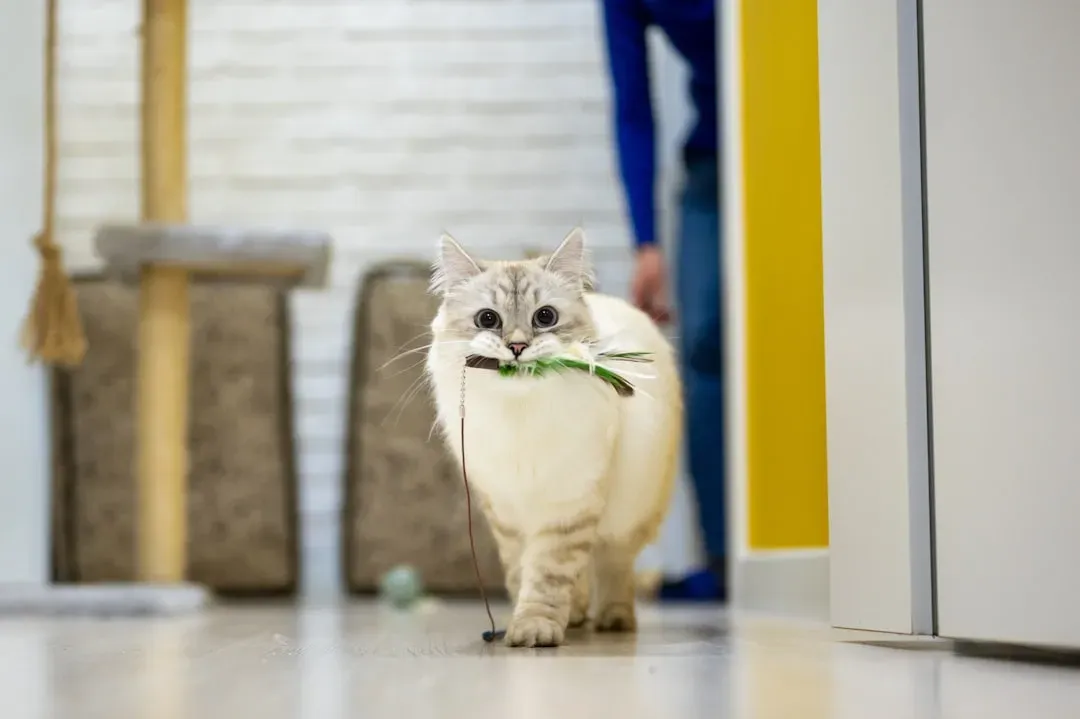
It’s easy to assume your cat is perfectly fine lounging around all day while you’re at work. But underneath that serene, sleepy exterior lives a predator that desperately needs to hunt, explore, and engage. If your cat is trying to play and you ignore them, they may become frustrated. Lack of physical and mental stimulation can even lead to stress. A bored cat is not a happy cat, and the signs of that boredom often show up as destructive or attention-seeking behavior.
Cats are naturally inquisitive animals who love to explore. When kept indoors without enough activities to keep them busy and occupied, they may engage in activities their owners find annoying or problematic, including jumping onto kitchen counters, destructive behaviors, and excessive meowing. Cats need physical exercise and mental stimulation to stave off boredom and stay engaged. You should schedule time daily to play with your feline friend, and consider using a food puzzle toy to make mealtimes more exciting. Even just ten or fifteen focused minutes with a wand toy each evening can dramatically reduce stress-related behaviors.
8. Using Strong Scents or Harsh Cleaning Products
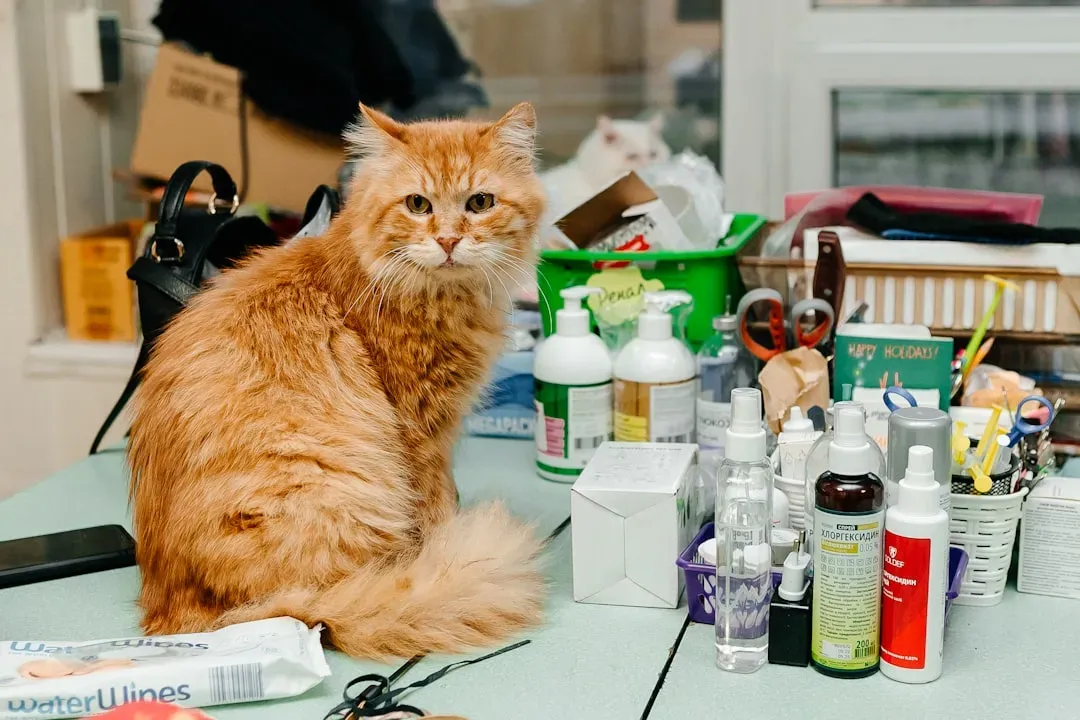
Your home smells great to you after a deep clean with citrus spray and scented candles. To your cat, it smells like a chemical nightmare. Cats have an incredible sense of smell, which is much more powerful than ours. Significant changes to the smell of their home can be a real concern to cats, even though it may not be obvious to us. A cat’s olfactory system is built for survival-level precision, and intense artificial fragrances essentially overwhelm their entire sensory world.
Perfumes, cleaning products, and even some candles can have scents that irritate cats. They have a very keen sense of smell, and strong fragrances can be bothersome to them. Avoid citrus scents, which seem to stress out cats in particular, consider non-scented detergent, or just keep a well-ventilated home with fans or cracked windows when you’re cleaning. It’s a small adjustment that costs you nothing but can mean the world to a cat who has no way to escape the smell that fills every room.
A Final Thought Worth Sitting With
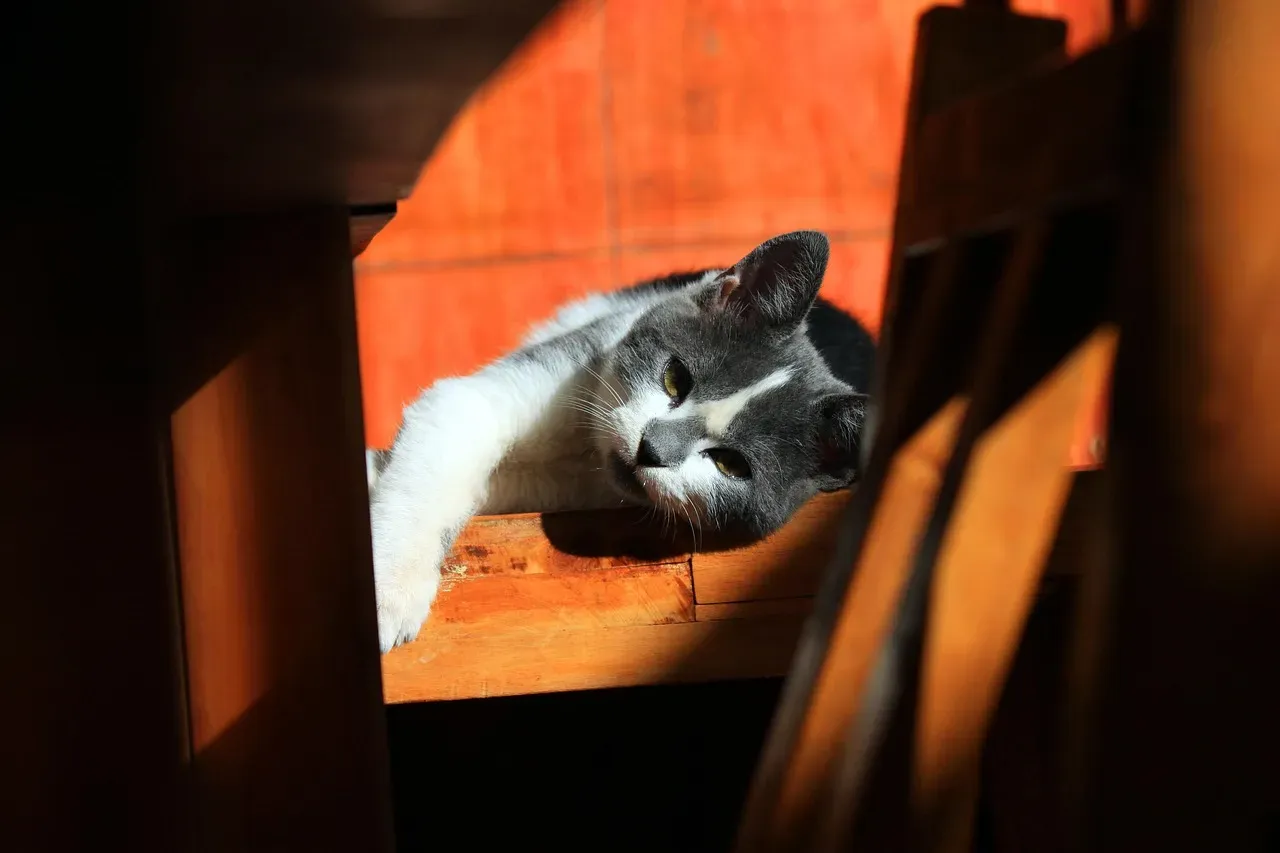
Here’s the thing about cats: they are not difficult, they are just different. They have specific, legitimate needs that are deeply rooted in biology, and most of the behaviors that confuse or frustrate us make perfect, logical sense from their perspective. When you live with someone, certain things are bound to bother you about them at some point, and your cat is no exception. While you may feel frustrated when your furry family member makes a mess, your cat can feel equally annoyed with their pet parents.
If you can care for your cat and respect their needs, both as a species and as an individual, you stand the best chance of preventing or reducing chronic stress. Remember, things that stress your cat could be things that you don’t find worrying at all. The relationship you build with your cat is a long game, one built on patience, observation, and genuine respect for a creature who chose to share a life with you on their own, very particular terms.
The best cat owners are not the ones who love their cats the loudest. They’re the ones who actually listen. So, which of these habits did you recognize in yourself? Drop a comment and let us know.