If you’ve ever reached for your cat’s belly after they rolled over, or stared lovingly into their eyes only to get a swat in return, you’re probably guilty of something most cat owners don’t even realize they’re doing. You’re speaking dog. It sounds funny, honestly, but it’s one of the most common ways people accidentally stress out their feline companions. Cats and dogs might both have four legs and fur, but when it comes to communication, they might as well be from different planets.
The good news? Once you understand the language your cat is actually speaking, the whole relationship changes. You stop misreading signals, you stop causing accidental stress, and your cat starts trusting you on a deeper level. Let’s dive in.
Fix 1: Stop Treating a Wagging Tail Like a Welcome Sign
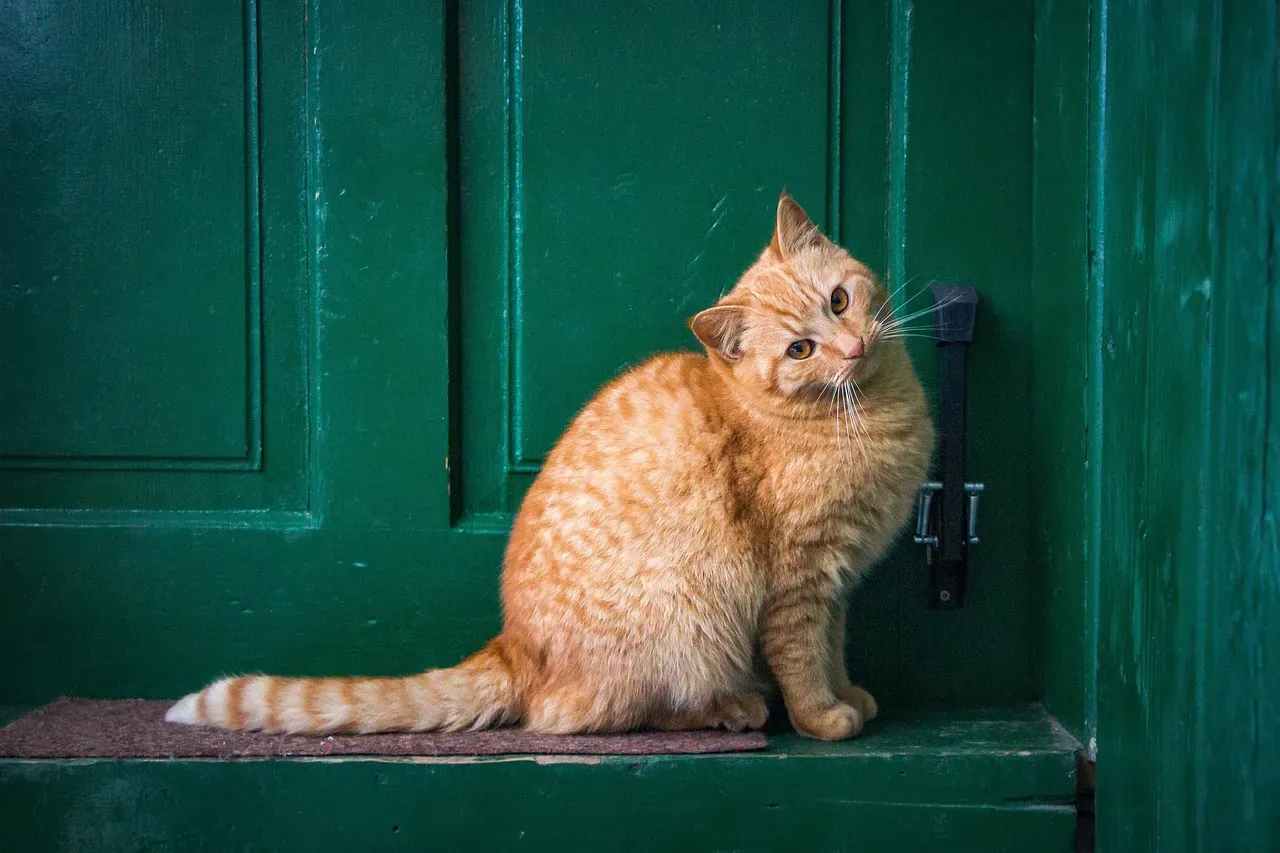
Here’s something that might blow your mind if you’ve spent most of your life around dogs. A wagging tail means something entirely different for each animal. In dogs, tail movement typically indicates excitement or friendliness, while in cats, a swishing tail often signals irritation or hunting mode. You’ve probably been reading your cat’s tail swings completely backwards.
A cat who is whipping their tail back and forth is clearly signalling you should back away, as they are likely to attack if pushed. A slight twitch to the tail essentially helps a cat think and make up their mind about the situation. So the fix here is simple: when your cat’s tail starts moving quickly, pause whatever you’re doing and give them a moment. That tail is a traffic light, and right now it’s saying red.
Fix 2: Learn What the Slow Blink Actually Means
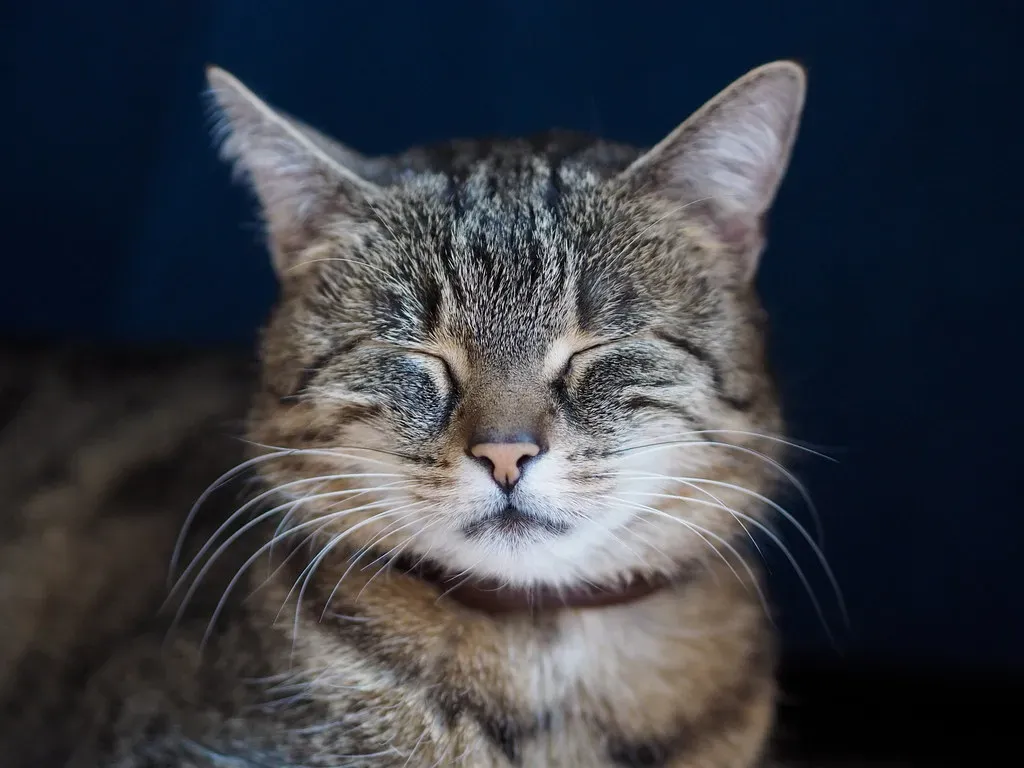
If your cat has ever gazed at you and slowly, almost sleepily closed their eyes, you may have ignored it or wondered if they were just tired. Don’t make that mistake again. According to a study published in Scientific Reports, the role of cat eye narrowing movements in cat-human communication is the equivalent of a cat smile. That drowsy-looking blink is your cat saying “I trust you completely.”
Slow blinking is thought to be used by cats to indicate a sense of calm and a positive emotional state. You should only try slow blinking with your cat when they are at their most relaxed and in a receptive mood, perhaps when you would normally be relaxing together. Choose a familiar environment in the home, close or partially close your eyes for more than half a second at a time, and repeat slowly a few times to see if your cat blinks back. Think of it as your secret handshake. Practice it, and your cat will know, without a doubt, that you’re one of the safe ones.
Fix 3: Rethink the Belly Rub Reflex
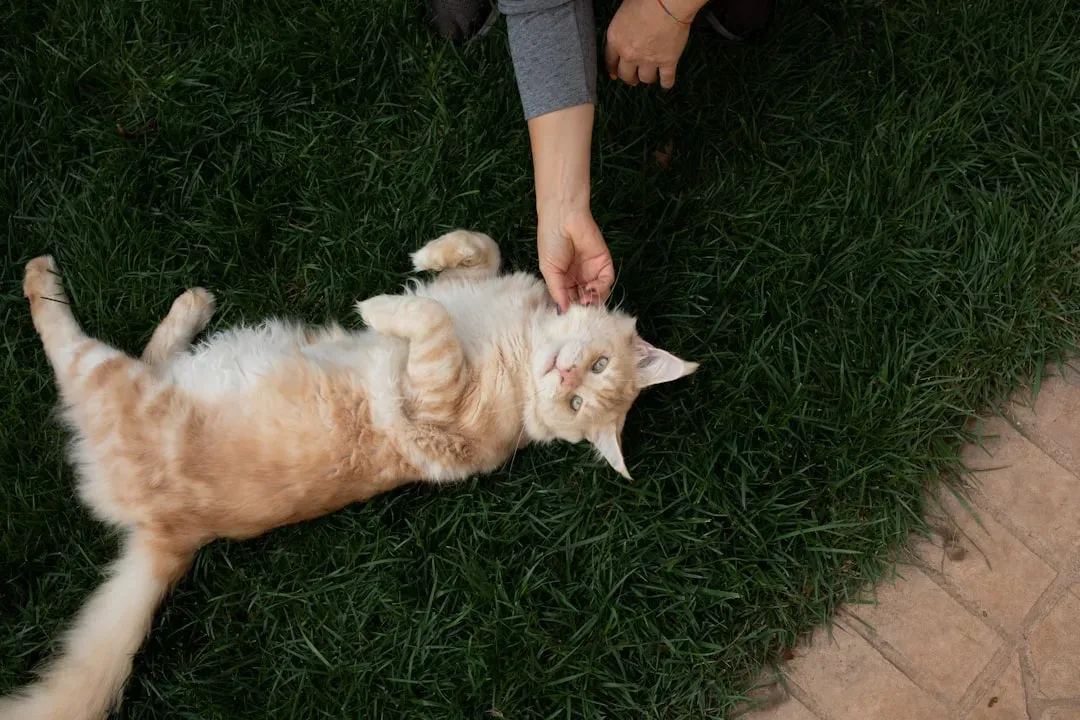
Dogs love belly rubs. You know this. Your brain has been trained to associate a pet rolling over with an invitation to dive right in. Cats, however, operate under a completely different set of rules. If a cat rolls over and shows their belly, it’s not always an invitation for a belly rub. They might just be stretching or communicating that they love and trust you through body language, or they might just be scratching an itch. Exposing the belly with all four paws up could actually be a defensive stance.
The belly is the most vulnerable spot for cats, so they only expose it to people they completely trust. A cat exposing their belly does not necessarily mean an invitation to pet their bellies. The belly area is very vulnerable, so touching it may be stressful or even threatening. The fix? Redirect your hands. Most cats love being petted on the top of the head, sides of the face, neck, and under the chin. Stick to those zones, and everyone stays happy.
Fix 4: Stop Holding Intense Eye Contact
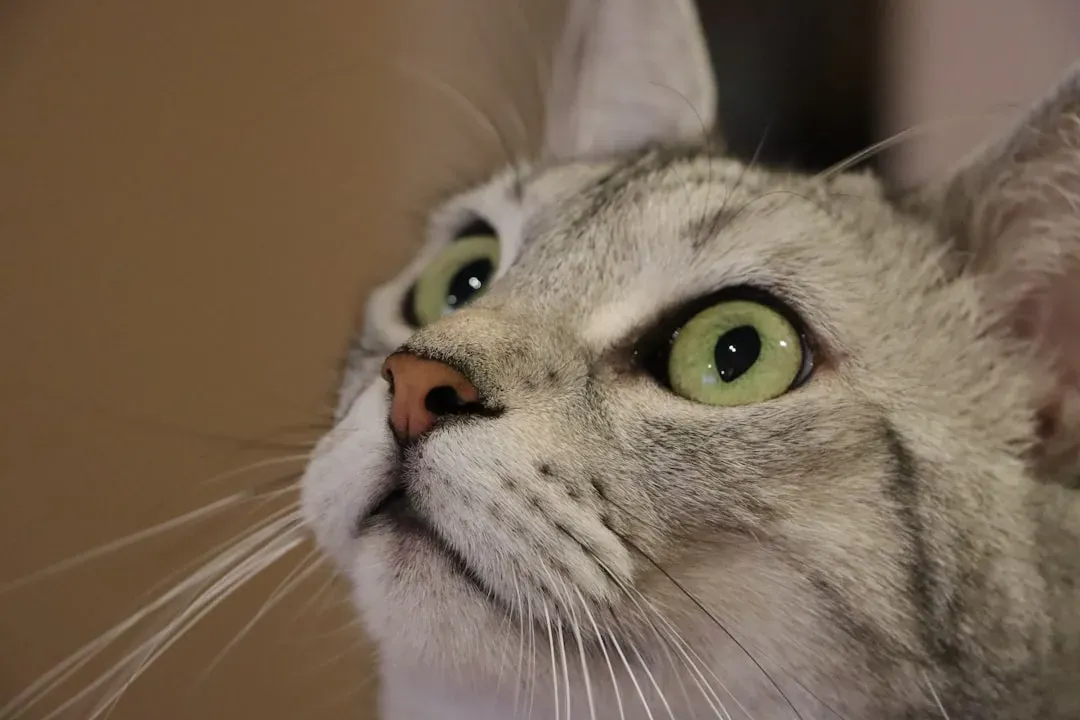
With dogs, prolonged eye contact is a form of bonding. Stare into a dog’s eyes and you’re essentially sharing an emotional moment. Try that same move with your cat, though, and you’ll get a very different reaction. In the feline world, prolonged direct eye contact can be perceived as a challenge or threat. To convey comfort and respect, you should blink softly and look away from your cat occasionally. You’re basically winning a staring contest your cat never agreed to enter.
Eye blinks in dogs and cats indicate the desire for a peaceful greeting, while direct eye contact, without blinking or looking away, can signal a challenge in both dogs and cats. So rather than locking eyes and expecting warmth in return, try a softer approach. Glance at your cat, offer a slow blink, then look away. It’s counterintuitive, but in the cat world, looking away first is actually a power move of trust. It’s like saying, “I see you, I’m not here to fight.”
Fix 5: Decode the Purr (It’s Not Always What You Think)
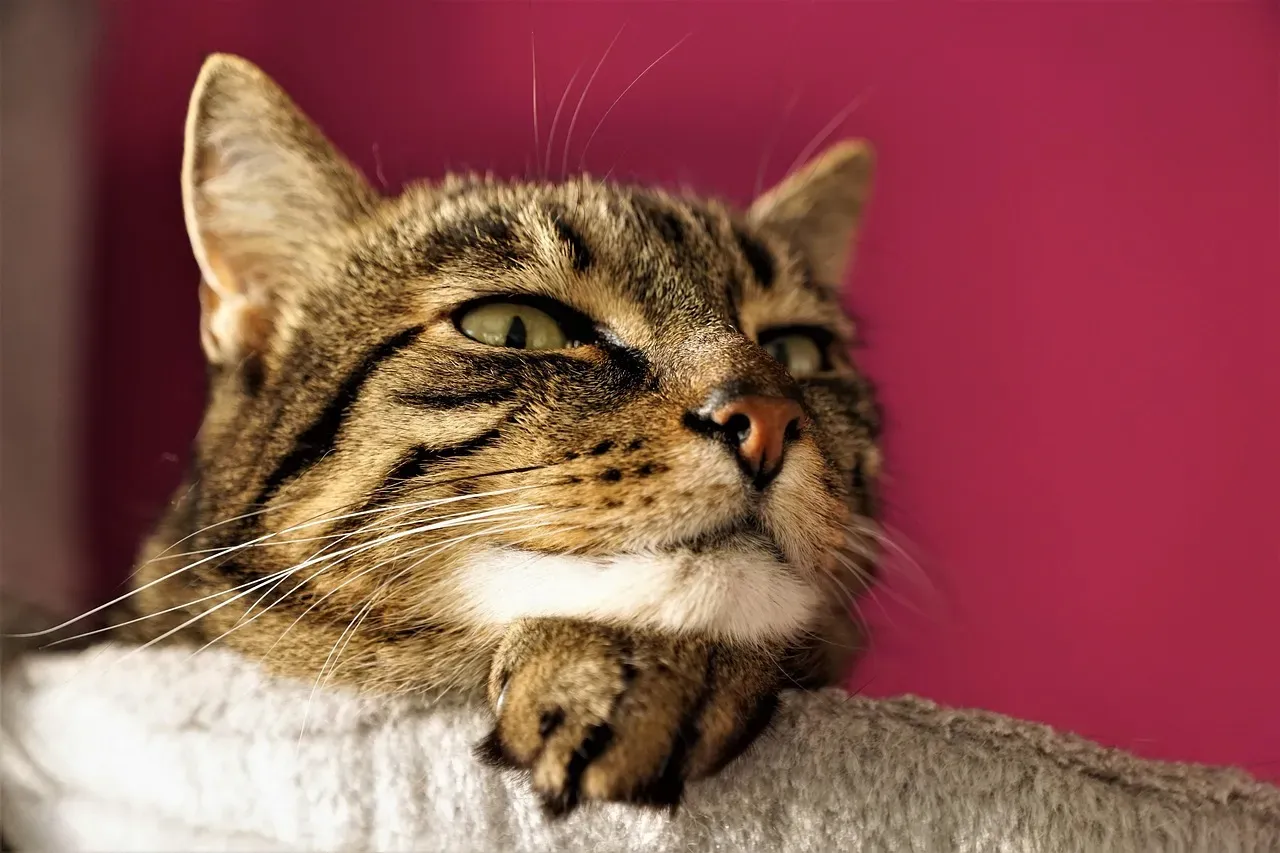
Let’s be real, most of us hear a purr and immediately think: happy cat, mission accomplished. It’s one of the most misread signals in the feline playbook. Many people believe a cat purrs and kneads only if she is content. But as with a dog wagging her tail, you need to consider the situation and the rest of the cat’s body language. A cat may purr when she is sick or stressed, so if your cat is purring out of a normal context, she may be ill or in pain.
A common myth is that a cat’s purring always indicates satisfaction. While purring is commonly associated with relaxation and happiness, it can also serve as a self-soothing mechanism in stressful situations or when a cat is in pain. It is important to consider other accompanying signs, such as body posture and facial expressions, to accurately interpret a cat’s emotional state. Think of the purr like a phone buzzing. It doesn’t tell you who’s calling. You need the whole picture to understand the message.
Fix 6: Understand the Real Meaning of Flattened Ears
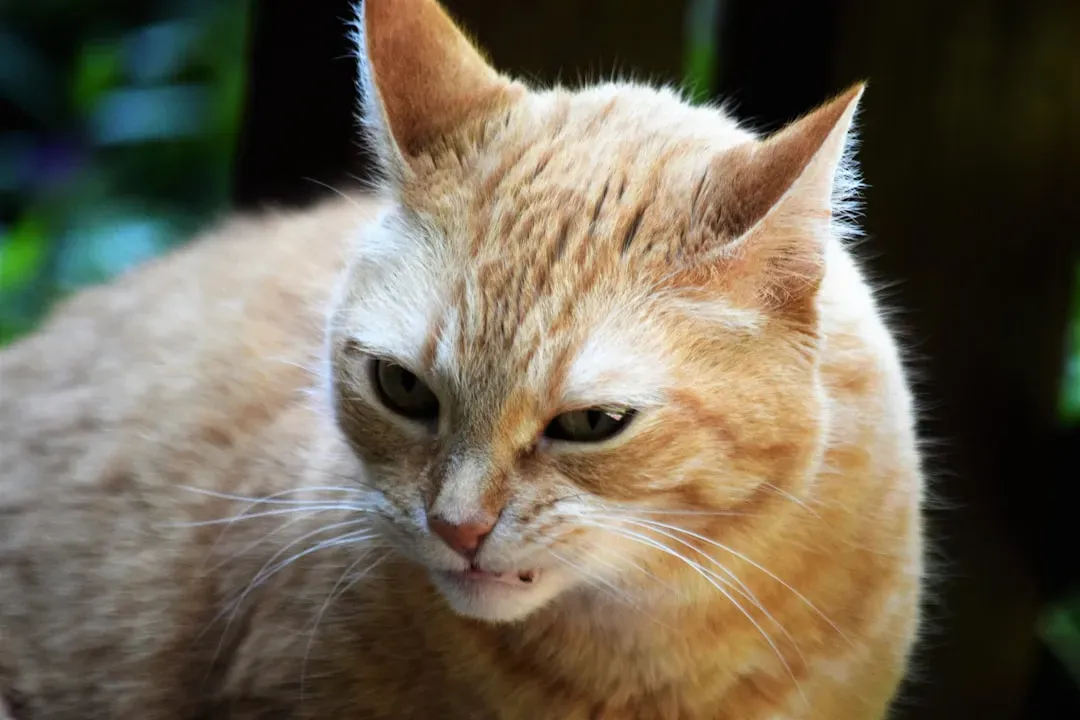
For cats, subtle cues like ear position, tail tip, and eye shape are especially meaningful. Honestly, most people gloss right over what their cat’s ears are saying. When you’re used to a dog who perks their ears forward when curious and pins them back when scared, the nuances of feline ear positioning can feel easy to miss. Cats’ ears are highly expressive. Forward-facing ears indicate curiosity or happiness, while flattened ears can signal fear or aggression.
Aggressive behaviour can manifest as ears flattened against their head, a lashing tail, bristling fur, trying to make themselves appear larger, and an arched back. If you see that combination, the fix is immediately simple: stop, step back, and give your cat space. When your cat’s ears are pinned back or turned sideways, they are signaling stress, irritation, or fear. If paired with growling, hissing, or a crouched body posture, they may be feeling defensive and need some space. Pushing forward in that moment isn’t bravery, it’s a guaranteed scratch.
Fix 7: Respond to the Head Bump the Right Way
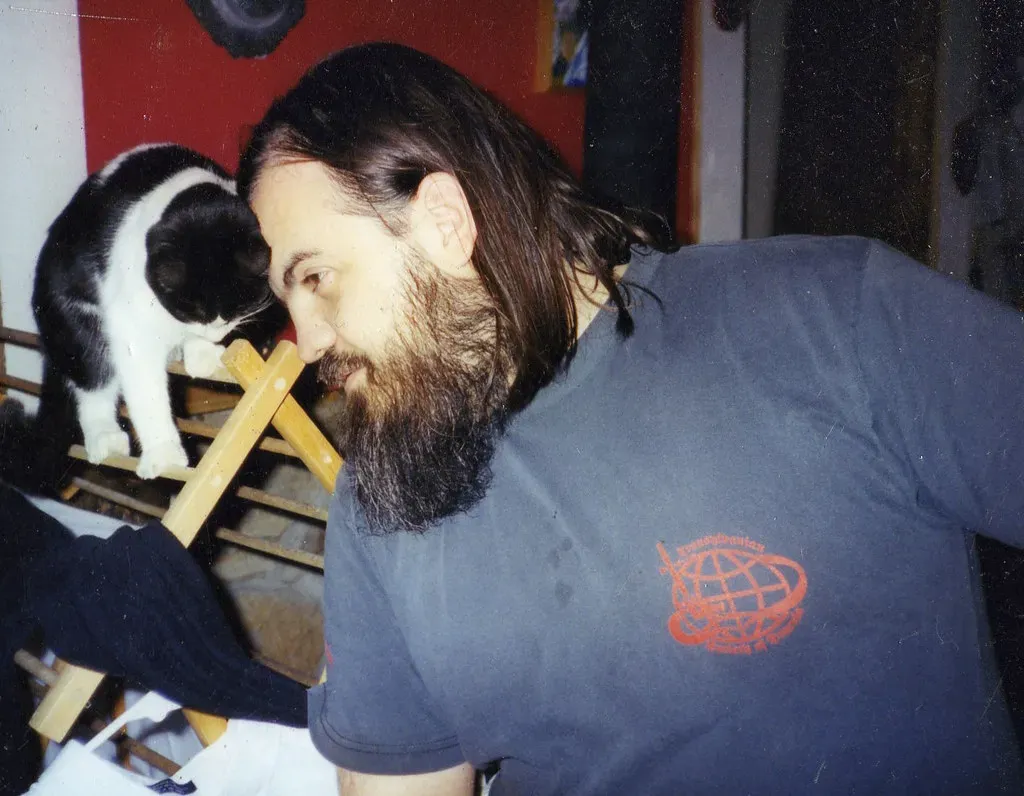
If your cat walks up and bumps their forehead against you, congratulations. You’ve been officially claimed. That gesture might look casual, even accidental, but in the feline world it’s loaded with meaning. When your cat rubs their head against you, furniture, or other objects, comforting pheromones are released from their cheeks to enhance bonding and signal happiness and contentment. Your cat is essentially leaving their signature on you, the highest compliment they can pay.
Gently bumping your cat’s nose or head with your finger can create a unique bonding experience. This mimics the behavior of cats that rub noses together as a sign of friendship and familiarity. So the next time your cat initiates a head bump, don’t just ruffle their fur the way you would a dog. Lean in gently, let them rub against you, and maybe offer a slow blink right after. Mimicking your cat’s communication sometimes, returning slow blinks, speaking softly, or sitting nearby without reaching out, reassures your cat that you’re part of their trusted circle. That’s how real feline-human friendships are built.
Conclusion: Learn the Language Your Cat Is Actually Speaking
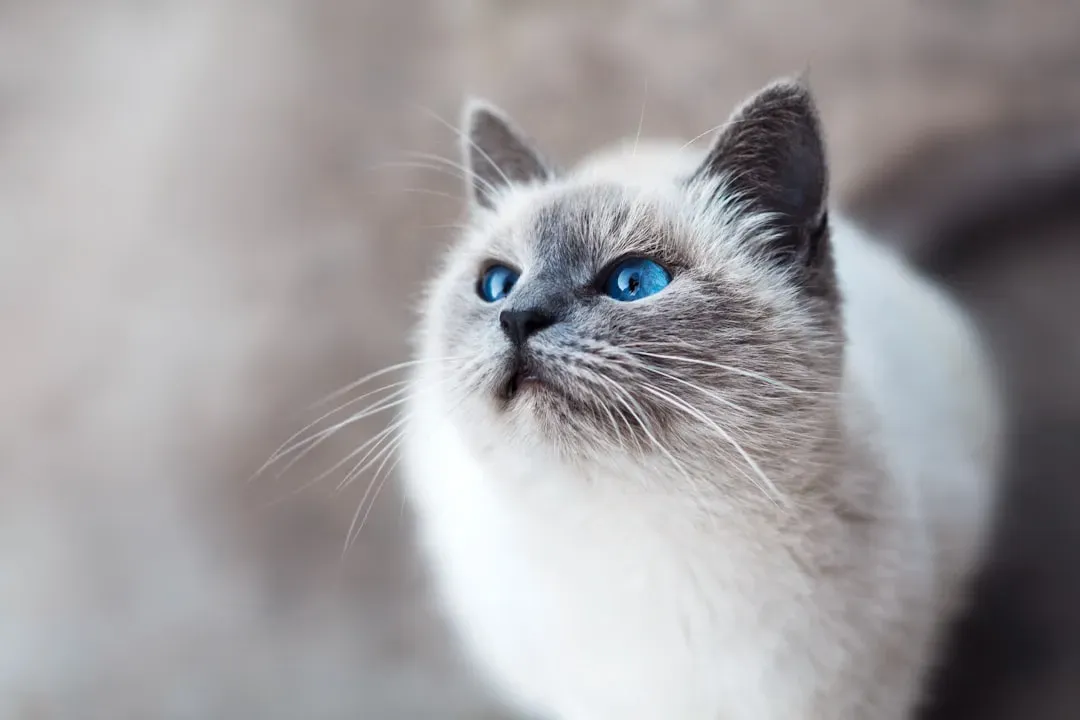
The gap between how dogs and cats communicate is wider than most people ever realize. Dogs evolved with humans over the last thirty to forty thousand years as protection and hunting partners in a very cooperative arrangement. Cats, on the other hand, developed a relationship with humans in only the last ten thousand years or so, and it was largely hands-off. That history is baked into every tail flick, ear tilt, and slow blink your cat offers you today.
The beautiful thing is that you don’t need a degree in animal behavior to get it right. You just need to stop applying dog logic to a creature who never asked to be compared to one. Learning how our cats communicate gives us a window into their emotions, deepens our relationships with them, and helps us navigate the world and our interactions with them more safely and compassionately. Start small. Practice the slow blink tonight. Respect the tail. Skip the belly dive. Your cat already knows how to love you. Now it’s your turn to speak their language back.
So after reading this, one question worth sitting with: how many times this week have you accidentally spoken “dog” to your cat without even knowing it? Share your experience in the comments below!