Most of us have grown up hearing the same thing about cats: they’re independent, self-sufficient, almost mysterious creatures who prefer their own company. You leave food out, maybe a toy or two, and off you go. They’ll be fine, right? Well – not always. The truth is a lot more nuanced, and honestly, a little surprising.
The question of how much alone time is actually healthy for your cat is one that doesn’t have a simple, one-size-fits-all answer. Your cat’s age, breed, personality, and health all play a role. So before you assume your feline companion is perfectly content solo all day, let’s dig into what the science and veterinary experts actually say. You might rethink your daily routine entirely. Let’s dive in.
The Great Myth of the “Totally Independent” Cat
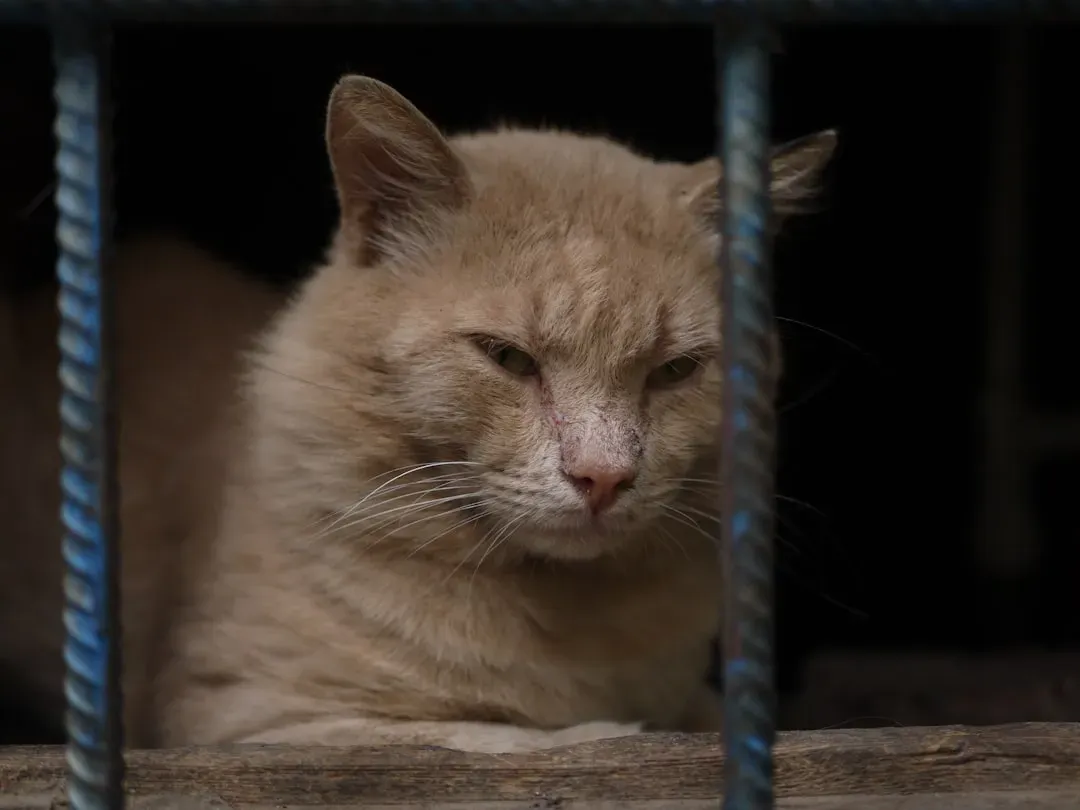
Here’s the thing – cats have a bit of a reputation problem. For decades, pop culture painted them as the ultimate loners. The cool, aloof pet who doesn’t care whether you’re home or not. This reputation for being aloof and self-reliant has led many people to believe that cats can’t get lonely, but the truth is that cats crave companionship, and if they are frequently left on their own for hours or even days at a time they experience the same feelings of loneliness, depression, or separation anxiety that humans do.
Think of it like assuming your introverted friend never wants to hang out. Just because they recharge alone doesn’t mean they never need you. Despite some cats’ independent nature, cats are social creatures that need a lot of interaction with their humans. Cats miss their humans when they are gone for long periods, and a 2017 study found that many cats will often choose their humans over their food. Let that sink in for a moment.
So, How Many Hours Is Actually Too Many?
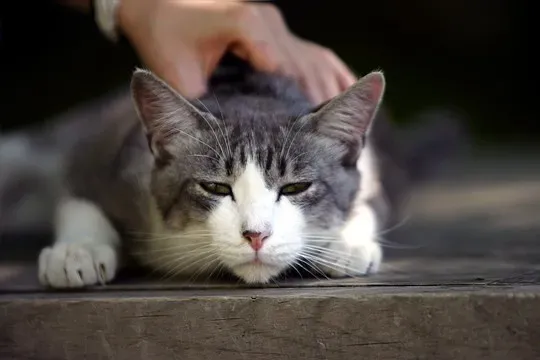
Healthy adult cats can typically be left alone for eight to twelve hours at a time. That’s the general baseline most vets work from. It lines up pretty well with a standard workday, which is probably why so many cat owners feel reassured. But here’s the catch – that’s a ceiling, not a goal.
Up to eight hours, cats of all ages will be comfortable with alone time as long as you leave them with enrichment activities and safe spaces to sleep. Up to twelve hours, adult cats may be left overnight if they have an automatic feeder, scratch posts, and an electronic litter changer. Up to twenty-four hours is the limit for most adult cats before they start to feel lonely or anxious. Beyond that, you’re really pushing it – no matter how cool and collected your cat usually seems.
What Happens When You Leave Them Too Long
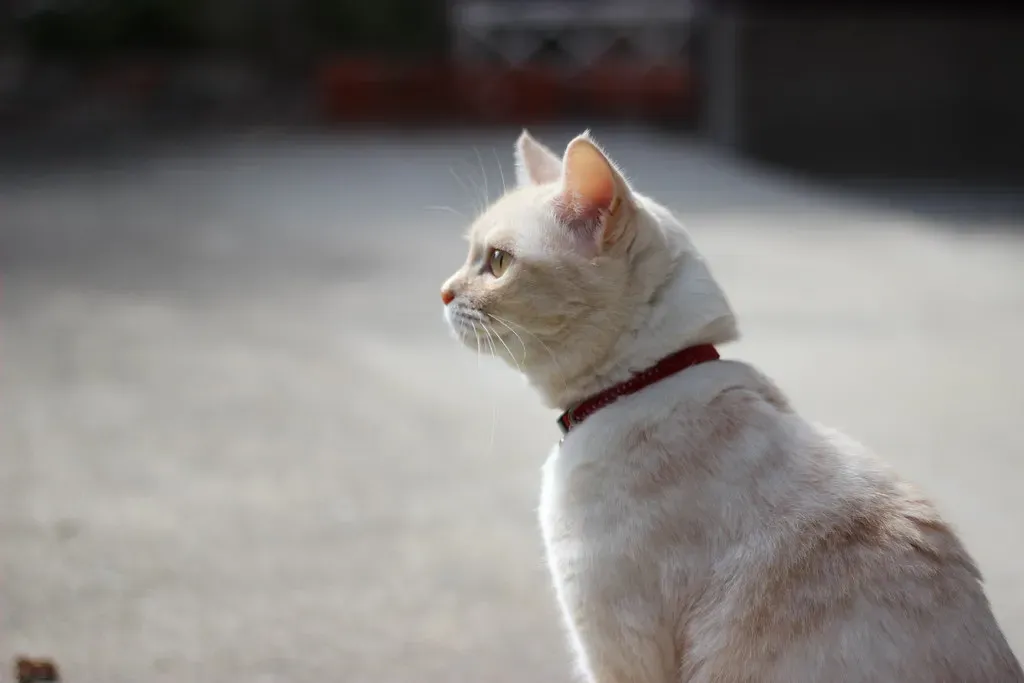
If cats are home alone for too long, they can definitely get lonely, making them stressed, anxious, and even depressed. It’s not just an emotional issue, either. Cats can get into dangerous substances such as toxic plants or chemicals, certain cats might have a tendency toward destructive behavior such as scratching furniture when left alone, and cats that are left alone for too long might also experience house-soiling accidents.
Cats left alone for longer than seventy-two hours may become concerned about their ability to survive and become anxious. Honestly, that is a sobering thought. Your normally zen tabby could be quietly spiraling while you’re away on that extended work trip – and you’d probably never know unless you set up a camera. Keep in mind that cats are masters at hiding how they really feel, which means that sometimes cats will only display the signs of loneliness when you’re not there.
Kittens Need Far More of Your Time Than You Think
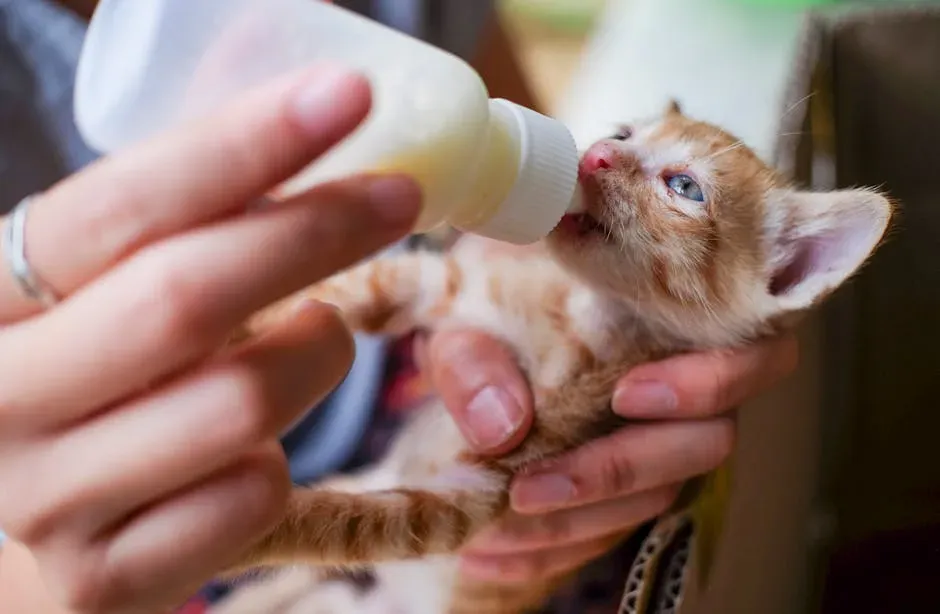
If you have a young kitten at home, the rules change dramatically. Kittens under four months old should not be left on their own for more than four hours at a time. Their bodies are still growing, their minds are developing at a rapid pace, and they get into trouble at a rate that would impress even the most mischievous toddler.
Kittens require much more care and attention than full-grown cats, and they are much more likely to become stressed or anxious when left alone. They also require lots of mental stimulation and playtime on top of access to fresh water and food. While adult cats should manage being left alone for a day at the office or out running errands, kittens should only be left alone for a few hours. So if you’ve just brought home a fluffy little bundle of chaos, plan your schedule around that reality.
Senior Cats Have Special Needs Too
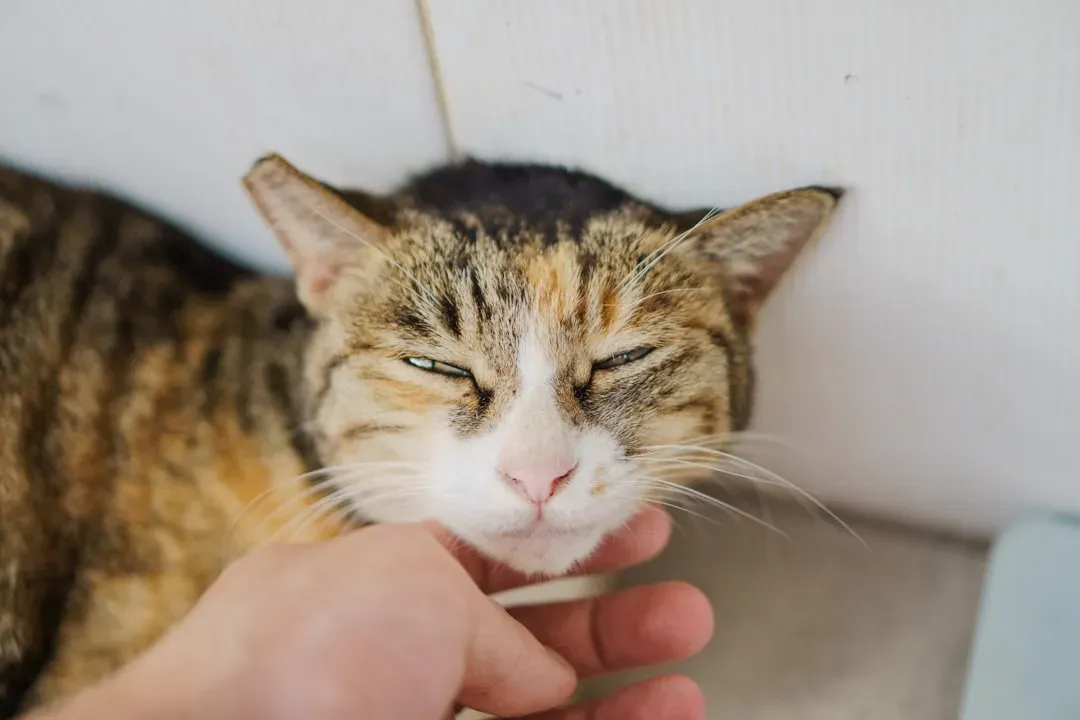
On the other end of the age spectrum, things get equally important. Stress can lead to an increased risk of health conditions and tummy issues. It’s also common for senior cats to require extra feedings or medication throughout the day. For these reasons, it may not be a good idea to leave your senior cat alone overnight.
Similar to kittens, elderly cats usually require more care, especially if they are on medications or need help using the litter box. They are also more prone to sudden illness or injury such as a broken bone. Elderly cats should not be left alone for long periods of time. Think of a senior cat’s needs a bit like caring for a grandparent – they might seem fine on the surface, but the safety net of regular check-ins matters more than ever.
Personality and Breed Play a Bigger Role Than Most People Realize
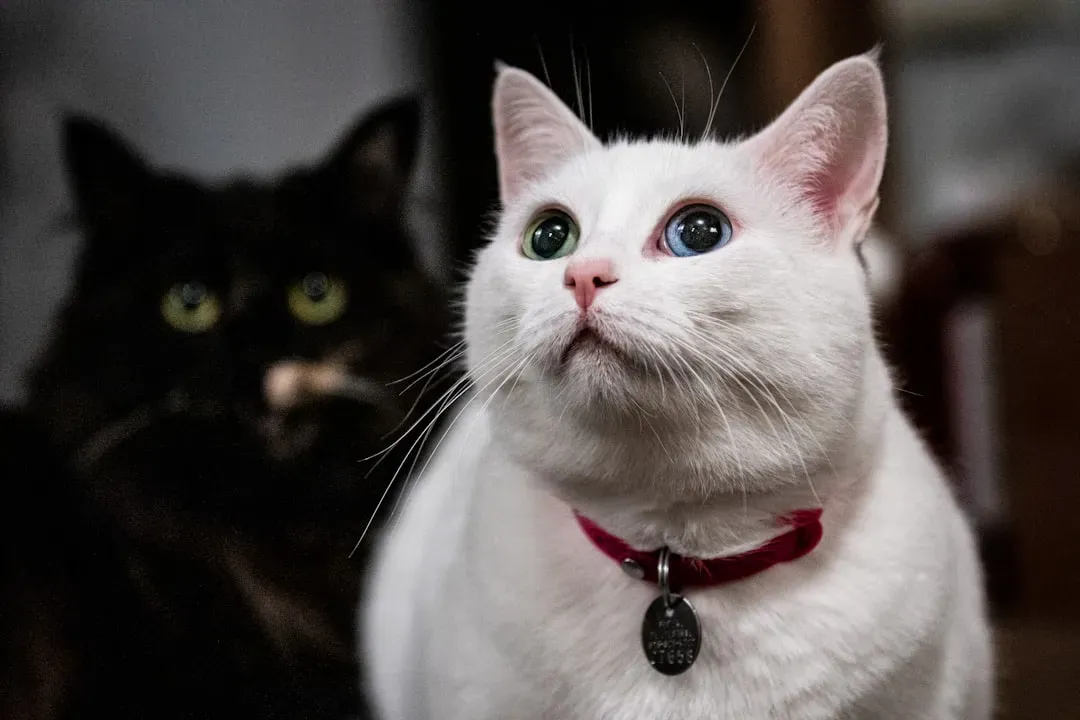
Not every cat is wired the same way, and honestly, I think this is the piece most cat owners overlook completely. Like people, our feline friends have a varying range of personalities. While some cats may be consistently aloof and prefer their own company, other cats happily greet their owners at the door when they get home from work every day. Therefore, some cats will probably adjust better to being alone than others based entirely on their personalities, but all cats need their people, some more than others.
Breed matters too, though it’s hard to say for sure how much. The Sphynx is known for its unmistakable appearance and equally distinctive personality. These cats are highly social and often crave constant companionship. They are rarely content being alone for long periods. On the flip side, Russian Blues are affectionate yet independent, making them well-suited for owners who spend time away from home. Unlike other breeds, they can comfortably handle long periods alone without becoming anxious or overly demanding. They enjoy routine and quiet environments, often spending their time resting or observing their surroundings.
The Warning Signs Your Cat Is Struggling With Solitude
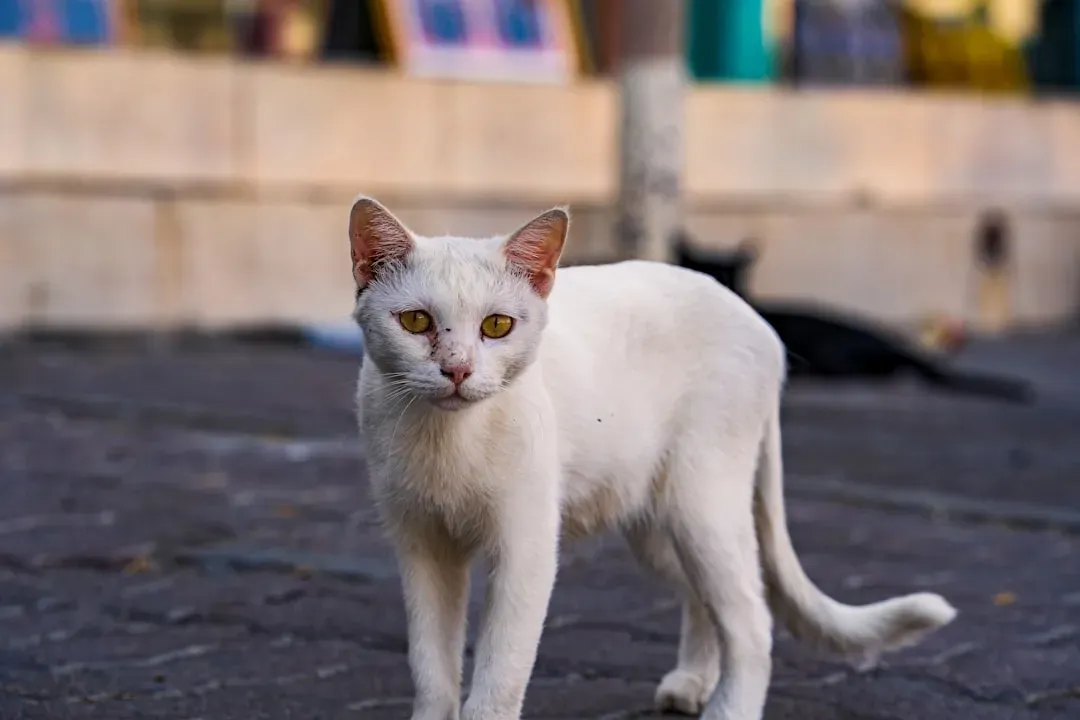
Your cat won’t leave you a note saying “Hey, I’m not coping.” They’ll show you in other ways, some subtle and some not-so-subtle. Loneliness and accompanying anxiety can lead to significant behavior changes in cats, including increased vocalization where a cat will wander through the house meowing constantly or even yowling. Cats can also over-groom to the point of skin irritation when they’re stressed or unhappy.
Cats often exhibit negative feelings like stress or loneliness with destructive behavior, especially when they are under-stimulated or left alone for long periods of time. In fact, a study from the National Library of Medicine says urinating in inappropriate places is one of the most frequently reported signs of loneliness and depression in cats. So if your couch cushions have been shredded or there are unexpected “surprises” on your laundry pile, your cat isn’t being spiteful. They’re communicating distress, and it’s worth paying attention.
Enrichment: Making Alone Time Actually Work for Your Cat
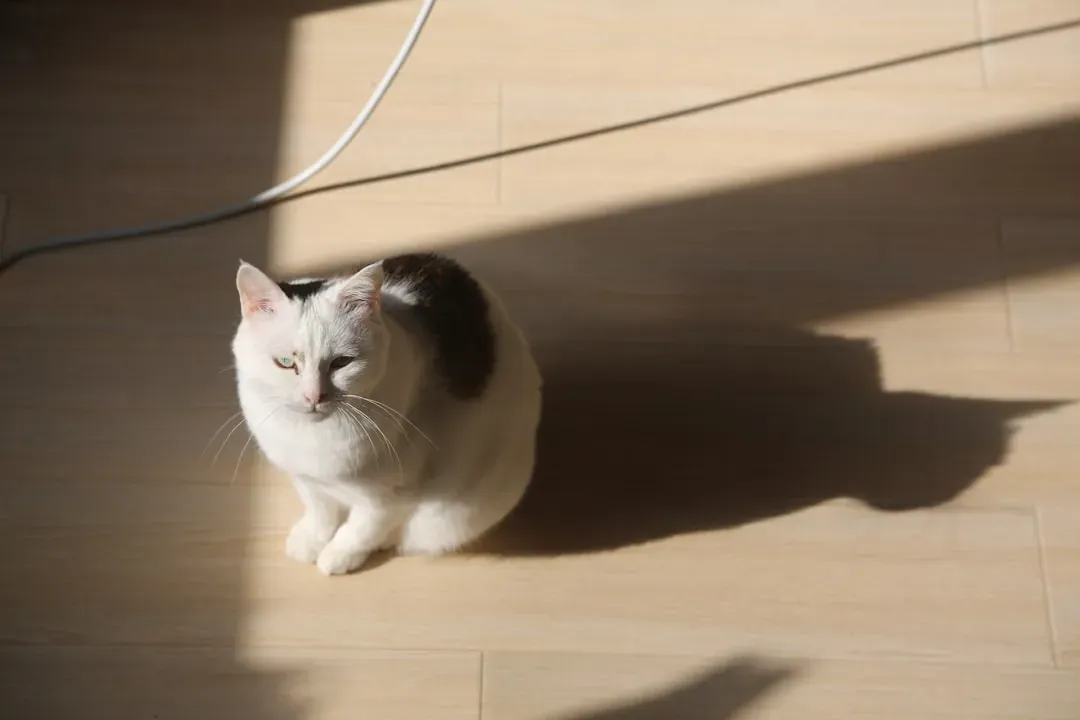
The good news is you don’t have to be physically present every second to keep your cat mentally healthy. With the right environment, their solo hours can actually be pretty enjoyable – think of it as designing a mini adventure playground. Puzzle feeders and interactive toys encourage mental stimulation by making your cat work for their food. Puzzle feeders dispense small amounts of kibble when your cat interacts with them, stimulating their hunting instincts and providing a rewarding challenge.
Cats love to climb and explore their surroundings from different perspectives. Creating vertical spaces in your home can satisfy their climbing instincts. Installing cat trees, wall-mounted shelves, or providing sturdy, carpeted perches allows cats to observe their territory, providing mental stimulation and a sense of security. Something as simple as placing a cat bed near a window with a bird feeder outside could completely transform your cat’s afternoon. A birdbath or bird feeder placed within sight of the window can increase your cat’s enjoyment. It’s essentially live TV for your cat – and far more riveting than you’d expect.
When You’re Away Longer: Practical Steps You Should Take
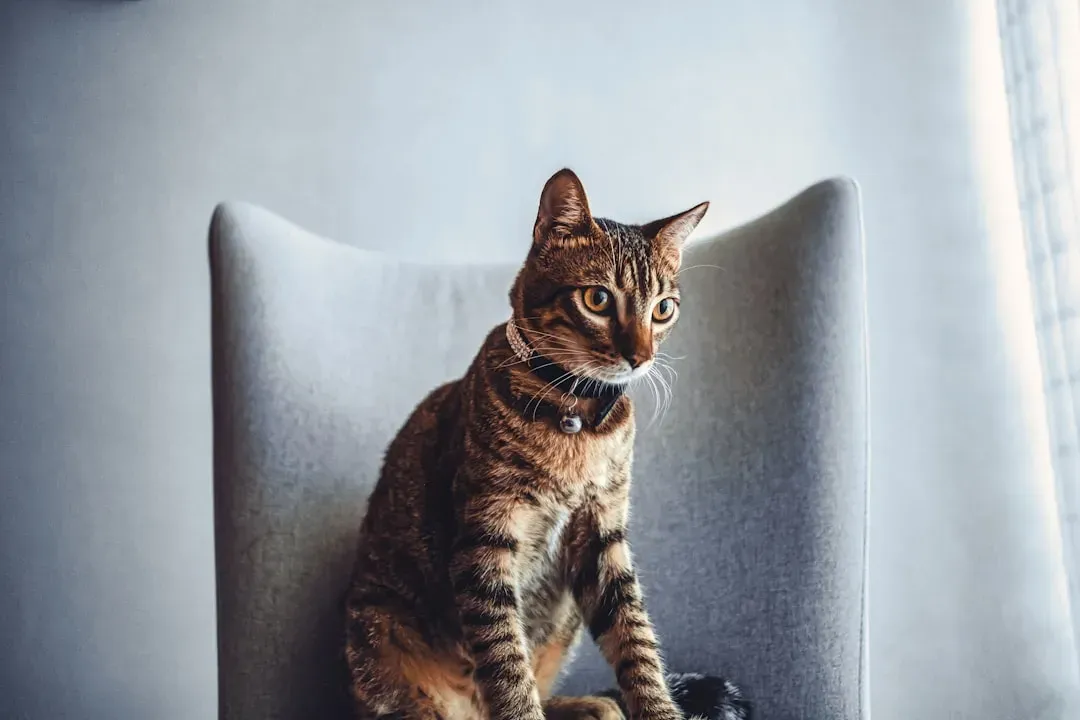
Sometimes life just demands extended absences. Work trips, family visits, vacations – it happens. It’s recommended to hire a pet sitter if you need to be away from your cat for more than a day. A cat sitter should visit at least once a day to provide fresh food and water, scoop the litter box, and play with your pet. This isn’t an optional luxury. It’s a genuine act of responsible ownership.
By sharing your schedule with your pet sitter, you can keep your cat’s routine intact while you’re gone, which will help them feel less stressed. Cat cameras let you interact with your cat while you’re away. Some options include a treat dispenser, laser pointer, and two-way audio so you can reward, play with, and comfort your cat from afar. It sounds a bit extra, I know – but if you’ve ever come home to a mysteriously toppled plant, you’ll understand why these tools are worth it.
Quality Time When You Are Home Matters Just as Much
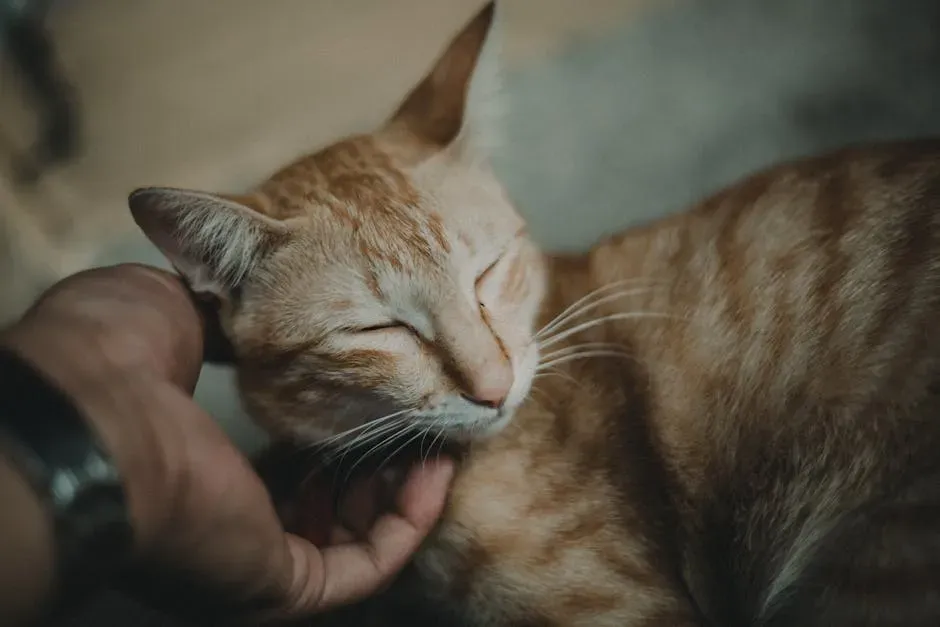
Here’s something that doesn’t get talked about enough. Even when you’re physically present in your home, your cat might still feel ignored. Do cats get lonely while their pet parents are home? If they aren’t getting enough attention from their humans, it’s possible. Cats are always happiest when their pet parents are at home. Spend at least ten minutes a day really engaging with your feline friend by playing with them, grooming them, and showering them with affection.
Cats thrive on routine, so establishing a consistent daily schedule for feeding, playtime, and interaction goes a long way toward making them feel safe and connected to you. Even ten focused, present minutes of play with a feather wand or laser pointer every evening can make a real difference. After you’re back from your day, make sure to spend some quality time with your cat. Whether it’s grooming, playing, or just lounging, incorporating regular bonding moments into your routine can make all the difference. It really is that straightforward.
Conclusion: Finding the Balance Your Cat Actually Needs
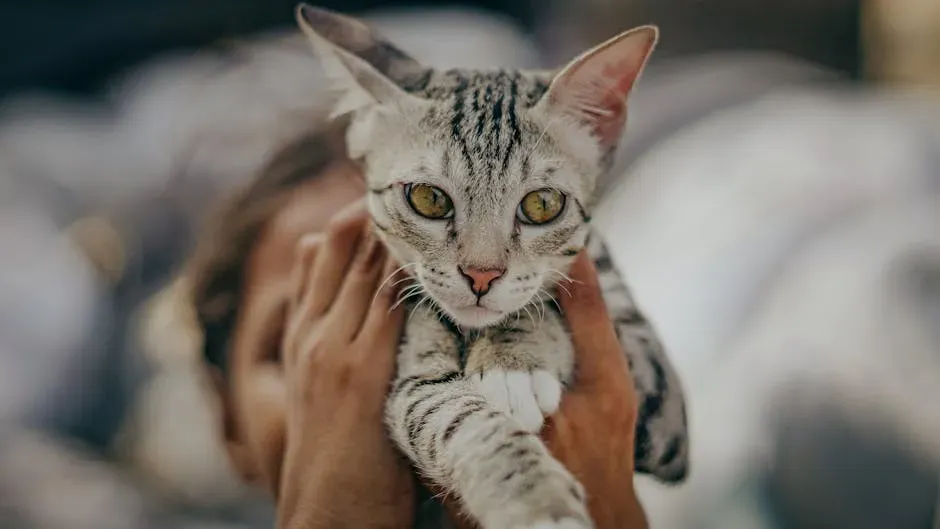
The bottom line? Cats are not the emotionless loners they’ve been made out to be for generations. They feel loneliness, they experience stress, and they need you more than their cool exterior often lets on. While we may think of cats as being independent and self-sufficient, the truth is that all domesticated pets need a lot of care and attention. Getting the balance of alone time right isn’t about perfection – it’s about awareness.
Every cat is different. Your job as a cat owner is to pay attention, notice the signals, and make thoughtful adjustments. Set up a stimulating environment when you leave. Arrange check-ins during extended absences. Give genuine, engaged quality time when you’re home. You are your cat’s primary companion. If they seem lonely, your time and attention are often the most powerful tools you have. When you get it right, the reward is a cat that’s calmer, healthier, and yes – more affectionate toward you too. How well do you really know your cat’s needs? It might be time to find out.
What do you think – has your cat ever shown signs of loneliness you didn’t recognize at the time? Share your experience in the comments below!