Most pet owners have made the same mistake at least once. You watch your cat’s tail swishing lazily back and forth, you assume it means the same thing a dog’s happy wag does, and then suddenly, out of nowhere, you get a scratch. Sound familiar? You’re not alone.
Here’s the thing – cats and dogs might both have tails, and they might both move them, but that’s roughly where the similarity ends. The emotional languages behind those tail movements are almost opposites in some situations. Understanding this difference isn’t just a fun bit of trivia. It can genuinely change the way you interact with your cat every single day. Curious about what your cat is really trying to tell you? Let’s dive in.
The Big Misconception: A Wagging Tail Does Not Mean a Happy Cat
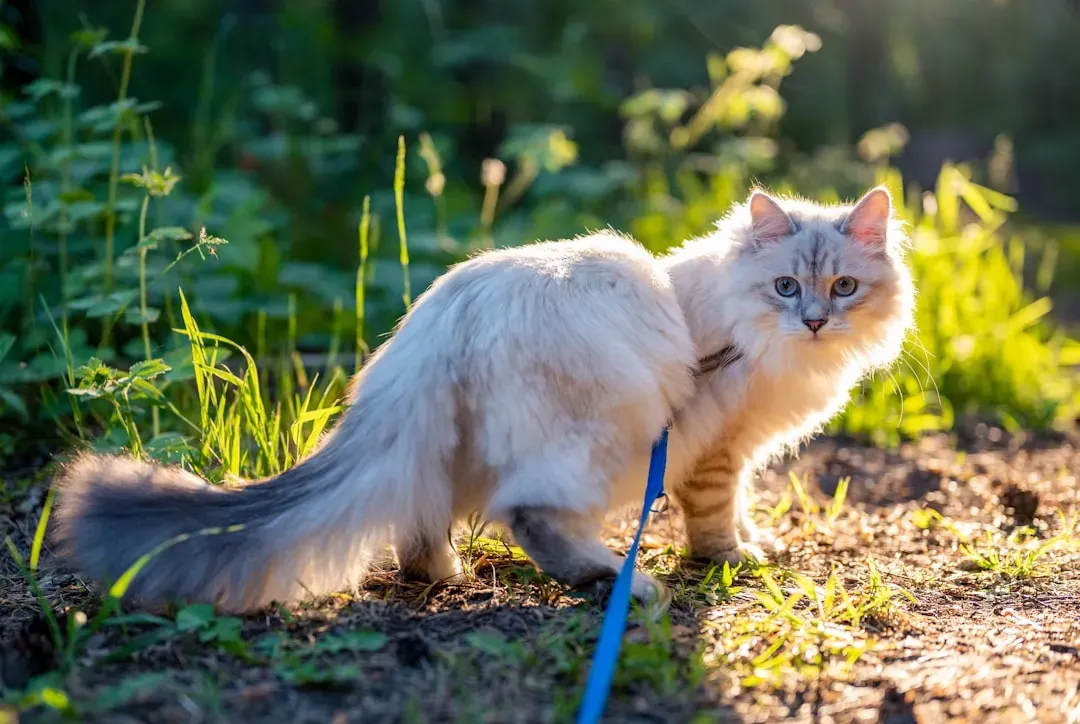
You’ve probably been trained by years of dog ownership, or just pop culture in general, to associate a wagging tail with pure, joyful happiness. Dogs wag when they’re excited to see you, when they get a treat, when you say “walk.” It’s almost a universal symbol of animal contentment. One of the biggest misconceptions about cat tails is that wagging equals happiness. That may be true for dogs, but cats wag their tails for very different reasons. In cats, a tail wag typically signals irritation, agitation, or mental conflict.
Unlike dogs, cats often wag their tails when they are angry or upset, but it’s not always the case. Cat tail language is really sophisticated and can be an excellent indicator of your kitty’s emotions. Think of it like this: if a dog’s wag is a thumbs-up, a cat’s wag is more like a raised eyebrow. It could mean anything, and you need to read the whole room to figure out what’s actually going on.
Why Your Cat’s Tail Is Actually a Tiny Emotional Dashboard
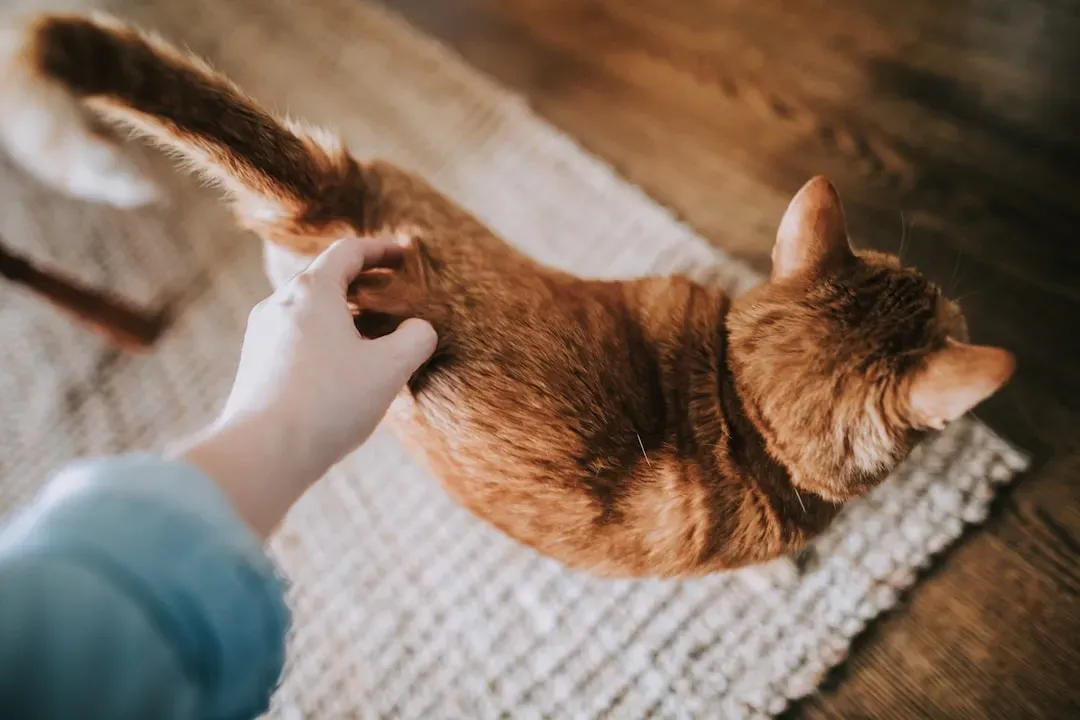
From their whiskers to their tails, cats are exceptional non-verbal communicators. Understanding feline body language, including the meaning of your cat’s tail movements, can give you insights into your cat’s feelings and deepen your bond. It’s honestly one of the most underrated skills a cat owner can develop, and once you start noticing it, you’ll never look at your cat the same way again.
A cat’s tail is made up of 18 to 23 smaller bones called caudal vertebrae, surrounded by six different muscles. This unique combination is what allows a cat’s tail to have such a large range of subtle voluntary and involuntary motions, such as side-to-side movements, extension, and flexion. That’s a surprisingly complex piece of anatomy for something you might be tempted to grab playfully. Spoiler alert: don’t.
When the Slow Swish Means Focused Attention, Not Friendliness
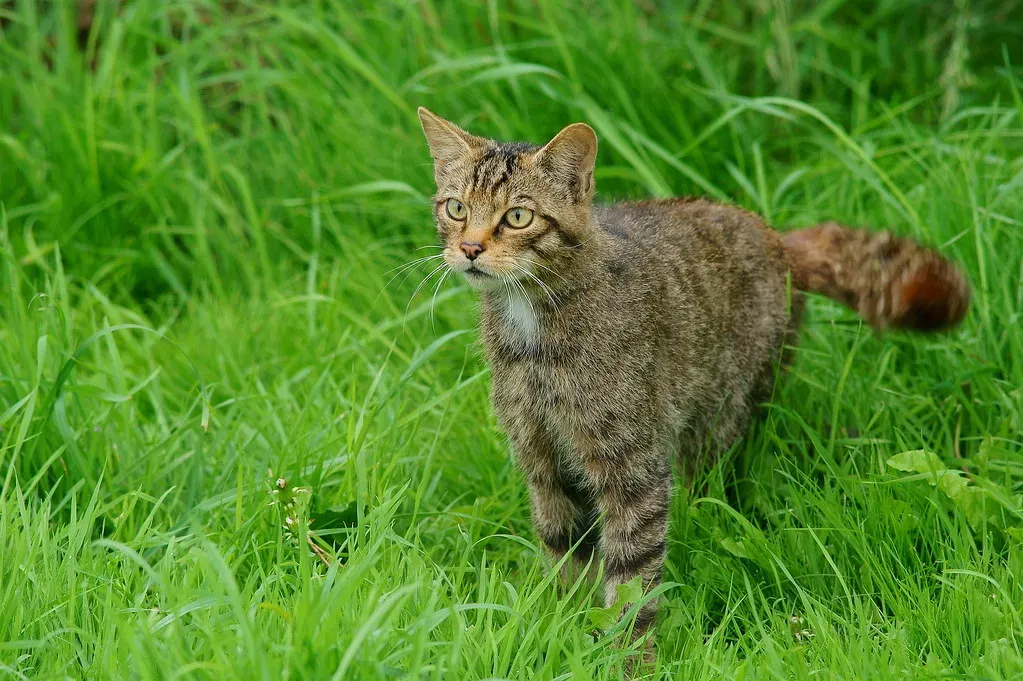
When your cat slowly swishes their tail from side to side, they may be intently focused on something like a toy, another animal in the home, or something outside. They may be about to pounce! Engaging in predatory behavior like stalking and pouncing is good enrichment for your cat, so let them continue to engage in whatever is captivating their attention. This is your cat in full hunter mode, essentially locking onto a target like a tiny, fuzzy sniper.
A very common kind of wagging tail that cat parents often see is a slow, gentle swish back and forth. If your cat swishes their tail from side to side, it usually means that they are very focused on something. It can also mean that they are showing predatory behavior or that they are showing aggression towards another cat, animal or human. So the next time you see that slow, mesmerizing swish, look around the room before you assume it’s directed at you with warmth.
The Thrashing Tail: Your Cat’s Version of a Red Warning Light
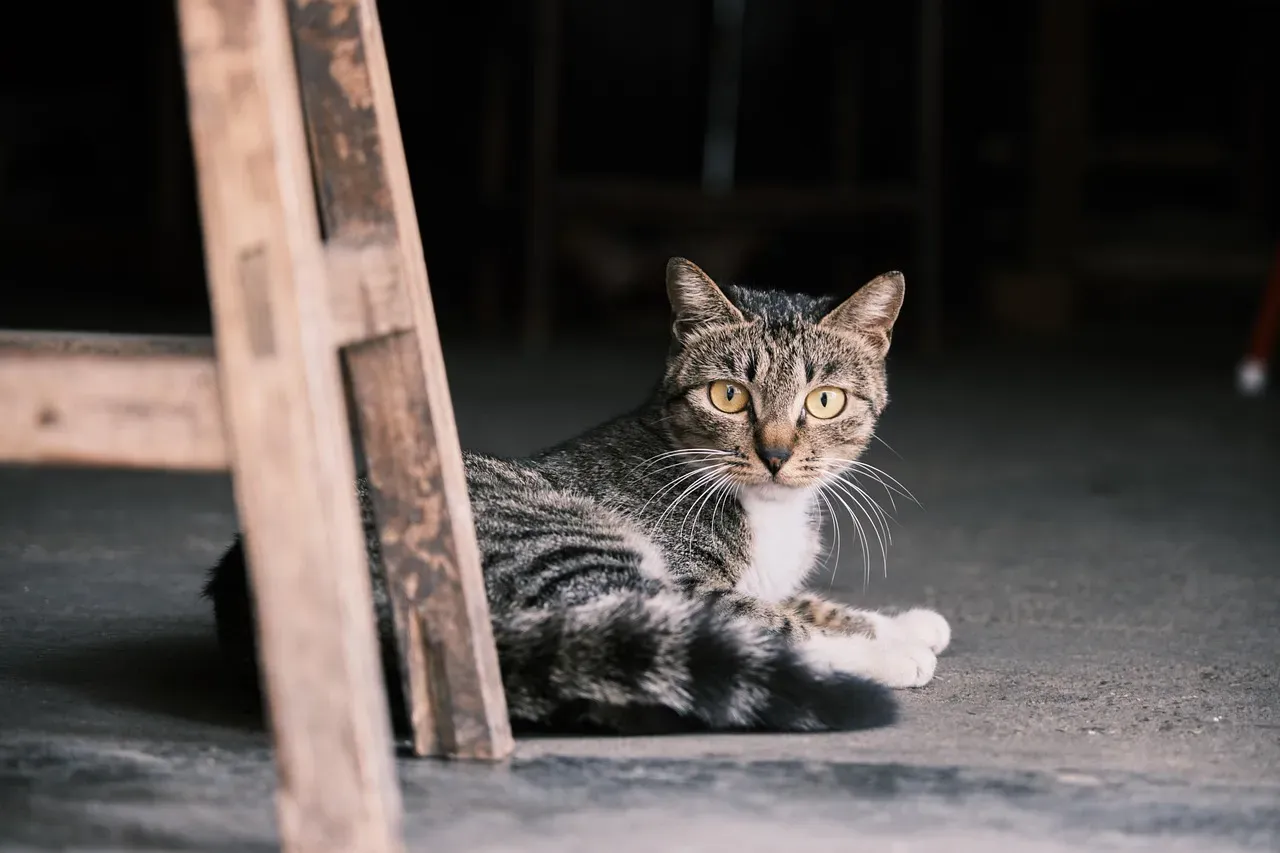
Unlike a slowly swaying tail, when your cat thrashes their tail back and forth, you’ve got an annoyed and/or angry cat on your hands, and it may be about to become aggressive. See if something nearby is upsetting them. If so, remove it from the situation. Meanwhile, it’s best to give your cat a wide berth until it calms down. Honestly, this one is non-negotiable. Respect the thrash.
If your cat lies down and flicks its tail back and forth, it may be wrestling with two instincts, like wanting affection but feeling overstimulated. It’s especially common to see this behavior during petting sessions. Your cat might enjoy attention one minute, but start lashing its tail if the interaction goes too far. It’s a bit like someone who enjoys a conversation but starts tapping their foot impatiently when it drags on too long. That tapping is your signal to wrap it up.
The Upright Tail: The One Time Your Cat Is Genuinely Saying Hello
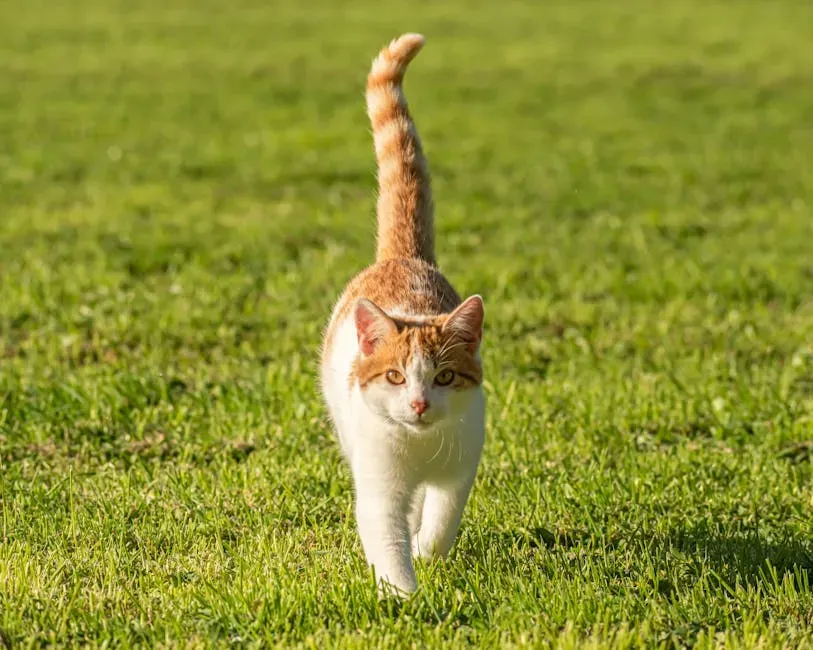
When a cat’s tail is upright, they are feeling social and confident, and are approaching in a friendly manner. This cat tail language indicates a friendly greeting between cats, and it’s how kittens greet their mothers. Interestingly, this tail-up greeting actually has roots that go all the way back to kittenhood, which makes it one of the most ancient and sincere signals in a cat’s emotional vocabulary.
A tail held straight up typically signals a confident, content cat, especially if the tail quivers slightly as they approach you. Cats often display this behavior during greetings or when asking for attention. It’s generally a good sign that your cat feels secure and comfortable around you. If you see that glorious upright flag as your cat walks toward you, feel genuinely flattered. You’ve earned it.
The Puffed-Up Tail: Pure Drama, and For Good Reason
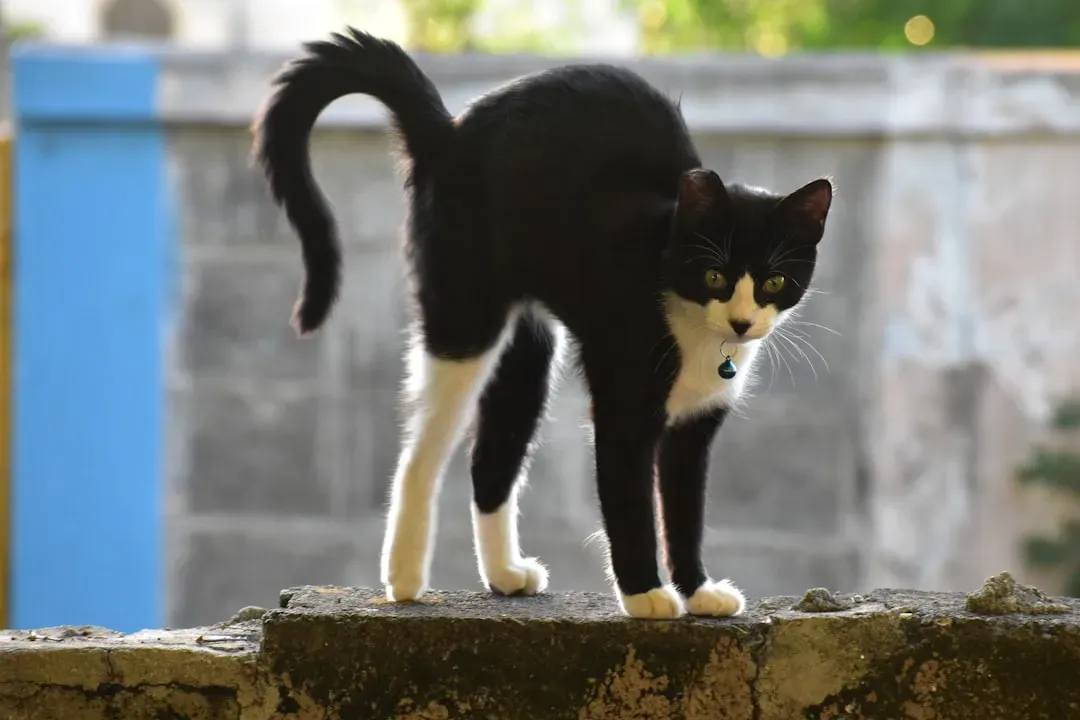
When your cat’s tail gets really fluffed up, it’s because they feel as though they’re in danger. They generally do this during a confrontation, whether with another dog, cat or maybe with your super scary vacuum cleaner. They fluff up to try and make themselves look larger and scarier to their foe, which is why they’ll arch their back too. It’s a survival instinct wrapped in fur, essentially the feline equivalent of puffing out your chest.
Most movement is voluntary, but some aspects of a cat’s tail body language are involuntary. For example, the cat’s tail puffing out is caused by the sympathetic nervous system and is involuntary. Your cat literally cannot help it when their tail explodes like a bottle brush. Their body is reacting automatically to a perceived threat, which means this signal is about as raw and honest as it gets. Don’t push them further when you see it.
When Tail Language Signals Pain or Health Issues
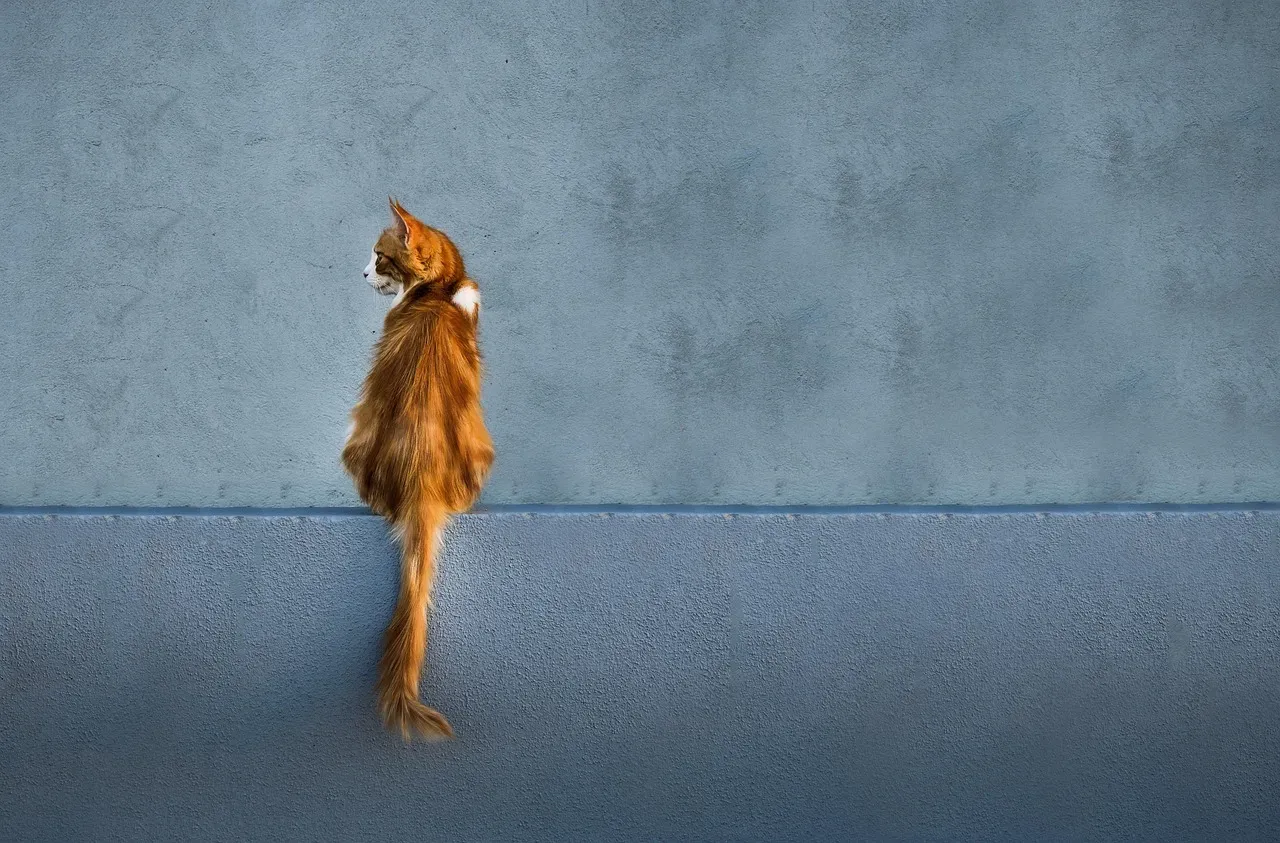
Sometimes cat tail wagging may indicate that they’re in pain or feeling unwell. If your cat’s lying down and waving their tail while also behaving out of sorts, such as going off their food or spending a lot of time in hiding, they may be feeling under the weather. If you’re concerned about your cat’s health, take them to the vet as soon as possible for a diagnosis. This is one of those subtle signs that’s easy to miss if you’re not paying close attention.
A drooping tail often indicates something is wrong. Felines have between 20 and 23 bones in their tails. This extension of their spine is vulnerable to injury. A cat holding it in an unnatural position may have fractured or otherwise injured it somehow. Your cat’s tail is literally an extension of their spine, so any sudden changes in how they hold or move it deserve a second look, and potentially a vet visit. It’s always better to check.
Conclusion
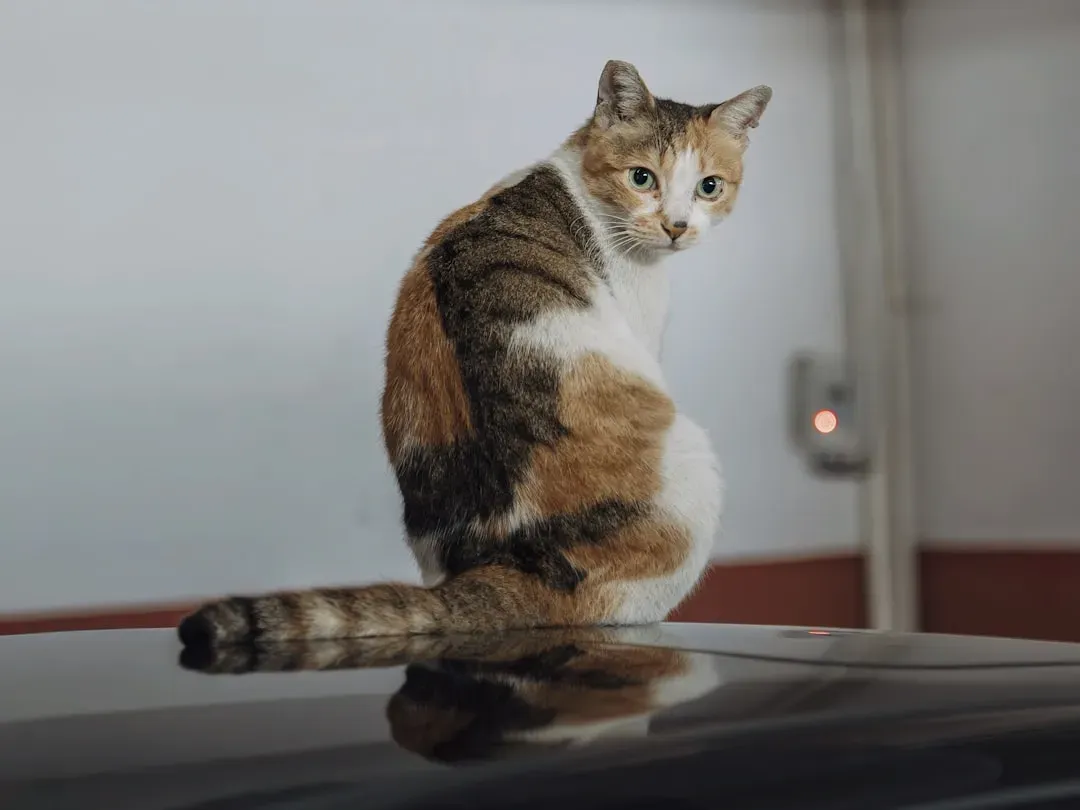
Your cat’s tail is, without exaggeration, one of the richest communication tools in the animal kingdom. The problem is, most of us have been reading it through the wrong lens – the dog lens. Misreading a cat’s wagging tail or assuming that it means the same as it does for a dog is actually a pretty easy way to get yourself swatted. Once you understand that cats operate on an entirely different emotional wavelength, everything clicks.
Start paying attention to context. Is your cat purring while slowly flicking its tail, or tensing up while thrashing it? Each cat is unique, so context matters. The more time you spend watching your cat’s tail, the better you’ll understand their individual communication style. The more you invest in learning your cat’s personal tail dialect, the deeper and more rewarding your bond becomes. After all, they’ve been trying to talk to you all along.
What do you think – have you been misreading your cat’s tail this whole time? Drop your thoughts in the comments below!