Cats are many things. They’re warm, mysterious, wildly entertaining, occasionally affectionate, and sometimes? Absolutely, unapologetically grumpy. If you’ve ever reached out to pet your cat only to get a swat in the face, you already know exactly what we’re talking about. The fascinating thing is that your cat isn’t just being dramatic for show. Every hiss, flick, and cold shoulder carries a very real message.
The tricky part is learning to decode it all. Cats can’t exactly tap you on the shoulder and say, “Hey, I need some space today.” So instead, they speak in flattened ears, twitching tails, and a whole lineup of moody behaviors that are easy to miss if you don’t know what you’re looking for. Get ready to meet the grumpier side of your feline friend. Let’s dive in.
1. The Tail Tells the Whole Story Before They Say a Word
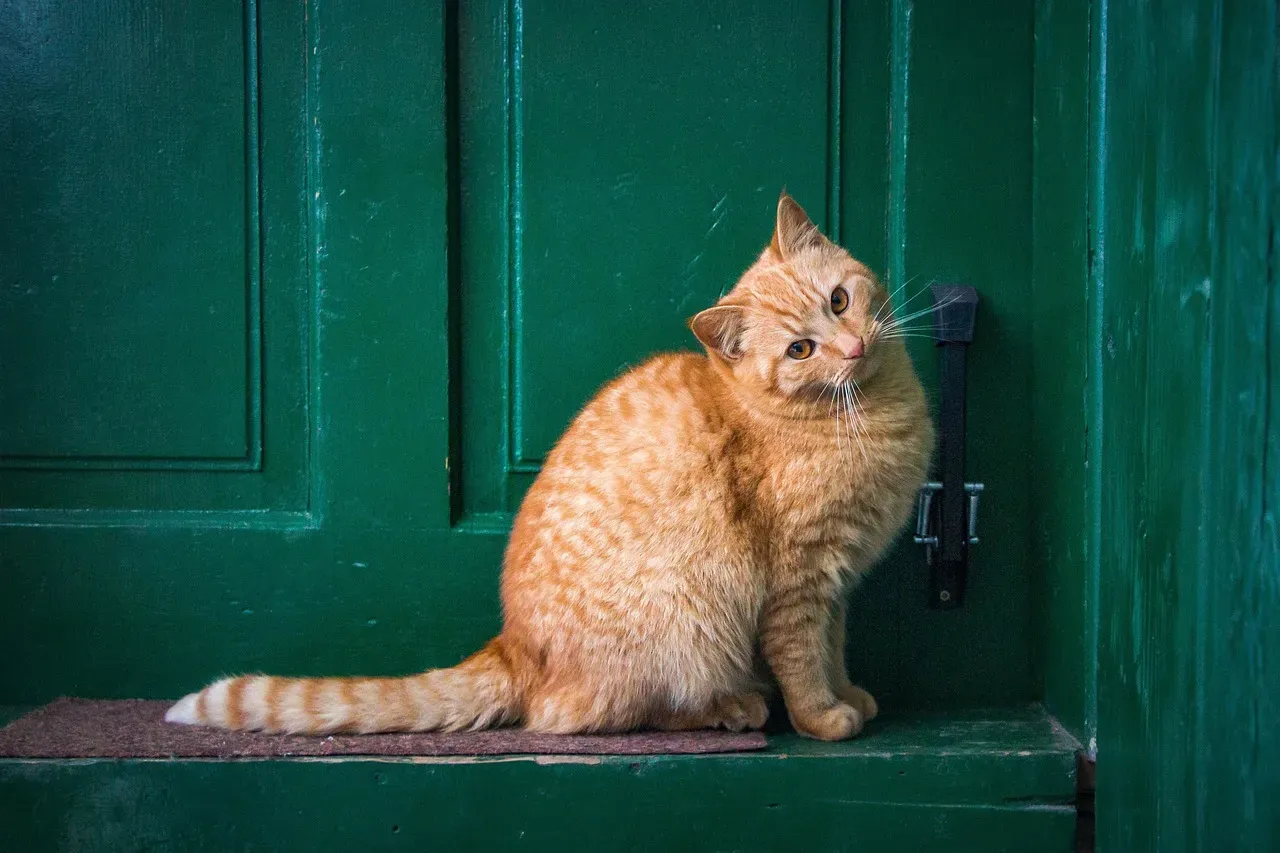
You know that slow, deliberate tail flick your cat does right before things go south? That’s not random. One of the first subtle signs that your cat is feeling displeased is when you notice their tail placed low, swishing quickly back and forth from side to side. Think of it as a feline warning light that’s been blinking for a while and you somehow missed it.
If your usually calm cat’s tail suddenly starts flicking or lashing back and forth rapidly, it could be a clear sign of irritation. So the next time you’re mid-petting session and that tail starts doing its impatient little dance, take the hint. Stopping what you’re doing right then is almost always the smartest move you can make.
2. Those Ears Go Full Airplane Mode
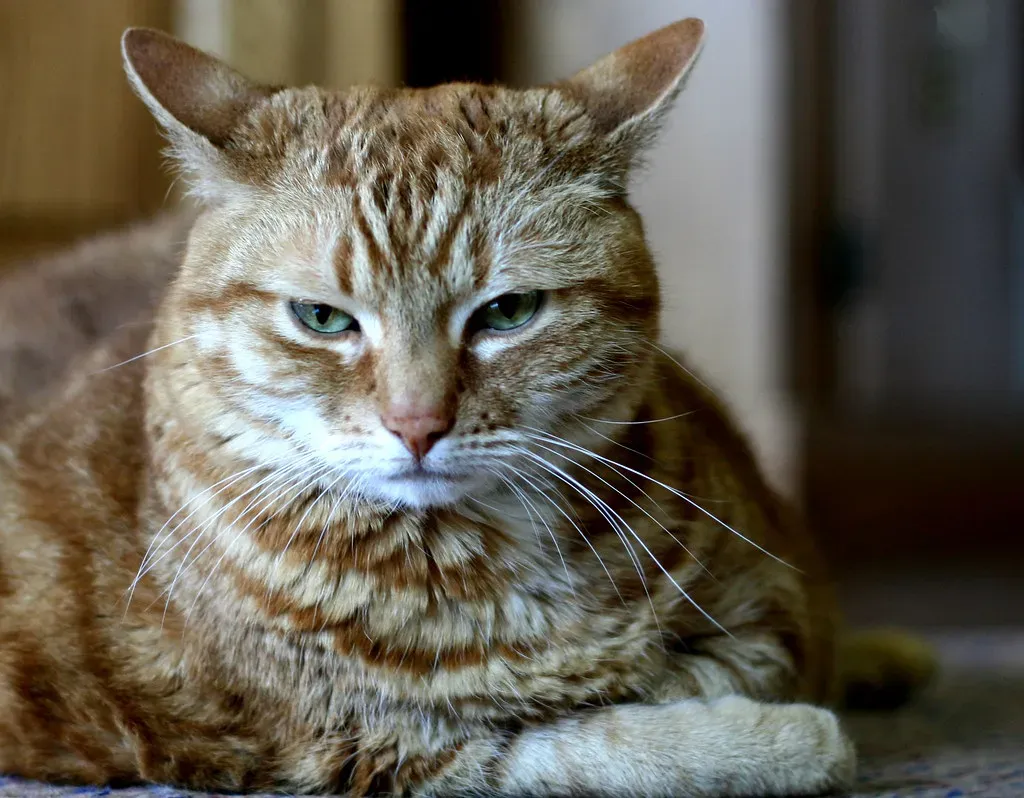
Ears flattened back against the head and slightly sticking out, like airplane wings, are a sure indicator your cat is upset. It’s actually a remarkably accurate name for it. Picture an annoyed passenger on a delayed flight, arms crossed, refusing to make eye contact. Your cat is doing basically the same thing, just with their ears.
If you notice your cat’s ears are flat or pulled back against their head, it could indicate that they’re feeling threatened. If their ears turn out to the sides like wings, this is a clear indication that your cat is feeling quite annoyed, and in some cases, this annoyance could escalate into aggression. Honestly, those ears are doing more communicating than most people realize. Watch them closely and you’ll rarely be caught off guard.
3. They Hiss, Growl, or Just Give You the Full Silent Treatment of Sound
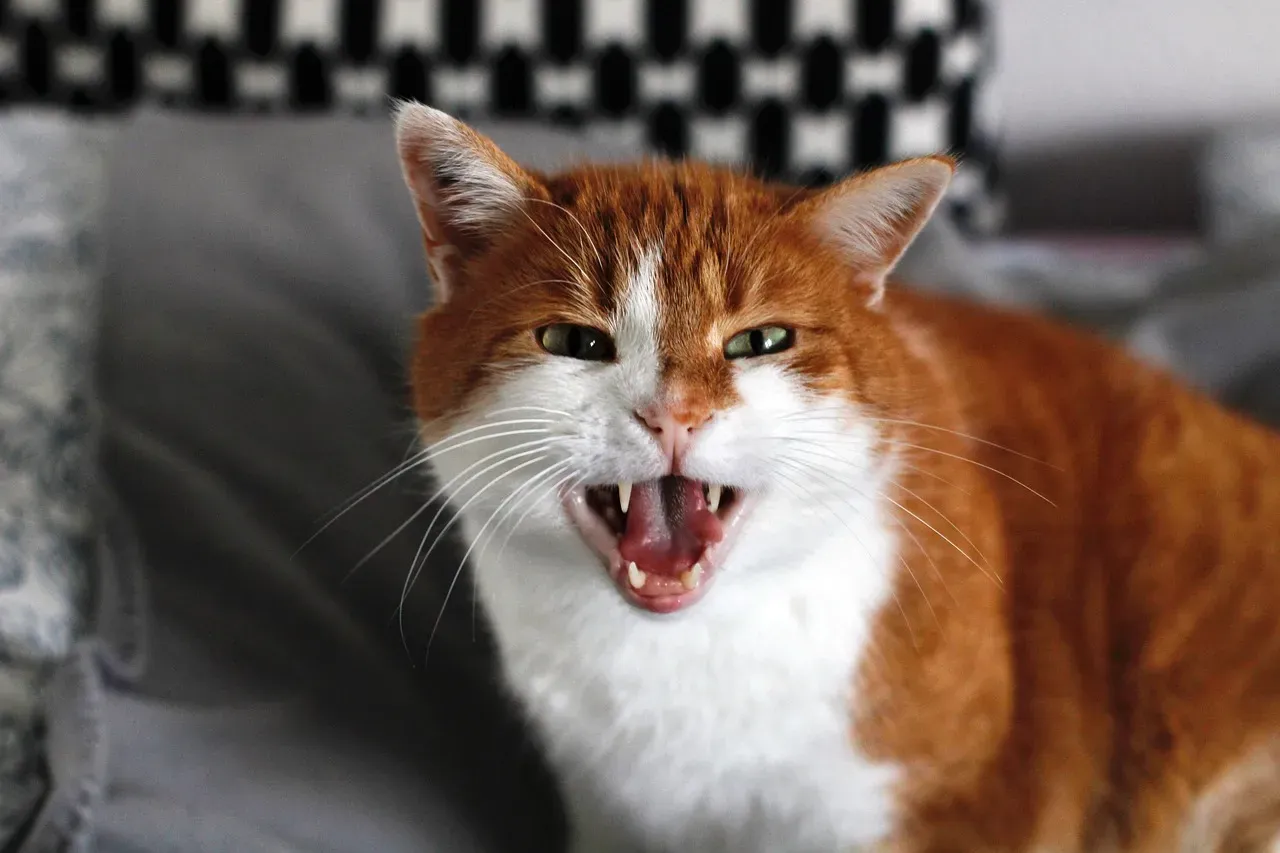
Whether it’s a sharp hiss, an irritable growl, or a chilling yowl, these vocalizations are your cat’s way of expressing discomfort or frustration. It’s loud, it’s clear, and it’s the feline equivalent of shouting “I have had enough!” from across the room. Most people flinch when they hear it. You should.
If a cat feels they’re in danger and really wants you to back off, they may start with growling before moving on to louder, scarier vocalizations or physical defensive aggression. The growl often gets louder as the cat gets more upset. Here’s the thing: that growl is actually a gift. It’s your cat giving you a fair warning before things escalate. Consider it a grace period, and use it wisely.
4. They Suddenly Disappear Into Their Secret Hiding Spot
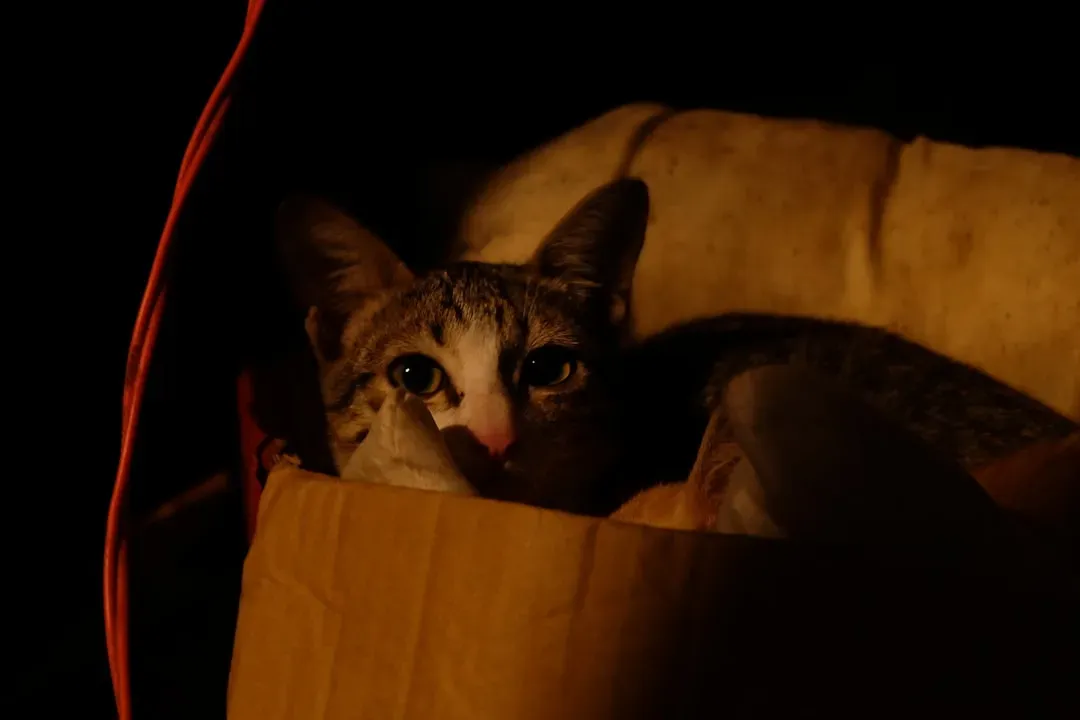
Hiding is one of the first signs your cat is unhappy or fearful of you or the situation. Maybe it’s behind the sofa, under the bed, or inside a closet they’ve claimed as their personal fortress. If your cat suddenly vanishes and won’t come out, something in their world has genuinely upset them. It’s not a game of hide and seek, even if it sometimes feels like one.
Resist the urge to try to drag your angry cat out of hiding. It’s a protective reflex, and if you force them to socialize before they’re ready, they may become aggressive. I know it’s tempting to reach under the bed and try to coax them out with treats. Sometimes that works. More often, you’re about to make a grumpy cat significantly grumpier. Patience, honestly, is the only tool that reliably works here.
5. The Fur Stands on End and the Back Goes Full Halloween Arch
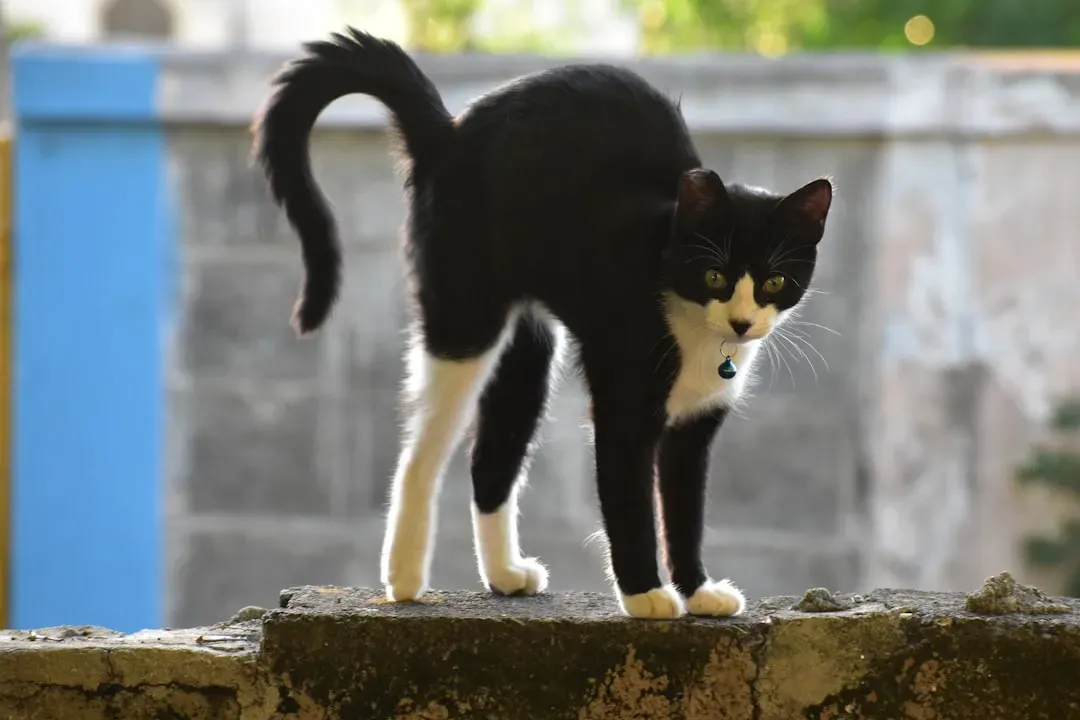
The very stereotype of an angry cat is a kitty crouching with an arched back, fluffed out fur, and a bushy tail. This gives the animal the appearance of being bigger and more intimidating, which often backfires with enamored owners who think it looks adorable. It does look a little adorable. But it means anything but adorable on the inside.
Sometimes when a cat believes they are in danger, they may feel they have no other choice but to fight for their safety. They may try to make themselves look as large and as intimidating as possible by arching their back and letting their fur stand up, an involuntary reaction called piloerection. This one is pure instinct. Your cat isn’t performing. They’re genuinely distressed, and no amount of reassuring baby talk is going to speed up the process of calming them down.
6. They Actively Avoid You Like You’re Completely Invisible
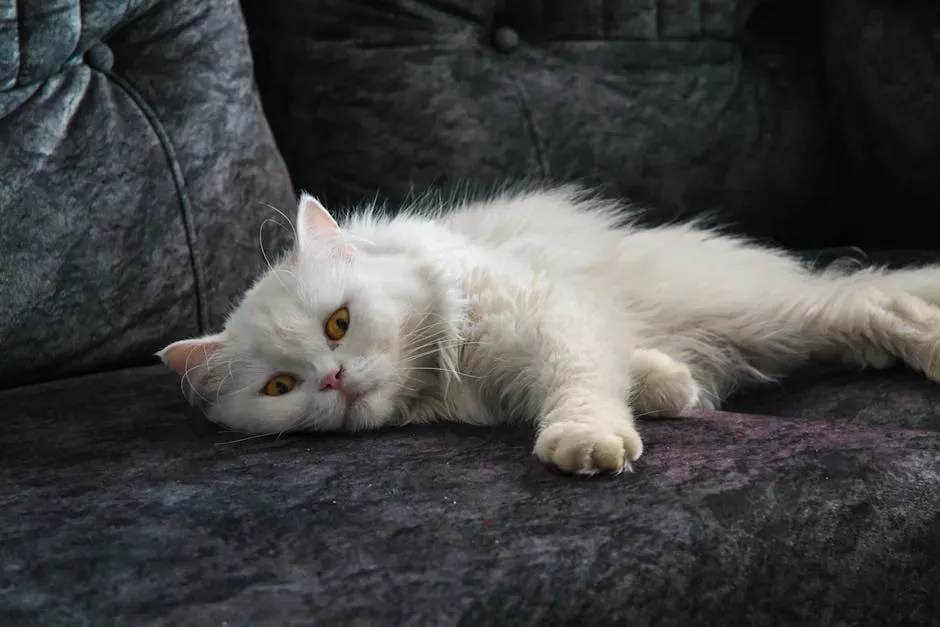
If your furry friend actively avoids you when they’re normally playful or keeps away for longer than usual, it can be a sign they’re mad, scared, or anxious. Cats are creatures of habit. When the cat who normally greets you at the door suddenly acts like you don’t exist, that shift is meaningful. You’ve clearly done something, or something around you has changed, and your cat has decided you’re the problem.
Angry cats will keep their distance when they get confused by a sudden loud voice, quick movements, or even an unfamiliar smell on your jacket. That last one always gets people. You came home smelling like someone else’s dog, or you used a new perfume, or you walked through cigarette smoke outside. To your cat, that’s alarming. Give them time to reset and they’ll come back around on their own terms.
7. They Bite or Scratch Right After Asking to Be Pet

Has your cat ever begged to be petted and then bit or scratched your hand? This is called “petting aggression,” and it’s totally normal, if admittedly annoying. One moment they’re purring like a tiny engine, rolling around, clearly inviting affection. The next second, your hand is in their mouth. You didn’t imagine the shift. It happened fast because cats have surprisingly low overstimulation thresholds.
To manage a cat with petting-induced aggression, you should avoid uninvited handling or petting, any type of physical punishment or restraint, and attempts to pick up or interact with them while they’re eating. The best technique, honestly, is to keep petting sessions short and read those early warning signs closely. When the tail flick starts, stop. You’ll save yourself a lot of scratch marks and your cat a lot of stress.
8. Their Pupils Go Wide and Their Stare Gets Unsettlingly Intense
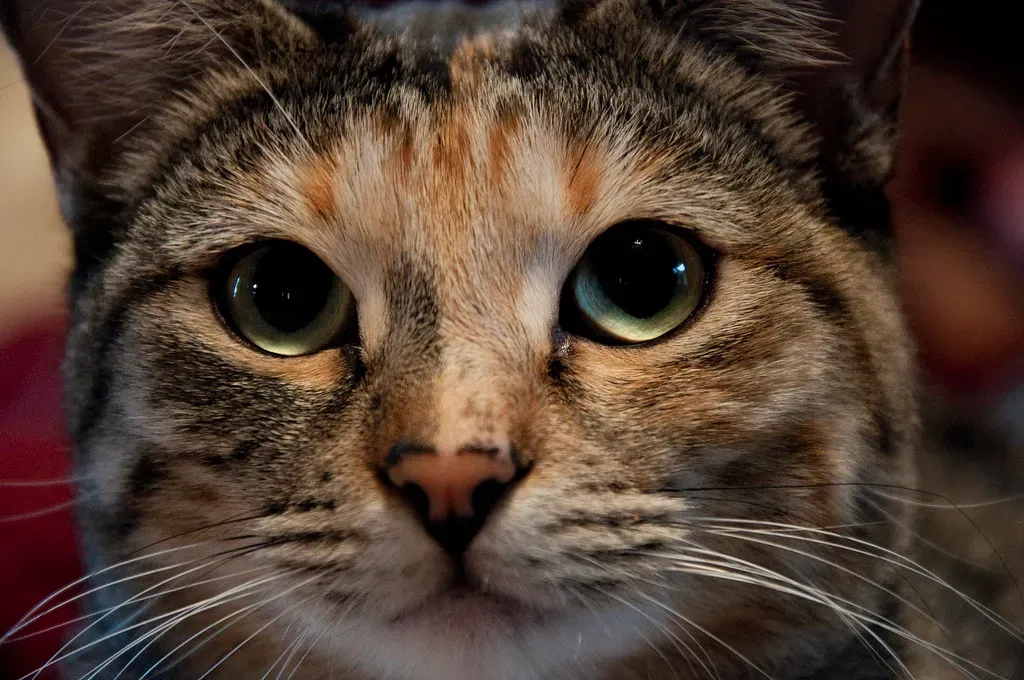
When the pupils are large and open, this usually indicates heightened arousal or an intense emotional state, particularly if observed in a well-lit environment. In low lighting, big pupils are totally normal. But in bright daylight, when those eyes go wide and dark and fixed directly on you? That’s a completely different situation, and your cat is telling you something important.
When your cat is irritated or overstimulated, you’ll notice dilated pupils, ears turned back, and a tail twitching or waving. Your cat may even growl or put their teeth on you as a warning to stop what you’re doing. It’s almost like a pressure gauge. The wider those pupils get in bright light, the closer the needle is to the red zone. Pay attention to the eyes alongside the tail and ears together, never just one signal in isolation.
9. They Refuse to Eat or Suddenly Lose Interest in Their Food
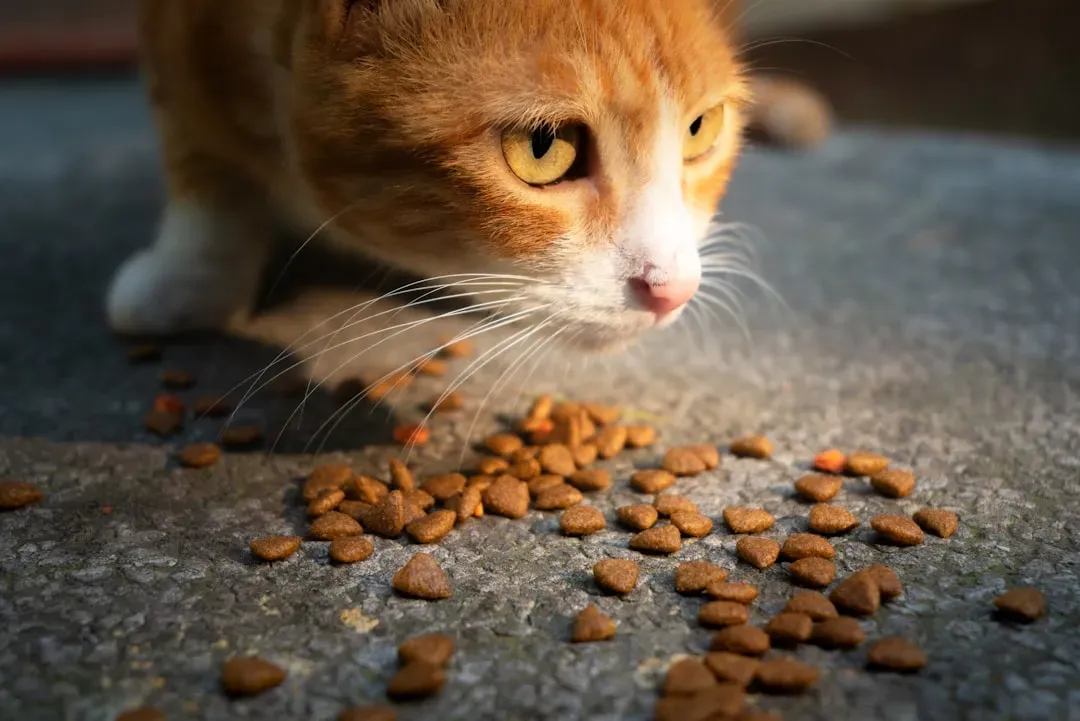
When a cat is upset, they may eat less or even refuse to eat at all. Often this is a reaction to a new or unfamiliar situation, a change in routine, or a big event at home. Cats are deeply routine-oriented creatures. Bring a new pet home, rearrange the furniture, have a noisy gathering, or even just change their food brand, and the result might be a cat who looks at their bowl and walks away in what feels like pure protest.
Keep a close eye on this one, however, as it can also be a sign of illness. If your cat won’t eat for more than a day or two, it’s wise to take them to the vet. A grumpy cat that skips one meal is usually just being dramatic. A grumpy cat that skips meals for two or three days running is a cat that might need medical attention, not just a mood adjustment. Know the difference, because it matters.
10. They Knock Things Over, Scratch Furniture, or Destroy Stuff on Purpose
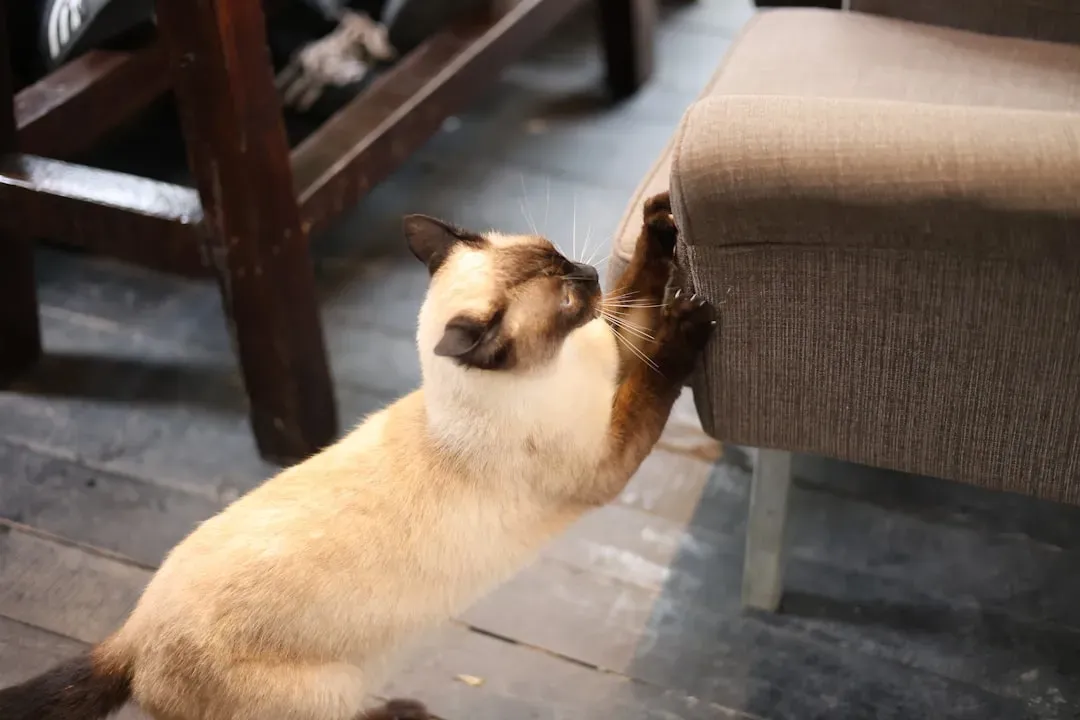
If your cat is destroying things all of a sudden, knocking things over, or scratching at your sofa or carpet, they might be attempting to vent frustration. Watching your cat make eye contact with you and then deliberately push your favorite mug off the counter is one of the most infuriating experiences in cat ownership. It feels personal. It looks personal. But it’s actually your cat saying “I have energy and emotions I cannot process right now.”
Never tell your cat off for behavioral changes or punish them for unwanted behavior. Your cat won’t understand what they’ve done wrong, and it could even make the problem worse as your cat is likely to become more anxious. Instead, try redirecting that destructive energy toward something appropriate, like a scratching post, a puzzle feeder, or a solid play session. Cats can become frustrated when they do not feel in control of a situation or are unable to access their resources. Give them more control over their environment and you’ll likely see far less collateral damage around the house.
Conclusion: Your Grumpy Cat Is Actually Talking to You
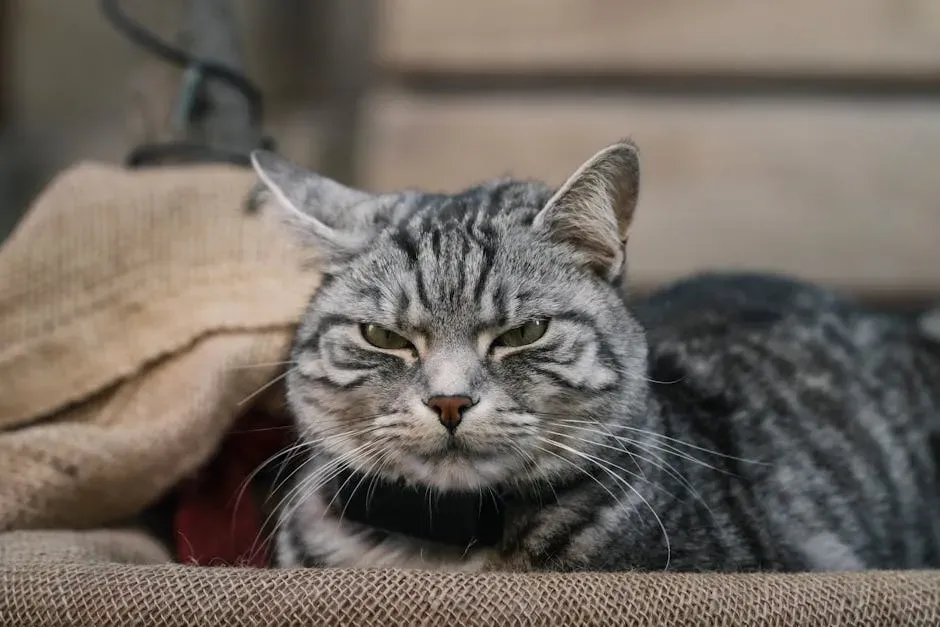
Here’s the thing about cat grumpiness: it’s never random, and it’s never pointless. Every swat, every flatten-eared glare, every strategic disappearing act is your cat communicating something real. They’re not being difficult just for sport, even though it sometimes feels that way.
It’s important for pet parents to learn how to interpret their animal’s body language to understand what they’re trying to tell you, and when it’s more than just a bad mood. Once you start reading the signs with fresh eyes, you’ll likely feel less offended and more informed. Your cat’s grumpy days are actually golden opportunities to understand them on a deeper level.
The relationship between you and your cat improves dramatically when you stop fighting their moods and start listening to them instead. Respect the tail flick. Respect the airplane ears. Give them their space when they need it, and you’ll find they come back to you much more willingly. Did you recognize your own cat in any of these? Tell us which one hit closest to home in the comments below.