You watch your cat sprawled across the sofa, paws gently paddling the air, whiskers giving the occasional twitch, and you wonder – is she chasing something in there? Is there a whole other world happening behind those closed, sleepy eyes? It’s one of those questions that feels almost too poetic to be scientific. Almost.
The truth is, sleep science has been quietly unraveling the mystery of feline dreaming for decades. What researchers have found is genuinely fascinating, and more than a little surprising. So whether you’re a lifelong cat lover or just someone who can’t stop watching their cat sleep (no judgment – I do it too), let’s dive in.
The Science Is Clearer Than You Think: Yes, Cats Almost Certainly Dream
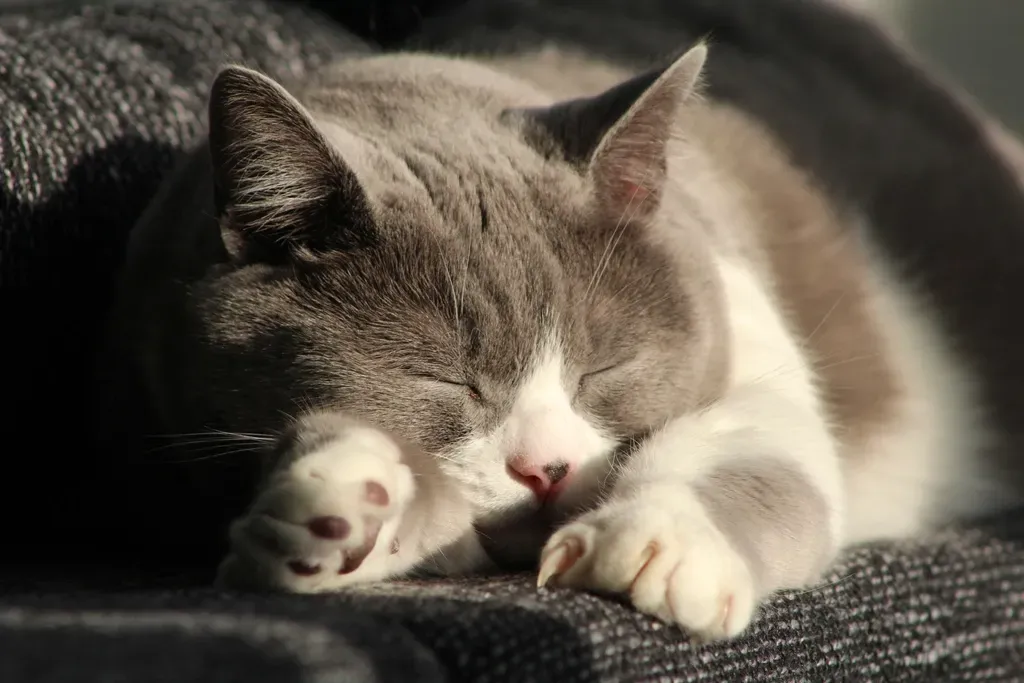
Experts say that, like most other mammals, cats experience dreams during sleep. Just as in humans, feline dreams occur during a stage of sleep known as rapid eye movement, or REM sleep. That’s not a wild guess or a feel-good assumption. It’s grounded in real neuroscience, backed by studies dating as far back as the 1960s.
Research dating back to the 1960s shows that cats experience REM sleep, the same sleep stage where human dreaming occurs. During REM sleep, cats display twitching paws, flickering eyelids, and soft vocalizations that suggest active dream states. When you see those little movements, you’re not imagining things. Something is genuinely going on inside that furry head.
Michel Jouvet and the Experiment That Changed Everything
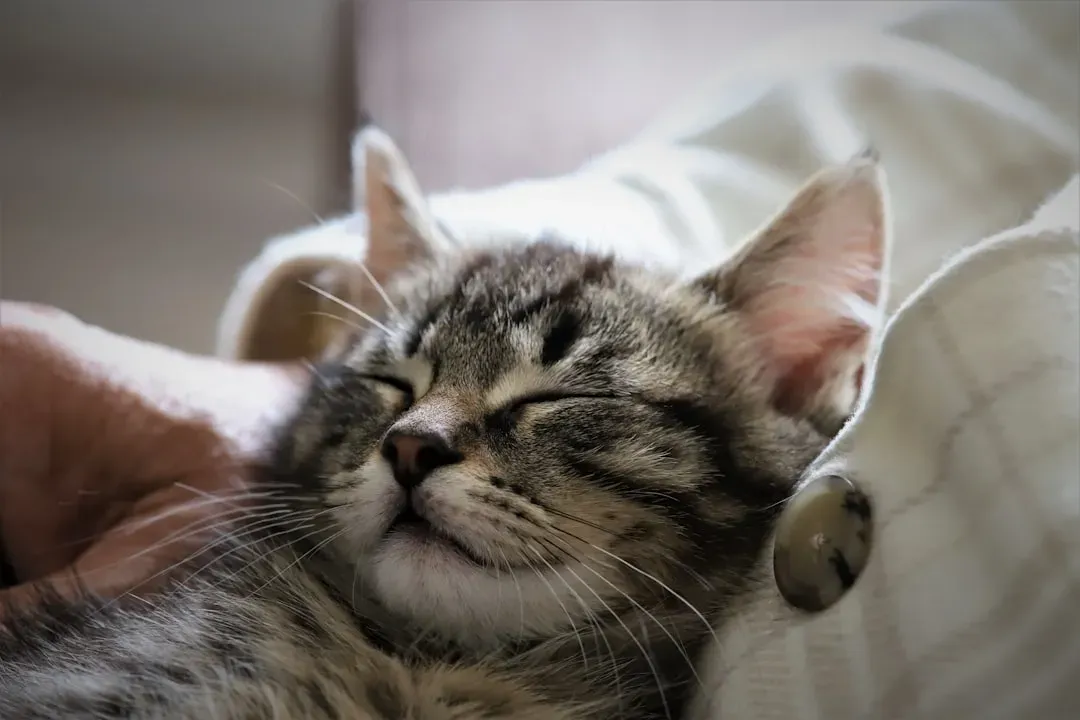
If you want to understand why scientists are so confident cats dream, you need to know about Michel Jouvet. A pivotal moment in our understanding of sleep unfolded in the 1960s and 70s when French neuroscientist Michel Jouvet, a pioneer in sleep research, got curious about REM sleep and dreaming behaviors. One of his many experiments involved essentially creating a lesion on a region of the brainstem in cats known as the dorsal pons, to see how it affected their sleep behavior.
He found that when a cat’s brain lost its REM-related muscle paralysis, the cat would “act out” its dreams. While still asleep, it pounced, swatted, and hunted invisible prey – all while lying on the lab floor. That’s a pretty strong clue. It showed cats were not just asleep but dreaming of real experiences, especially things rooted in instinct like hunting. Honestly, I think that image says more than any brain scan ever could.
The Brain Waves That Prove It: PGO Waves and Feline Dreaming
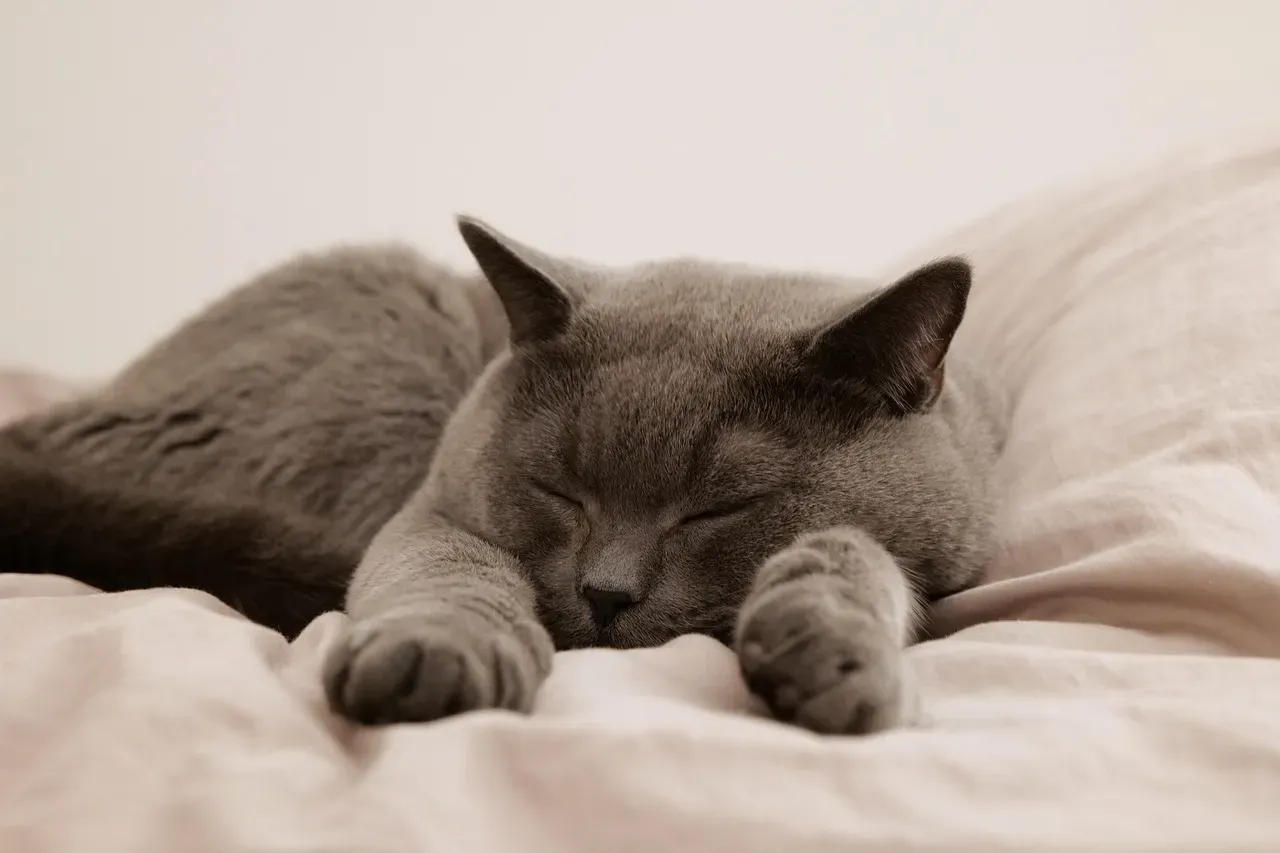
Michel Jouvet’s 1960s research at the University of Lyon established that cats in REM sleep generate ponto-geniculo-occipital (PGO) waves, electrical signals that travel from the brainstem to the visual cortex. These waves are considered a biological signature of dream imagery formation. The same wave patterns have since been identified in humans, primates, and other mammals.
An electroencephalogram (EEG) test, which measures brain activity, showed that cats have similar brain-wave patterns to that of humans in the midst of REM sleep. Think of it like tuning into the same radio frequency. The signal from a sleeping cat’s brain looks remarkably similar to the one coming from a dreaming human brain. That’s not coincidence – that’s shared biology.
How Your Cat’s Sleep Cycle Actually Works
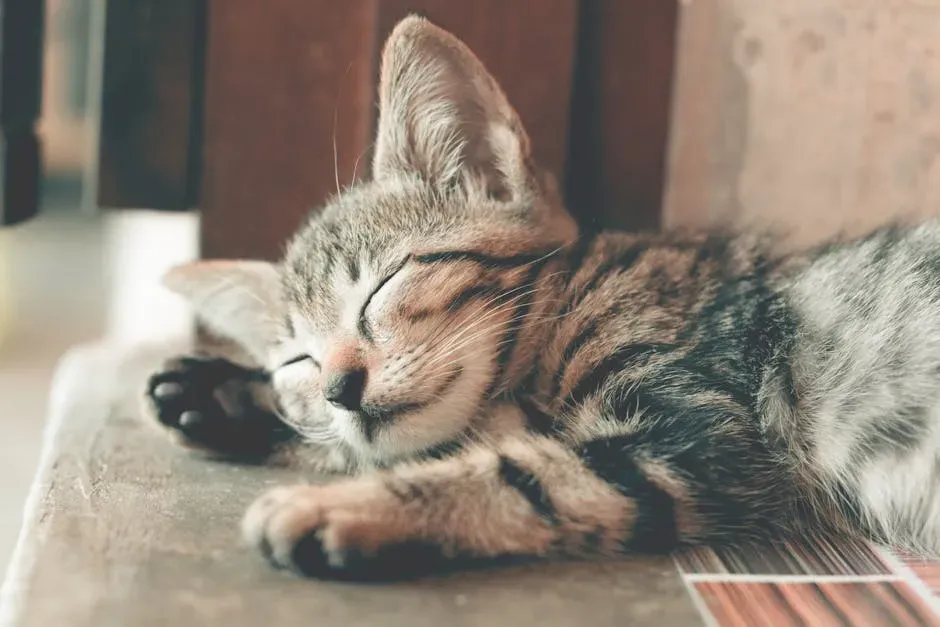
Both cats and humans cycle through multiple sleep stages, but the structure of those cycles differs in important ways. Human sleep typically runs in 90-minute cycles, with REM periods growing longer toward morning. Cats cycle through sleep stages much more quickly, with each full cycle lasting roughly 20 to 30 minutes.
Deep NREM sleep is dominated by slow, high-amplitude brain waves. This is the most physically restorative stage, when tissue repair, immune function, and growth hormone release peak – and your cat is difficult to wake during this stage. Then comes REM. The brain becomes highly active again, closely resembling wakefulness on an EEG. Voluntary muscles are paralyzed except for the eyes and the diaphragm – this is when dreaming occurs. REM periods in cats typically last 6 to 8 minutes before the cycle resets.
Why Cats Sleep So Spectacularly Much
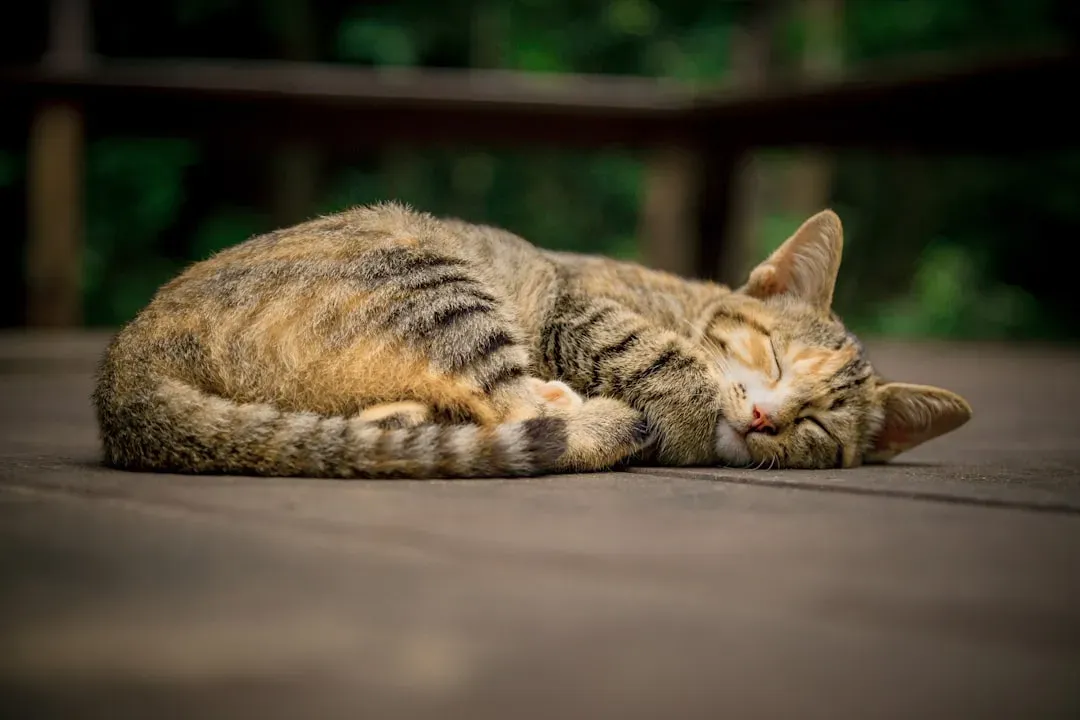
Let’s be real – cats are champion sleepers. More than half of cats sleep between 12 and 18 hours a day, and nearly 40% of cats sleep more than 18 hours per day. That’s not laziness. That’s evolutionary brilliance at work.
This extensive sleep duration is an evolutionary trait inherited from their wild ancestors who needed bursts of intense energy for hunting. Cats have a polyphasic sleep pattern, which means they sleep multiple times each day rather than in one long period, like humans generally sleep. They’re essentially built like athletic sprinters, not marathon runners. Rest, burst, rest, burst. That’s the cat way, and it has served them brilliantly for millions of years.
What Your Cat Is Actually Dreaming About
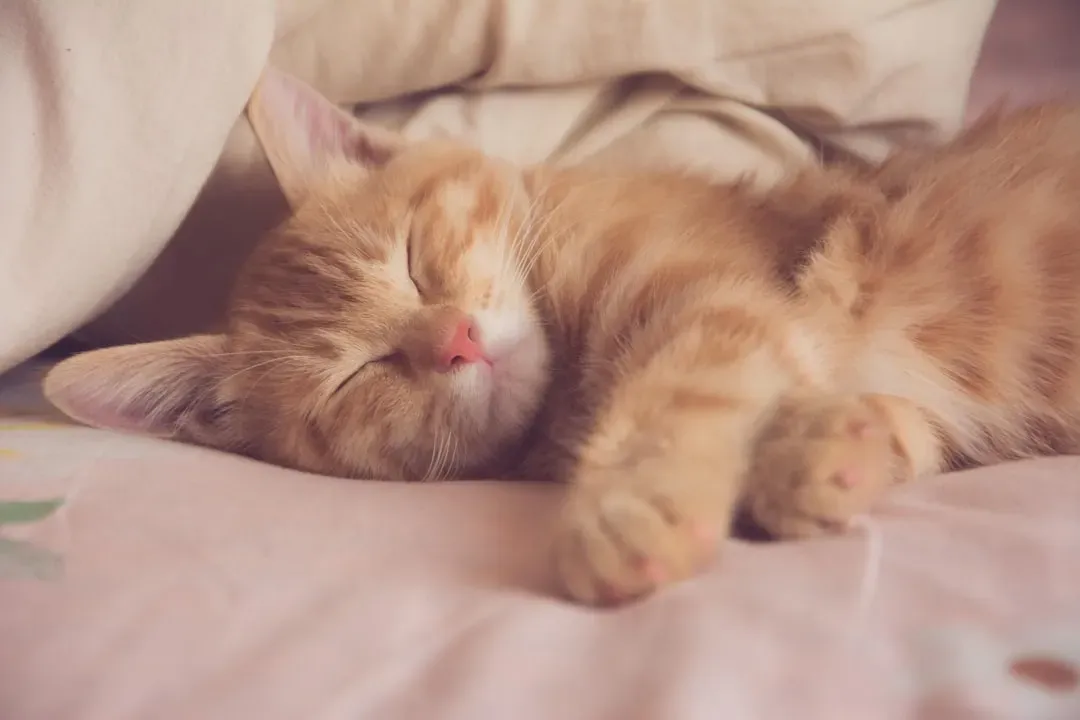
Here’s the part everyone really wants to know. The cats in Jouvet’s experiments displayed behavior that scientists interpreted as hunting small prey during REM sleep. Researchers suggest it is a very safe assumption that cats dream about stalking and pouncing on prey.
Based on current research, veterinary behaviourists believe cats likely dream about hunting and play – stalking, chasing, and pouncing on prey or toys is central to feline identity, and these deeply ingrained motor patterns are prime candidates for dream replay. Territory exploration is also likely, since cats are territorial animals that spend considerable waking time patrolling and scent-marking, and dreams may replay familiar routes through the house or garden. Add to that social memories, mealtimes, and the rich sensory world of sound and smell, and your cat’s dream life starts to sound almost enviable.
The Signs That Your Cat Is in Dreamland Right Now
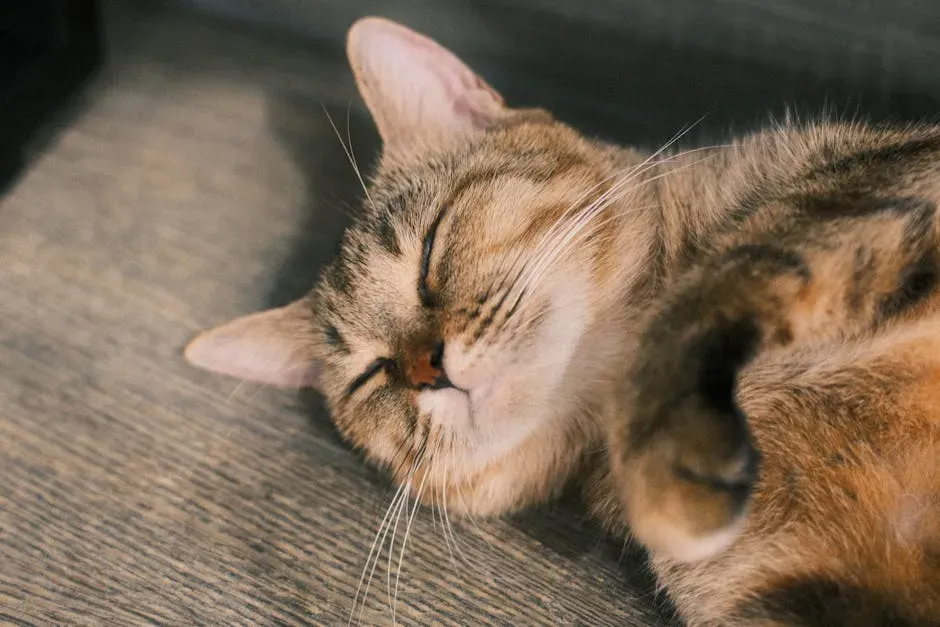
You can actually spot it in real time, if you know what to look for. Twitching – whether it’s their ears, paws, tail, or whiskers – is one of the most common signs of dreaming. Soft meows, chirps, or other noises suggest your cat may be “talking” in a dream. And if you look closely, you might see your cat’s eyes moving quickly beneath their closed lids during REM sleep.
A cat twitching in their sleep is a pretty sure sign that they’re dreaming. Cats are likely “acting out” part of their dreams, whether they’re chasing a housemate, stalking a bird, or playing. As the brain replays these vivid activities, cats may move and twitch as they relive the events, resulting in twitches, running motions, and even sounds like purrs and meows. It’s like watching a tiny, fluffy action movie with no sound.
Can Cats Have Nightmares?
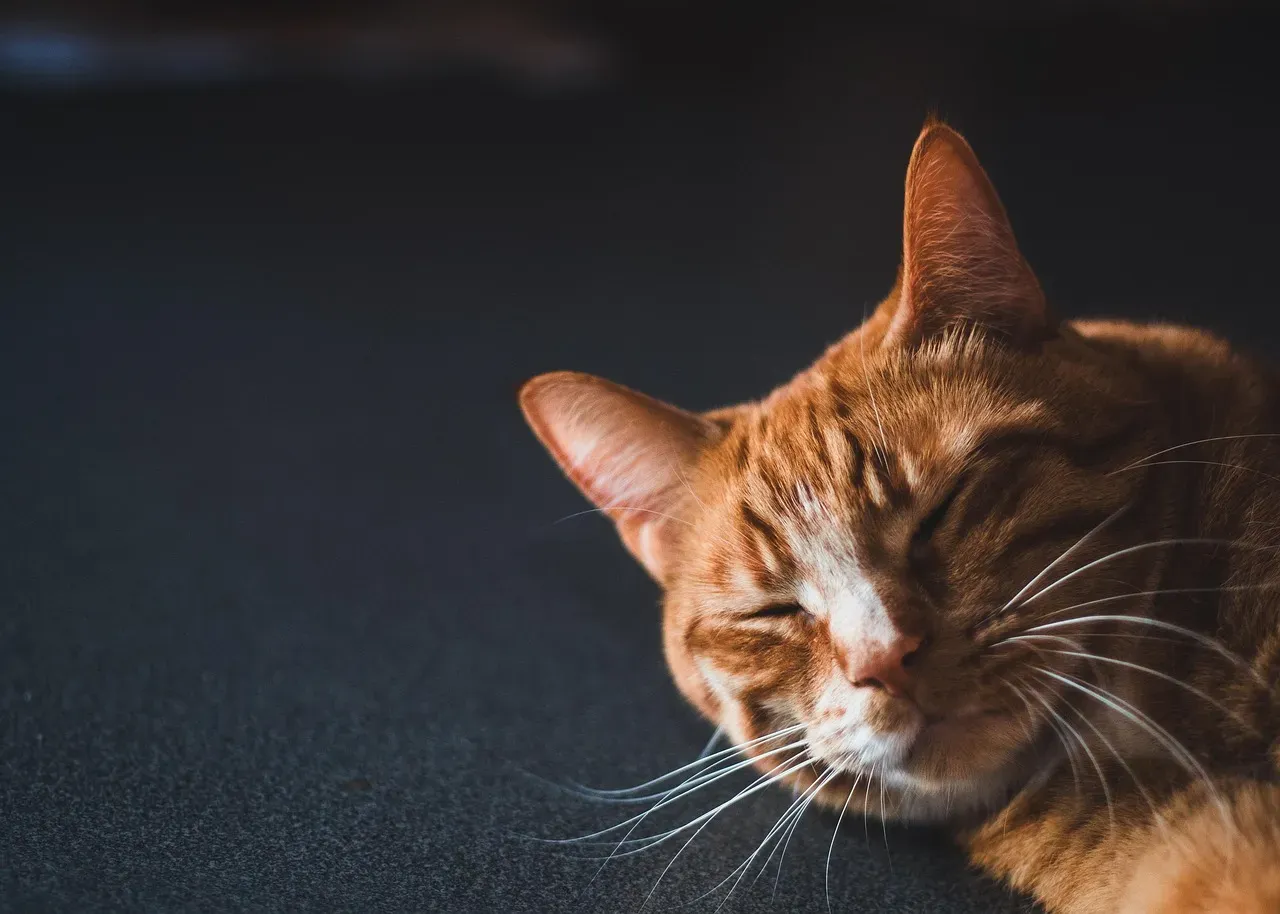
This one is harder to confirm definitively, but the evidence leans toward yes. While we can’t definitively prove that cats experience nightmares in the same way humans do, behavioral observations and scientific understanding of brain activity during sleep suggest it’s likely. Cats may process stressful experiences or natural fears during their dream states, potentially leading to what we would consider nightmares.
If a cat has a particularly frightening experience, such as a fight with another cat, a close call with a car, or a fall, they might even have nightmares. Research on post-traumatic stress in animals suggests that distressing experiences can be replayed during REM sleep, much as they are in humans with PTSD. If your cat frequently shows signs of sleep disturbance, a visit to the veterinarian is worthwhile. Underlying pain, illness, or anxiety can all disrupt healthy sleep patterns. So if your cat seems agitated in their sleep, take it seriously.
Should You Ever Wake a Dreaming Cat? What the Vets Say
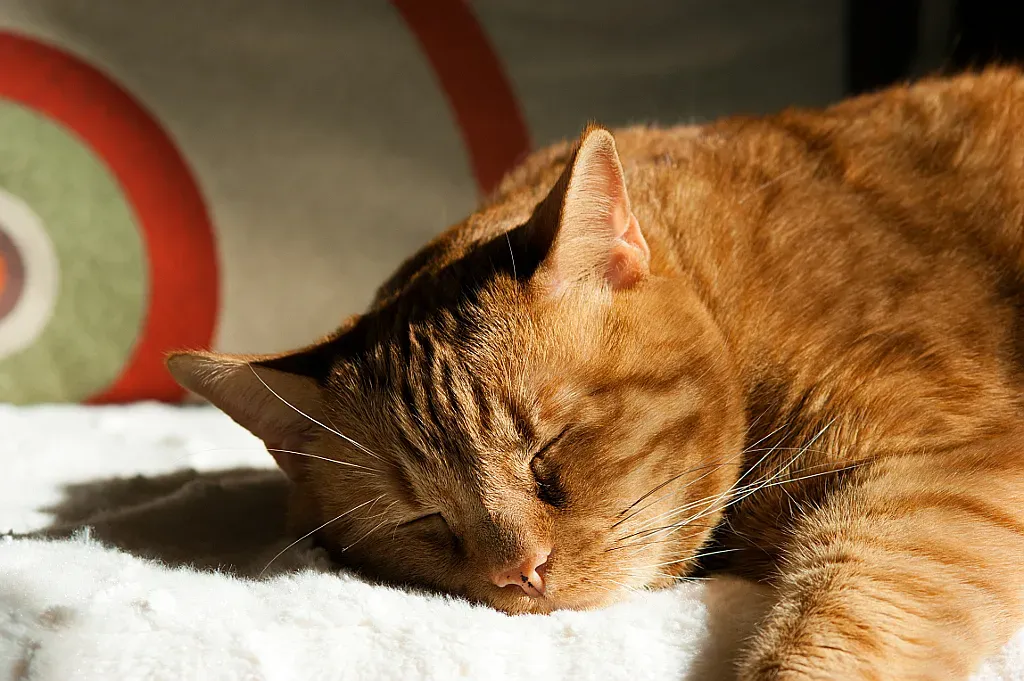
The short answer is: probably not. It’s best not to wake a dreaming cat, even if it seems like they’re having a nightmare. Cats can become disoriented or even lash out when abruptly woken from deep sleep, especially during REM. Rest assured, the dream won’t harm them, and they usually return to their usual selves quickly.
Across animal research, sleep supports memory consolidation – the process of stabilizing and integrating new experiences. During sleep, brain networks replay salient events, strengthening useful connections. Thoughtful enrichment during the day can therefore yield better learning and a contented, twitchy dreamer at night. So instead of waking your cat, consider giving them a richer waking life to dream about. Think of it as curating their dream content – because apparently, that’s a thing you can do now.
Conclusion: The Secret Life Behind Those Sleepy Eyes
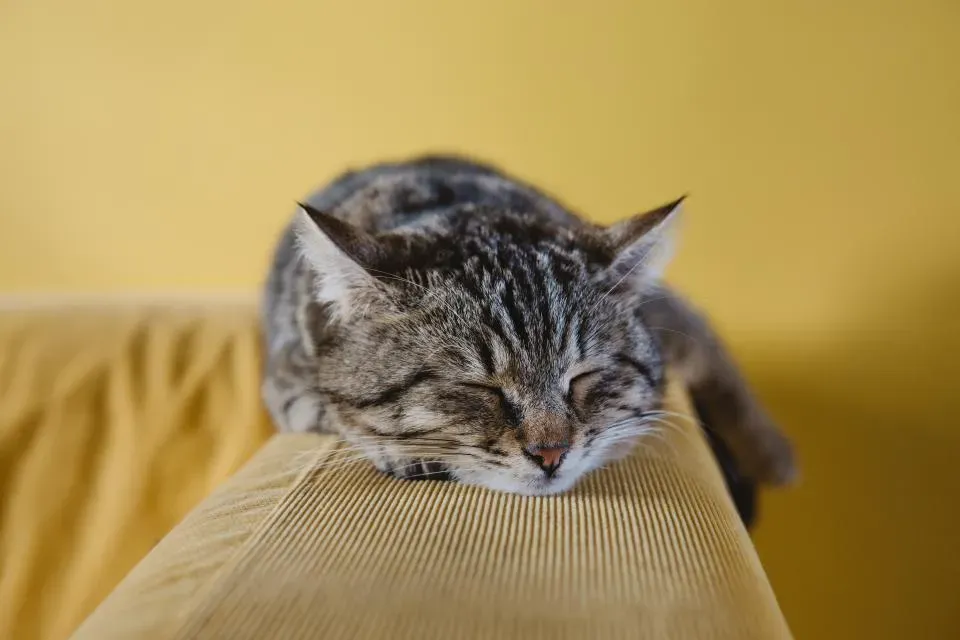
It’s hard to say for sure exactly what plays out behind your cat’s closed eyelids, but science has given us something genuinely wonderful: a strong, evidence-based case that your cat has an inner world rich enough to dream about. From Michel Jouvet’s groundbreaking brainstem experiments to modern EEG recordings and MIT memory studies in rodents, the evidence points consistently in one direction.
Although the specifics of a cat’s dreams are unknown, it’s likely that their brain is reviewing the day’s activities, consolidating memories, and processing various experiences. Dreaming helps to reinforce learning, retain memories, and even serve as a form of enrichment. Your cat isn’t just sleeping. She’s processing, reliving, maybe even practicing. There’s a whole interior life unfolding with every nap, and honestly, that’s one of the most beautiful things about sharing your home with a cat.
Next time you watch your cat twitch and paddle through a dream, maybe just sit with the wonder of it for a moment. What do you think your cat is dreaming about right now? Drop your thoughts in the comments – we’d love to know.