Most people who share their home with more than one cat will tell you the same thing: life with multiple felines is its own kind of chaos, and they would not trade it for anything. There is something undeniably magnetic about a household where cats roam with purpose, lounge with drama, and communicate in ways that even seasoned cat owners are still figuring out. What is less talked about, though, are the genuinely surprising, often overlooked benefits that come with living under the same roof as multiple cats.
You might already know about the obvious perks, like having twice the company on a quiet evening. Still, the picture is far richer and more fascinating than that. Whether you are considering bringing home a second cat or you are already deep in the multi-cat life, what follows might just change how you see your little fur-covered household. Let’s dive in.
Your Cats Are Less Likely to Experience Loneliness When You Are Away
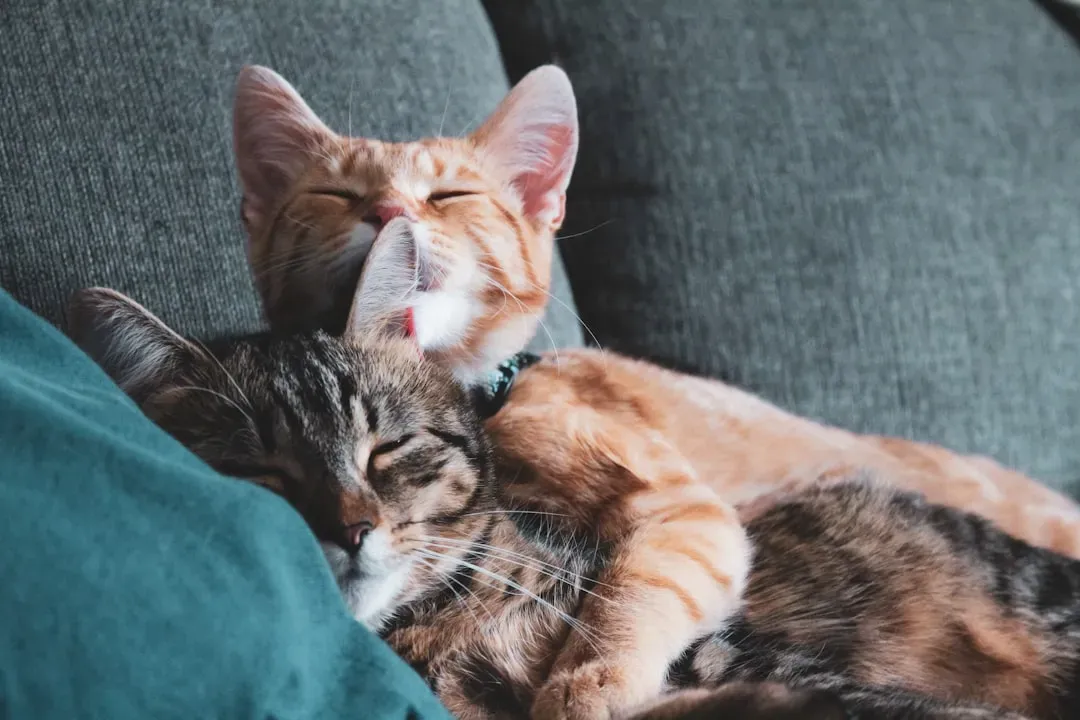
Here is something many single-cat owners quietly wrestle with: the guilt of leaving a solo cat alone for hours. It is a real thing. Many single cats experience separation anxiety when their owners leave the house, and this anxiety can manifest in destructive behaviors such as scratching, urinating outside the litter box, or even attempting to escape the home. In , you sidestep much of that guilt entirely.
With two or more cats, this anxiety can be alleviated as they have a built-in companion to offer comfort when you are away, and having another cat around helps maintain the emotional balance of your resident cat, providing them with a sense of security when their human family members are absent. Think of it like leaving a child with a trusted friend instead of alone in a house. The dynamic shifts completely.
Your Cats Keep Each Other Physically Active Without You Having to Do Much
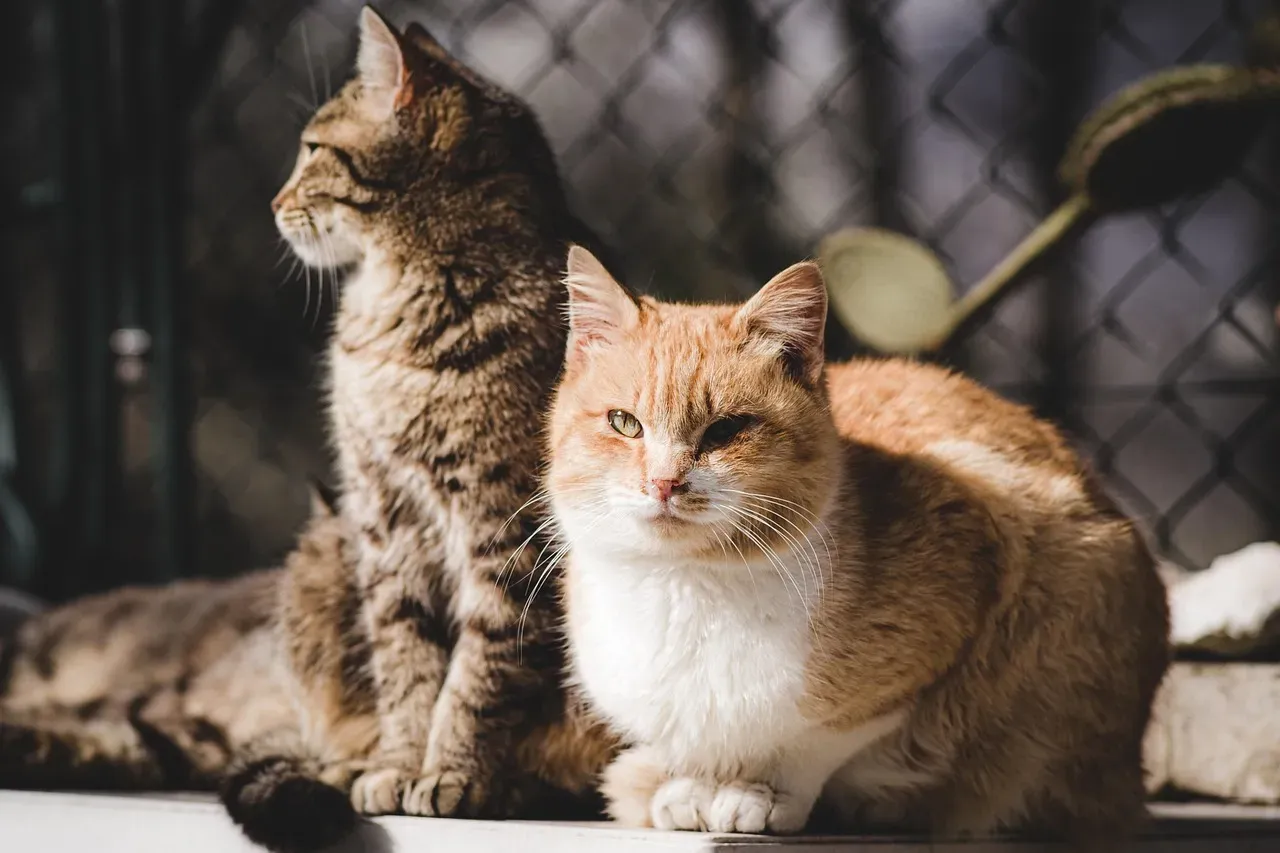
Cats who play together regularly get more exercise than if they were alone, and when they have feline companions to play with, they are far more likely to engage in physical activity, meaning they maintain a healthy weight and limit the risk of obesity-related health issues. That is genuinely significant given how common weight-related problems are in indoor cats today.
Multiple cats encourage more play and interaction, providing each other with mental stimulation and physical exercise, and they can engage in mutual grooming, play-fighting, or chasing, which are important for their physical health and mental wellbeing. Honestly, watching two cats tear around the house at full speed is entertaining for you, too, which brings us to the next benefit.
Your Own Stress Levels Drop in Ways You Might Not Expect
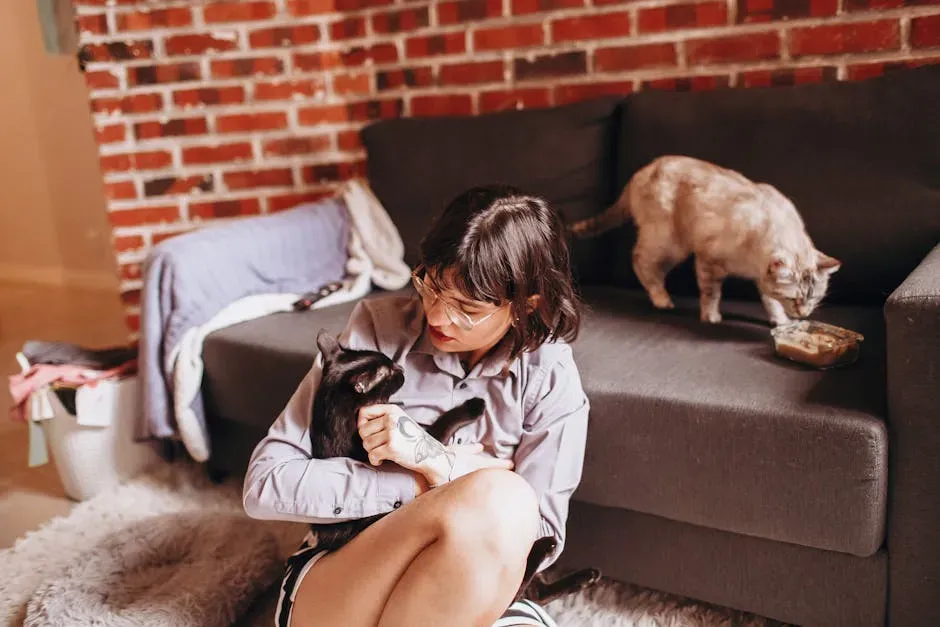
Living with three or more cats means maximum opportunity to laugh, play, and get rid of pent-up stress. It sounds almost too simple, but there is solid science behind it. Studies have shown that cats have a calming, stress-reducing impact on our health, and that cat owners are up to roughly a third less likely to experience heart diseases. Now multiply that calming energy by several cats and you start to understand why multi-cat owners often seem surprisingly relaxed.
Among pet owners, a strong majority say their pets have a mostly positive impact on their mental health, and cat owners were equally likely as dog owners to report this. In fact, cat owners were more likely than dog owners to say their pets offer companionship, provide a calming presence, and help reduce stress and anxiety. More cats, more calm. There is something poetic about that.
Your Cats Groom Each Other in Ways That Genuinely Benefit Their Health
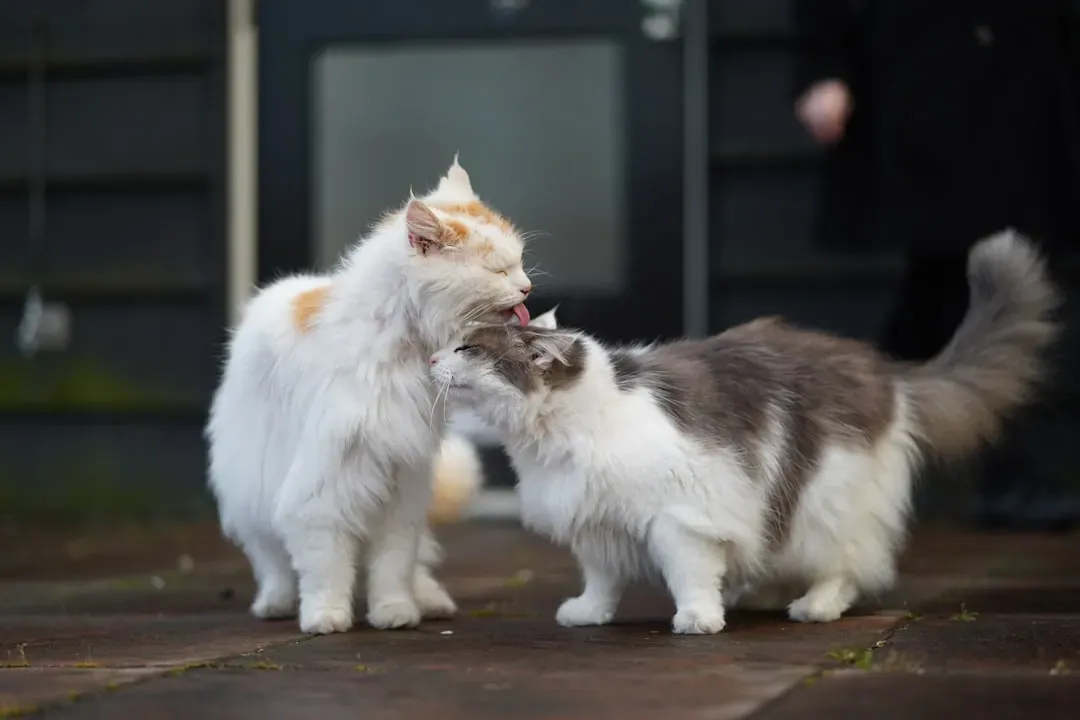
Allogrooming is the practice of social grooming between cats, typically focusing on hard-to-reach areas like the head and neck, and this behavior goes far beyond simple hygiene maintenance, serving as a complex social tool that helps establish and maintain relationships within feline groups. It is one of the most visually charming things you will ever see in a multi-cat home, and it serves a real practical function.
Beyond social bonding, allogrooming provides several health benefits for cats, as the physical act of grooming helps remove parasites, loose fur, and debris that cats cannot reach on their own, and this mutual cleaning system has proven so effective that cats prevented from grooming show significantly higher parasite loads, while the behavior also helps distribute natural oils throughout the coat and can help reduce stress levels in both the grooming and receiving cats. A built-in health care system, essentially.
Younger Cats Learn Social Skills From Their Housemates Naturally
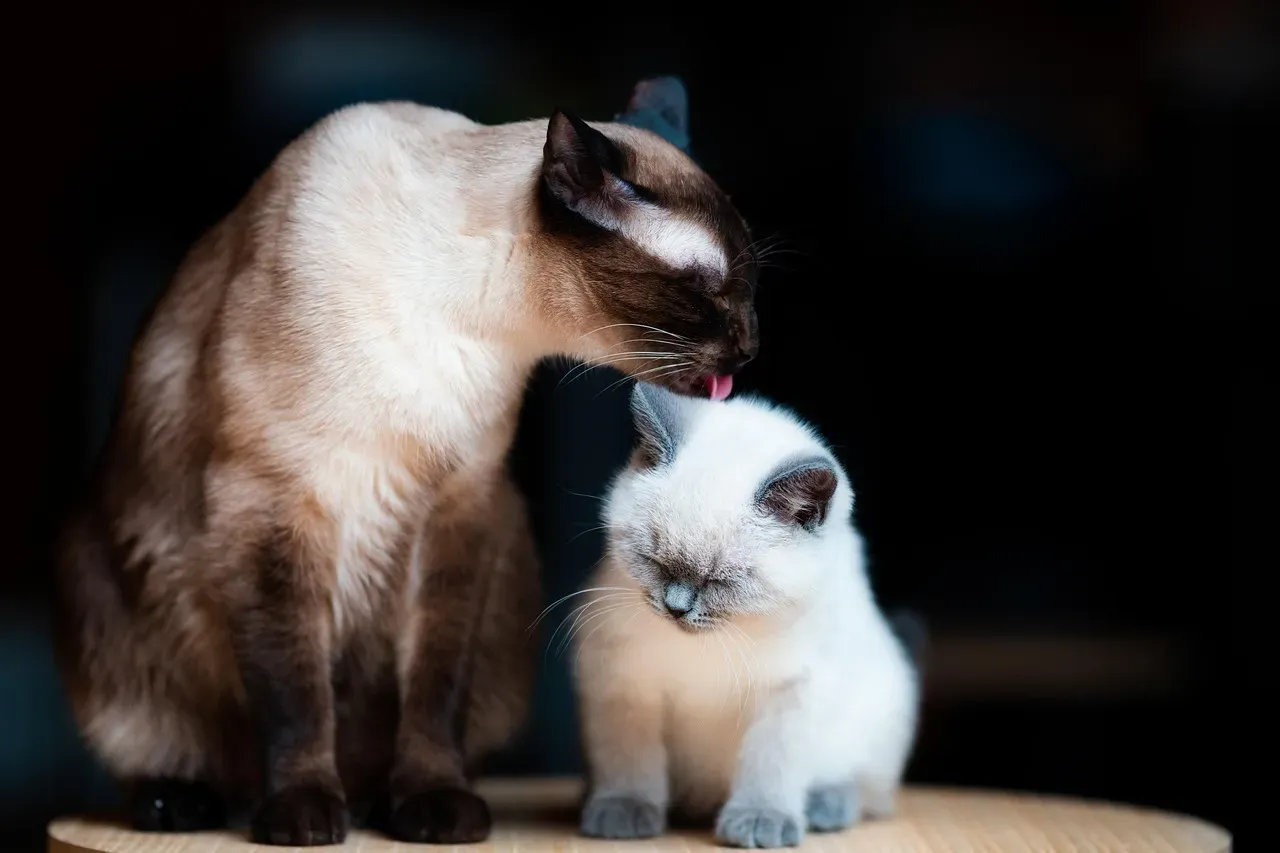
Kittens learn social cues and behaviors from older cats, and in multi-cat homes, younger cats can benefit from the presence of an adult cat who can teach them about proper cat behavior and boundaries. It is a bit like having a live-in mentor. You do not have to do all the heavy socialization lifting yourself.
Additionally, cats can learn positive behaviors from each other, with older cats often teaching younger ones important social skills and household routines, and this natural mentorship can make training and socialization easier for pet parents. If you have ever tried to wrangle a solo kitten through its adolescent chaos phase, you already know how valuable that kind of feline-to-feline guidance truly is.
Your Home Gains a Richer, More Dynamic Social Atmosphere
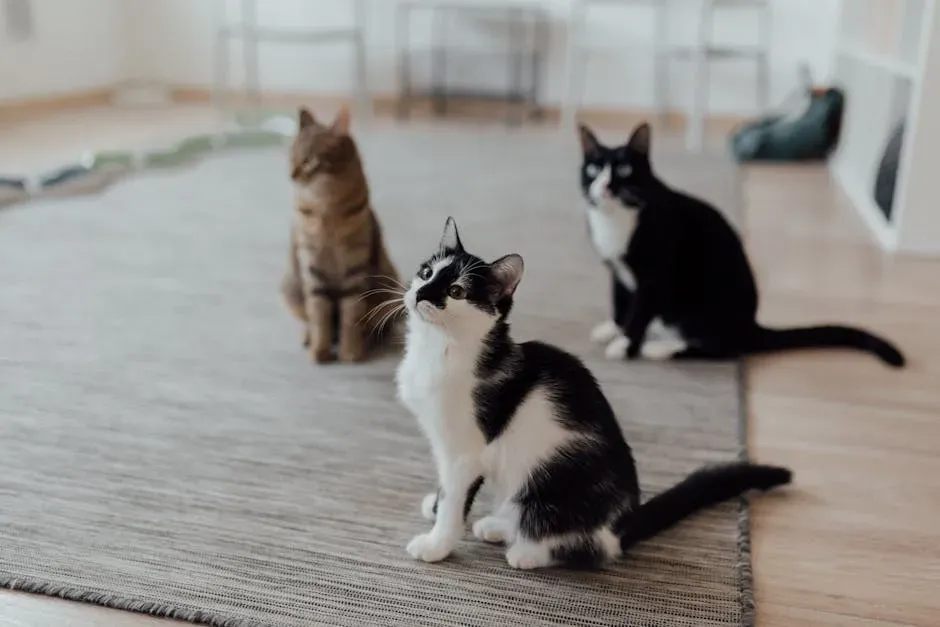
Understanding the complex dynamics in is fascinating, as cats exhibit diverse bonding patterns and unique expressions of affection, much like their human counterparts. You find yourself noticing little rituals between your cats. Who grooms whom first. Which cat always wins the coveted sunny spot. It is like watching a micro-society develop inside your own living room.
A feline social group consists of cats who have defined and recognisable social bonds, and cats in a social group show affiliative behaviors such as mutual grooming, rubbing against one another, sleeping in close proximity, or playing together. These interactions create a living, breathing social environment that is actually enriching to observe and be part of every single day.
Your Cats Provide Each Other With Critical Mental Stimulation
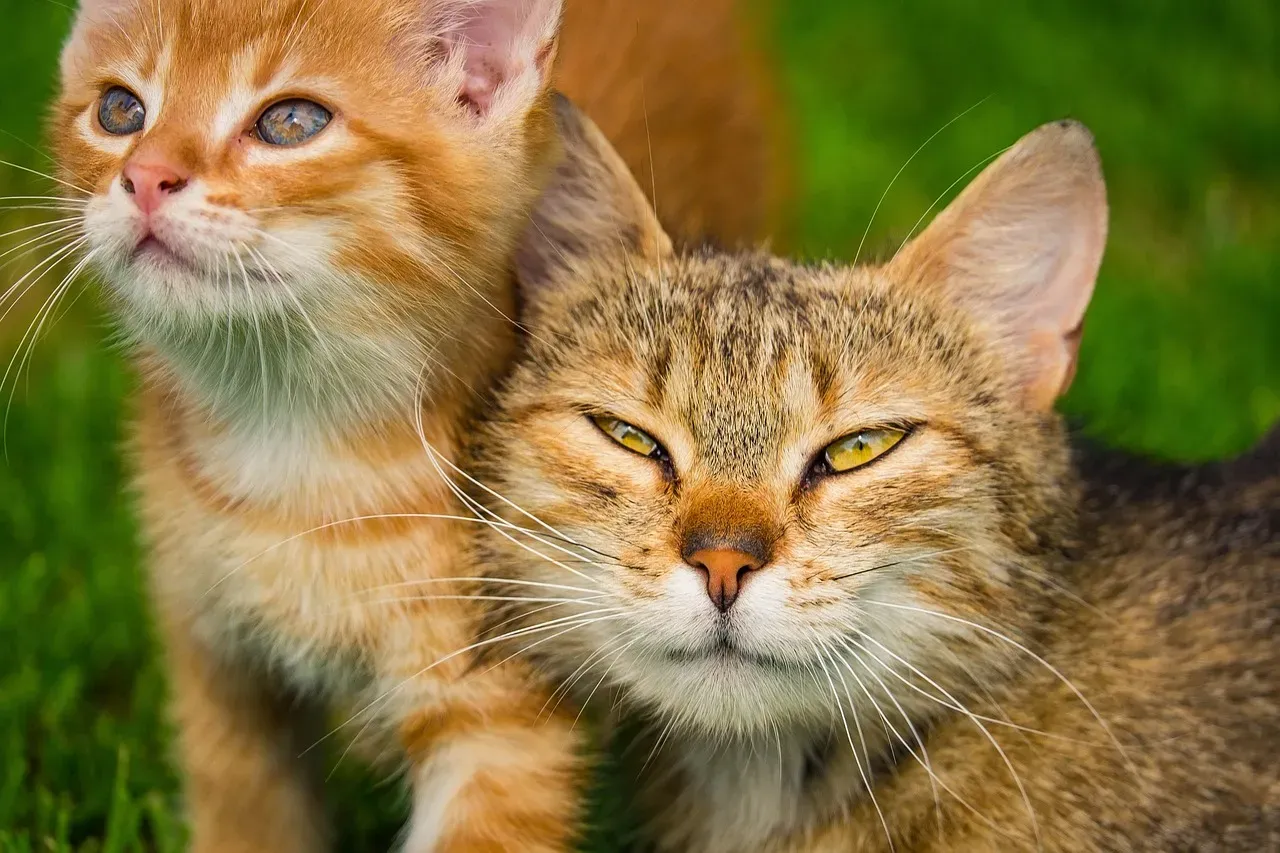
Let’s be real: a bored cat is a destructive cat. One major benefit is that two or more cats provide each other with exercise, social interaction, and other forms of mental stimulation, and cats housed together have more opportunity to just be cats by socializing and playing with each other, which means they are less likely to be destructive or engage in other problematic behavior.
Engaging in play activities keeps a cat’s mind sharp, and toys that challenge their problem-solving abilities or mimic prey can provide essential mental stimulation, which is crucial for preventing boredom and associated behavioral problems. When you have multiple cats, they essentially become each other’s enrichment tools around the clock, which is something no amount of expensive toys can fully replicate.
Allogrooming Between Your Cats Strengthens Their Emotional Bonds Over Time
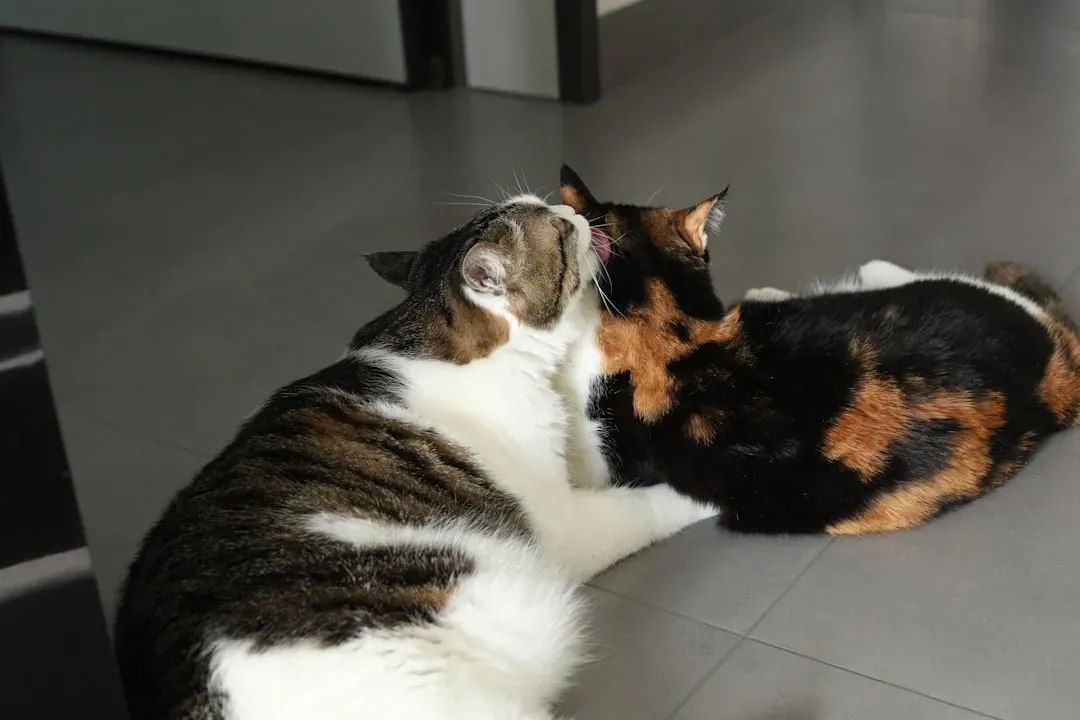
Allogrooming can help cats relieve stress, as the behavior releases feel-good endorphins, and it promotes feelings of calm, safety, and peacefulness. It is one of those quiet wonders of multi-cat life that most people never fully appreciate until they watch two bonded cats groom each other during a thunderstorm or when a loud noise rattles the house.
Allogrooming helps cats cope with stress and anxiety, promoting their overall mental well-being, and it also plays a significant role in establishing and maintaining social bonds among cats, fostering a sense of unity and family within the group. Over time, you can actually see a visible emotional closeness form between cats who regularly engage in this behavior. It is genuinely moving to witness.
You Develop a Richer Sense of Purpose and Daily Routine as an Owner

Pet ownership has been claimed to have mental health benefits such as reduction in stress, a sense of purpose and meaning to life, management of emotions, and increased ability to cope with difficult life situations. When you are responsible for multiple cats, that sense of purpose multiplies in a surprisingly grounding way. Your mornings have structure. Your evenings have rituals.
can be beneficial to those who are elderly or live alone as the cats provide a routine and a sense of purpose, and the interaction of multiple cats can be very gratifying, since cats make great companions who provide comfort and emotional support. There is something deeply stabilizing about knowing that several small creatures are depending on you. It sounds like pressure but actually feels like an anchor.
Your Cats May Help Keep Each Other Mentally Sharp as They Age
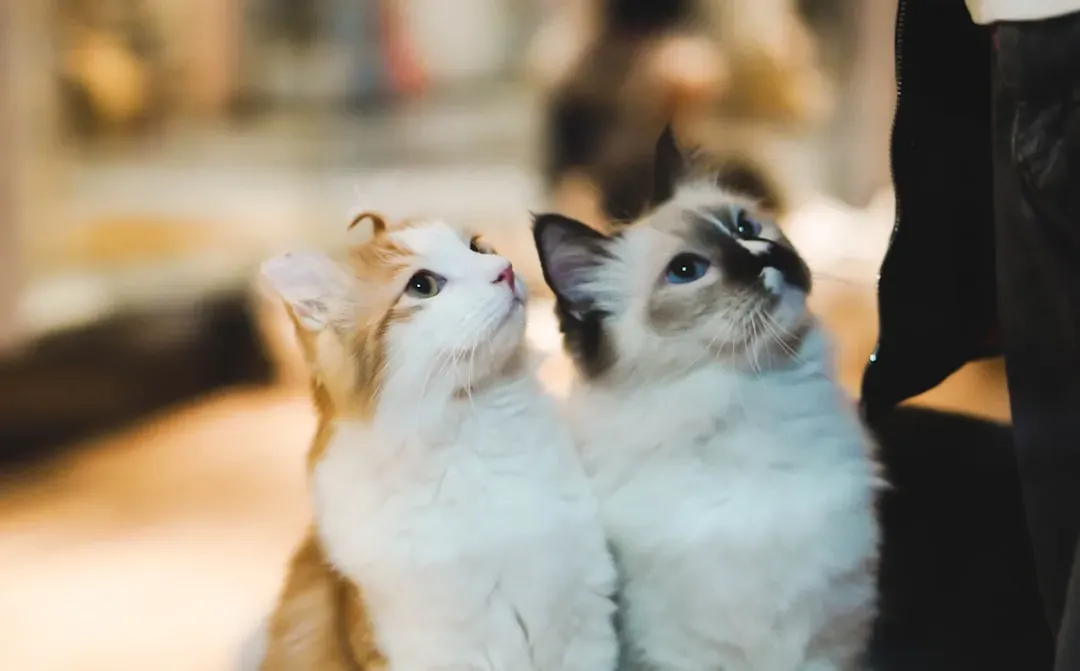
Introducing a second cat to your home can help an older cat stay socially engaged, which can help them remain active and mentally sharp, and they also learn to adapt to new situations and become more confident in their environment. This is one of the most underrated benefits on this entire list. Cognitive engagement in aging animals is a genuinely serious topic, and multi-cat households offer a natural, built-in solution.
During allogrooming, the social interaction and communication that transpires actually increases cognitive function. Consider it the feline version of keeping the brain active through social engagement. Older cats who have feline companions to interact with, groom, and occasionally quarrel with tend to stay alert and engaged far longer than those left entirely to their own devices.
You Worry Less About Your Cat Entertaining Itself While You Work
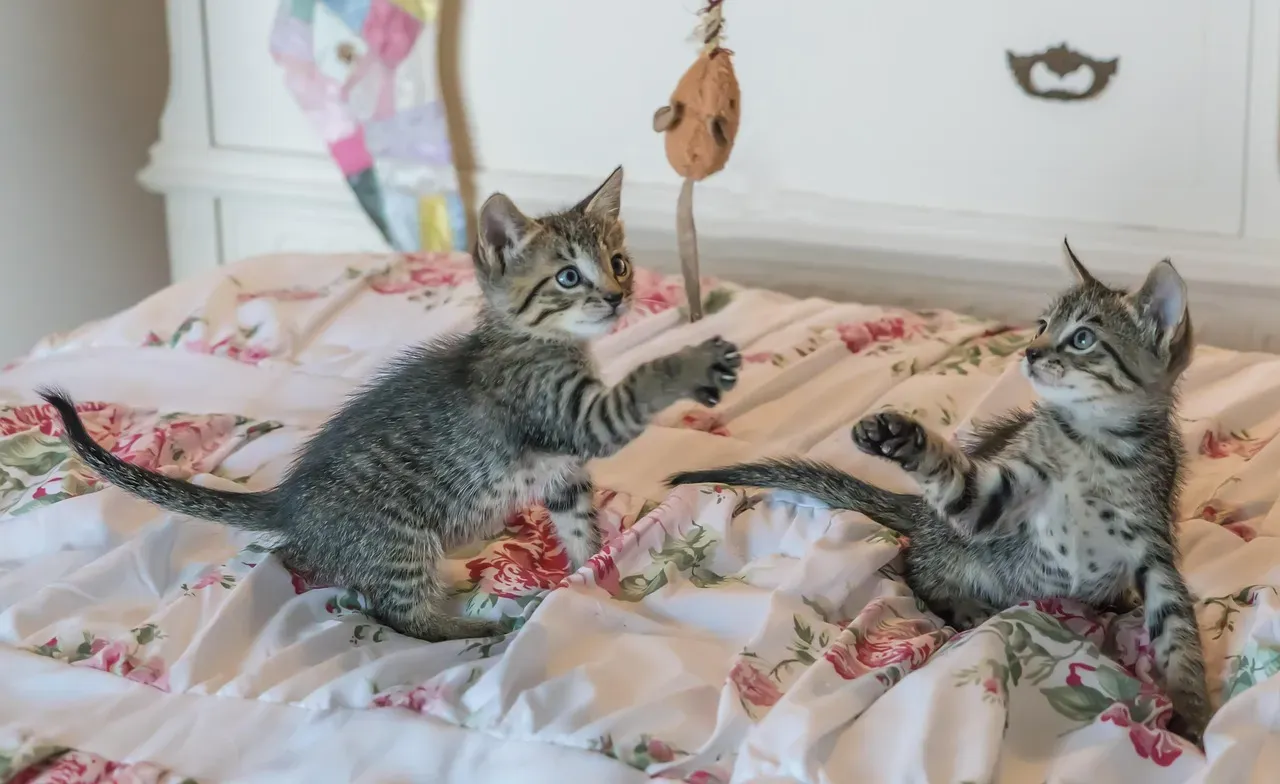
Having two or more cats can actually simplify some aspects of pet ownership, and when cats have a built-in playmate they are less likely to demand constant attention from their humans, which can be especially beneficial for busy households where owners cannot always provide extended play sessions. This is a game-changer if you work from home or have a demanding schedule.
Instead of spending hours playing with one cat to prevent boredom, you will have two or more cats who can keep each other entertained, freeing up your time for other things while knowing that your cats are content and happy. It is one of those practical, quietly liberating benefits that only multi-cat owners truly understand. Your cat is not waiting for you. Your cat is busy.
Your Household Creates a More Resilient Emotional Environment for Everyone
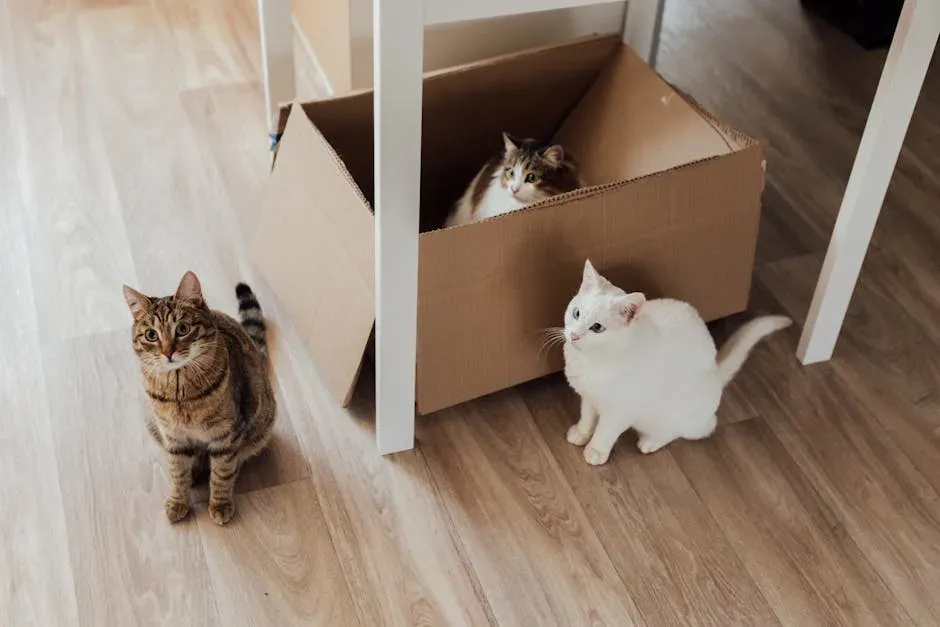
Having multiple cats can enhance socialization, provide companionship, reduce stress, and increase entertainment for both the cats and their owners, and they can keep each other active and support each other emotionally, making for a lively and loving household. The emotional texture of a multi-cat home is simply richer. It is harder to feel isolated when you are surrounded by creatures who each have their own mood, personality, and demands.
Having a cat can help people with feelings of loneliness and provide purpose, and having an animal react to you, rely on you, and love you in such a simple and pure way can elevate positive mental health. Scale that up to multiple cats and you start to see why so many multi-cat households describe the experience not just as pet ownership, but as a genuinely transformative way of living. The emotional returns are real, consistent, and deeply human.
Conclusion
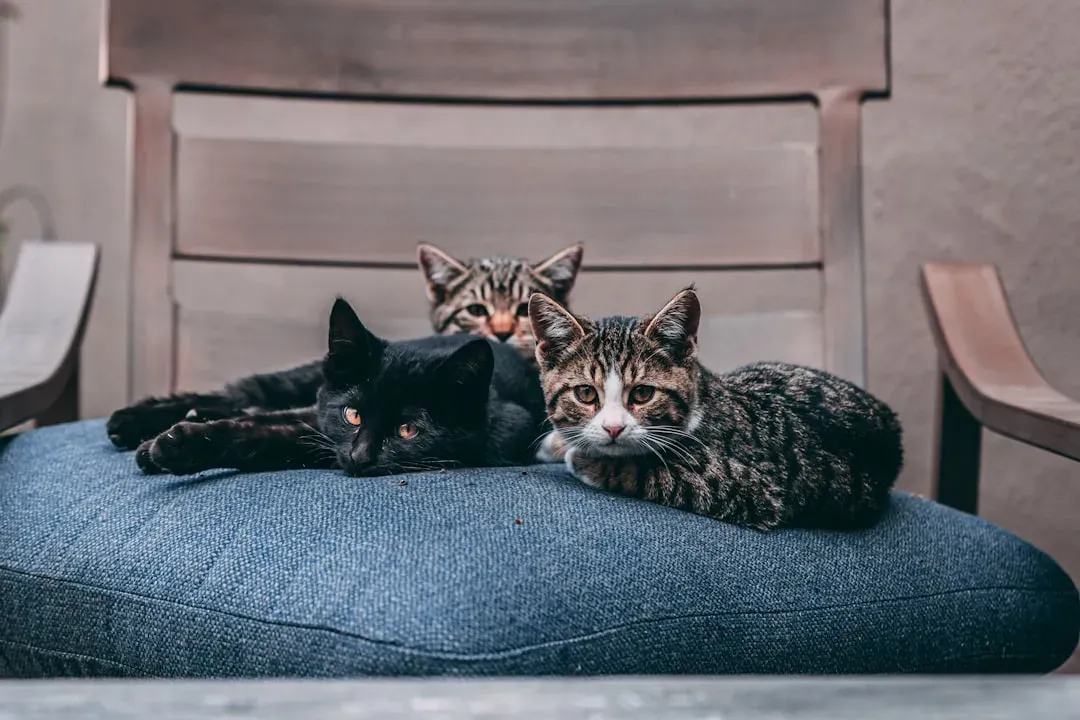
Living with multiple cats is not just about having more animals in the house. It is about creating an environment that benefits everyone under that roof. Your cats become healthier, more socially engaged, and better equipped to handle stress. You, in turn, gain a sense of purpose, reduced anxiety, and the rare joy of watching a complex little society form right in your own home.
Not every multi-cat household runs without friction, and that is worth acknowledging honestly. Introductions take patience, resources need to be managed, and every cat is its own personality. Still, the benefits outlined here are real, they are backed by research, and they quietly transform daily life in ways most people never fully anticipate before taking the leap.
If you have been on the fence about adding a second, third, or even fourth cat to your life, perhaps the most surprising thing is this: the biggest benefits are often the ones nobody warns you about in advance. Did any of these catch you off guard? Tell us your own multi-cat experience in the comments below.