It’s two in the morning. The house is completely still. You’re just about to fall into a deep sleep, and then, out of nowhere, a small furry creature launches itself off the wardrobe and sprints down the hallway like the building is on fire. Sound familiar? If you share your life with a cat, you already know this scene far too well.
Here’s the thing most people get wrong: those nighttime adventures your cat goes on are not random madness. They are deliberate, instinct-driven, emotionally complex rituals that trace back millions of years. Your cat isn’t just being dramatic. It’s doing something deeply purposeful. Curious about what exactly is going on once the lights go out? Let’s dive in.
Your Cat Is Not Nocturnal – The Crepuscular Truth
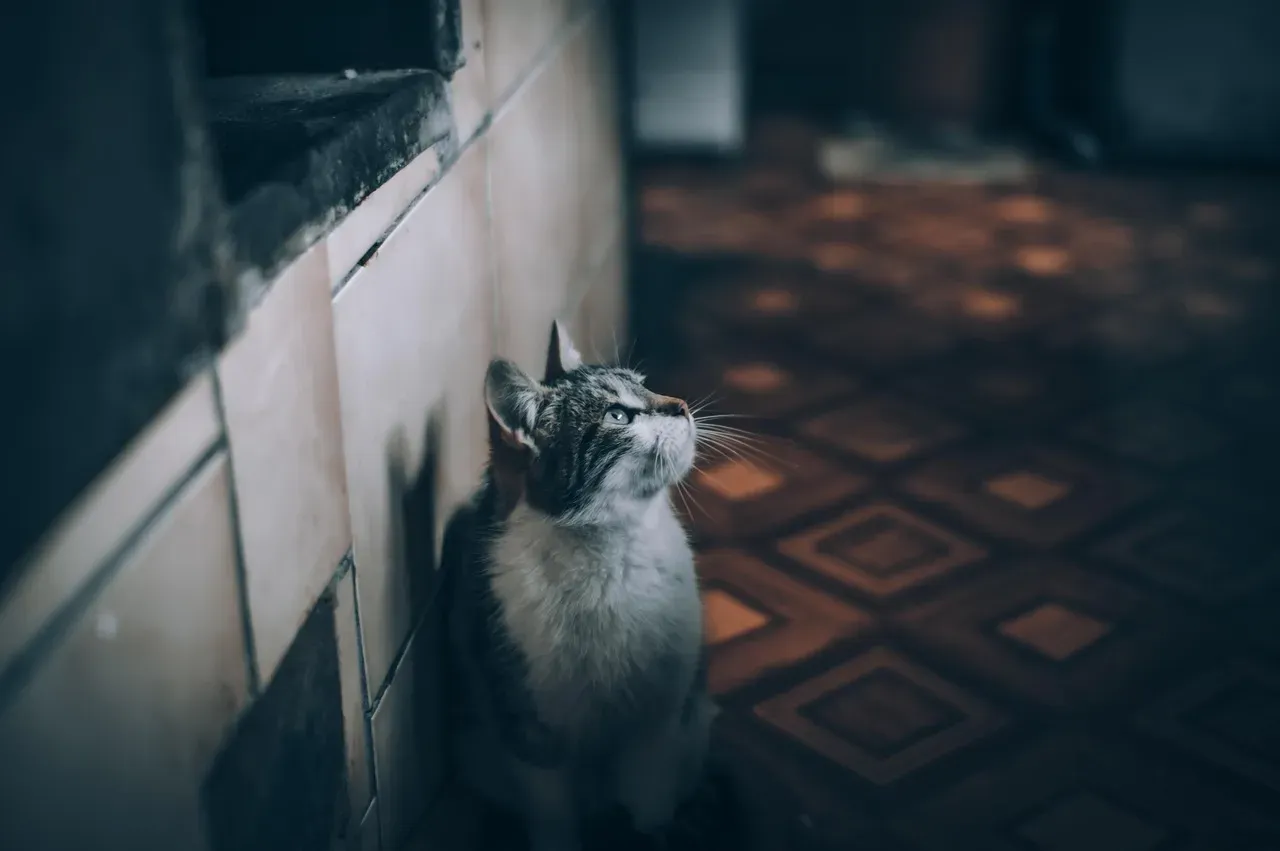
You’ve probably spent years assuming your cat is a creature of the night, built to thrive in darkness while you suffer through sleep deprivation. Your furry friend is not actually nocturnal but rather “crepuscular,” which means they are most active during the twilight hours of dawn and dusk, just as the sun is setting or rising. That distinction matters more than you might think.
Cats are crepuscular creatures, meaning they are most active during the early morning and late evening. This behavior is a survival trait inherited from their wild ancestors, who found dawn and dusk to be the best times for hunting their chosen prey, which is also most active during these times. So that three in the morning sprint? It’s the echoes of ancient biology, still alive and well inside your house cat.
The Science Behind the Internal Clock
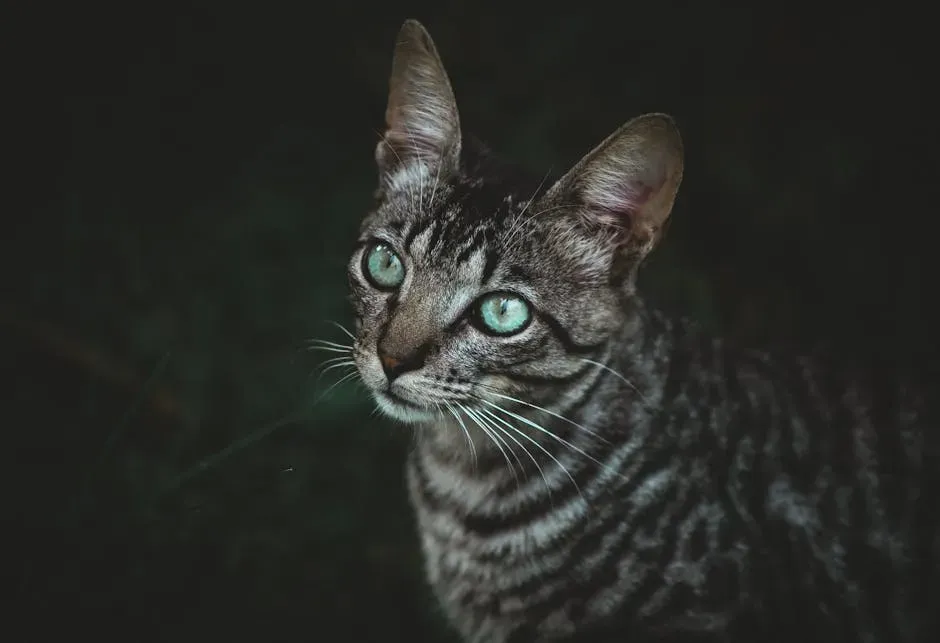
Domestic cats have been shown to be nocturnal and crepuscular, exhibiting bimodal activity with peaks in the late evening and early morning, which is consistent with previous findings on domestic and wild cats. Think of it like a built-in alarm system that no amount of cozy living has managed to fully override.
Circadian activity of domestic cats was shown to be nocturnal and crepuscular with two peaks of activity, one in the late evening around nine at night and another in the early morning around five. Honestly, once you see your cat’s schedule that way, it starts looking less like chaos and more like a very precise, if inconvenient, daily agenda.
Your Home Is a Territory, and Your Cat Takes That Seriously
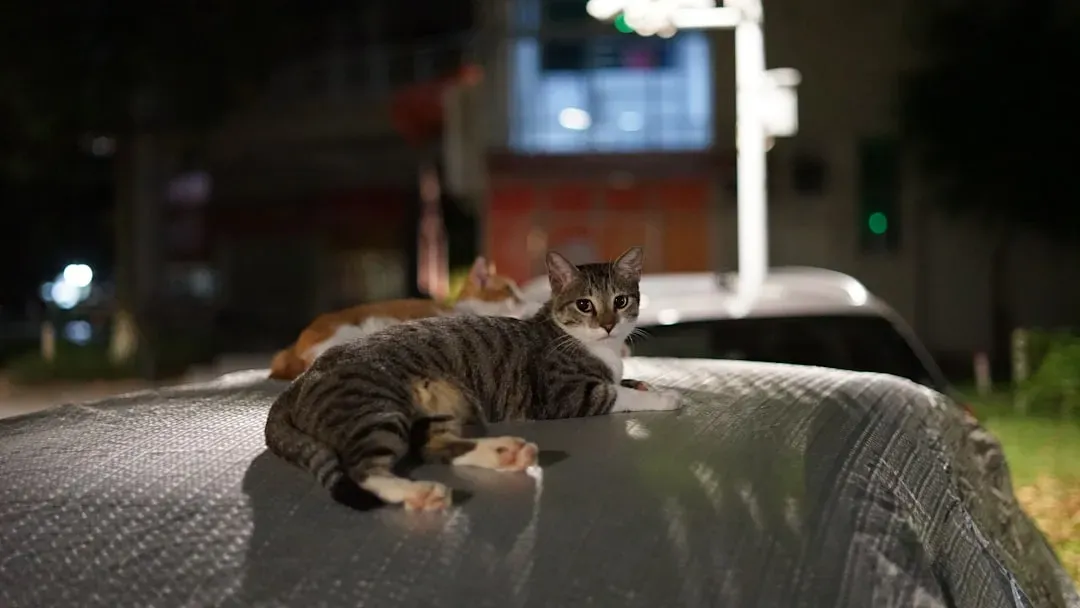
Cats are territorial animals, and an indoor cat at night-time may be triggered to feel the need to patrol its territory – your home – checking for any changes in its environment and ensuring everything is as it should be. Your cat isn’t wandering aimlessly. It is conducting a security sweep with the kind of focused intensity you’d expect from a seasoned professional.
Cats are very territorial animals, and they naturally like to be in control of their living environment. Every corner of the house is considered their territory, and regular patrols are to ensure the safety of this territory. By walking, sniffing, and marking their territory, cats can confirm that there are no intruders or threats. It’s the feline equivalent of checking that all the doors are locked before bed, except your cat does it at four in the morning instead of before it.
The Ancient Art of Scent Marking Along the Route
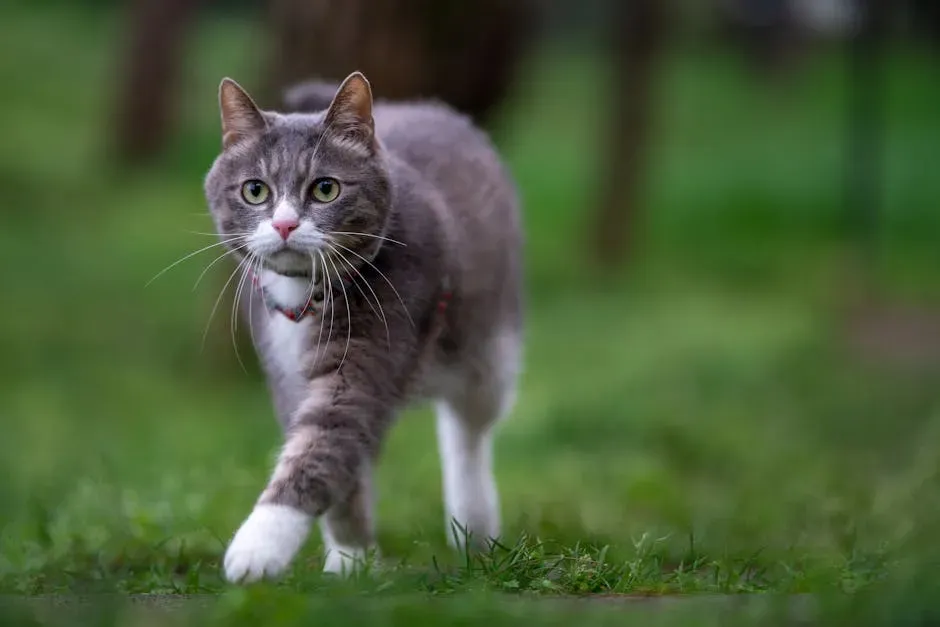
Territory marking is a key part of the patrol, as cats repeatedly walk routes to leave scent through paw glands, urine, and rubbing, and visual cues that reinforce ownership and detect intrusions. Every doorframe your cat rubs against, every piece of furniture it grazes with its cheek – these aren’t accidents. They are deliberate, chemical broadcasts that say exactly one thing: “I was here.”
By depositing pheromones on surfaces, cats are leaving behind chemical signals that convey information about their identity, sex, reproductive status, and even dominance or submission. The behavior identified as “bunting” occurs when a cat rubs up against a person to deposit scent. This might be a way for cats to display social status or social dominance. So when your cat head-butts you at midnight, it’s not just being affectionate. It’s filing paperwork.
Hunting Instincts Don’t Clock Out at Bedtime
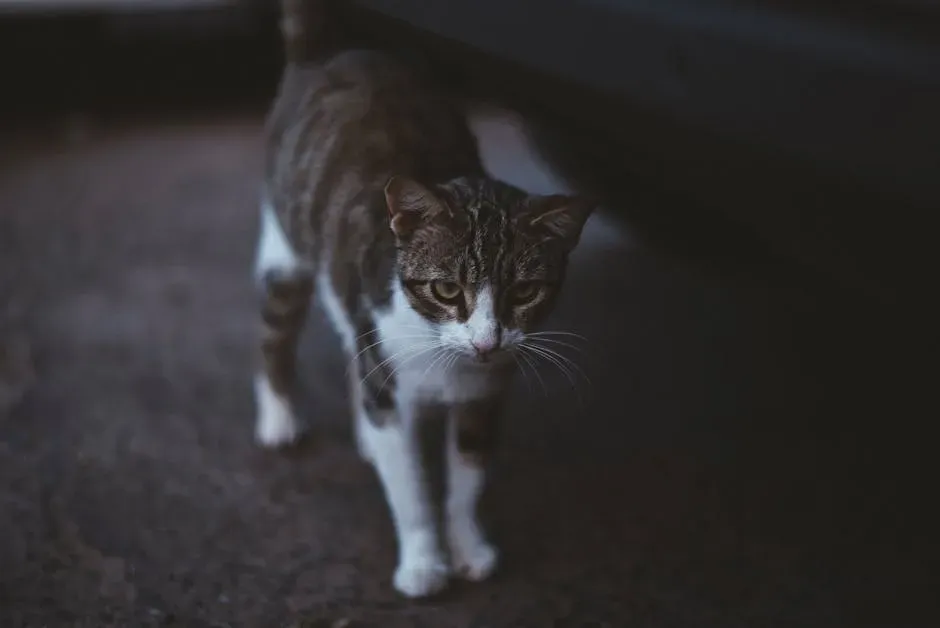
Although domestic cats no longer need to hunt for food, their hunting instincts still exist. Patrol behavior can be seen as a continuation of this instinct. As cats walk around their homes, they will always be on the lookout for potential prey, such as small insects or moving objects. Even if there is no real prey at home, the process of patrolling itself can satisfy cats’ desire and curiosity to hunt.
A University of Georgia study put cameras on outdoor cats to see what they actually get up to after dark, and the results were striking. The researchers and the cat parents were surprised to learn that the cats preferred hunting small reptiles and amphibians or small local mammals over mice. The cats’ hunting wasn’t what you might call productive – the monitored cats left behind about half of the animals they hunted, only ate about 28%, and brought home about 23%. Hunting isn’t really about hunger. It’s about the drive itself.
The Zoomies Explained: FRAPs and What They Really Mean
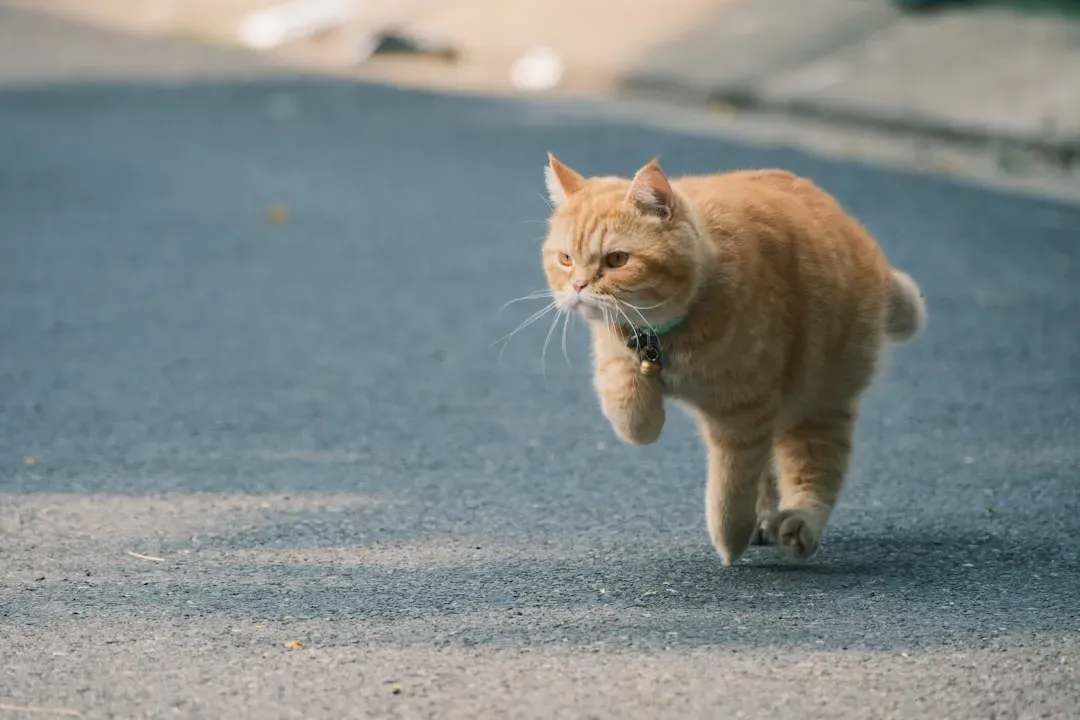
In scientific terms, those frantic bursts of energy are known as Frenetic Random Activity Periods, also called FRAPs. I know that sounds like a made-up word, but it’s completely real and even kind of endearing when you think about it. Your cat isn’t losing its mind. It’s cycling through a biologically normal release of compressed energy.
Cats that don’t get enough mental or physical stimulation during the day may resort to night-time activities to burn off their excess energy. Without engaging in activities like interactive play sessions, puzzles, forage feeders, or climbing opportunities, your cat might find it difficult to wind down at night, leading to late-night zoomies and imaginary hunting play activities. Think of it this way: a bored cat is like a coffee-fueled toddler with nowhere to run. At some point, all that energy has to go somewhere.
Your Cat Is Also Watching Over You
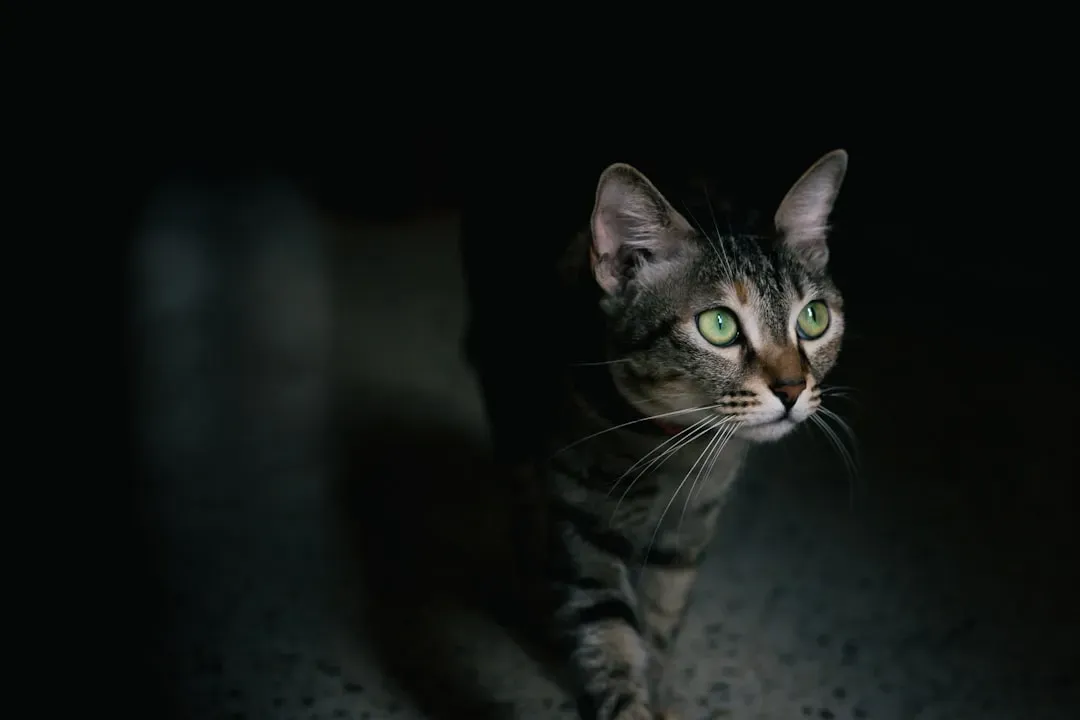
Here’s something that might genuinely surprise you. Cats’ territorial nature and evolutionary development as both predator and prey species give them natural guarding instincts. Their acute senses and strong bonds with owners drive them to monitor and respond to potential threats, even though their protective style differs from dogs. Your cat may actually be checking on you as part of its nightly routine.
Cats sleep near their owners for multiple reasons, including protection, warmth, comfort, and emotional security. This behavior demonstrates trust and a desire to monitor their environment while staying close to their bonded human companion. Observing without being noticed is part of their instinct to monitor family members and surroundings. It’s surprisingly touching when you frame it that way, honestly.
When Nighttime Activity Becomes a Health Signal
Not every burst of nocturnal energy is pure instinct at work. Sometimes it’s your cat’s way of telling you something isn’t right. Some health conditions can disrupt a cat’s sleep schedule and keep them up at night, including hyperthyroidism, hypertension, anxiety, and pain. If a senior cat is experiencing cognitive dysfunction – like dementia in people – that can also create a disrupted sleep cycle.
When a cat is unusually active at night, it can actually be a health red flag. Pay close attention, particularly if the behavior is sudden or new. If you’re noticing changes in your cat’s sleep schedule as well as other behavioral changes like excessive grooming, increased or decreased appetite, and changes in litter box habits, contact your veterinarian. Your gut instinct as a pet owner is often worth trusting here.
Practical Ways to Restore the Peace Without Losing the Bond
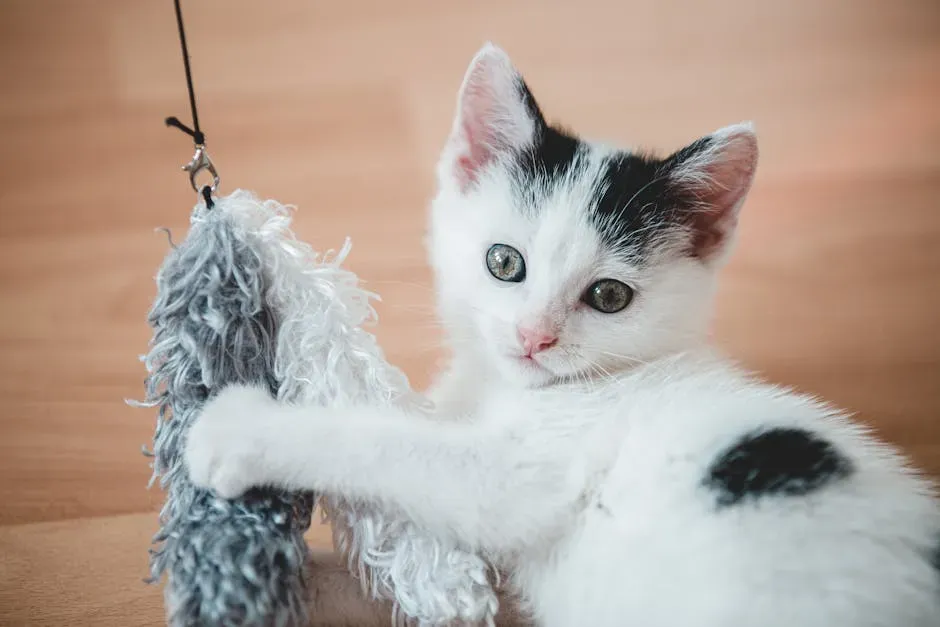
The good news is that you don’t have to simply surrender your sleep to the whims of feline biology. Scheduling vigorous play sessions during dawn and dusk to mimic natural activity peaks and tire your cat before bedtime, providing engaging toys like puzzle feeders and interactive wand toys to satisfy hunting instincts, and creating a stimulating environment with climbing trees, perches, and hiding spots all help keep your cat mentally and physically active.
Mental stimulation is just as important as physical activity when it comes to curbing nighttime zoomies. Puzzle feeders challenge your cat to think, problem-solve, and work for their food. This mental effort tires them out in a different but equally effective way. Feeding your cat at the same time each day, especially offering a late-night snack, can also reduce nighttime zoomies. A full belly and a tired brain really do work wonders.
Conclusion: Your Cat’s Night Shift Deserves a Little Respect
Your cat’s nightly patrol is one of the most honestly natural things it will ever do. It is territory manager, ancient hunter, environmental inspector, and devoted housemate all rolled into one small, furry package. The midnight zoomies aren’t a problem to be fixed so much as a behavior to be understood, channeled, and in most cases, even admired.
Once you see those three in the morning sprints for what they really are – evolutionary biology playing out in real time inside your living room – it becomes harder to be frustrated and easier to be fascinated. A little daytime play, a consistent routine, and a healthy dose of patience can go a long way. Your cat isn’t trying to ruin your sleep. It’s simply being exactly what it was always meant to be.
So the next time those little paws go thundering past your bedroom door at midnight, ask yourself: when did you last give your cat a really good play session before bed? That one small shift might be all it takes to change everything.