You live with a miniature predator. That soft, purring bundle curled up on your couch carries the behavioral legacy of wild hunters that have stalked prey across deserts, forests, and grasslands for thousands of years. Every quirky thing your cat does, from squeezing into a tiny shoebox to making that bizarre clicking sound at the window, is more than just a cute habit.
Modern housecats share nearly all of their DNA with African wildcats, making every play session with a feather toy a reenactment of ancestral hunting behaviors. What seems random or funny to you is actually ancient programming running in real time. Buckle up, because your cat is far more wild than you ever imagined. Let’s dive in.
1. The Midnight Zoomies: Hunting Mode Activated
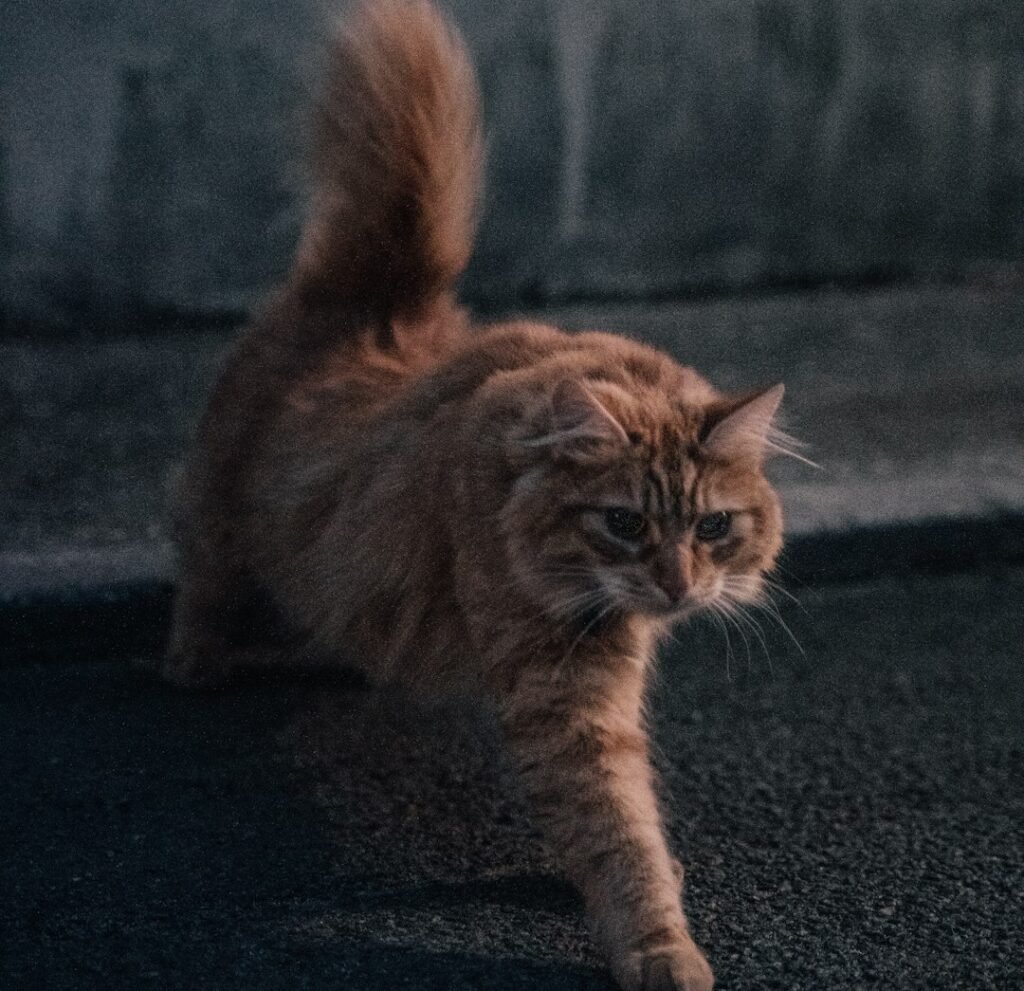
You’re sound asleep at 2 AM and suddenly your cat goes absolutely nuclear, sprinting down the hallway at full speed for no apparent reason. It feels chaotic. Honestly, it is chaotic. But there’s a very real reason behind it.
Cats are crepuscular animals, which means they are most active at dusk and at dawn. Sleeping is not just a leisurely activity for felines – it serves a vital purpose in conserving energy for survival. In the wild, cats needed to be well-rested in order to execute stealthy attacks on both predators and prey alike.
In the wild, cats have to conserve energy and hunt at any opportunity, even if they are not hungry. Cats have the best chance to hunt after a nap when they are well-rested. Even though your cat at home doesn’t have to hunt for its dinner, it still has this behavior imprinted into its daily routine. So next time those zoomies shake you awake at 3 AM, just picture a tiny leopard on the savanna. You’re welcome.
2. Kneading: “Making Biscuits” Goes Back Further Than You Think
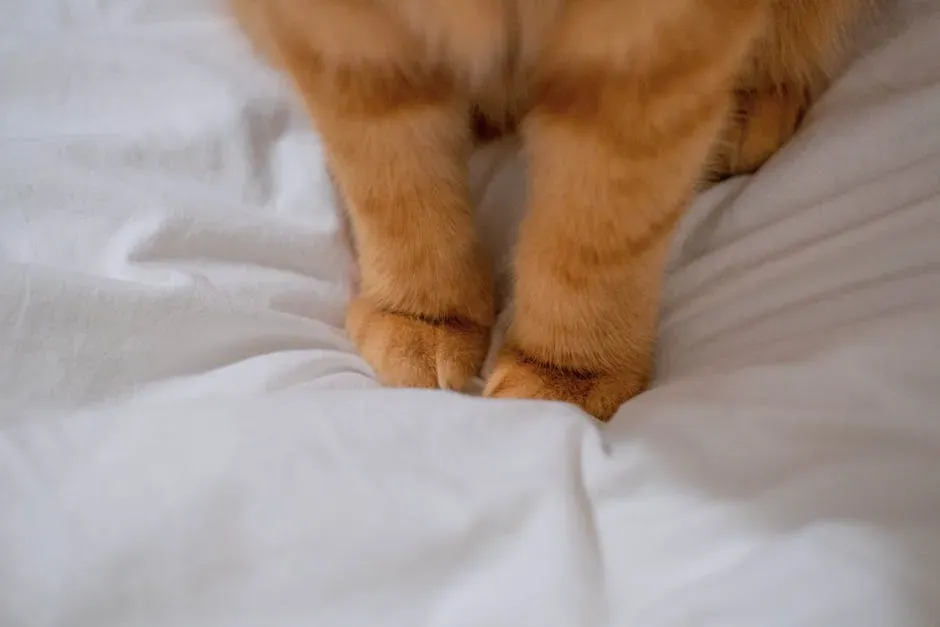
There are few things more endearing than watching a cat rhythmically press its paws into a blanket with total bliss on its face. People call it “making biscuits,” and I think that name is genuinely delightful. But it’s far older than your living room.
The kneading motion has its origins in the earliest days of a cat’s life. Newborn kittens instinctively knead their mother’s belly while nursing, a behavior that helps stimulate the flow of milk. This tactile interaction, combined with the comfort and security of the mother’s presence, lays the foundation for the kneading behavior that will often persist into adulthood.
Kneading may also have an origin going back to cats’ wild ancestors who had to tread down grass or foliage to make a temporary nest in which to rest. The action releases feel-good endorphins while marking territory through scent glands in their paw pads, making it a dual-purpose survival behavior that creates both comfort and ownership. So yes, your cat kneading your stomach is both a compliment and a territory claim. You are their cozy nest.
3. Bringing You Dead Animals: A Disturbing Gift With Ancient Roots
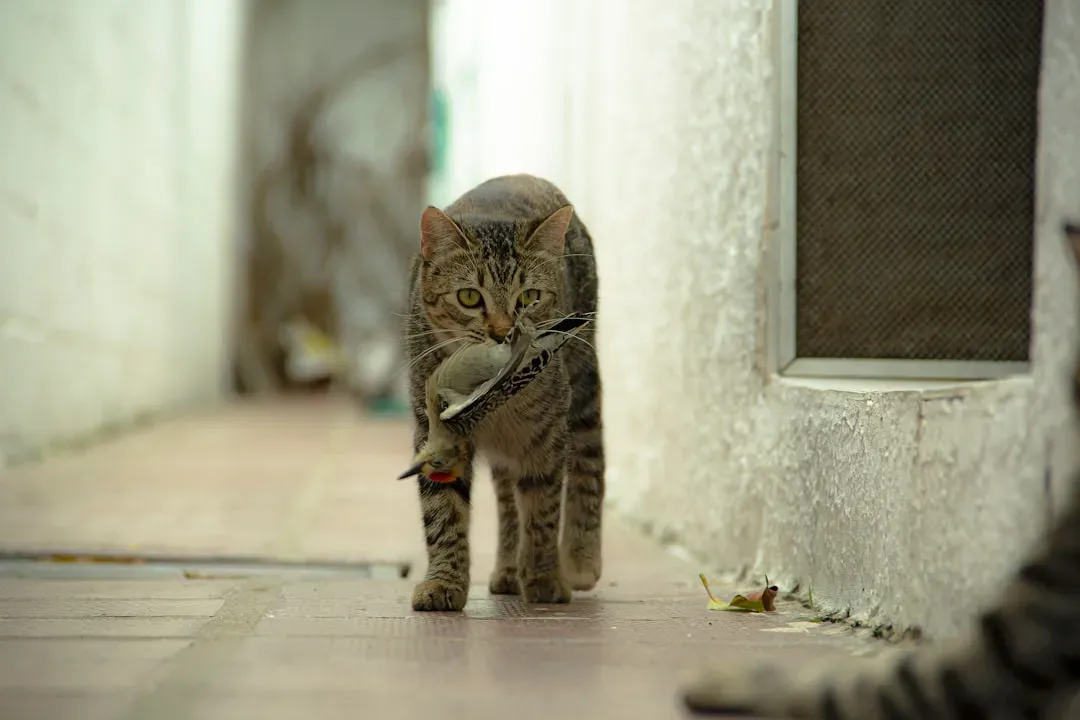
There you are, having a perfectly normal morning, when your cat drops a dead mouse at your feet and stares at you like it just solved a major problem. It’s alarming. It’s gross. Yet it makes total sense once you understand where it comes from.
Ethologists interpret this behavior as a teaching instinct. In a feline social group, an experienced hunter might bring prey to younger animals to show them what to do. When a cat drops a mouse or feather toy at your feet, it may be treating you as an inexperienced member of its little team, offering a demonstration rather than a present in the human sense.
Your kitty is acknowledging you as a member of its group, and is sharing its hunting success with you. It could be thanking you for taking care of it, or perhaps you pay more attention to it when it generously brings you rodents, birds, or insects. So the next time it happens, try to see past the horror. You’re being mentored. By a cat.
4. Scratching Everything in Sight: Territorial Mapping, Not Vandalism
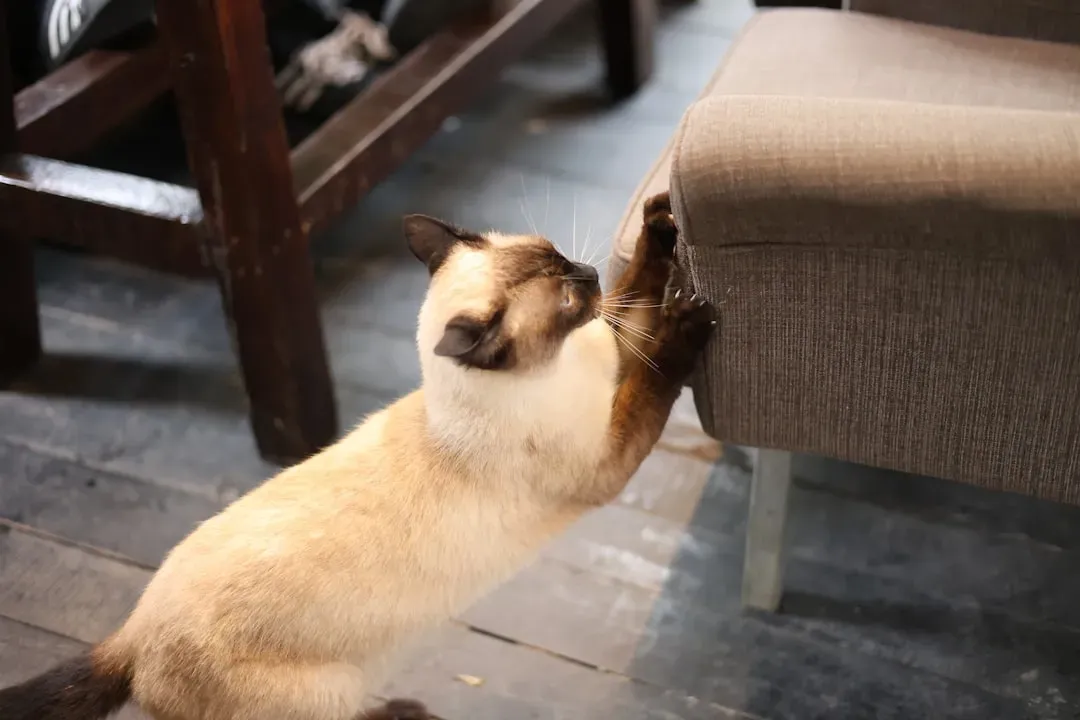
Let’s be real, watching your cat methodically destroy your favorite couch is infuriating. You buy the expensive scratching post. The cat ignores it completely. Then it turns to your furniture with what appears to be genuine enthusiasm. The thing is, this is not personal.
Both wild male and female cats scratch trees or other suitable objects at crucial points in their territory. The height of these marks can provide information to other animals in the area about their size and strength. Cats instinctively mark these spots repeatedly – domestic cats do this too, which is why they scratch their favorite furniture.
When your cat paws at furniture and doors, it’s more than just mischief. Cats possess scent glands in their paws, and by marking various objects, they’re laying claim to their territory. In the wild, maintaining territorial boundaries helped cats avoid confrontations and ensured a stable environment for hunting and living. Think of it like a fence post. Your cat is simply posting the equivalent of a “no trespassers” sign. On your sectional sofa.
5. Hiding in Small Spaces: The Psychology of the Fortified Den
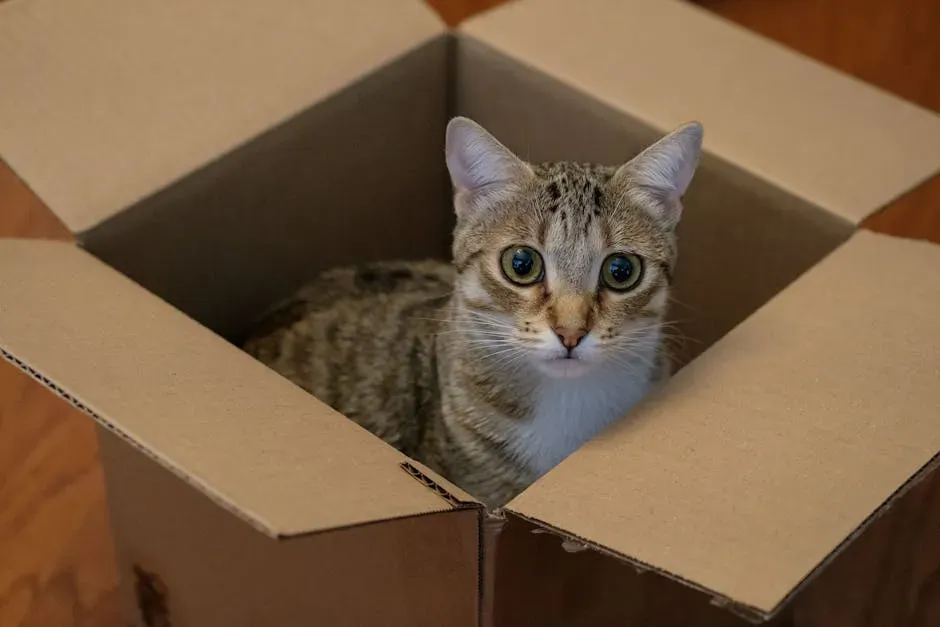
You spend good money on a plush, cushioned cat bed. Possibly even a small cat house with a little roof on it. Your cat walks directly past all of it and climbs into an empty cardboard box. Every single time. It sounds absurd. It’s actually pure genius.
Your cat’s obsession with boxes and tight corners isn’t just cute, it’s strategic. Small spaces provide protection from potential predators while offering a perfect vantage point to monitor surroundings. Enclosed areas reduce vulnerability from multiple angles. Wild cats seek similar shelters when resting or raising young.
When a cat can squeeze into a small space, it knows that all sides are covered and it can remain hidden. That same logic follows for your pet cat, and the smaller the area, the safer it will feel. Honestly, it’s not unlike how humans instinctively prefer a corner seat in a restaurant with their back to the wall. We all have our survival quirks.
6. Chattering at Birds: The Window Hunt
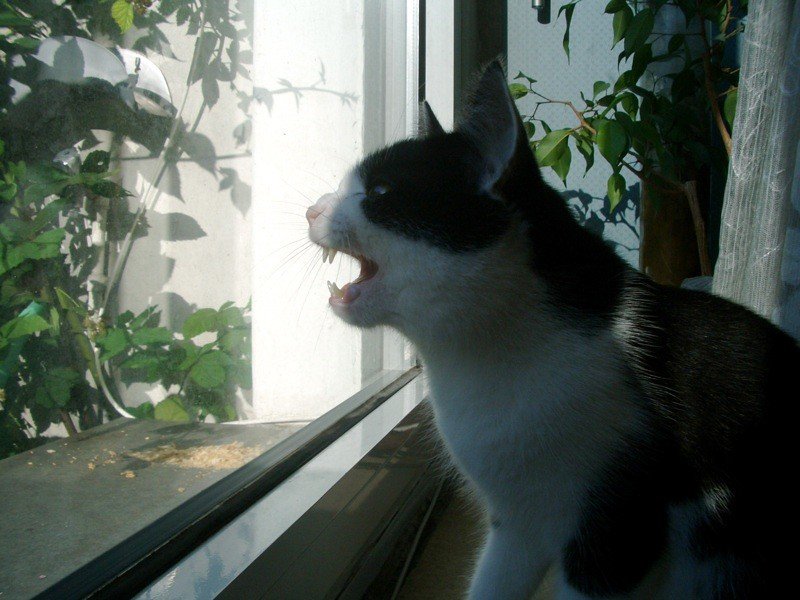
You’ve seen it dozens of times. Your cat spots a bird outside the window and suddenly starts making a rapid, staccato clicking sound with its jaw. It looks almost mechanical. For a moment you wonder if your cat has short-circuited. It hasn’t.
Cat chattering, also known as chirping or twittering, mimics the sounds of small prey like birds and squirrels. It involves rhythmic jaw movements and an open mouth, often accompanied by physical signs like widened eyes and tilted ears, indicating focused attention. Some zoologists believe this jaw movement mimics the killing bite used to break prey’s neck. Others suggest it’s a frustration response when prey is inaccessible.
A relatively new and extraordinary theory is that cats chatter in an instinctive attempt to mimic their prey. On an expedition into the Amazon rainforests of Brazil in 2005, researchers from the Wildlife Conservation Society recorded a margay, a small wild cat, mimicking the chattering calls of its prey. The margay vocalized calls to impersonate a baby pied tamarin, which attracted the primates to investigate. As they came closer, the feline attempted to catch one of the tamarins. So your house cat staring at pigeons through the glass? Deep down it’s running a psychological operation that has roots in the Amazon.
7. Excessive Sleeping: The Energy Conservation Strategy
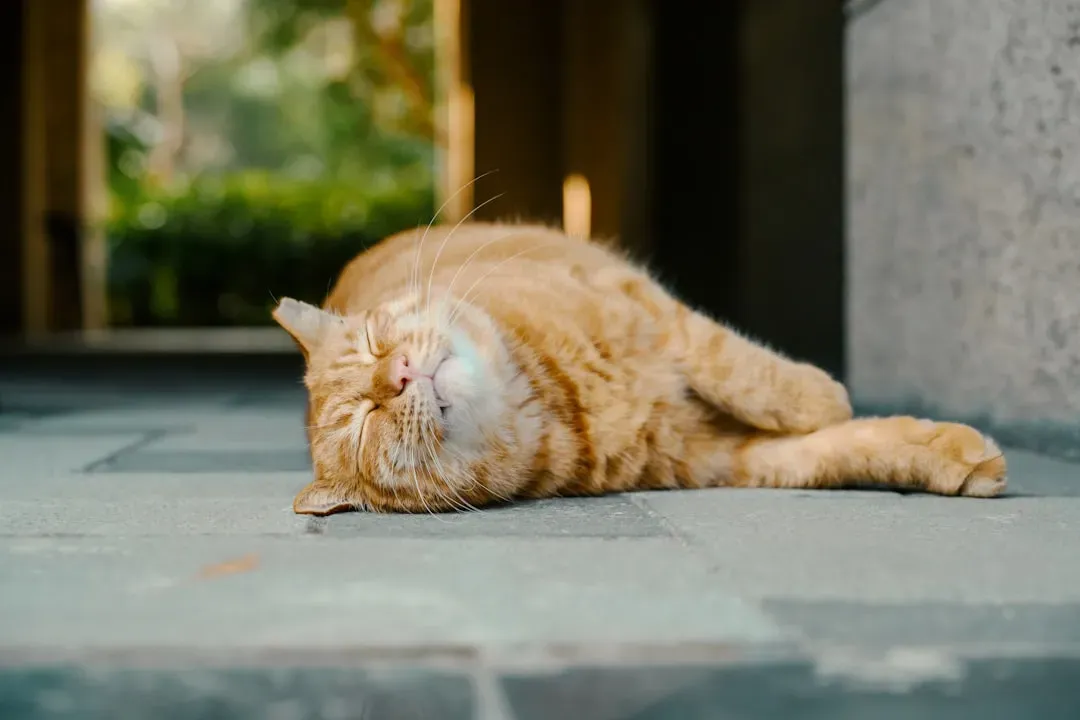
Some new cat owners are genuinely alarmed by how much their cat sleeps. Hours and hours, sometimes most of the day. It can feel like something is wrong. I get it. But nothing is wrong. Everything is actually exactly as nature intended.
On average, cats sleep between 12 to 16 hours a day, with some logging up to 20 hours, especially kittens and senior cats. Their endless napping isn’t just about relaxation – it’s a survival instinct shaped by centuries of evolution. Sleeping serves a vital purpose in conserving energy for survival. In the wild, cats needed to be well-rested in order to execute stealthy attacks on both predators and prey alike.
One peculiar aspect of a cat’s sleep behavior is its crepuscular nature. Cats are most active during dawn and dusk when their prey is also more active. This crepuscular lifestyle stems from their evolutionary history as hunters who adapted to capitalize on optimal hunting conditions. Think of your cat less as a lazy couch dweller and more as an elite athlete perpetually in recovery mode before the next sprint.
8. Head Butting and Rubbing Against You: Scent Claiming, But Make It Affectionate
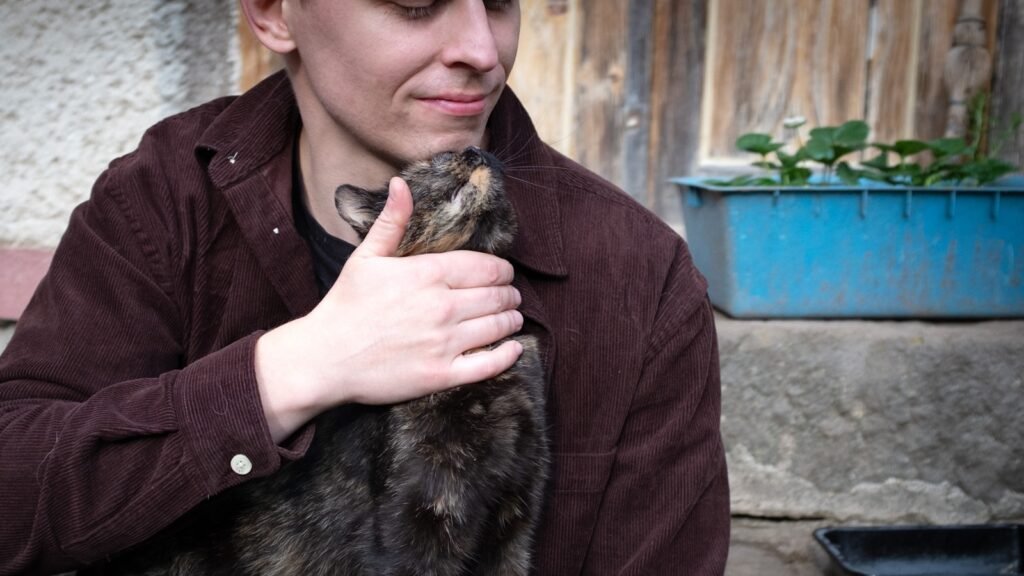
Your cat walks up, bashes its forehead directly into your face, and then rubs the side of its jaw along your hand. You interpret this as love. You’re not wrong. But there’s a layer underneath that goes much deeper than just affection.
Cats have scent glands on their chin, lips, and face, which they rub against each other or against humans. Full-body greetings are also common, where the animal rubs its entire body against another. This gesture often starts with head-butting. While this behavior appears extremely gentle and affectionate, it’s actually one of the most important wild instincts.
Cats can rub their scent onto those they love, and in the wild, will regularly rub against each other to claim their family and partners. Rubbing actions between cats transfer some smell from their glands to one another, allowing them to stake their property correctly. In other words, when your cat head-butts you, it’s essentially saying “you are mine.” It’s possessive. It’s ancient. Honestly, it’s kind of sweet.
9. Covering Droppings in the Litter Box: Stealth Mode From the Wild
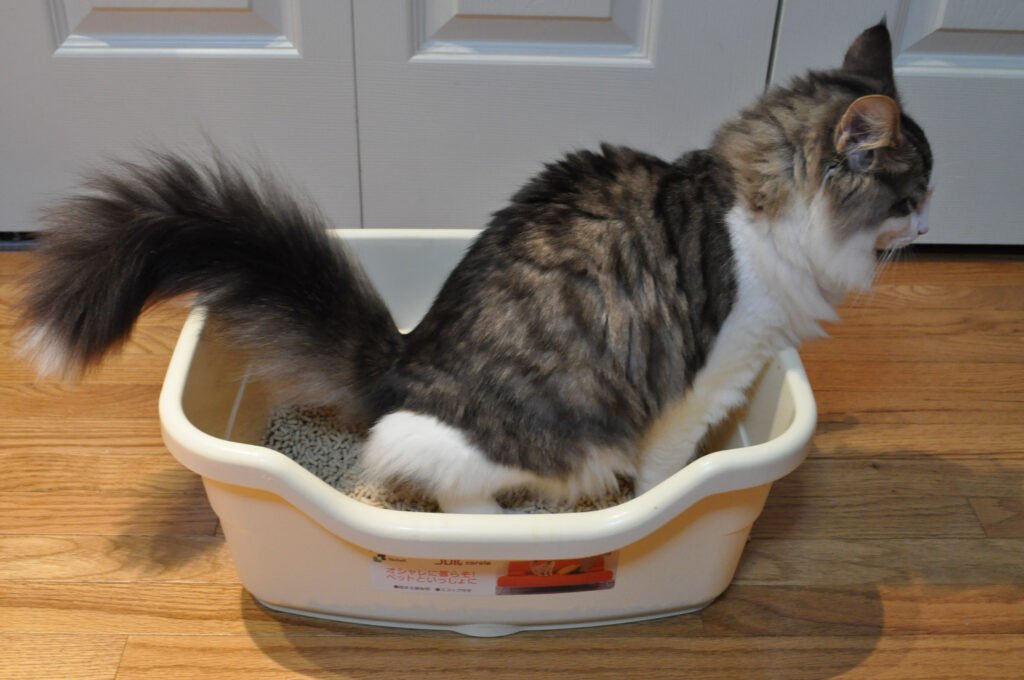
Here’s one that people take completely for granted. Cats instinctively bury their waste, and most owners never give it a second thought. You just appreciate not having to think about it. Yet this automatic behavior is one of the most elegantly preserved survival mechanisms cats carry.
In the wild, a cat will instinctively cover their droppings to avoid possible detection from predators. Although a wild cat doesn’t have a litter box, they will often go to the bathroom in sand or dust. Cats will very quickly learn to go to the bathroom in a litter box and cover their droppings. While convenient, this is a skill passed on through generations of wild cats over centuries of survival.
At home, your cat doesn’t have many predators but still mimics this same pattern of behavior that has been imprinted onto them through generations of savvy survival skills. It’s essentially a ghost protocol, erasing all evidence of existence. Your cat is not being tidy out of courtesy. It’s running a 10,000-year-old evasion tactic.
10. The Ambush Pounce: Your Ankles Are the Prey
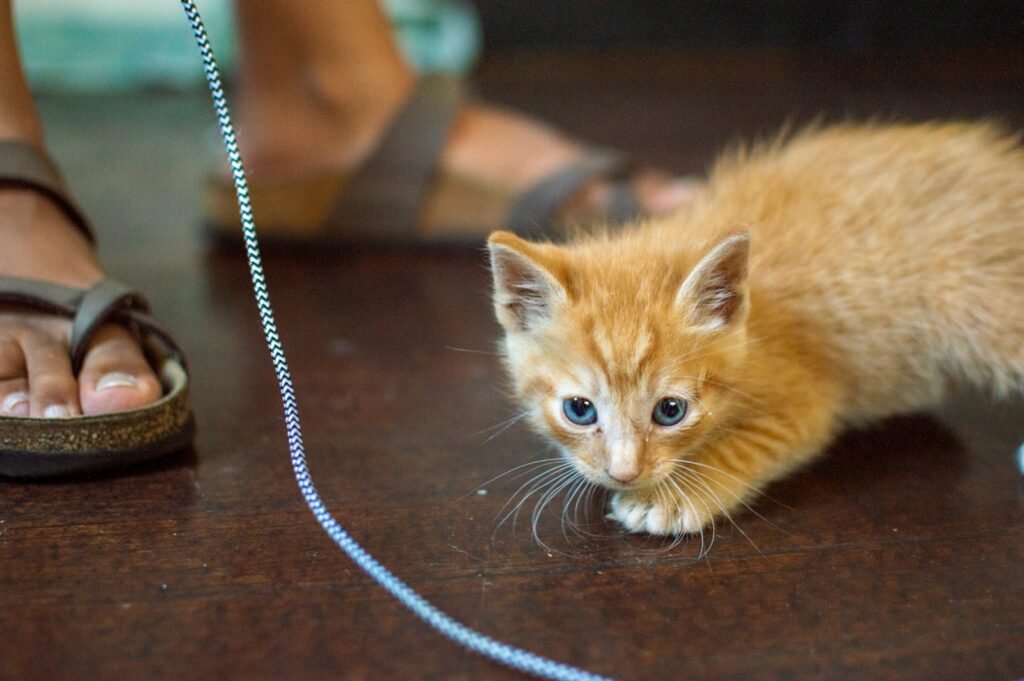
You’re walking down the hallway minding your own business when a small furry predator launches itself at your ankles from behind the couch. You yelp. The cat looks satisfied. This isn’t aggression, and it’s definitely not your cat disliking you. It’s hunting practice, plain and simple.
A cat will wait, ambush its toy, then roll around with it, and bite at it. Your pet cat is mimicking a hunt – this behavior is taught to young kittens in the wild. Cats who rely on hunting to survive have learned that playing with prey and disorienting it before killing it reduces the chance of injury.
Most cat species are ambush predators. A tabby cat lurking near a bird feeder does the same as a leopard near a watering hole. Stalking and pouncing are hardwired behaviors. Without appropriate outlets, these instincts may be directed toward your furniture or ankles. The solution? More interactive play. Channel that leopard energy somewhere productive before it channels itself into your lower legs.
11. Hiding Illness and Pain: The Survival Poker Face
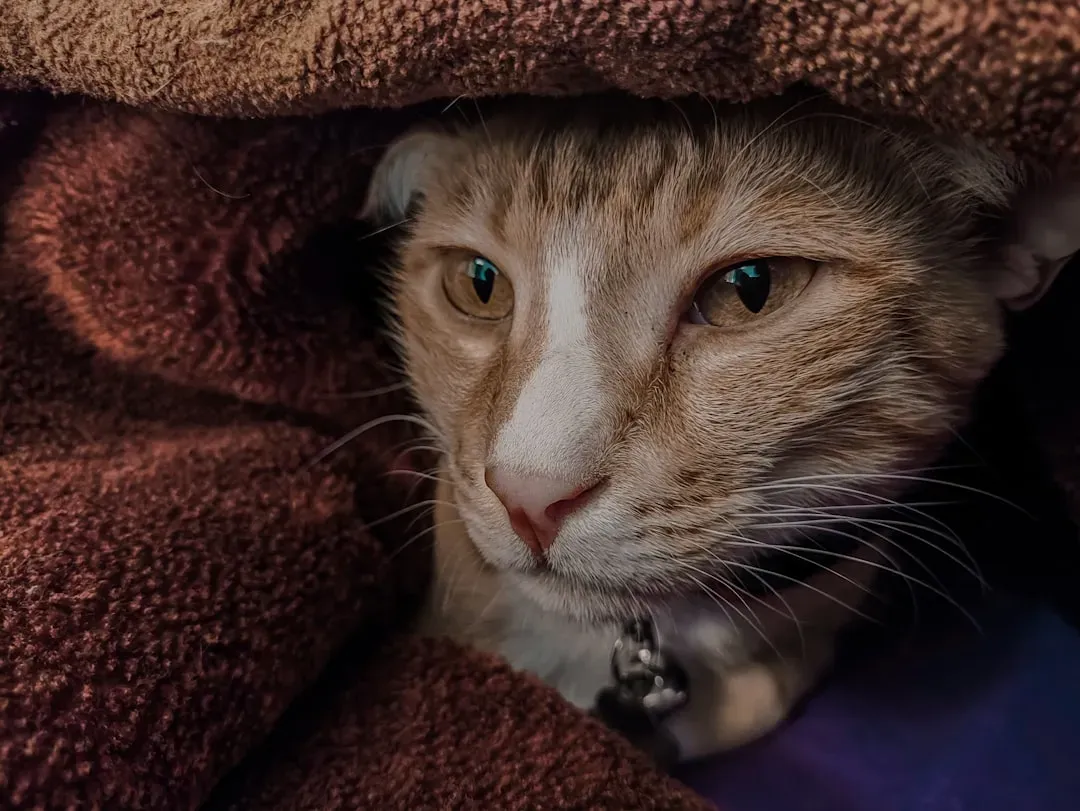
This one is less funny and far more important to understand. Cats are extraordinary at masking when they don’t feel well. You might have noticed your cat withdrawing and sleeping more, yet when you look at it, it appears completely normal. That calm exterior can be dangerously misleading.
Cats evolved to mask weakness as a survival instinct. In the wild, visible illness attracts predators. Because of this instinct, cat lethargy often appears before more obvious symptoms. When a cat feels unwell, its instinct tells it to hide to avoid appearing vulnerable. A sick or injured animal may be seen as an easy target by predators, so hiding becomes a defense mechanism.
In nature, showing fear or pain made animals vulnerable. Cats evolved to mask discomfort as a survival tactic. Even in cozy homes, they retain that instinct. This means you, as the owner, carry a real responsibility to watch for subtle changes, because your cat’s instinct is actively working against you detecting a problem. Pay attention. It matters.
12. Grooming Obsessively: Scent Control and Wound Care From the Wild
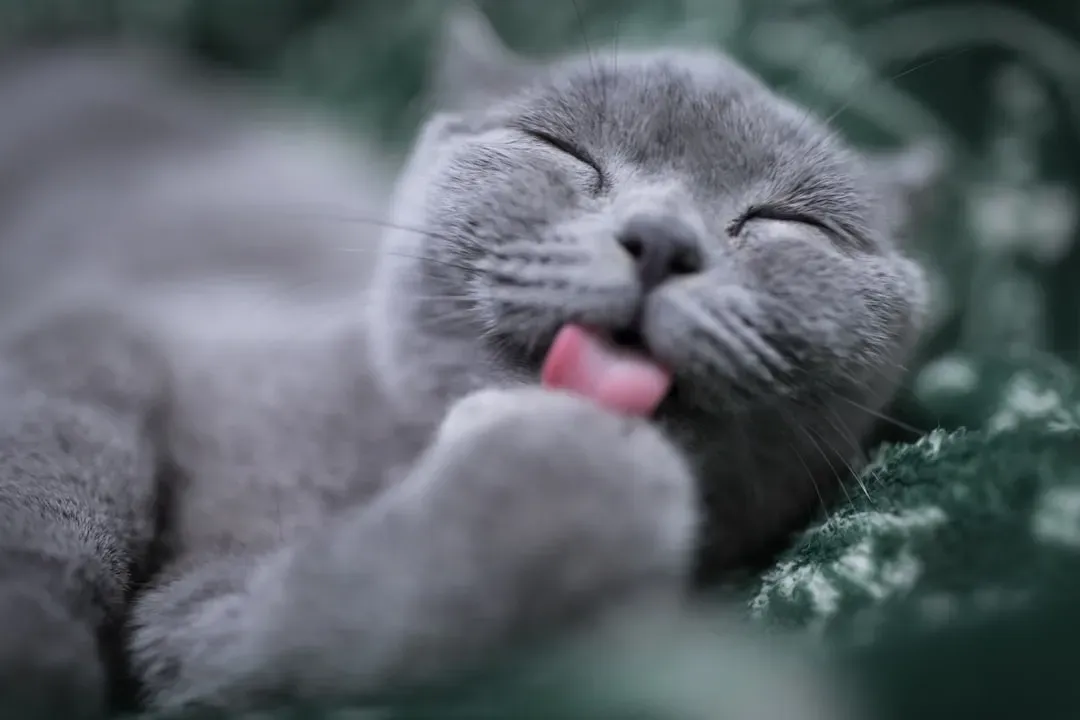
Cats groom themselves for what feels like a significant portion of their waking lives. You’ve probably wondered if it’s a little excessive. The answer is yes, but also no. Because grooming is doing several jobs at once, most of which are rooted in ancient necessity rather than vanity.
Cats spend a significant amount of time grooming themselves. While it might seem like just a vanity activity, grooming was initially a survival mechanism. When injured or stressed, a cat’s purring can aid in healing. The vibrations at specific frequencies can promote tissue regeneration and act as a calming mechanism. Grooming goes hand in hand with this self-repair system.
Cats communicate primarily through body language, with vocalizations serving as supplementary signals. Their ancestors were solitary hunters who relied on stealth, making subtle communication vital for survival. Today’s domestic cats retain these instincts, communicating through a sophisticated system of postures, movements, and sounds that many owners misinterpret or miss entirely. Wild cats also groom to reduce their scent profile before a hunt. Your cat grooming after you pet it? It’s not being rude. It’s resetting its scent to neutral, just as its wild ancestors would have done before stalking prey in the tall grass.
Conclusion
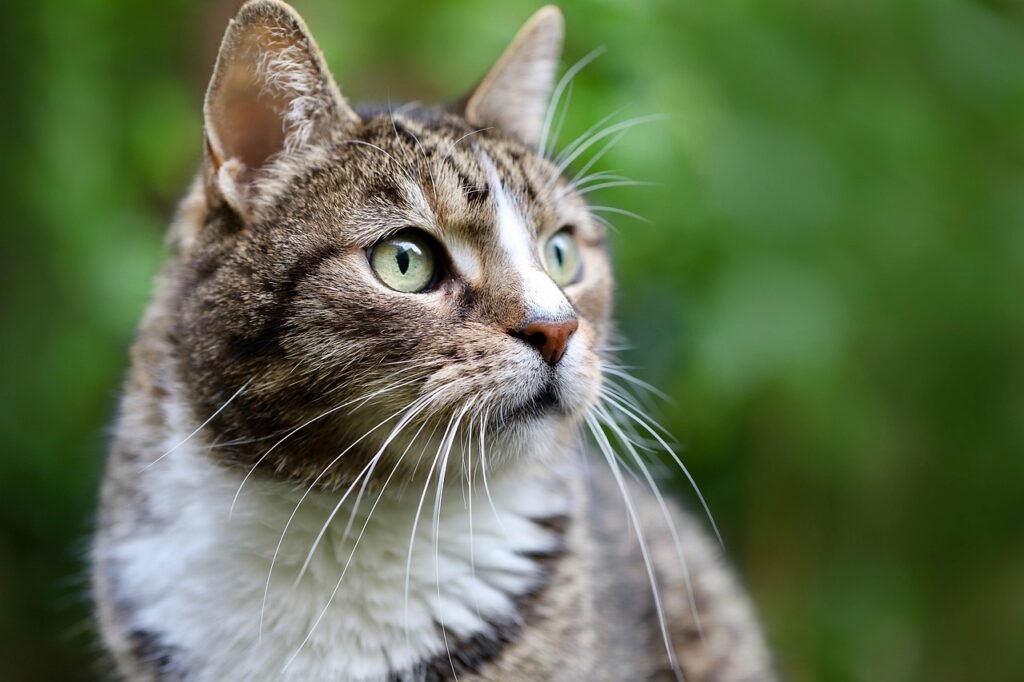
Your cat is not mysterious for the sake of being mysterious. Every behavior that puzzles, amuses, or occasionally frustrates you is a living echo of thousands of years of survival programming. The ambush, the hiding, the kneading, the chattering at birds – none of it is random. It’s all ancient code running on modern hardware.
Your cat may sleep on a silk blanket, but its behavior is guided by the same instincts as a wild hunter. Their ancestors, the African wildcats, lived alone, hunting quietly and resting most of the day to save energy. Understanding this doesn’t just make your cat more fascinating – it makes you a better, more attentive owner.
The next time your cat does something seemingly bizarre, pause before you laugh it off. There’s a hunter in there, still running programs written before humans built cities. That’s not unsettling. That’s extraordinary. Did any of these behaviors surprise you as much as they surprised me? Tell us in the comments below.