You’ve probably looked at your cat a hundred times and thought, “What on earth is going on in that tiny head?” Honestly, the feeling is mutual. Cats are walking puzzles wrapped in fur, and as much as we love them, a lot of what we do every day leaves them genuinely baffled – maybe even a little stressed.
Cat behavior remains relatively poorly understood, and the available scientific information is not always easily accessible to the people who need it most: the owners themselves. So here’s the wild truth. Many of the habits you consider totally normal – chatting loudly, staring lovingly, shoving your hand in for a belly rub – can translate into something completely different in cat language. Let’s dive in.
1. Staring Directly Into Their Eyes
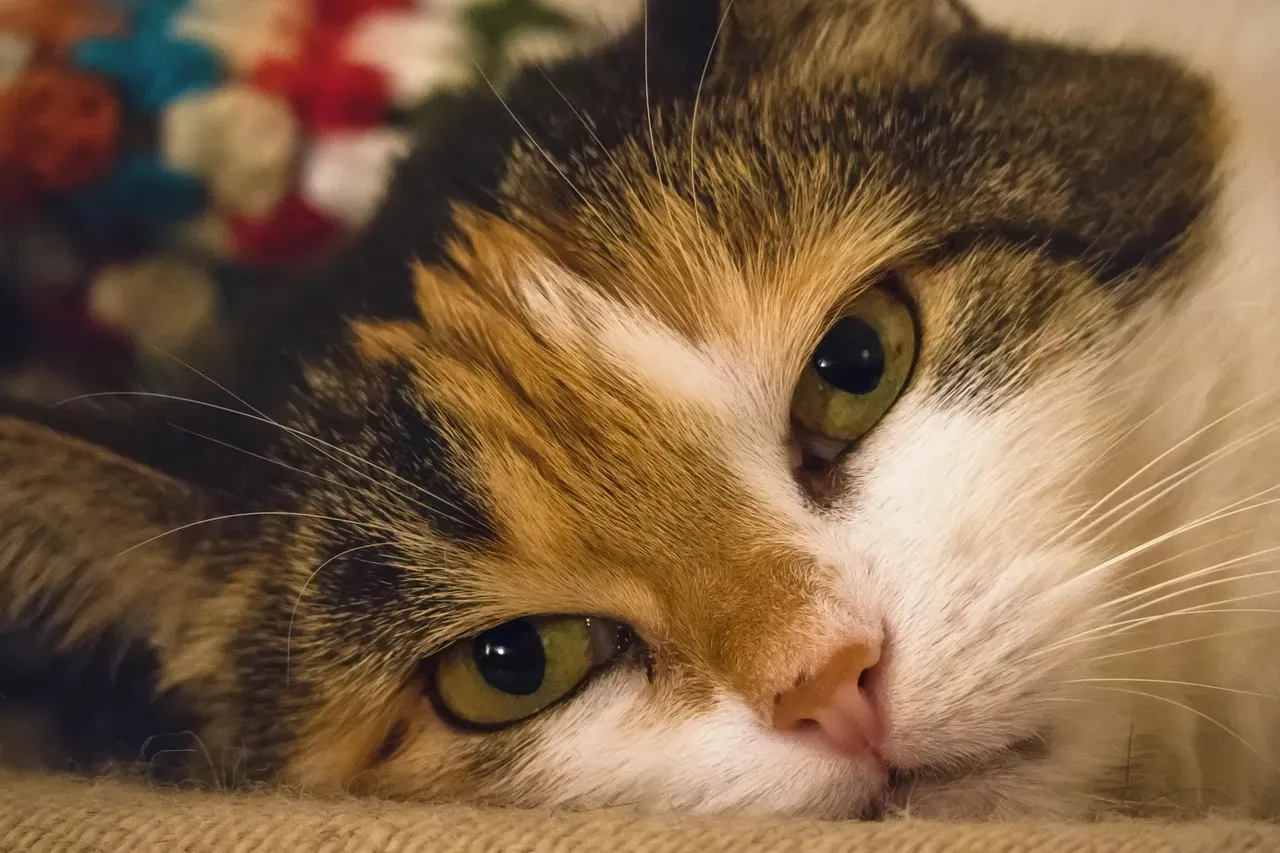
You look at your cat with pure adoration, holding that gaze for a few long seconds. To you, it’s affection. To your cat? It might feel like a threat display. In cat language, prolonged direct eye contact can be interpreted as threatening, and if you’re trying to get closer to a shy or aloof cat, that direct stare could actually push them further away.
The fix here is surprisingly simple. Use soft, slow blinks instead of hard stares to communicate calm and affection – it’s essentially a “cat kiss” in feline body language. Try it next time. Slow blink at your cat deliberately and watch what happens. There’s a genuinely good chance they’ll blink back, and that tiny exchange is more bonding than any prolonged stare ever could be.
2. Rubbing Their Belly When They Show It to You
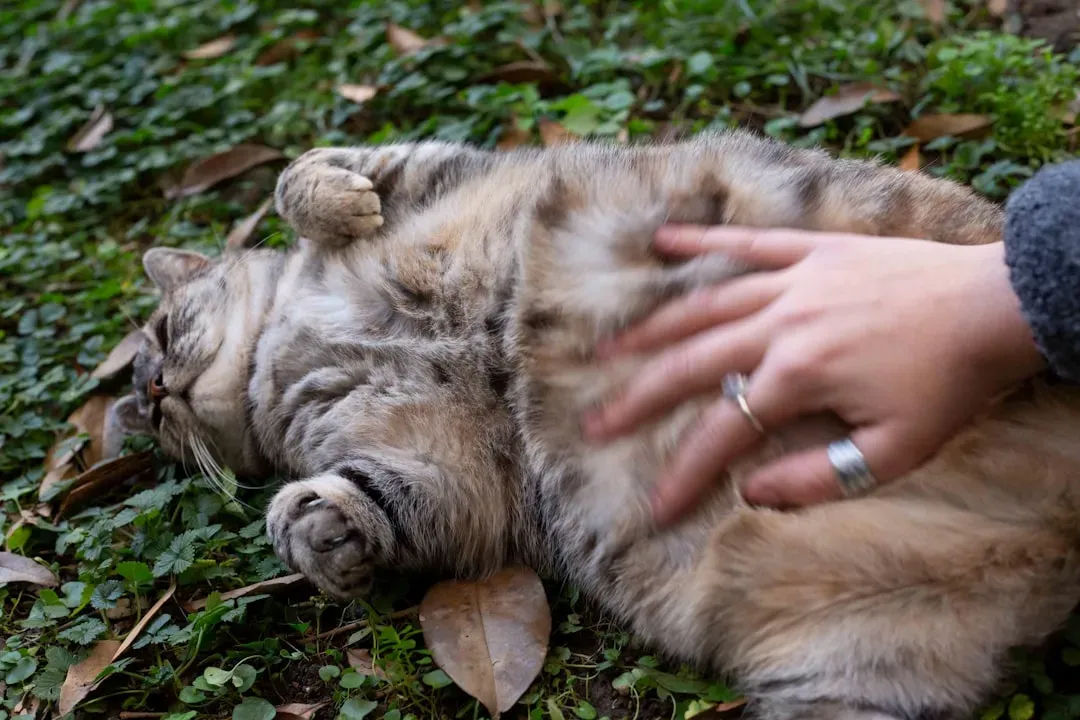
Here’s a scenario almost every cat owner knows. Your cat rolls over, flashes that fluffy belly, and your hand moves toward it on pure instinct. Then the claws come out. If a cat rolls over on their back and shows you its belly, only to roll away when you try to pet it, there’s a logical reason for this – one that makes perfect sense in the realm of cat logic. The belly display is a sign of trust, not an open invitation for touching.
When cats expose their bellies, they are saying they trust you – but that’s where the invitation ends for most cats. Think of it less like a petting request and more like a compliment. The fix? Acknowledge the belly stretch with a soft word or a gentle chin scratch instead. You’ll avoid the sudden claw surprise, and your cat will feel respected rather than startled.
3. Using Your Hands as Toys During Playtime
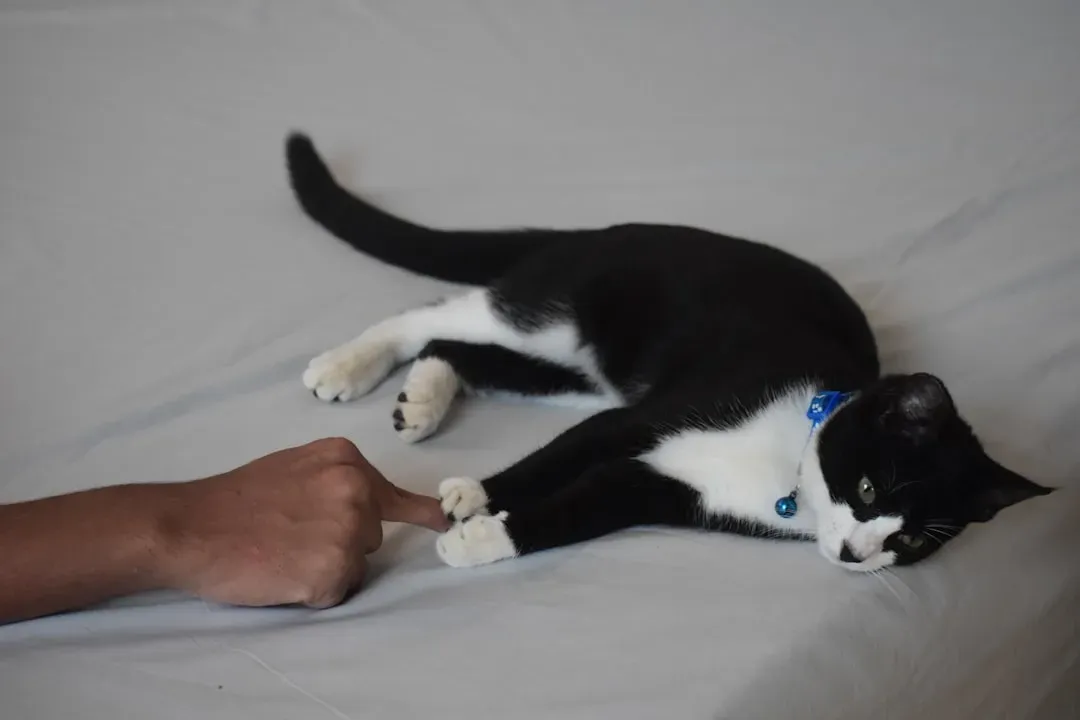
It starts innocently. You wiggle your fingers under a blanket, your cat pounces, and everyone laughs. The problem is that you’re actually teaching your cat that hands are prey. Cats don’t like roughhousing the way dogs do – while dogs might enjoy wrestling and grabby play, cats prefer chase, pounce, or toy-based interactions. Wrestling or teasing with your hands can genuinely confuse and even frighten them.
Over time, a cat trained to attack hands won’t distinguish between “playtime hands” and “regular hands.” Suddenly every reach toward them becomes a gamble. The practical solution is to use toys instead of hands to play, and to let them “win” sometimes – it satisfies their hunting drive without putting your skin on the line. Feather wands, crinkle balls, and dangling toys are genuinely better for everyone involved.
4. Maintaining an Inconsistent Daily Routine
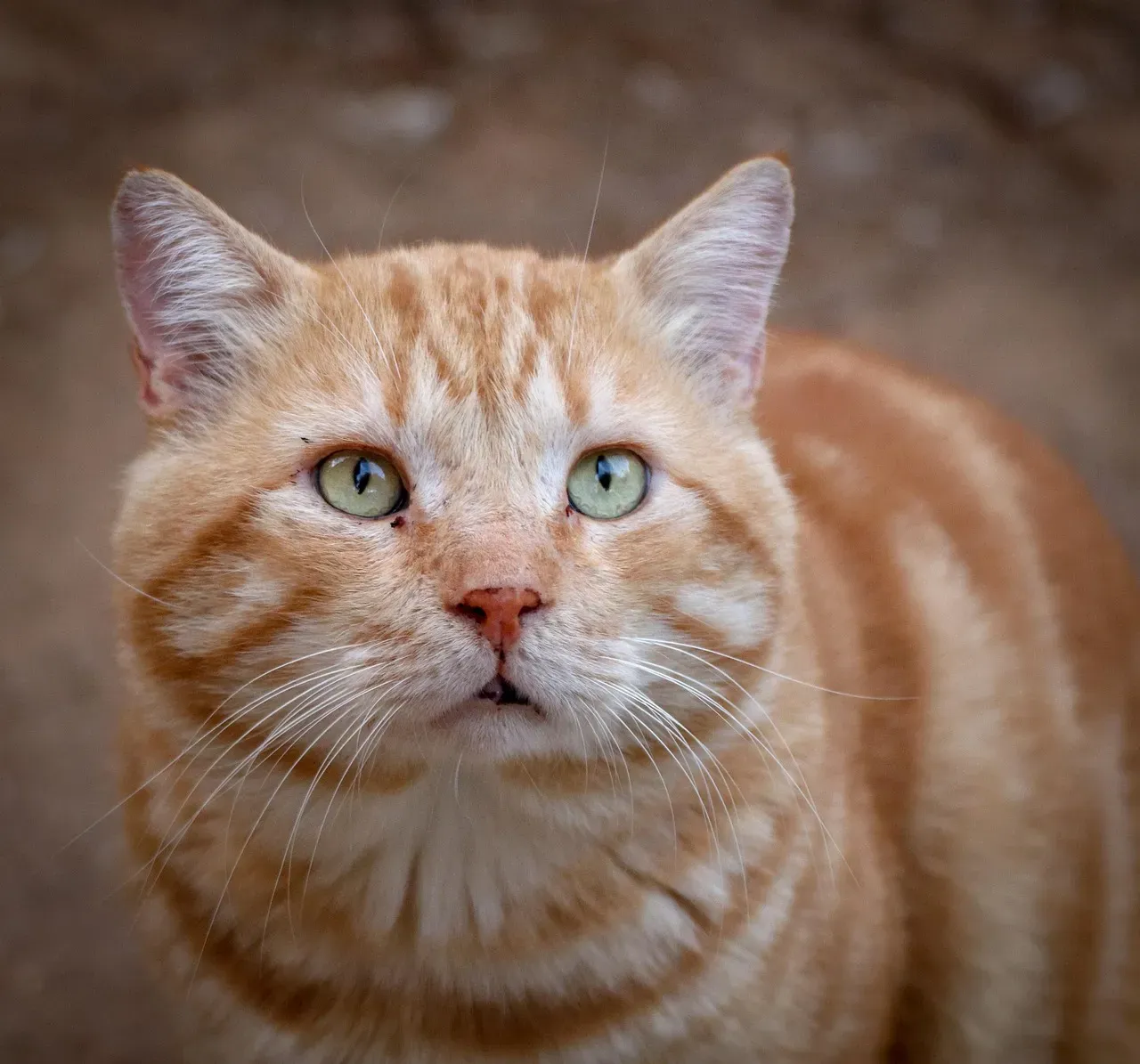
You stay up late on a Friday, feed your cat at noon instead of 8 a.m. on Saturday, move their water bowl to a different spot because it was in the way – these feel like tiny, inconsequential changes to you. Your cat experiences them very differently. Cats are remarkably similar to their owners when it comes to dreading change. They are creatures of habit who take comfort in routines and predictability, and any changes to their environment or daily schedule can make them anxious and uncomfortable.
This isn’t about being overly rigid in your own life. It’s about understanding that your cat uses routine as a form of emotional security, the same way some people need their morning coffee at a specific time to feel grounded. For your cat’s peace of mind, try to keep things consistent – from feeding schedules and treat types to the location of the litter box and water bowl. Small efforts toward consistency can have a genuinely big payoff in your cat’s overall stress levels.
5. Punishing Them for Scratching or Knocking Things Over
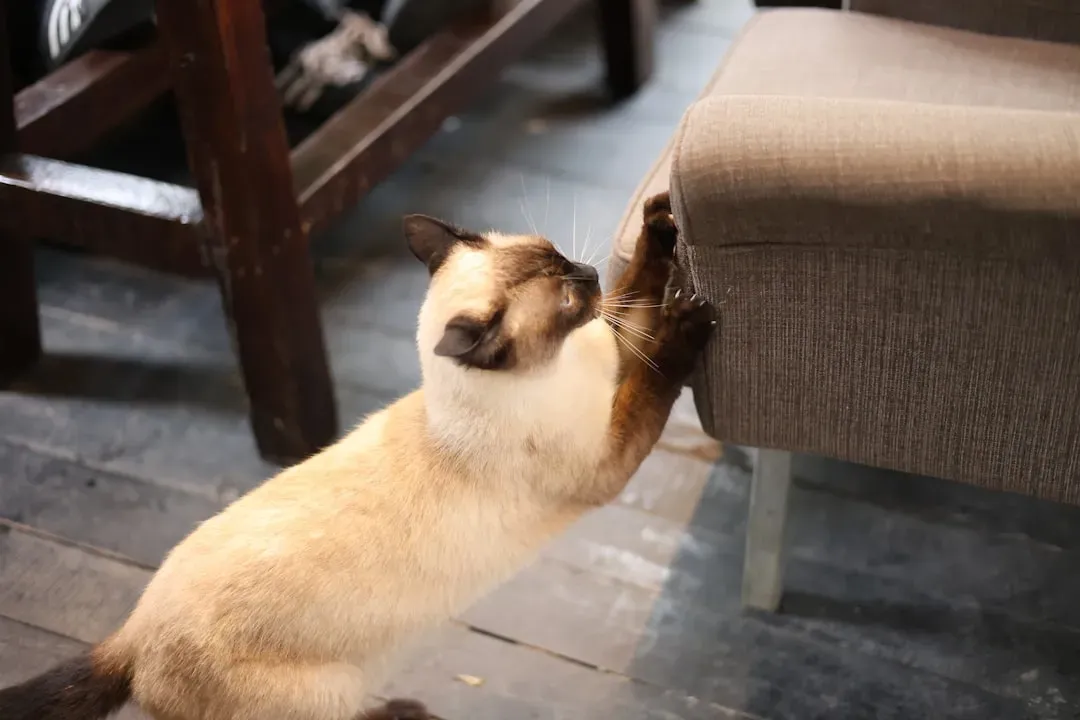
You catch your cat tearing into your beloved couch corner for the fourth time this week, and you raise your voice or tap them on the nose. It feels logical. It really doesn’t work the way you hope. Positive punishment should be avoided, because it can cause fear and anxiety toward the owner or fear of being handled and petted, and at best will stop the undesirable behavior only when the owner is present.
Here’s the thing about scratching specifically. Cats have solid preferences about scratching surfaces, based on paw and claw feel, positioning – some prefer vertical, others horizontal – and scent, whether they’re leaving their own or covering up someone else’s. It’s deeply instinctual, not defiance. Rather than punishing the behavior, redirect it. Offer a scratching post near the furniture they favor, reward them when they use it, and consider keeping nails trimmed. Problem solving over punishment, always.
6. Overwhelming Them With Strong Scents

You spritz your favorite perfume, light a heavily scented candle, or mop the floors with a citrus-based cleaner, and your cat suddenly vanishes into the back bedroom. This isn’t a coincidence. Cats have an incredible sense of smell – their noses are roughly fourteen times more sensitive than a human’s, which means strong smells like perfume, air fresheners, or cleaning products can be overwhelmingly off-putting to your furry companion.
Common scents that cats tend to hate include citrus, vinegar, fresh herbs, spicy foods, and even coffee and essential oils. To fix this, think of your cat as someone with an extraordinary sensitivity to fragrance – like living next door to a candle factory with all the windows open. Opt for fragrance-free or lightly scented cleaning products, ventilate rooms well after using sprays, and pay attention to which specific smells seem to send your cat bolting. You might be surprised by the patterns.
7. Misreading What Purring Actually Means
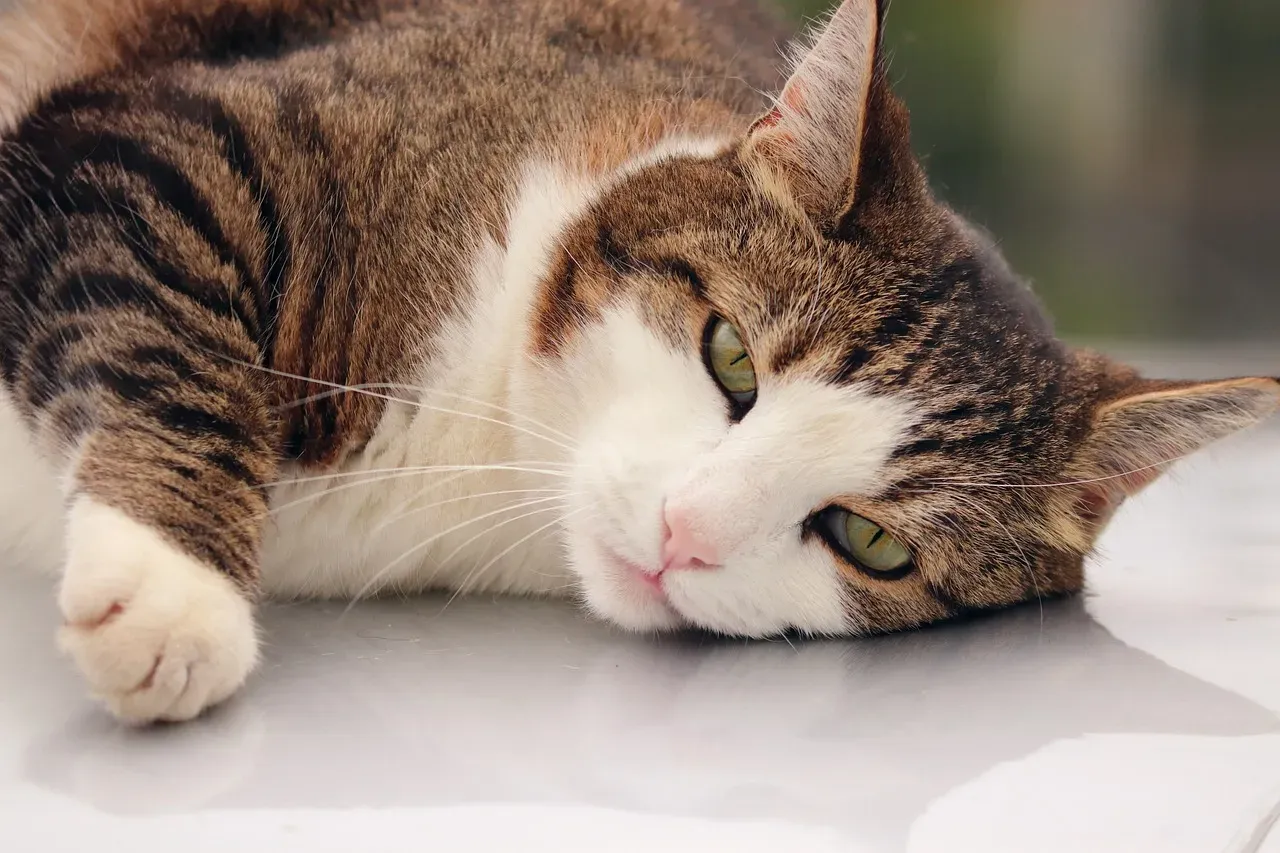
Most people hear purring and assume everything is perfectly fine. It’s one of the most widespread assumptions about cats – and it’s often wrong. One of the most common misconceptions about cats is that they purr only when they’re happy. While purring is usually a sign of contentment, cats have also been observed to purr when they are injured or dying. That’s a meaningful distinction most owners never consider.
Typically, purring does indicate a cat is deeply content, drowsy, and happy – but cats can also purr when they are sick or in pain as a way of asking for help, and purring can also be a cry for attention. So the fix isn’t to stop enjoying those happy purr sessions, but to become a more complete reader of your cat’s body language. A purring cat who is also tense, hiding, or not eating may actually need a vet visit, not just a cuddle. Context matters enormously.
8. Ignoring Their Subtle Cues for Space or Attention
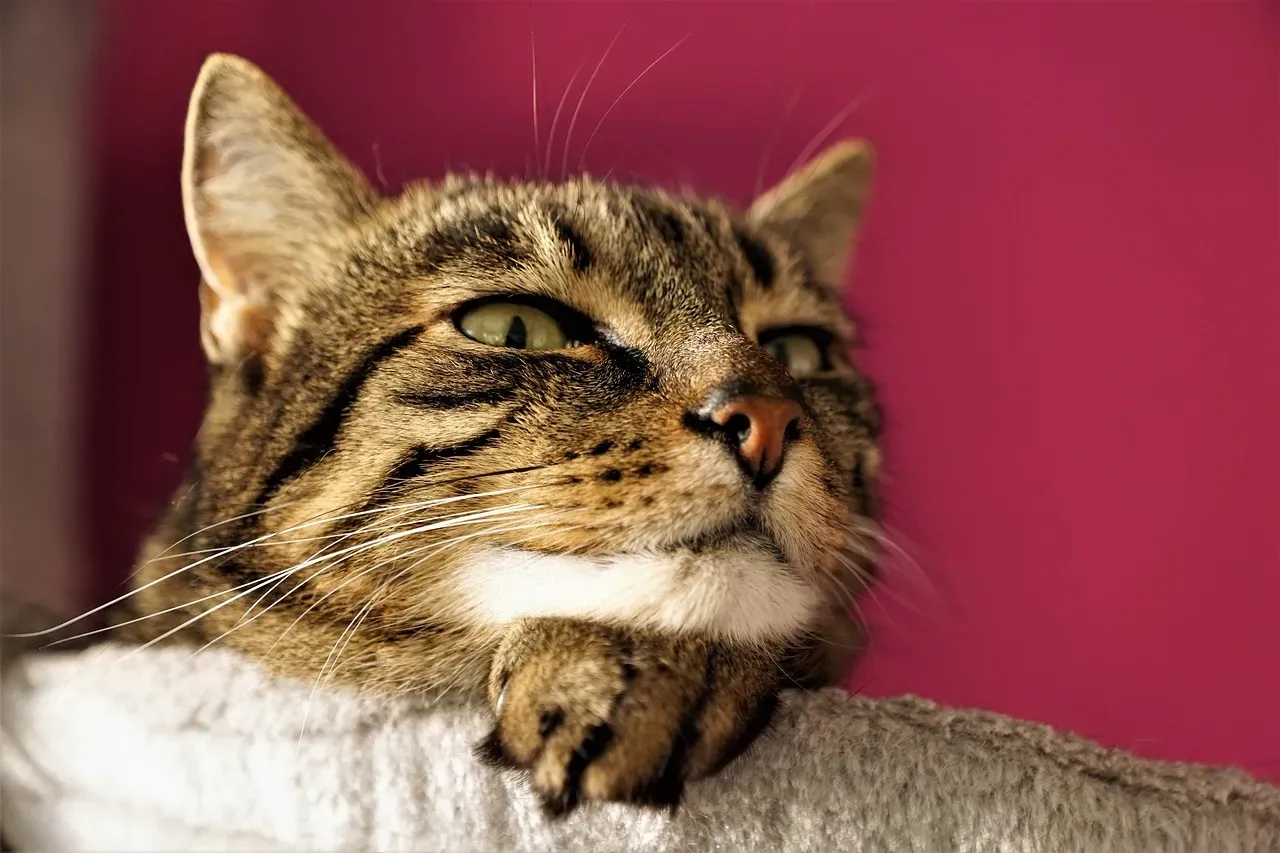
Cats communicate constantly. The problem is that most people aren’t fluent in the language. Multiple studies have shown that a number of domestic cat owners appear unable to interpret the behavior of their pets, particularly as it pertains to gauging their stress responses – for example, a significant portion of owners failed to recognize house-soiling as a sign of distress in their cats, and an even larger proportion did not view aggression as indicative of distress. That’s not a minor gap in understanding.
Cats are masters of communication – their body language will quickly tell you whether they want attention or would rather enjoy solitude. You’ll know your cat wants to bond when it jumps into your lap or plops down on top of your book or laptop. On the flip side, flattened ears, a low swishing tail, or a turned back are all asking for space. Ignoring your cat’s cues for attention can lead to stress, aggression, or your cat not wanting to interact at all – but learning to read those signals will genuinely strengthen the bond you share.
9. Forcing Interaction Instead of Letting Them Initiate
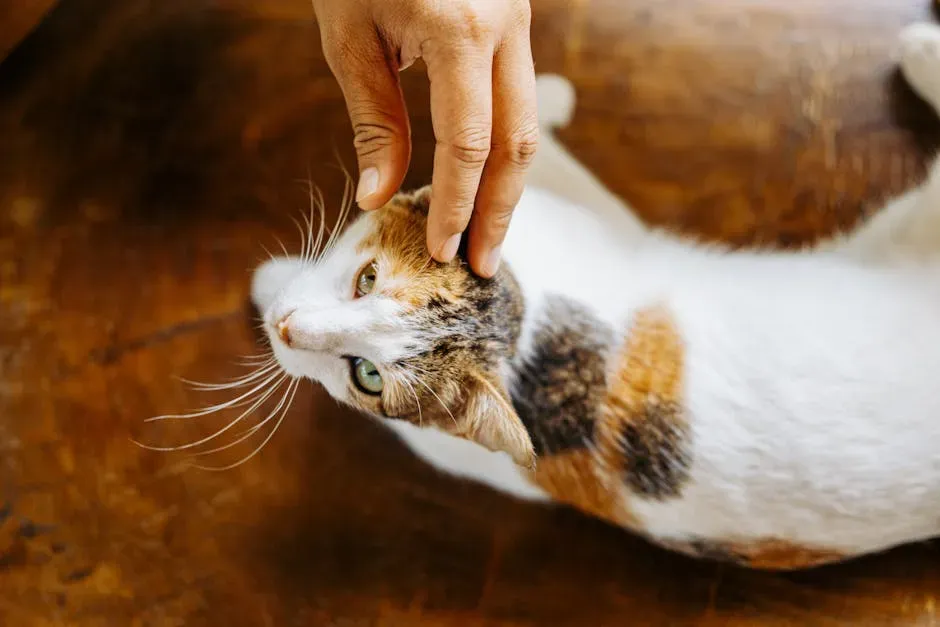
You scoop your cat up for a cuddle the moment you walk through the door. You’re thrilled to see them. Your cat, however, may have been deeply asleep in a perfect sunspot and now finds itself airborne and disoriented. Just like humans, cats appreciate alone time. When they need quiet solitude, giving them that space will strengthen their respect for you – and they will absolutely seek you out when it’s cuddle time on their terms.
This is probably the most counterintuitive fix on this list: do less. Let your cat approach you. Sit down, make yourself available, and wait. According to animal behaviorists, understanding cat behavior can be extremely beneficial for cat owners – people who understand their cats better tend to have stronger bonds and a deeper appreciation for who their cat really is. Ironically, the more you let a cat come to you on their own terms, the more affectionate and trusting they often become. It feels like magic, but it’s just respect.
Conclusion: Your Cat Isn’t Judging You – But They Are Watching You
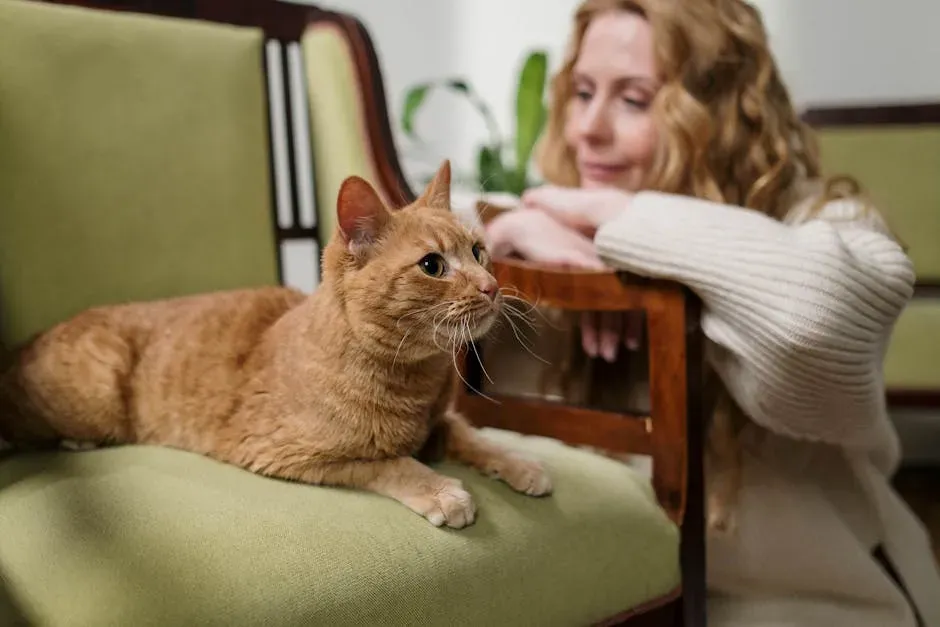
Cats don’t hold grudges (well, most of the time), and they aren’t trying to make your life difficult. Most of the confusion between humans and cats comes down to a simple communication gap. We speak one language. They speak another. The relationship between humans and cats spans several thousand years, yet a significant proportion of the population still does not fully comprehend feline behavior. That’s genuinely worth sitting with.
The good news is that none of these fixes require major lifestyle overhauls. Slow blinks, consistent routines, toy-based play, and a little patience go an extraordinarily long way. Your cat is paying attention to everything you do. The question is whether you’re paying the same attention back. Start small, stay curious, and the relationship you build might surprise you more than any behavior on this list.
Which of these habits did you recognize in yourself? Drop your thoughts in the comments – you might just help another cat owner crack the code.