Most people assume that because a cat occasionally meows at them, that’s the whole story. A quick sound here, a scratch there, and apparently you’ve had a full conversation. But honestly, that couldn’t be further from the truth. Cats are operating on a whole other communication frequency, one built on posture, scent, touch, and subtle gestures that most owners walk right past every single day.
The reality is that your cat is talking to you constantly. The question is whether you’re actually listening. If you’ve ever felt confused by your feline companion, or wondered why they suddenly bolt from the room or nudge your face at 3 a.m., this article is going to shift your whole perspective. Let’s dive in.
More Than a Meow: The Surprising Truth About Cat Vocalizations
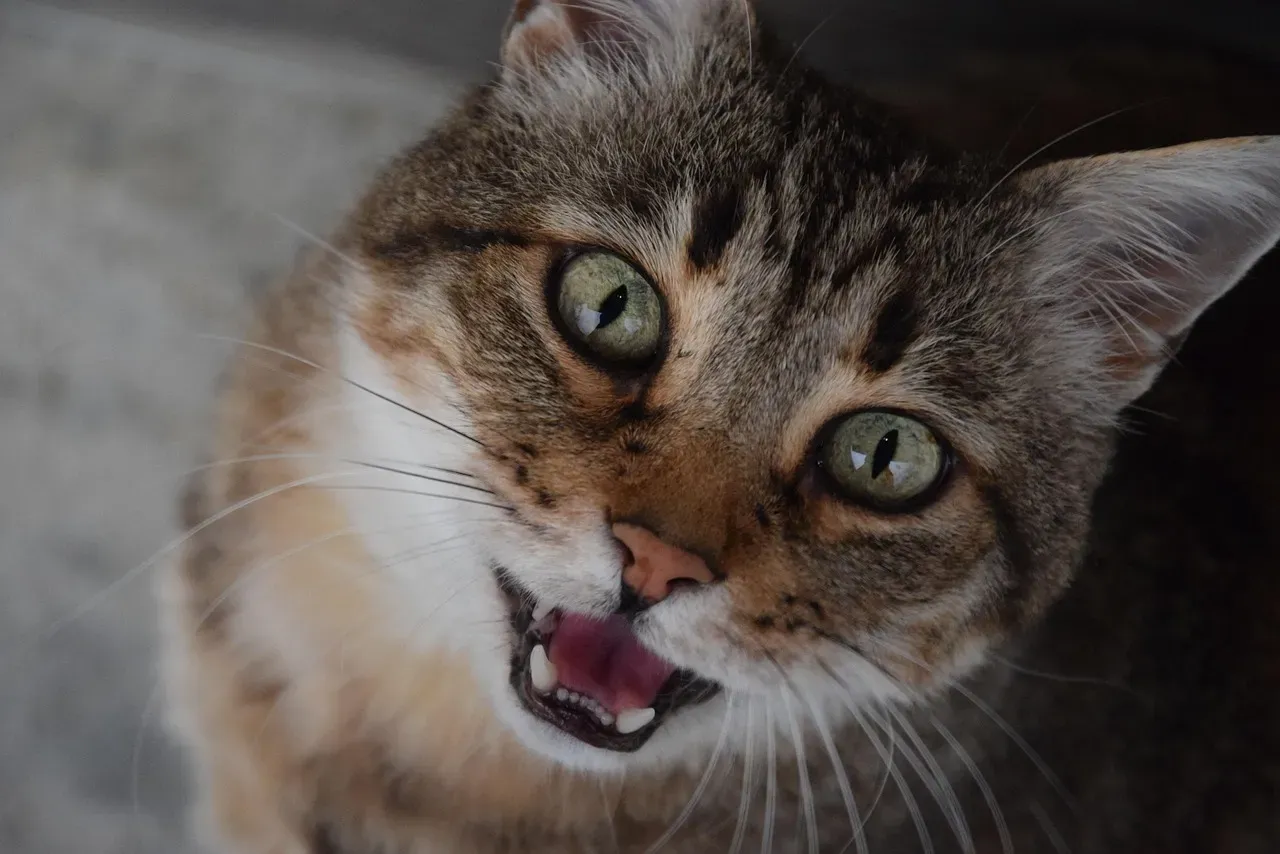
Here’s something that genuinely surprised me when I first learned it. The meow is perhaps the most iconic feline sound, but it’s primarily a tool for communicating with humans. Kittens meow to signal hunger or distress to their mothers, but adult cats rarely meow at each other. Think about that for a second. Your cat essentially invented a language just for you.
Domestic cats figured out, over thousands of years of living alongside people, that vocalizing gets results. You hear a meow, you open a can of food, you open a door, you pick the cat up. The cat learns this cause-and-effect quickly and adjusts its vocal habits accordingly. It’s clever, almost manipulative, and I say that with nothing but admiration. The meow is all-purpose too. Your cat may use it as a greeting, a command, an objection, or an announcement.
When a cat meows insistently, especially in a higher pitch, it may indicate that they want something, whether food, playtime, or affection. If the meowing seems out of the ordinary, it’s also worth checking for signs of distress, illness, or discomfort. Pay attention to tone and context. Not all meows mean the same thing, and once you tune in, the differences become very clear.
Reading the Tail: Your Cat’s Most Honest Body Part
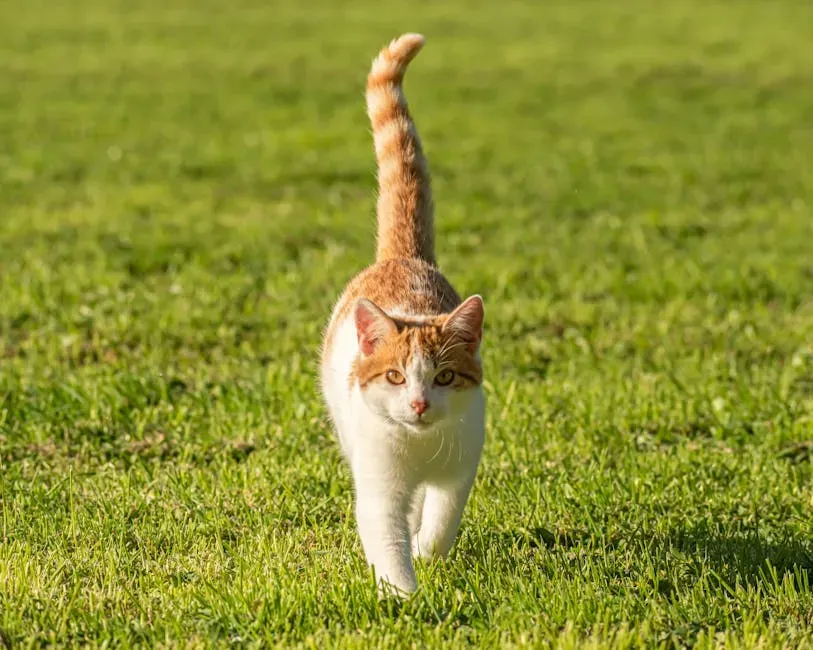
If you want a fast crash course in cat communication, start with the tail. It’s practically a billboard. Cats use the extreme mobility of their tail as an important means of communication. The combination of its position, shape, and movements provides meaning, often alongside other types of body language and forms of communication like vocalization.
If a cat walks into the room with their tail sticking straight up, they’re feeling confident, comfortable, and ready to engage in some friendly interaction. This tail position indicates all is right in the world. A tail that points up accompanied with a quiver at the base of the tail is often an indication your cat is especially excited to see you. On the flip side, a cat may lower their tail below the level of their back if they are frightened or anxious. If your cat’s tail is tucked between their legs, then they are really scared or may be experiencing pain.
When your cat thrashes their tail or is thumping it on the ground, they are irritated, annoyed, or angry. This tells you that something is bothering your cat. If you are petting your cat and they start thrashing their tail, they are trying to tell you to stop. Respect that signal. It’s one of the clearest warnings in the feline vocabulary.
Ear Signals: The Tiny Antennas That Say Everything
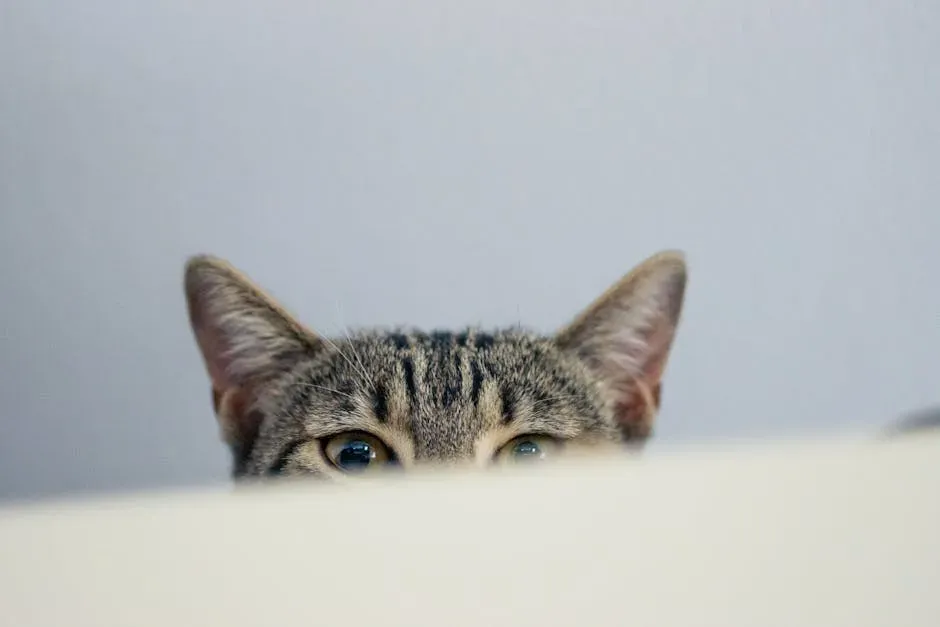
You might not give much thought to where your cat’s ears are pointing at any given moment, but you really should. Ears that are erect and rotated out along with narrow or small pupils are usually a signal of frustration, whereas dilated pupils with ears held flat against the head are often a sign of fear. Relaxed cats tend to have their ears facing forward in the normal position.
A cat’s ear position can give you a clear idea about how they’re feeling. Ears held naturally means the cat is relaxed, while ears pinned back mean the cat is afraid. When a cat’s ears are facing forward and close together, that means the cat is interested in something. When a cat twists its ears so that the opening is to the side, that means the cat is angry.
Research from scientific studies has taken this even further. Although the tail is a conspicuous feature for human observers, research demonstrates that ear positions of cats in interactions with other cats are actually the best predictor of the outcomes of those interactions. In other words, the ears are doing the heavy lifting of communication, especially between cats themselves. In cats who are experiencing an increasing level of fear, anxiety, or stress, their ears might be tucked back on their head or held low and rotated to the sides, sometimes called “airplane ears.”
The Power of the Slow Blink: A Cat Kiss in Plain Sight
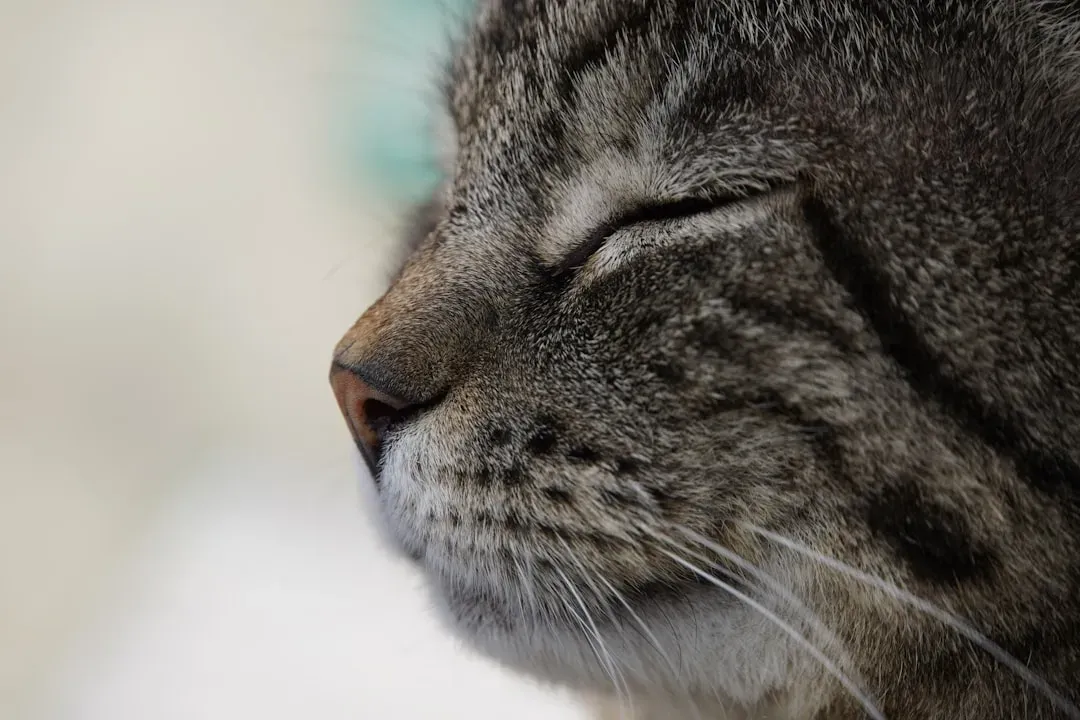
I think this is one of the most beautiful things in the entire animal kingdom. Most people miss it completely. A slow blink is a deliberate affiliative signal indicating trust and positive emotional intent. Research by Dr. Tasmin Humphrey found cats are significantly more likely to approach humans after receiving slow blinks.
If your cat gives you slow, deliberate blinks, it’s their way of saying they trust you. Cats often slow-blink when they’re comfortable and feel safe in their environment. It’s the feline equivalent of a warm, affectionate gesture. Try returning the blink slowly. It’s a great way to bond with your cat.
A groundbreaking 2020 study published in Scientific Reports found that cats respond positively to slow-blinking from humans. This non-verbal cue signals trust and affection. When you slowly close your eyes, pause for a second, and then gently open them again, your cat is likely to interpret this as a friendly and calming gesture. Many cats even return the slow blink, reinforcing their bond with you. Next time your cat catches your eye from across the room, try it. You might just get a “kiss” in return.
Scent Marking: The Invisible Conversations Cats Have All Day
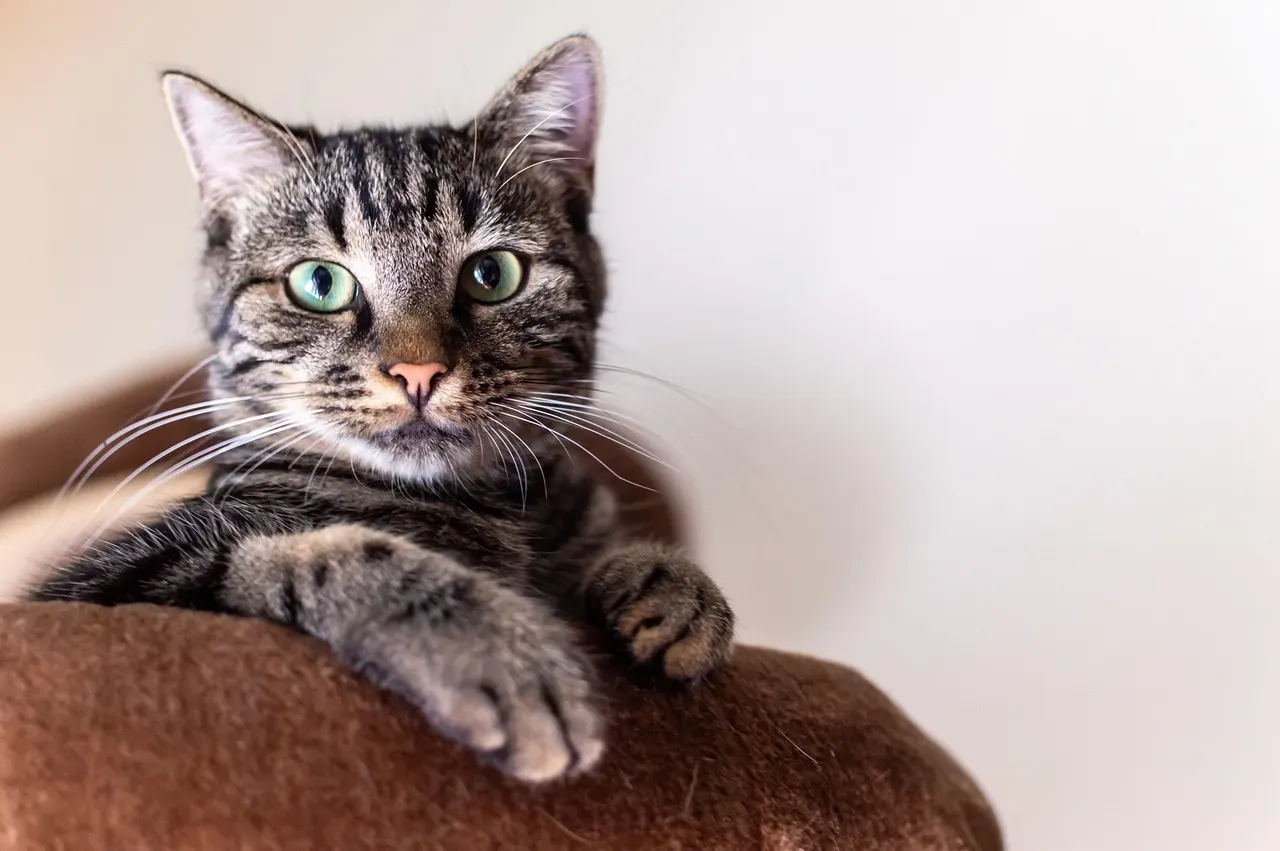
Here’s the thing, your home is absolutely covered in invisible messages you can’t read but your cat absolutely can. Cats have developed two systems for detecting different chemicals used for communication with other cats. The olfactory system is located in the nose and is used to detect smells or scents. The vomeronasal or Jacobson’s organ is located in the cat’s hard palate and is used to detect pheromones. Pheromones are chemicals secreted in different areas of the body by all cats and are used for cat-to-cat communication.
Their scent glands, located on their cheeks, paws, and base of the tail, produce pheromones that convey information about identity, territory, and emotional state. When your cat rubs their face or body against you, they’re not just being affectionate, they’re marking you with their scent, claiming you as part of their social group. This behavior, called bunting, is a sign of trust and ownership.
Scratching isn’t just about claw maintenance. It’s a territorial marker. Cats leave both visual scratch marks and chemical signals from paw glands to claim spaces or objects. Providing scratching posts can redirect this behavior while respecting their need to mark. Think of it as your cat updating their social media profile, just on your furniture instead.
Head Bunting and Kneading: Love in Physical Form
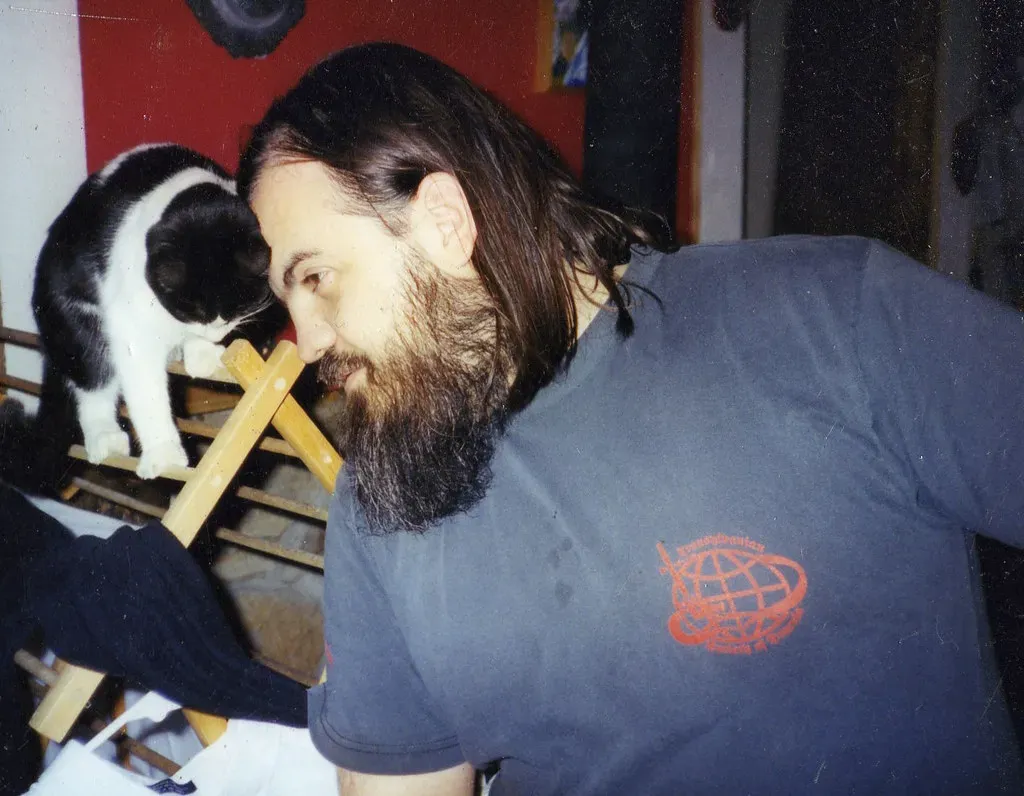
When your cat headbutts you out of nowhere, it might seem random or even a little pushy. It isn’t. When your cat purposefully rubs its head or cheek against you, it’s doing more than just saying hello. This behavior, known as head-bunting, deposits facial pheromones onto you. It’s an act of marking you as part of their family and a profound sign of affection and ownership.
Cats also head bunt to show affection and mark you as someone special. Consider it a compliment when a cat head bunts you. This is how they show they’ve chosen you, signifying their trust. It’s the feline equivalent of someone putting their arm around you and saying you belong with them.
Then there’s kneading, that rhythmic push-push-push motion that looks like your cat is slowly baking invisible bread. Kneading, where a cat rhythmically pushes their paws against a soft surface, harks back to kittenhood, when they stimulated milk flow from their mother. Adult cats knead to express comfort, affection, or to mark their territory with paw gland scents. Humans unknowingly encourage cats to maintain kneading through positive responses when cats knead. Cats may also deposit scent from paw pad glands while kneading, adding territorial marking to the comfort behavior.
The Purr: Far More Complex Than You Think
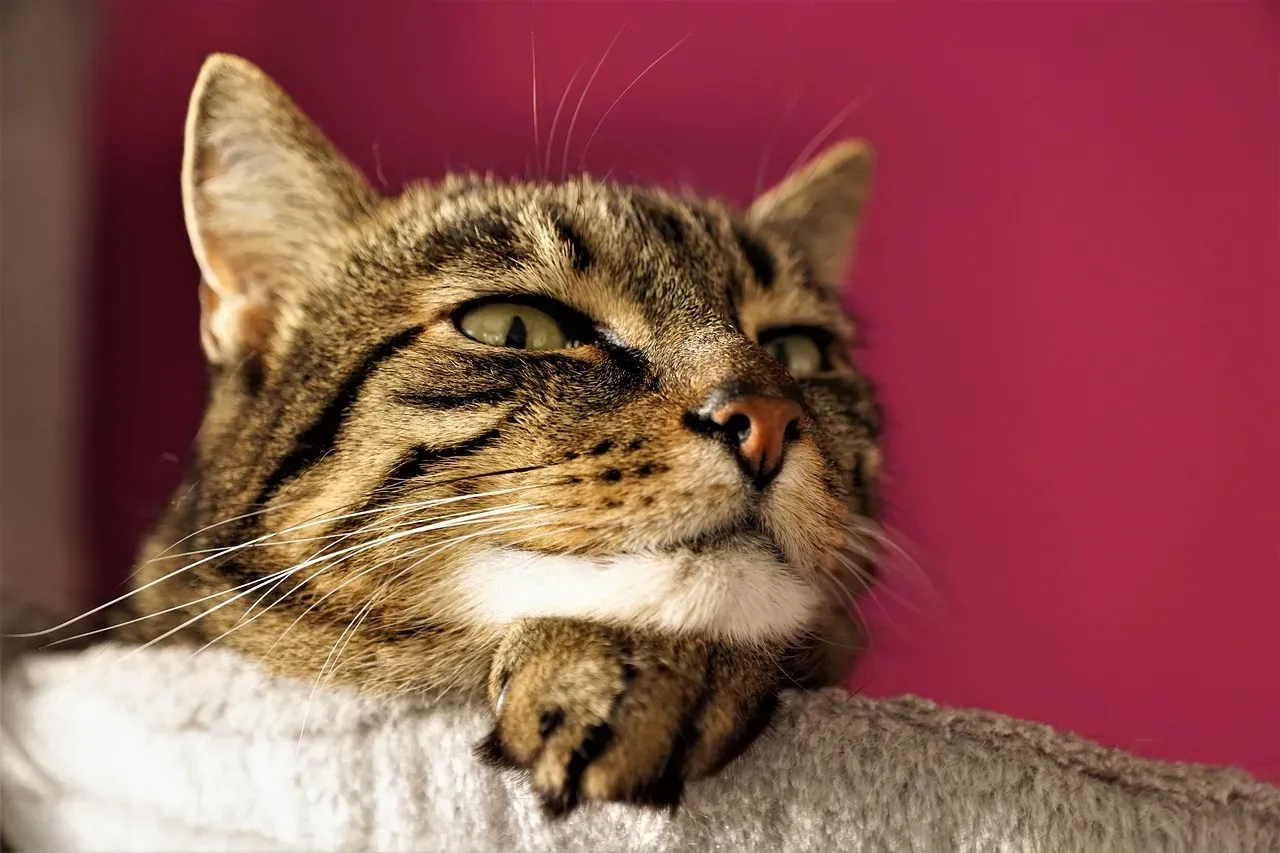
Let’s be real. Most of us hear purring and assume our cat is perfectly happy. Sometimes that’s true. Often, there’s more going on. While purring is generally associated with contentment, it’s not always as simple as it seems. Cats also purr when they are anxious, in pain, or even when they’re trying to comfort themselves.
A cat’s purr is not produced by the vocal cords alone. It comes from a neural oscillator in the brain that triggers the muscles in the larynx to twitch rapidly. This opens and closes the glottis 20 to 30 times per second. Uniquely, cats can purr on both the inhale and the exhale, creating a continuous sound. It’s hard to say for sure, but that’s a remarkably sophisticated physical mechanism for what most people assume is just a happy noise.
While purring is most often a sign of contentment, cats also purr to self-soothe when they are stressed, scared, or in pain. If your cat is purring but also hiding, has a tense posture, or is showing other signs of distress, it could be a sign that something is wrong. Always look at the whole picture. The purr alone doesn’t tell you everything.
Body Posture: What Your Cat’s Whole Body Is Saying
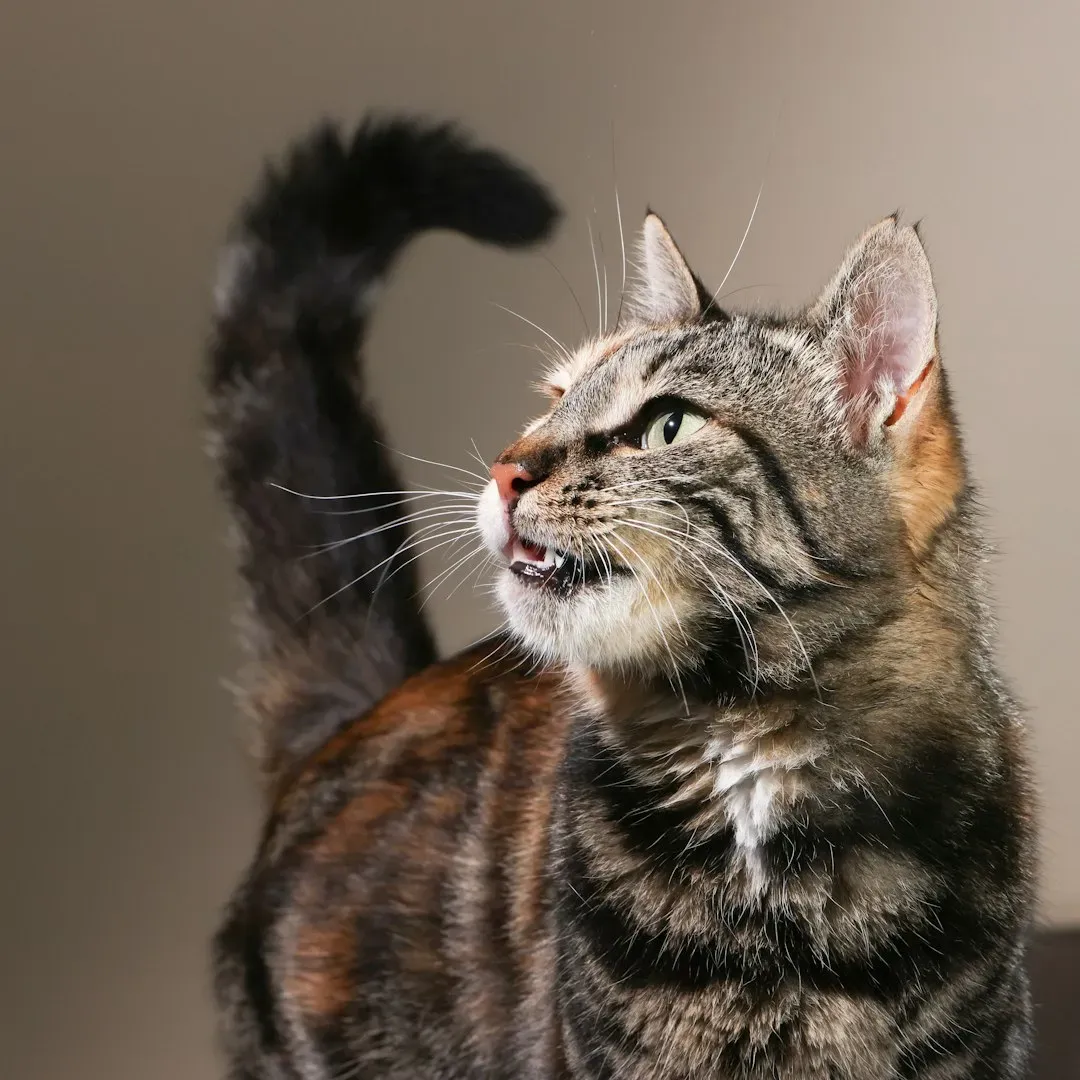
Think of your cat’s body as a full sentence, where every part contributes to the meaning. A stretched-out, tense and forward-facing body may show confidence, or in some cases, that a cat is ready to attack, whereas an anxious or fearful cat will pull their head and neck in to look small, hold their body close to the ground and place four paws firmly on the floor in case they need to flee quickly.
When cats lie on their back with their bellies exposed, they are in a position of vulnerability. Therefore, this position may communicate a feeling of trust or comfort. Here’s the part most people get wrong though. An exposed belly is a trust display, not an invitation to pet. Cats show their vulnerable underside to indicate safety, but the belly remains sensitive. Many cats defensively grab and kick when touched there. So admire the fluffy belly, but maybe don’t dive in.
A cat’s body language not only reveals a lot about how the cat’s emotions, but it can also reveal whether the cat is sick. Cats are extremely good at hiding illness, so small feline body language cues can be the first signs of trouble. A cat who’s feeling sick might hold their head low and squint their eyes or hold them shut. This is genuinely important information. Catching those early signals could make a real difference for your cat’s health.
Chirps, Chattering, and Trills: The Rest of the Vocal Vocabulary
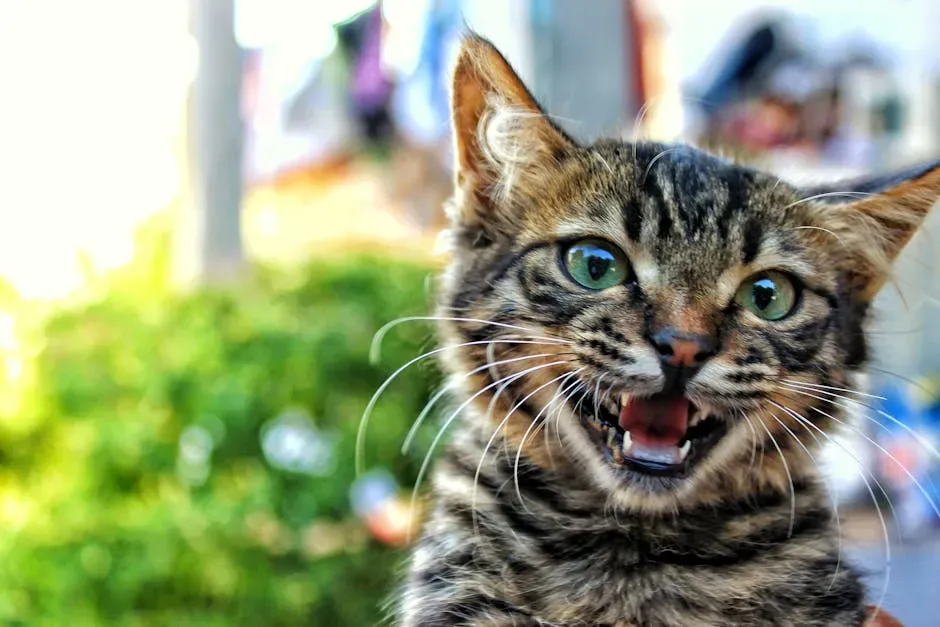
Beyond the meow, cats have a surprisingly rich sound library that most owners barely notice. Chirps and trills are how a mother cat tells her kittens to follow her. When aimed at you, it probably means your cat wants you to follow them, usually to their food bowl. If you have more than one cat, you’ll often hear them converse with each other this way.
A cat’s chirps and chatter are prey-directed sounds. These vocalizations are part of the cat’s hunting instinct. The cat is copying the calls of their prey. Riveted by the sounds a bird or insect makes, the cat starts to chirp, tweet, and chatter in response. It’s a fascinating crossover between instinct and communication. Your cat isn’t losing their mind at the window. They’re hunting in their imagination.
Although the cat is not considered a particularly gregarious animal, it does have an exceptionally wide-ranging repertoire of sounds. This is because domestic cats have two different vocabularies. In contrast to wild cats, who abandon the language of kittens for a different one in adulthood, domestic cats that are cared for by humans retain the language used between feline mothers and their young, even when they reach maturity. You are, in the warmest possible sense, the surrogate mother your adult cat still talks to like a kitten.
Conclusion: Learning to Listen With Your Eyes and Heart
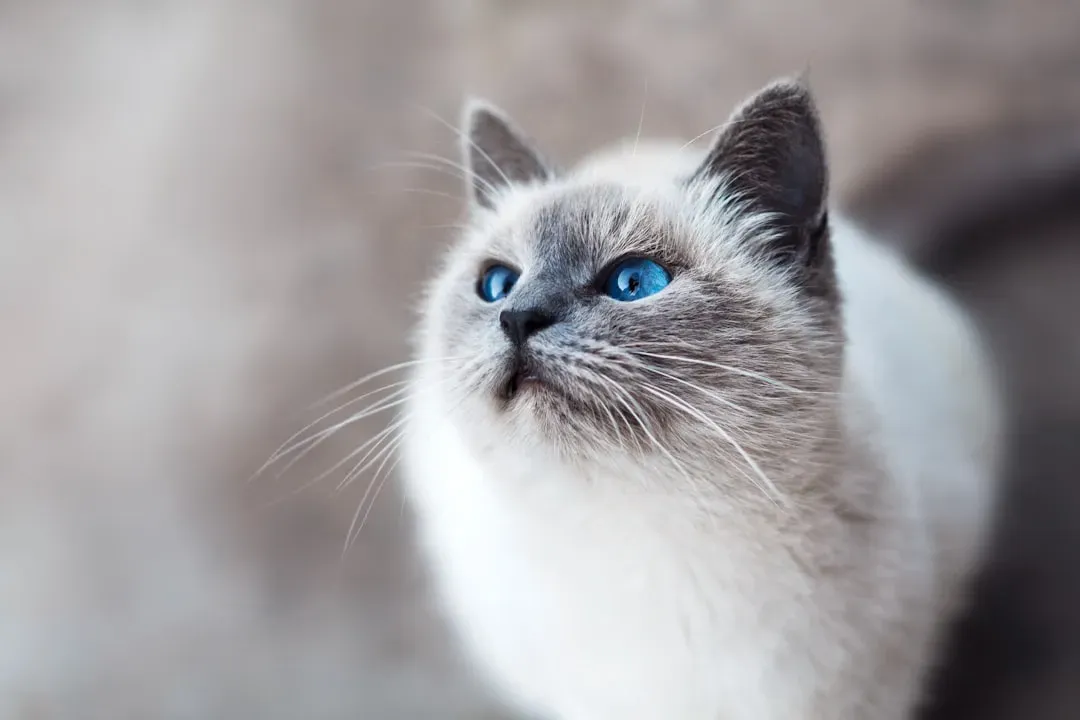
Cats are not mysterious because they’re withholding. They’re communicating all the time, through every twitch of the tail, every slow blink, every headbutt and purr and chirp. The gap isn’t in what they’re saying. The gap is in how much attention we pay.
When a cat lives with a human, it very quickly learns to read their mood at any given moment from their body language, the sound of their voice, and eye contact with them. Cats are extremely good at picking up on emotions such as nervousness, fear, affection, and joy. A cat uses these forms of communication too, so if we make a point of observing their behaviour, mutual understanding is entirely possible.
The beautiful thing is that once you start reading your cat’s silent language, you can’t stop. Every posture becomes a message. Every sound carries context. Cats are masters of communication, and your job is to pay attention. If you learn to accurately read body language signals and respect what your cat is telling you, it will create trust and strengthen the bond you share.
Your cat has been trying to have a real conversation with you this whole time. Now that you know the language, are you ready to finally talk back?