You’ve probably stood in the pet food aisle staring at forty different varieties of cat food, wondering why your cat snubbed the last three options you tried. You’ve muttered something about them being “difficult” or “fussy,” maybe even dramatic. Honestly, you wouldn’t be the first. Millions of cat owners wrestle with the very same mystery every single day.
Here’s the thing, though. What looks like pickiness from the outside is actually something far more fascinating. Your cat’s food preferences aren’t personality quirks or mood swings. They are the result of millions of years of evolutionary biology, ancient survival instincts, and a deeply wired biological program that no amount of fancy packaging can override. Let’s dive in.
Millions of Years in the Making: The Cat’s Carnivorous Blueprint
The story of why your cat eats the way it does is written deep in the fossil record. The story of cat nutrition is written in the fossil record, and research confirms that cats have been meat-eating obligate carnivores for an exceedingly long time. We’re not talking about a few hundred years of domestication shaping their diet. We’re talking tens of millions of years of committed, uncompromising carnivory.
Fossils of the earliest-known cat species are from rocks found in southern France dating back 29 million years, named Proailurus, of the family Felidae, and these early cat fossils contain teeth and bones with all the characteristics of a meat-eating member of the mammalian order Carnivora. Think about that for a moment. Your cat’s ancestors were already hardcore hunters before the first humans ever walked the earth.
Closely related animals tend to share the same dietary category, and this implies that switching between dietary lifestyles is not something that happens easily and often over the course of evolution. So when your cat refuses a bowl of plant-heavy kibble, it isn’t being dramatic. It is obeying a biological mandate that has been running on autopilot for millions of years.
What “Obligate Carnivore” Actually Means for Your Cat’s Bowl
A carnivore is an animal that survives by consuming meat, and in the case of felines, they are known as obligate carnivores, meaning their survival depends on nutrients found exclusively in animal flesh. Unlike omnivores that eat both plants and animals, or facultative carnivores that prefer meat but can digest some plant material, cats must consume a meat-based diet to thrive. That’s not a preference. That’s a non-negotiable biological fact.
Cats require vitamin A in its active form, retinol, which is only found in animal-based foods. Unlike other mammals, cats cannot convert beta-carotene from plants into usable vitamin A. Additionally, arachidonic acid, an essential fatty acid, is only present in animal proteins, making a meat-based diet essential for their well-being. You can think of your cat’s body like a machine specifically engineered to run on one type of fuel. Put the wrong stuff in, and it simply won’t work properly.
The nutrient requirements of domestic cats support the thesis that their idiosyncratic requirements arose from evolutionary pressures from a rigorous diet of animal tissue, and cats have obligatory requirements for dietary nutrients that are not essential for other mammals. When your cat sniffs a food and walks away, it may literally be detecting that it cannot survive on what you’ve just offered. That’s not attitude. That’s intelligence.
The Sweet Tooth They Never Had: A Genetic Story
Here’s something that surprises nearly everyone: your cat literally cannot taste sweetness. Not won’t. Cannot. Cats lack the ability to taste sweetness due to a genetic mutation disabling sweet taste receptors. Cats experience taste differently than humans, shaped by their evolutionary path as obligate carnivores, and unlike omnivores, cats don’t rely on plant-based foods, which has influenced the development of their taste receptors. It’s one of those evolutionary trade-offs that makes perfect biological sense once you understand the whole picture.
The mutation in the TAS1R2 gene likely offered an evolutionary advantage by steering cats away from carbohydrate-rich foods and focusing their diet on meat. Since carbohydrates provide little nutritional value for obligate carnivores like cats, losing sensitivity to sweetness helped them avoid wasting time on unsuitable food sources. Evolution essentially deleted an entire sensory channel because it was useless to a species that hunts prey for a living. Remarkably efficient, when you think about it.
Scientists report frequent loss of sweet taste in mammalian species that are exclusive meat eaters. Many sweet-blind species eat only meat, demonstrating that a liking for sweets is frequently lost during the evolution of diet specialization. Your cat isn’t missing out on dessert. It never needed it in the first place.
Umami: The One Taste That Rules Everything
So if sweet is completely off the table, what does drive your cat wild at mealtime? The answer is umami, the rich savory flavor associated with meat and amino acids. Having an umami receptor that is adapted to detect a broad range of nucleotides and amino acids may help to promote protein intake and be a signal for protein quality for cats. As an obligate carnivore, researchers propose that the umami receptor is the main appetitive taste modality for the domestic cat, enabling them to detect key flavor compounds in meat. It’s essentially their built-in “is this good quality protein?” detector.
Several studies on the taste perception of cats indicate that their sense of taste has evolved based on their carnivorous diet. Researchers propose that umami is the main appetitive taste modality for the domestic cat. When you notice your cat going absolutely wild for a certain wet food and completely ignoring a dry alternative, the umami content and the amino acid profile of that food is almost certainly the deciding factor.
It’s Not Just Taste: The Ancient Role of Smell, Texture, and Temperature
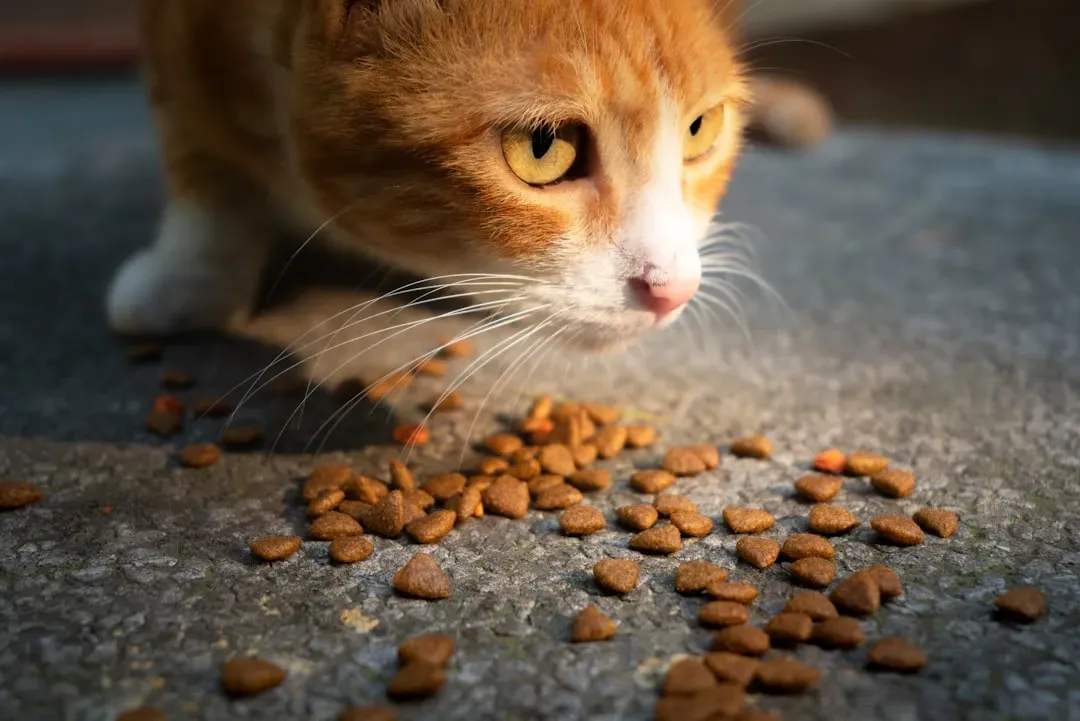
Your cat’s food evaluation process is more complex than you might imagine, and it goes far beyond what’s on the ingredient label. Cats usually eat small portions throughout the day mimicking a feeding rhythm pattern typical of their wild cat ancestors, who hunted small-sized prey. Cats choose their diets based on smell, taste, temperature, and texture up to the point of self-regulating consumption of certain kinds of foods to ensure an adequate intake of certain nutrients, hence balancing their diets themselves. Yes, your cat is essentially conducting a multi-sensory analysis every single time it approaches the food bowl.
Temperature is one of the most underappreciated factors in the whole equation. Food temperature influences acceptance by cats, and they do not readily accept food served at either temperature extreme, but prefer food near body temperature, around 38 degrees Celsius, as would be found with freshly killed prey. This explains so much. That food you pulled straight from the refrigerator? Your cat isn’t being dramatic when it walks away. It’s just obeying an ancient instinct that says, “cold prey is dead prey, and dead prey I didn’t just kill might be dangerous.”
Wild and free-roaming cats often require multiple kills per day to meet their energy requirements, and the prey is usually eaten immediately, which may explain their preference for food to be at body temperature. Warming your cat’s food by even a few degrees can dramatically improve its appeal, particularly for older or more sensitive cats. It’s a simple trick with a very ancient reason behind it.
The Monotony Effect: Why Your Cat Grows Tired of the Same Food
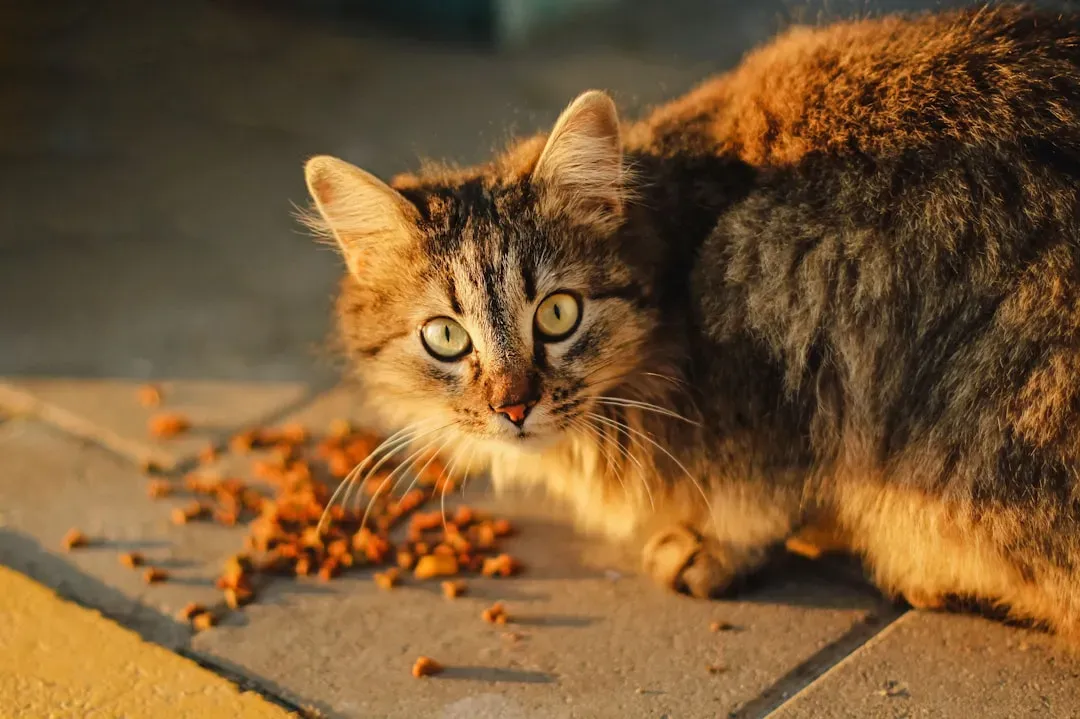
You finally find a food your cat loves. You stock up. You feel victorious. Then, a few weeks later, your cat sniffs the bowl, looks up at you with what can only be described as profound disappointment, and walks away. This has a name, and it’s not a conspiracy against you. Many cats show a growing aversion toward foods that have formed a large part of their diet in the past, sometimes referred to as the “novelty effect” but more accurately termed a “monotony effect,” because it is the perceived palatability of the repeated food that is mainly affected. This strategy should reduce the probability that an unbalanced diet is taken because no two foods with markedly different flavors should contain the same nutritional deficiencies.
The novelty effect or neophilia mostly occurs with cats that have been fed a single food or diet for a long time. These cats show a higher preference for a new diet when given a chance to select between the diet they used to eat and a new one. This response has been attributed to cats’ evolutionary habit towards consuming more than one food source to prevent any nutritional deficiencies. So the next time your cat rejects yesterday’s favorite, think of it less as stubbornness and more as ancestral nutritional wisdom. It’s genuinely trying to protect itself from imbalance. Grudging respect, right?
The Hunting Instinct That Still Shapes Every Meal
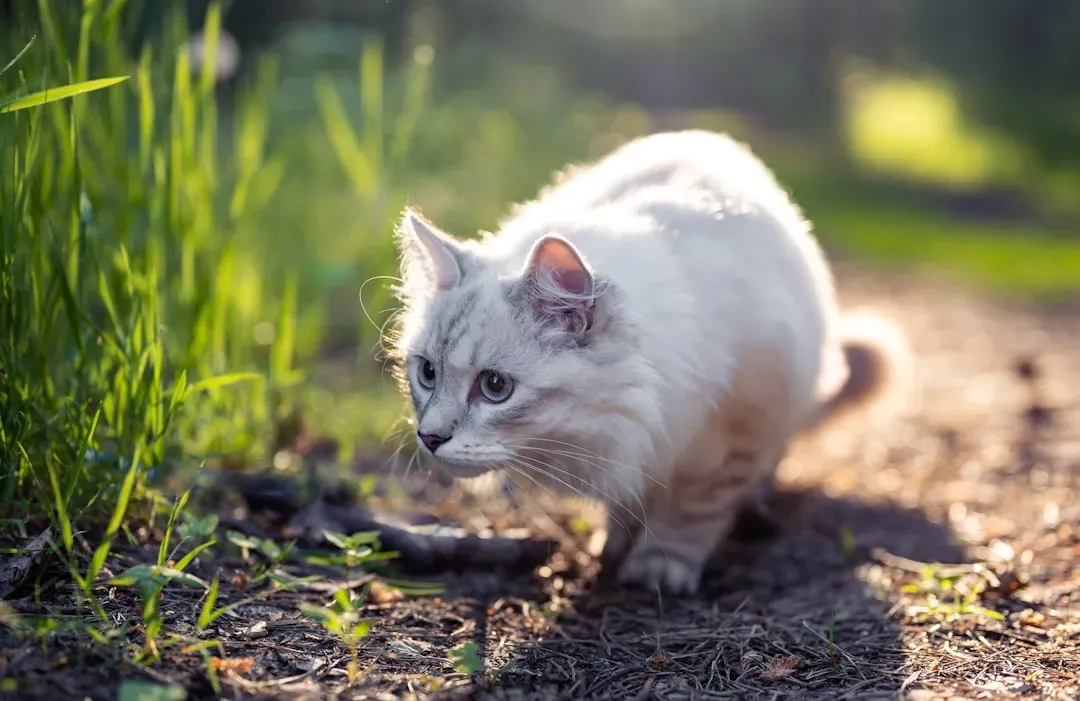
Here’s something worth sitting with: the cat curled up on your sofa is, biologically speaking, a precision hunting machine. Cats typically eat ten to twenty small meals throughout the day and night, and this eating pattern probably reflects the relationship between cats and their prey. Small rodents make up roughly forty percent or more of the feral domestic cat’s diet, with small rabbits, insects, frogs, and birds making up the remainder. That preference for small, frequent meals isn’t a quirk. It’s a behavioral echo of thousands of hunts.
Long canine teeth and shorter incisors and molars make cats very effective at hunting their prey and stripping meat from its bones. Cats can hunt prey that are smaller in size several times daily in the wild, with research showing that cats would kill roughly twelve small animals, mostly rodents, on average in order to meet their daily energy and nutrient requirements. The next time your cat pushes half its food around the bowl and then asks to be fed again two hours later, it’s not being manipulative. It’s running its ancestral feeding program.
Their natural instincts, including hunting, stalking, and preference to eat meat, demonstrate their deep evolutionary connection to a carnivorous diet. Domestication has changed their environment, but not their biological needs. Wrap your head around that contrast: living in an apartment, sleeping on memory foam, and still running wild predator software in their brains. That tension explains a lot about cat behavior at the food bowl.
How Domestication Shaped Your Cat’s Diet Without Changing Its Biology
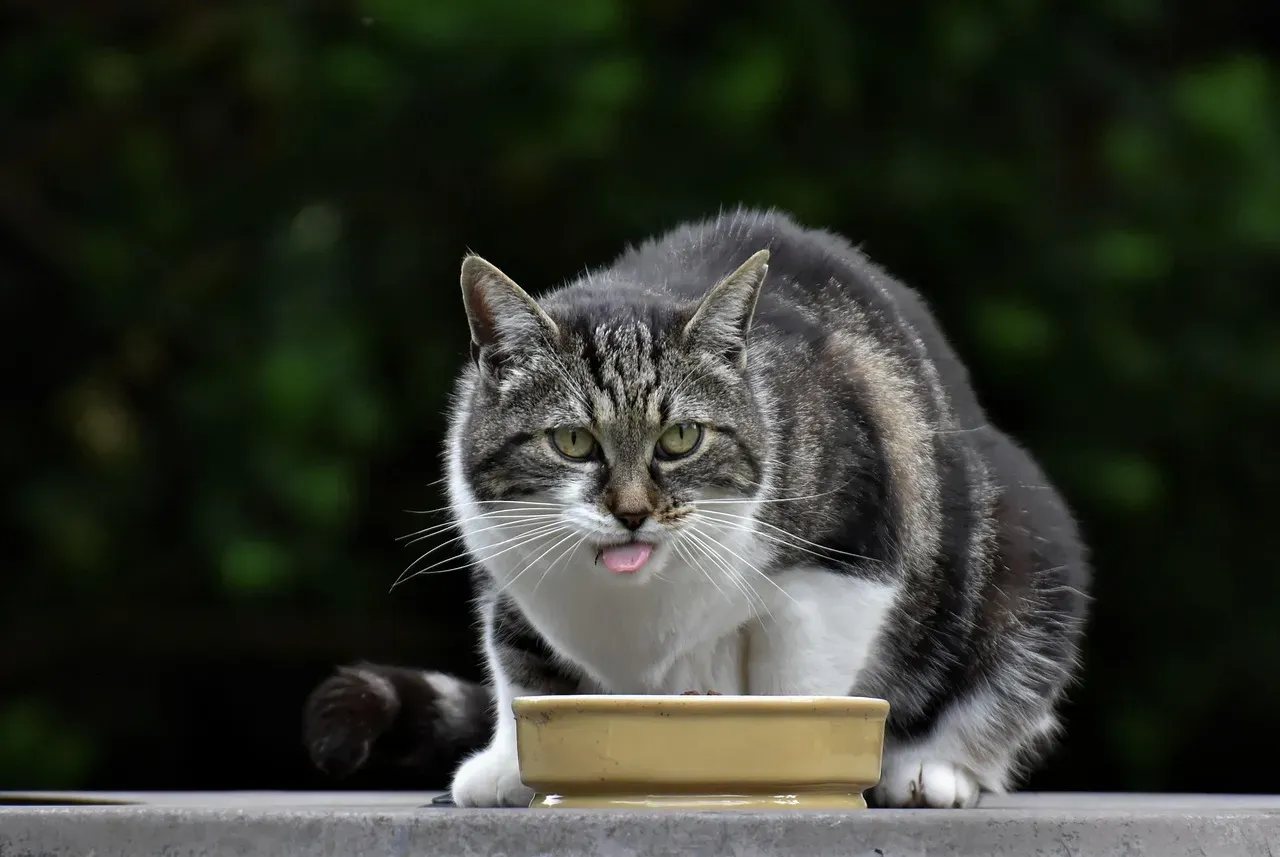
The story of how cats ended up in your home is itself a food story. Cats began their unique relationship with humans ten thousand to twelve thousand years ago in the Fertile Crescent. One key development was agriculture, and as people abandoned their nomadic lifestyle and settled permanently to farm the land, stored grain attracted rodents. Cats followed the rodents, and humans were more than happy to have a rodent problem solved for free.
The evolutionary split between wild and domestic cats is thought to have occurred approximately ten thousand years ago, when manmade stores of grain in the Near East induced the expansion of the house mouse. The species Felis silvestris lybica was presumably attracted by high concentrations of mice and other rodents and began to specialize in hunting around and within human settlements, ultimately becoming reproductively isolated from its wild counterparts. The arrangement was mutually beneficial from day one: cats got consistent prey, humans got pest control.
Unlike dogs, who have undergone many physical changes since domestication and evolved to survive on an omnivorous diet, cats haven’t changed much, and still require a high-protein diet. This is the crucial point. Domestication softened the cat’s social edges. It did absolutely nothing to its nutritional biology. The same creature that hunted mice in Neolithic grain stores is now evaluating the amino acid profile of whatever you’re putting in that ceramic bowl with the little fish printed on it.
Early Life Experiences: How Kittens Learn What to Love
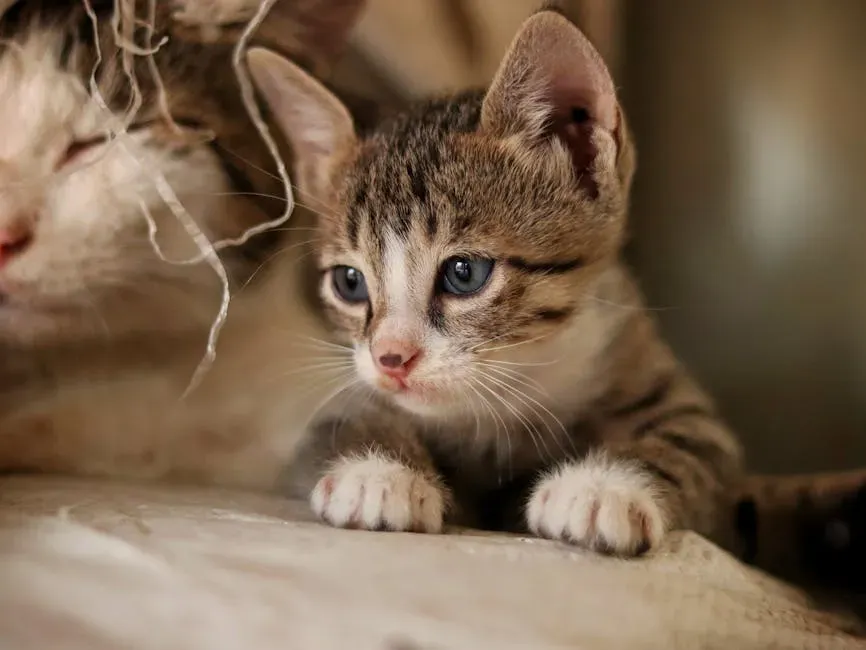
It’s hard to say for sure exactly when a cat’s food preferences “lock in,” but early life plays a massive role that most owners don’t fully appreciate. It is during early life that food selection is most plastic and easily modified, with kittens strongly influenced by the preferences of their mothers. This effect stems from the mother bringing food to the kitten, as well as her simply being present when a new food is introduced. It is also possible that maternal influence starts before weaning, with the transfer of flavors via amniotic fluid and milk. In other words, your cat’s taste preferences were being shaped before it even opened its eyes for the first time.
Food preferences of cats are also strongly influenced by the food preferences exhibited by their mothers and the foods they were exposed to during pregnancy and lactation. This is why cats raised on a varied diet from kittenhood tend to be more flexible eaters as adults, while cats fed a single food from an early age can become almost rigidly attached to that one flavor profile. It’s less about being spoiled and more about a very real neurological imprinting process.
Preferences are strongly shaped by experiences as kittens, with early exposure influencing food choices in later life. Cats become averse to long-term feeding of a single food, which may be a mechanism to avoid potential nutritional imbalances associated with monotonous consumption and reflects an inherent drive to seek variety. Let’s be real: if you want a cat with broad tastes, the work begins in the first weeks of its life, not at the pet food aisle three years later.
Conclusion
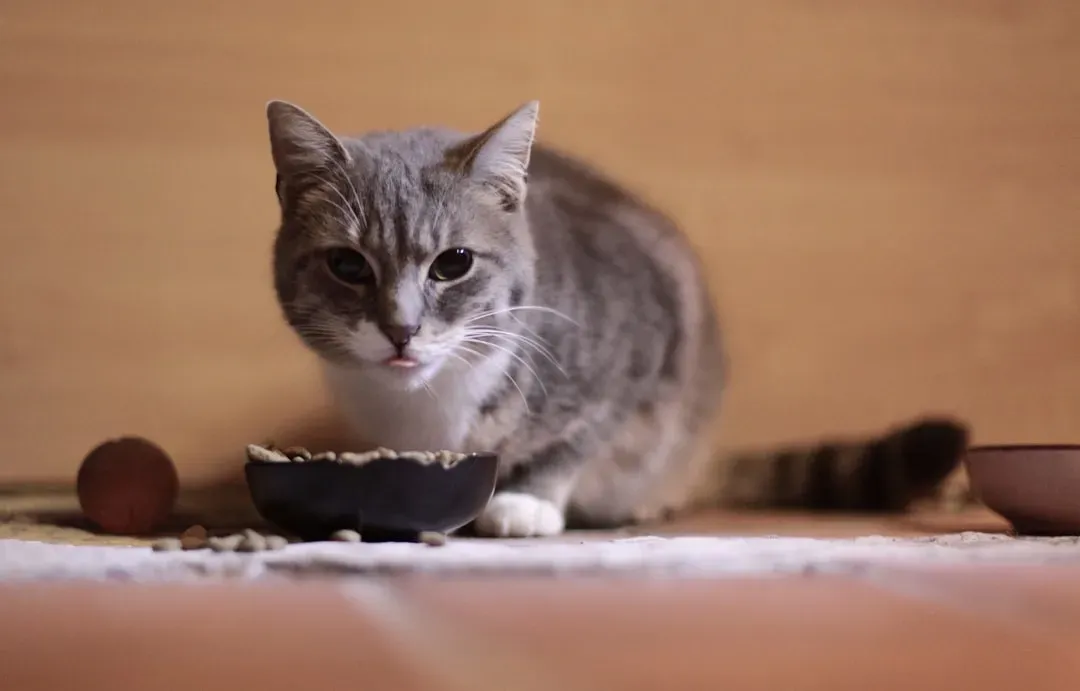
Your cat is not being difficult. It is not staging a culinary protest. It is not trying to manipulate you, although I’ll admit the evidence is sometimes suspicious. What your cat is actually doing is operating on an ancient biological operating system refined over tens of millions of years. Every food rejection, every preference for warmth and texture, every sudden aversion to last week’s favorite, these are echoes of evolutionary intelligence that kept the feline lineage thriving long before humans ever appeared on the scene.
Understanding this doesn’t just make you a more patient cat owner. It genuinely makes you a better one. Once you know that your cat craves umami-rich protein, prefers food at prey temperature, and is biologically wired to seek variety, you can start making choices that work with its biology rather than against it. The “picky eater” framing has always been about us, not them.
Next time your cat sniffs its bowl and looks at you with those luminous, evaluating eyes, maybe pause before the frustration sets in. You’re not looking at an indulged pet. You’re looking at a 29-million-year legacy of perfectly adapted carnivory, sitting in your kitchen, waiting for something that actually smells like prey. What would you have done differently if you’d known that from the start?