You’re sitting quietly on the couch when you notice your cat locked in an intense, unblinking stare – aimed at absolutely nothing. No fly. No shadow. No movement. Just a blank wall, a dark corner, or an invisible point hovering somewhere in the middle of the room. It’s one of those moments that genuinely makes you question whether your cat knows something you don’t.
Here’s the thing: that stare isn’t random. It’s not madness. It’s not some supernatural ability to perceive ghosts (probably). Your cat is actually tuned into a richly complex world of sounds, light, smells, and sensory signals that exist completely beyond your own perception. What looks like nothing to you is often a very full picture to them. So let’s get into it – because the real answer is far more fascinating than any ghost story.
Your Cat’s Eyes Are Built for a Completely Different World
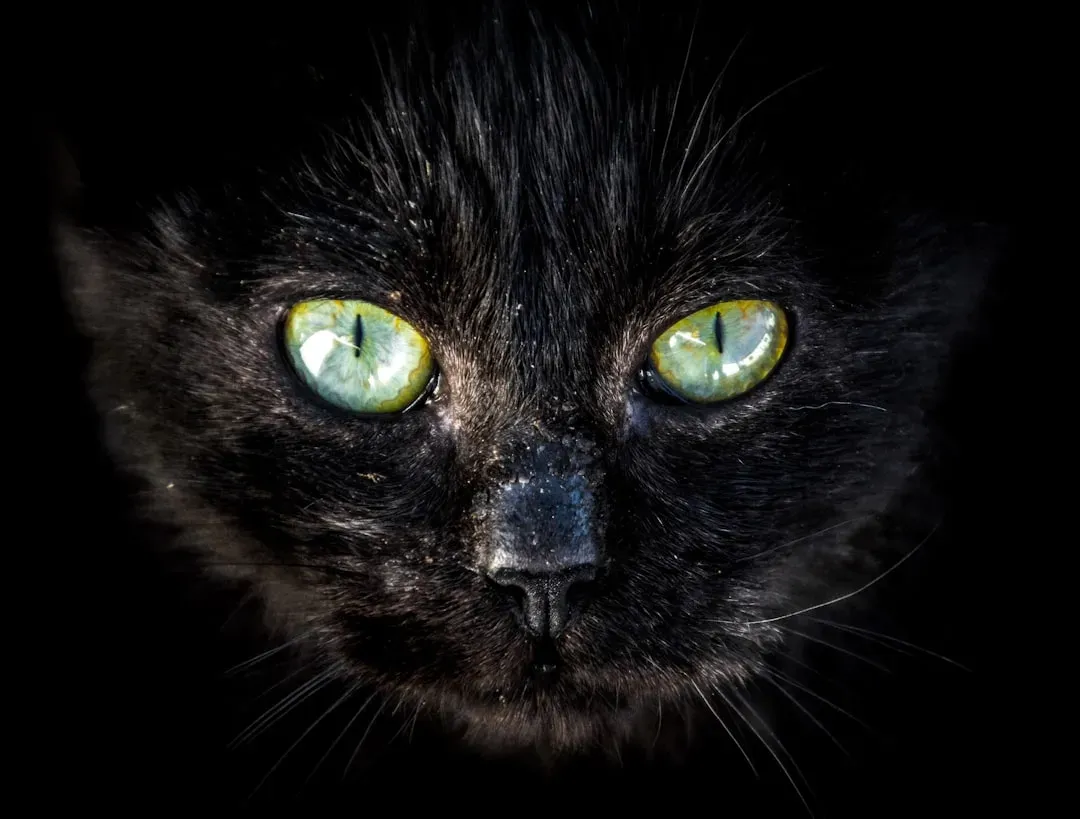
Before you can understand what your cat is actually staring at, you need to understand how radically different their vision is from yours. At the back of the eye sits the retina, and that’s where the most significant differences lie. Retinas in both cats and humans contain photoreceptors called rods and cones. Cats appear to have three types of color cones, but their color vision is not as rich as ours, and they’re suspected to see colors in a way similar to a colorblind person. On the other hand, cats have many more rods than humans, giving them excellent night vision.
What that means in practical terms is wild. Cats have six to eight times more rod cells and only need one-sixth of the amount of light that humans do, allowing them to see much better in dim lighting and at night. Experts theorize this is because cats are crepuscular mammals, most active at dawn and dusk when light is low, and having this ability allows them to see and hunt their prey more easily in dim conditions. So when your cat is staring into a darkened hallway at two in the morning, they may genuinely be watching something move. Something you’d never spot in a million years.
The Tapetum Lucidum: The Secret Behind That Eerie Eye Glow
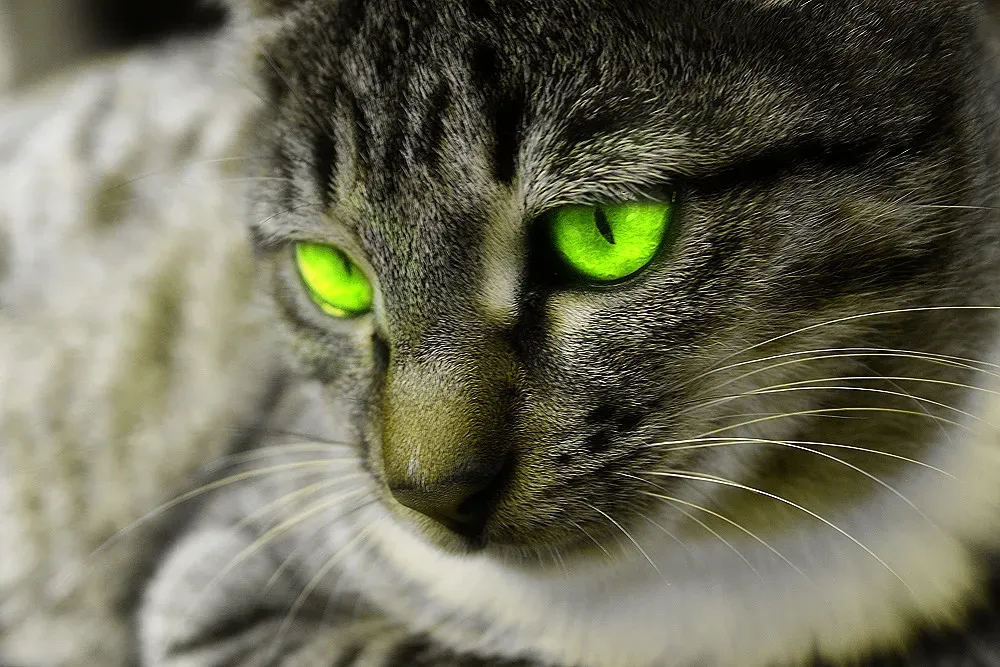
You know that unsettling glowing-eye effect your cat gets in photos? That’s not just a camera quirk. Cats have a structure known as the tapetum lucidum, a reflective layer that sits behind the retina and works like a mirror, reflecting light back to the retina. This enables them to get the most out of available light, which boosts their night vision. Think of it like having a built-in second chance at catching every photon of light that enters the eye.
The tapetum lucidum is a reflective membrane stationed right behind the retina. If some light does not reach the retina, the membrane acts as a mirror and bounces that light back towards the retina, giving the rods a second chance to absorb it and improve a cat’s vision in dim lighting. Honestly, it’s a piece of biological engineering that we humans simply don’t have. No wonder your cat can navigate the pitch-black living room at full sprint without knocking a single thing over.
Ultraviolet Light: They See What You Simply Cannot
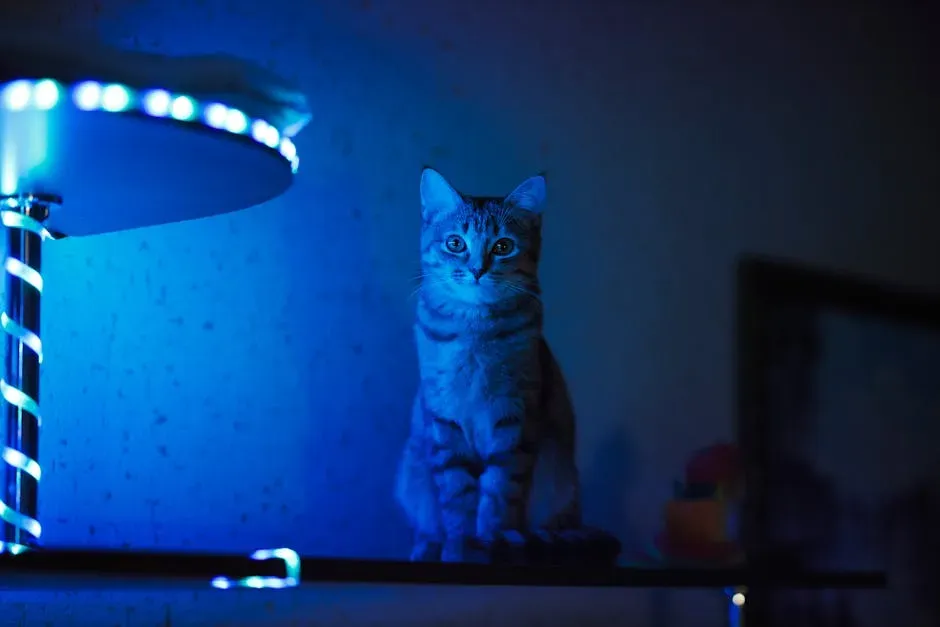
Here is where things get genuinely mind-bending. A 2014 study found that cats, along with dogs, are capable of detecting ultraviolet light, meaning they can see not only when light is dim but also reflections and glints of light that humans cannot see. That blank patch of wall your cat keeps staring at? It might be lit up in UV in a way you’ll never experience firsthand.
With their sharp eyesight, which some believe can process UV light, cats have several ways of sensing stimuli that pass right under our noses. When cats stare intensely at nothing, their keen senses may reveal something as minor as an insect, a leaky pipe in the wall, or a flash of light. It’s a bit like wearing thermal-imaging goggles at all times. The world your cat sees is genuinely layered with information that your eyes are simply not wired to detect.
Motion Detection: Wired to Notice What Barely Moves
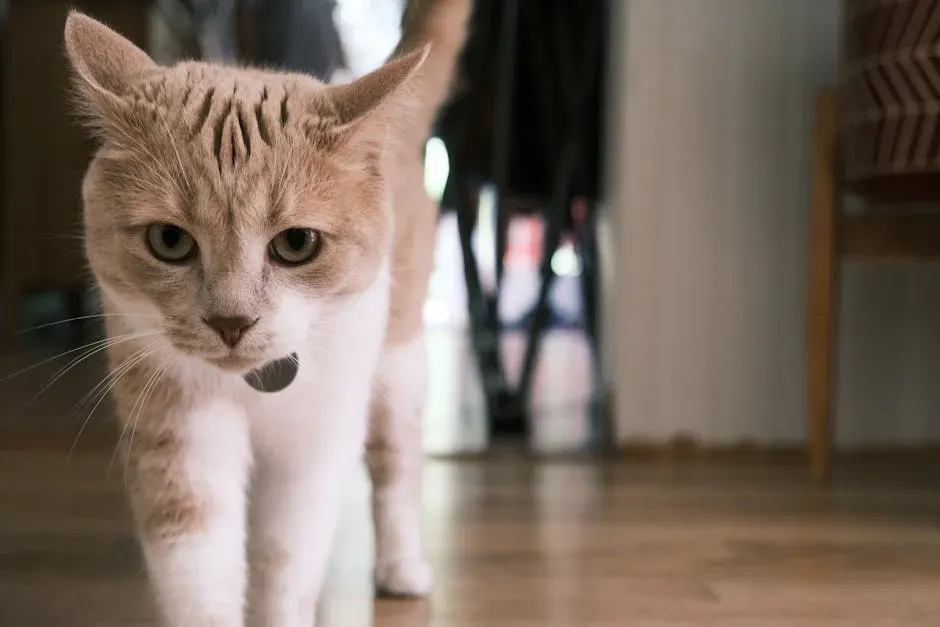
Your cat’s visual system is absolutely tuned for motion. Movement is a big deal in cat behavior. Cats are motion-sensitive champions, spotting even the smallest twitch. That’s how they can detect an insect across the room or chase shadows that barely exist. This isn’t an accident. It’s millions of years of predatory evolution, compressed into two spectacular eyes.
Cats are ambush predators and don’t immediately charge after their target. When they detect something that might be prey, they wait and see before chasing. Then once they do chase and it disappears, they wait it out, because mice silently flash by and cats have evolved to register subtle movements and patiently track that spot when the rodent inevitably ventures out. So your cat’s frozen, laser-focused stare isn’t spacing out. It’s tactical patience. It’s hunting mode, running quietly in the background of an indoor life.
Superhuman Hearing: The Sound You Never Heard
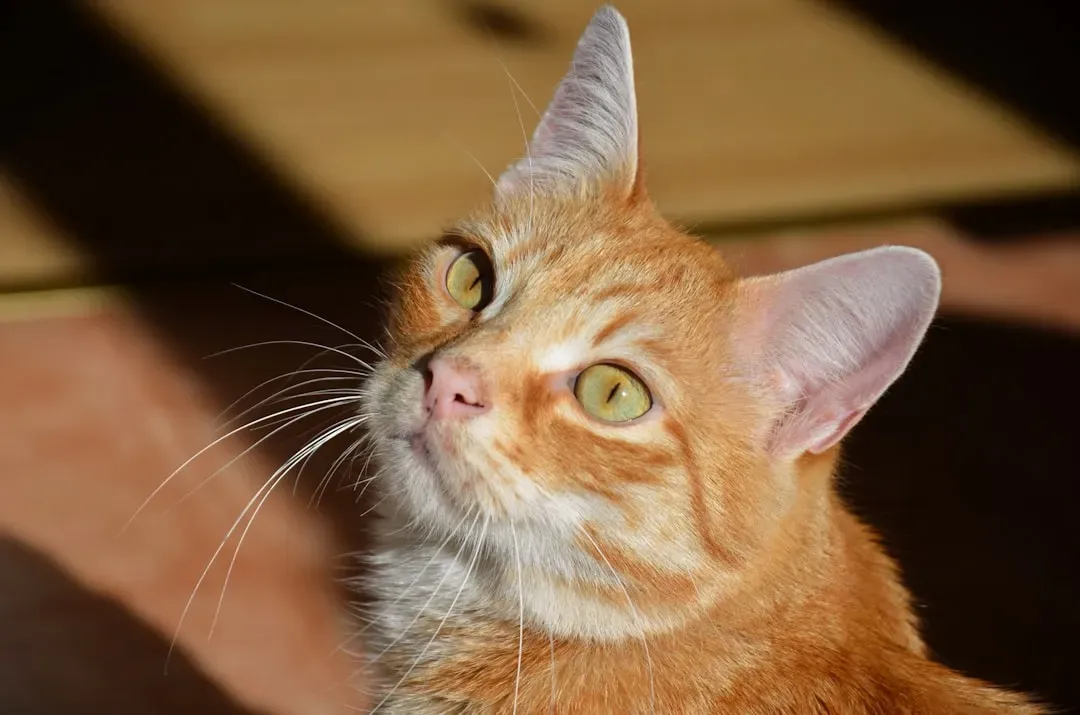
Honestly, a lot of the “staring at nothing” mystery dissolves the second you understand just how extraordinary a cat’s hearing is. Cats can hear sounds from about 48 Hz to 85 kHz, far beyond what humans (20 Hz to 20 kHz) or dogs (60 Hz to 45 kHz) can hear. This super-sensitive hearing is useful for hunting small animals like rodents, which make high-pitched noises that humans and other predators cannot hear. Cats’ ears are also very mobile, able to rotate up to 180 degrees, helping them figure out exactly where a sound is coming from.
Cats can detect high-frequency sounds well beyond the human range. Pipes expanding inside walls, rodents behind baseboards, and HVAC systems all produce sounds your cat hears clearly. When your cat stares at a wall, what holds their attention is often what they hear. It’s a bit like living next to a concert hall with paper-thin walls – except your cat is the only one who hears the music. If you catch your cat looking intently in a random direction, watch their ear pinnae. As they stare, their ears will orient in the direction of their gaze to help localize the sound source, telling you they heard something you didn’t.
The Predator Within: Hunting Instincts in a Living Room
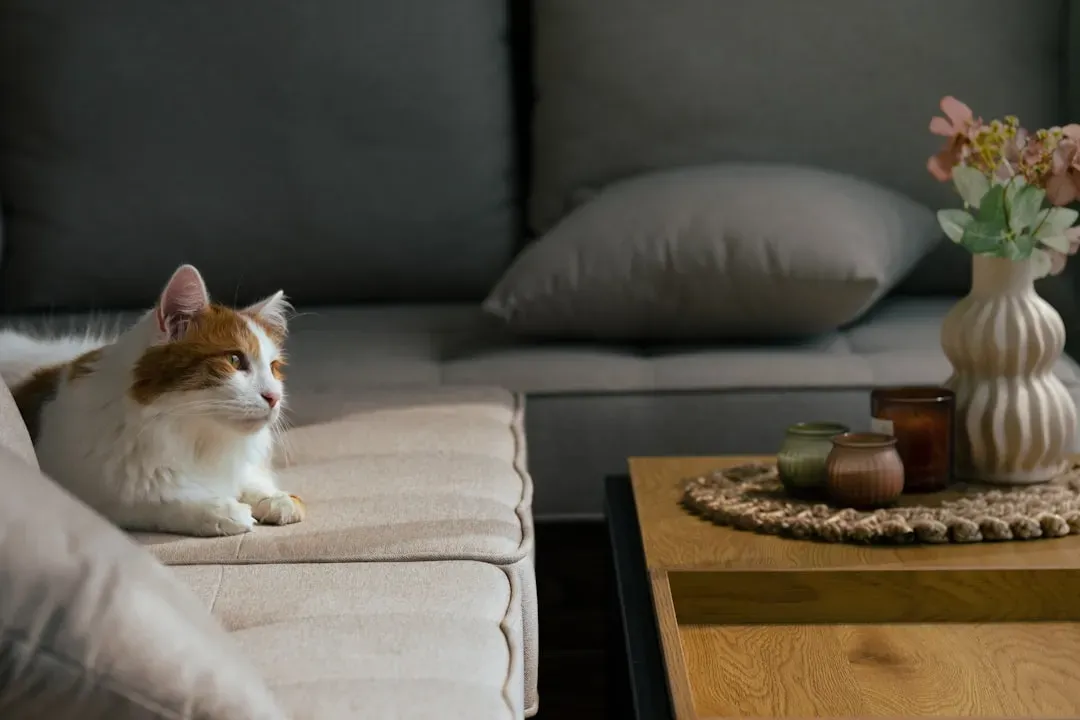
Let’s be real about something most people forget: your domesticated, couch-loving, treat-obsessed cat is still a hunter at their core. Not all hunting happens in the yard. Your cat may be hunting in the comfort of your living room. If you’ve ever watched a cat hunt, you’ll notice that they watch their prey before getting into the tell-tale pounce pose, doing this to ensure the timing is right for success. Your cat may be watching a spider walk along a wall and determining the best time to pounce.
Cats are prone to staring at what seems like nothing, and it’s rarely cause for concern. They’re simply engaging their drive for predation or self-preservation, noticing an odd noise and orienting towards it to determine if they should pursue, retreat, or do nothing. Think of it as a background app running constantly. Even in the softest, safest home environment, the hunting software never fully switches off. It just runs quietly, waiting for input.
Scent Trails and Invisible Chemical Messages
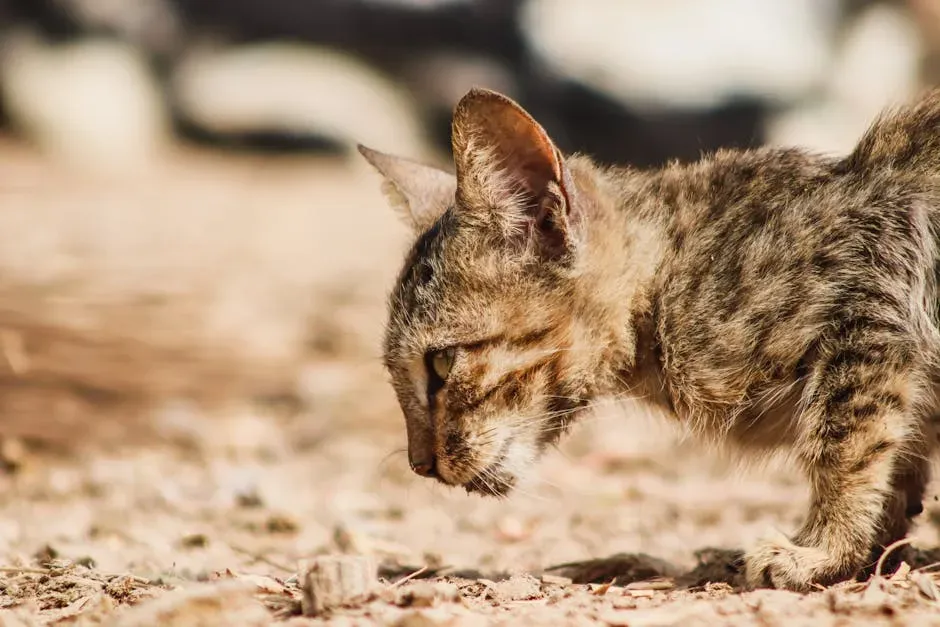
Here’s something most people overlook entirely: smell. Cats rely heavily on scent. A wall near a doorway might carry residual pheromones from your cat, another pet, or wildlife outside. Staring is often part of processing these invisible scent messages. It’s not just what the cat sees or hears. It’s what they smell – and you cannot smell it at all.
Imagine if every wall in your home was covered in post-it notes written in a language only you could read. That’s essentially what a cat experiences through scent. Hollow walls carry distant sounds, and LED lighting can produce flicker invisible to humans but noticeable to cats. So when your cat looks utterly transfixed by a particular corner, they may be reading a multilayered sensory story you don’t even know exists. It’s worth a small moment of humility when you watch them do it.
Feline Hyperesthesia Syndrome: When Staring Becomes a Warning Sign
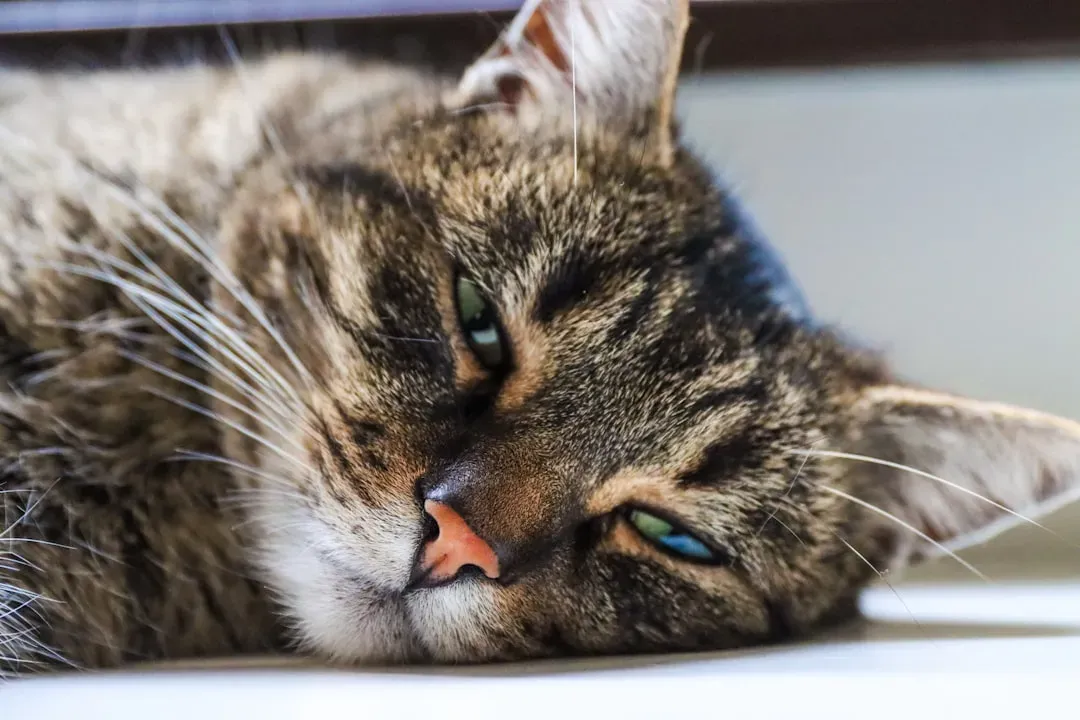
Not all unusual staring behavior is benign curiosity. There is a condition called feline hyperesthesia syndrome that sometimes involves what looks like hallucination-style staring. Feline hyperesthesia syndrome, also called rolling skin disease and twitchy cat syndrome, generally involves muscle contractions that a cat can’t control, along with changes in their behavior. It’s more than just staring. It’s a neurological-level event.
Clinical signs include aggression towards people and animals, self-aggression, dilated pupils, salivation, vocalizations, excessive grooming particularly of the lumbar region, tail chasing, frantic running and jumping, and a rippling or rolling of the skin in the dorsal lumbar area. Additionally, hallucinations and behavior similar to heat have been observed. Clinical signs will generally present themselves in brief episodes of one to two minutes. If your cat stares intensely, then suddenly bolts, attacks their tail, or shows skin rippling, that’s not a quirky personality trait. That’s something a vet needs to evaluate.
Cognitive Decline in Senior Cats: A Different Kind of Stare
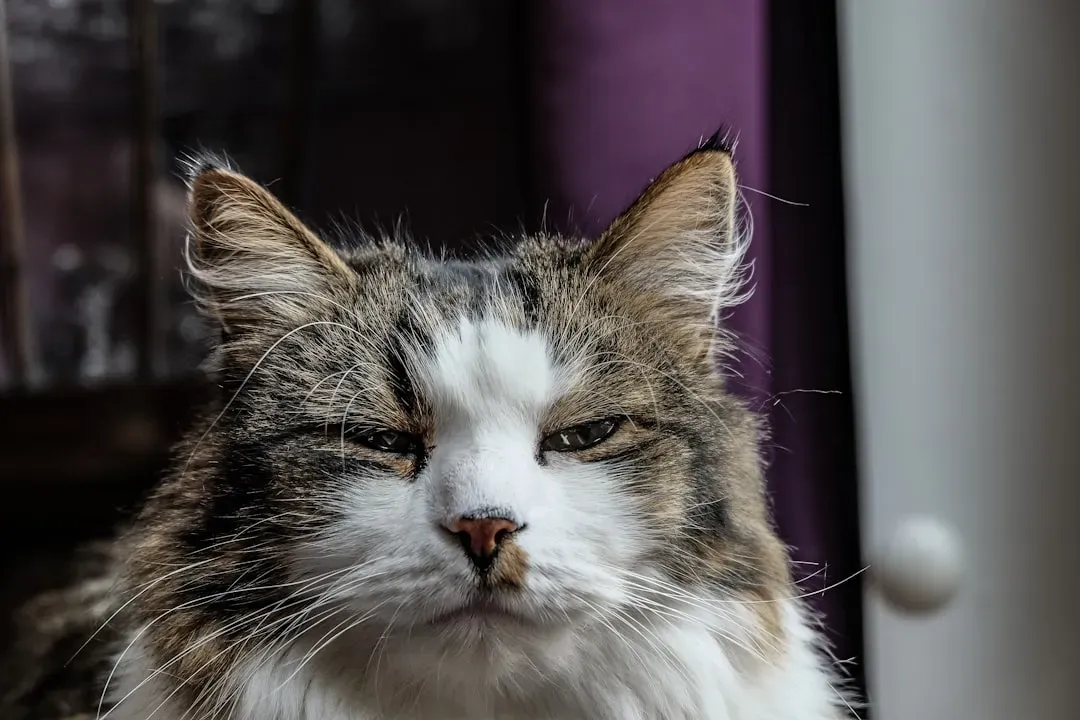
There’s an important distinction between a young alert cat staring at an insect and an older cat staring blankly with a kind of hollow, unfocused look. Older cats can develop feline cognitive dysfunction, similar to dementia in humans. Symptoms include disoriented staring, pacing, and changes in sleep patterns. If your senior cat stares more often and seems confused, a vet visit is warranted.
Cognitive dysfunction is a common occurrence as cats age. Most cats experience some form of cognitive decline over the age of eleven, with memory, awareness, learning ability, and sensory perception potentially failing gradually. As cats experience confusion that comes with mental decline, they may stare blankly at walls or off into space, often showing additional signs. It’s a harder thing to accept than a spider hunt. If you notice this kind of change in your older companion, the kindest thing you can do is take it seriously and seek veterinary guidance sooner rather than later.
When to Worry and When to Simply Watch in Wonder
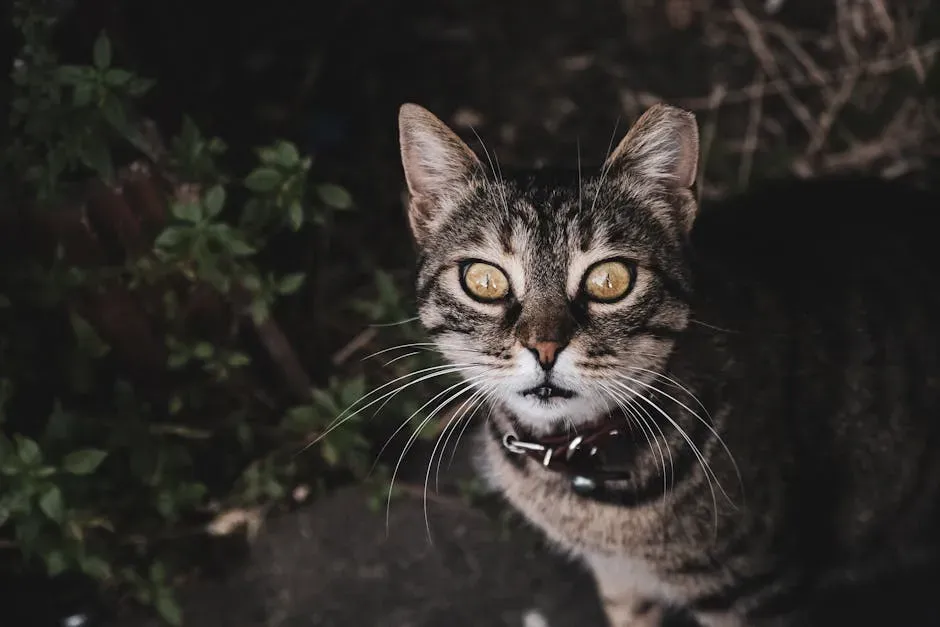
Most of the time, your cat’s mysterious staring is completely harmless. A cat staring into space is usually processing sensory input from sounds, light shifts, or scent trails. In senior cats, frequent unfocused staring may indicate cognitive decline worth discussing with a vet. The key is knowing the difference between active, curious staring and blank, confused staring.
If your cat obsesses over these fixations to the point that it disrupts their typical healthy behavior, that’s a cause for concern. While some stimuli are good, too much can create unhealthy stress. If they’re fixating on spots so much that they’re not resting, playing, grooming, or socializing as usual, that’s a signal to investigate with a vet. Think of it like this: a cat staring at a corner for thirty seconds is curious. A cat staring at the same spot every single night for hours, unable to eat or rest properly, is asking for help in the only language available to them.
Conclusion: Your Cat Is Not Seeing Nothing
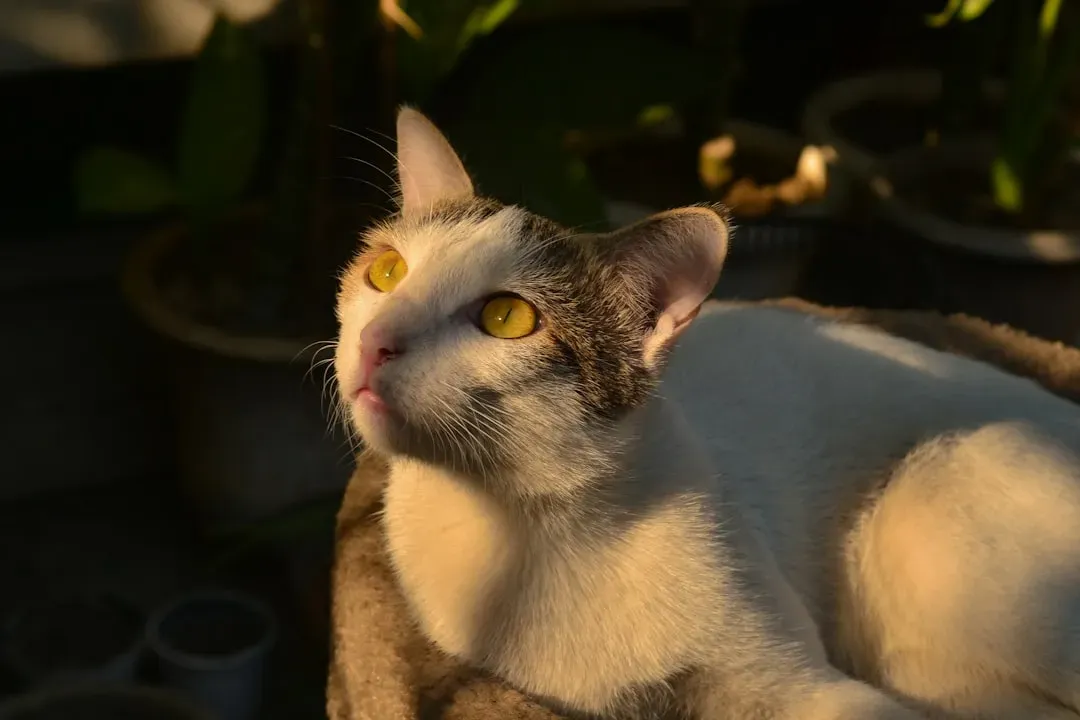
Here’s the big takeaway from all of this. Your cat is not broken, not haunted, and not losing their mind when they stare into empty space. They are living in a fully populated sensory world that simply runs on different hardware than yours. While we might think they’re staring at nothing, we likely aren’t appreciating the minute disturbances that put them on the alert.
The UV light bouncing off the floorboards, the ultrasonic squeak behind the baseboard, the pheromone trail left by a neighborhood cat under the front door – all of it is vivid and immediate to your cat. Understanding cat vision helps explain odd quirks like staring into space, chasing invisible things, or ignoring stationary toys. What looks random to you makes perfect sense in their world of movement and shadow. So next time you catch those eyes locked on a patch of air, don’t reach for a ghost story. Reach for a little awe instead – because your cat is experiencing a version of this world that you, quite simply, will never fully see.
What does your cat stare at most often? Drop it in the comments – you might be surprised what others have noticed too.