Cats have this uncanny ability to make you feel like the most incompetent creature on the planet without ever saying a single word. One long, slow blink from across the room. A flick of the tail. A deliberate turn of the back just as you reach out for a cuddle. Sound familiar?
Here’s the thing – your cat is watching you far more closely than you think. Cats pay more attention to their owners than we generally give them credit for. They are not passive roommates silently tolerating your existence. They are tiny, highly opinionated observers filing away every single thing you do. Whether it’s your chaotic morning routine, the way you smell when you walk through the door, or how you handle their sacred feeding schedule, your cat has opinions. Strong ones.
So let’s dive into the 10 things your cat is likely side-eyeing you for – and more importantly, what you can actually do to win back their grudging approval.
1. Your Unpredictable Schedule (The Feeding Time Fiasco)
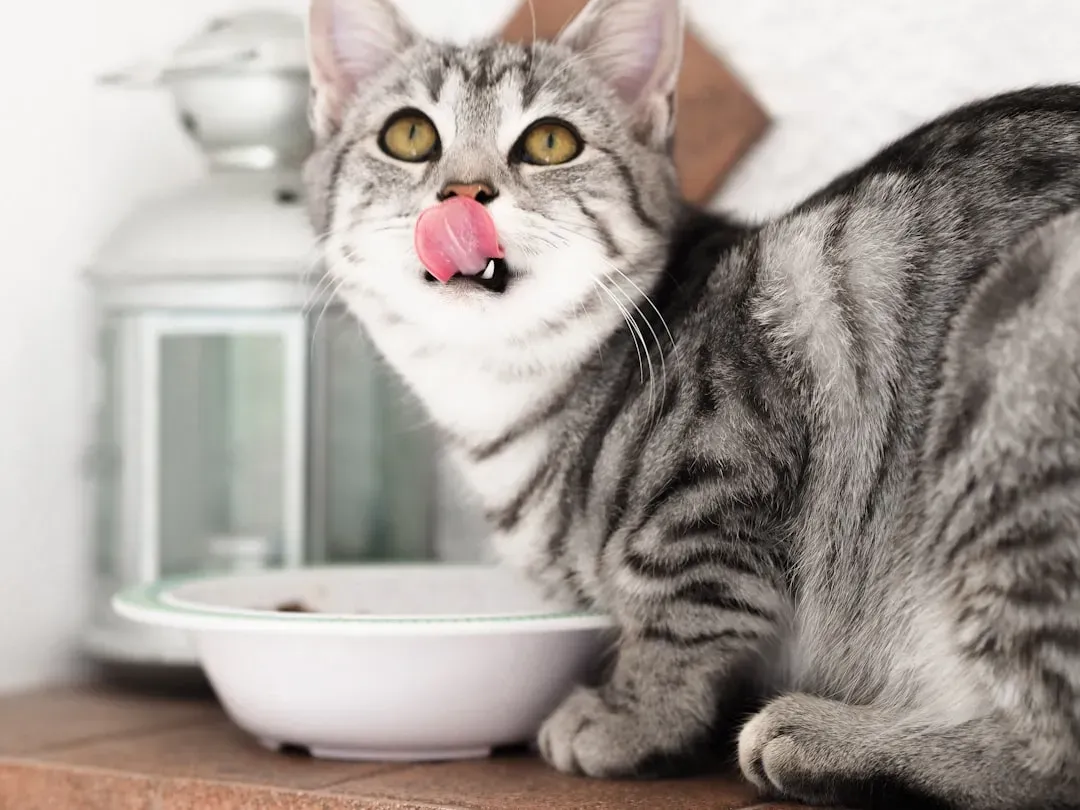
Let’s be real – if your cat could talk, the number one complaint on their list would probably be about food. Not whether it tastes good. About when it arrives. Cats learn specifically how their owners react when they make particular noises, and if a cat thinks it wants to get its owner from the other room, vocalizing is how it makes that happen. Translation? Your cat has already reverse-engineered you.
Cats thrive on consistency, and predictable feeding times, play sessions, and calm evening routines help them feel grounded and secure. Skipping meals or feeding at random times doesn’t just make your cat hungry – it causes real anxiety. Try scheduled feeding windows and you’ll notice a much calmer, more trusting companion looking back at you from that food bowl.
2. Staring at Them Like a Predator
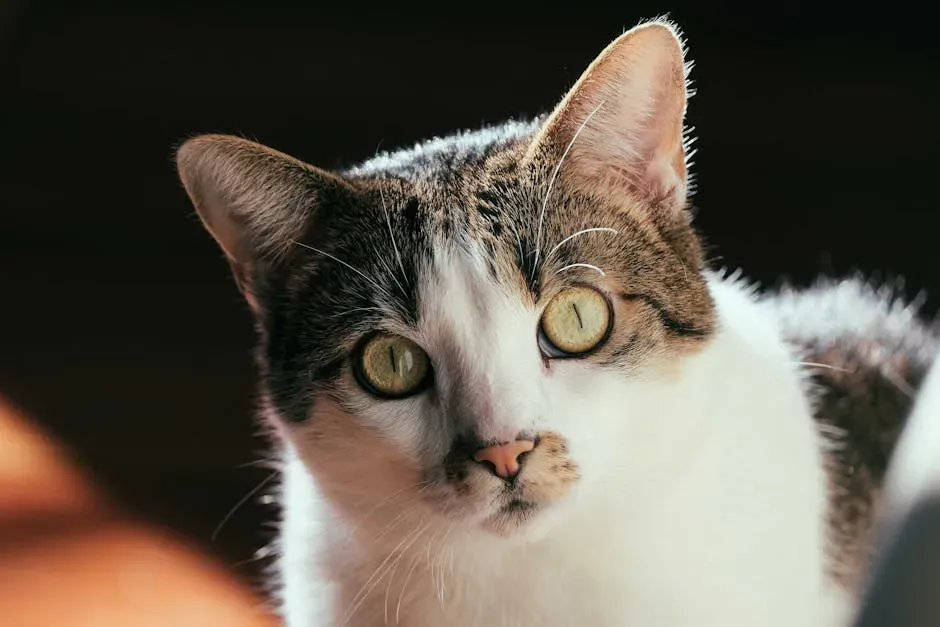
You think you’re gazing at your cat lovingly. Your cat thinks you’re about to attack them. Honestly, from their perspective, they’re not wrong to be suspicious. Cats use their eyes to communicate, and they tend to interpret direct staring as a threat – you’ll often find they favour humans who seem to ignore them. A prolonged, unbroken stare is basically a challenge in the feline world.
The fix is surprisingly simple and a little poetic. Try breaking a gaze with your cat until they feel comfortable enough to do the same, and also try exchanging what you might call “smiles” by slowly closing your eyes and opening them again until they reciprocate. This slow blink is essentially your cat’s version of saying “I trust you.” Return it. It matters more than you know.
3. Forcing Affection on Your Terms
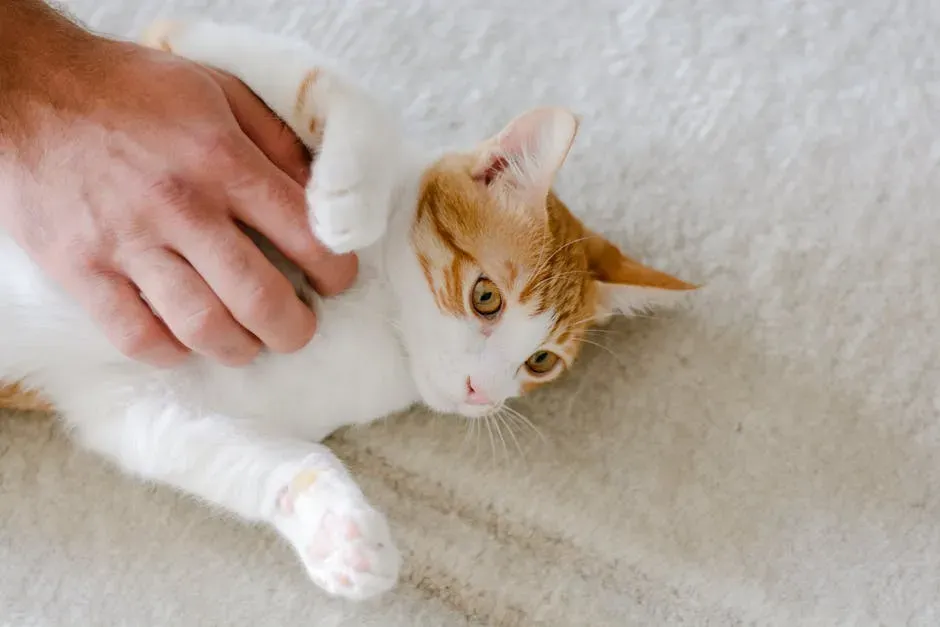
There is possibly nothing your cat judges more harshly than being scooped up for a cuddle they did not request. I know, I know – they’re so soft and you just need to hold something warm. But from your cat’s point of view, this is a full-blown invasion of personal sovereignty. Cats are naturally mesopredators, meaning they can be both predators and prey, so excessive attention from humans can feel overwhelming and stressful to them.
Many cats love physical affection, but the key is letting them initiate contact. Think of it like this: imagine someone randomly grabbing you for a hug every time you walked past them. Flattering? Maybe once. Exhausting? Absolutely. If your cat signals they want you to back off – through tail thrashing, biting, or leaning away – don’t force the interaction, because respecting their space will strengthen their trust in you and protect your bond.
4. A Dirty Litter Box
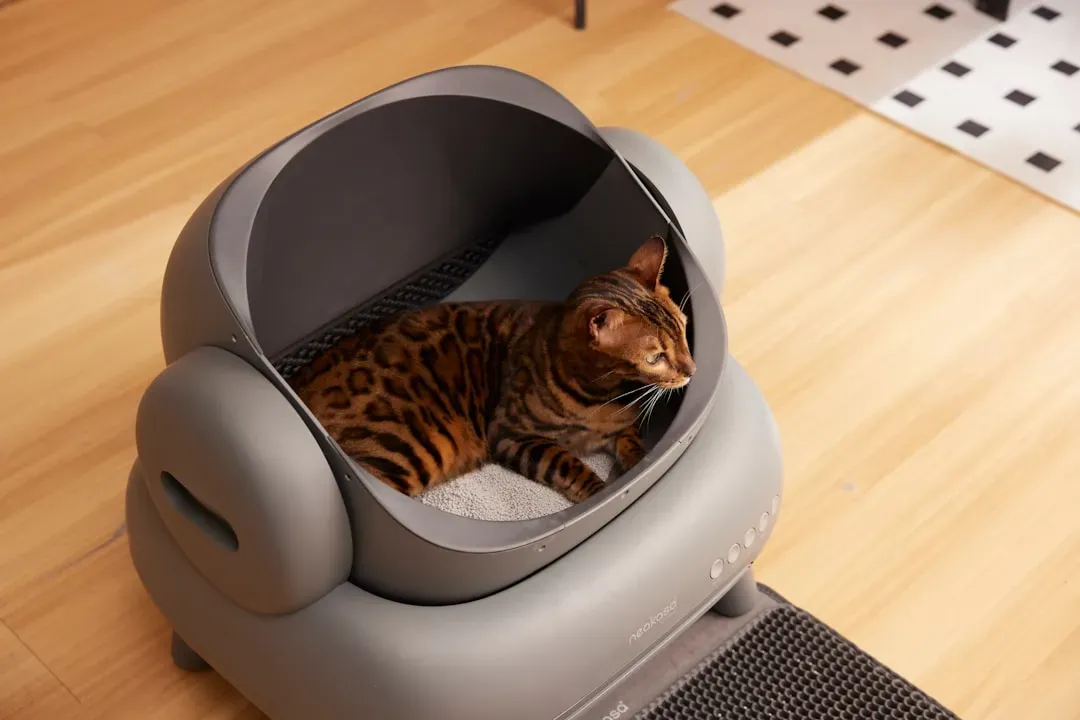
If there is one thing that makes a cat look at you with genuine, soul-deep disappointment, it’s a litter box that hasn’t been cleaned. Cats are fastidiously clean animals. Studies have shown that cats provide physiological and psychological benefits to their owners, and part of what makes cats such effective companions is their strong instinct for hygiene. So when you let their most private space get messy, it’s a personal offense.
Urinating outside the litter box is a frustrating behavior, and cats may do this due to stress or a dislike for their litter box – so it helps to ensure your cat has a clean litter box and to provide multiple boxes in different locations to address stressors. Think of it this way: you wouldn’t want to use a bathroom that never gets cleaned. Neither does your cat. Scoop daily. It costs you two minutes. It earns you enormous goodwill.
5. Ignoring Their Body Language Completely
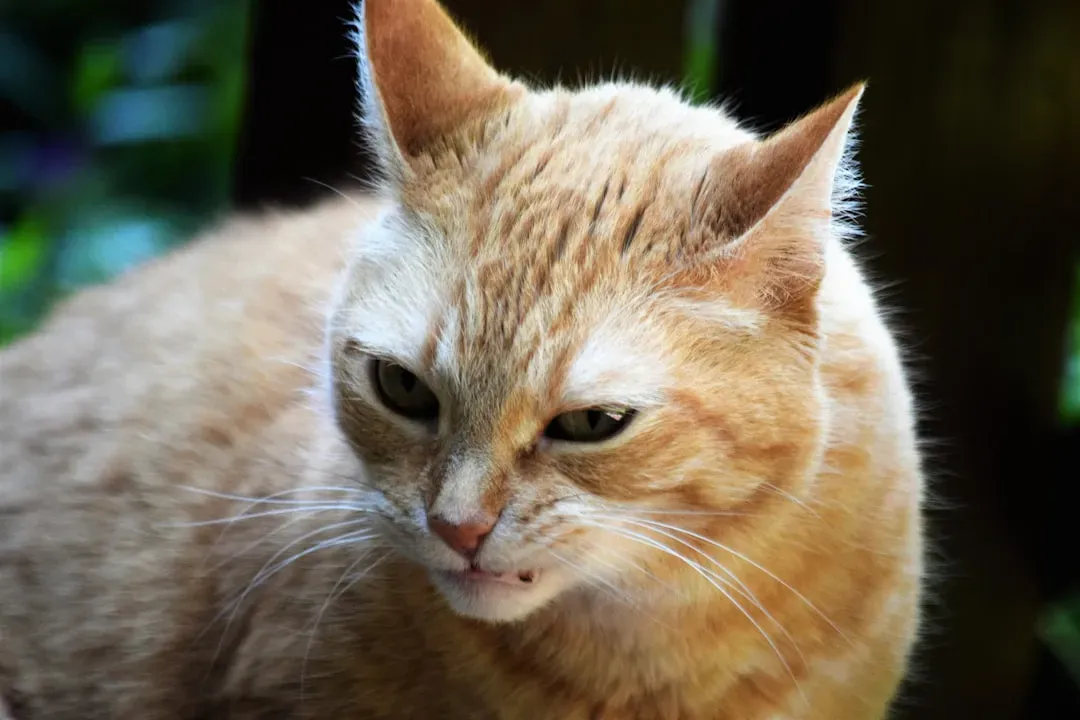
Your cat is talking to you constantly. You’re just not listening. A slow tail flick means something different from a fast one. Flattened ears are not the same as forward-facing ears. Cats communicate through eye contact, tail flicks, and subtle vocalizations – and a slow blink often means “I trust you.” When you miss these signals repeatedly, your cat starts filing you under “unpredictable and not worth approaching.”
Cats rated as behaving less predictably were significantly more often rated high on aggressiveness toward their owners, and if an owner is not good at identifying a cat’s emotional or motivational state, they are predicted to experience more bites and scratches during interactions. Harsh but fair, honestly. Look for signs of comfort like slow blinking, kneading, purring, or choosing to sit near you – and on the other hand, tail swishing, pinned ears, or a tense body signal discomfort and a need for space.
6. Your Chaotic Emotional Energy
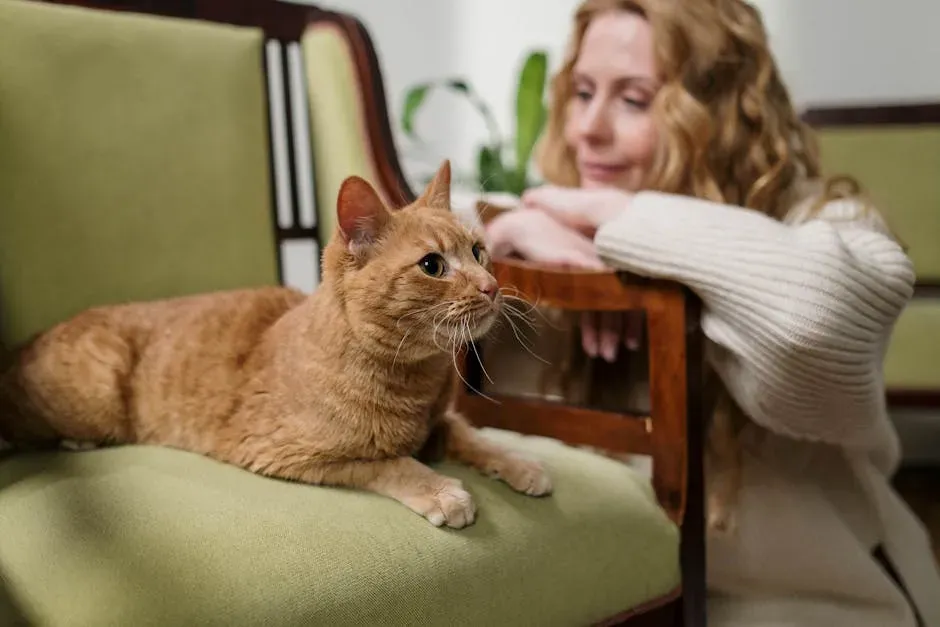
Here’s something that might surprise you: your cat absolutely picks up on your emotional state. Cats notice your moods and often gravitate toward calm, predictable humans, even curling up with people who are sad – not because they’re feline empaths, but because sadness usually comes with stillness, quiet voices, and fewer sudden movements, all of which are highly rated features in a cat’s world.
Cats, merely through their presence and behavior, can affect human moods, and human mood differences have been shown in turn to affect the behavior of cats. It’s a two-way emotional street. An owner’s neuroticism predicts negative health and behavioral outcomes in their cat, and neurotic cat owners may be overprotective, authoritarian, or unpredictable in ways their cats register and react to. Take a breath. Your cat will literally thank you for it.
7. Not Playing With Them Enough
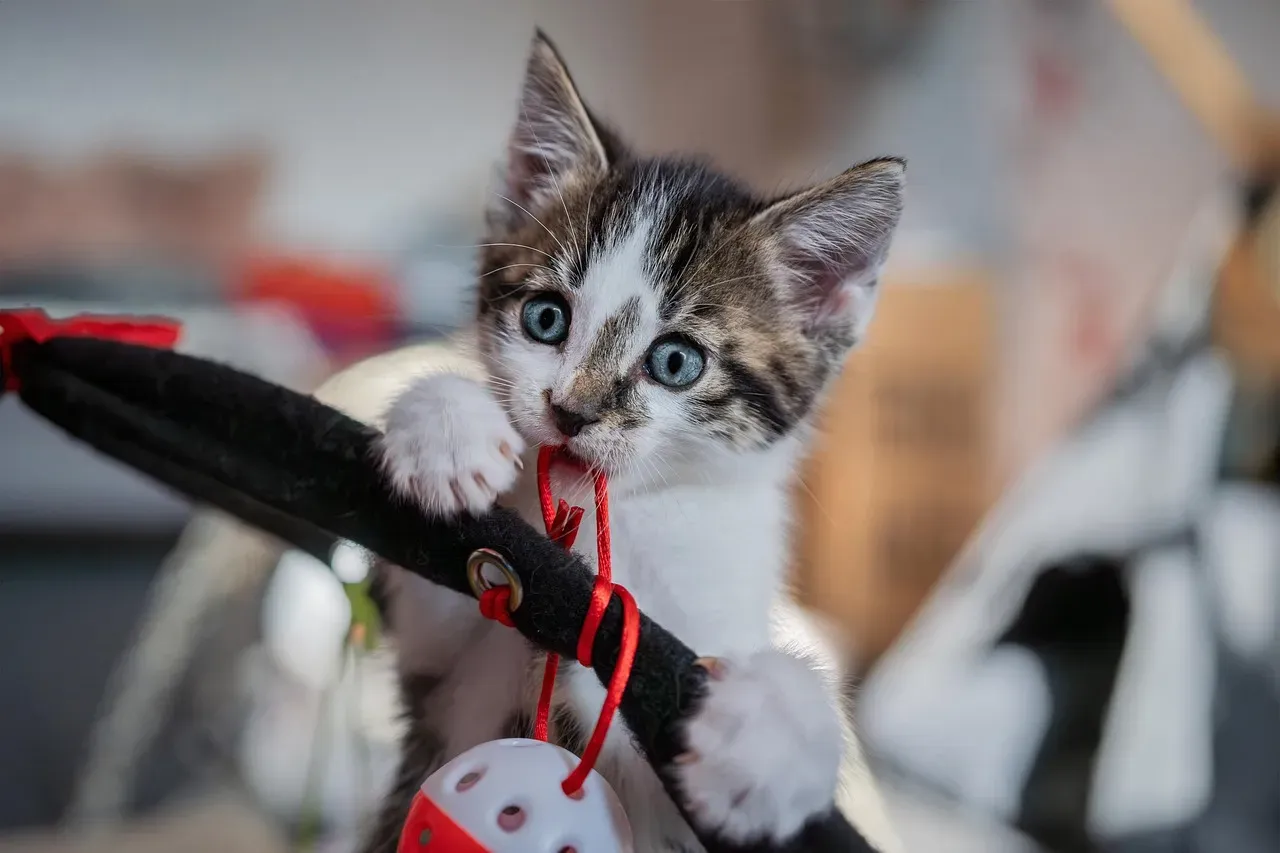
That expensive toy you bought three months ago and shoved under the sofa after two days? Your cat noticed. Play is not optional for cats – it is biologically essential. Play is one of the most effective ways to bond with your cat, as it channels natural hunting instincts, provides beneficial mental stimulation, and helps release excess energy that can build up indoors.
Spending time playing with your cat on a regular basis can really improve your bond, and the more you play with them, the more they’ll associate fun and excitement with you and look forward to time together – so aim for a few short play sessions each day, choosing toys that mimic the hunting experience, like cat teasers and wand toys. Think of yourself as your cat’s personal hunting coach. Show up for practice every day. Rotate the toys frequently so your cat doesn’t become bored. That part is important too.
8. Making Their Environment Boring
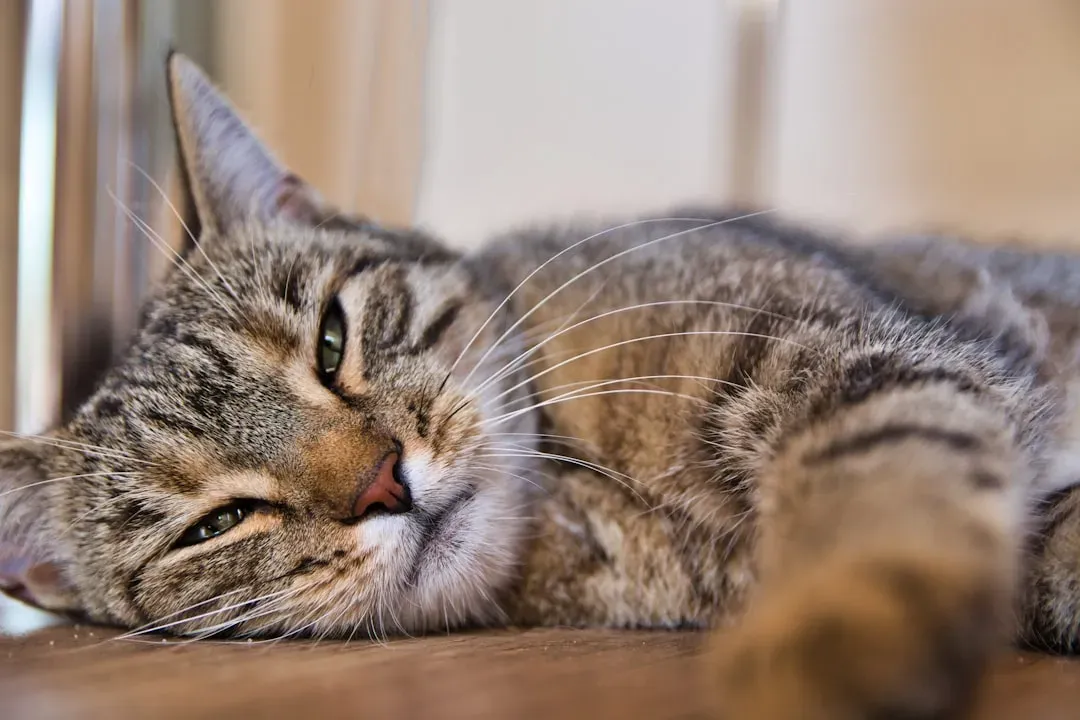
A cat left to stare at four blank walls all day is a cat plotting revenge on your furniture. Destructive tendencies in cats aren’t always due to the owner’s personality – in fact, both fierceness and destructiveness often suggest there isn’t enough mental stimulation for the pet. Your cat isn’t scratching your couch out of malice. They’re doing it because they have nowhere better to put their energy.
Creating enrichment opportunities through window perches, interactive toys, and climbing spaces makes your cat’s world more exciting. Honestly, think of your home from your cat’s perspective. Is it a landscape worth exploring? Cats are curious by nature, and introducing new experiences can be an exciting way to bond with them – whether it’s through catnip toys, a puzzle toy, a safe outdoor enclosure, or even bringing a cat along to safely see the outside world through a ventilated cat backpack.
9. Rushing Their Trust-Building Process
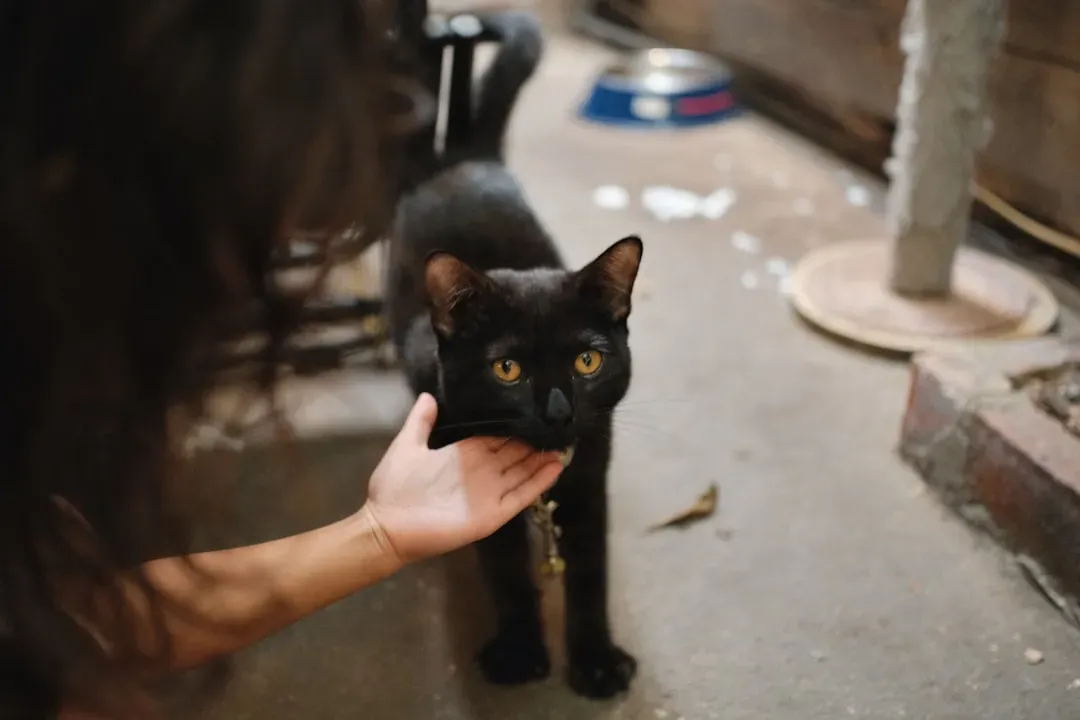
Cats are not dogs. They don’t default to unconditional enthusiasm the moment you walk through the door. Trust with a cat is earned slowly, like interest on a savings account. Cats can recognize familiar humans, read emotional cues, and remember which people are worth approaching – and a 2025 PLOS One study found cats could identify their owner’s scent over a stranger’s, lingering longer when presented with an unfamiliar smell, a sign they were filing “friend” or “unknown” into their mental database.
Rescue pets, older animals, or shy companions take longer to open up, and that’s okay – because bonding isn’t about speed, it’s about trust. If you’ve adopted a cat that seems aloof or distant, don’t take it personally. Cats generally don’t like it when you approach them uninvited, so let them invite you in before entering their personal space – an invite may come in the form of them brushing up against you or approaching and sniffing your outstretched hand. Patience is the most underrated cat skill a human can develop.
10. Handling Them Roughly or Without Consent
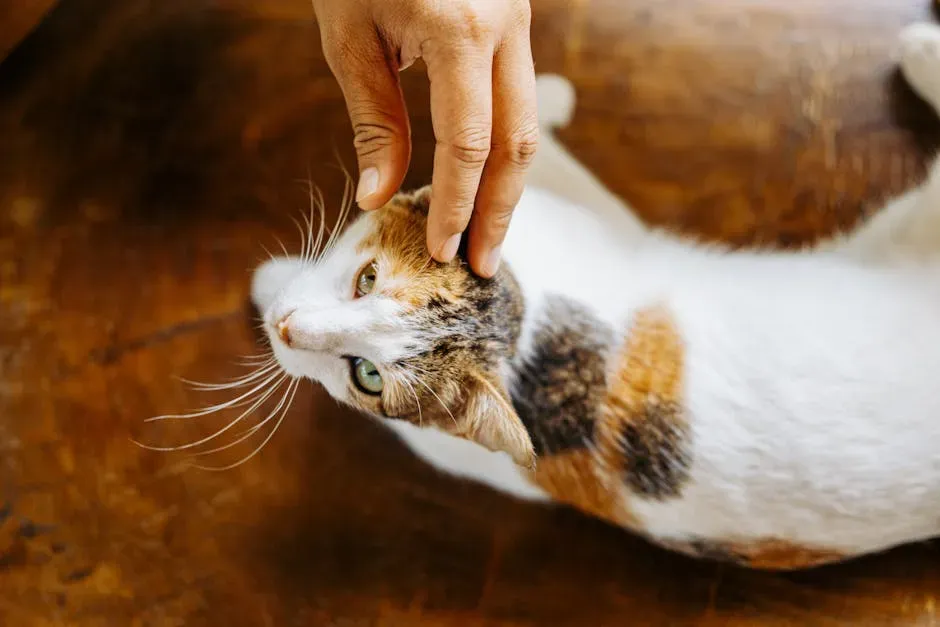
Cats have very specific ideas about where they like to be touched, for how long, and by whom. It’s hard to say for sure exactly what goes through a cat’s mind during an unwanted belly rub, but their reaction tells you everything. One well-known problematic behavior is the “petting and biting syndrome,” which involves the cat being petted and then suddenly attacking and running away. That’s not random aggression. That is a clearly communicated boundary that was simply not respected.
A 2025 study found that when owners engaged in relaxed petting, cuddling, or cradling of their cats, the owners’ oxytocin tended to rise, and so did the cats’ – if the interaction was not forced on the animal, with securely attached cats who initiated contact such as lap-sitting or nudging showing an oxytocin surge. The science is clear. Oxytocin of avoidant and anxious cats drops after a forced cuddle, and when interactions respect the cat’s comfort, the bonding hormone flows – but when a cat feels cornered, that bonding chemistry is elusive. Gentle, invited touch isn’t just kinder. It literally triggers love hormones in both of you.
Conclusion: You Can Absolutely Win Them Over
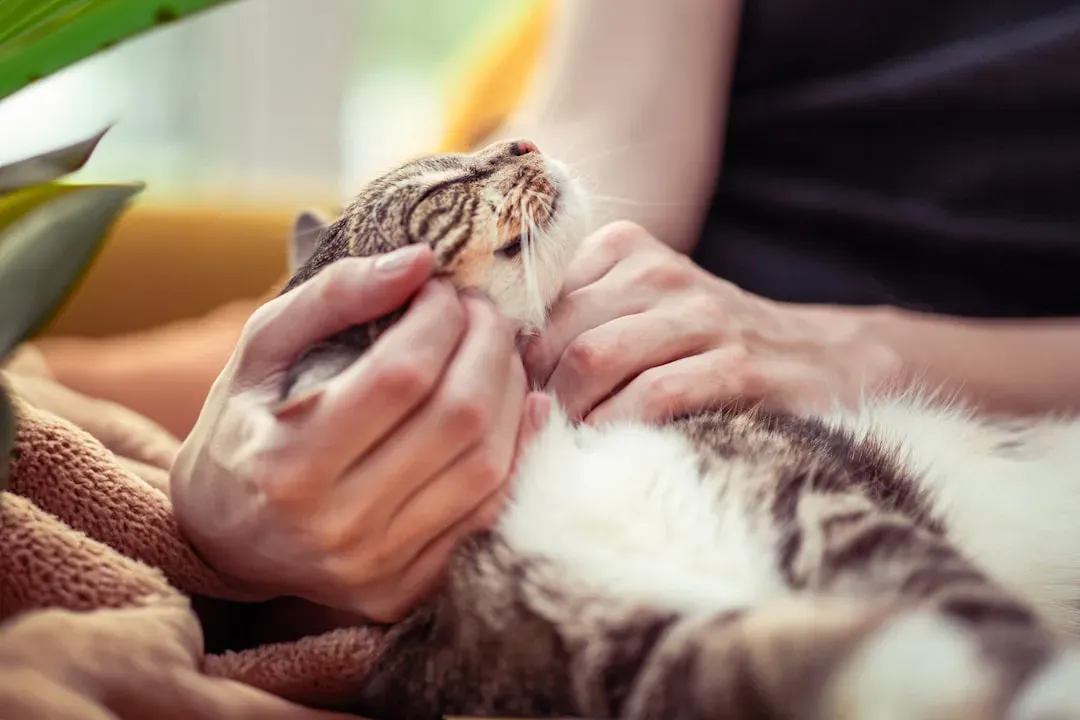
Living with a cat is, in some ways, like sharing a flat with a deeply discerning roommate who has impossibly high standards and zero obligation to explain themselves. They are not cruel. They are simply honest in the way that only animals can be. Cats pay more attention to their owners than we think, and their personality traits can actually reflect the emotional environment their owners create around them.
The good news? Building a strong relationship with your cat is a gradual process shaped by understanding, patience, and intentional routines – and with consistent play, gentle communication, a secure environment, and calming support, you can create moments that help your cat feel more relaxed, confident, and connected to you, with small daily habits leading to a deeper bond over time.
Stop trying to make your cat love you the way a dog would. Instead, learn their language, respect their pace, clean the litter box, and show up consistently. In the end, earning a cat’s trust feels a little like winning an award you didn’t know you were even being considered for. Worth every single bit of effort. So tell me – which one of these ten things are you the most guilty of?
Kristina is a young writer from India. An arts graduate and an avid content creator, Kristina is passionate about animals and wildlife. She enjoys exploring topics related to pet care, animal behavior, conservation, and nature, combining thorough research with engaging storytelling.