If you’ve ever watched your cat wake up at the exact same moment every morning, stretch in the same dramatic sequence, and then trot off to their preferred window spot like clockwork, you probably smiled and thought nothing more of it. But here’s the thing – that predictability is not a coincidence. Your cat is following an elaborate, deeply wired set of daily rituals that have roots in biology, evolution, and psychology, all playing out quietly beneath your roof.
What seems like repetitive or quirky behavior is actually a sophisticated system. Your cat’s daily pattern tells a vivid story about how they perceive safety, hunger, territory, and time itself. Honestly, once you understand what’s really going on, you may never look at your feline’s morning routine the same way again. Let’s dive in.
The Internal Clock You Never Knew Your Cat Had
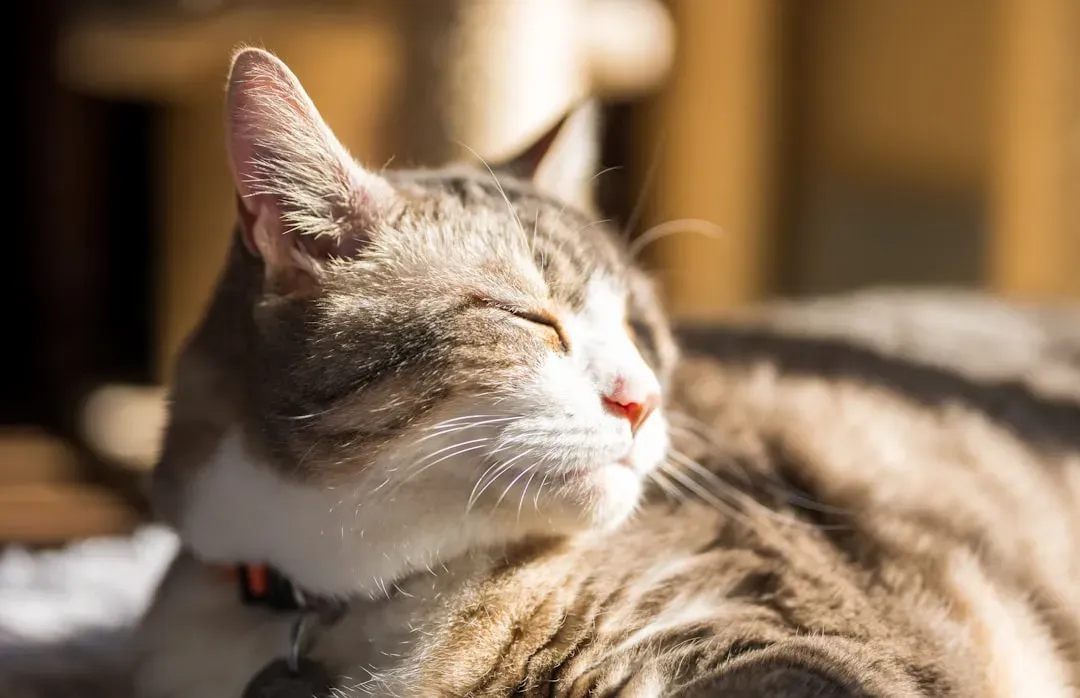
Your cat is not simply acting on mood or impulse. Cats have circadian rhythms, and this 24-hour sleep-wake cycle enables them to determine the time of day through sunlight and darkness. They can also memorize patterns associated with time. Think of it like a biological wristwatch, except it runs on light, temperature, and environmental cues rather than batteries.
Like humans, cats have a circadian rhythm – the internal biological clock that guides the 24-hour sleep-wake schedule. The fascinating difference, though, is that cats are crepuscular animals, meaning they are most active between dawn and dusk. How cats verify the time of day is completely different from humans, but a cat’s internal clock can be surprisingly accurate and reliable.
Why Predictability Feels Like Safety to Your Cat
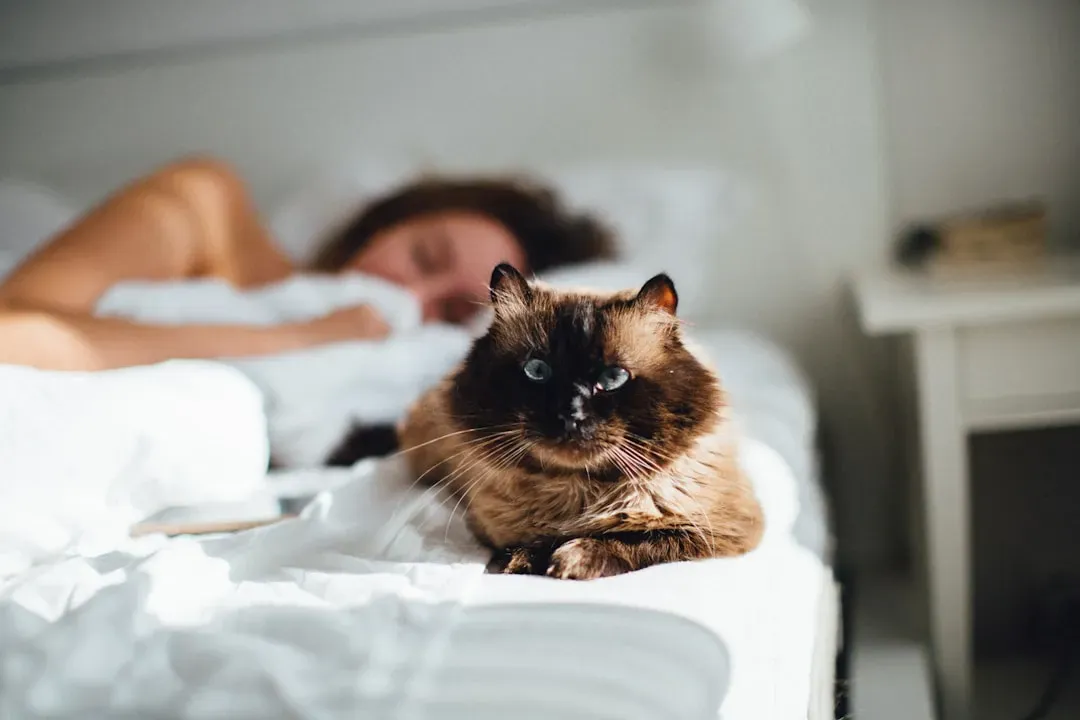
A consistent routine provides your cat with a sense of security and control over their environment. When cats can predict what happens next, they experience less stress and anxiety, leading to better overall health and behavior. It is almost like predictability is your cat’s version of a security blanket – invisible, yet absolutely essential.
Unpredictable routines can keep your cat’s nervous system in a constant state of alert, leading to anxiety and stress-related behavior. Cats rely on consistent daily patterns to feel safe. When routines change unpredictably, stress builds quietly and may later appear as anxiety, aggression, or litter box problems. Honestly, it is a lot like what chronic unpredictability does to humans – except your cat cannot tell you they are overwhelmed.
The Science Behind Your Cat’s Feeding-Time Alarm System

Cats are creatures of habit. They tend to wake their owners up at about the same time each morning because they want to be fed. Cats have a good internal clock and know when their owners are getting up, when they are going to leave for work, and when they are going to come home again. So when your cat plants itself on your face at 6 a.m., it is not cruelty – it is precision biology.
Consistent meal times are perhaps the most important aspect of your cat’s routine. Regular feeding schedules help prevent obesity, reduce begging behaviors, and support healthy digestion. Most veterinarians recommend feeding adult cats twice daily at the same times. A fed-on-schedule cat is a calmer, healthier, and frankly far more pleasant cat to live with.
How Your Cat Uses the Sun as a Daily Compass
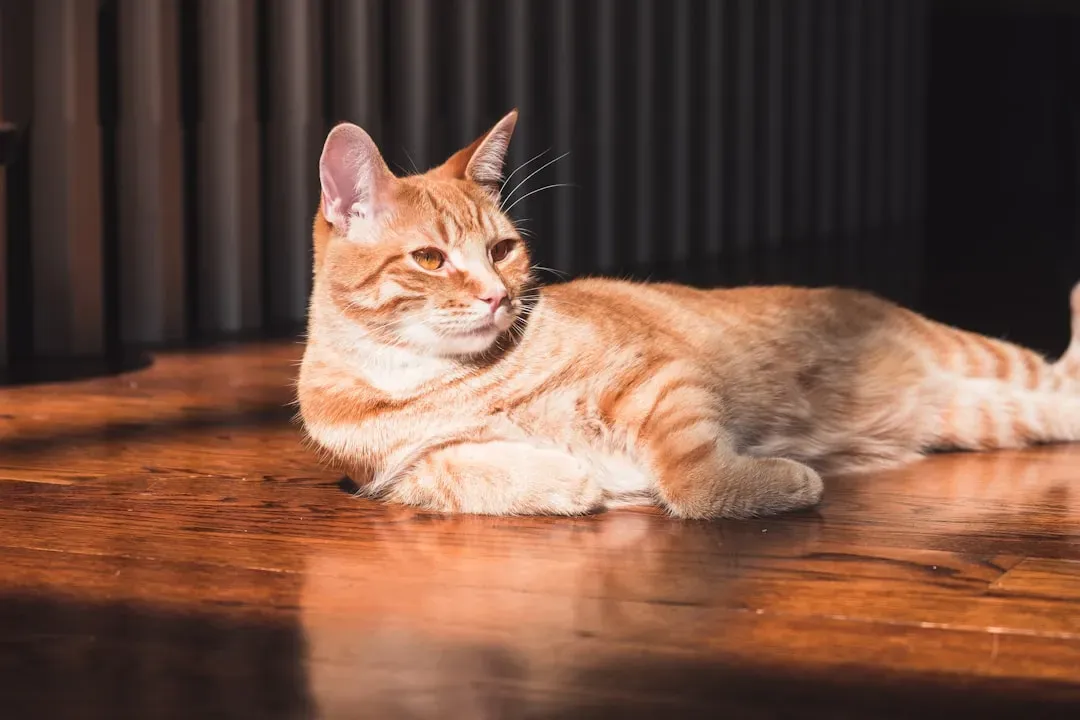
Cats are also governed by the sun. They memorize patterns and routines in their surroundings. Sights and sounds provide cats with an understanding of the time. As cats rely on routine, this influences their daily behavior. Your cat moves from window to window throughout the day partly to follow the warmth and light – a behavior that is elegantly tuned to the earth’s rotation.
Cats prefer to sleep during the day, while the sun is highest. As cats’ body temperatures are lower while they sleep, the sun’s rays keep them warm and comfortable. That warm patch of sunlight on your couch is not just luxury – for your cat, it is a thermally regulated nap station calibrated to the time of day.
The Daily Patrol: Your Cat’s Personal Security Circuit

Cats are very routine-oriented animals, and they like to do the same things at the same time. Patrolling all corners of the house at set times each day is part of a cat’s daily routine. Through this behavior, cats can not only maintain their physical activity but also burn off excess energy. Next time you watch your cat slowly making its way through every room, know that they are not wandering aimlessly – they are performing a deliberate inspection.
Territory marking during these patrols involves cats repeatedly walking routes to leave scent and visual cues that reinforce ownership and detect intrusions. Information gathering lets them check for changes using superior senses – smell, hearing, and whisker feedback. Routine and predictability through a fixed circuit provides comfort and reduces anxiety by confirming the environment is “as expected.” It is basically the feline equivalent of doing a morning walk-through of the house before the workday starts.
Scent Marking: The Invisible Rituals Woven Into Every Hour
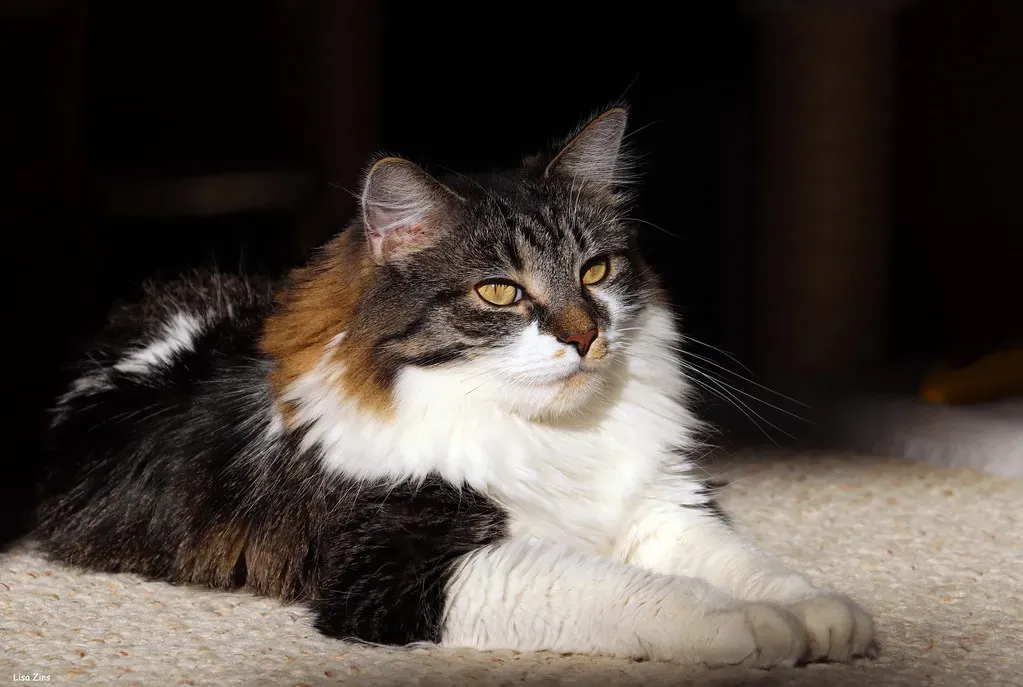
One of the most common ways your cat marks territory is through scent glands located on their face, paws, and tail. These glands release pheromones – invisible chemical signals that cats use to communicate. When your cat rubs its face against furniture, walls, or even you, it is spreading its scent to claim ownership. This behavior, known as bunting, leaves a comforting, familiar marker in their environment. Scent-marking through glands also reassures the cat of safety, reducing stress and territorial insecurity.
By depositing pheromones on surfaces, cats are leaving behind chemical signals that convey information about their identity, sex, reproductive status, and even dominance or submission. When your cat rubs its face against furniture, doorways, or even you, it deposits pheromones that signal ownership and familiarity. Scratching leaves scent marks too. This type of marking reassures the cat that its environment is safe and helps other cats recognize established territories. Let’s be real – your cat is essentially signing everything in the house with their name.
The Window Watch: Why Your Cat Shows Up at the Same Spot Every Day
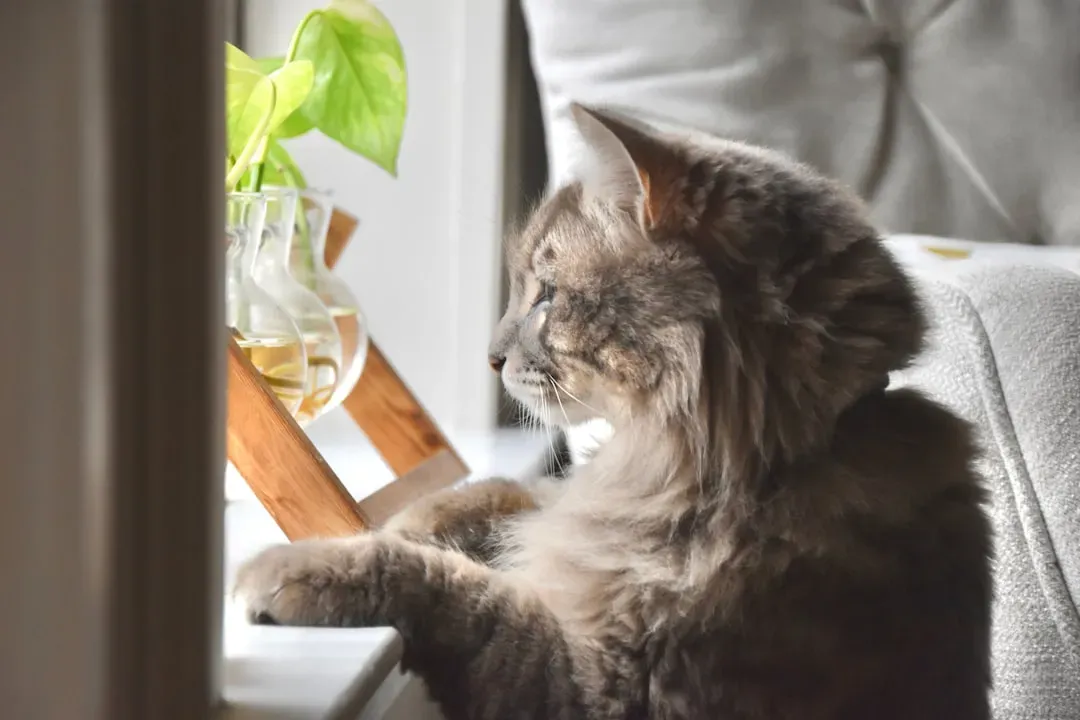
Cats spend large amounts of awake time watching the outside world because that behavior is an efficient combination of instinct, sensory stimulation, energy conservation, and environmental control. Windows present moving prey-like stimuli – birds, squirrels, insects, leaves. Cats’ visual systems are tuned to detect small, fast movements at a distance; watching is a low-effort way to monitor potential hunting opportunities.
Cats are also very territorial. They see your home and the area around it as their personal kingdom. From the window, they have the perfect view to watch over their territory. They can keep an eye on other cats, dogs, or even the mail carrier. This daily patrol helps them feel secure and in control. The window is not just entertainment – it is your cat’s watchtower, surveillance post, and morning newspaper all in one.
What Happens When You Disrupt the Pattern
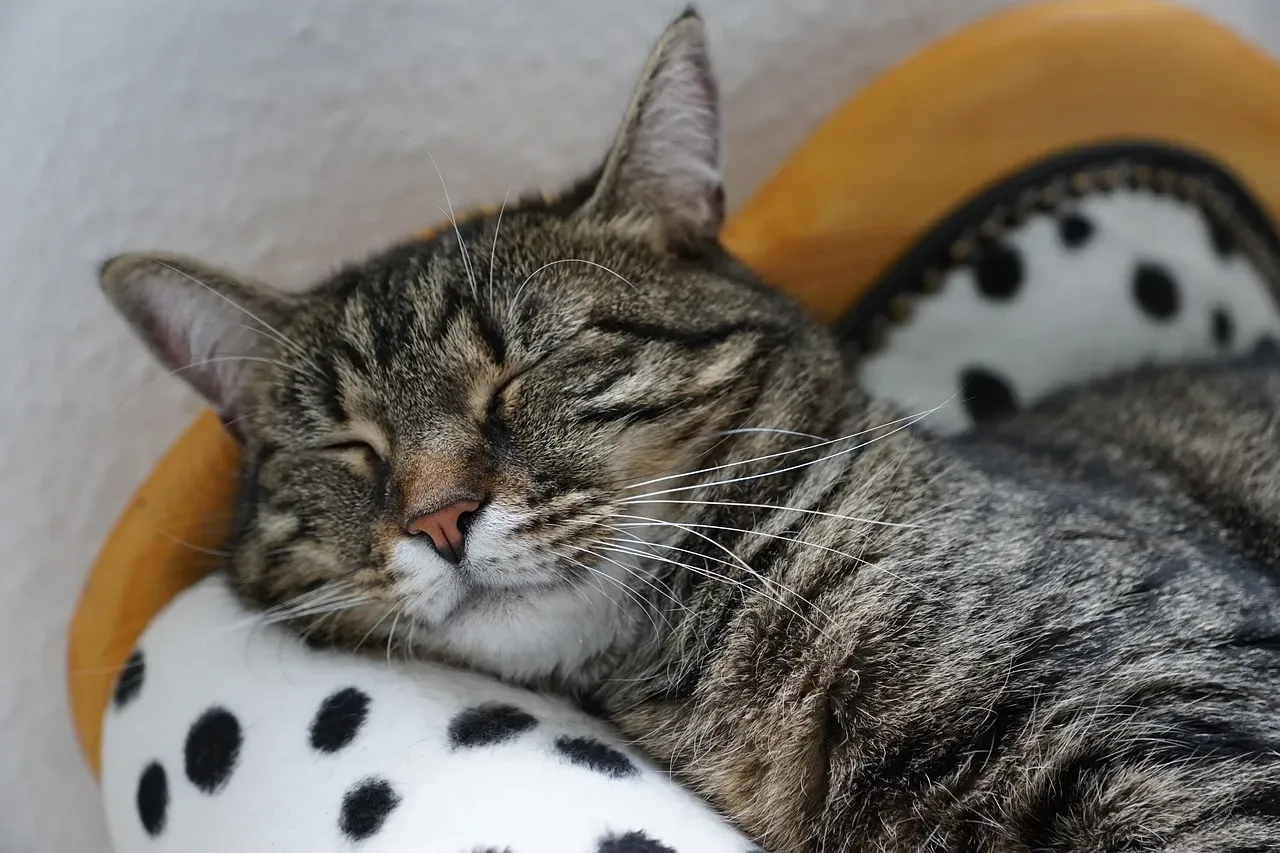
Cats are highly observant animals that rely on environmental cues to feel secure. Sudden changes in their routine can create stress and anxiety, leading to behaviors such as hiding, aggression, or loss of appetite. Imagine your own sense of disorientation if someone moved your bedroom, changed dinner time, or shuffled your entire morning routine without warning – now imagine feeling all of that but having no language to explain it.
When routines are disrupted – such as during a move, changes in family dynamics, or even a new work schedule – cats may exhibit signs of stress, including excessive grooming, vocalization, or changes in appetite. Many cases of stress-related behavior improve simply by restoring predictability. For many cats, anxiety is not caused by a single event, but by ongoing unpredictability in their daily environment. The fix, in many cases, is beautifully simple.
Your Cat Knows Your Schedule – Possibly Better Than You Do
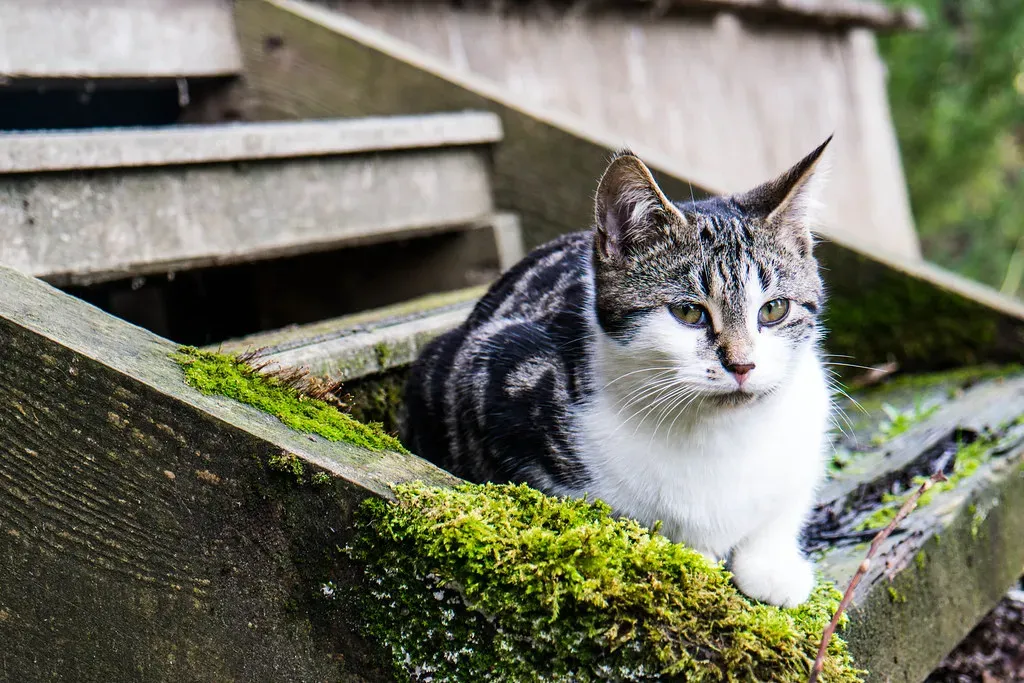
Cats detect regular timing – meals, play, leaving and returning – by associating time intervals with outcomes. Circadian rhythms and interval timing let them anticipate events hours in advance. It is hard to say for sure just how precisely they track this, but the evidence suggests it is uncannily accurate. Your cat is not reading a clock – they are reading you.
The amount of activity in cats living closely with humans was related to the owners’ schedules – when owners were out at work, the amount of activity of cats was lower compared to when owners were at home. Just as cats understand time through routine, the same applies to days of the week. Assume that you work a traditional schedule Monday through Friday – your cat will eventually learn to expect when to see you. They know, even on Saturdays, that something is different.
How Routine Shapes Your Cat’s Emotional and Physical Health

A steady routine lowers stress levels in cats. When their day follows a predictable pattern, cats experience fewer fears and uncertainties. Consistent schedules for feeding and grooming prevent anxiety related to the unknown. Minimizing changes helps cats stay calm and enjoy a more relaxed life. It is a simple principle, really – think of routine as your cat’s emotional infrastructure.
Regular routines are also an excellent way to stay aware of your cat’s health needs. Feeding twice a day rather than leaving out food all the time, cleaning their ears once a week – this helps you key in to their health. You will come to expect certain behaviors in your cat because of the routine. Changes in sleep patterns, no matter how subtle, are clues to overall health that need to be investigated. In that sense, the routine is not just good for your cat – it is a quiet, ongoing health check you run every single day.
Conclusion: The Method in Your Cat’s Magical Madness

Your cat’s daily rituals are anything but random. From the moment they open their eyes at dawn to the last patrol before settling in for the night, every behavior follows a deliberate, deeply biological script. Their morning stretches, their window vigils, their insistence that dinner happens at exactly the same time – these are not quirks. They are survival strategies wrapped in soft fur.
Understanding your cat’s daily patterns is one of the most meaningful gifts you can give yourself as a cat owner. When you honor the rhythms your cat has built, you are not just keeping the peace – you are actively supporting their mental health, their physical wellbeing, and the bond you share. And honestly, there is something rather beautiful about an animal that finds such deep comfort in the predictable poetry of an ordinary day.
So the next time your cat appears at your feet at precisely the same moment they did yesterday, look a little closer. You are not witnessing habit. You are witnessing an ancient, elegant intelligence doing exactly what it was designed to do. Does it make you see your cat a little differently? We’d love to know – tell us about your cat’s daily rituals in the comments.
Kristina is a young writer from India. An arts graduate and an avid content creator, Kristina is passionate about animals and wildlife. She enjoys exploring topics related to pet care, animal behavior, conservation, and nature, combining thorough research with engaging storytelling.