Cats are mysterious little creatures – and honestly, that’s part of what makes them so fascinating. They strut around your home like they own the place, radiating confidence and independence, all while quietly keeping their innermost vulnerabilities completely under wraps. That dual nature is adorable most of the time, but when your cat is not feeling well? It can become genuinely worrying.
It’s not always easy to tell when your cat is sick – not because you aren’t paying attention, but because they’re hardwired to mask it. Hiding signs of illness is actually an instinctive survival tactic, rooted in the fact that showing vulnerability in the wild can leave them exposed to predators. Even curled up safely on your couch, that ancient instinct is still alive and kicking. So you really do need to know what to look for. Let’s dive in.
1. Your Cat Is Suddenly Withdrawing From You
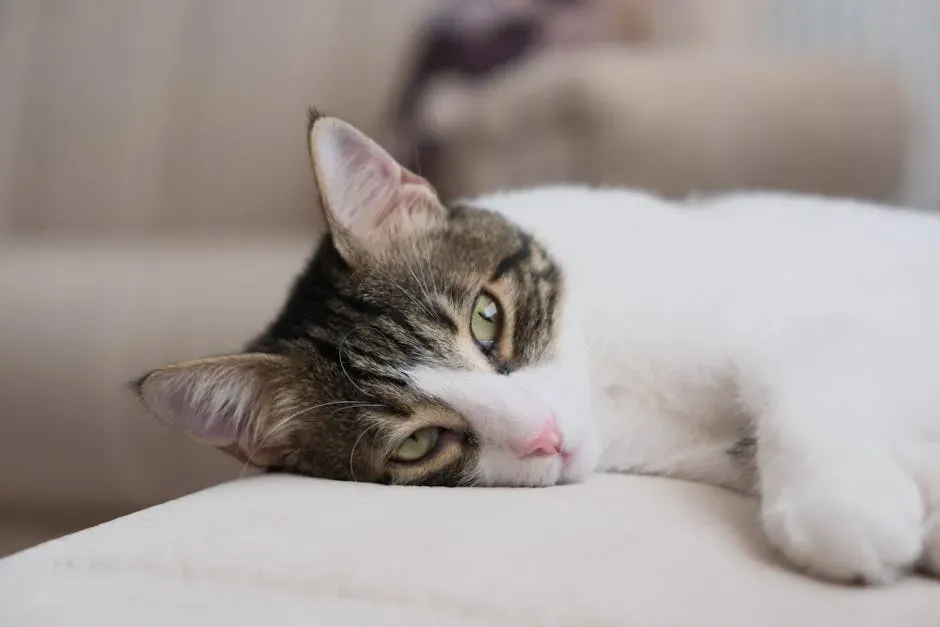
Think about your cat’s usual routine. Does she normally greet you at the door, weave through your legs, or settle nearby while you watch TV? Sick cats usually become withdrawn and may hide, although this depends on the personality of the individual cat. Some cats become clingier or demand more attention, while others just become cranky. Both extremes are worth paying attention to.
Many cats hide when they are feeling sick or injured, as this is their natural instinct to protect themselves. Other cats may become clingy when they don’t feel well, so this one really depends on your cat’s unique personality. The key word here is “change.” If your independent cat is suddenly glued to your side, or your usually affectionate tabby is nowhere to be found under the sofa, that shift in social behavior is your first quiet alarm bell.
2. A Noticeable Shift in Appetite or Thirst
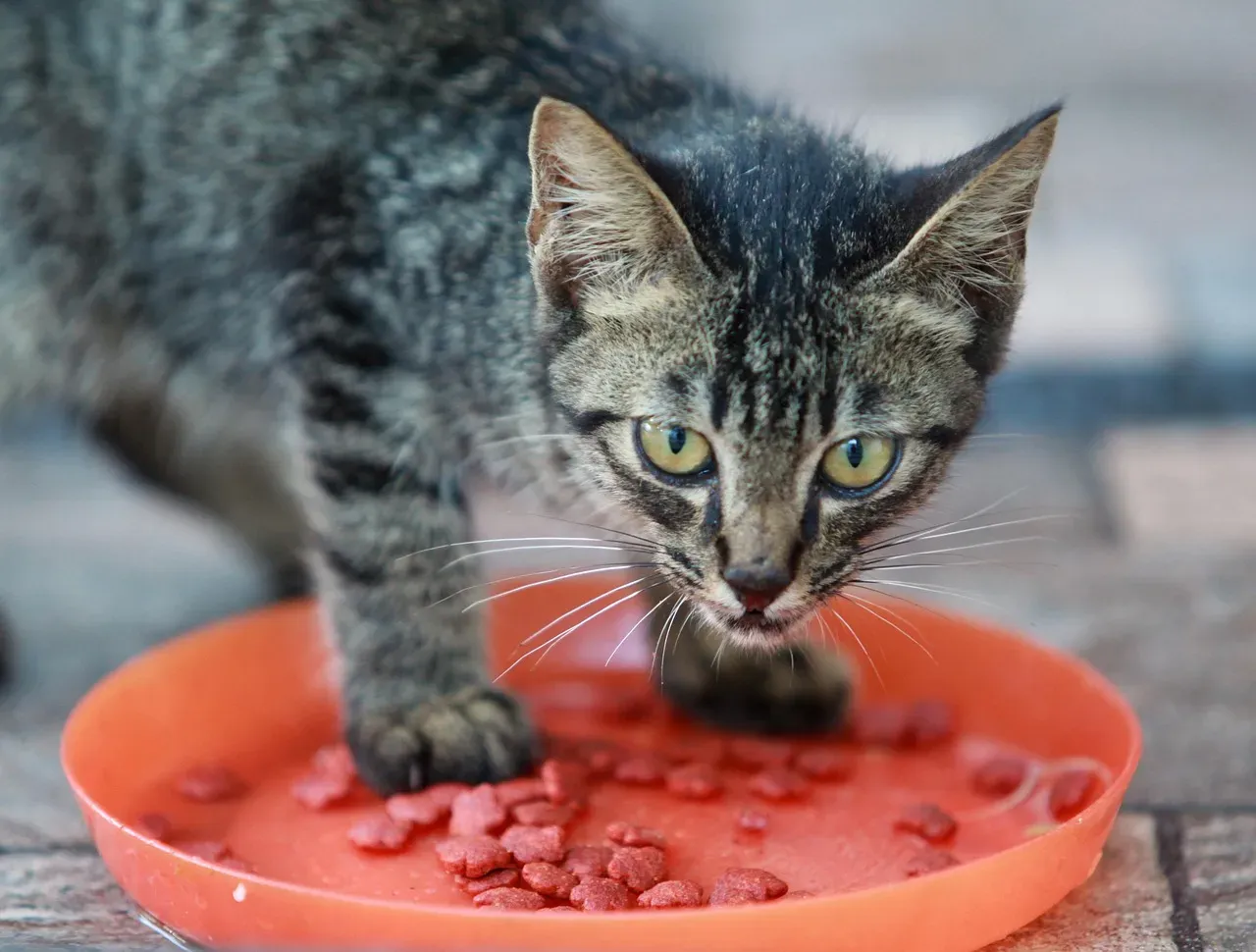
Sick cats may eat less or more than usual, and they may drink less or more than usual, so any change in appetite or thirst may be of concern. It really is that simple – and that easy to overlook, especially if you free-feed your cat and don’t track how much is going into the bowl each day. Start paying closer attention.
Cats with some metabolic diseases such as hyperthyroidism or diabetes mellitus may have a hearty appetite and increased thirst. Cats with liver or kidney problems often lose their appetite but have increased thirst. So if you notice you’re refilling the water bowl far more often than usual, or your cat is suddenly not interested in her favorite food, those patterns point toward something worth discussing with your vet. Don’t wait it out too long either – if your cat has not eaten properly for 24 hours, seek immediate veterinary attention.
3. Changes in Grooming Habits
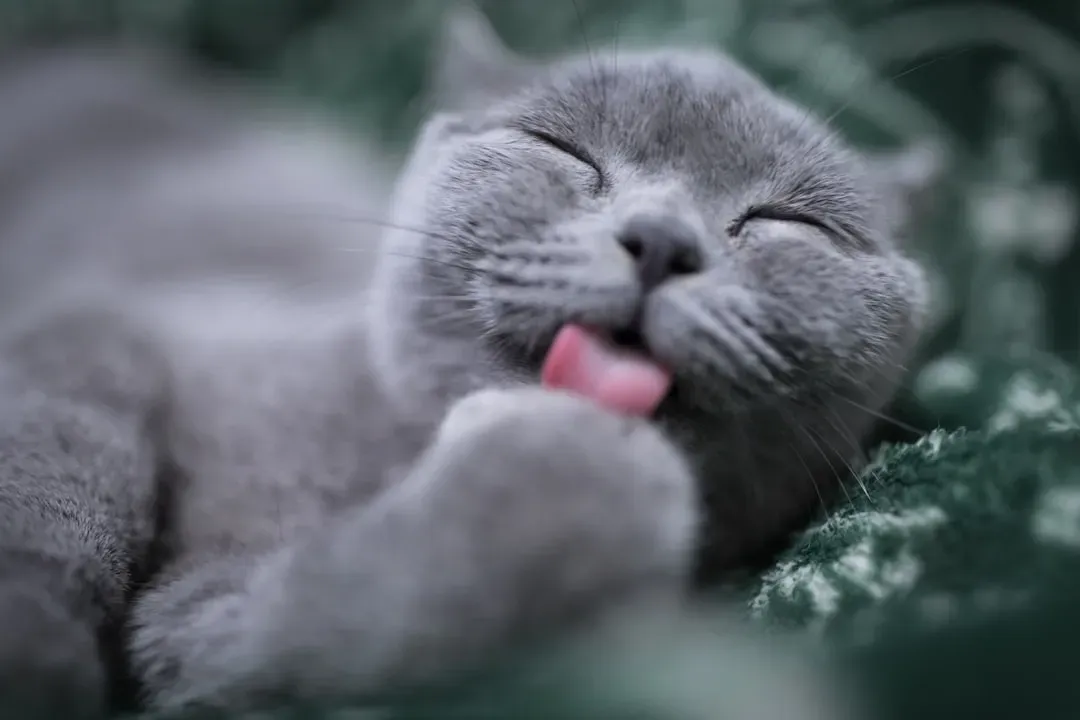
Healthy cats are very meticulous about their beauty regimens and will spend hours grooming themselves to keep their fur soft and shiny. Kitties that are not feeling well will often not bother with their daily baths, and it won’t take long for their fur to show the signs of neglect. Think of it like this – when you have a bad cold, the last thing you want to do is style your hair. Cats feel the same way.
Some cats might excessively groom one area due to stress, allergies, or discomfort, potentially creating bald spots or skin irritation. Watch also for increased dandruff or an unusually greasy coat, as these changes can signal various health issues ranging from skin conditions to systemic diseases. So whether your cat has stopped grooming altogether or seems obsessively focused on one spot, both directions on this spectrum are red flags worth noting.
4. Low Energy and Unusual Lethargy
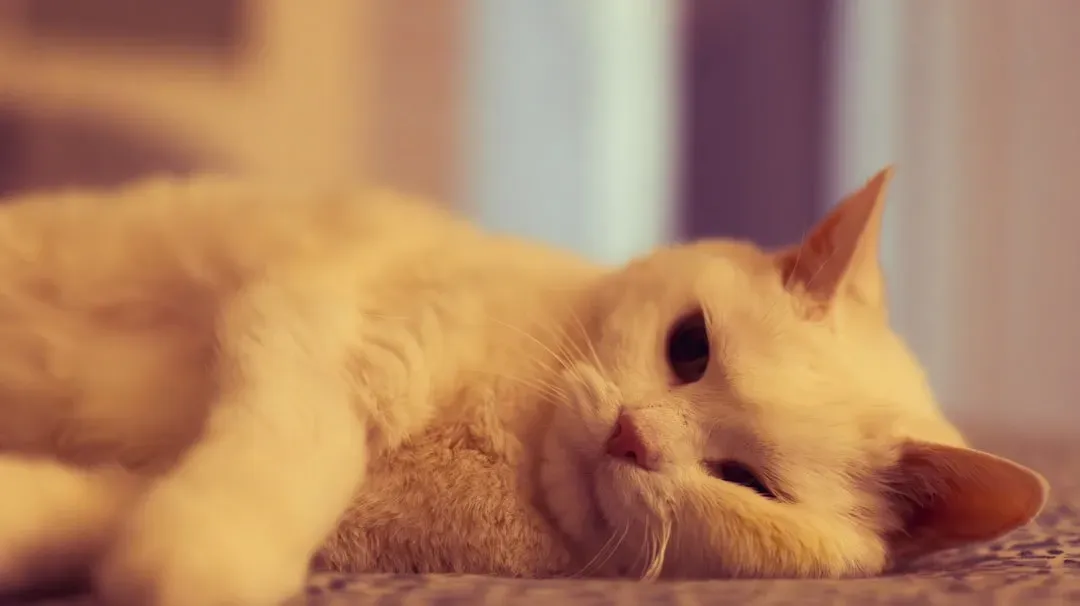
Generally, sick cats also have lower energy levels. The only thing you may notice is that your cat sleeps more, does not play as much, or is restless. Now I know what you’re thinking – cats sleep a lot anyway. True! However, there’s a very real difference between a cat who is peacefully napping in a sunbeam and one who simply cannot be motivated to move at all.
While sleeping more is an obvious sign of a cat that is under the weather, you may also notice that their body posture is more slouched or sagging. They may stop playing or moving about the house, preferring to lay in one spot. If your cat, who used to zoom down the hallway every evening like a tiny furry rocket, is now just lying flat and uninterested, that’s more than just laziness. Increased lethargy or a noticeable decrease in activity can be a sign that your cat isn’t feeling well.
5. Subtle Changes in Posture and Body Language
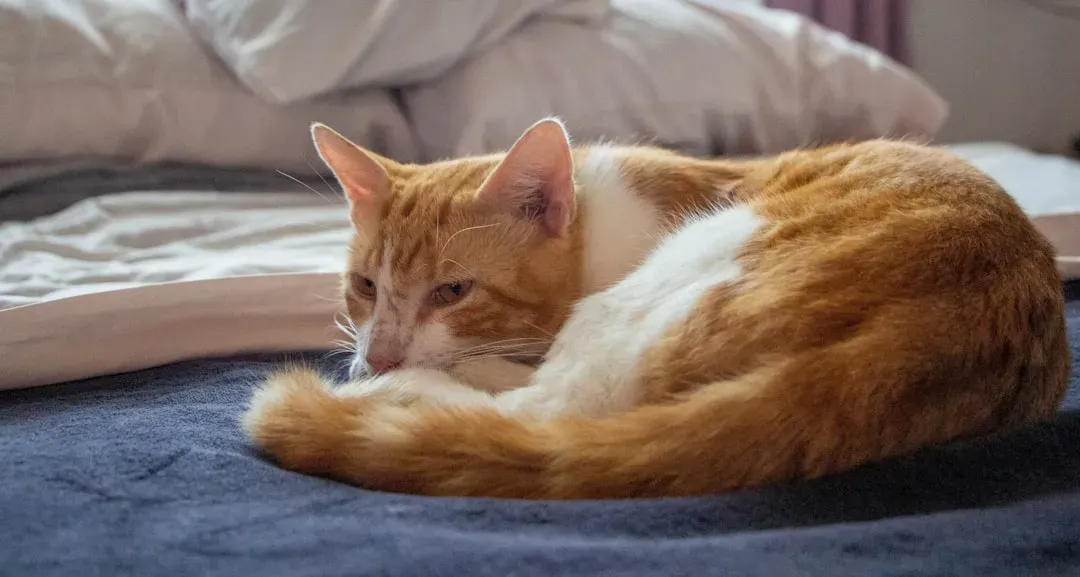
Cats that are not feeling well may just look a little “off.” The cat might sit in a hunched position, might not move as gracefully as before, might not lift its head properly, might have a head tilt, or might carry its tail differently. It’s one of those things you notice before you even fully register what you’re seeing. You just know something looks wrong, even if you can’t immediately name it.
Common changes in body posture that can indicate a cat is not feeling well include a tense or stiff body, where your cat’s body language may appear tense or stiff with rigid or clenched muscles – indicating they are bracing against pain. A cat that is feeling anxious, fearful, or ill may tuck their tail tightly against the body or between their legs in a protective gesture. The tail may also appear tense and stiff, with a flicking or twitching motion to indicate unease. Trust your instincts when you see something that doesn’t look like your cat’s normal self.
6. Unusual Vocalizations or Sudden Silence
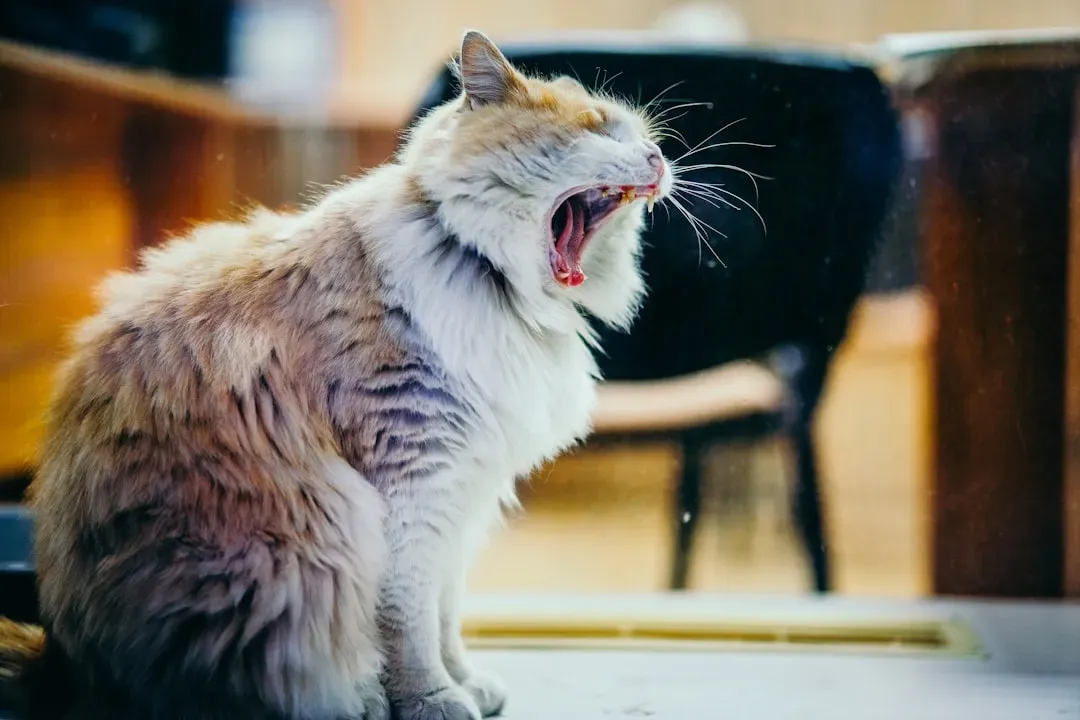
A normal temperature range for a cat is between 100.4 and 102.5 degrees Fahrenheit. Even if your cat is naturally chatty, excessive meowing or yowling could mean they are in pain. On the other hand, if your cat is suddenly very quiet, they could be hiding an injury or illness. It really goes both ways, which makes this one a little tricky to decode.
When a cat who is normally as quiet as a church mouse turns into a chatterbox, they could be trying to tell you that something is wrong. Honestly, that image says it all. Your cat cannot walk up to you and say “I don’t feel good today,” so instead, they change the tune entirely. Whether it’s more crying or unusual silence, a shift in your cat’s vocal patterns is always worth taking seriously. If it goes on for more than 24 to 36 hours, that meowing is a sign your cat could be sick.
7. Litter Box Behavior That Seems “Off”
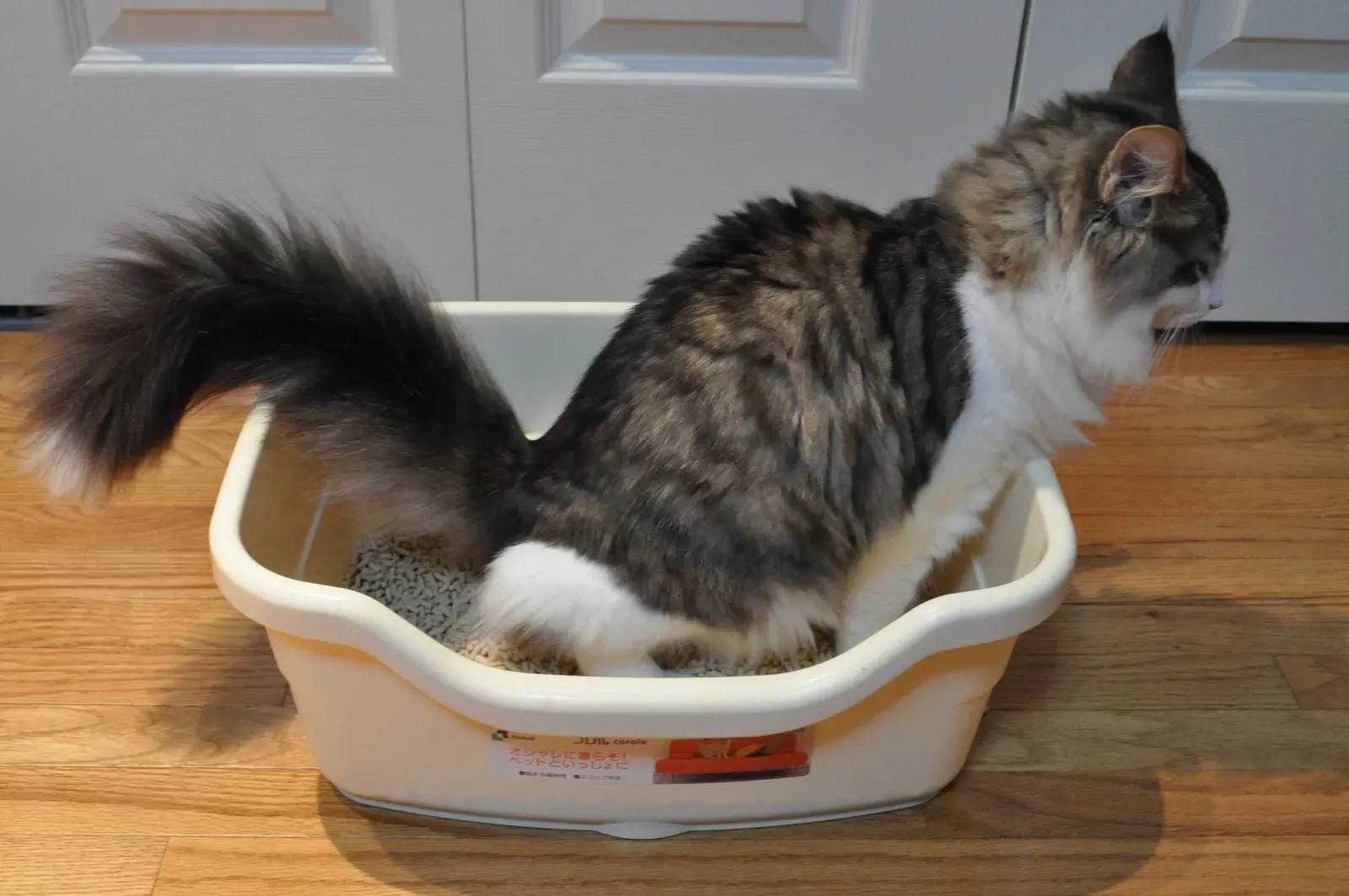
Changes in your cat’s litter box habits often provide important clues about their health status. If you notice your cat urinating or defecating outside the litter box, this could signal several potential health issues. The cause might be physical, such as joint or bone pain making it difficult to climb into the box, or urinary tract infections causing urgent bathroom needs. It’s messy and inconvenient, yes. However, it’s also one of the most honest health signals your cat can give you.
Small, dry stools are an early warning sign and are often linked to kidney disease. Changes in urination are also important to note: urinating more often can indicate kidney or liver issues or diabetes, while urinating less frequently may suggest a urinary or kidney problem. Make a habit of glancing into the litter box each day. It takes about five seconds and could genuinely help you catch a problem before it becomes serious. Straining to urinate might signal a urinary tract infection or, more seriously, a blockage – which is a medical emergency requiring immediate veterinary care.
What to Do When You Notice These Signs
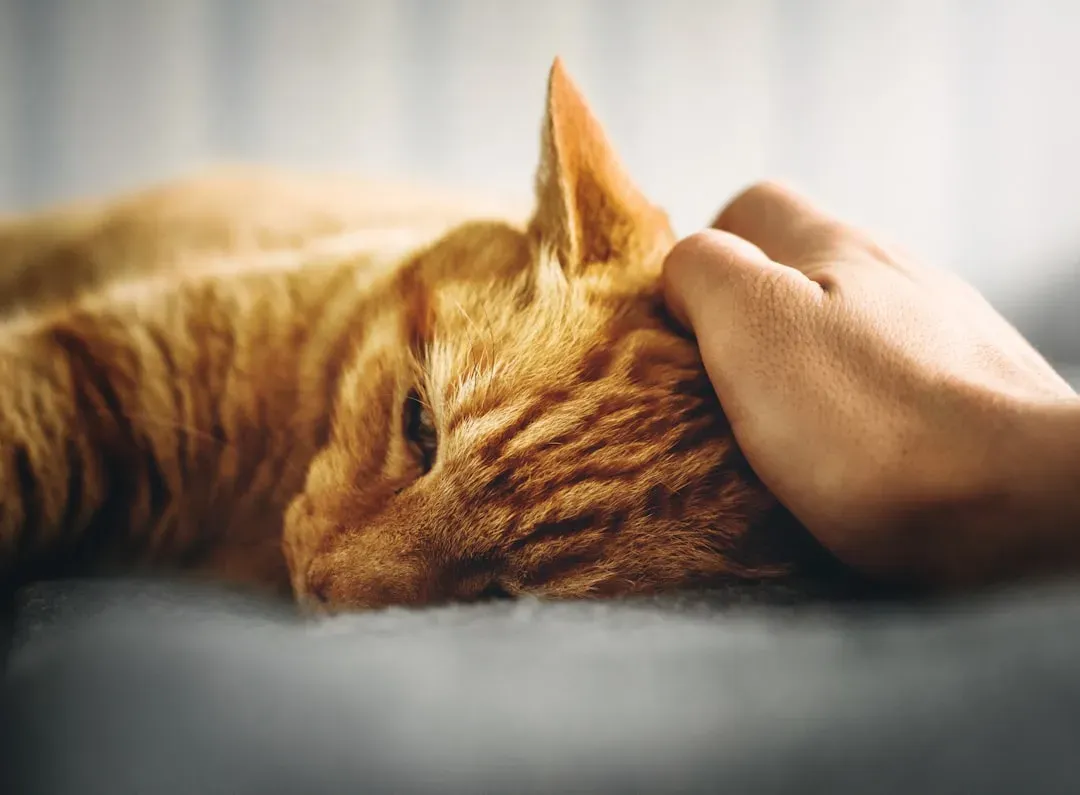
Here’s the thing about cats – they are truly experts at waiting until the last possible moment to let you in on what’s going on inside. Cats are notorious for hiding signs of illness. Though your feline friend probably spends most of their time curled up on the sofa rather than prowling the jungle, domesticated cats have retained many of their wild ancestors’ mannerisms. In nature, sick cats are easy targets for larger predators. It only makes sense that they would want to hide signs of illness and perceived weakness.
Early detection and treatment of illnesses can help to prevent conditions from becoming more severe or potentially life-threatening. So as a cat owner, your superpower is knowing your individual cat’s baseline – what is normal for them specifically. As a pet parent, you know your cat better than anyone else. If you notice behavioral or appearance changes or just get the feeling that something isn’t quite right, it is always best to go with your gut and schedule an appointment with your veterinarian. Never dismiss that gut feeling. Your cat is depending on you to be the one who notices.
At the end of the day, loving a cat means becoming a quiet, attentive observer of the small, everyday details – the way they greet you, how much they eat, where they sleep, how their coat feels under your hand. These gentle clues are your cat’s way of communicating across a language barrier. The question is: are you paying close enough attention to hear them? What sign do you think you’d be most likely to miss? Tell us in the comments below.