Cats have this reputation of being low-maintenance, independent creatures that basically run their own lives. You get the litter box, you pour the food, and they handle the rest, right? Well, not exactly. The truth is a little more complicated, and honestly, a lot more fascinating. Some cat breeds come hardwired with personalities so intense, so intelligent, and so emotionally driven that without proper structure and consistent training, they can turn your home into something that resembles a chaotic toddler’s playroom at midnight.
You might be surprised to learn that the same traits that make these breeds so irresistibly beautiful and charming are the very things that can make them genuinely challenging to live with. We’re talking about breeds that will open your drawers, yell at you, rearrange your furniture, and stage full-on emotional protests when ignored. Let’s dive in.
1. Bengal: The Wild One With Nowhere to Put Its Energy
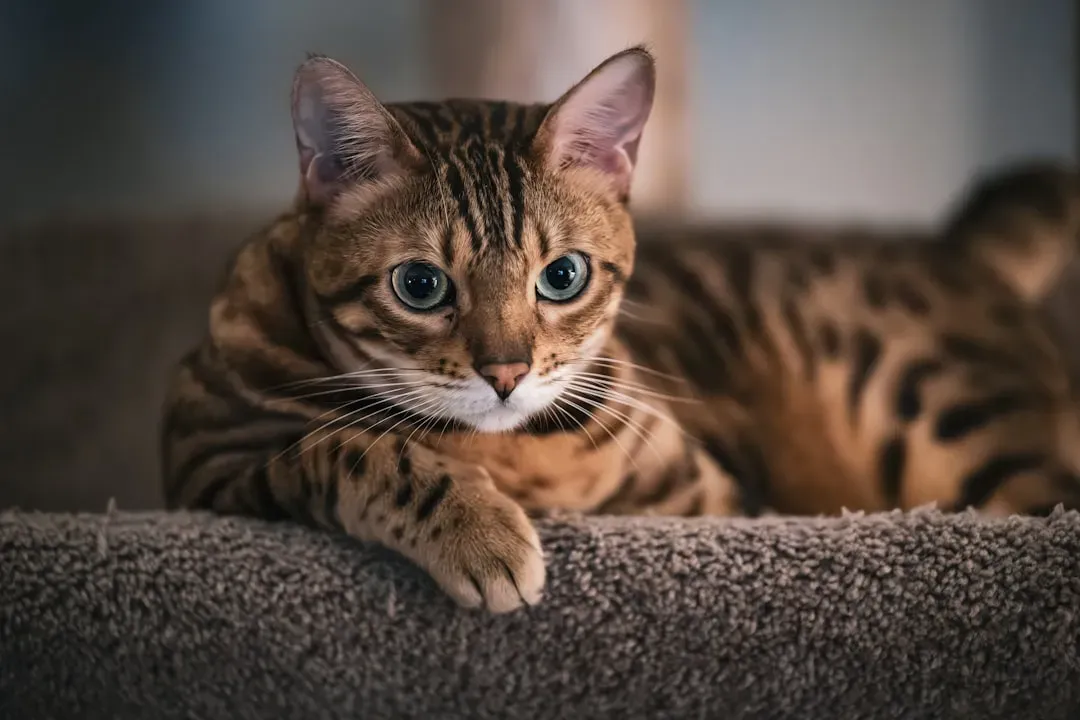
Let’s be real. The moment you look at a Bengal cat, something primal in your brain says “cool.” Known for its sleek, spotted coat and unmistakable wildcat influence inherited from the Asian leopard cat, the Bengal is fully domestic but famously bold, curious, and intelligent. You might think that sounds manageable. You would be wrong, at least without structure.
Bengals carry strong hunting instincts from their Asian leopard cat ancestry. They display high energy, dominance, and territorial behavior. Without daily stimulation and structured play, they may act out through biting, scratching, or chasing. Think of it like this: a Bengal without rules is basically a tiny leopard with access to your kitchen shelves. Without enough stimulation, Bengals often invent their own entertainment, sometimes at the expense of household order.
2. Siamese: Loud, Brilliant, and Absolutely Unignorable
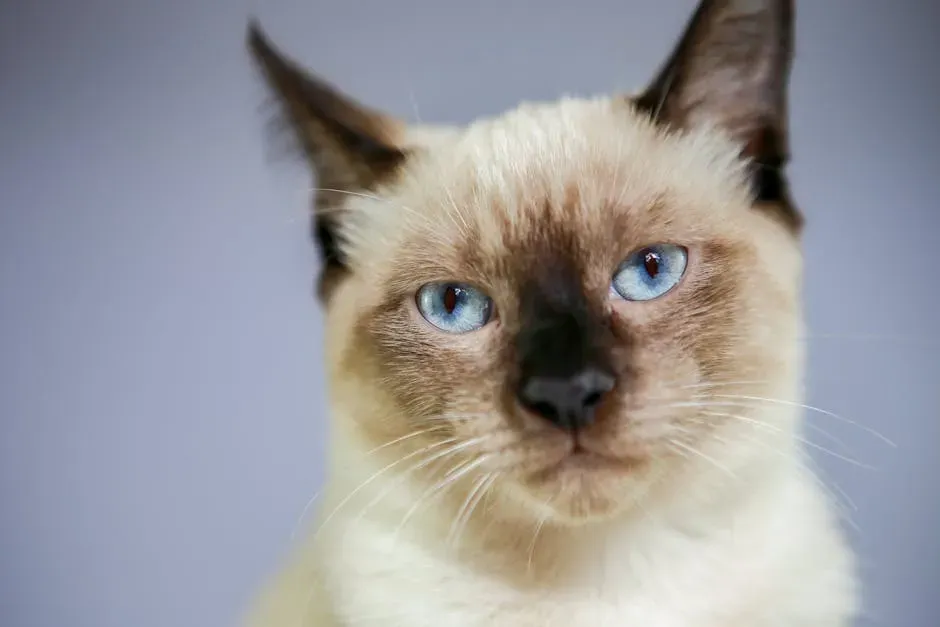
The Siamese, also known as the Thai cat, is an ancient Oriental breed admired for its striking blue eyes, sleek body, and pointed coat pattern. Highly social and expressive, this cat is rarely quiet and thrives on constant interaction with its humans. Honestly, calling them “vocal” is like calling a thunderstorm “a bit breezy.” These cats have opinions, and they will share them.
Siamese cats form intense bonds and demand constant interaction. They react loudly and sometimes aggressively when they feel ignored or stressed. Their strong territorial instincts and high intelligence can lead to possessive behavior toward people and spaces. Although Siamese cats are trainable, and you can get them used to a litter box in no time, their intelligence comes with a willful side. You’ll need patience, consistency, and a good set of earplugs for the negotiation phase.
3. Savannah: Wild Instincts in a Domestic Body

Savannah cats descend from African servals and retain strong wild instincts. They require extensive enrichment and space. Without proper training and stimulation, they may display dominance, chasing behavior, and aggressive reactions. This is not a cat for someone who works twelve-hour days and comes home too tired to engage. This is a cat for someone who has actual plans for their cat.
As a cross between a domestic cat and a wild African cat, the Savannah cat is a large breed that’s also a bit more challenging to own. They require lots of attention and exercise, and they can be a challenge for inexperienced owners. If you socialize them properly, they’re not aggressive, but if you don’t, it can lead to all sorts of problems. You need to treat their training like it actually matters, because with a Savannah, it genuinely does.
4. Sphynx: The Attention Addict Who Never Powers Down
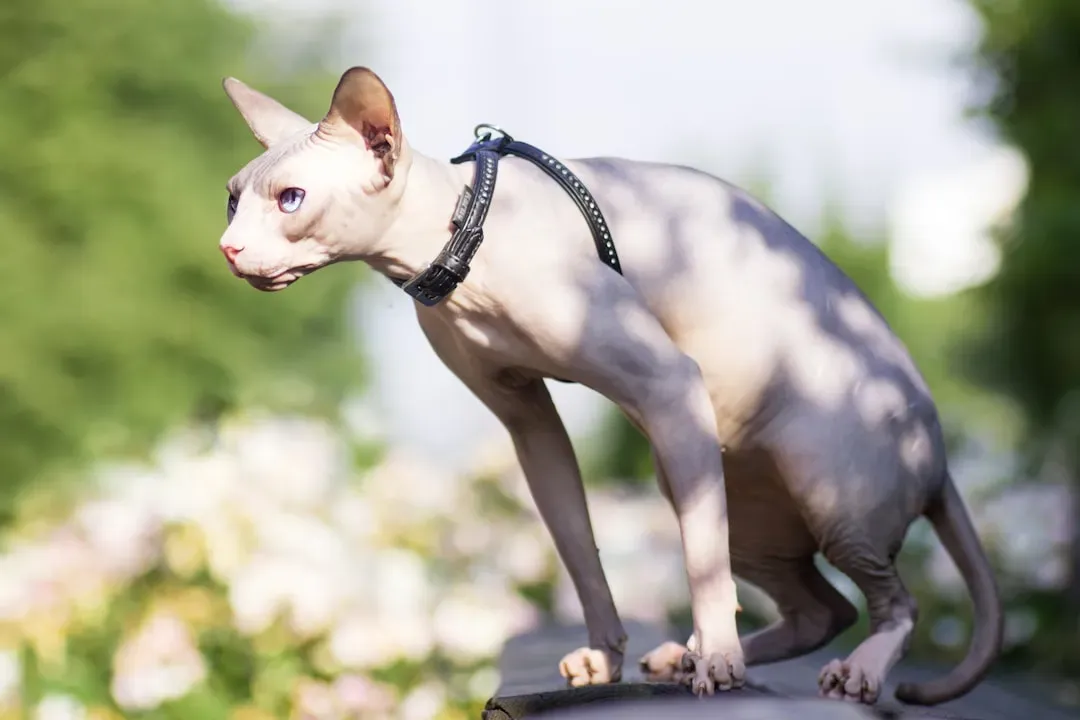
Sphynx cats may not have fur, but their bold and vibrant personalities more than make up for it. They’re extremely affectionate and love being the center of attention. Confident and outgoing, these cats aren’t afraid to express their curiosity and love, making them truly captivating companions. That sounds great on paper, until you realize that “center of attention” means every single second of every day.
Sphynx cats crave attention and physical contact. They can become demanding and reactive if owners leave them alone for long periods. Their high energy and sensitivity may trigger nipping or swatting when overstimulated. Sphynx cats have boundless energy and want to play all day, and without enough stimulation, they can get mischievous and cause trouble. Structure isn’t optional with a Sphynx. It’s survival.
5. Abyssinian: The Explorer That Never, Ever Stops
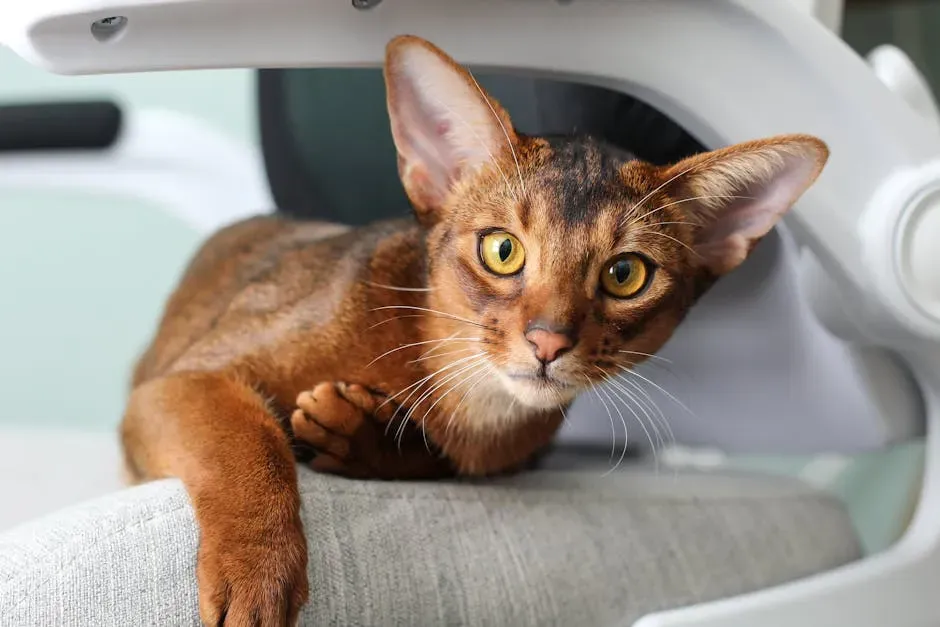
Abyssinians are known to become destructive if understimulated, making daily enrichment essential for their well-being. That one sentence should tell you everything. The Abyssinian is one of those breeds that looks endlessly elegant, ticked coat, athletic frame, luminous eyes, but underneath that elegance is a brain that is constantly looking for something to do. Something to destroy, if nothing is provided.
Abyssinians combine sharp minds with playful personalities. They’re highly trainable and may even act like puppies by following their favorite people everywhere. But just because they can learn tricks doesn’t mean they’ll obey when it’s inconvenient. Their endless curiosity means “sleep” isn’t really in their vocabulary. You need daily routines, interactive play, and clear boundaries if you want this breed to be a joy rather than a liability.
6. Oriental Shorthair: High-Maintenance Sociability at Its Finest
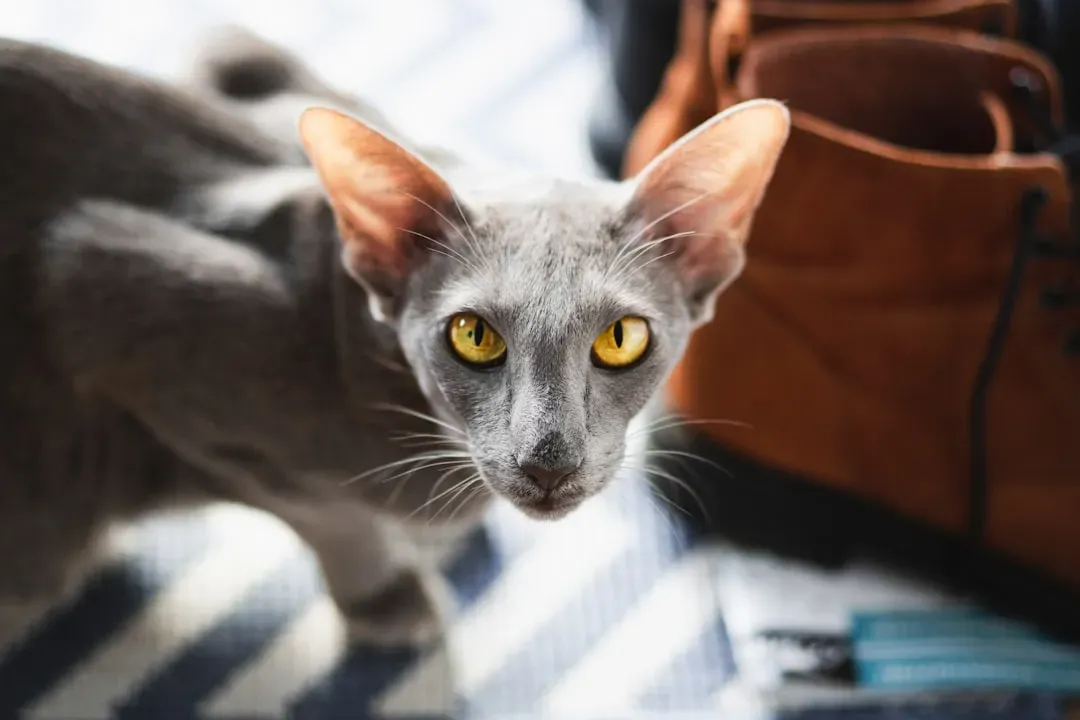
Best described as curious, busy, and adventure-loving, this breed rarely sits still. Orientals want to explore every room, climb every surface, and stay involved in whatever their humans are doing. Without regular stimulation, they can quickly become restless and frustrated. Imagine hiring an extremely smart, extremely impatient assistant who refuses to take a lunch break. That’s your Oriental Shorthair on a quiet Tuesday.
Like their Siamese ancestors, Oriental Shorthairs will meow, chirp and trill often. They will not only interrupt your activities, they’ll open drawers if it means getting your attention. Their attention-seeking behavior means they’re more interested in disrupting your activities than participating in structured training. They view training sessions as just another opportunity to redirect focus back to themselves. Start training early and commit to it. There’s no half-measures with this breed.
7. Scottish Fold: Emotional Needs Wrapped in Adorable Packaging
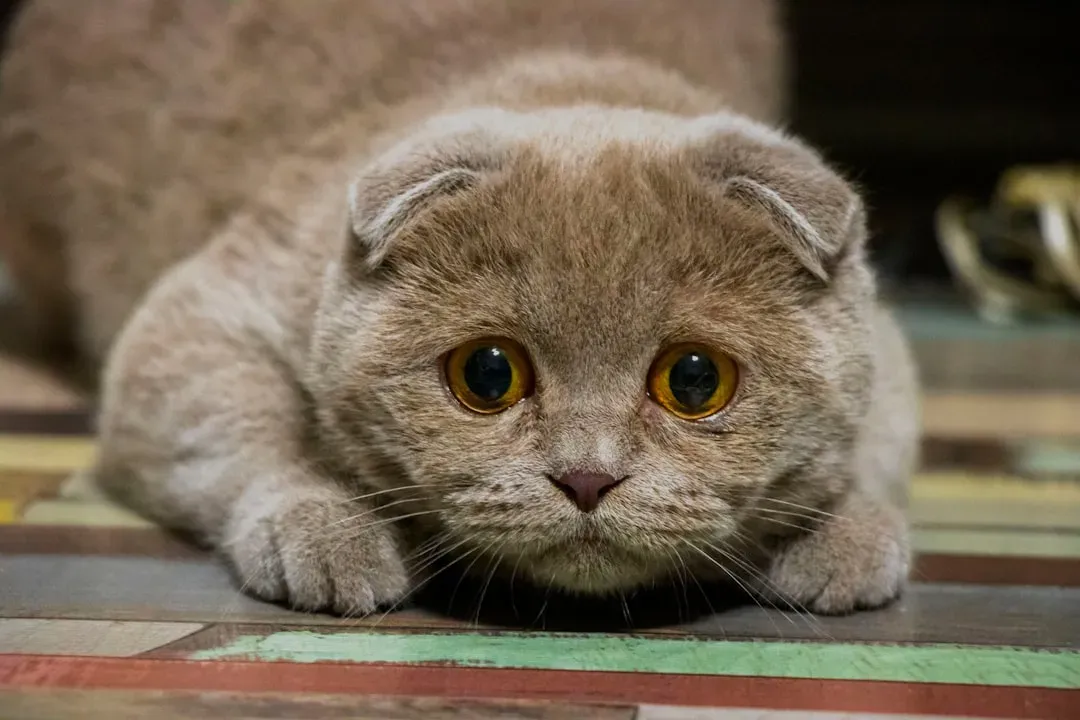
Here’s the thing: the Scottish Fold is probably one of the most visually irresistible cats on this planet. Those folded ears and wide, owl-like eyes make people weak. But the cuteness can fool you into underestimating what this breed actually needs. With the right socialization, the Scottish Fold is one of the most loving and adorable cat breeds out there. However, Scottish Folds require a lot of attention, so if you’re not going to spend a ton of time with them, you could run into problems. They aren’t for someone who’s stuck at work all day.
The Scottish Fold’s most distinctive feature is its cute folded ears, giving it a gentle and approachable appearance. They are mild-mannered, docile, and very friendly towards humans. Due to the folded ear gene’s association with inner ear issues, Scottish Folds often suffer from ear infections and dislocations, as well as congenital cartilage disorders, which are painful. A cat in pain without a structured, calm home environment is a cat with unpredictable behavior. Keep that in mind before you fall for the ears.
8. Turkish Van: The Fiercely Independent Water Lover
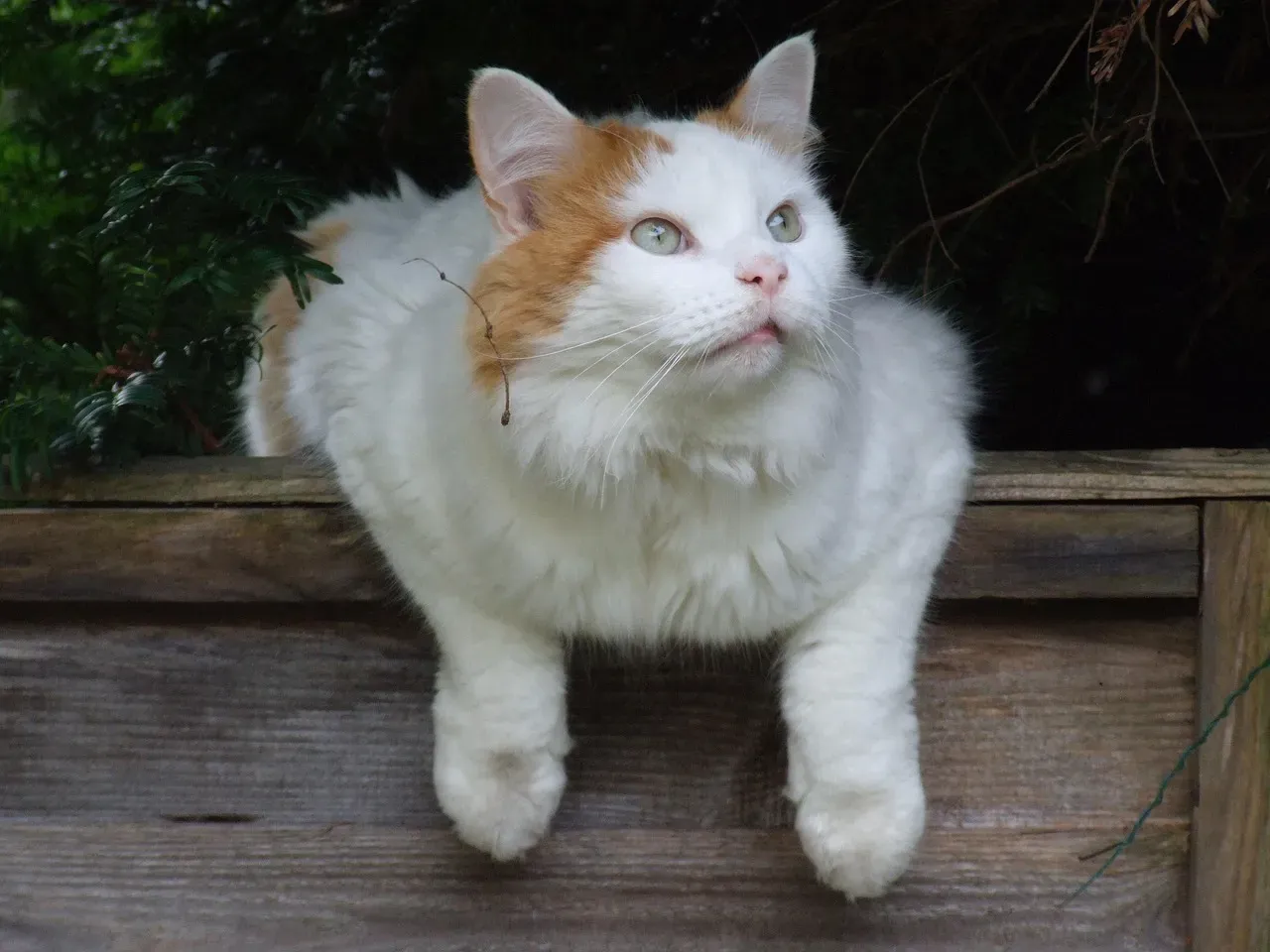
Gorgeous kitties with cashmere soft coats, Turkish Van cats are renowned for their fun-loving personalities and their often quirky behaviors. If you’re thinking about bringing a Turkish Van cat into your family, be sure that you have plans for keeping this intellectual kitty entertained. These cats don’t do well when left alone for long periods of time. I think a lot of first-time Van owners get blindsided by this. They expect a fluffy, chill cat and get something closer to a highly opinionated roommate instead.
Social and energetic, the Turkish Van is a semi-long-haired domestic cat that requires regular playtime and exercise to thrive. This unique breed is commonly referred to as the “Swimming Cat” due to its fondness for water. They have no undercoat and a single coat of water-resistant fur. They are also known to get into mischief by jumping into bathtubs and even open toilets. Without clear boundaries and consistent engagement, a bored Turkish Van will find its own entertainment in ways you probably won’t enjoy.
9. Persian: Deceptively Difficult in a Different Way
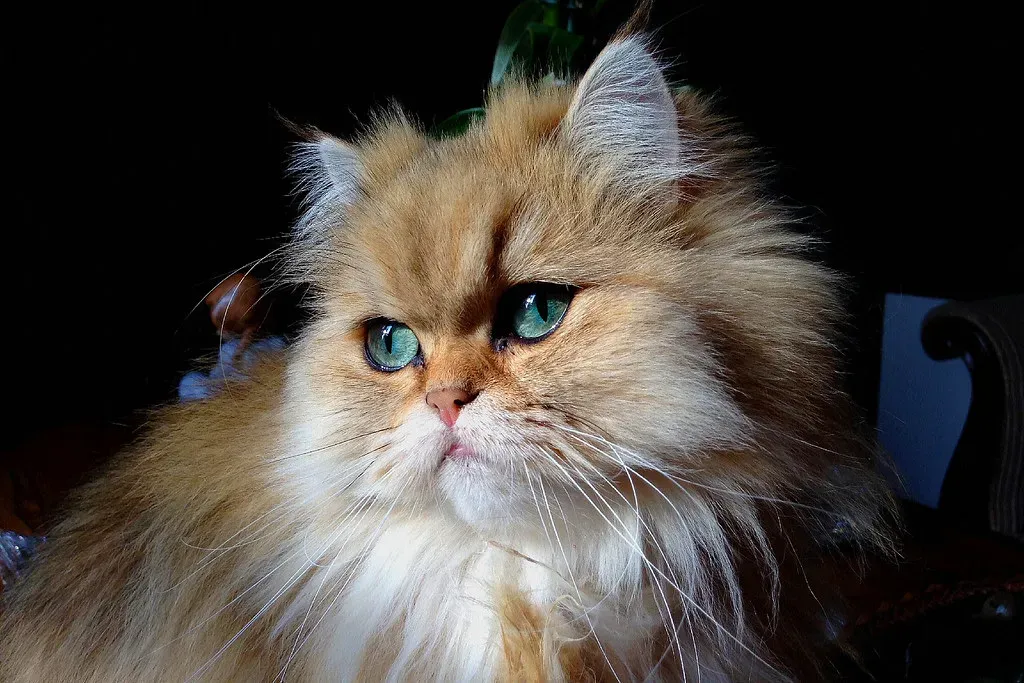
Persian cats top many veterinarian lists of breeds that resist training due to their extreme flat-faced structure and the health complications it creates. The breed can be affectionate and good companions, but they are incredibly difficult to motivate. It’s not that they’re naughty. It’s that they simply don’t see the point. Training a Persian without starting early is a bit like trying to negotiate with someone who has already decided they’re not listening.
Getting a Persian cat to listen to their owner will be incredibly difficult unless training starts when they are kittens. Those cats simply take a more relaxed view of life. Their laid-back nature often translates to complete disinterest in pleasing their humans through tricks or commands. Persians are also prone to a host of health issues, including brachycephalic airway syndrome. Because of their short, flatter face, Persian cats struggle to breathe properly, and many get short of breath quickly and suffer from inflammation and swelling in their airways. Health and behavior are tied tightly together here, making routine structure even more essential.
10. Balinese: The Vocal Overachiever Who Needs a Purpose
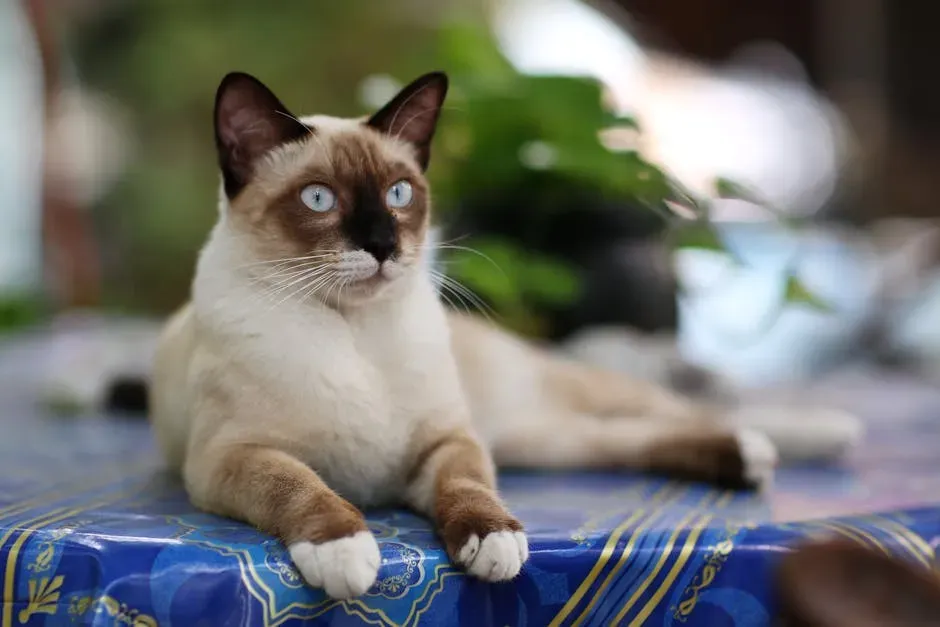
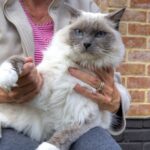
The Balinese, often called the long-haired Siamese, is an elegant breed known for its silky coat, vivid blue eyes, and expressive personality. Closely related to the Siamese, it shares the same intelligence and vocal nature with a more flowing appearance. This breed is highly active, inquisitive, and very talkative, with a lean, elegant build. You’ll rarely wonder what your Balinese is thinking. They will make it abundantly, loudly clear.
Balinese cats are highly intelligent and endlessly curious, always seeking something new to explore. Their love for climbing and investigating makes them natural adventurers, often turning shelves and furniture into their playground. Their mischievous side appears when they crave attention, as they may scratch, chew, or rearrange items just to stay entertained. Interactive toys, training, and companionship help channel their energy in positive ways. They enjoy learning tricks, playing fetch, and even going on leash walks, but their stubborn side means patience and consistency are essential.
Conclusion: Structure Isn’t a Punishment – It’s a Gift
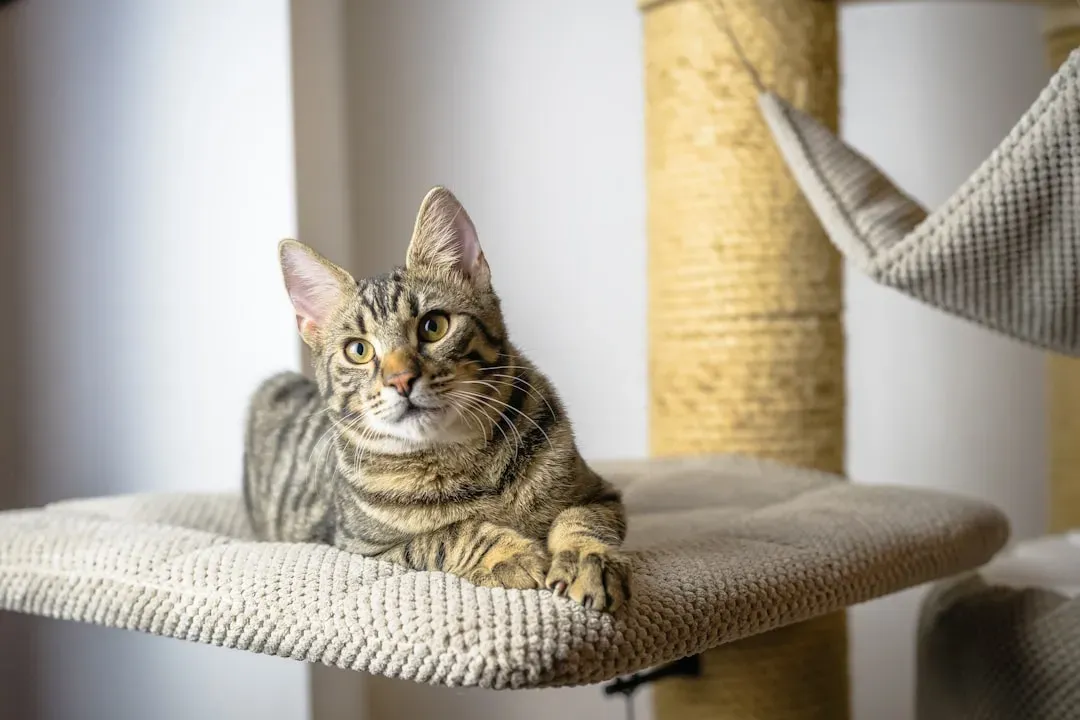
Here’s the big takeaway: none of these breeds are bad cats. Not even close. While some cats have a bad reputation as mean or aggressive, it’s important to note that every cat can make a great pet if you meet their basic needs and socialize them correctly. The problem isn’t the breed. The problem is the mismatch between what the cat needs and what the owner provides.
Environment shapes behavior just as powerfully as genetics. Proper socialization, enrichment, training, and medical care shape behavior more than breed alone. Owners who manage strong instincts properly raise stable, affectionate cats. Think of structure not as discipline, but as the language these cats need you to speak. You’re not restricting them. You’re giving them a world they can actually navigate with confidence.
The most rewarding relationships with cats, especially these ten breeds, come from that investment of time and intention. So if you’re sharing your home with one of these brilliant, demanding, deeply feeling animals, lean into the structure. You might find that what seemed like a difficult cat is actually just a cat waiting for you to show up fully. What kind of cat parent are you willing to be?