You’ve probably been there. You reach down with full confidence, arms open, ready to cradle your beloved cat like a fuzzy little baby. Then comes the squirm, the death glare, and the swift leap toward freedom. Maybe you even caught a scratch for your trouble. The truth is, not every cat wants your arms around them, and for some breeds, being picked up feels about as welcome as a Monday morning.
The good news? It’s not personal. Well, not entirely. Cats, like humans, have varying preferences when it comes to being held and handled. While some cats may enjoy being cradled, others may not find it appealing at all. What’s really surprising is how much of this comes down to breed. Some cats are practically hardwired to resist your affectionate grabs, while others will melt into your arms like warm butter. Let’s sort out which is which, because knowing your cat’s personality could save you from a lot of scratched forearms. Let’s dive in.
1. The Bengal: Born to Be Wild (Not Held)
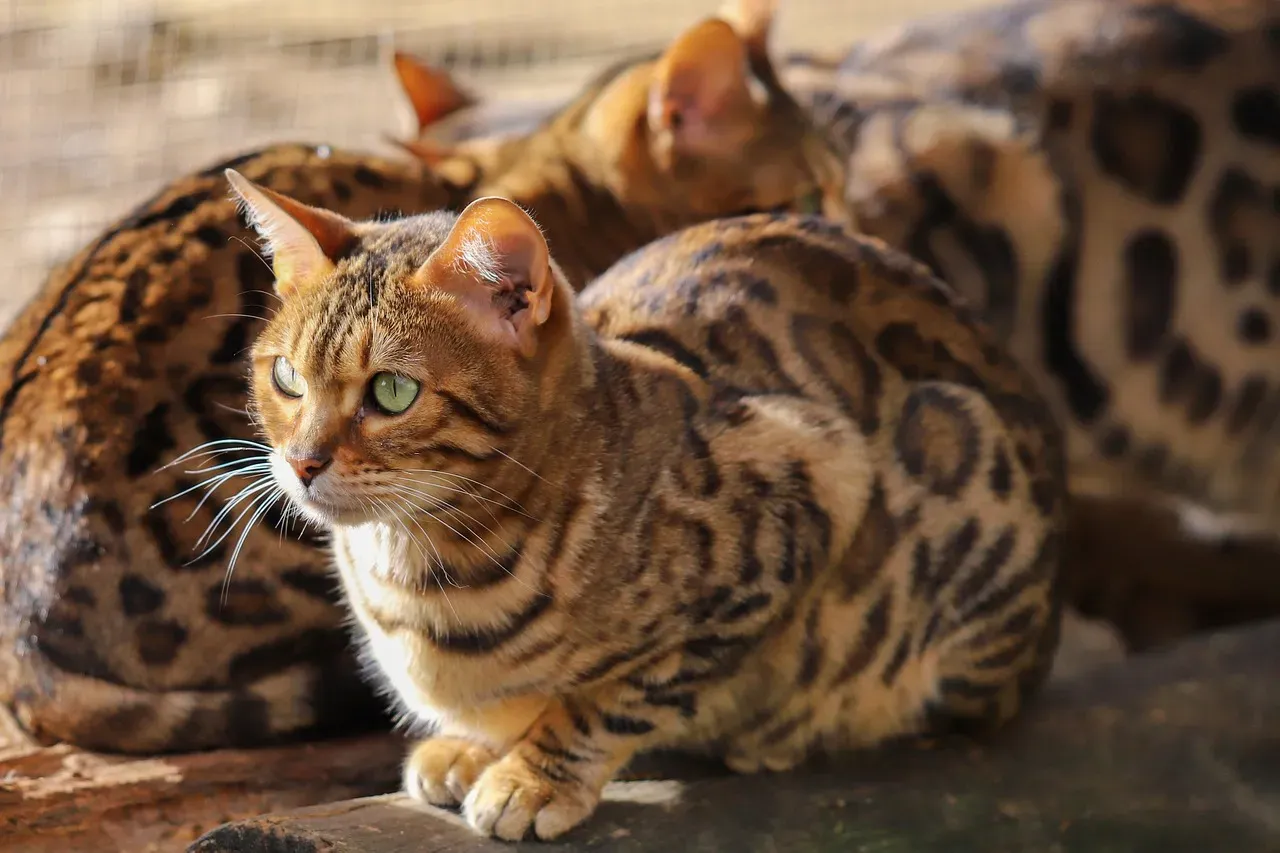
Here’s the thing about Bengals: you will be absolutely mesmerized by their looks. That stunning spotted coat practically begs you to pick them up and show them off. Don’t let the beauty fool you. Bengal cats are affectionate but strongly dislike being restrained. While they enjoy close companionship, they prefer interaction on their own terms and often resist being picked up or held for long periods. Highly intelligent and inquisitive, Bengals show love through play, vocal communication, and shared activities rather than cuddling.
Think of Bengals as the colleague who loves working with you on a project but will not sit next to you at every lunch break. These cats are one of the most playful and energetic breeds out there and might enjoy some playtime or a game of fetch, but they often prefer to do things on their own rather than curling up on your lap for hours. Bengals and Abyssinians are known for their independent and less affectionate nature, and these breeds may not appreciate being picked up and may react aggressively when held. Respect that boundary, and you will have one of the most entertaining companions you have ever known.
2. The Abyssinian: Curious, Clever, and Definitely Not a Cuddle Bug
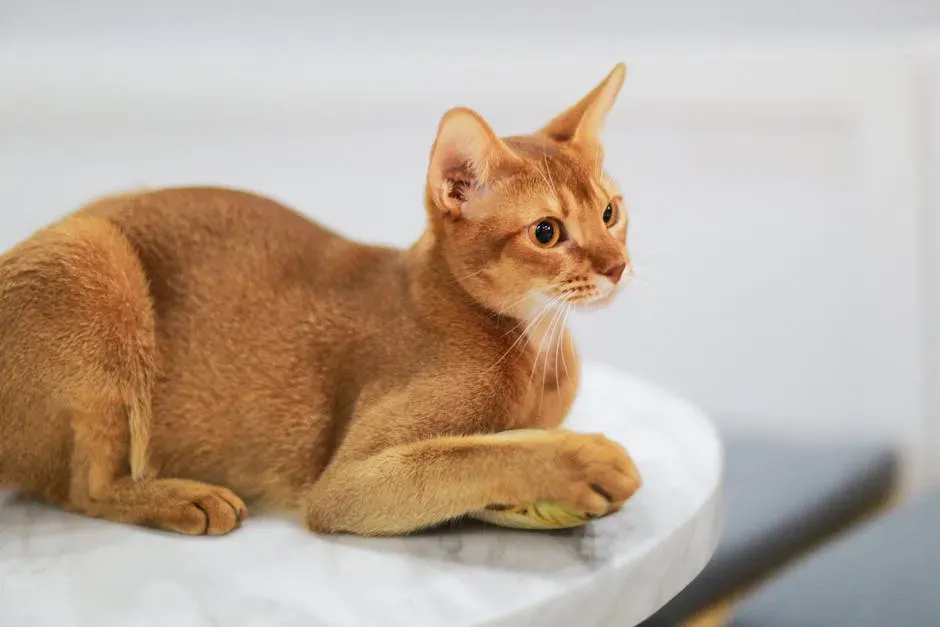
If you could shrink an Olympic gymnast down to cat size, you would get an Abyssinian. Often called the “Aby,” the Abyssinian is one of the oldest known cat breeds, admired for its ticked coat, athletic build, and alert, expressive eyes. Regal and intelligent, this breed is famously curious and always on the move. Always on the move is the key phrase here. These cats live for motion, exploration, and mental stimulation, not being held still in someone’s arms.
Abyssinians dislike being restrained because they value freedom and self-direction. Rather than sitting still in someone’s arms, they prefer to explore, climb, and observe their surroundings on their own terms. Confident and self-assured, this breed shows affection through proximity and interaction, not cuddling. You will often find your Aby nearby, watching what you are doing with wide, intelligent eyes. Just don’t try to scoop them up to show guests, because you will have approximately zero seconds before they are gone.
3. The Russian Blue: Selective, Shy, and Suspicious of Strangers
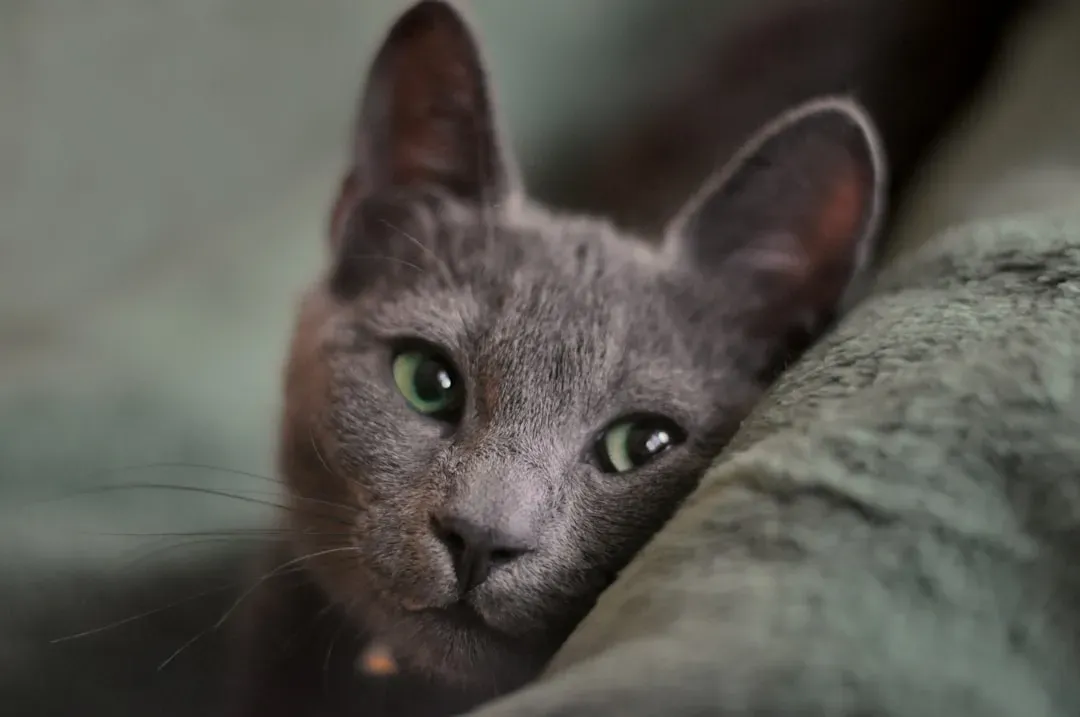
Honestly, the Russian Blue is one of the most misunderstood breeds on this list. They are not unfriendly, they are just incredibly selective. Russian Blues are reserved and intelligent, bonding closely with their family but remaining aloof with strangers, a trait attributed to their ability to sense emotions and act cautiously. Russian Blues are independent cats that also have low grooming needs, making them a great pet for people with busier lifestyles, as these cats take time to warm up to strangers and tend to form strong bonds with just one or two people.
Russian Blue cats were strongly linked to shyness toward strangers in behavioral studies. They are not unfriendly, just incredibly selective about who gets access to their personal space. If you are a stranger reaching out to pet one, expect them to vanish faster than you can blink. Once they trust you, they will show affection in subtle ways. Still, don’t expect them to be lap cats demanding constant touch. The lesson? Let a Russian Blue come to you, and the relationship will be deeply rewarding. Force a hug, and you will lose their trust for weeks.
4. The Norwegian Forest Cat: Majestic, Independent, and On Its Own Schedule
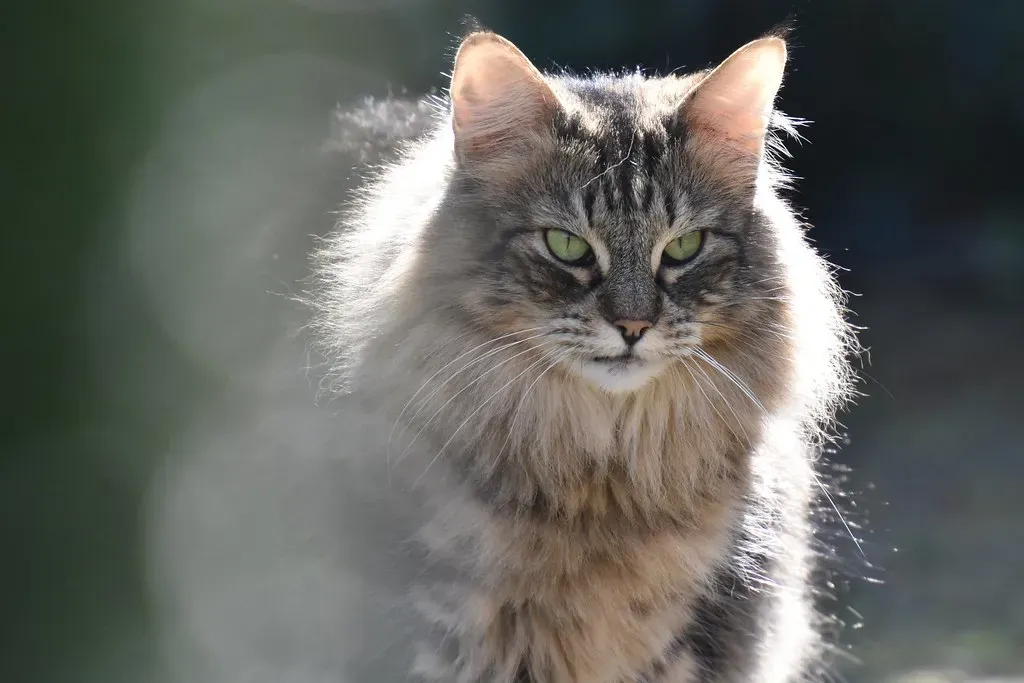
Looking at a Norwegian Forest Cat is like staring at a painting from a Scandinavian fairy tale. Big, luxurious, and commanding, these cats carry themselves with the quiet dignity of royalty. But royalty does not enjoy being scooped up on a whim. These majestic cats from Scandinavia have a semi-wild heritage that influences their behavior. The Norwegian Forest Cat is a breed that is usually quite active and independent, preferring their own company over cuddling, and while they may show signs of affection from time to time, these cats tend to be relatively aloof and not overly eager for physical contact.
The Norwegian Forest Cat comes from cold fjords with beautiful almond-shaped eyes and a triangular face, and even though they may look indifferent, they are not unfriendly, as they enjoy spending time alone, sitting high up, and observing their surroundings, like kings and queens who don’t grant audiences often. Your best bet with this breed is to let them approach you. Set up a cozy perch near your favorite chair and wait for them to decide they want company. That patience pays off beautifully.
5. The Turkish Van: The Swimming Cat Who Would Rather Swim Than Snuggle
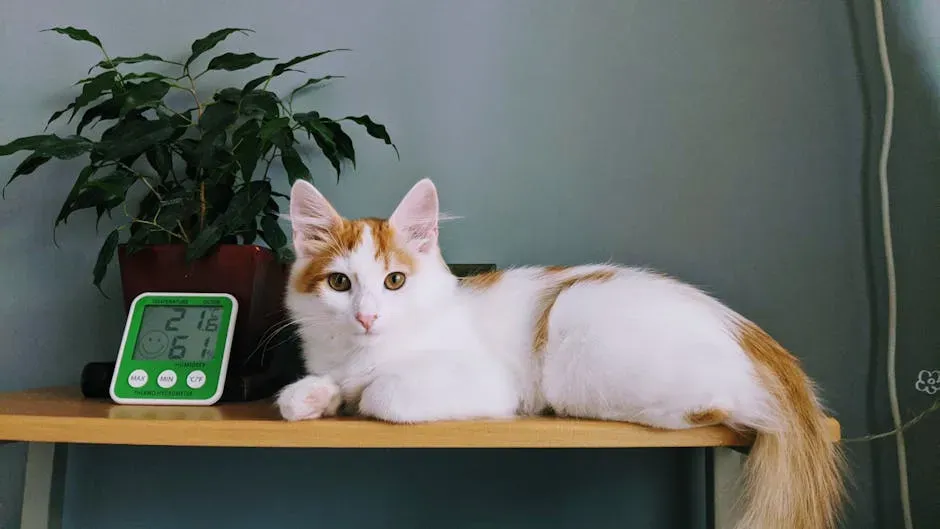
The Turkish Van has a truly unique claim to fame. Also known as the “swimming cat,” the Turkish Van is a rare, ancient breed from Turkey. Athletic and powerful, this cat is famous for its love of water and bold, energetic personality. You would think a cat that loves the water would not mind being handled. Think again. Their boldness comes from confidence, not submission, and they draw a very clear line between fun interaction and unwanted physical restraint.
Turkish Vans are high-energy cats that strongly resist control and confinement. Being held or restrained limits their movement, which clashes with their natural desire to run, climb, and explore freely. Highly intelligent and inquisitive, this breed prefers interaction on its own terms. While deeply bonded to their humans, Turkish Vans show affection through play and companionship rather than prolonged cuddling or physical restraint. Think of them as the adventurous friend who loves your company on a hike but would never agree to just sit still and watch a movie.
6. The Persian: Dignified, Serene, and Deeply Unbothered
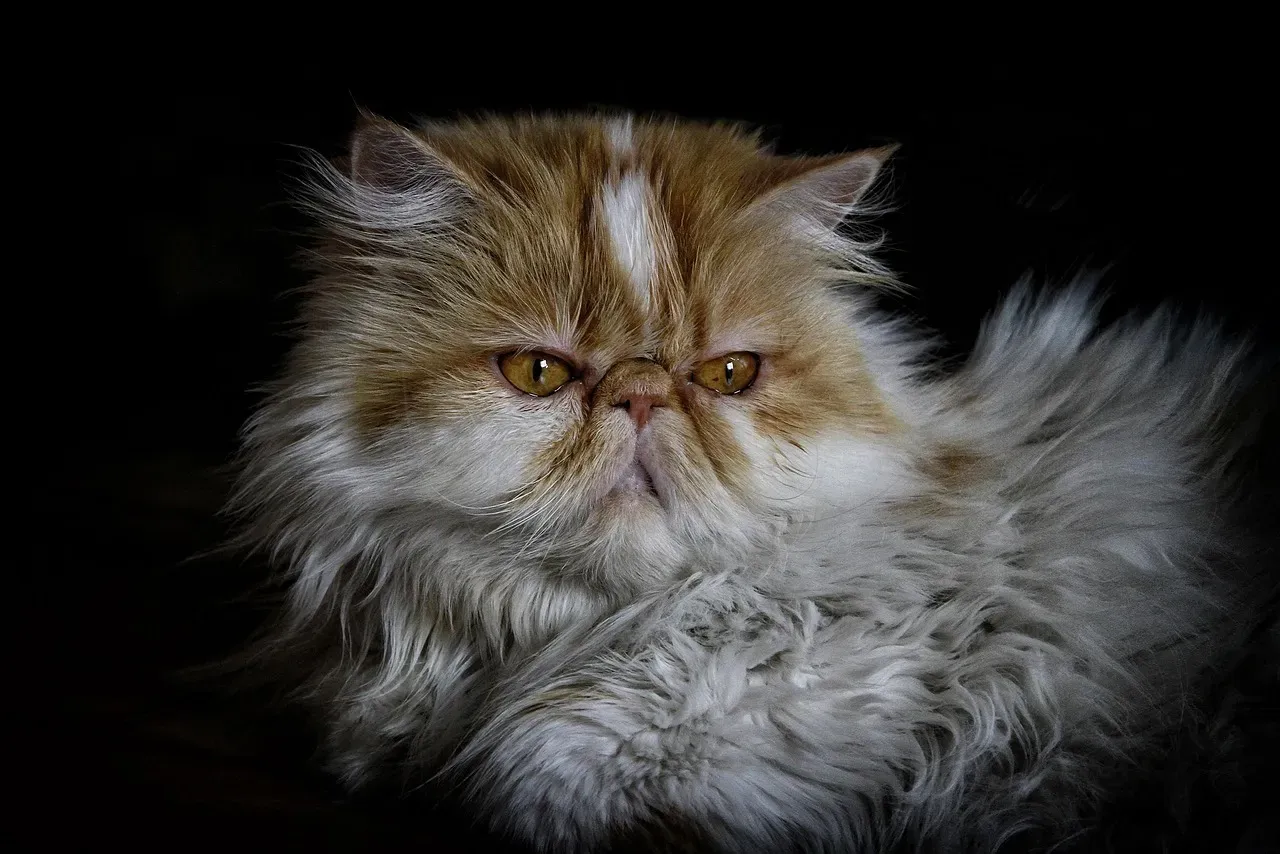
Persians look like they should love being cradled. They are soft, round, and built for comfort. The reality is a little different. The Persian is a type of longhaired cat with a luxurious coat and regal bearing, usually quite calm, and they do not typically display excessive amounts of affection towards their owners. They are perfectly content observing the household from their chosen perch. They will tolerate petting sessions when they are in the mood. Push too hard for affection, and you will get that signature Persian glare that makes you feel like you have committed a social faux pas.
I think Persians have mastered the art of making you feel like you should apologize for existing in their space. Persians don’t like climbing as much as other cats. They prefer to keep their paws on the ground and nap on the couch. That preference for groundedness extends to how they feel about being lifted. Your Persian will appreciate gentle petting far more than a full-body pickup. Respect their regal preferences, and you will have a peaceful, graceful companion in your home.
7. The Somali: Fox-Like, Fearless, and Perpetually in Motion
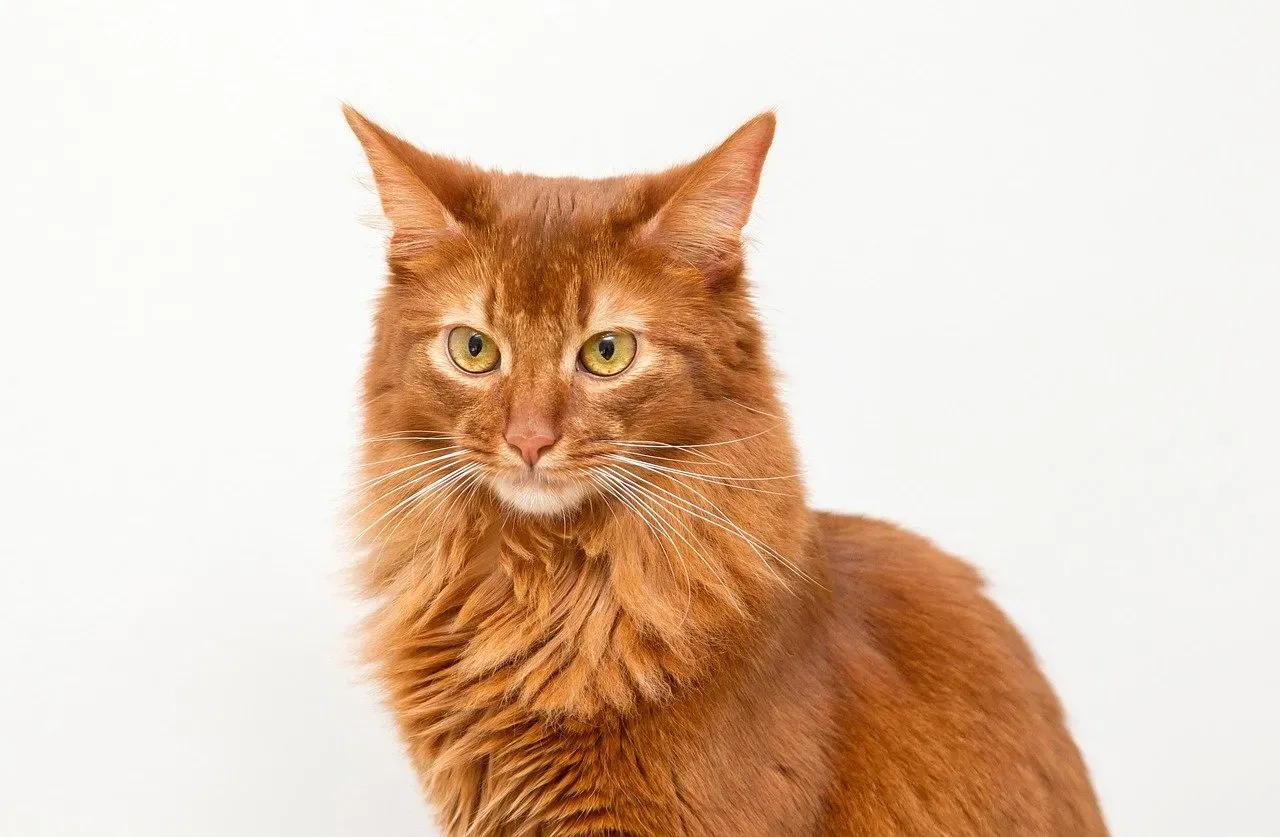
The Somali is essentially the wild child of the cat world, wearing a gorgeous, full fox-like coat and bringing enormous amounts of energy into every single room they enter. The Somali is the long-haired version of the Abyssinian, with a striking fox-like look. They are very active, clever, and love to explore. Given that their closest relative, the Abyssinian, is already notorious for despising restraint, it should come as zero surprise that the Somali shares this trait in full.
These cats are built to run, jump, investigate, and generally treat your entire home like a personal adventure park. Somalis are a breed of energetic, lively, social cats that you could easily mistake for a fox with their gorgeous red fur. Being held interrupts all of that. Your Somali wants to be next to you, experiencing the world alongside you, not caged in a human embrace. Give them stimulation, play, and freedom, and they will be the most lively, fascinating companion you have ever shared a home with.
8. The American Wirehair: Calm but No Fan of Being Carried
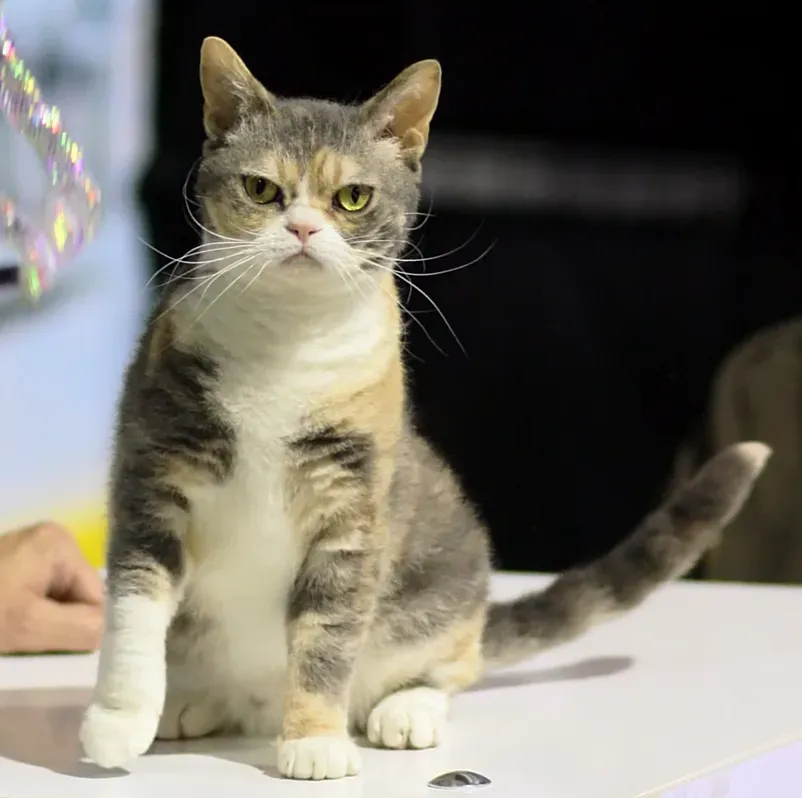
The American Wirehair tends to fly under the radar in conversations about cat breeds, which is a shame because they have a quiet charm all their own. The American Wirehair is a sweet cat with an outgoing personality but is not necessarily a breed that needs or requires its owners’ attention. American Wirehairs are known for their unique wiry coat, but as far as affection goes, they are not the most cuddly of cats, as their temperament is usually calm and independent, making them great for owners who do not mind a low-maintenance companion.
Here is the thing about the Wirehair. They genuinely like you. They just don’t need to be on you. This is the cat equivalent of a great neighbor who is always friendly but never overstays their welcome. They will sit near you, check in with you throughout the day, and show genuine interest in your activities. Pick them up uninvited, however, and the relationship cools noticeably. Not all cats enjoy being picked up, cuddled, or physically restrained, and for some breeds, independence is a core part of who they are. While cats can be affectionate and social, many prefer to interact on their own terms, choosing when and how closeness happens.
9. The Savannah: Part Wild, All Independent

If you want a cat that behaves like it still has one paw in the African savanna, the Savannah is your breed. Savannah cats are tall, wild-looking cats descended from African servals. They are energetic, love jumping, and act more like dogs than cats. That wild energy is precisely what makes being picked up such an uncomfortable proposition for them. They are wired for movement, height, and freedom, and a pair of human arms wrapping around their torso contradicts everything their instincts are telling them.
Being picked up is a very unnatural position for a cat, and in the wild would usually indicate a predator grabbing them rather than a friend. So it is a perfectly normal instinctive response if the cat struggles to get away, or freezes. For a Savannah, those instincts run especially deep. They can bond intensely with their humans and will follow you around the house enthusiastically, but being restrained and lifted is a very different matter. Think of them as your energetic hiking partner who loves the adventure but refuses to be carried.
10. The Siberian: Majestic Forest Cat With Boundaries
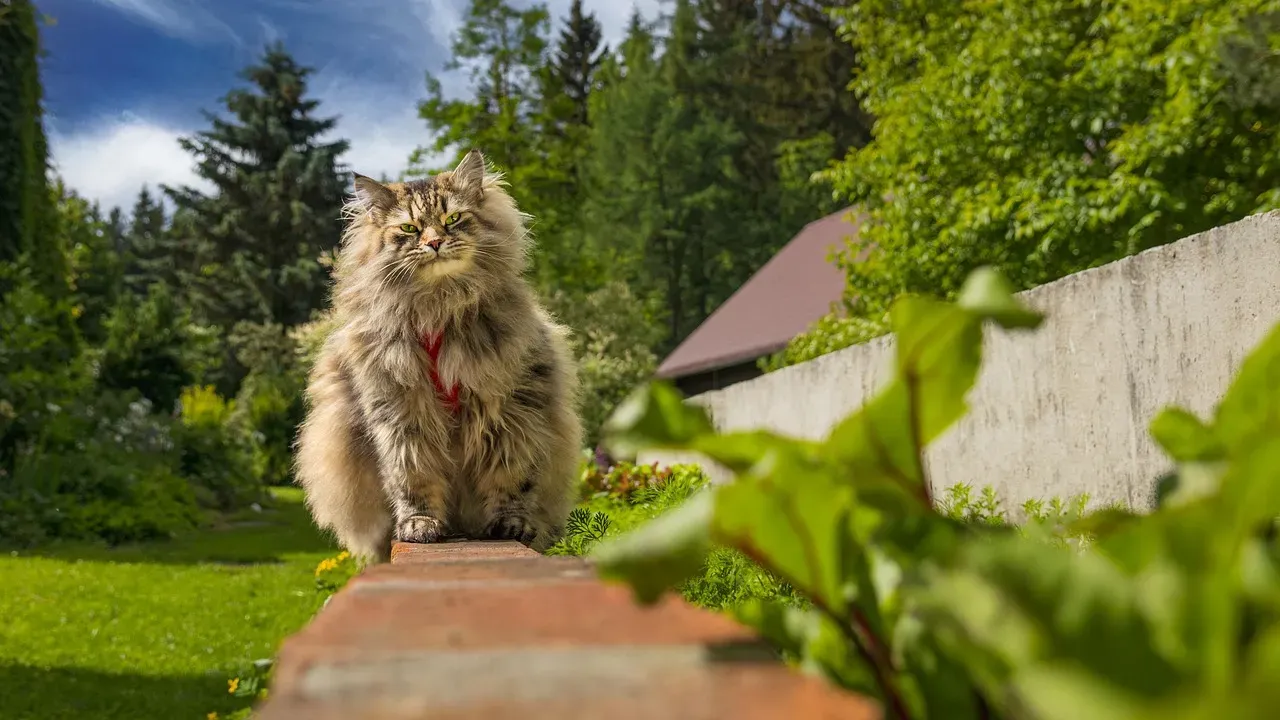
The Siberian cat is a gentle giant with a heart of gold and a personality that is warm, engaging, and deeply loyal. The Siberian has a very dog-like temperament and is very affectionate. They come out to greet visitors in the house and are not stand-offish with new people. That sociability, however, does not necessarily translate into loving being scooped up and held. Siberians are a large, powerful breed with a semi-wild history, and while they adore their humans, physical restraint can push their comfort zone.
As much as a cuddle is a lovely thing, it still reduces a cat’s options for getting away if anything were to startle it. If your cat hates being held, it may be that they see it as a form of restraint and are eager to reassert their independence and move away to their own chosen position. The Siberian is happiest when it can engage with you freely, on four paws, as an equal participant. Offer them playtime, gentle strokes, and a warm lap invitation without the forced pickup, and they will reward you with some of the most affectionate, loyal cat behavior you have ever experienced.
11. The Ragdoll: Actually Lives Up to Its Name
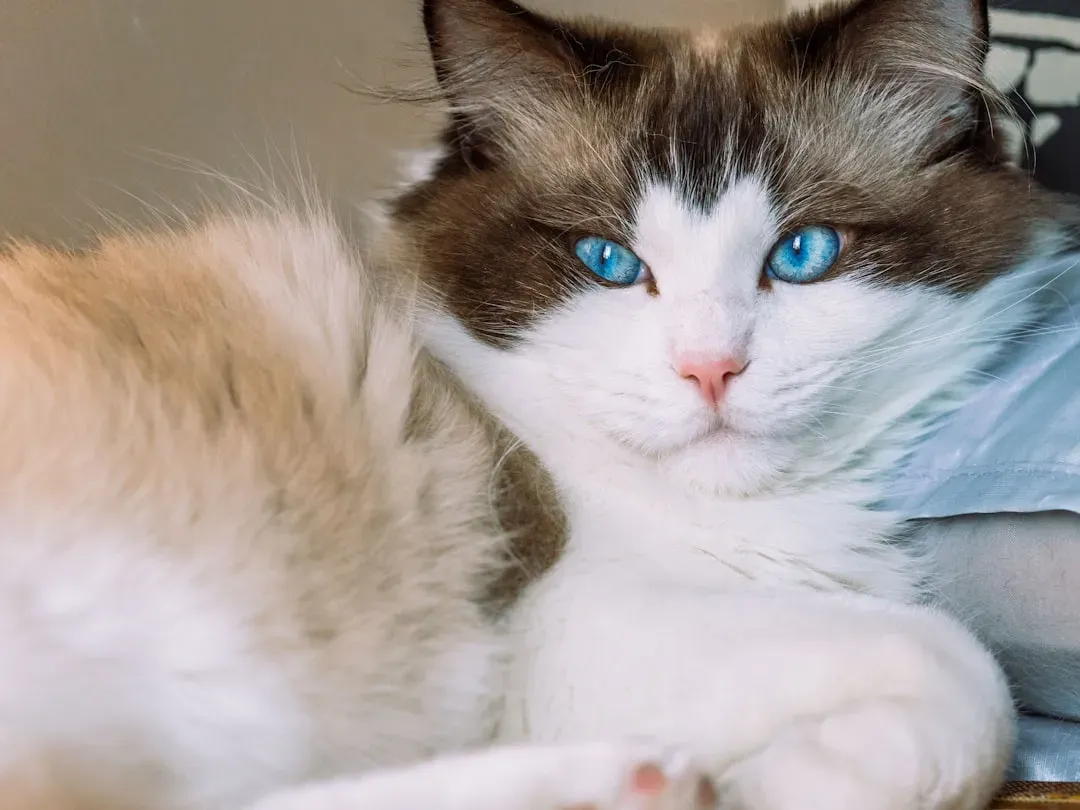
Now for the good stuff. The Ragdoll is, without question, the gold standard of lap cats that genuinely welcome being picked up. The name itself tells you everything you need to know. Ragdoll cats have a reputation as lap cats, and usually enjoy being carried around cradled like a baby. In fact, the name Ragdoll is thought to come from their relaxed “floppy doll” appearance when they are picked up by people. It is not an exaggeration. You pick one up and their whole body just… relaxes into yours.
The Ragdoll is, hands down, one of the best cat breeds for cuddling. They were bred specifically to be affectionate, loving cats. Unlike many cats, they have no qualms about being held and are frequent cuddlers. When they are not snuggling or playing, they are likely to be within arm’s reach, watching their people go about their day. If you have always dreamed of a cat that doubles as a living stuffed animal, this is unquestionably your breed.
12. The Sphynx: Hairless, Warm, and Surprisingly Obsessed With Human Contact
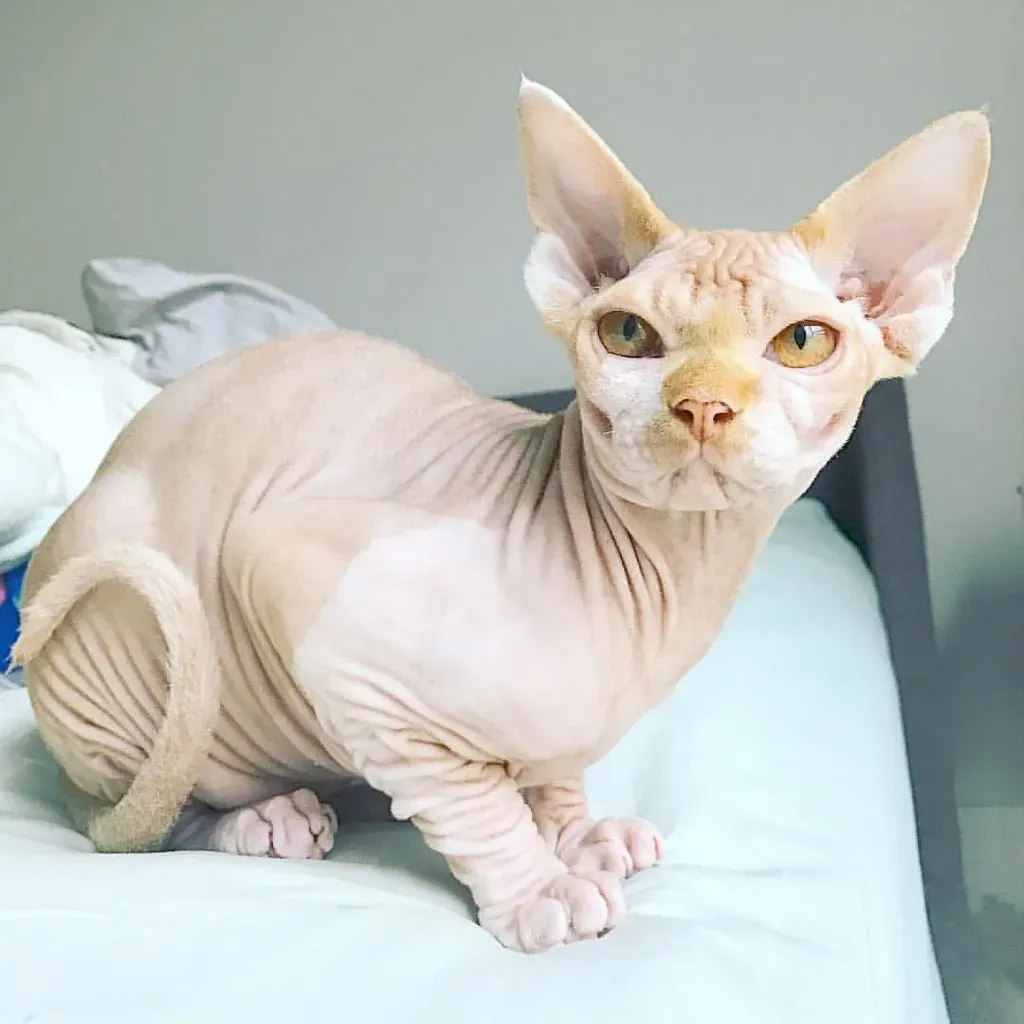
People often assume the Sphynx looks too alien-like to be cuddly. That assumption collapses the moment you meet one. Despite being a hairless cat breed, this little guy makes quite the cuddly and warm companion. Incredibly loving and with a high need for companionship, the Sphynx is happiest wherever its people are. Honestly, because they have no fur to insulate them, being held by a warm human is practically a survival strategy for a Sphynx. They will seek out body warmth with impressive enthusiasm.
If you are looking for super affectionate with a healthy dose of drama, meet the Sphynx cat. These hairless kitties are anything but independent – they will follow you from room to room, eager to show their love. They want to play and interact with you, but they also enjoy cuddling on your lap under a fuzzy blanket. Pick up a Sphynx and watch it lean into your chest like it has been waiting its whole life for that exact moment. It absolutely has.
13. The Burmese: Clingy in the Best Possible Way
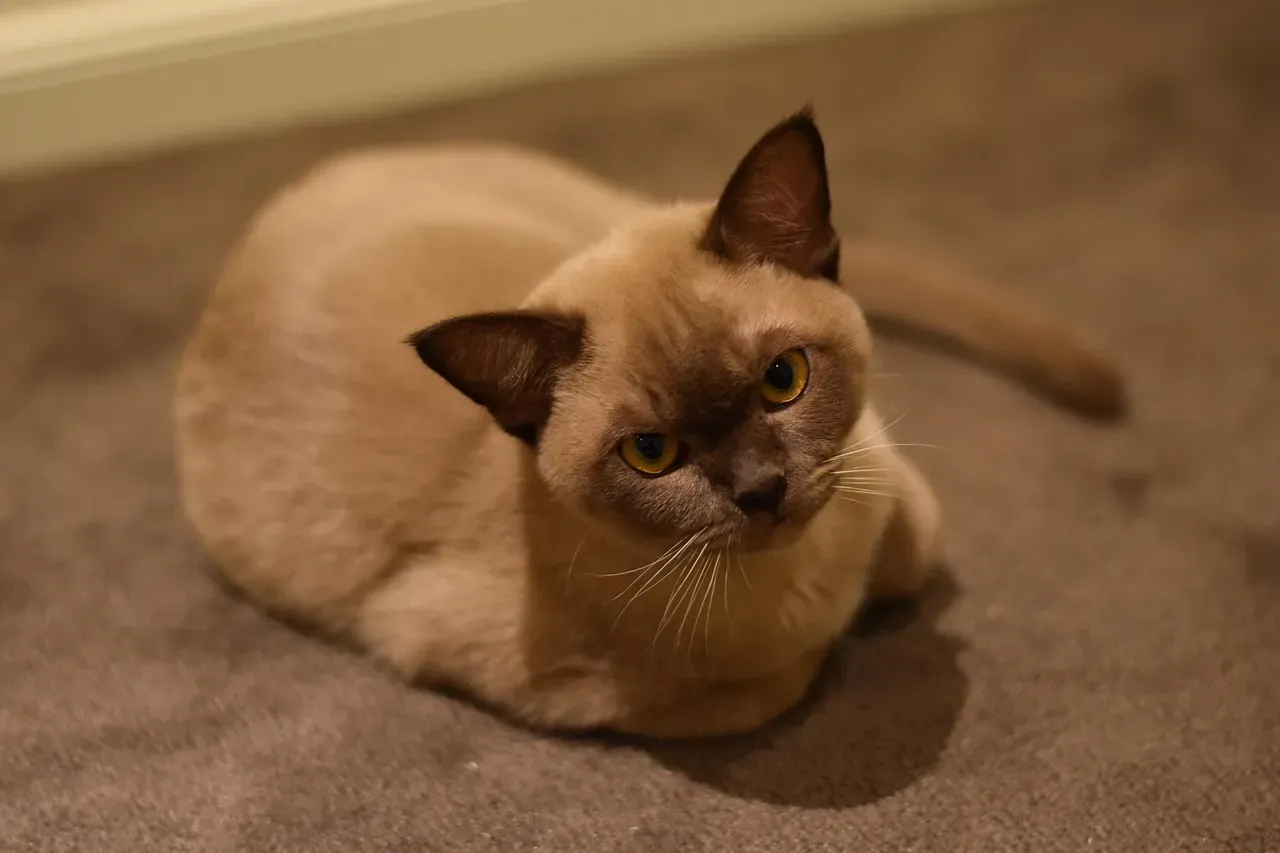
The Burmese is the cat that challenges everything you thought you knew about feline aloofness. Originating from Myanmar, Burmese cats are a fun-loving, high-energy, friendly cat breed that are even described as “puppy-like.” Much like American Shorthairs, they love to play and climb around. Yours might often perch on your shoulder to get a view of their surroundings. A cat that voluntarily sits on your shoulder is definitely not going to protest when you pick it up.
Burmese cats are renowned for their extreme levels of devotion to their owner, often remaining incredibly playful and clingy well past kittenhood. A result of breeding cats from the Thailand/Myanmar border with Siamese, Burmese cats come in a variety of colors, but are consistent in their intelligence and willingness to adapt to any social situation. They love busy households and will often cuddle up to strangers. It’s hard to say for sure, but the Burmese might be the most overtly affectionate breed in this entire list. They are not shy about it, either.
14. The Maine Coon: Gentle Giant That Secretly Craves Your Arms
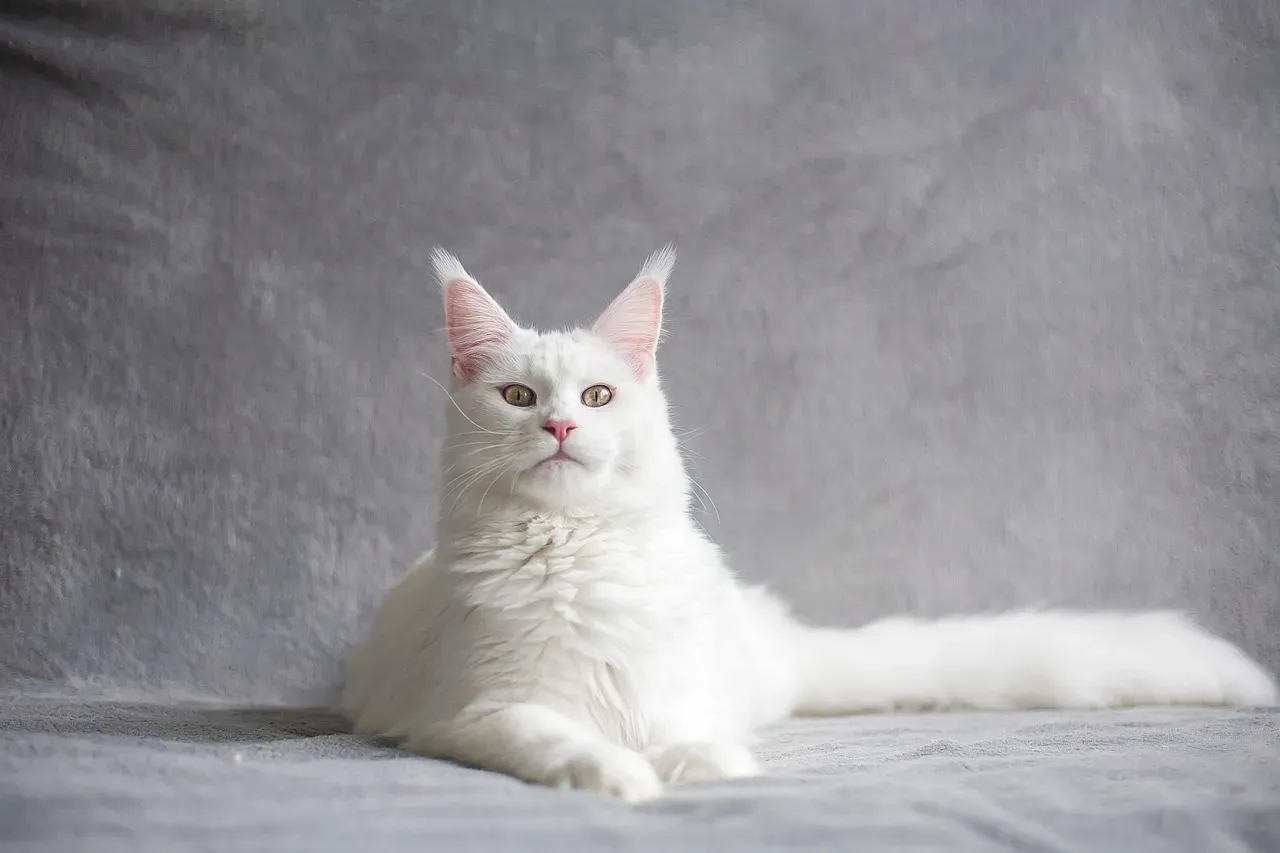
The Maine Coon is a big, magnificent creature that could easily intimidate you with its sheer size. Do not let that fool you. Maine Coons are often referred to as “gentle giants” because they can grow to be quite large, up to 25 pounds, yet remain gentle and loving towards their owners. Maine Coons love interacting with people and will often follow their owners around the house, seeking attention and affection. Following you around is practically a career for a Maine Coon.
These cats enjoy being petted and brushed, especially around the neck and tail area. They also like being held, cuddled, and talked to in a soft voice. What is remarkable about the Maine Coon is how they manage to be simultaneously independent and deeply affectionate. They are not needy, but they genuinely love closeness. The Maine Coon is a large, lovable cat who likes to cuddle. They are the largest breed of domestic cat, but they have got a whole lot of love to give along with it. This breed can be described as almost dog-like in its level of love for their cat parents and playfulness. Wrap your arms around one and feel the rumble of a very satisfied purr.
15. The Birman: Blue-Eyed, Silky, and Quietly Devoted to You
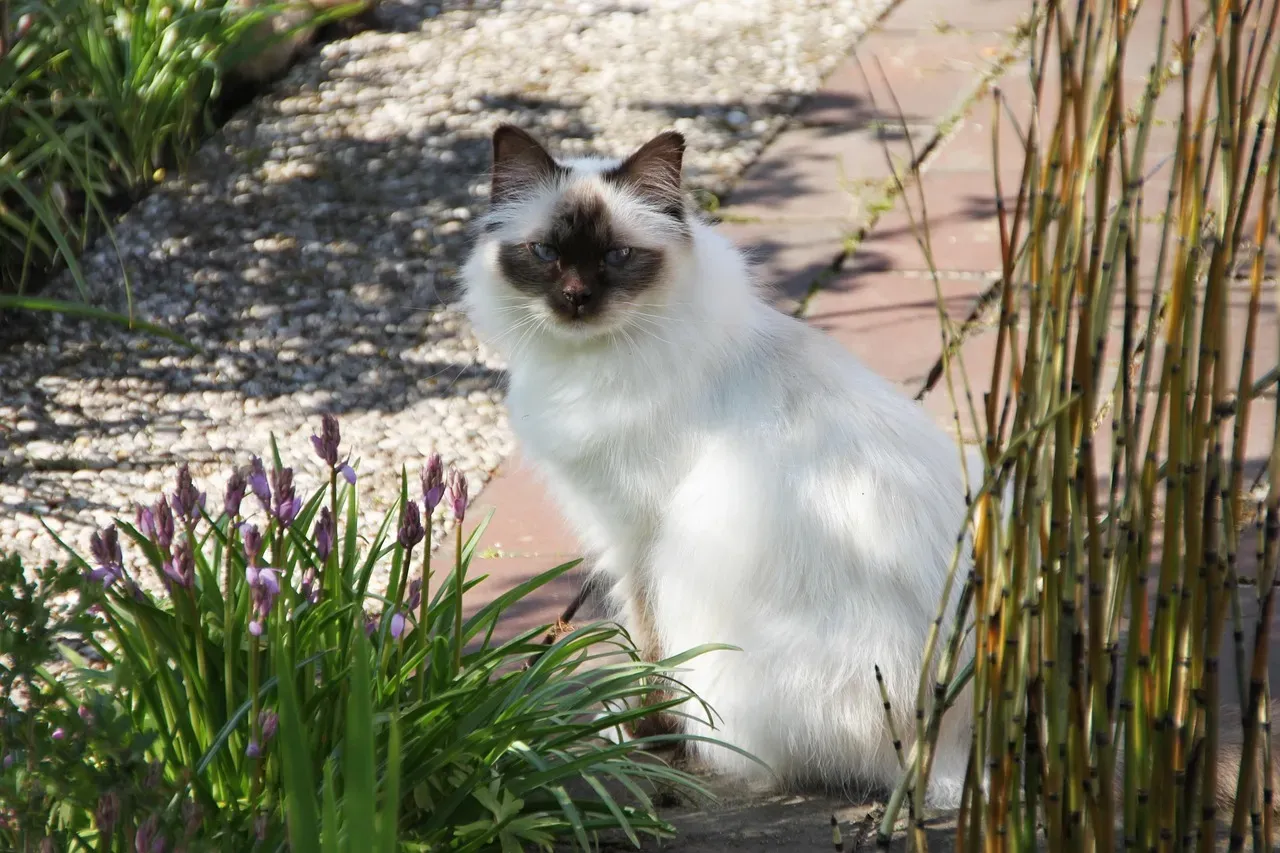
If the Ragdoll is the extrovert of lap cats, the Birman is the quiet, soulful introvert who loves you just as deeply, just a little more gently. Those wistful blue eyes, that cute button nose and the gorgeous long coat – how could you not want to cuddle? Luckily, the Birman is one of the most affectionate cat breeds and will beckon you to the sofa for snuggle time. Let that sink in. A cat that actually beckons you for snuggles. That is something special.
Bred as companion cats, this elegant breed loves affection and is heavily people-oriented. Birman cats are adaptable and tend to be friendly with everyone and everything, including other animals. The Birman does not demand your attention loudly or dramatically. Instead, it will quietly appear beside you, lean in softly, and make you feel like the most important person in the world. Being picked up does not distress them at all. Cats that are comfortable with being held were likely socialized to it during their kitten days. Kittens that were regularly picked up and held are more likely to be receptive to it as adults. The Birman tends to be naturally predisposed toward that comfort from birth.
A Final Thought Worth Sitting With
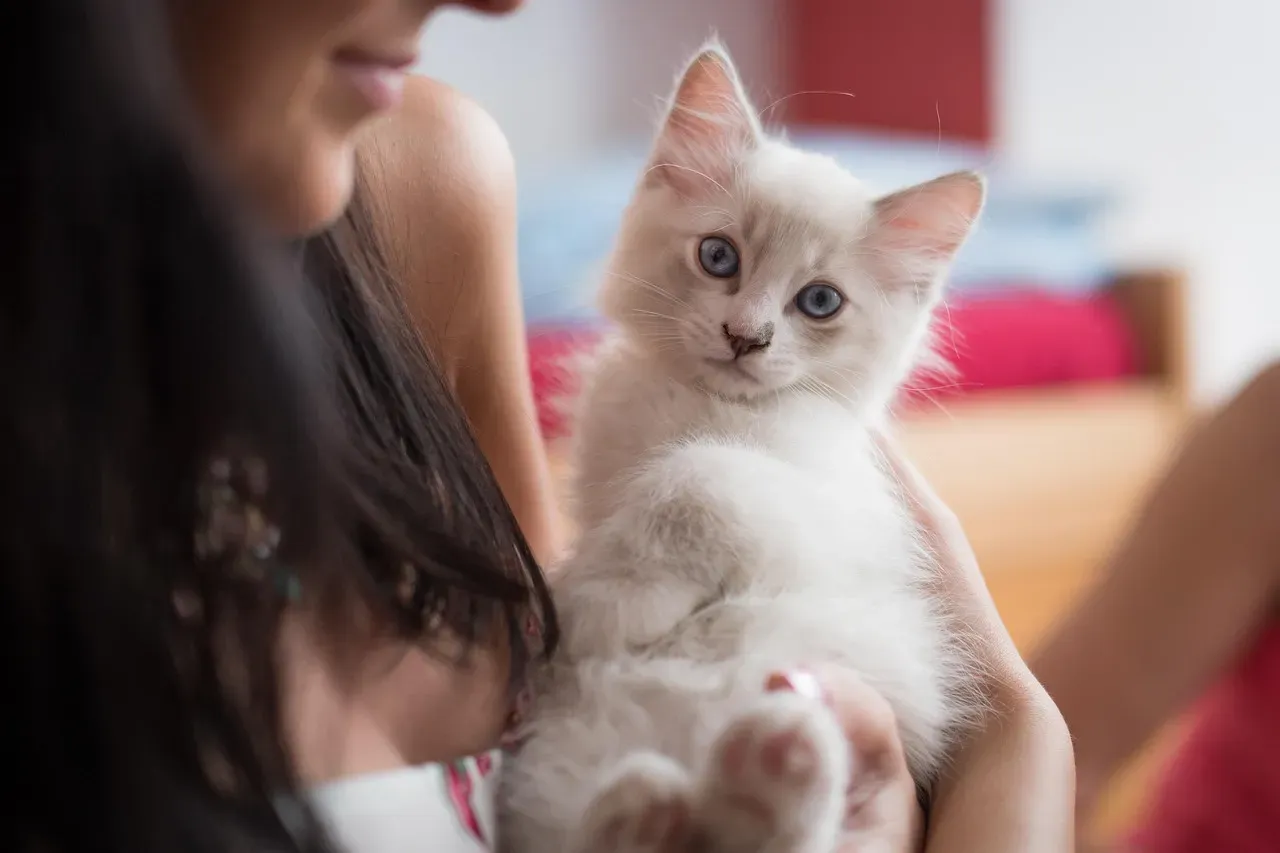
Here is the takeaway from all of this: understanding your cat is not just good manners, it is the foundation of a genuinely happy relationship. Cats that dislike being held often value autonomy and personal space more than physical contact. This sensitivity is not rejection – it is instinct. Restriction can make some cats feel trapped, triggering anxiety rather than comfort. Knowing that changes everything about how you interact with them.
Some cats don’t like the restraint of being held for a cuddle, but enjoy being stroked calmly while sitting near you. Others love to be groomed and will sit happily purring as you brush them. If your cat is really against physical contact, invest in some good cat toys and instigate regular playtimes, and give some treats as well. Love, after all, looks different for every creature. Your Bengal is not broken because it leaps out of your arms. Your Ragdoll is not weird because it just lies there, blissfully floppy. They are simply telling you, in their own language, exactly what they need.
The real question is: now that you know what your cat is actually saying, will you finally listen? What kind of cat person does that make you – one who forces the hug, or one who earns it? Tell us in the comments below.
Kristina is a young writer from India. An arts graduate and an avid content creator, Kristina is passionate about animals and wildlife. She enjoys exploring topics related to pet care, animal behavior, conservation, and nature, combining thorough research with engaging storytelling.