You’ve probably stared into your cat’s eyes a hundred times and wondered what on earth is going on in that mysterious little head. Cats are famously inscrutable. They show up on your lap uninvited, stare at walls, knock your water glass off the counter with zero apology, and yet somehow manage to own every room they walk into. The truth is, they’re not just being dramatic – they’re communicating with you constantly, and most of us have absolutely no idea how to answer back.
There’s one single, beautifully simple act that can change the entire dynamic between you and your cat. It takes less than five seconds. It requires no treats, no toys, no gadgets. Just your eyes. So buckle up, because what you’re about to learn might completely rewire how you think about your furry companion. Let’s dive in.
The One Act That Changes Everything: The Slow Blink
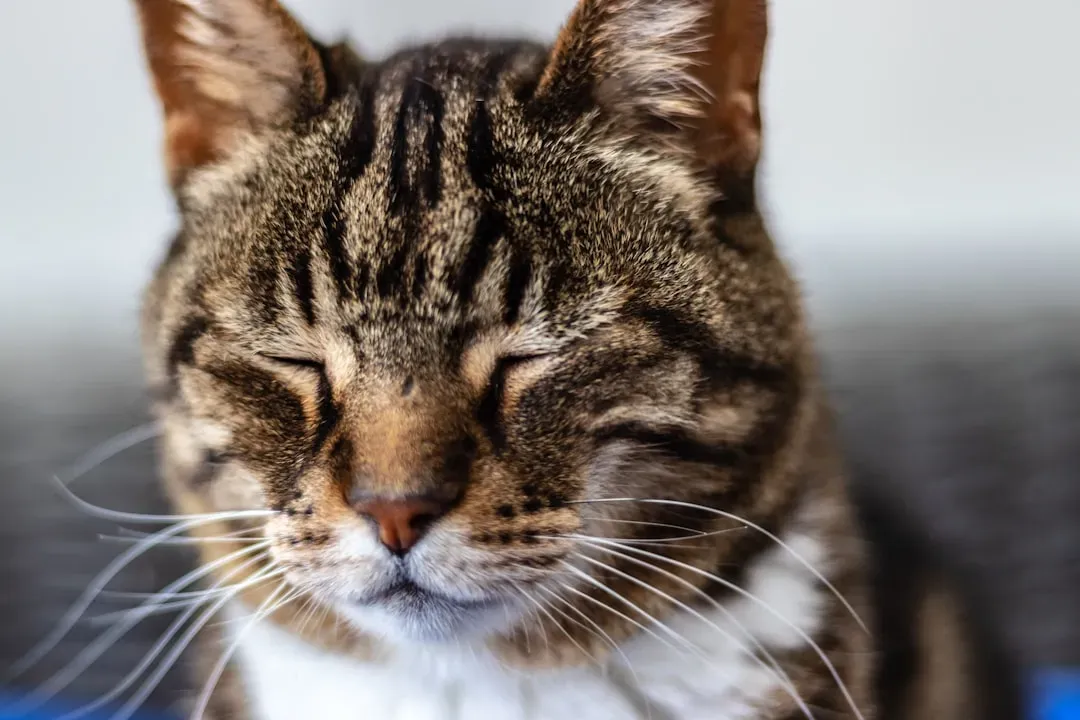
Here’s the thing – most people assume that bonding with a cat is about physical closeness, treats, or just being present. Those things matter, sure. But the single most powerful act you can perform? A slow, deliberate blink.
When a cat slow blinks at you, they are often expressing a sense of trust, contentment, and affection. Think of it like the feline equivalent of a warm, genuine smile – not the polite office kind, but the real one that reaches the eyes. Your cat’s slow blink is a sign that they trust you and feel comfortable around you, and it’s about as close to an “I love you” from them as you’ll ever get.
What makes this especially powerful is that it goes both ways. Recognizing and reciprocating your cat’s slow blink can help to strengthen the bond between you and your pet, leading to a more trusting and affectionate relationship. You don’t just receive this gesture – you can initiate it yourself, and your cat will likely respond in kind.
The Science Behind the Slow Blink
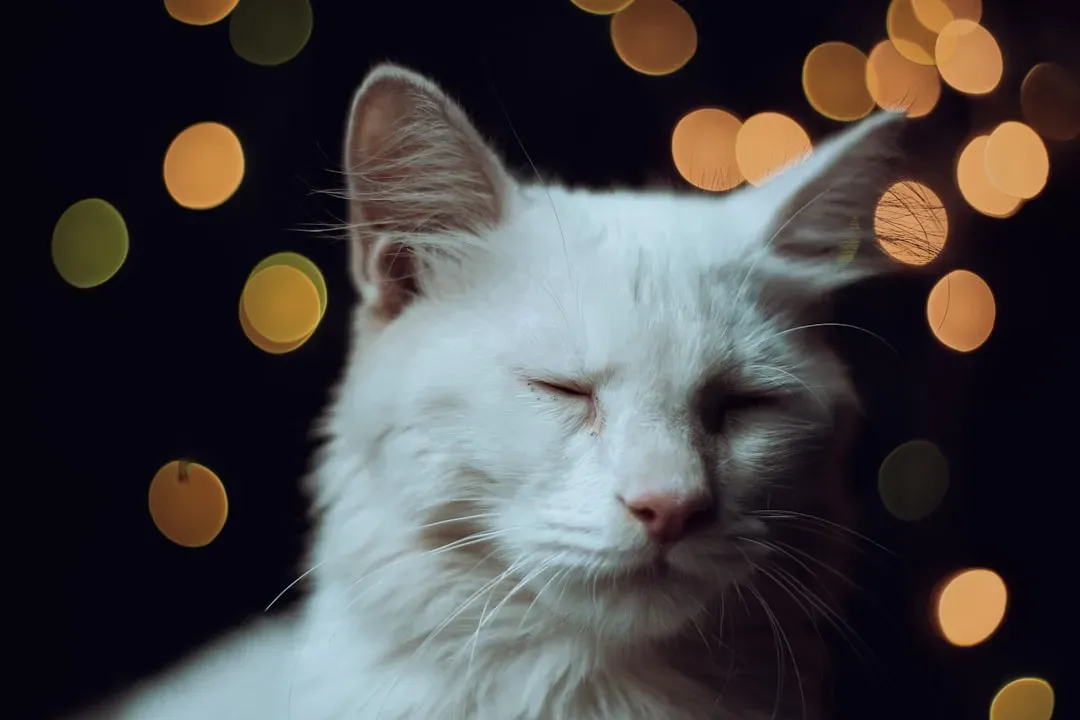
This isn’t just cat lover folklore. Real, peer-reviewed science backs it up. In 2020, psychologists at the University of Sussex conducted the first scientific study on cat slow blink meaning, led by Dr. Tasmin Humphrey and Professor Karen McComb. The research published in Scientific Reports proved something cat owners long suspected: slow blinking is genuine cat communication.
The study’s results were genuinely eye-opening, if you’ll excuse the pun. Cats are more likely to slow blink at their owners if their owners slow blink at them first. They are also more likely to slow blink at slow blinking strangers than those who just stare at them neutrally, and were generally much more likely to approach people who slow blinked at them first, whether they knew them or not.
Researchers noted that cat slow blinks share similarities with the Duchenne smile in humans – the genuine smile that reaches the eyes. Both are involuntary expressions of positive emotion. Honestly, I find that kind of beautiful. A species we’ve lived alongside for thousands of years found a way to mirror one of our most authentic emotional expressions.
Why Closing Your Eyes Around a Cat Is a Big Deal
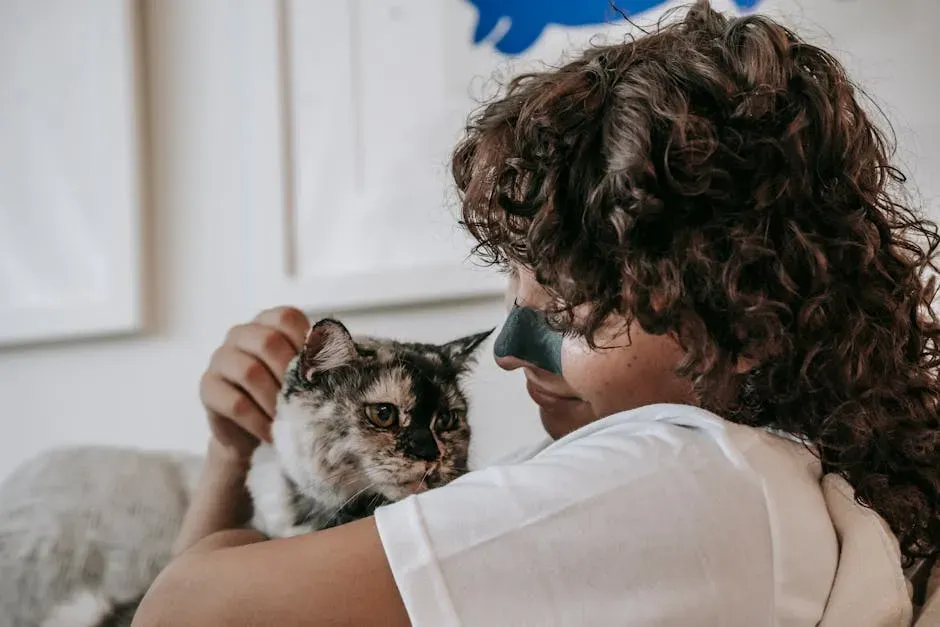
To truly appreciate this gesture, you need to understand what it costs a cat to close their eyes around you. In the feline world, closing their eyes in the presence of another creature makes them vulnerable, as they are unable to detect potential threats. This is no small thing for an animal that is both predator and prey.
When your cat narrows their eyes around you, they’re signaling vulnerability. Closed eyes mean “I don’t need to watch you for threats.” It’s the same reason cats expose their belly to trusted humans – it demonstrates they feel safe. So when your cat gives you that slow, sleepy blink from across the room, they’re essentially handing you their trust on a silver platter.
The slow blink requires your cat’s eyes to be almost fully closed for longer periods, and by performing this behavior, your cat is trusting that you will keep them safe while they’re vulnerable. For a creature hardwired for survival, that’s a profound act of faith in you.
How to Slow Blink Correctly (Yes, Technique Matters)
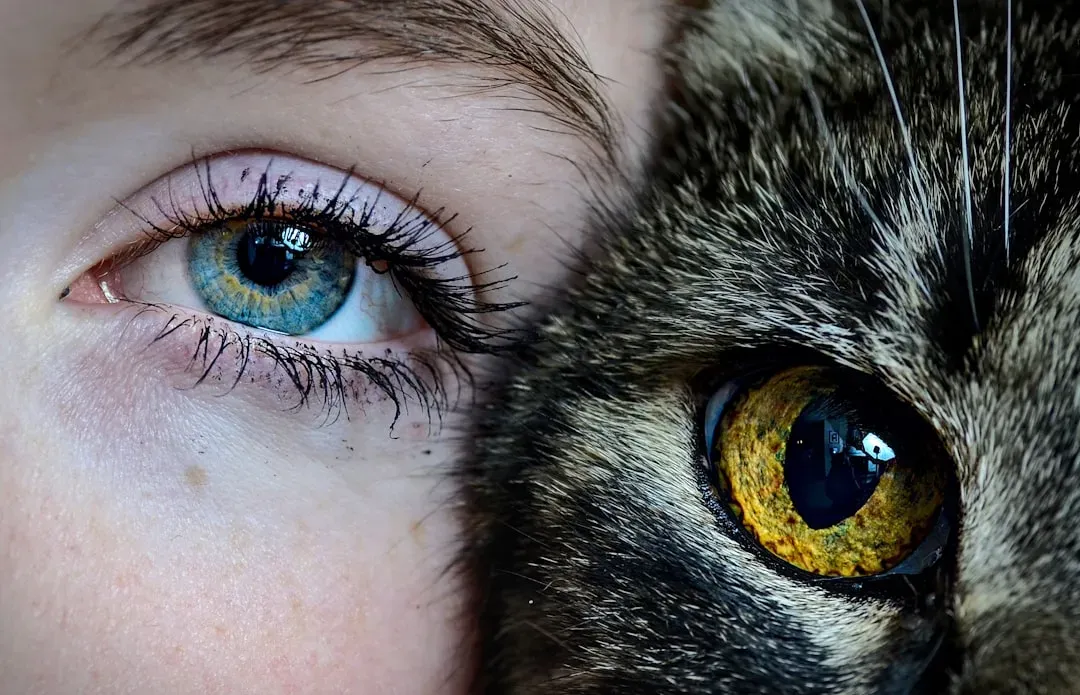
Let’s be real – you can’t just squint aggressively at your cat and expect results. Technique genuinely matters here, and getting it wrong can send the opposite signal. The good news is that once you know how, it feels completely natural.
A slow blink usually involves a series of soft, half-closed blinks, ending with a long eye narrowing or even a full eye closure, and it is done slowly, usually several times in a row. The key word there is “soft.” Think relaxed, not intense. Think “I’m about to fall asleep” rather than “I’m staring at you on purpose.”
Wait until your cat is relaxed and looking in your direction. Don’t force eye contact. Narrow your eyes slowly, keeping them half-closed for a moment. Think “sleepy” not “squinting.” Close your eyes fully for a second or two, then open them softly. Repeat this a few times and give your cat a moment to respond. Some will blink right back. Others might just soften their gaze or look away gently, which is also a positive sign.
What Happens in Your Cat’s Brain (and Yours) During Bonding
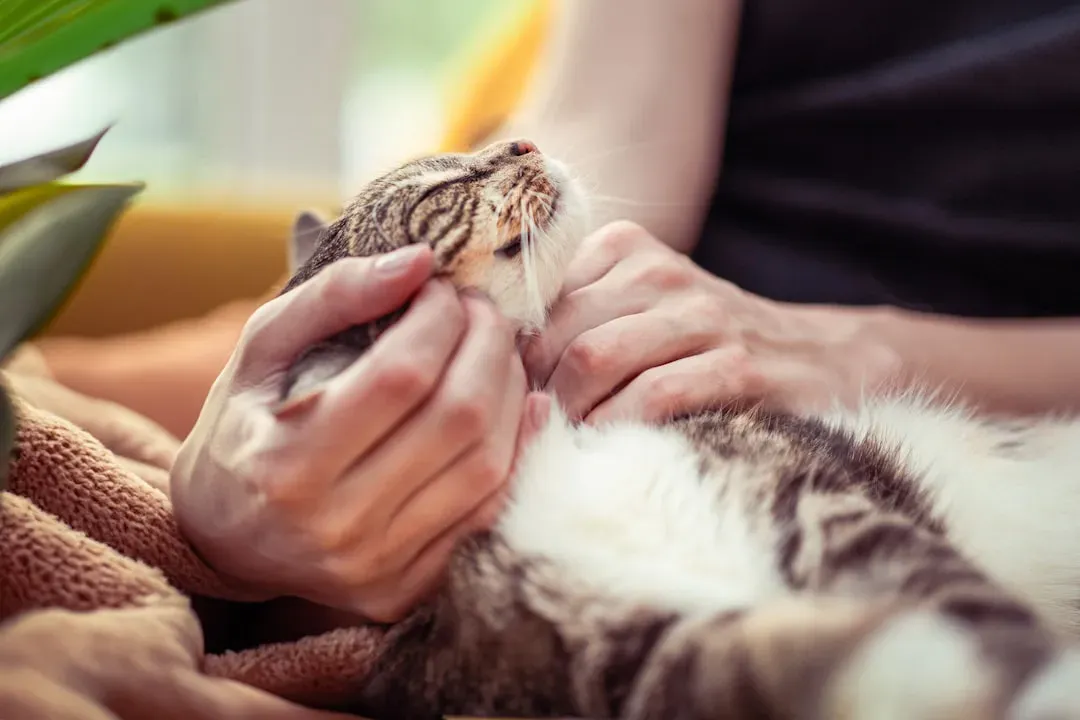
Here’s where it gets truly fascinating. The connection between you and your cat isn’t just emotional – it’s chemical. Oxytocin plays a central role in social bonding, trust, and stress regulation in many animals, including humans. This is the same hormone released when humans hug, hold a baby, or share a meaningful moment with a close friend.
A February 2025 study found that when owners engaged in relaxed petting, cuddling, or cradling of their cats, the owners’ oxytocin tended to rise, and so did the cats’ – if the interaction was not forced on the animal. The word “forced” matters enormously here. Oxytocin of avoidant and anxious cats was found to drop after a forced cuddle. When interactions respect the cat’s comfort, the oxytocin flows – but when a cat feels cornered, the bonding hormone is elusive.
So every slow blink you offer, every moment of patient presence – it’s literally triggering love chemistry in both of you simultaneously. That’s not soft science. That’s biology doing its thing.
Slow Blinking With Cats You Don’t Know
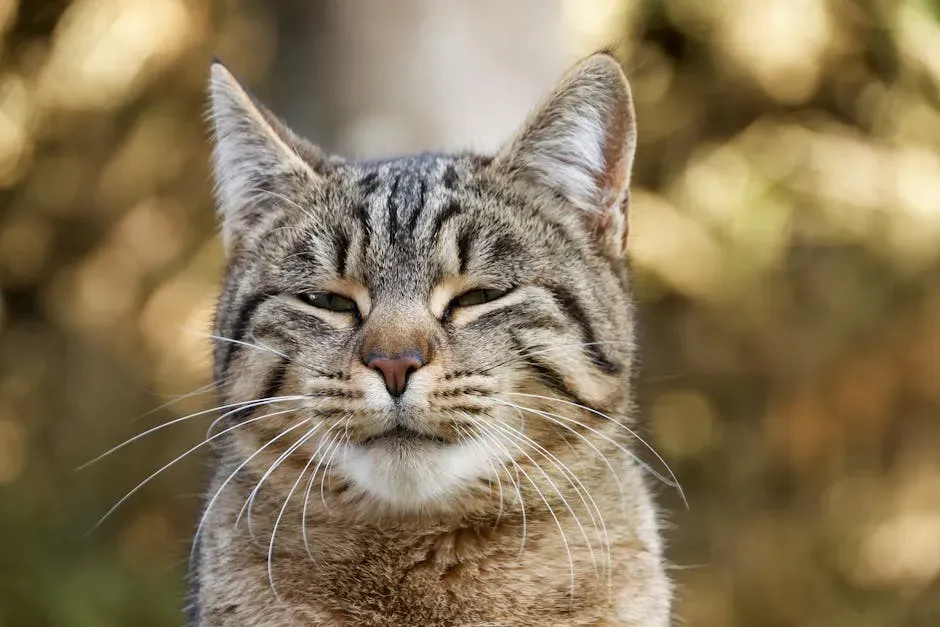
Here’s something that surprises most people: the slow blink doesn’t only work with your own cat. When humans initiate the slow blink, they are telling the cat that they trust them, which allows the cat to form a positive association. Slow blinking can be done with any cat.
Veterinarians could use slow blinking to calm anxious cats during exams. Shelter workers might help fearful cats feel safer, improving adoption outcomes. Honestly, this is one of those small discoveries that can make a real difference in the lives of animals who are stressed or scared. A stranger walking into a shelter, sitting quietly, and offering a slow blink might be the first kind signal that cat has ever received from a human they don’t know.
Your cat is also likely to slow blink back at other people who slow blink at them. So if you’re trying to help a new partner or friend win over your notoriously standoffish cat, now you know exactly what advice to give them.
Pairing the Slow Blink With Other Bonding Behaviors
The slow blink is a starting point, not the whole story. Once you’ve opened that communication channel, you can layer in other trust-building behaviors to deepen the connection even further. Think of the slow blink as the handshake – what comes after determines the relationship.
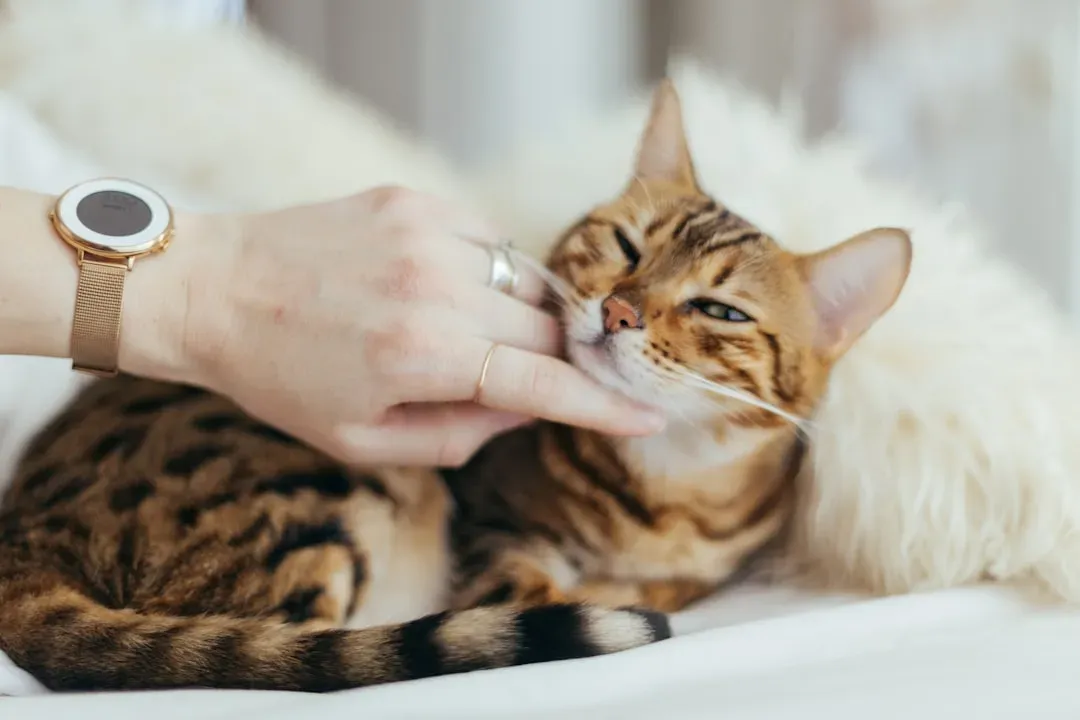
Use a gentle, soothing tone when talking to your cat as they slow blink. This can help to create a calming atmosphere and further reinforce the positive emotions associated with the slow blink. If your cat is comfortable with physical touch, consider offering a gentle head scratch or chin rub while they slow blink at you. This can help to strengthen your bond and provide positive reinforcement for their trusting behavior.
If your cat rubs their head against you, they’re marking you as “theirs” with scent glands on their face. A gently curved or upright tail signals friendliness and comfort. Kneading – that kitten-like behavior often accompanied by purring – is a strong sign of trust and relaxation. Learning to read and respond to these cues in tandem with the slow blink creates a beautifully layered conversation.
Building Consistent Routines That Reinforce Trust
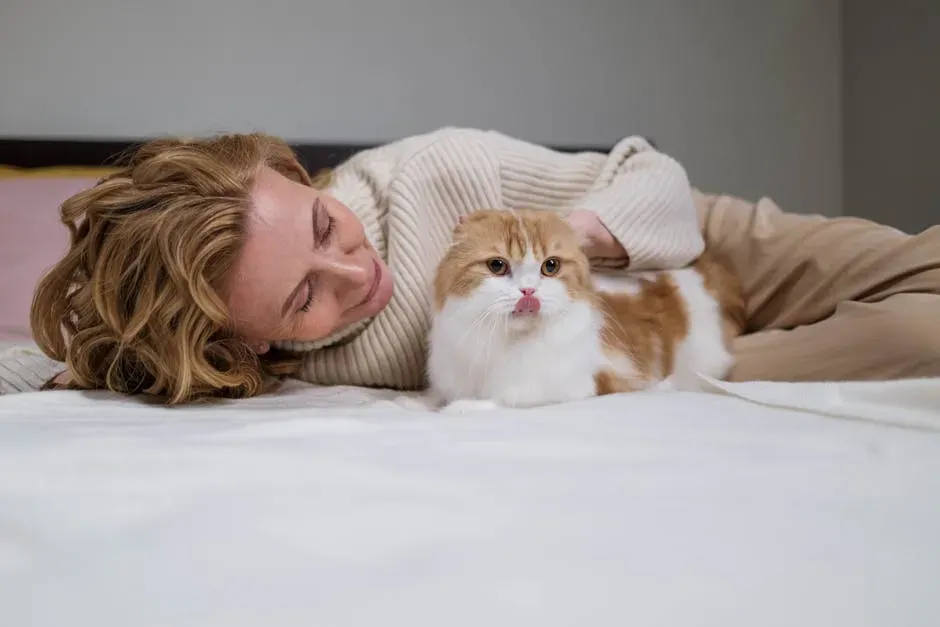
Cats are creatures of habit in a way that might surprise you. They don’t just want connection – they want predictable connection. Effective cat bonding routines revolve around creating predictable moments of connection throughout the day. Morning greeting rituals, feeding time interactions, and evening relaxation periods provide natural opportunities for strengthening your bond. These consistent touchpoints help your cat anticipate positive interactions, making them more receptive to a deeper connection.
It’s a bit like how a friendship deepens not through grand gestures but through consistent, small moments – the same coffee shop every Saturday, the check-in text after a hard week. Cats may be independent by nature, but that doesn’t mean they don’t crave connection. Building a strong bond takes time, patience, and an understanding of their unique personality. Some cats warm up quickly, while others take weeks or even months to trust their humans fully. No matter their pace, forming a close relationship leads to a happier, more confident cat – and a more fulfilling companionship for you.
Not all cat bonding routines need to be active. Sharing quiet time – reading a book while your cat naps nearby or working while they observe from their perch – builds comfort through peaceful coexistence. These moments of calm togetherness often lead to spontaneous displays of trust and affection.
What to Do When Your Cat Doesn’t Slow Blink Back
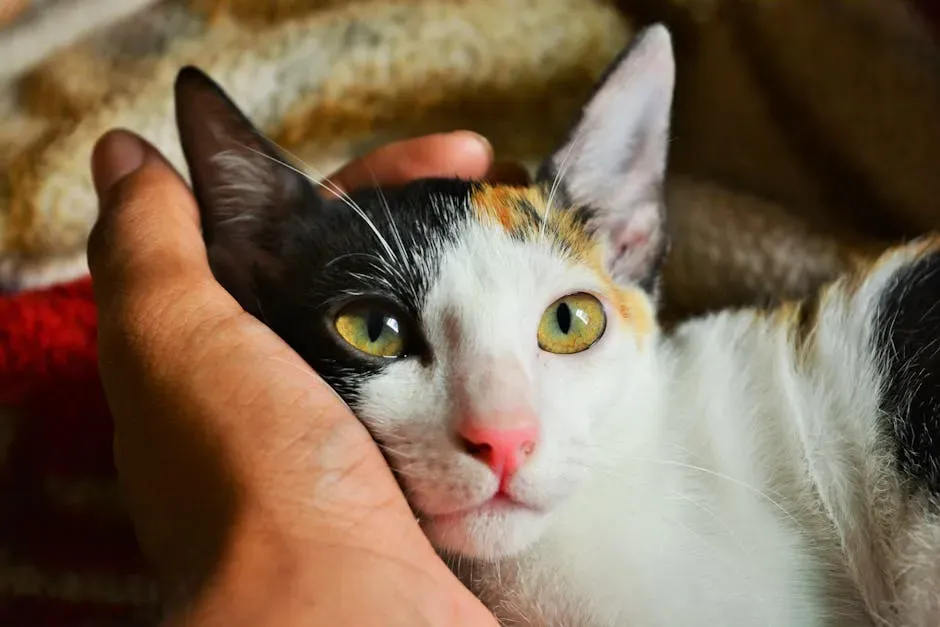
Don’t panic if you offer a slow blink and your cat just stares at you blankly. It happens. Not every cat responds the same way, and some need more time than others. Cats who are more nervous around people tend to take longer to slow blink back at them. Also keep in mind that not all cats show their affection with a slow blink.
Even if your cat doesn’t return the slow blink right away, don’t be discouraged. Every feline has a unique personality, and some may take longer to warm up to new forms of communication. Keep trying, mix in other bonding activities like playtime and treats, and most importantly – respect their space and boundaries.
It’s essential to pay attention to your cat’s body language and respect their boundaries. If your cat slow blinks but also displays signs of agitation or discomfort, such as a twitching tail or flattened ears, it’s crucial to give them space and avoid overwhelming them. Patience isn’t just a virtue with cats – it’s the whole strategy.
Conclusion: One Blink, A World of Difference
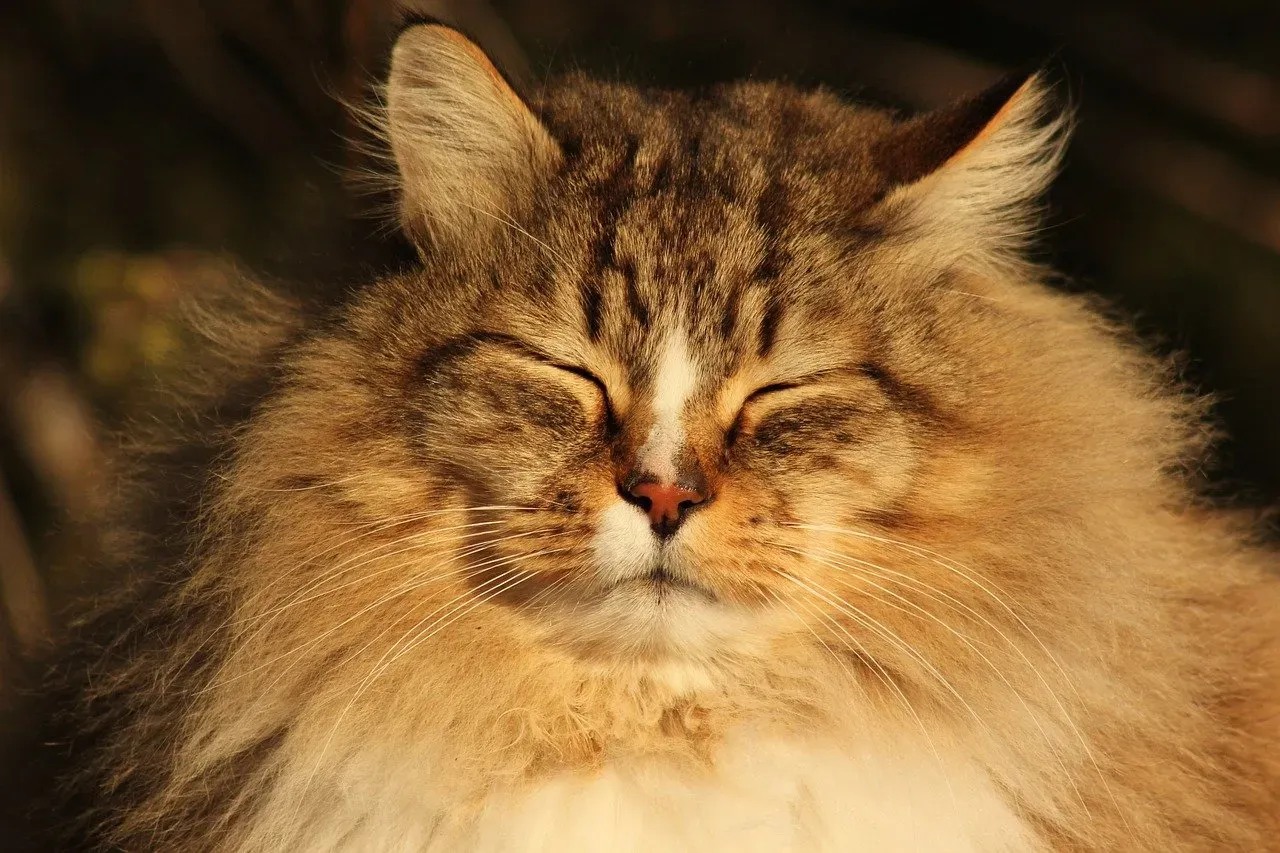
It’s almost laughable when you think about it. All this time, the secret to connecting with one of the world’s most mysterious, emotionally complex creatures has been sitting right there in your eyelids. No training courses, no expensive gadgets, no elaborate routines – just a slow, soft, deliberate closing of the eyes.
Practice slow blinking with your cat regularly. Over time, you’ll likely notice an increased sense of trust and a more profound emotional connection. It’s a simple yet powerful way to communicate love and understanding with your feline friend. The relationship you build through this tiny gesture, repeated consistently over weeks and months, can quietly transform a distant or cautious cat into a genuinely bonded companion.
The next time your cat blinks slowly from across the sofa or climbs onto your lap for a purr-filled cuddle, know that something invisible is happening too: oxytocin is rising in both your brains, deepening the trust and soothing the stress of daily life. You and your cat, connected by the oldest and simplest language imaginable – the language of a trusting gaze.
Tonight, find your cat, catch their eye, and blink slowly. Then wait. What does your cat do next?