There is something quietly unnerving about a cat staring at you from across the room – not in a needy way, but in a way that feels eerily knowing. Like they’ve already filed you away somewhere deep in their mental archives and pulled up your file just to assess whether you still deserve their company. Honestly, it is both endearing and a little unsettling.
Most people assume cats are indifferent to their owners, but science keeps nudging us toward a very different conclusion. The truth is, your cat may be remembering far more about you than you ever imagined. So let’s get into the 12 remarkable things your cat holds onto – and the 4 things they’d rather act like never happened.
1. Your Unique Scent – The Invisible ID Tag
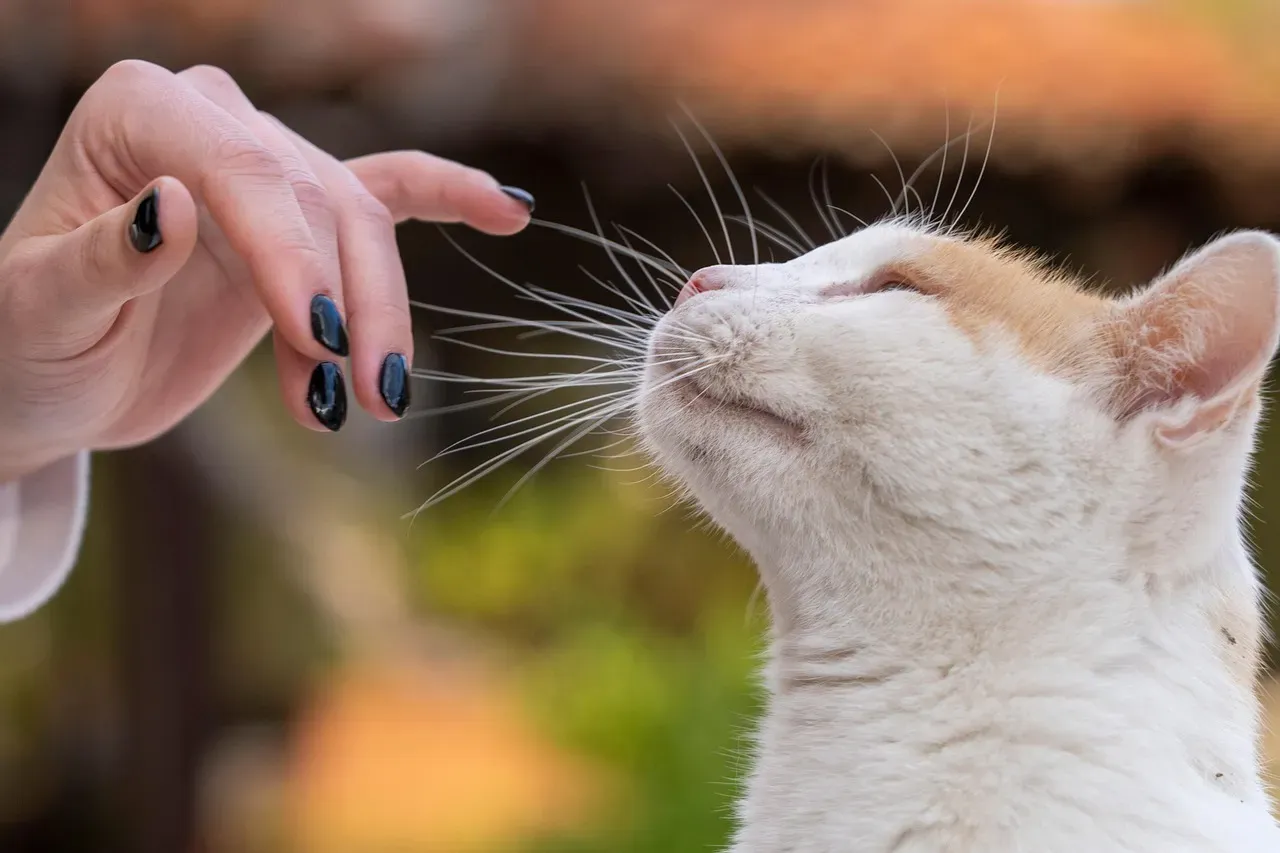
Your cat has around 80 million olfactory receptors, compared to the measly five million humans have. They don’t just pick up your perfume – they detect your full biological signature. Think of it like a living fingerprint your cat reads every single day. You are, to them, a walking scent story.
Cats rely on scent as their primary way to recognize people, and your unique personal scent helps them identify you even after a long time apart. This is why leaving a worn t-shirt behind when you travel actually works. Your smell is, in many ways, your most powerful presence in your cat’s world.
2. The Sound of Your Voice – Even Years Later
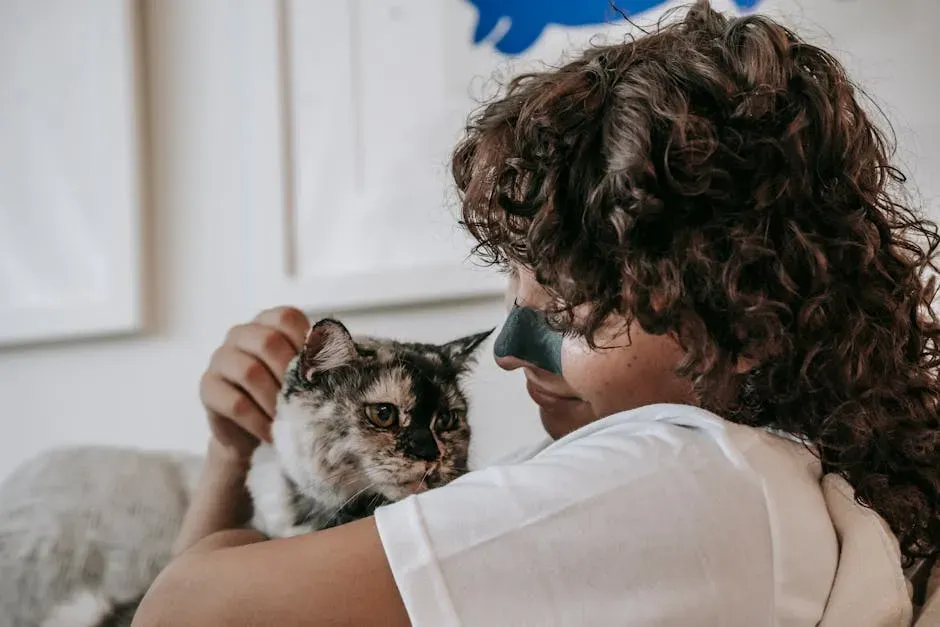
A study published in the journal “Behavioral Processes” found that cats were able to recall the voice of their owners for up to 10 years, even after long periods of not seeing each other. Ten years. Let that sink in. While you might have forgotten the cat entirely, the cat hasn’t forgotten you.
Research findings show that cats can recognize their owner’s voices and respond more positively to their calls than to voices they aren’t familiar with. So when you talk to your cat and they flick an ear or slowly turn to look at you, they are not being dismissive. They are, in their own quiet way, confirming they know exactly who is speaking.
3. Your Daily Routine – Down to the Minute

Cats are creatures of habit and know when you get up, when you go to the kitchen, when you feed them, and when you carry out your regular activities. It is almost eerie how well they map your schedule. You walk into the kitchen at 7 a.m., and there is your cat, already stationed at the food bowl like a tiny, furry shift manager.
Regular activities like feeding times, play sessions, or bedtime rituals become strong memory cues. When these routines are consistent, they help your cat feel secure and make it easier for them to remember you. Routine is not just habit for a cat – it is a form of emotional language, and you are its author.
4. Where You Were – Thanks to Spatial Memory
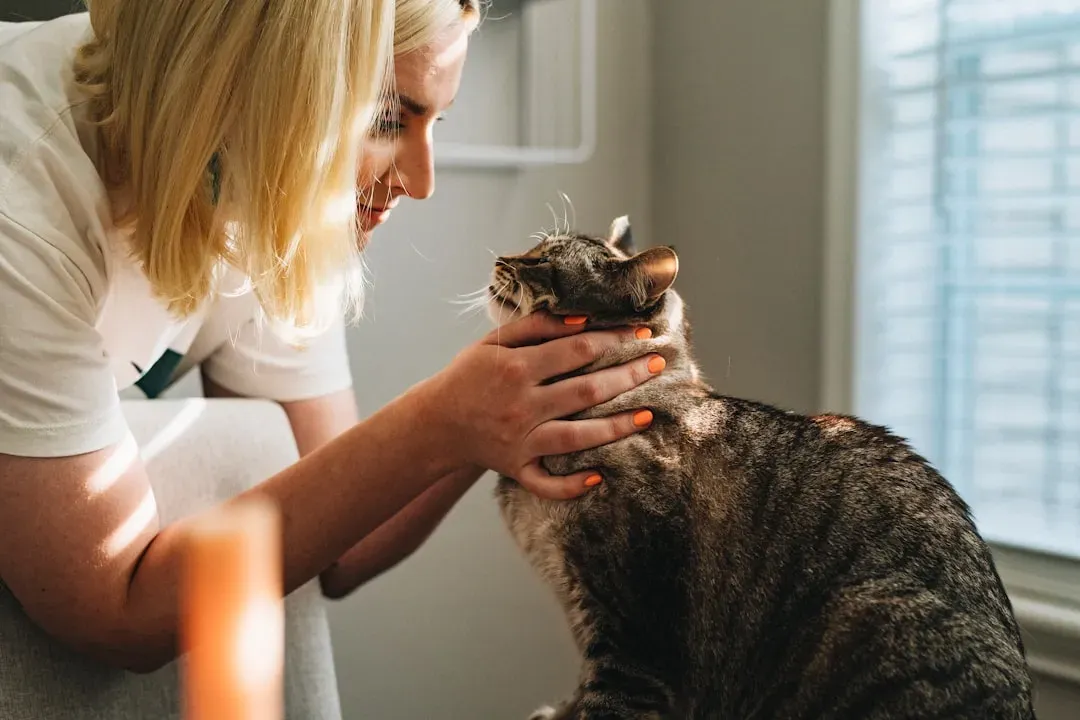
When researchers played the sound of an owner calling a cat’s name from one speaker, the cats appeared very surprised when the voice seemed to come from a different place. When the stranger’s voice moved speakers, however, the cats didn’t seem to notice. The conclusion was that cats’ memory is strongly connected to the whereabouts of their owners.
Cats remember events best when the location is the same as when the event happened. So if something happened in the kitchen, they’re more likely to remember it when they’re in the kitchen. This tendency matches a cat’s ability to use spatial information effectively. Your cat essentially builds a mental map of you, and your usual chair, your side of the bed – all of it is saved in that map.
5. How You Made Them Feel – The Emotional Filing System
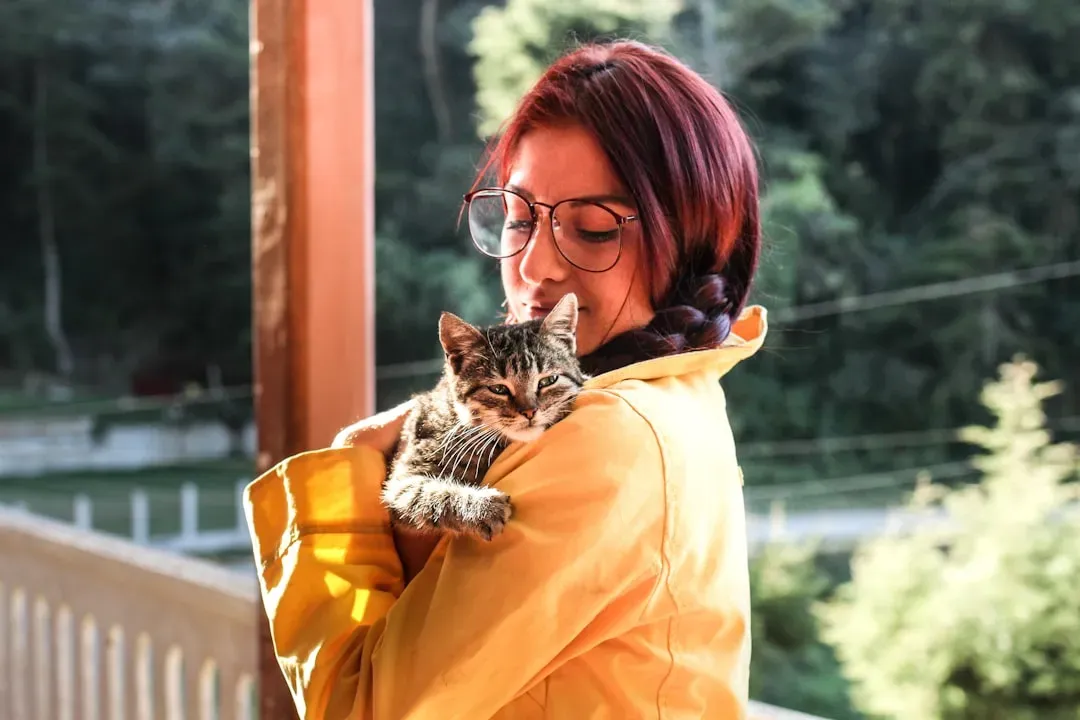
Cats associate certain things with positive or negative experiences from the past. They may be able to store information for up to 10 years, and although they have a lengthy long-term memory span, they are most likely selective with the information they store. Think of it less like a diary and more like a mood board – they remember the feeling of things more than the facts of them.
Experts believe that the long-term memories that “stick” the most in pets are those having to do with very positive or very negative events, particularly those related to food and survival, and events that have an emotional impact. So if you are consistently gentle and loving, that is being filed away. You are actively building a legacy in your cat’s mind.
6. Who Feeds Them – The Sacred Responsibility
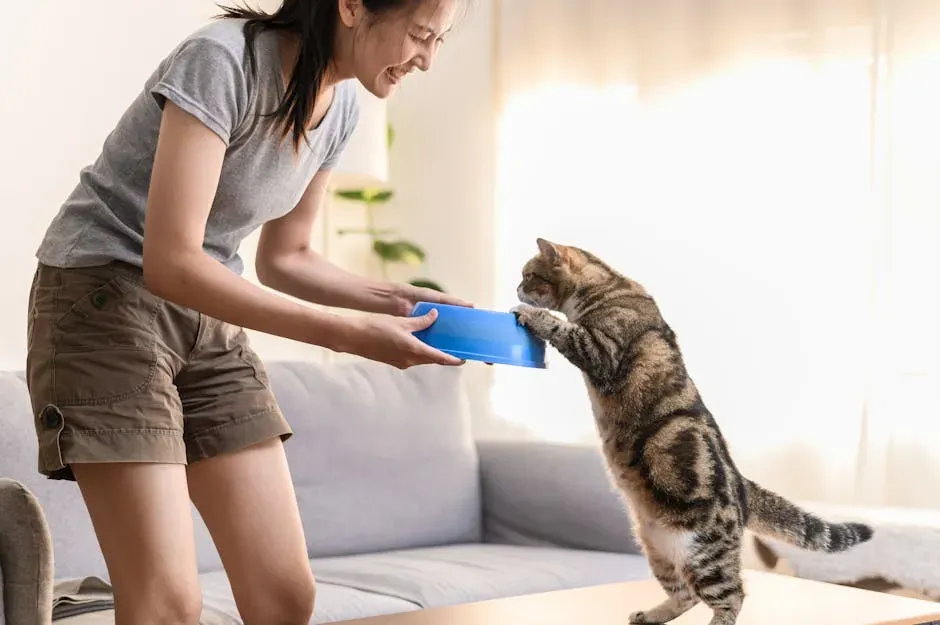
Cats absolutely remember their owners. Since it’s their owner who provides for their basic survival needs like food and shelter, cats typically remember their human companions for life, up to the point where memory degradation might occur. Let’s be real – food is probably the single most reliable cement for any relationship with a cat. You are not just a person to them; you are the keeper of the sacred bowl.
There’s a compelling reason for cats to remember their caretakers: we feed them. A 2009 study found that cats initially evolved to live with humans for survival while humans enjoyed the benefits of living mouse and rat-free. The relationship was always a transaction at its core – but over thousands of years, it became something far warmer than that.
7. Your Footsteps and Arrival Sounds – The Homecoming Memory
Dogs and cats have excellent hearing abilities, and your pet may be able to recognize the unique sound of your car, footsteps, or even the jingle of your keys from a distance. This familiarity triggers excitement, causing them to run to the door or wait by the window. I know it sounds a bit much, but your cat has basically memorized the soundtrack of you coming home. Every creak, every jingle, every particular thud of your shoes.
Pets are creatures of habit. Over time, they get used to your daily routine and can predict when you’ll be home based on the regular patterns they’ve observed. If you arrive home around the same time each day, your pet’s internal body clock can help them anticipate your return. So the next time your cat is already sitting at the door before you even insert your key, understand – that is memory at work, not magic.
8. Positive Bonding Moments – Cuddles and Play Sessions
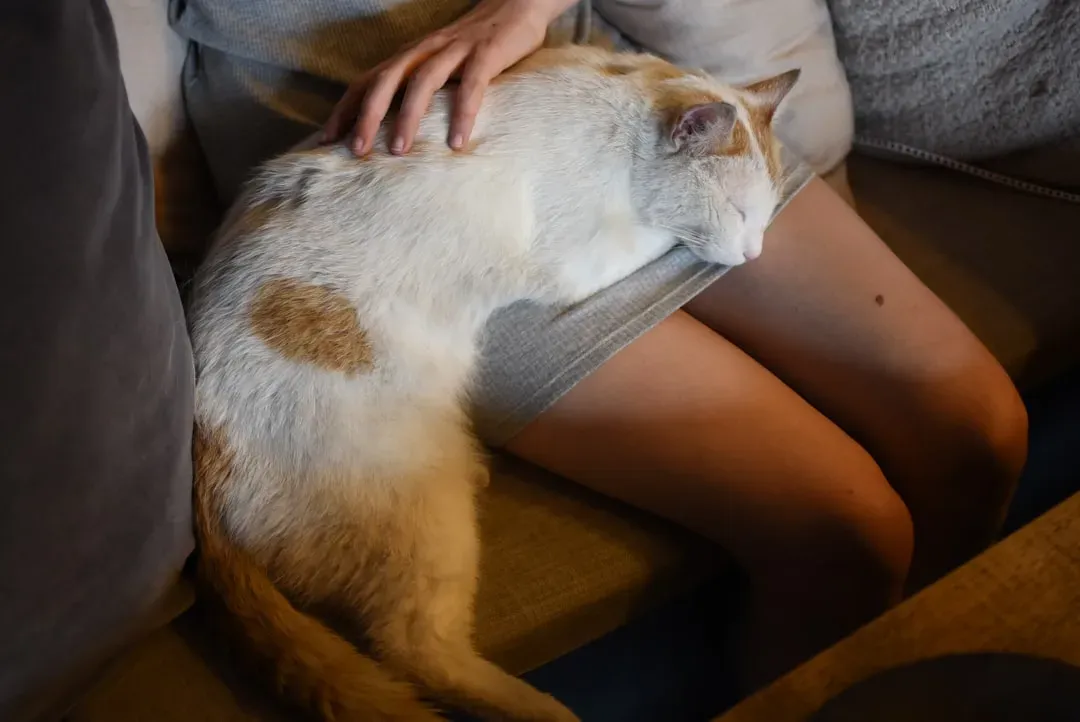
Cats recognize and remember their owners and other significant people primarily through scent and sound, rather than visual cues. They form lasting bonds with people who provide positive experiences, such as feeding, play, and affection, and can remember these individuals for years – even after long separations. Those afternoon play sessions with the feather wand? Your cat has catalogued them. Affection has memory.
Cats that have a strong bond with their owners, characterized by regular interaction and positive reinforcement, are more likely to remember them. This is genuinely good news if you are the kind of person who talks to your cat constantly, makes up silly songs about them, or engages in extended slow-blink conversations. You are doing exactly the right thing – all of that is being saved.
9. Past Trauma or Kindness From Humans – The Long Shadow
Some evidence suggests that cats are able to recall traumatic events to some extent. A study published in the “Applied Animal Behavior Science” journal found that cats that went through something traumatic were more likely to show signs of anxiety and avoidance when faced with similar situations afterward. A cat that flinches at raised hands, or vanishes the moment a stranger enters the room, is not being mysterious. They are responding to a memory you may never fully know.
Long-term memories also have the power to affect a cat’s behavior for a lifetime. If a cat was abused or mistreated, they will have a hard time trusting humans again. Conversely, if you rescued a frightened stray and spent months earning their trust with patience and kindness, that, too, is remembered. You become proof that not all humans are a threat.
10. Their Sense of Security Around You – The Safe Base Effect
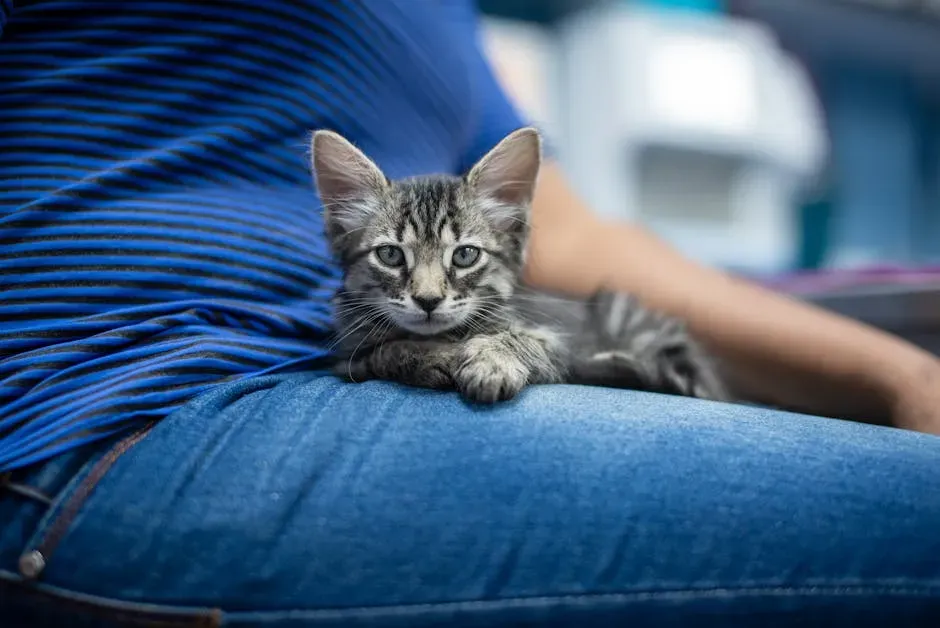
Researchers at the Human-Animal Interaction Lab at Oregon State University point to results from their 2019 cat-owner attachment study that indicates most cats rely on their humans as a source of security and comfort. There is something almost tender about this. Your cat doesn’t just remember who you are – they remember what it feels like to be safe when you are near.
To your cat, you are a mix of a parent (provider of food and safety) and a colony member. You are the “Secure Base” from which they explore the world. This is not a small thing. It means your calm presence, your predictable energy, your warm spot on the couch – all of it registers as safety. You are their emotional anchor, whether they show it or not.
11. The People You Bring Home – Friends, Strangers, and Threats
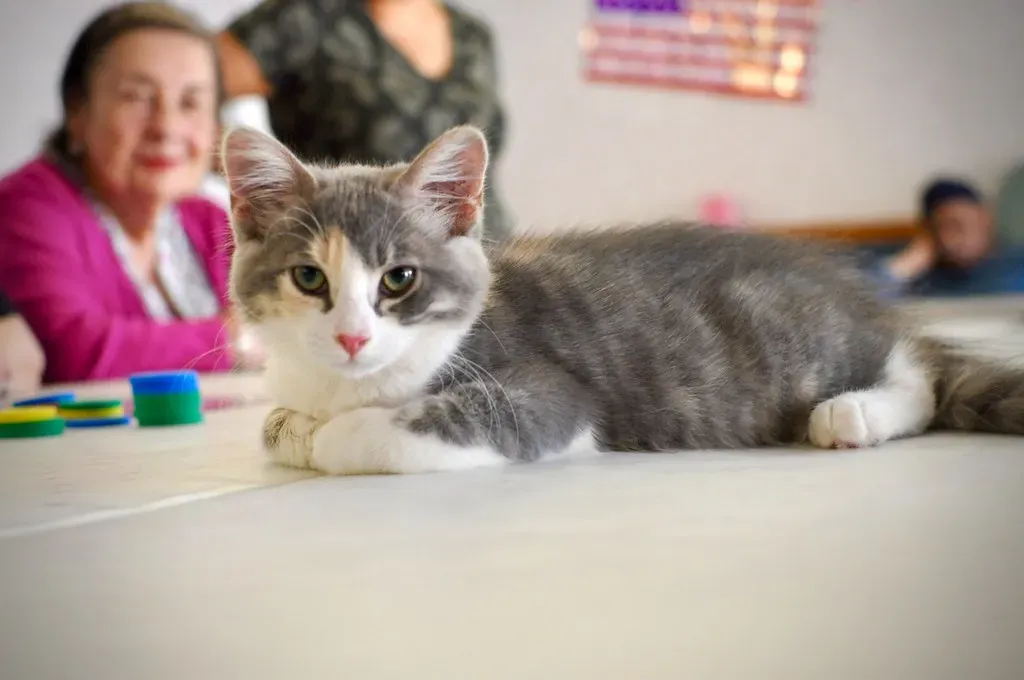
Cats are likely to remember whether an encounter is positive or negative. For example, if they have a negative experience with another animal or person, they may remember that and avoid that individual in the future. Ever notice how your cat loves your best friend but absolutely despises your neighbor Steve? There’s history there, whether you witnessed it or not.
Cats can remember people and experiences for several years, demonstrating a remarkable capacity for long-lasting recollection. This explains why cats often recognize their owners even after extended periods of separation – and why they can recognize someone they disliked years later. Your cat is essentially running an ongoing background check on every human they encounter. They keep receipts. Always.
12. That You Come Back – The Deep-Rooted Trust Memory
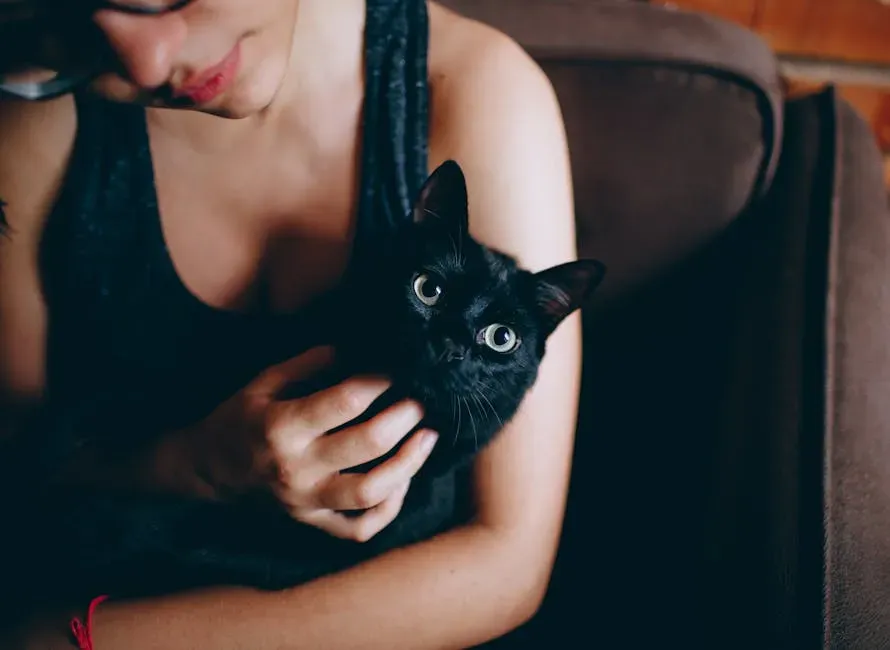
Most cats actively want to be around their owners and choose to spend time with them. They feel content and calm in their company and may pine for them when they are away. Every time you return home after a long absence and your cat runs to greet you – or even just watches you from the corner without hissing – that is a memory in action. They remember that you left, and more importantly, that you came back.
Evidence suggests that just three months with an owner can be enough for a cat to remember them for life. One expert notes she is not convinced cats truly “forget” the people they have lived with, and that a cat’s bond is not only emotional in the human sense – it is also connected to the feeling of physical security, like having a safe place to sleep, eat, and play. You are not just a memory. You are their whole world, quietly stored and deeply felt.
13. That Time You Took Them to the Vet (They Have NOT Forgotten)
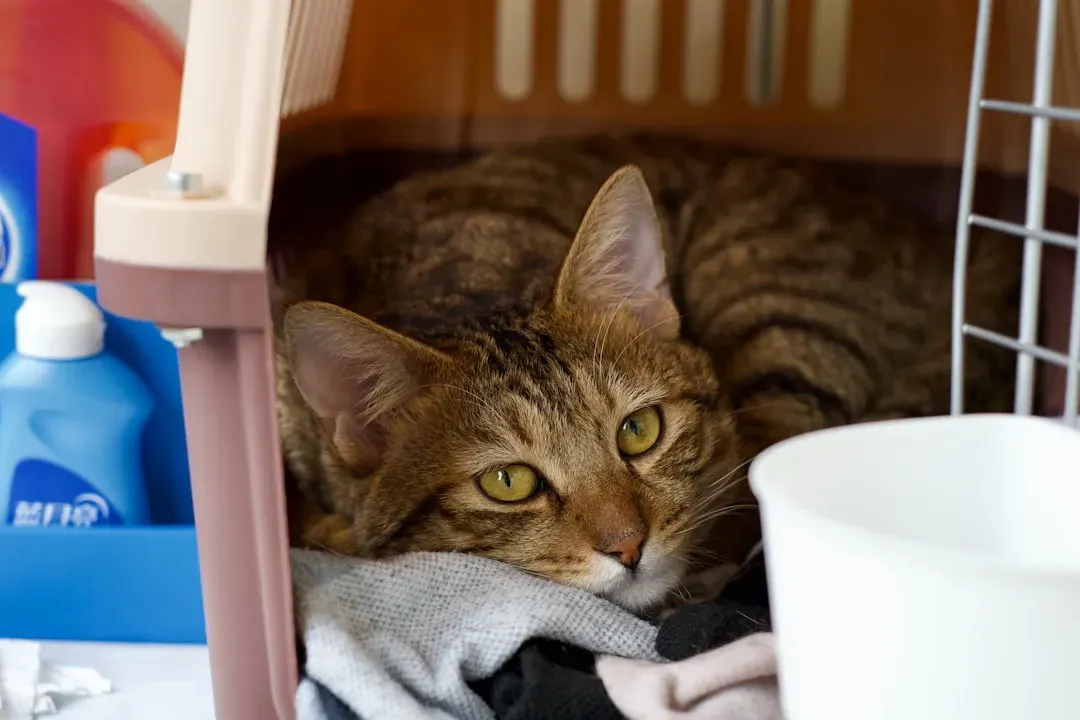
Here is where we enter the “pretend to forget” territory – except cats very much do not forget this one. Your cat can recognize you after being apart for a while or recall a not-so-great trip to the vet with impressive clarity. The carrier coming out of the closet, the particular jingle of the latch – all of it is code for betrayal in their minds.
If you’ve ever seen a skittish cat that is scared of a certain type of noise, it usually stems from being scared of that noise when they were a lot younger. When they hear that noise again, it triggers their memories and makes them continue to be scared. The vet visit belongs in the same category. It is associated memory at its most visceral. Your cat’s grudge is not personal. Well, actually, it is extremely personal.
14. That You Accidentally Scared Them (Even Once)

Since cats do have long-term memories, they can hold a grudge. Your cat might not like it when you hiss at them, or perhaps you accidentally scared them as a kitten. They are not likely to forget that you did this to them. Drop a pot in the kitchen, sneeze louder than expected, or startle them mid-nap just once – and congratulations, that incident has been archived indefinitely.
It’s not uncommon for a cat to show a preference for – or a deep loathing of – certain people based on previous experiences. Veterinary professionals have seen many cats and dogs who are scared of tall men, hats, or certain noises, which they can relate to a negative memory or event that happened in the distant past. So that one time you dropped your keys on the floor right next to the sleeping cat? They remember. They just act like they’ve moved on. They have not.
15. When You Disrupted Their Routine (The Unforgivable Chaos)
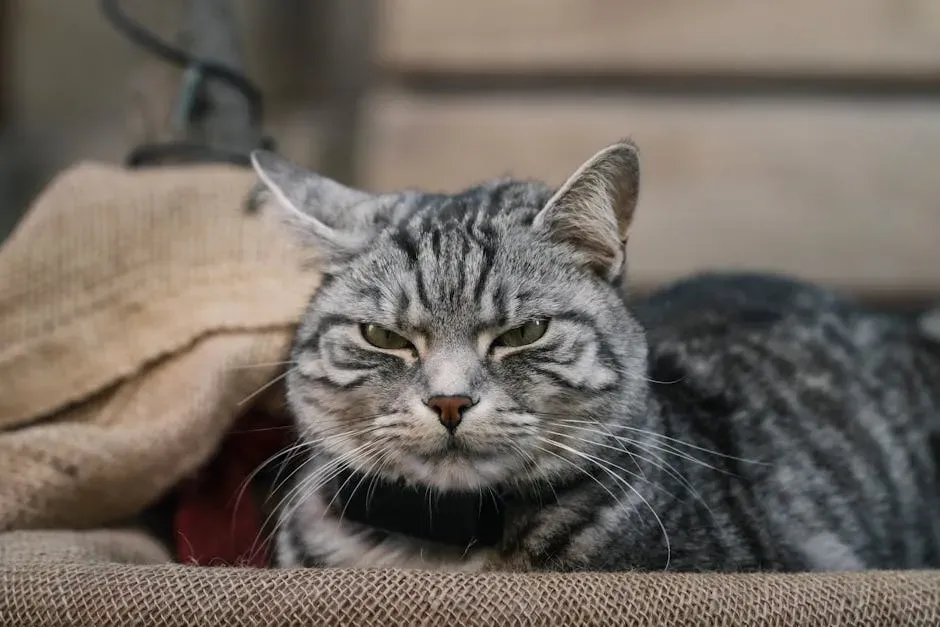
Cats remember routines, such as feeding times and daily activities, and may become stressed or confused if these routines change abruptly. Swap their feeding time by thirty minutes, rearrange the furniture, or introduce a new schedule during a holiday – and watch your cat’s entire personality shift. It is not dramatic. It is a deeply felt disruption of a carefully remembered order of things.
Experiencing a change in routine often prompts separation anxiety or causes it to get worse. That can include a change in ownership, moving to a new home, or changes in the caregiver’s schedule. Your cat doesn’t pretend this chaos didn’t happen. They simply choose not to acknowledge your apologies while staring at the wall and knocking something off the counter. That is their language for “I remember, and I am disappointed.”
16. That You Once Let Someone Else Feed Them (The Ultimate Disloyalty)
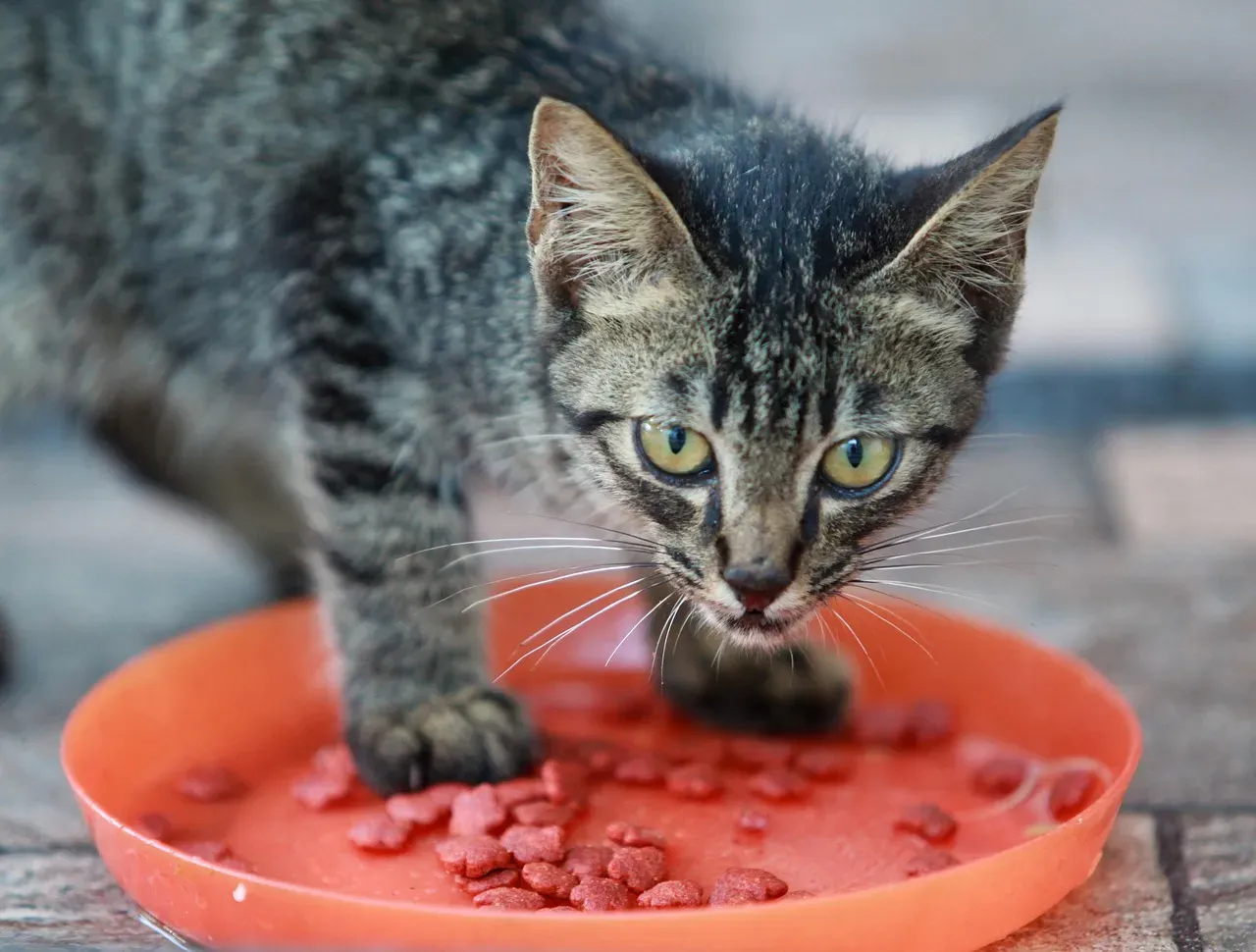
This is perhaps the most hilariously petty thing cats remember. Cats will remember people they had a strong bond with – those who fed and cared for them. Subsequently, they will also remember those who irritated them. If you handed feeding duties off to a house-sitter for two weeks and that house-sitter turned out to be marginally more generous with the treats – you may have created a complicated emotional situation for yourself upon your return.
Cats have associative memories, meaning they remember by responding to external events and stimuli. Your cat may not remember the specific interactions they’ve had with you, but will associate you with food, love, and shelter. Therefore, providing these three crucial things, especially in the long run, makes you pretty unforgettable. The lesson here is elegantly simple: be the one who feeds them. Always. It is the oldest and most reliable contract in the human-cat relationship.
Conclusion
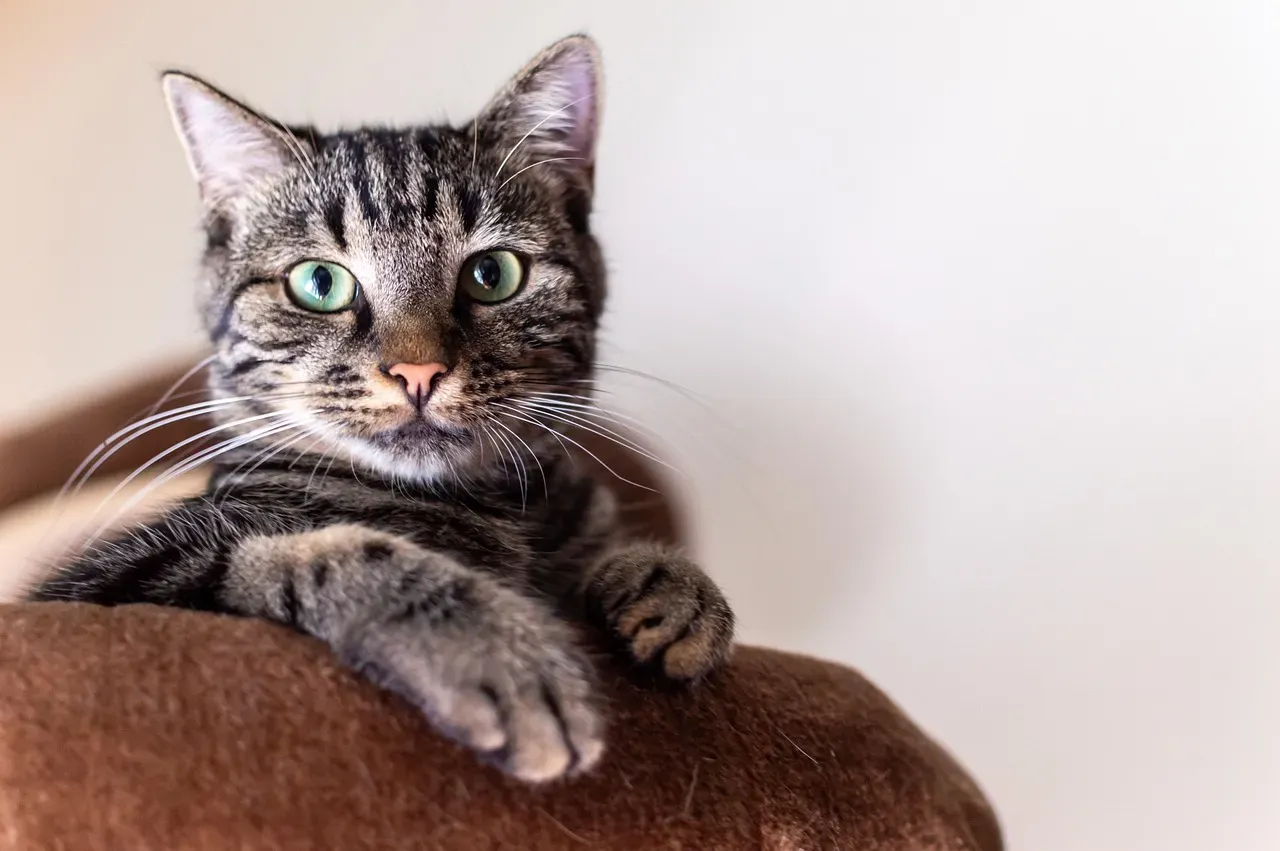
Your cat is not the aloof, indifferent creature pop culture made them out to be. Beneath all that composed fur and side-eye is a remarkably sophisticated memory system, one that has been quietly recording everything – your voice, your scent, your kindness, your blunders, and yes, that vet appointment from three years ago.
The relationship you build with your cat is being stored in ways that outlast months of separation and survive the tests of time. Research continues to unveil the intricacies of feline memory and cognition, and one thing remains clear: cats are far more capable of remembering and cherishing their human companions than previously thought. Every moment of patience, every gentle hand, every consistent routine is a deposit into a memory bank your cat carries for life.
So the next time your cat slowly blinks at you from across the room, know this – they remember everything. The good, the bad, and the vet visit. They’ve simply decided, on balance, that you are worth keeping. What does that say about the quiet power of the bond you’ve built together? Something tells me it says quite a lot. What do you think your cat remembers most about you? Tell us in the comments.