Most cat owners are genuinely surprised when they find out that all those well-intentioned cuddle sessions might be doing more harm than good. You reach out with love, your cat seems content for a moment, and then – out of nowhere – teeth. Sound familiar? You’re definitely not alone.
The truth is, petting a cat is not quite as instinctive as petting a dog. Cats have their own complex language, their own very specific preferences, and honestly, their own very strict rulebook. The good news? Once you understand it, your bond with your feline friend can become deeper and more rewarding than you ever imagined. Let’s dive in.
Why Petting Your Cat Matters More Than You Think
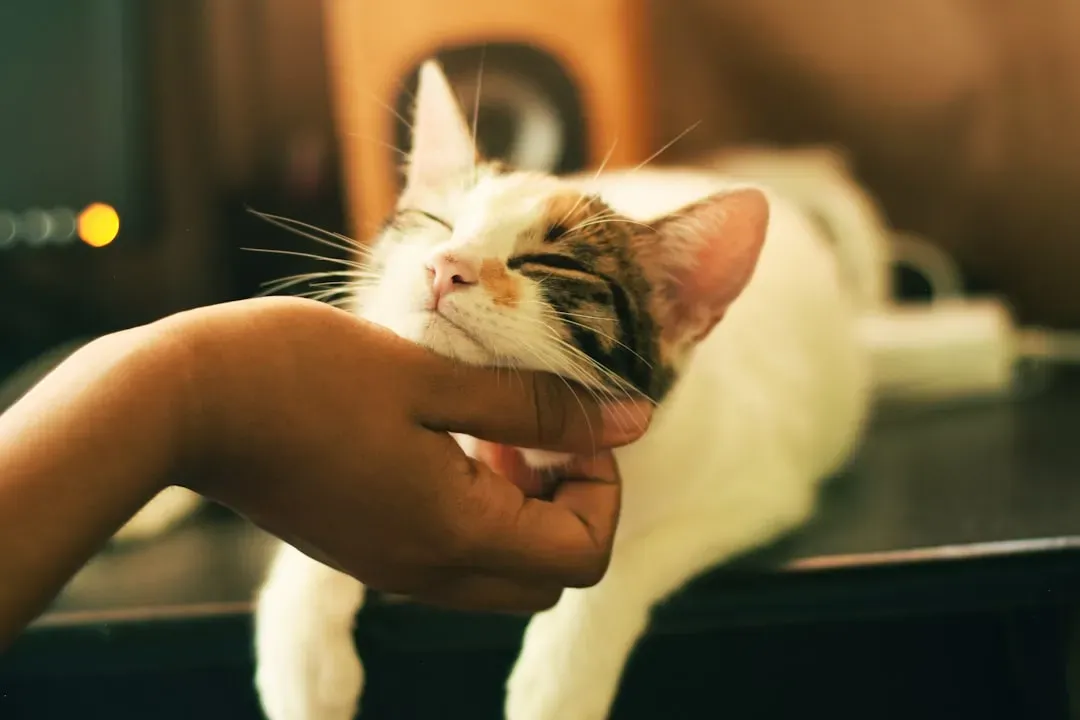
Here’s something that might surprise you. Just 10 minutes of interacting with cats produced a significant reduction in cortisol, a major stress hormone. That’s not a trivial finding. That’s your daily mental health reset, sitting right there on your couch, purring.
Many people find petting a purring cat soothing, and research indicates it’s not just because of the soft fur. The act of petting and even the sound of purring can trigger oxytocin release in our brains. Think of it like a two-way emotional highway between you and your cat. When it works well, you both benefit. When you get it wrong, that highway gets a roadblock.
Although petting is a positive experience for both the cat and pet parent, there are proper and improper ways to pet a cat – and improper petting can cause a cat to become anxious, demonstrate aggressive behavior, and avoid further contact with you. So yes, the stakes are real. Getting it right matters for both of you.
Let Your Cat Make the First Move
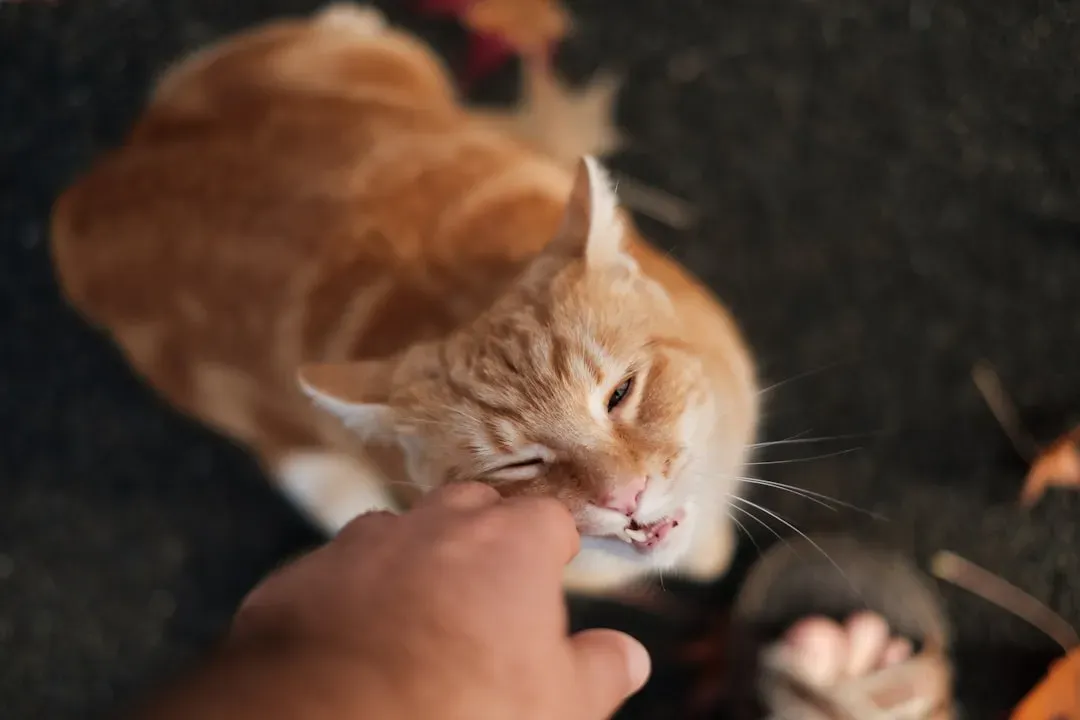
This is the one rule that even the most devoted cat owners break every single day. You see your cat lounging in a sunbeam and just want to reach out and squeeze them. The urge is understandable. But cats are not stuffed animals, and forcing contact is one of the fastest ways to erode trust.
The key to success is to focus on providing the cat with as much choice and control during interactions as possible. Think of it this way: imagine someone coming up to you and giving you a full back massage without asking. Even if it felt nice for a moment, it would feel invasive. Cats experience your uninvited touch in a very similar way.
Initially, if a cat doesn’t approach you first, it’s a clear sign that they don’t want you to pet them. Forcing the issue could land you with some feisty feedback, like a scratch, swat, or bite. So be patient. Let them come to you. It’s worth the wait.
Reading the Green Light: What an Inviting Cat Looks Like
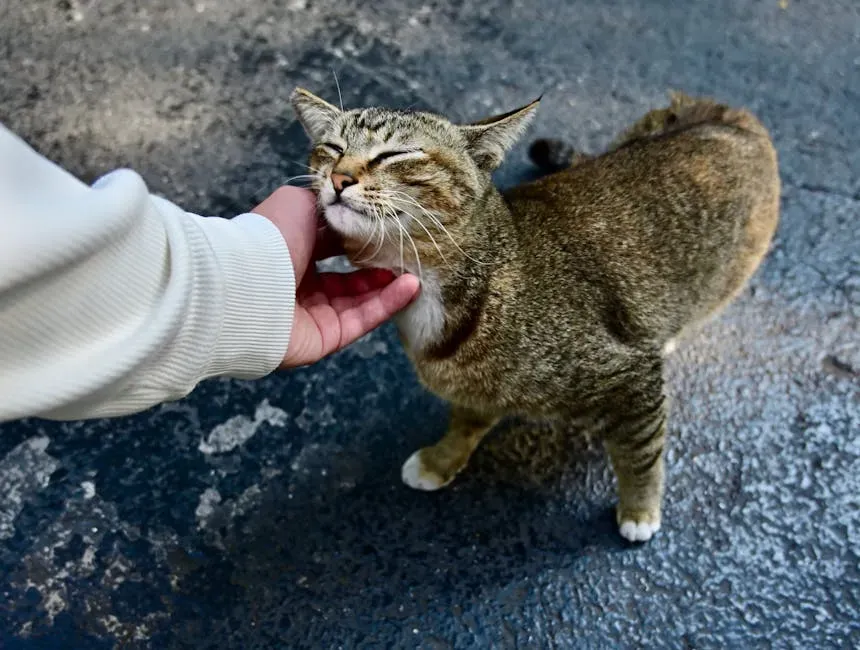
Before you even think about reaching out, you need to know whether your cat is actually in the mood. Fortunately, they communicate this quite clearly – if you know what to look for. Your cat will indicate interest in petting with some clear body language signals. The ears will be forward-facing and upright, with the tail held high and curled at the end in a question-mark-like shape. The cat may rub their chin, cheeks, or forehead on your hand.
Other positive signals that give you a green light are when the ears face forward and stand upright. The cat may also hold the tail high with the end slightly curled, or start kneading. Kneading – that biscuit-making motion – is one of the most endearing signs of feline comfort. If you’re getting that, you’re doing something right.
The Golden Zones: Where Cats Actually Love Being Touched
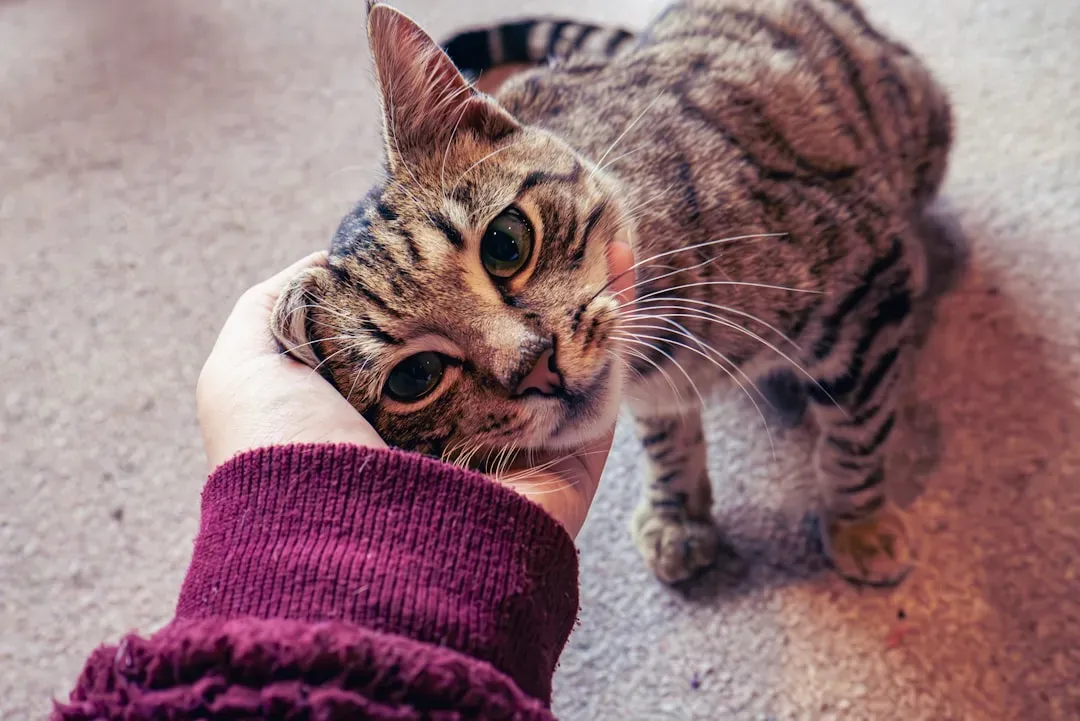
Let’s be real – most people default to long, sweeping strokes down the entire body of a cat. It feels natural. It feels generous. Honestly though, cats often don’t love it. Instead, focus your attention on specific areas their anatomy seems almost designed for human touch.
Typically, cats enjoy being pet on the cheeks, chin, forehead, and base of the tail. These are preferred areas for many cats because these areas contain scent glands that release pheromones. Cats often rub each other in these areas when forming positive social relationships. In other words, when you scratch your cat’s chin, you’re essentially speaking fluent feline affection.
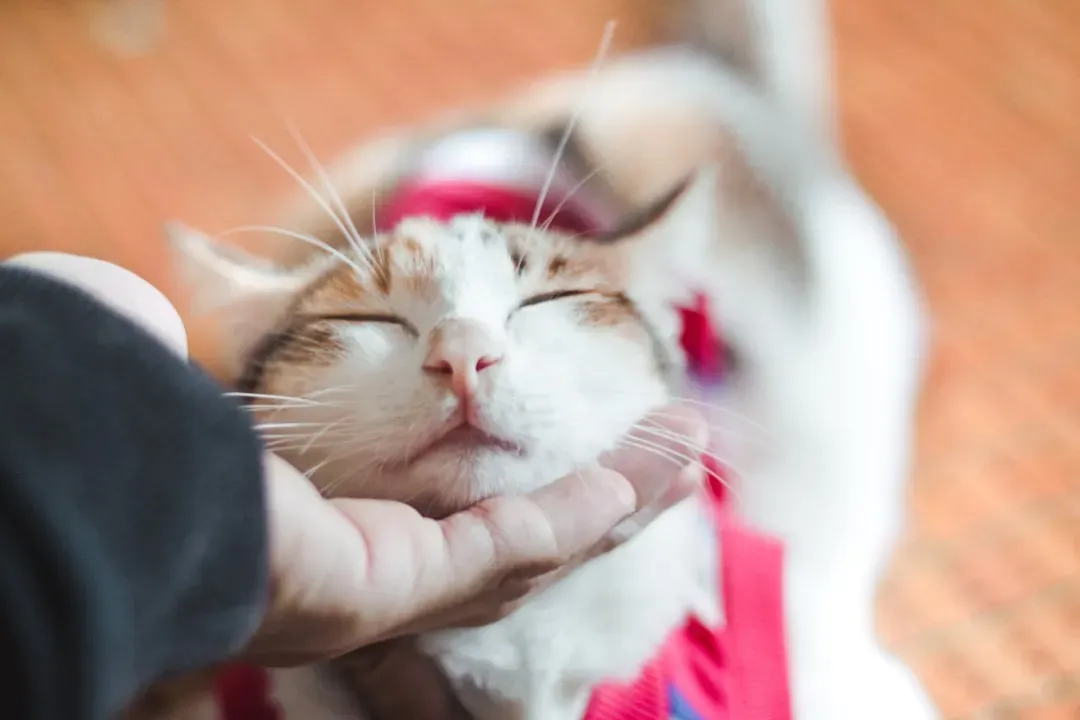
The neck and chin areas behind the whiskers are some of the sweetest spots you can pet your feline companion. Cats love being stroked in these areas and might even rub their bodies against your arms and legs when seeking love and attention. Your cat is likely to produce a purring sound as they try to push harder into the worthwhile caress. That’s what you’re aiming for every single time.
The No-Go Zones You Need to Respect
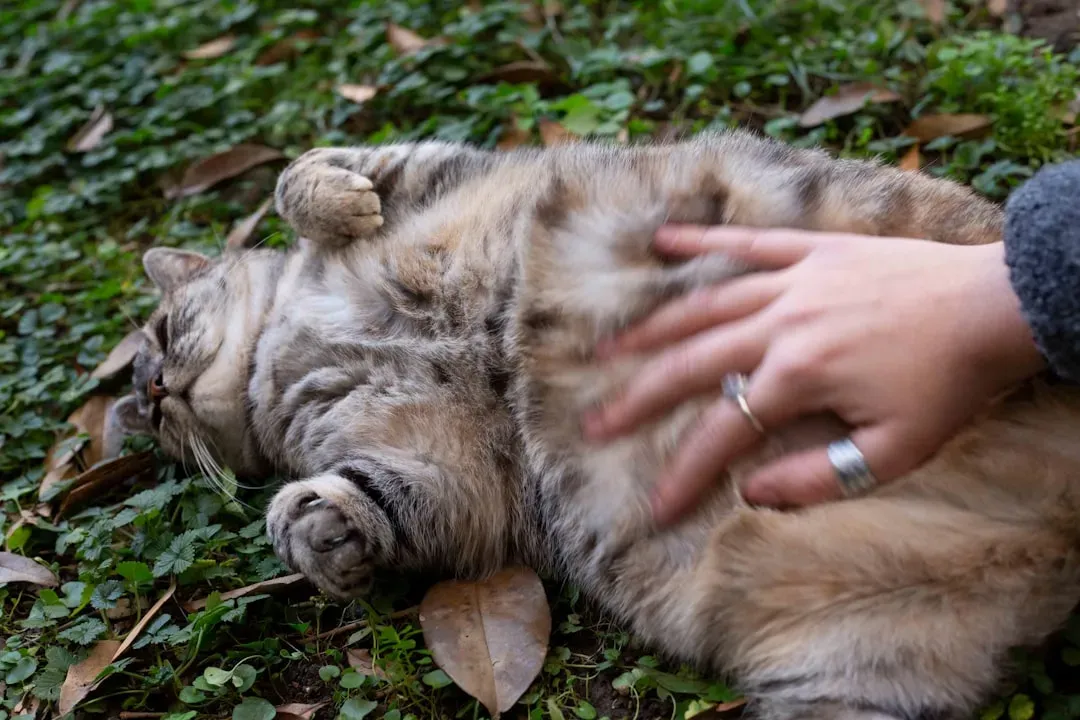
Here is where most people go wrong, and it’s easy to understand why. You see your cat roll over and expose their belly, and naturally you assume it’s an invitation. It usually isn’t. Unlike dogs, cats rarely enjoy belly rubs. Their midsection is a vulnerable area, so petting a cat’s stomach often triggers scratching or biting. Consider yourself warned.
Most cats do not like being pet on their stomach, chest, legs, paws, or tail. The stomach and chest are vulnerable areas for cats, so when you attempt to pet a cat in those spots, they feel like they’re being threatened. Similarly, the legs, paws, and tail are sensitive areas, so they may not enjoy the sensation of strokes or scratches there.
Most cats dislike being petted on the tail. In fact, watch the tail’s movement – the faster it twitches, the more overstimulated your cat may be. That twitching tail is not excitement. It’s a warning you should take seriously.
The Danger of Overstimulation: When Good Petting Goes Bad
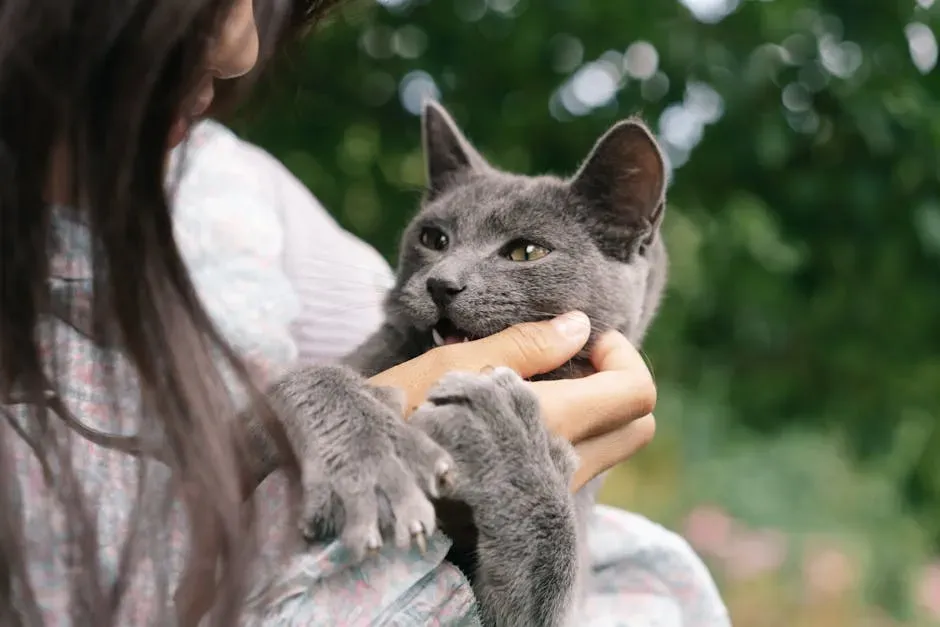
You’ve probably experienced this: everything seems perfect, your cat is purring, and then suddenly they flip around and bite your hand. You feel confused, maybe even a little betrayed. What you actually witnessed was overstimulation, and it’s more common than most people realize.
What you think is innocent petting can actually hurt your cat more than you realize. Overstimulation is when cats experience sensory overload from too much petting, caused by a painful nerve reaction, stress, or built-up frustration. Think of it like being tickled in a spot that starts out fun but becomes genuinely uncomfortable after a few seconds too long.
Tail lashing, shifting of body position, skin twitching, and direct stares are indications that your cat has had enough petting. If the petting continues, they will likely scratch or bite. Stop at the first sign. Don’t wait to see what happens next.
How to Introduce Yourself to a Cat You Don’t Know
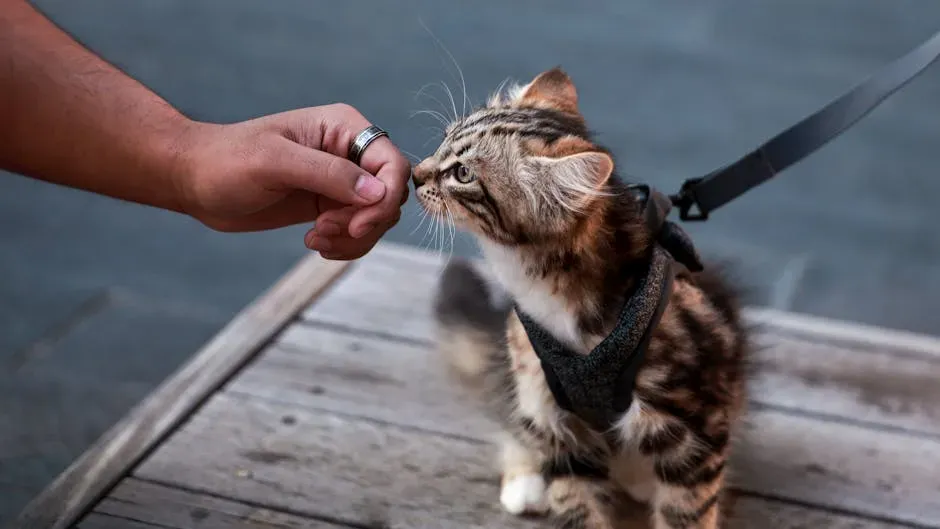
Meeting a new cat is its own art form. Whether it’s a friend’s cat, a shelter animal, or a new addition to your household, the approach you use in those first moments can set the tone for the entire relationship. Rushing it is the single biggest mistake people make.
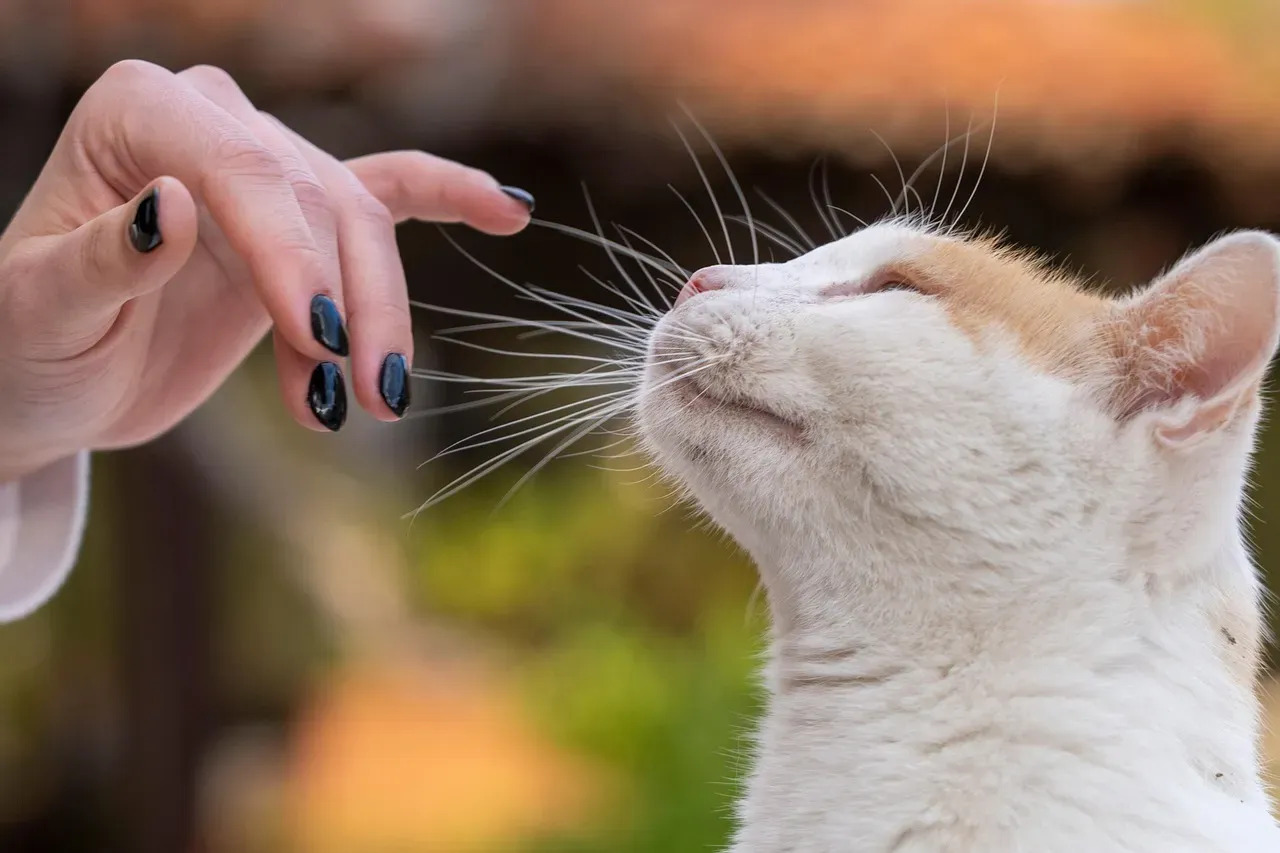
Extend your fingers toward the cat’s face so they can sniff you. Let them decide if they want more contact. Watch for relaxed body language before touching. This introduction helps the cat feel safe and lowers the chances of a defensive swipe. It’s a bit like offering a handshake and waiting for the other person to respond, rather than just pulling someone into a hug.
For cats, staring is a sign of aggression. You can make brief contact then look away and to the side. Offering the cat long, slow blinks translates to “I mean you no harm.” Practice that slow blink. It genuinely works, and it’s one of the most surprisingly effective things you can do with a cat you’re meeting for the first time.
Keeping Sessions Short: The Art of Leaving Them Wanting More
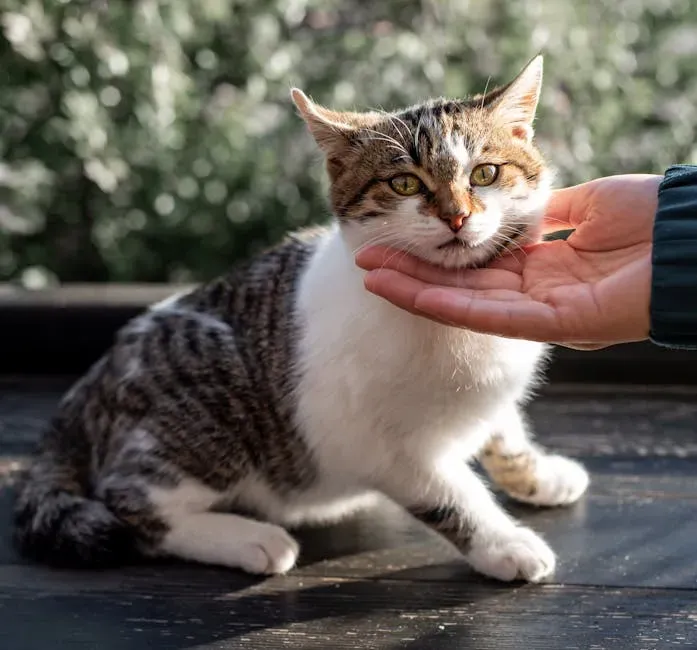
Here’s something counterintuitive: shorter petting sessions often lead to more affectionate cats over time. When you consistently stop before your cat becomes uncomfortable, you’re teaching them that being close to you is always a pleasant experience. That builds trust like almost nothing else.
Twitching tails, flattened ears, hard stares, or sudden bites mean “that’s enough.” Cats prefer brief, positive interactions rather than long, overstimulating ones. Think of each session like a great conversation that ends at just the right moment, leaving both parties feeling good.
Predictable interactions – short, consistent sessions of play, grooming, or petting – are better than random bursts of intense attention. Your cat will actually start to look forward to those reliable moments with you rather than feeling ambushed by unexpected, overwhelming contact. It’s a small shift in habit that makes a surprisingly big difference.
Building Long-Term Trust Through Respectful Touch
Petting a cat correctly is ultimately about respect. It’s about listening to another living creature’s needs even when they can’t use words. Once you start tuning in to your cat’s signals, something shifts. The relationship stops feeling one-sided and starts feeling like an actual partnership.
The key to a positive interaction with your cat is building trust and respecting their boundaries. Always approach them calmly and allow them to initiate contact. Pay attention to their body language and stop petting if they show signs of discomfort. It sounds simple, but following this consistently is something most cat owners have never truly done.
Cats may reserve their oxytocin-releasing behavior for when they truly feel safe. A cat’s trust isn’t automatic; it must be earned. Once given, however, it is reinforced by the same chemical that bonds human parents, partners, and friends. That’s a remarkable thing to think about. Your cat’s affection, when it’s genuine and freely given, is chemically as powerful as the deepest human bonds. All you have to do is earn it – gently, patiently, on their terms.
Conclusion
Petting a cat well is less about technique and more about mindset. You are not petting a soft object – you are communicating with an animal that has preferences, limits, emotional states, and a nervous system that responds powerfully to touch. Once you truly internalize that, everything changes.
You start noticing the tiny tail flick before the bite. You start respecting the belly exposure as trust rather than an invitation. You start offering your hand and waiting. You start ending sessions while your cat still wants more. And slowly, your cat starts choosing to be near you more often, pressing their cheek into your palm, and settling into your lap without being coaxed.
The reward for getting this right is not just a scratch-free hand. It’s a genuinely deeper relationship with one of the most fascinating, emotionally complex creatures you’ll ever share your home with. So the real question is: how many of these habits were you already getting right, and how many have you been getting wrong without ever knowing it?