So you’ve decided to bring home your first cat. You’ve done the research, picked out the cozy bed, stocked up on treats, and maybe even named them already. Exciting stuff. Here’s the thing, though – not every cat got the memo about being a warm, welcoming companion from day one. Some breeds come with a level of self-sufficiency that can feel, well, a little personal.
Honestly, independence in a cat isn’t a flaw. It’s a personality. The challenge is that first-time owners often walk in expecting a cuddly, responsive companion – and certain breeds have very different ideas about that arrangement. Before you fall in love with a gorgeous coat or striking eyes, let’s talk about which breeds might genuinely test your patience, confidence, or expectations as a newcomer to the cat world. Be surprised by what you’re about to discover.
1. The Bengal: A Miniature Jungle Explorer in Your Living Room
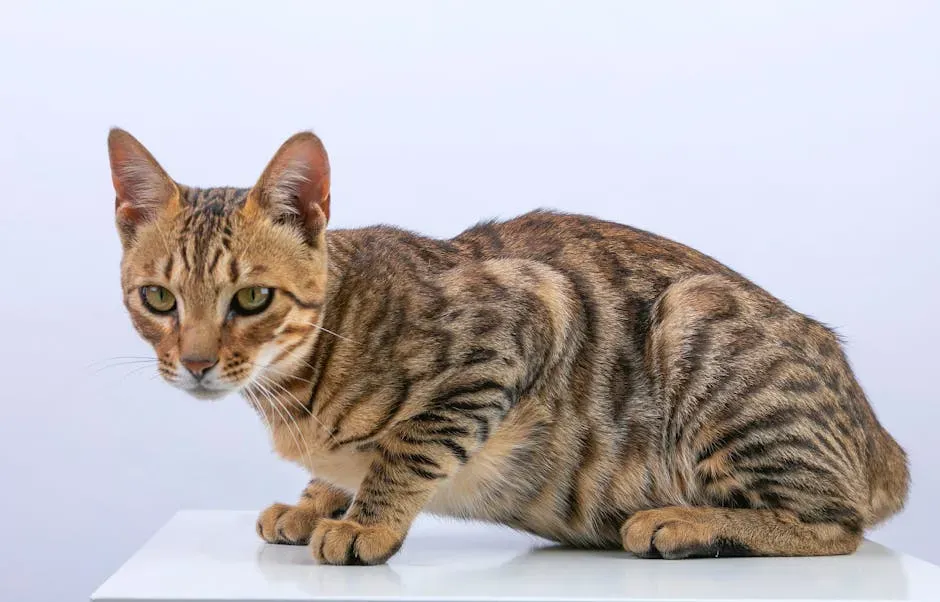
Let’s be real – Bengals are breathtaking. Their leopard-like spots, muscular bodies, and electric energy are the stuff of cat Instagram dreams. Bengals are an exotic breed known for their striking appearance, which resembles their wild ancestor, the Asian leopard cat. They are highly intelligent, energetic, and independent. That combination sounds thrilling at first. It gets complicated fast.
Bengals love to climb, jump, and explore every nook and cranny of your home. They’re highly intelligent and need plenty of stimulation to keep them entertained. While they can be affectionate, Bengals are not lap cats and often prefer to be on the move. If you’re hoping to wind down after work with a purring furball in your lap, a Bengal might be more interested in dismantling your bookshelf. Bengals are notorious for being wilder than other breeds, and while that may sound romantic, it can get old fast. It’s incredibly annoying when you realize that wild cats don’t enjoy being handled and respond aggressively if you pick them up.
2. The Savannah Cat: Stunning, Fierce, and Not for the Faint of Heart
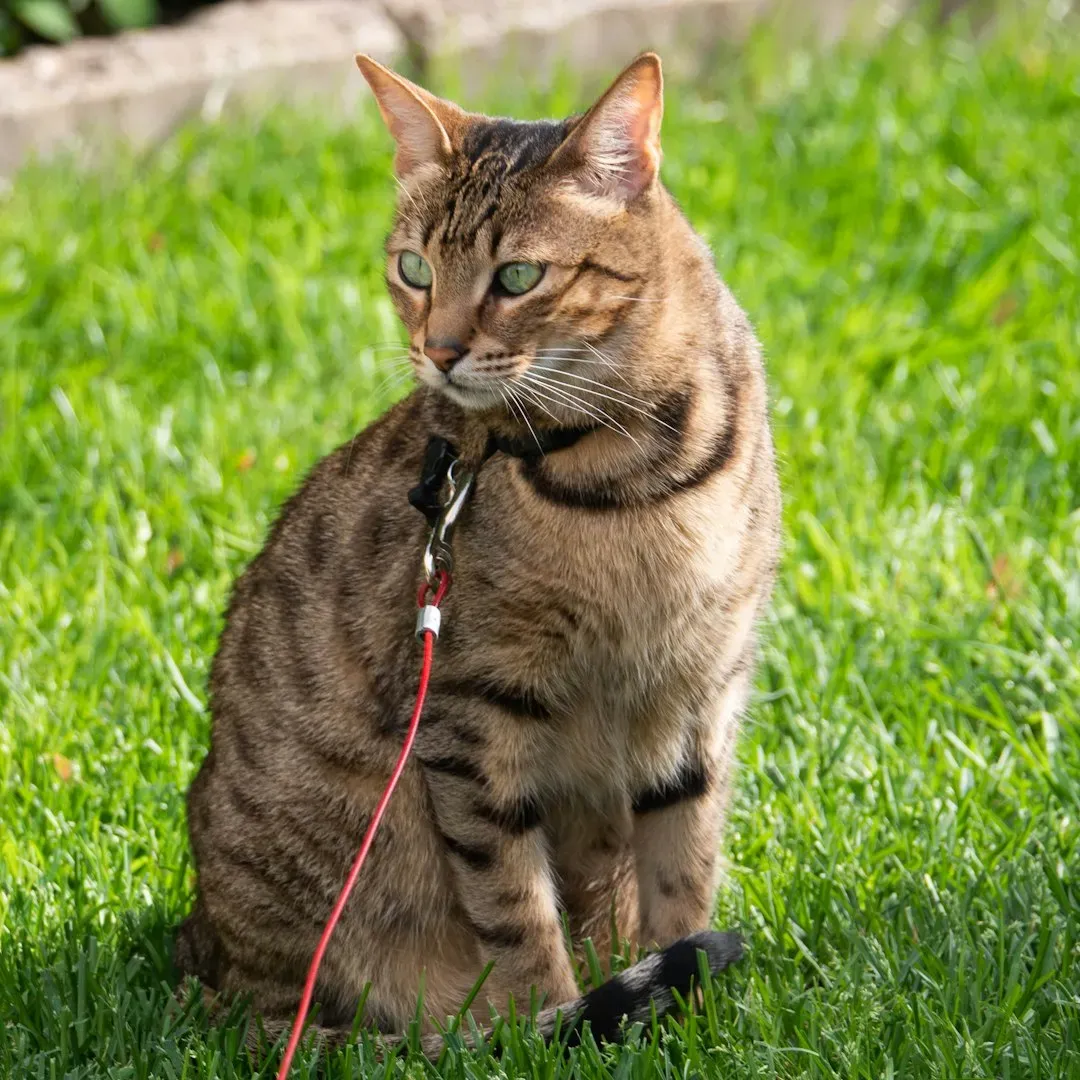
The Savannah, sometimes called the Serval hybrid, is an exotic-looking cat known for its long legs, large ears, and bold spotted coat. Bred from a domestic cat and the African Serval, this breed carries a striking wild presence and intense confidence. You might picture yourself as its chosen human, gaining its trust like a scene from a wildlife documentary. That’s not quite how it goes for most first-timers.
Savannahs hate being held, and they’ll make that abundantly clear with claws and teeth if you push the issue. They’re independent, aloof, and need owners who understand how to give cats space and wait for them to approach on their own terms. Think of it like adopting a cat that operates on its own schedule – exclusively. Although they form deep bonds with their humans, Savannahs require experienced owners who understand their unique needs.
3. The Egyptian Mau: Gorgeous, Mysterious, and Surprisingly Territorial
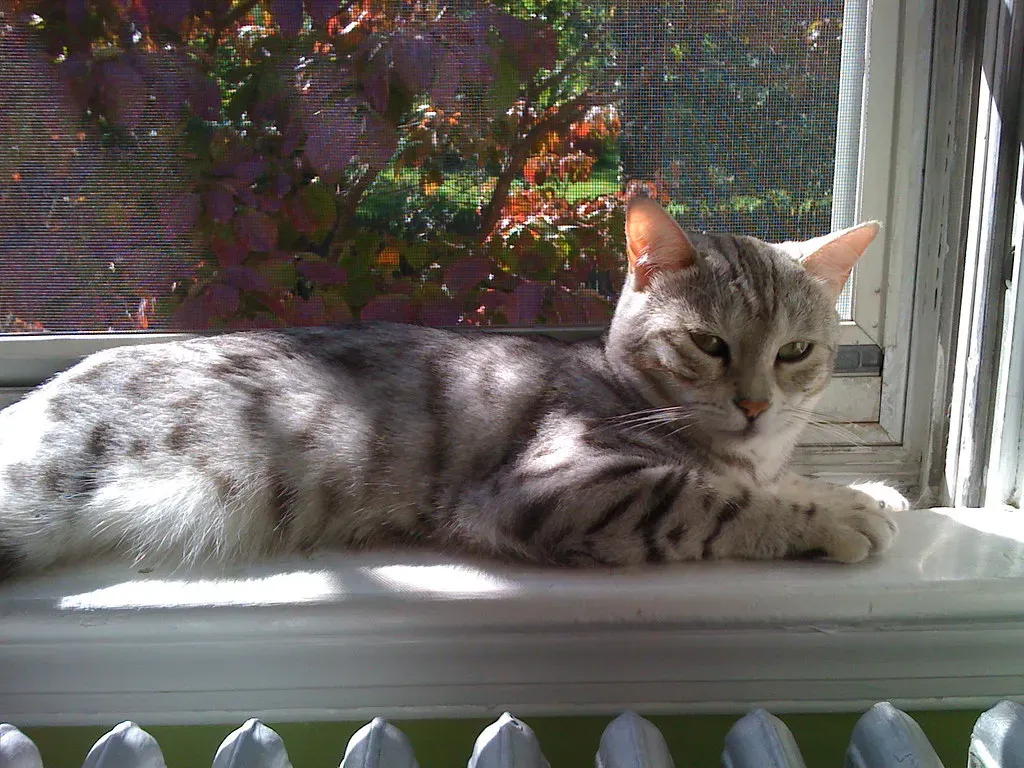
Egyptian Maus are absolutely stunning cats, but they come with a serious behavioral challenge: resource guarding. Try to take away a toy or treat, and you may pull back a bloody hand. They’re withdrawn and quiet, which can hide their mean streak until you accidentally trigger it. That quiet exterior is misleading in the best possible way – you don’t see it coming.
Interestingly, they bond strongly with their families, so you might only see their aggressive side when guests visit. This makes them unpredictable from an outsider’s perspective, and managing resource guarding requires behavioral knowledge that most first-time owners simply don’t have yet. Known for strong territorial instincts, the Egyptian Mau is highly alert within its home and tends to keep a close watch on its surroundings. They are protective of familiar spaces and can become cautious or defensive when strangers or unfamiliar animals enter their territory.
4. The Abyssinian: Always Moving, Always Watching, Rarely Cuddling
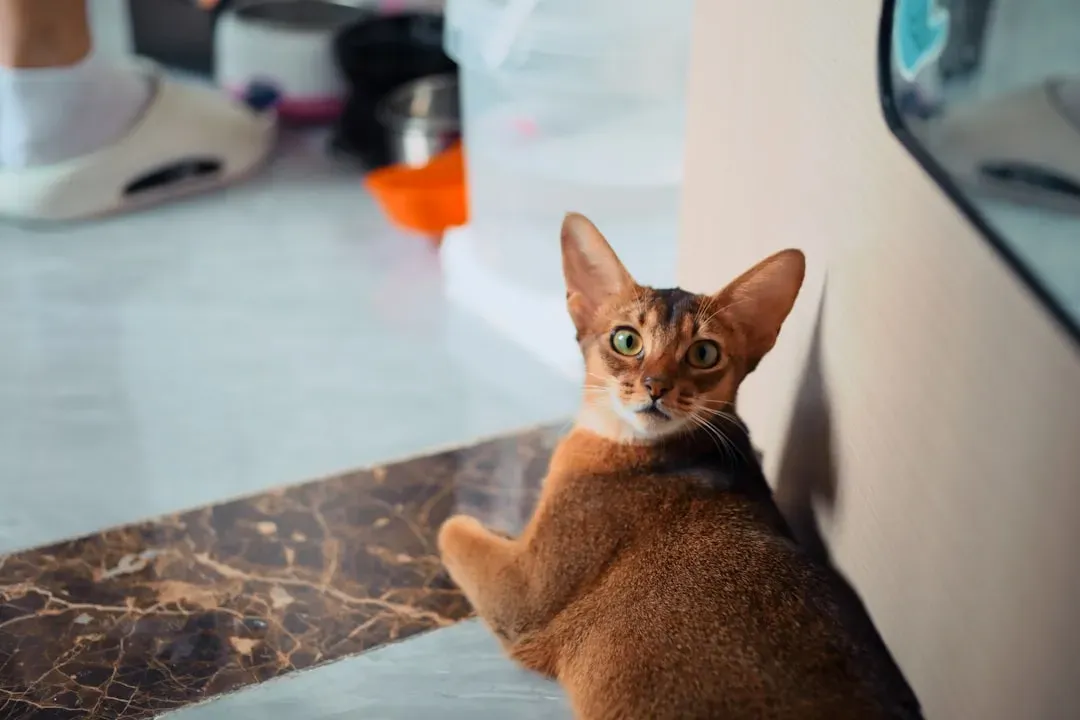
I think the Abyssinian is one of the most misunderstood breeds for beginners. They look lean, athletic, and approachable – practically built for adventure stories. An ancient breed that retains its instincts as a solitary hunter, the Abyssinian is affectionate and enjoys spending time with their humans, but their independent streak keeps them from being clingy. Highly active, Abyssinians love to climb, run, and play, and their intelligence and curiosity lead them to explore their home, checking everything out and investigating new things.
Naturally dominant and observant, Abyssinians like to patrol their territory, frequently choosing high vantage points to monitor household activity. They are deeply invested in their environment and quickly notice anything unfamiliar or out of place. Their territorial instincts can surface when they feel threatened, leading to defensive behaviors toward other pets or strangers. Think of them as the surveillance camera of your home – always watching, rarely sitting still, and on high alert for anything that disrupts their order.
5. The Siamese: Deeply Devoted, but On Their Own Demanding Terms
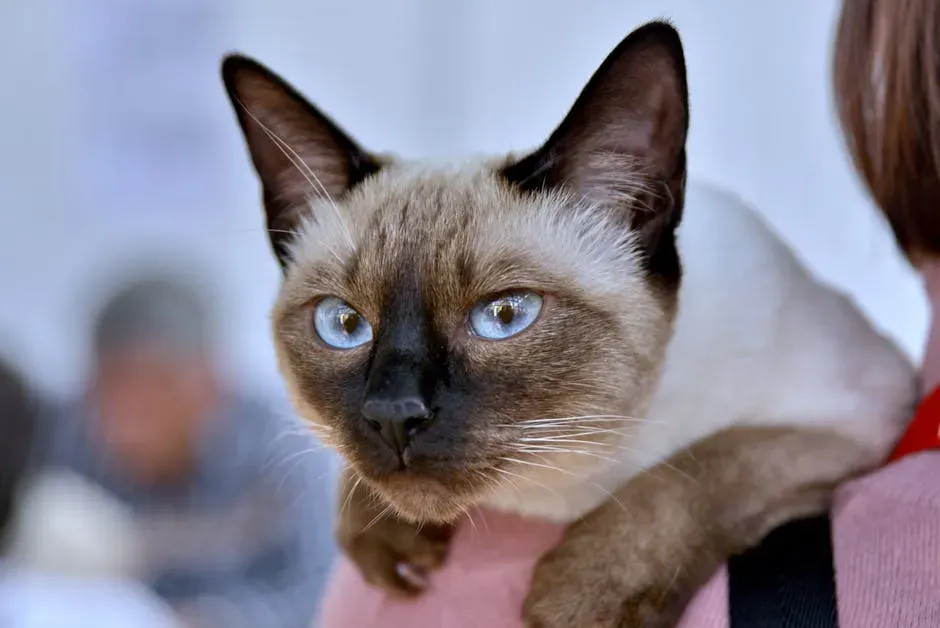
The Siamese is a paradox. On one hand, originating from Thailand, Siamese cats are known for their striking looks and distinctive personalities. They are highly intelligent and independent, often bonding closely with one person in the household. Sounds ideal, right? Here’s where it gets thorny for beginners.
They often bond with a single family member and become possessive of that person. If another family member tries to interrupt cuddle time or get attention from “their” human, the Siamese may respond aggressively. This is particularly problematic in households with children or if you’re not the chosen one. Essentially, you might win the lottery and become your Siamese’s favorite person. Or you might be completely frozen out. First-time owners rarely know how to manage that emotional dynamic with confidence.
6. The Korat: Serene on the Surface, Explosive Underneath
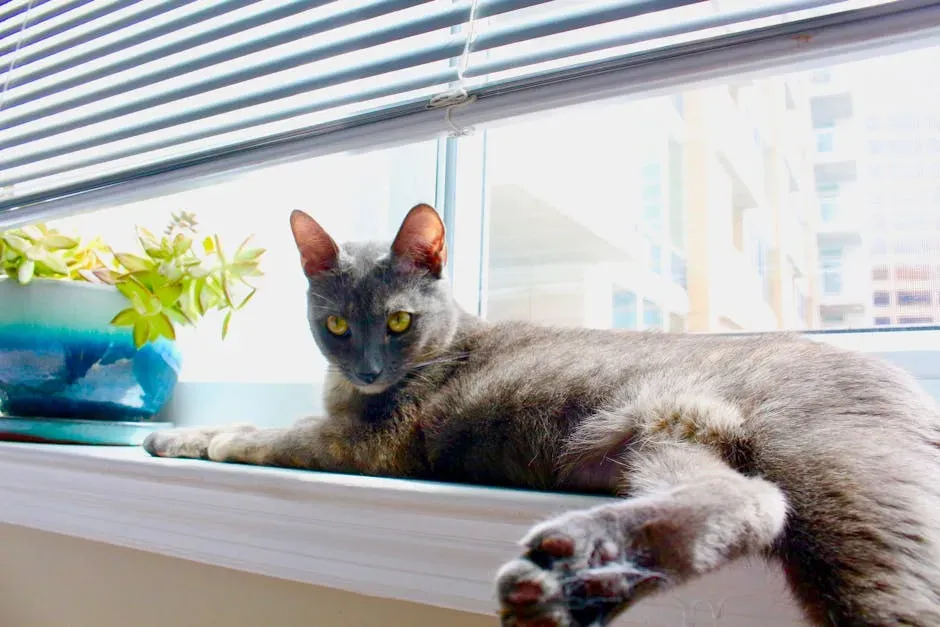
The Korat is a rare cat breed from Thailand. They’re known for their gray coat, green eyes, and independent and intelligent personality. These smart cats are active and love to play with their pet parents, though they may take some time to warm up to new people. That “warming up” period can stretch for weeks or even months, which is discouraging for a first-time owner hungry for connection.
Korats are relatively rare, which may be good, as few owners are equipped to have one in their house. They love peace and quiet. In fact, they’ll insist on it, and they may just lash out violently if they can’t get it. As a result, they may be a good fit for single owners who keep to themselves, but if you have kids in the house, bringing a Korat home is asking for trouble. A household full of noise and movement is essentially a Korat’s nightmare.
7. The Norwegian Forest Cat: Wild at Heart, Gentle in Appearance
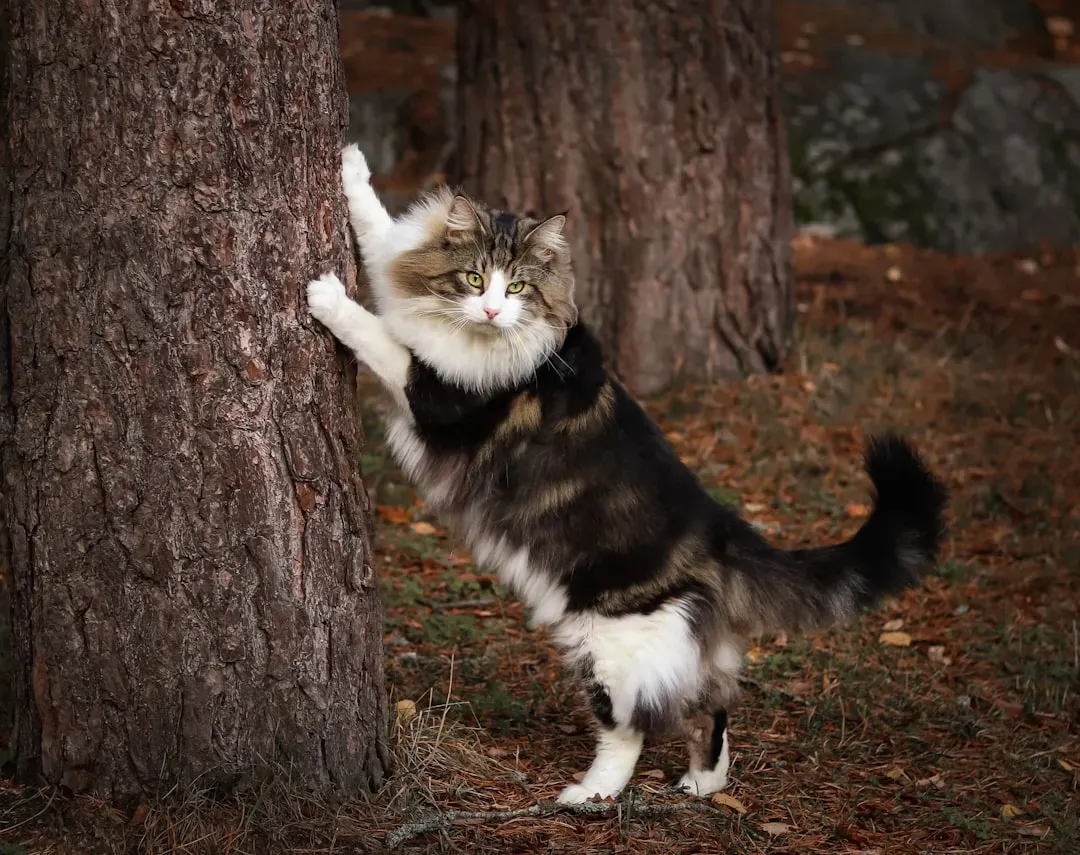
Looking at a Norwegian Forest Cat, you might see a fluffy, majestic creature begging to be cuddled. The reality is a bit more nuanced. The Norwegian Forest Cat developed naturally in the forests of Scandinavia. The breed is healthy and hardy, with an irresistibly calm and undemanding temperament. Norwegian Forest Cats are adaptable and balance their desire for human interaction and affection with an independent nature. That balance, honestly, leans toward “independent” more than most beginners expect.
A study comparing Norwegian Forest Cat kittens to Siamese, Oriental, and Abyssinian kittens found the Norwegian Forest Cat to be more likely to explore and try to escape. Their deeply rooted instinct to roam and climb can be genuinely overwhelming. Housebreaking is usually the most challenging part of training a Norwegian Forest Cat. They’re naturally inclined to scratch and dig, so it’s crucial to provide them with suitable outlets for these behaviors. For a first-time owner, that’s a lot of behavioral management coming at you all at once.
8. The Russian Blue: Reserved, Selective, and Quietly Intimidating
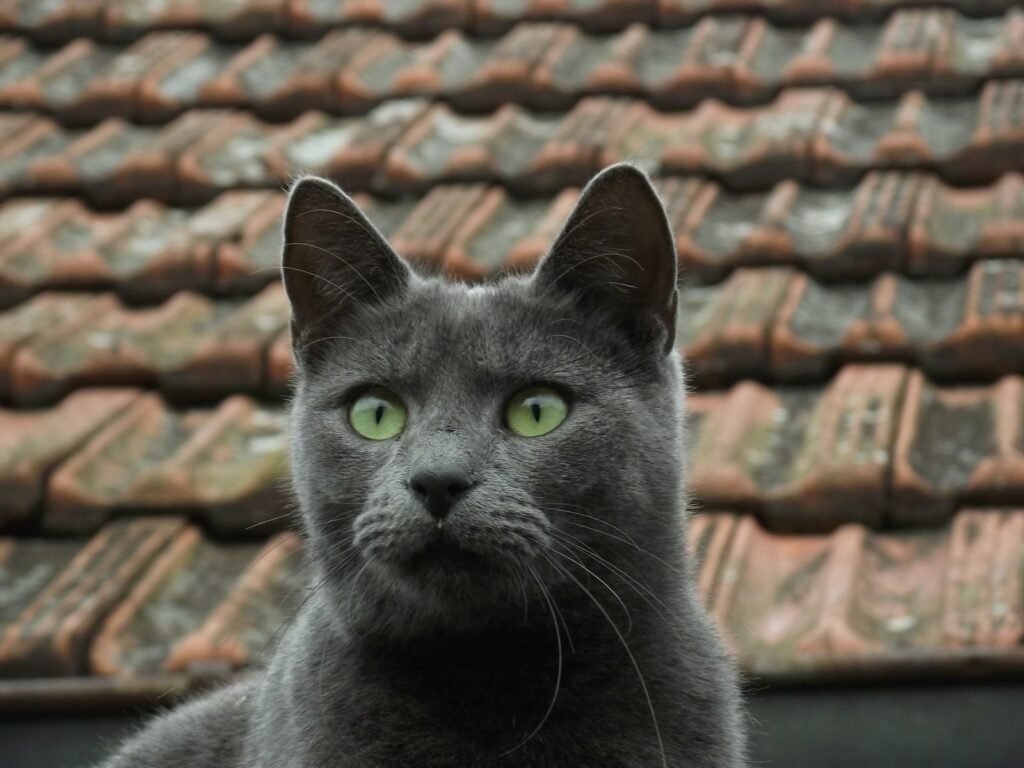
The Russian Blue is often marketed as a beginner’s dream – low maintenance, quiet, and elegant. There’s truth in that. Known for being self-sufficient and low-maintenance, the Russian Blue is happy to spend time alone, making it a great choice for busy cat owners or people who work long hours. Despite its independent nature, this breed often forms a strong bond with its family over time. The problem is “over time” can feel like a very long wait for a first-time owner.
Russian Blues are elegant cats with a reserved and thoughtful nature. They often take time to warm up to new people or environments, preferring to assess situations before engaging. You might spend the first several weeks wondering if your cat actually likes you. As intelligent, curious, and independent cats, they are an excellent choice for pet parents who want a low-maintenance companion. They are typically reserved around new people but affectionate to their pet parents. That affection, though, takes patience to earn.
9. The Persian: High Maintenance Wrapped in Stunning Fur
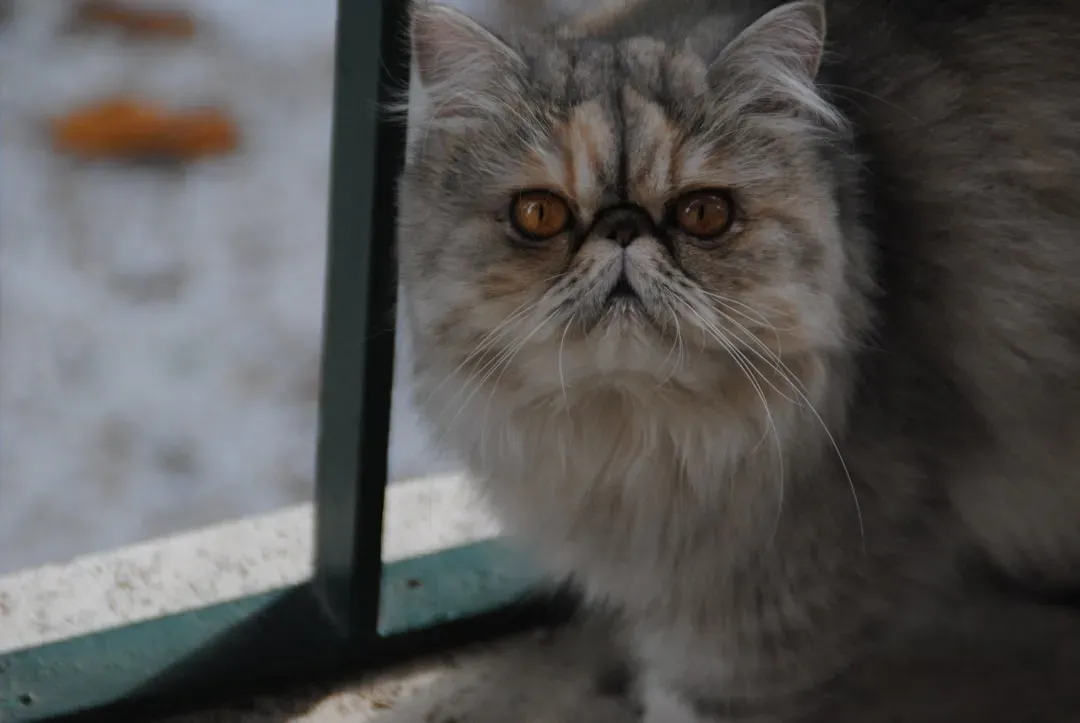
Persians look like royalty, and they act like it too. Persian cats are known for their luxurious, long coats and sweet, expressive faces. They are a popular breed for their affectionate yet independent nature. Persians enjoy the company of their owners but are also perfectly content to spend time alone, grooming their magnificent fur or lounging in a favorite spot. That independence isn’t the problem. The grooming requirements are.
Breeds like the Persian have long, thick coats that need daily brushing, while other breeds may be prone to specific health issues requiring frequent vet visits. For a beginner, “daily brushing” sounds manageable until you’re actually dealing with it every single morning before work. Beyond the coat, if you’re even slightly allergic to cats, a Persian will expose that fact immediately and dramatically. They produce more of the Fel d 1 protein – the one responsible for allergic reactions – in their coat than any other breed. Expect constant sniffling, red eyes, and possibly worse if you’re sensitive.
10. The Turkish Angora: Charming, Clever, and Completely On Its Own Agenda
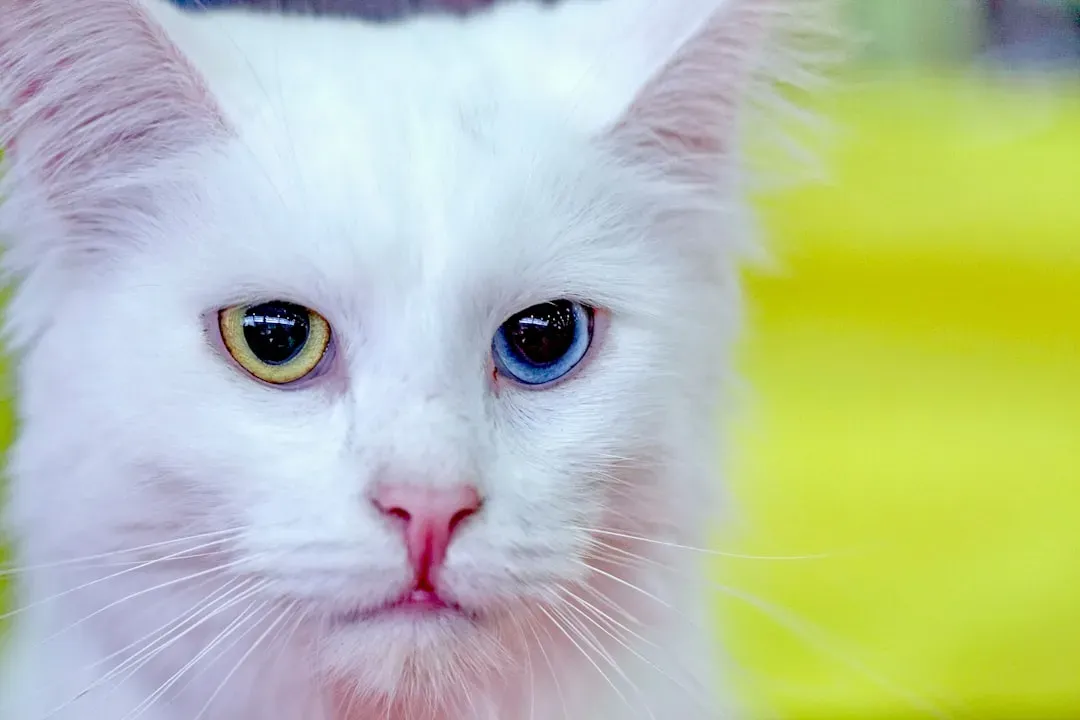
The elegant Turkish Angora developed naturally in the mountains of Turkey, which helped shape the breed’s balanced mix of independence and affection. Known for their silky, semi-long coat and plumed tail, Turkish Angoras are graceful, athletic cats that love to climb and explore their surroundings. They are intelligent problem-solvers who find creative ways to entertain themselves when left alone. Sounds delightful until you realize “entertaining themselves” often means rearranging things you’d rather they didn’t touch.
Another independent longhaired cat, the Turkish Angora is elegant, smart, and loyal. True to their independent nature, Turkish Angoras typically don’t like to be held, but they’re known to be playful throughout their life. Their playfulness is engaging, but it’s on their schedule, not yours. This independent cat breed loves feline enrichment toys and games that challenge its curious mind, making it perfect for busy cat owners who want a fun, self-sufficient cat that can entertain itself. A first-time owner expecting affection-on-demand may find themselves feeling more like a bystander than a companion.
11. The Turkish Van: Athletic, Assertive, and Reluctant to Be Held
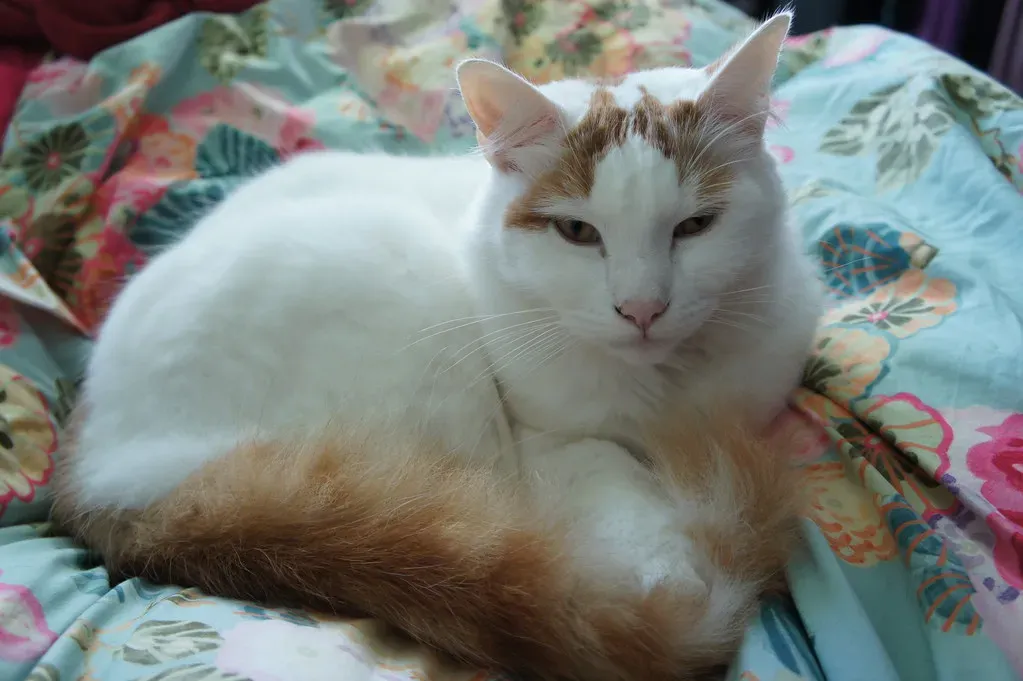
Turkish Vans are a rare breed with a unique swimming ability and a love for water. Their soft, semi-long coat and striking markings make them stand out. They are intelligent, energetic, and independent, making them excellent companions for owners who want a cat that can entertain itself while still enjoying human interaction. That description makes them sound like the perfect low-fuss companion. The assertiveness is where things shift.
Independent and area-focused, Turkish Vans are natural patrollers that like to keep watch over their surroundings. They often claim specific zones in the home and may react strongly to unfamiliar people or animals entering what they view as their territory. Studies have shown this breed can score higher in aggression toward humans and other cats, especially when they feel their family or space is threatened. Managing a territorial cat with confidence requires experience. First-time owners often don’t realize what they’re dealing with until the cat has already drawn clear (and sometimes sharp) boundaries.
12. The American Wirehair: Cute Appearance, Fiercely Independent Reality
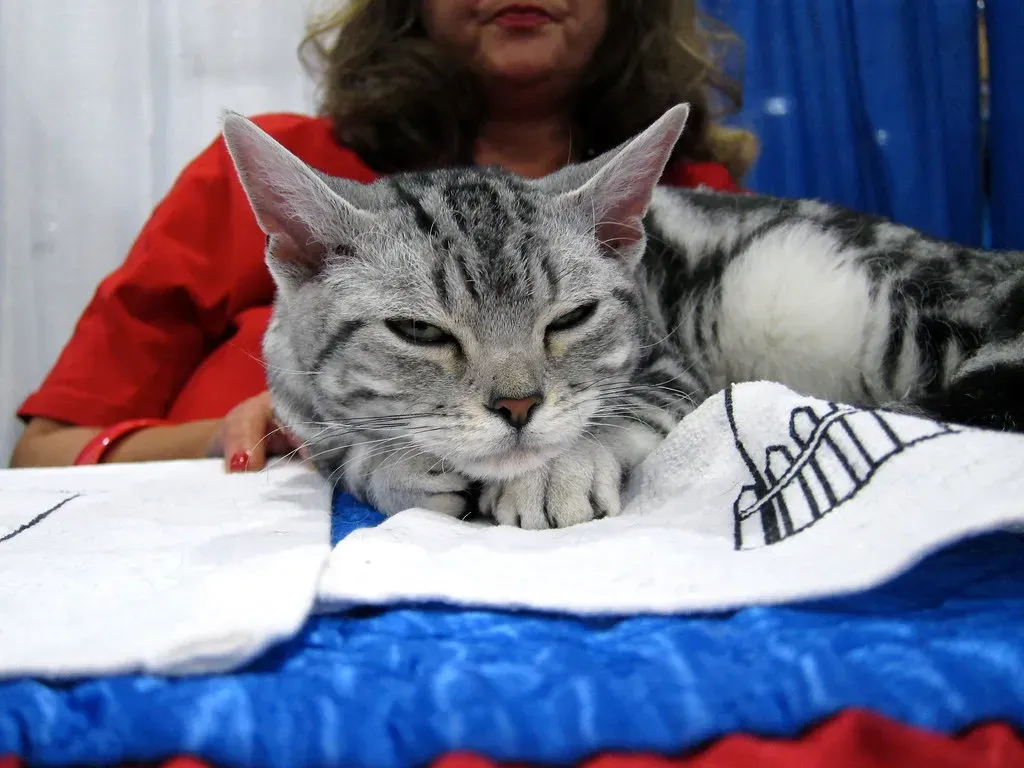
It’s hard to say for sure why the American Wirehair doesn’t get more attention in conversations about independent breeds – perhaps because their curly, wiry coat makes them look so approachable and soft. Don’t be fooled by the fluff. American Wirehairs look adorable and cuddly, which is misleading. They’re naturally independent and don’t appreciate being picked up for cuddles. That mismatch between appearance and personality is precisely what catches first-time owners off guard.
They’re independent by nature, so they don’t always appreciate being picked up and cuddled. They’re not afraid to let you know when you’ve gone too far, but they don’t give you much warning beforehand. They’re especially touchy around strangers, so you might have to lock them in the bedroom whenever company comes over. That kind of social unpredictability is genuinely hard to manage without prior cat experience. They’re just cats with personalities, quirks, and needs that can overwhelm someone who’s never navigated feline behavior before.
Conclusion: Know Your Cat Before You Fall in Love With the Breed
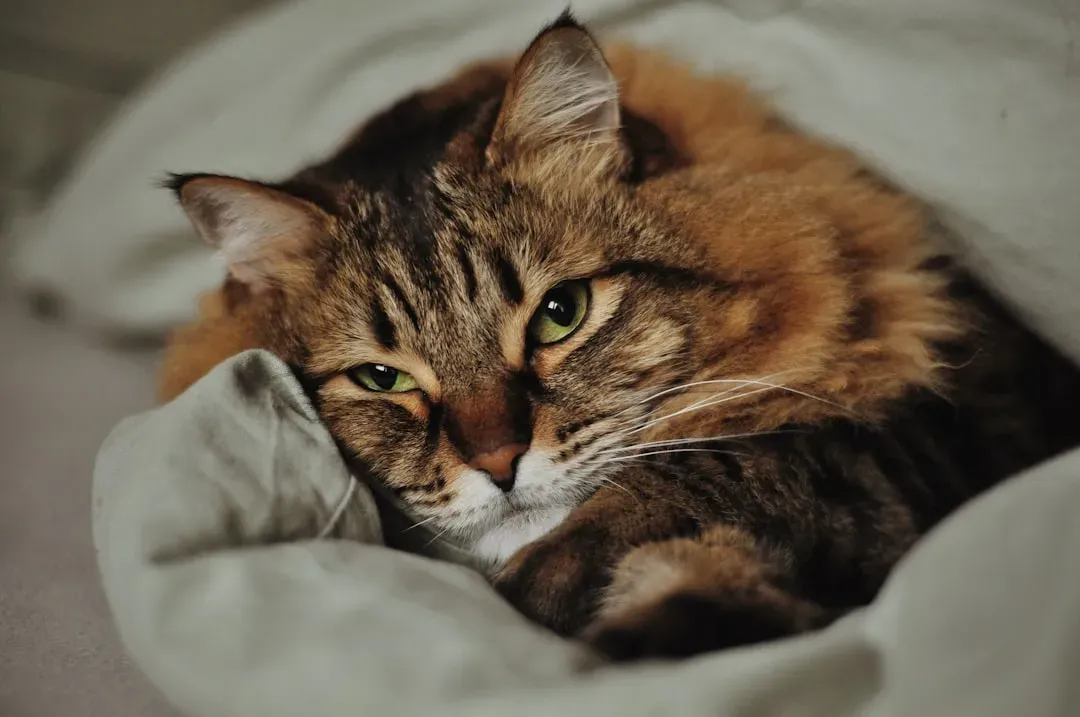
Here’s the real takeaway: none of the cats on this list are bad pets. Not even close. They’re fascinating, complex animals with personalities that experienced owners often adore precisely because of their independence. The challenge is that first-time owners tend to enter cat ownership with a certain set of expectations – warmth, responsiveness, easy bonding – and some of these breeds simply don’t play by those rules.
The wisest move you can make before choosing your first cat is to be brutally honest with yourself about your lifestyle, your patience levels, and what you actually want from the relationship. What no one tells you in those adorable Instagram posts is that some cat breeds will make your first experience with cat ownership feel like advanced-level chaos. They’re not bad cats. They’re just cats with personalities, quirks, and needs that can overwhelm someone who’s never navigated feline behavior before.
Start with a breed that meets you halfway. Build your experience. Then, once you understand the subtle language of feline behavior, you’ll be more than ready for a Bengal, a Savannah, or a moody Korat who demands absolute silence at all times. The best cat for you is the one you’re genuinely prepared to understand.
Which of these breeds surprised you the most? Drop your thoughts in the comments – especially if you’ve owned one of these beauties as a first-time cat parent.