Most cat owners will agree that there is something almost magical about a happy, thriving cat. That relaxed, slow blink. The gentle rumble of a purr. The effortless leap onto a perfectly arranged shelf. It all looks so easy and natural that you might not give much thought to what is quietly working behind the scenes. Honestly, the difference between a cat that merely survives and one that truly flourishes often comes down to the simplest daily habits.
You do not need a fancy lifestyle overhaul or a budget fit for a small country to give your cat the quality of life they deserve. The real secret is consistency, attention, and a genuine understanding of what your cat actually needs versus what we assume they need. So let’s get into it.
1. Commit to a Consistent Daily Feeding Schedule

Here is the thing about cats – they are not the spontaneous, go-with-the-flow creatures their cool demeanor might suggest. Studies indicate that feeding your cat at random times can create stress and food insecurity. A consistent schedule helps regulate digestion, maintain a healthy weight, and reduce anxiety. Think of it like having your own lunch always show up at completely unpredictable times. Stressful, right?
Balancing dry and wet food is also worth your attention. Dry food is convenient, but wet food provides hydration and variety, and many experts suggest a mix for optimal health. Keep treats minimal – they should make up no more than roughly a tenth of your cat’s daily calorie intake, used sparingly to avoid weight gain. It is a small adjustment that adds up to a big impact over the months and years ahead.
2. Make Daily Interactive Play a Non-Negotiable
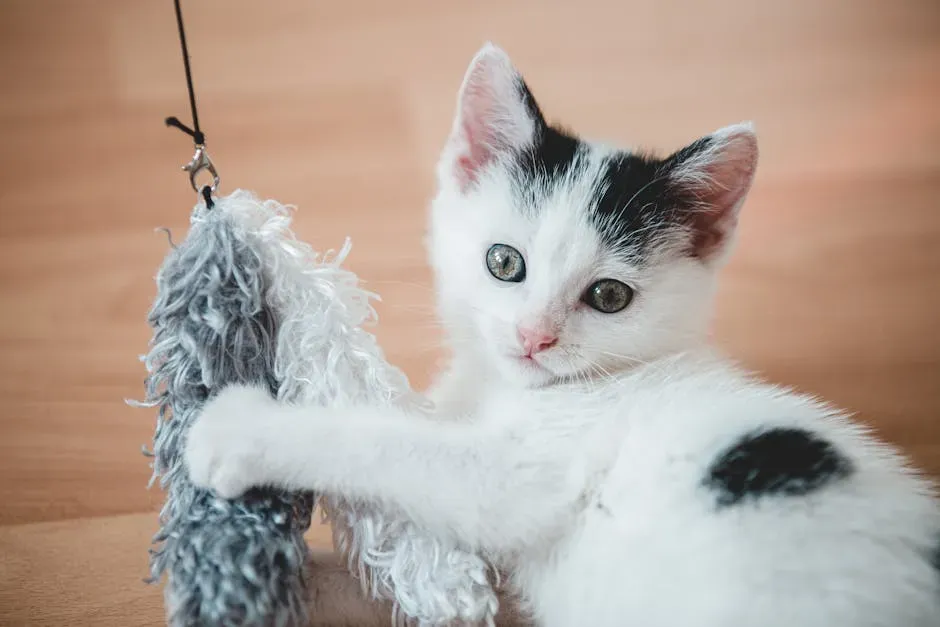
Let’s be real – a bored cat is not a happy cat, and the signs are more serious than you might think. Enrichment helps bored cats by reducing stress, preventing behavior problems, and allowing them to practice natural instincts like hunting, scratching, and exploring. Boredom may even show up physically, as overgrooming, pacing, vocalizing, or biting. Your living room couch has probably already paid the price for at least one of those.
Use interactive toys like feather wands or string toys that move unpredictably. The key is to actually engage, not just toss a toy and walk away. Usually, about ten to fifteen minutes twice a day can drastically improve your cat’s mood. Try to engage your cat in play before a meal, when they are likely to be more active. It mimics the natural hunt-catch-eat cycle, and your cat will thank you for it in their own quietly satisfied way.
3. Keep Up with Regular Grooming Sessions
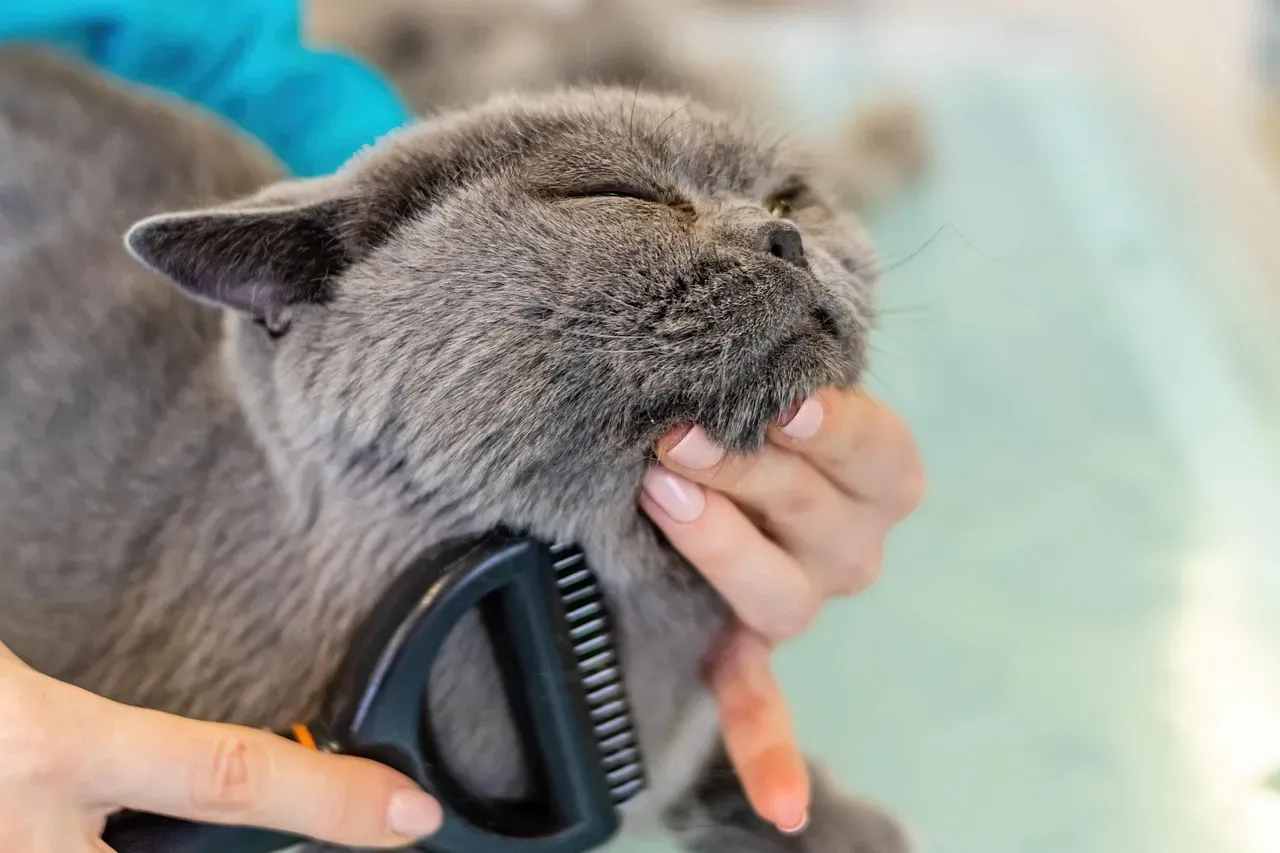
Grooming is more than hygiene – it is one of the most bonding activities you can share with your cat. Regular brushing supports coat health, prevents mats, and reduces shedding around your home. For long-haired cats, daily brushing is ideal. For short-haired breeds, weekly is usually sufficient. This simple ritual removes loose hair, distributes natural oils, and allows you to spot early skin issues, parasites, or unusual lumps.
Keep grooming sessions gentle and brief at first, especially for kittens, so they associate brushing with positive attention. Use soft tools suited to your cat’s coat, and treat grooming as bonding time – pair strokes with praise or a small reward to reinforce relaxation. I think of it like a spa appointment your cat did not book themselves but will absolutely come to look forward to. Over time, it becomes a genuinely soothing ritual for you both.
4. Prioritize Your Cat’s Dental Health

Dental hygiene is often overlooked, yet it is one of the most essential habits for preventing long-term health problems. Ideally, you should brush your cat’s teeth daily with pet-safe toothpaste to cut plaque and slow periodontal disease. It sounds like a lot, honestly, but cats who begin this routine early tolerate it better and often require fewer professional cleanings – saving both your cat from discomfort and you from a hefty vet bill.
Watch for bad breath, drooling, reduced appetite, or pawing at the mouth as warning signs. Prompt evaluation ensures early treatment and comfort. Feline dental disease is incredibly common and painful, yet it remains one of the most undertreated conditions in domestic cats. A little prevention now goes a very long way down the road.
5. Create Vertical Space and Climbing Opportunities
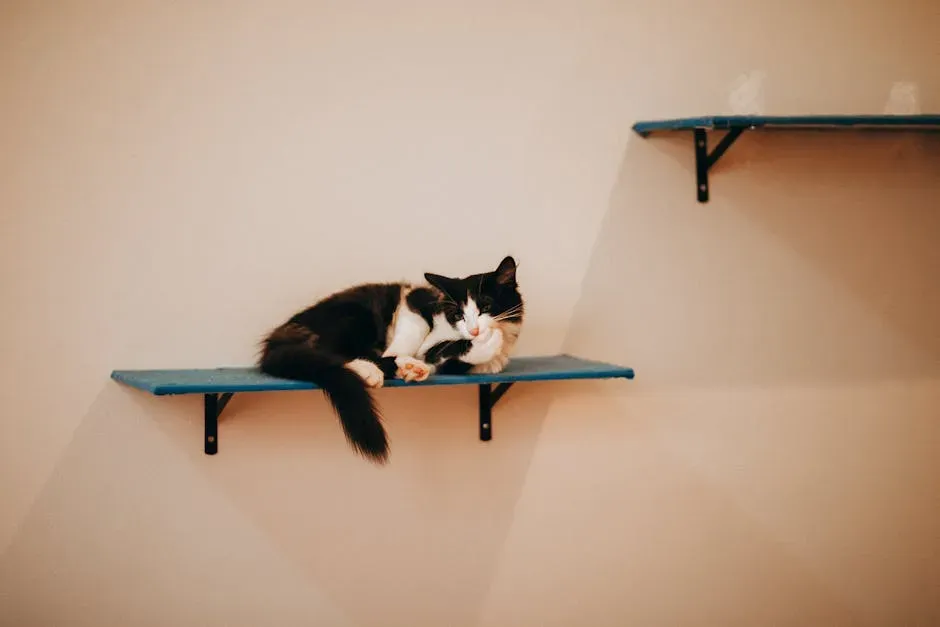
Installing cat trees, wall-mounted shelves, or providing sturdy, carpeted perches not only offers exercise opportunities, but also allows cats to observe their territory, providing mental stimulation and a genuine sense of security. Cats are hardwired to seek elevated vantage points – it is ancient prey-survival instinct at work. Denying them that is a little like taking away someone’s window view and expecting them to be cheerful about it.
Choose sturdy scratching posts about thirty inches tall, wrapped in sisal, to help stretch and strengthen muscles. Secure posts and trees firmly, and add non-slip surfaces to prevent tipping. Scratching helps maintain claw and physical health, and it is also an effective means of marking territory. Some cats even use scratching as a method of reducing anxiety and stress. So that shredded corner of your couch? Your cat was not being destructive. They were self-medicating.
6. Give Your Cat a Window to the World
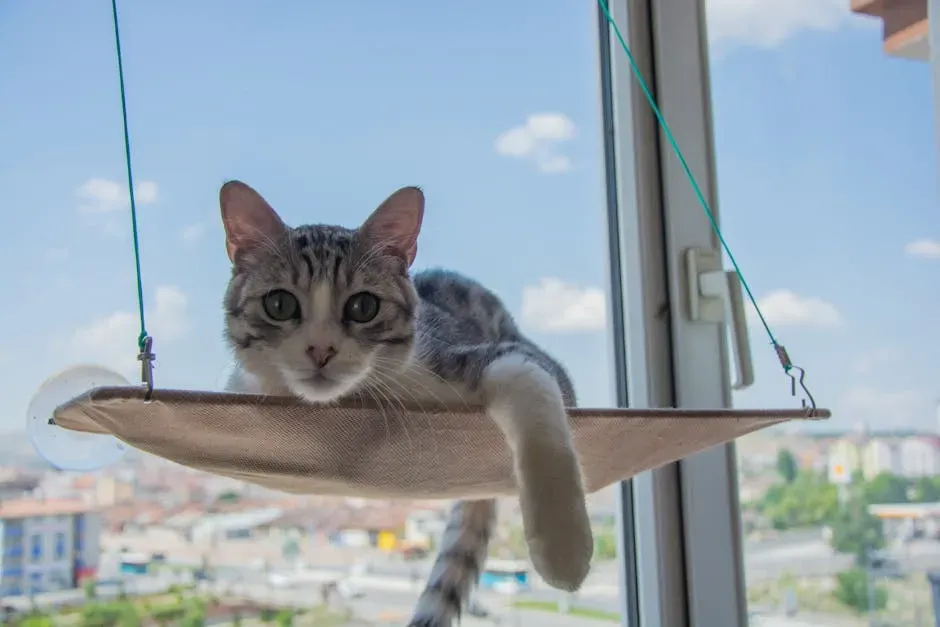
While indoor life protects cats from outdoor hazards, it also comes with a unique set of challenges – namely, a lack of mental and physical stimulation. Even cats with limited outdoor access can experience long periods of inactivity or monotony. Imagine spending every single day in the same room, looking at the same four walls. An indoor life is safe, but it can be boring – like living in a hotel with no windows.
Setting up a comfortable perch near a window creates a front-row seat to the outside world. Cats are fascinated by bird activity, passing wildlife, and changing scenery. By providing a window view, you enable them to engage with the sights and sounds of the outdoors, stimulating their senses and preventing boredom. We tend to overlook our cats’ sense of smell, but encouraging scent exploration is a simple way to provide daily enrichment. Even cracking a window slightly on a mild day can be a genuinely transformative sensory experience for a cat who spends most of their life indoors.
7. Schedule Routine Veterinary Checkups and Do Mini Health Checks at Home
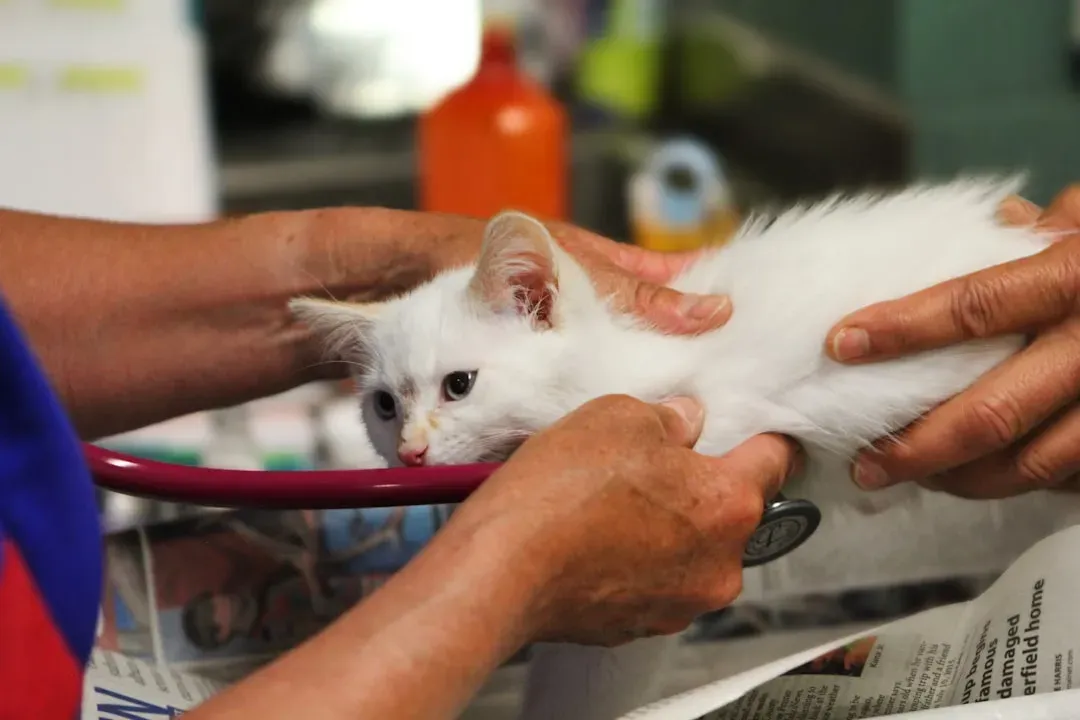
During a vet visit, your cat’s heart and lungs will be listened to, the abdomen palpated, eyes and ears checked, your cat weighed, and diet and litter box habits reviewed. Visits should be at least twice a year for older cats and for felines with medical issues or conditions. It is not something to push to the back burner until something looks obviously wrong. Cats are masters at hiding pain. In the wild, showing weakness makes you a target, so they will mask illness until it is quite advanced.
Make it a habit to do a quick mini-physical every weekend during a grooming session. Feel for new lumps, check ears for debris, and look at their teeth for redness or swelling. Monitor appetite, energy levels, bathroom habits, and behavior. Keep tabs on your cat’s weight to catch health issues early. Think of yourself as your cat’s first line of defense – you know their quirks and normal patterns better than anyone, and that knowledge is genuinely powerful when it comes to catching problems before they escalate.
The Takeaway: Small Habits, Big Lives
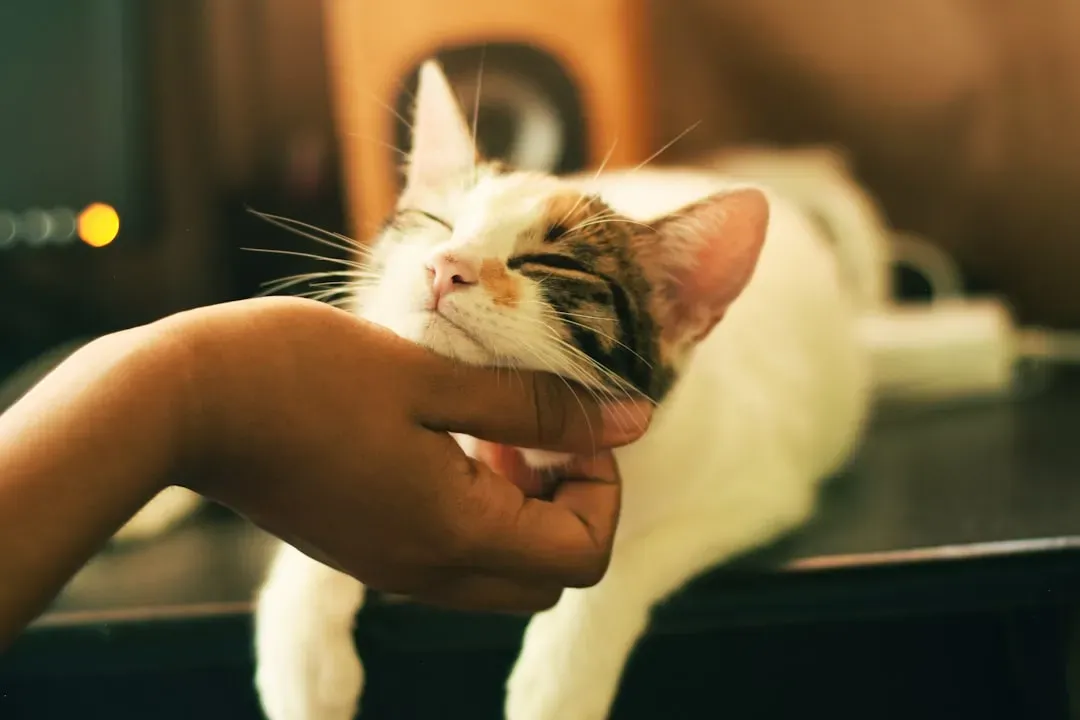
When you step back and look at all of it together, what is striking is how none of these habits are complicated or particularly expensive. A happier, healthier cat does not come from one big change. It comes from small, thoughtful habits repeated every day. That is it. That is the whole secret, as unsexy as it sounds.
When your cat has outlets for play, exploration, smell, and connection, you will see fewer stress behaviors, healthier weight, and a more balanced personality. Every grooming session, every scheduled meal, every feather wand moment is a quiet act of care that compounds beautifully over time. It is not uncommon for cats to live well into their 20s today, largely thanks to improved healthcare and nutrition, but also as a result of greater awareness from owners.
Your cat cannot tell you what they need in words. But they show you every single day. The question is simply whether you are paying attention. What is the one habit from this list you are going to start with today? Drop a comment and let us know.