You might think your cat is just lounging around doing absolutely nothing productive. Sprawled across the couch, eyes half-shut, tail doing that slow lazy swish. But here’s the thing – your cat is watching you. All the time. With extraordinary precision. More than most people ever realize.
Cats are remarkable social observers, and living in your home is basically a full-time educational experience for them. Adult cats learn household routines by watching humans, and the depth of what they pick up will genuinely surprise you. From the way you pour your morning coffee to the exact time you pick up your keys, your feline companion is building a mental map of your life. Let’s dive in.
1. Your Daily Schedule – Down to the Minute
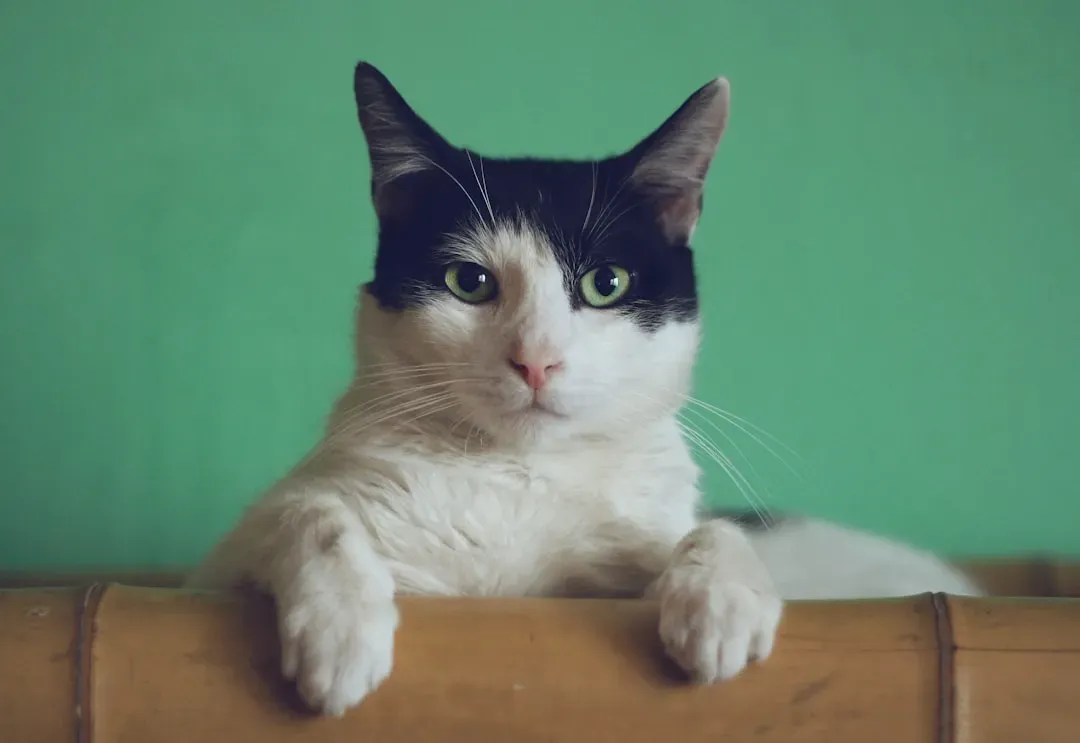
Cats do learn and anticipate many aspects of their human’s daily routine through observation, associative learning, and sensitivity to environmental cues. Their knowledge isn’t human-like planning but a reliable set of expectations shaped by repetition and reward. Think of it like your cat running a very detailed internal spreadsheet – without ever touching a keyboard.
Cats detect regular timing around meals, play, and your leaving or returning by associating time intervals with outcomes. Circadian rhythms and interval timing actually let them anticipate events hours in advance. That’s why your cat is already sitting by the food bowl before you even think about heading to the kitchen. It’s not magic – it’s memory built from watching you.
2. How to Open Doors, Cabinets, and More
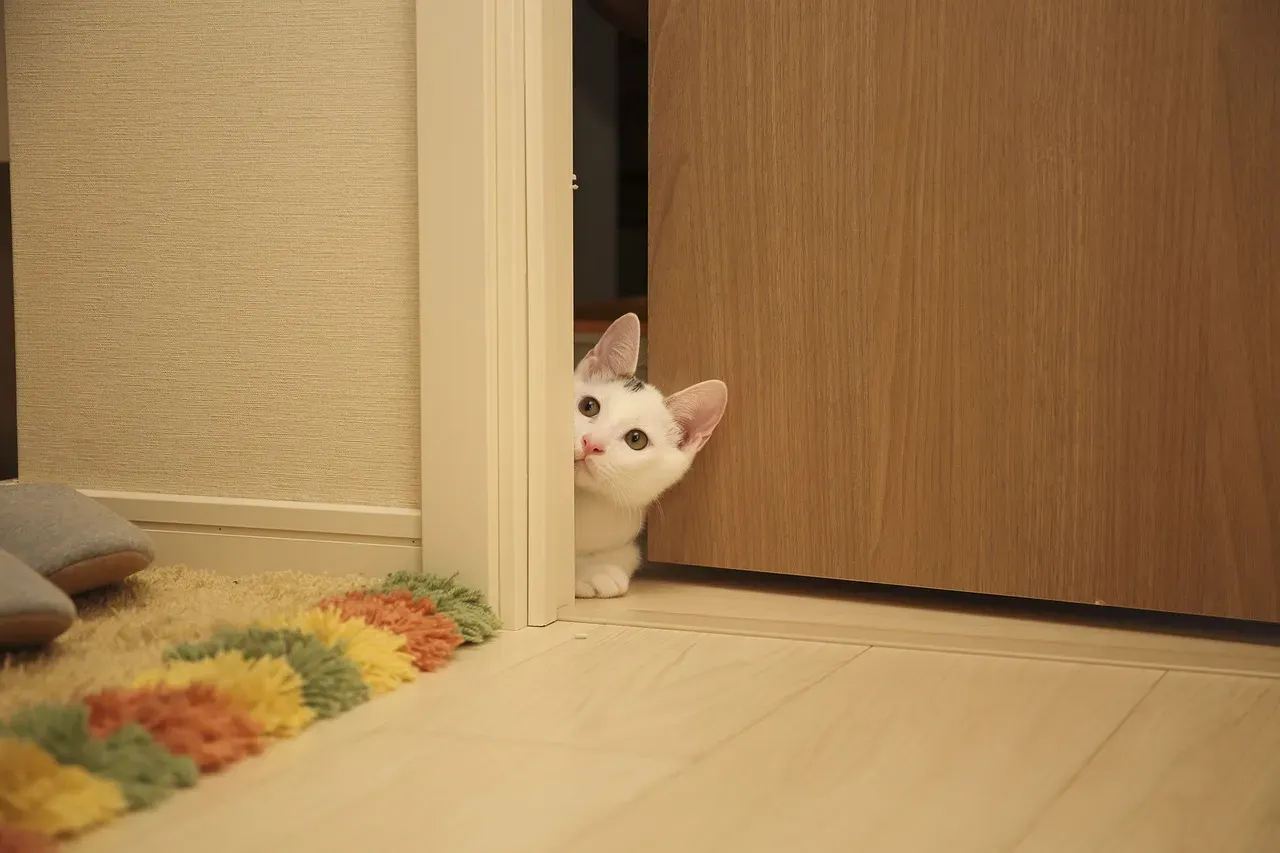
This one never gets old. Never underestimate a cat’s capacity for learning through observation. If they watch you open a cupboard to retrieve treats often enough, many cats will attempt to replicate the action themselves. I think most cat owners have experienced this at least once and brushed it off as coincidence. It isn’t.
This observational learning extends to various household tasks. Cats have been known to learn how to turn on faucets, open doors, and even operate light switches simply by watching their humans perform these actions repeatedly. So yes, the next time your cat stares at the cabinet where you keep the treats, they may very well be planning their next move.
3. Your Emotional State and Energy
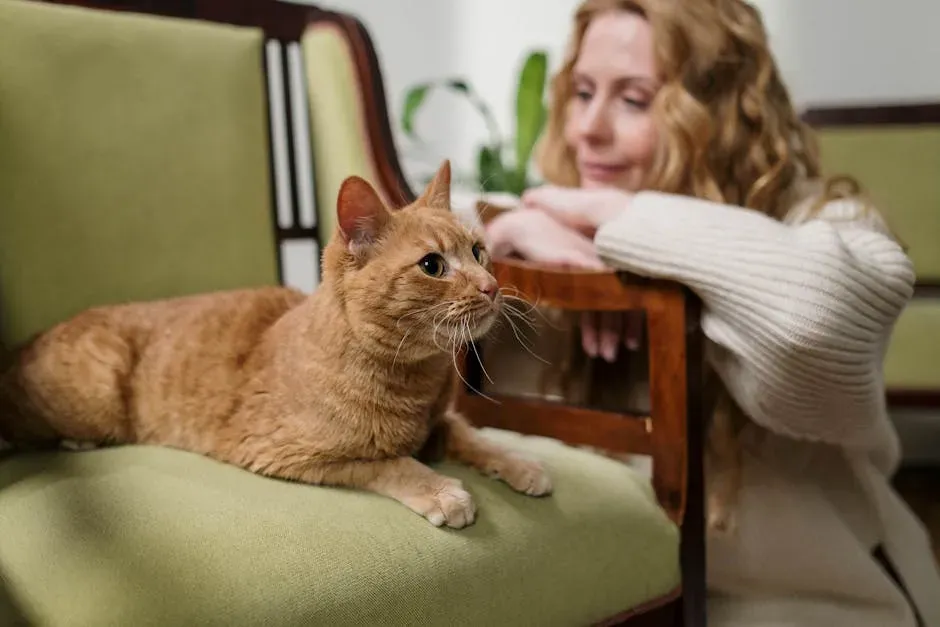
Cats are far more emotionally tuned in than their reputation suggests. Cats possess an uncanny ability to read and reflect human emotions. When you’re calm and content, your cat often mirrors that energy, lounging peacefully nearby with half-closed eyes. Research suggests that cats are highly sensitive to emotional atmospheres in their homes.
Cats can detect and mirror their owners’ emotional states. They may become more affectionate when their owner is sad, more energetic when their owner is happy, or anxious when their owner is stressed, showing their capacity for emotional attunement. Honestly, if your cat seems restless or unsettled on certain days, it might be worth checking in with yourself first. Your cat might be picking up something you haven’t acknowledged yet.
4. Mealtimes and Your Eating Habits
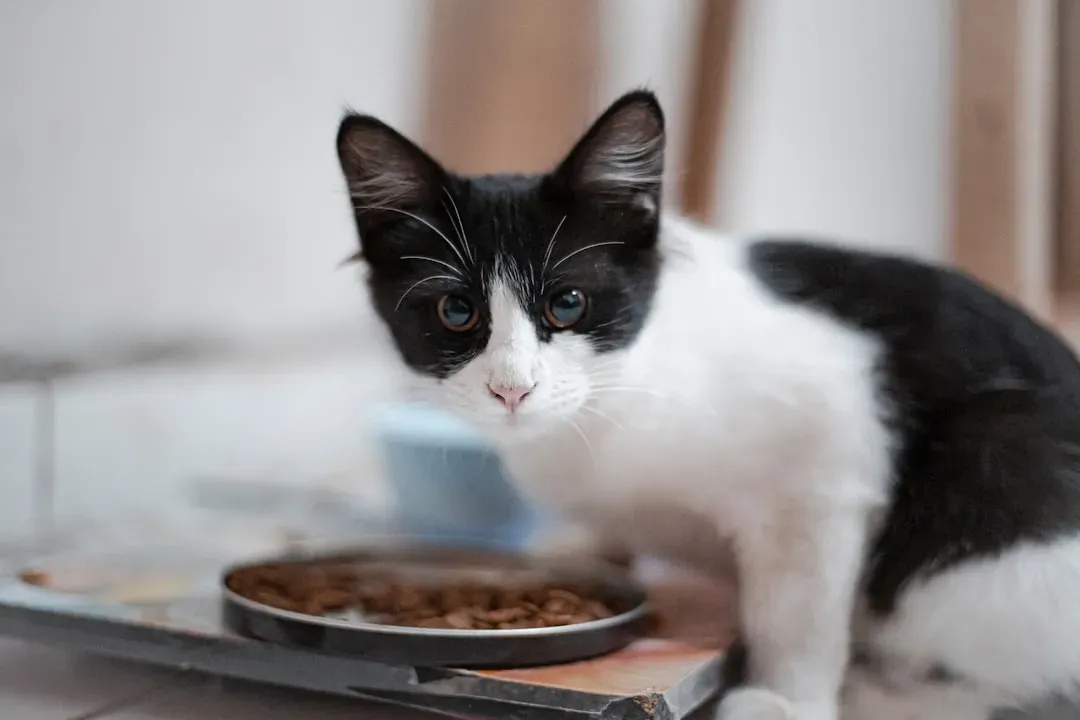
Your cat pays close attention to when, how, and where you eat – and it shapes their own expectations around food. A cat waits by the door for the evening arrival every day after months of consistent work-day timing. A cat begins meowing ten to fifteen minutes before breakfast because the owner always fills the bowl at the same hour and uses the same cupboard. The pattern recognition here is genuinely impressive.
There’s also a broader connection between human and cat eating habits. A cat’s food intake is associated with that of its owner’s, perhaps explaining why human and cat obesity rates seem to so often match. Let that sink in for a moment. Your snacking habits might literally be influencing your cat’s waistline. Now that’s a diet accountability partner you didn’t sign up for.
5. Your Body Language and Physical Movements
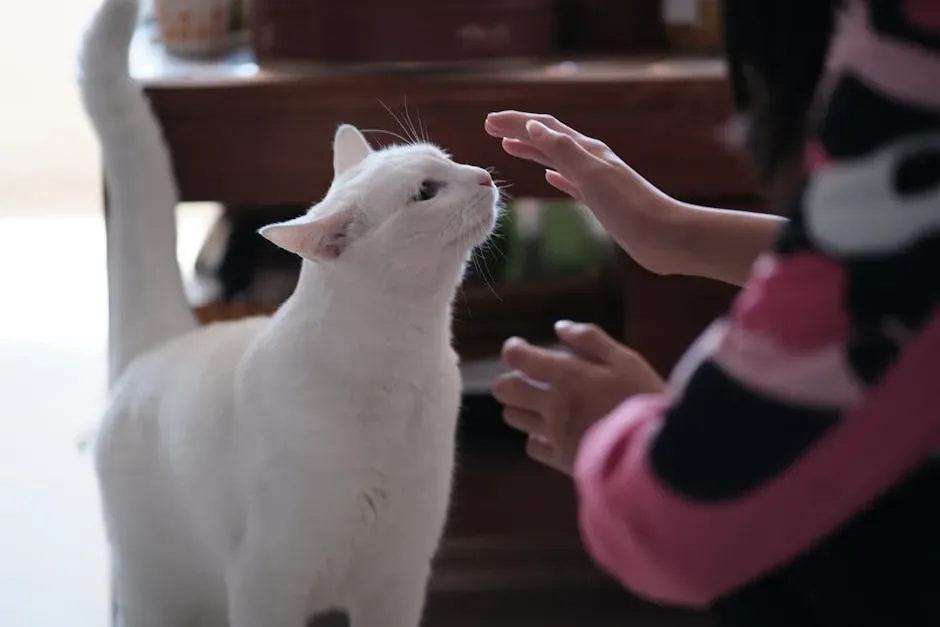
Cats observe human body language – putting on shoes, picking up a bag, or specific movements – and learn those actions predict departures, feeding, or play. It’s almost like they’ve built a full glossary of human gestures and catalogued exactly what each one means for them personally.
Cats are masters of nonverbal communication, reading subtle cues in your posture and movements. When they copy your physical actions, they’re demonstrating social bonding and showing they feel safe in your presence. This mimicry helps them feel more integrated into your shared environment. So when your cat plops down beside you and matches your sprawled-out Sunday afternoon position – that’s not coincidence. That’s connection.
6. Your Sleep Routine
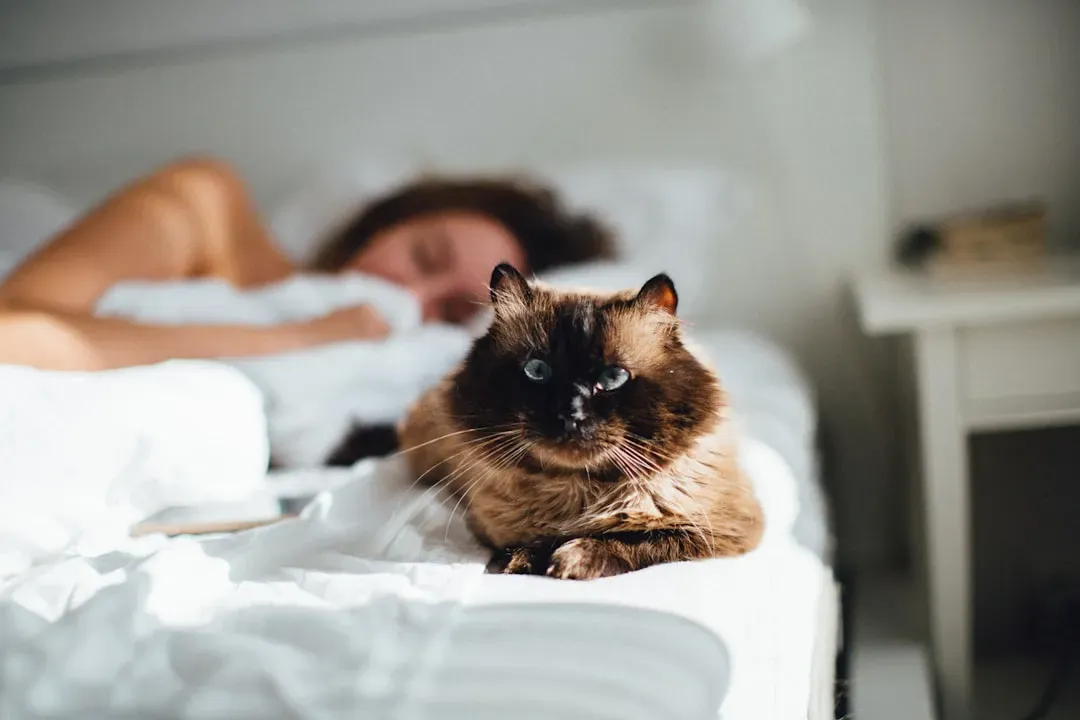
Here’s something that might explain why your cat suddenly decides 3 a.m. is the perfect time for zoomies – or conversely, why they’re curled up next to you every single night at ten. Cats can pick up on routines and habits. For example, if you consistently go to bed at a specific time, it won’t be long before your cat starts to anticipate bedtime as well.
Researchers have found that cats living with their owners can mimic their owner’s habits and adapt to their lifestyle. More specifically, cats’ sleeping and eating patterns are pretty similar to those of their owners. If you’re a night owl who stays up scrolling until midnight, don’t be surprised when your cat adopts the same schedule. They’re essentially syncing their internal clock to yours, which is both adorable and a little eerie.
7. Which Person in the House Is the “Soft Touch”
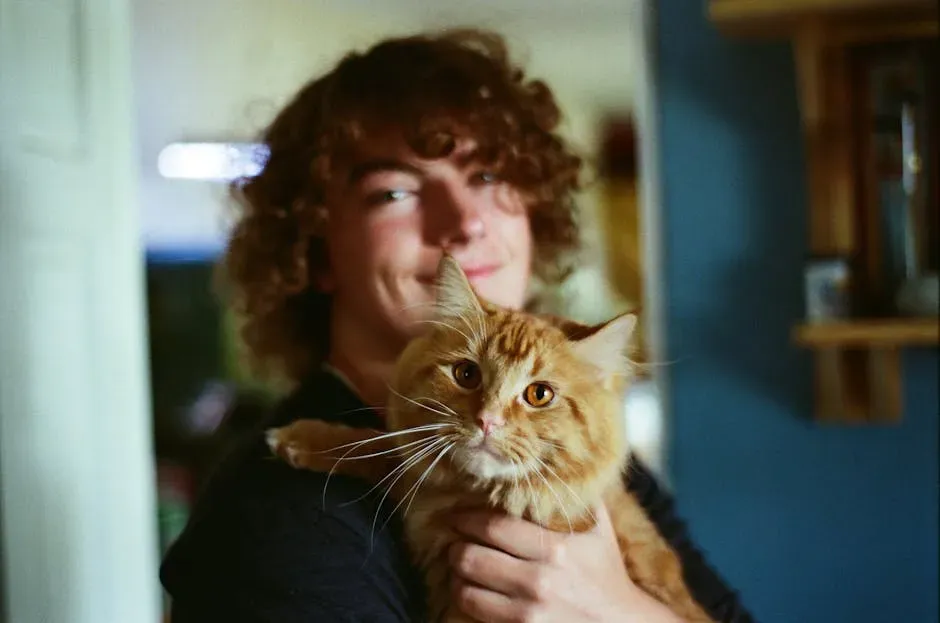
This is where cats reveal just how strategically intelligent they really are. Cats are much smarter than we give them credit for – they learn what works with what person. They know if one member of the family is prone to get up at 4 a.m. and give them some treats. They study you individually, not collectively.
Your cat watches how you react to different behaviors, then adjusts its strategy accordingly. If a gentle paw tap on your arm gets ignored but a louder meow brings results, guess which method they’ll use next time. Let’s be real – your cat isn’t being manipulative, exactly. They’re just very, very good at applied behavioral science. Every single member of your household gets a tailored approach. Respect.
8. Your Social Habits and Personality Traits
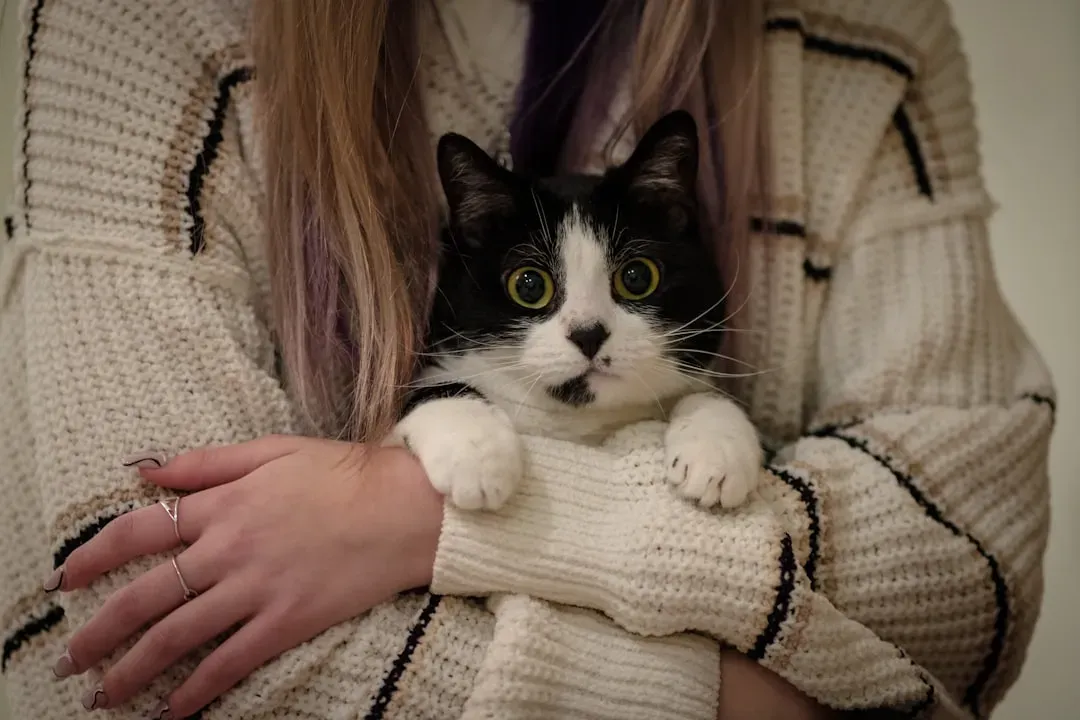
This one genuinely blew my mind when I first came across it. Studies show that cats will imitate emotional cues and extroversion dependent on their humans. For instance, if an owner is extroverted and loves being social, the cat may also enjoy being around others. Inversely, if an owner is anxious and paranoid, the cat will adopt the anxious and paranoid attitude.
Research has also revealed that cats can develop personality traits similar to their owners through prolonged interaction and behavioral mirroring. This adaptation showcases their remarkable social plasticity and ability to form deep emotional connections. It’s hard to say for sure exactly how deep this goes, but the implication is striking. You are, in a very real sense, co-authoring your cat’s personality just by living your life around them.
9. Your Problem-Solving Approach
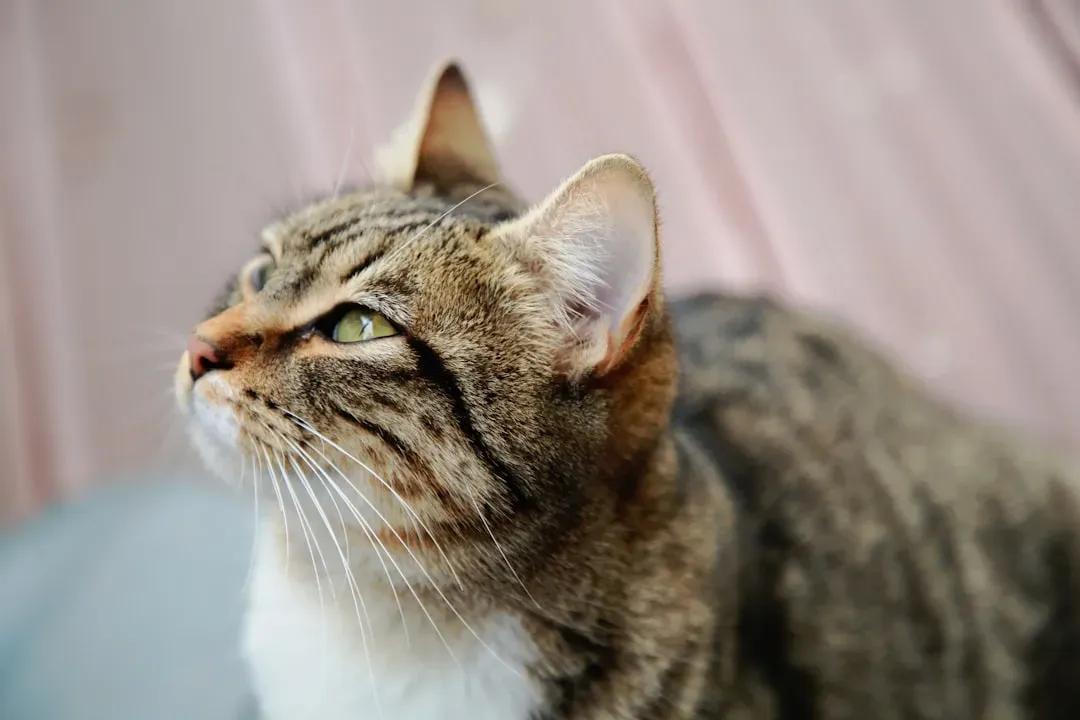
Observational learning in cats refers to their ability to pick up behaviors, routines, and problem-solving strategies simply by observing humans or other animals. From figuring out how doors open to mimicking play techniques, some cats absorb information quietly before putting it into action. Think of it like a student who never raises their hand in class but aces every exam.
Some particularly clever cats will sit and study your movements when you’re solving a problem, then try to apply similar techniques later. This demonstrates cognitive abilities that go beyond simple instinct or trial-and-error learning. The next time your cat watches you fiddle with a latch or untangle something, don’t dismiss it as idle curiosity. They might be filing it away for future reference.
10. Your Routine Cues Before You Leave or Arrive Home
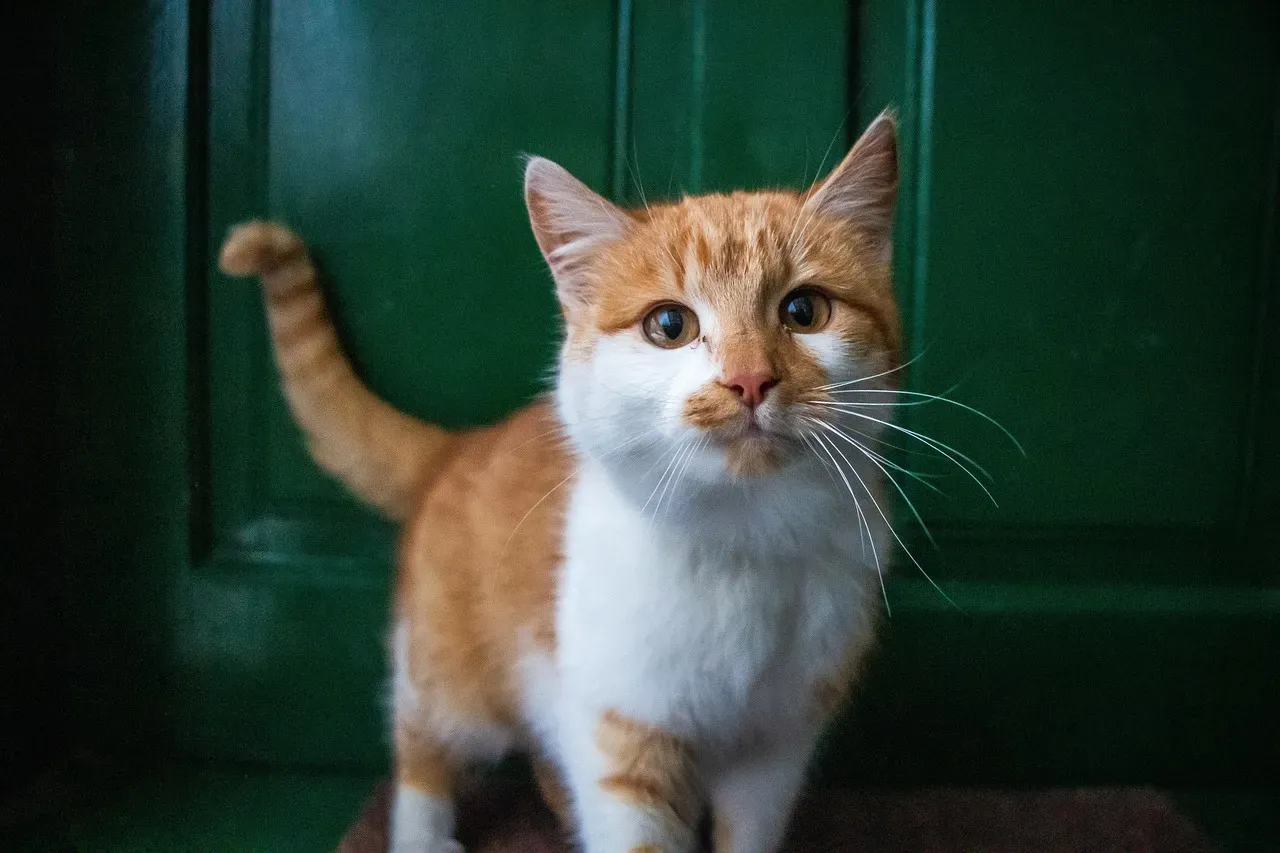
Sounds like a car in the driveway or keys jingling, light changes, appliance noises, and household activity patterns all serve as signals for what comes next in your cat’s world. They aren’t just responding to these cues randomly – they’ve built a reliable prediction system around them.
Some cats develop expectations around these routines. They’ll wait by the door when they know you typically arrive home or settle onto the couch during your usual television time. Cats learn their owner’s routines and keep them on their schedule as a method of taking care of them. They follow their owner’s schedule and imitate them to feel close and share those moments together. That’s not just learned behavior. That’s loyalty with whiskers.
Conclusion
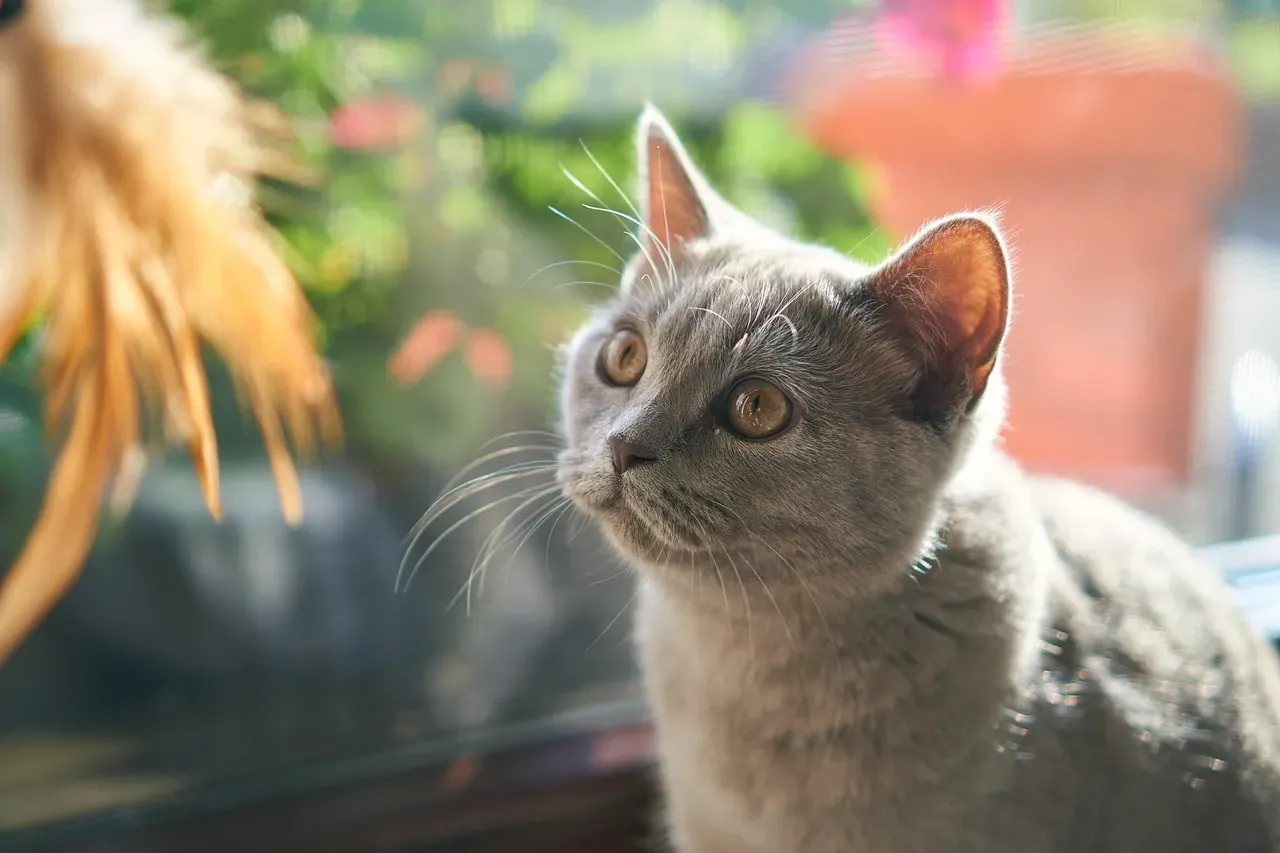
There’s something quietly wonderful about realizing your cat isn’t just a passive presence in your home. They are active observers, dedicated students, and surprisingly sophisticated social beings. Cat mirroring is more than just coincidental behavior. Scientific research has shown that cats possess sophisticated cognitive abilities that enable them to observe, learn from, and imitate the actions of others.
Every morning routine you follow, every emotional moment you move through, every habit you repeat – your cat is there, watching, processing, and adapting. Humans even serve as role models for their cats. That’s a responsibility worth taking seriously, and honestly, also a reminder to maybe be a little more consistent, a little calmer, and a little more intentional. Your cat is learning from you daily, whether you realize it or not.
So here’s a thought to leave you with: if your cat is a reflection of your daily habits, what exactly does that reflection say about you? We’d love to hear what you think – tell us in the comments!