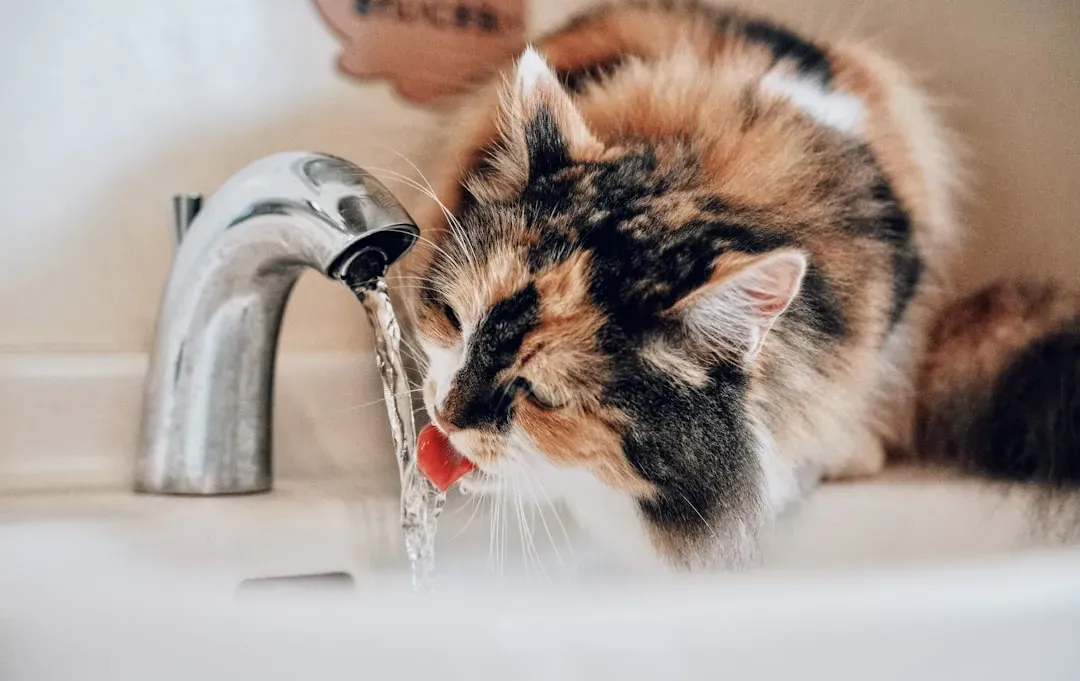
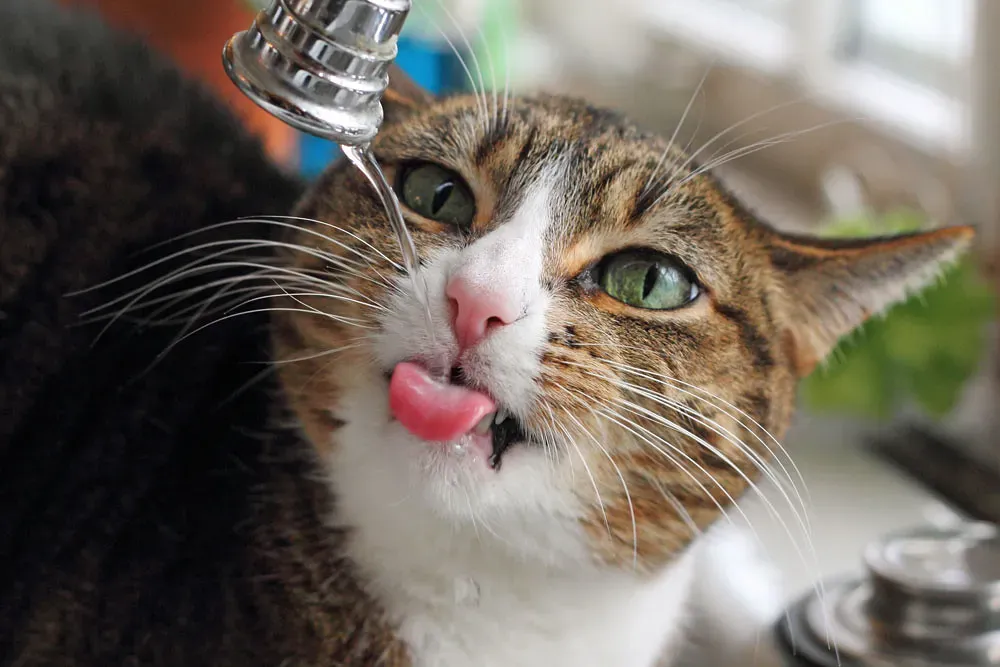
You turn on the bathroom faucet, and within seconds, there they are. Eyes locked on the stream, paw reaching up, completely transfixed. Your cat, who moments ago was napping without a care in the world, is now acting like they’ve discovered the most fascinating thing on earth. Sound familiar?
If you live with a cat, you have almost certainly witnessed this ritual. The tap obsession. The insistence on drinking from moving water. The complete indifference to the perfectly clean bowl you just filled. It can feel baffling, maybe even a little annoying. The truth, though, is that what your cat is doing tells a deep and genuinely fascinating story – one that goes back millions of years. Let’s dive in.
The Ancient Instinct Hidden in Every Drip
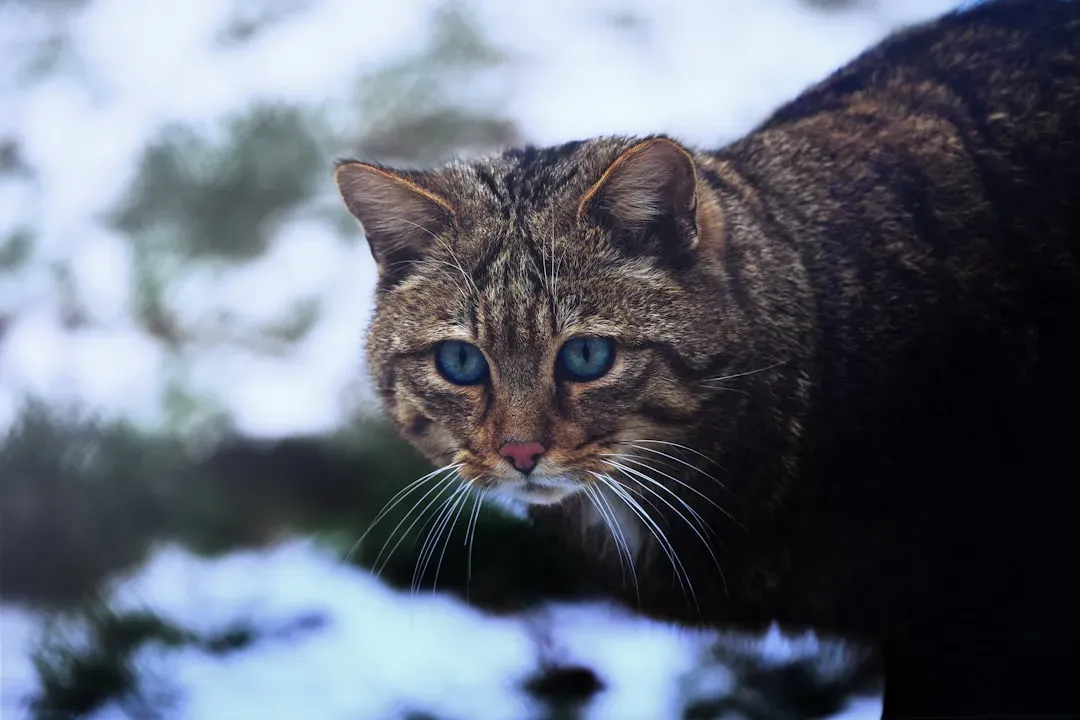
To understand why cats love running water, it helps to look at their wild ancestors. Domestic cats evolved from African wildcats, which lived in the African Savannah and naturally sought out fresh, flowing streams to drink from. This was not random preference. It was survival strategy, plain and simple.
In nature, standing water often poses significant health risks because stagnant pools can harbor dangerous bacteria, parasites, and other contaminants. Running water, by contrast, is typically fresher, cleaner, and safer to drink because the constant movement prevents the buildup of harmful microorganisms and keeps the water naturally filtered and oxygenated. Your cat is not being dramatic. They are being a wildcat, one who just happens to live in your kitchen.
Your Cat’s Senses Are Working Overtime
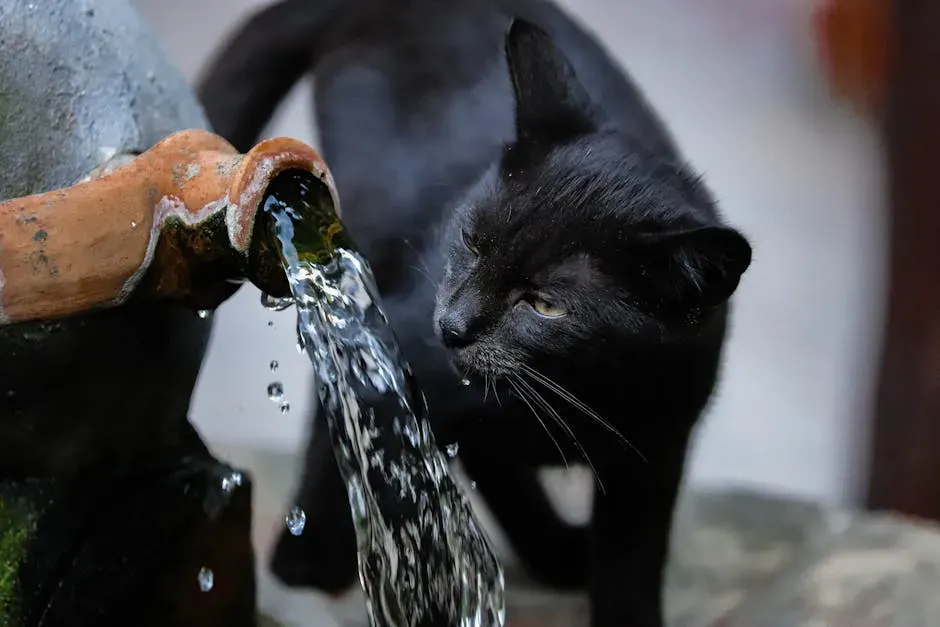
While evolutionary instincts explain why cats are predisposed to seek moving water, science provides a deeper look into the sensory and biological factors that make flowing water so appealing. Cats are highly visual and auditory creatures whose eyesight is tuned to detect movement, which is why a flickering toy or darting insect instantly grabs their attention. Similarly, the shimmer of moving water or the drip of a tap triggers their curiosity.
Visual cues like the ripples and reflections in moving water catch a cat’s eye far more than the still surface of a bowl. The sound of trickling or dripping water mimics natural streams, reinforcing a sense of freshness and safety. From a cat’s perspective, a running tap is not just a water source – it is a multisensory experience. Honestly, when you think about it that way, it makes total sense why they’re so riveted.
The Bowl Problem You Probably Never Considered
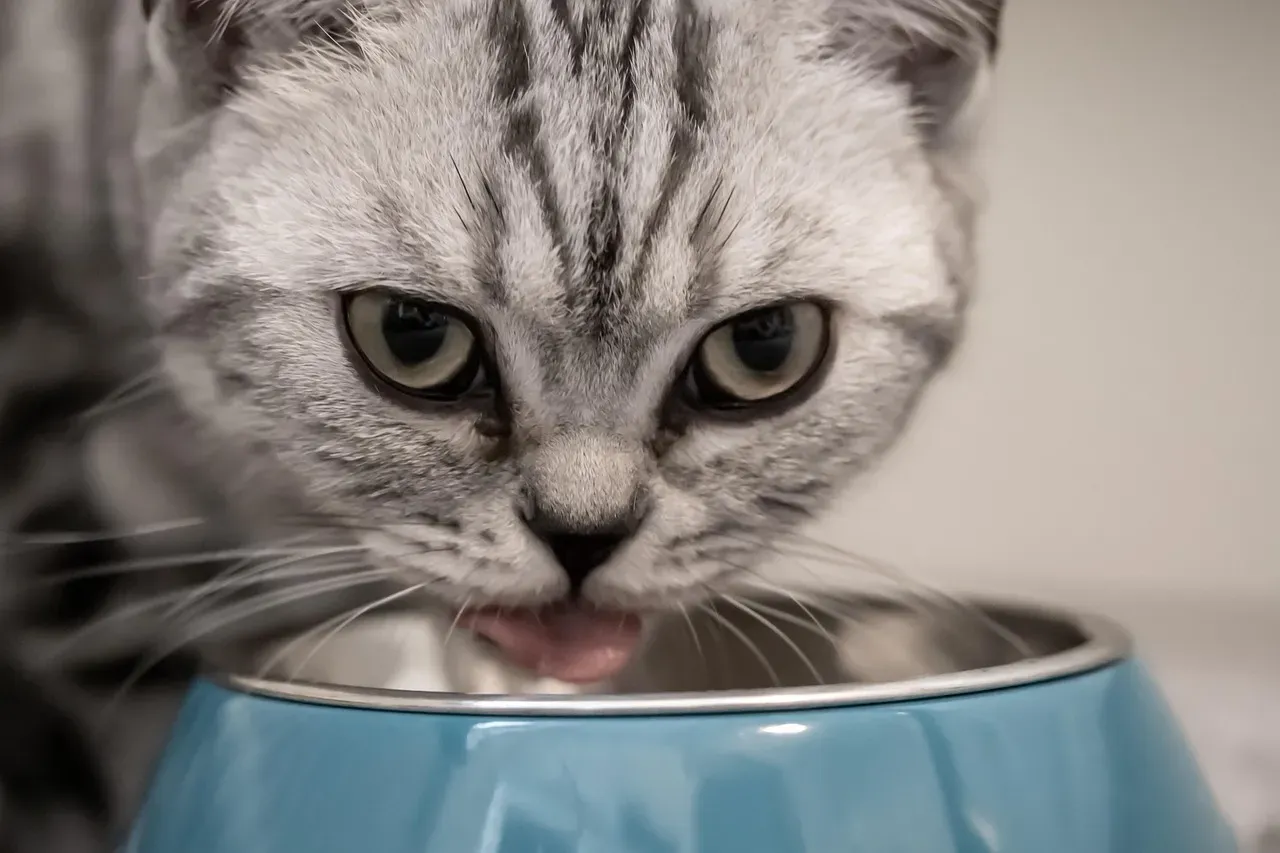
Traditional bowls work against feline instincts in several ways, and this mismatch often leads to chronic low-level dehydration, especially in cats eating dry food. You might be filling that bowl every day and thinking you are doing everything right. Your cat, though, disagrees on a biological level.
Cats might feel uncomfortable drinking still water out of a bowl because it is oftentimes in a corner where their backs are exposed. They like to be completely in control of their surroundings, so drinking still water in a poorly located bowl leads them to prefer running water from a faucet. That little detail about exposed backs is something I think a lot of cat owners never think about. Your cat is always scanning for threats, even while drinking.
Whisker Fatigue: The Surprisingly Real Reason Your Cat Avoids the Bowl
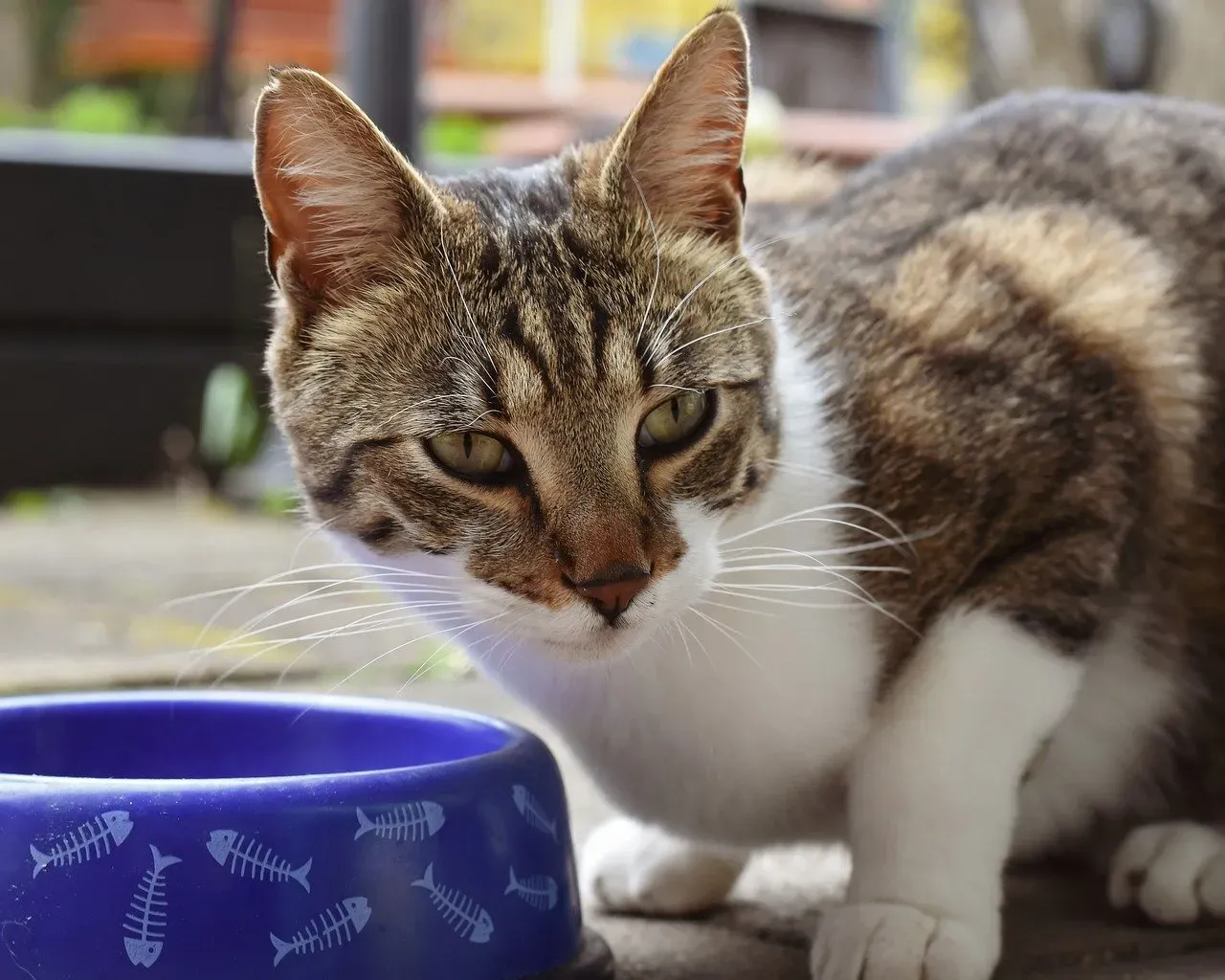
Cat whisker fatigue, also called whisker stress, is a term veterinarians use to describe the sensory overload cats feel when their sensitive whiskers repeatedly touch a surface. Cats use their whiskers to understand the environment around them, sensing the tightness of a space, changes in air currents while hunting for prey, and keeping their balance. You can think of whiskers as little antennas that constantly send signals to their brain and nervous system to help them navigate their world.
Whisker fatigue does not exactly mean the whiskers are tired. Rather, they become stressed from overuse. The most common cause is deep food bowls and water dishes. Small, high-sided bowls typically used for feeding a cat’s food and water are usually to blame. As the cat attempts to eat or drink, the whiskers repeatedly brush against the sides of the bowl, causing reactions ranging from irritation to pain, depending on the sensitivity of the cat’s whiskers. Running water, approached from a faucet or wide fountain, sidesteps this problem entirely.
When Running Water Becomes a Hydration Lifesaver
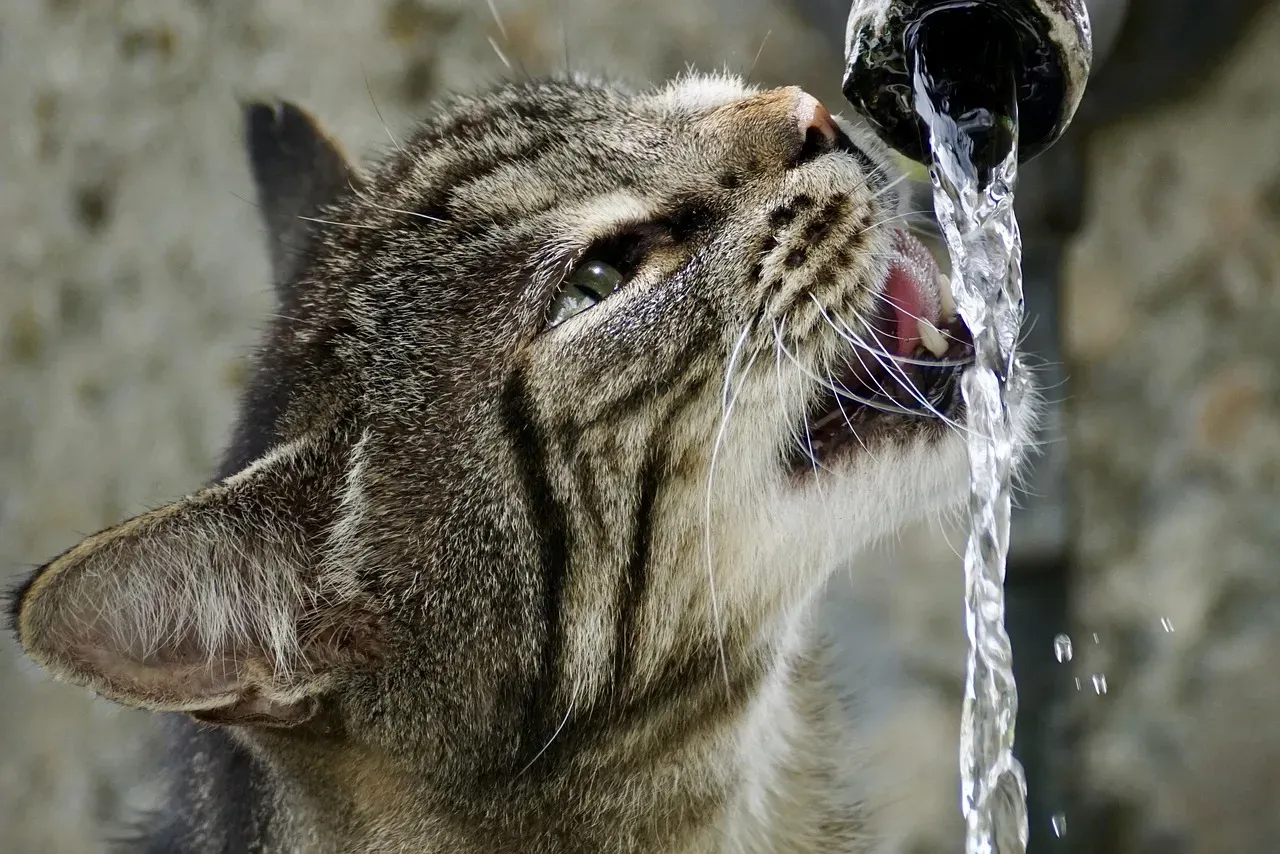
Cats evolved as desert predators with a low thirst drive, often getting moisture from their food. Their instinctual suspicion of stagnant water means traditional bowls may not encourage adequate drinking, leading to potential urinary and kidney problems. This is a bigger deal than most people realize. A cat on a dry kibble diet with a basic water bowl is quietly navigating a hydration challenge every single day.
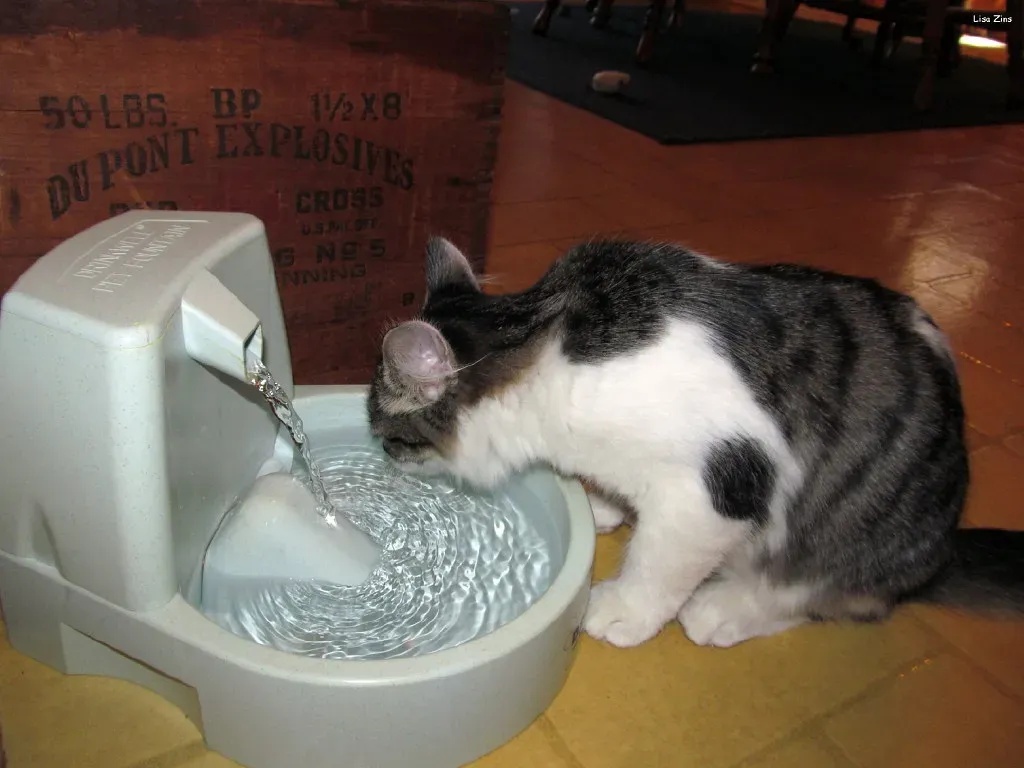
Running water not only appeals to a cat’s natural preferences but can also encourage them to drink more. This is important because some cats are prone to urinary and kidney issues, which can be worsened by dehydration. Water fountains designed for pets can help by providing a steady stream of clean water, which many cats find irresistible. Think of a cat water fountain not as a luxury gadget but as a genuinely practical health tool.
Running Water as Play: More Than Just a Drink
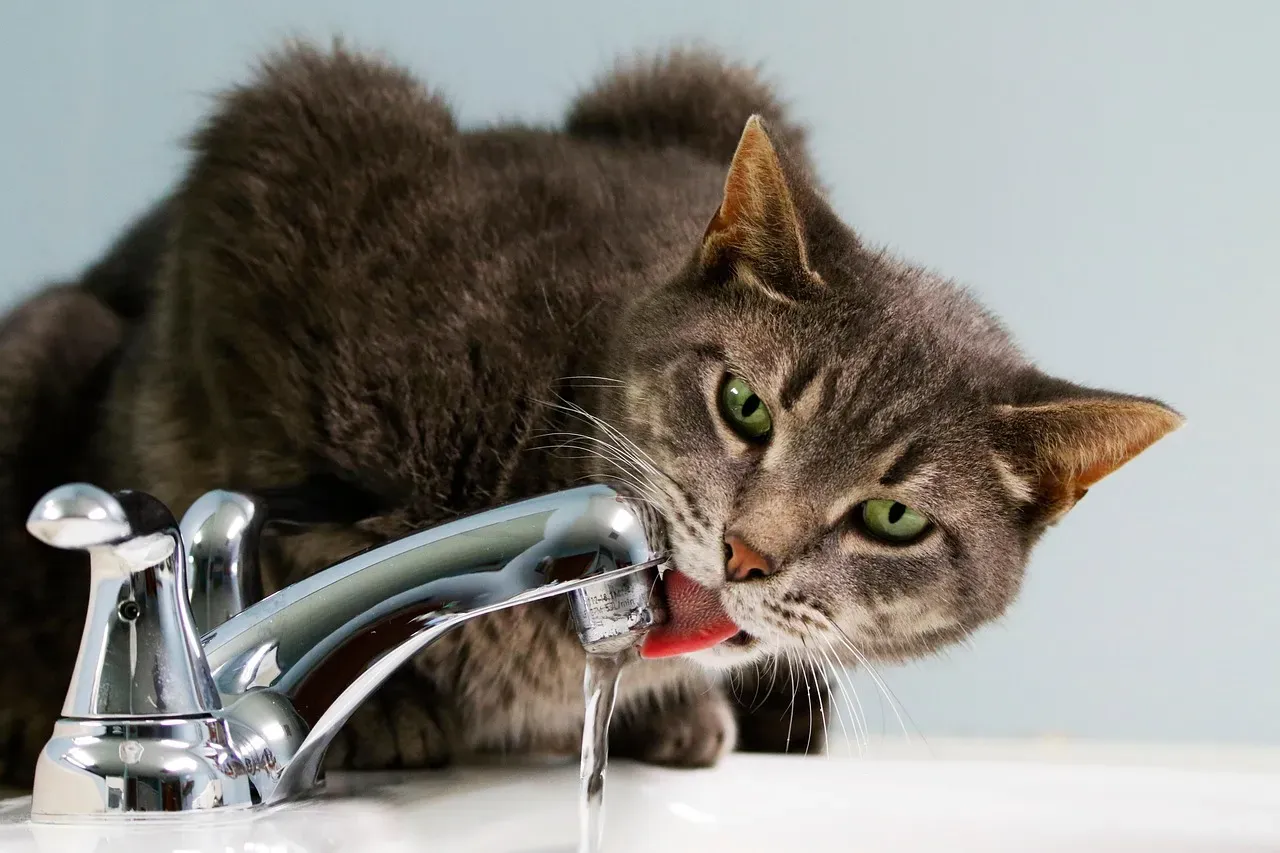
You might catch your cat quietly watching the stream from a faucet or water fountain. The movement, sound, and light reflections are stimulating and interesting to them. For some cats, running water is both a hydration source and a form of entertainment. Think of it like a combination of a water cooler and a television set, all in one convenient faucet.
For some cats, running water is not just about drinking; it is entertainment. The movement stimulates curiosity and play, offering mental enrichment. This can be especially helpful for indoor cats who need extra stimulation throughout the day. A fountain can become a mini enrichment station, encouraging interaction, exploration, and even stress reduction through predictable, soothing movement. So when your cat bats at the tap for the fifteenth time this week, they may actually be doing themselves a big mental health favor.
When the Obsession Could Be a Warning Sign
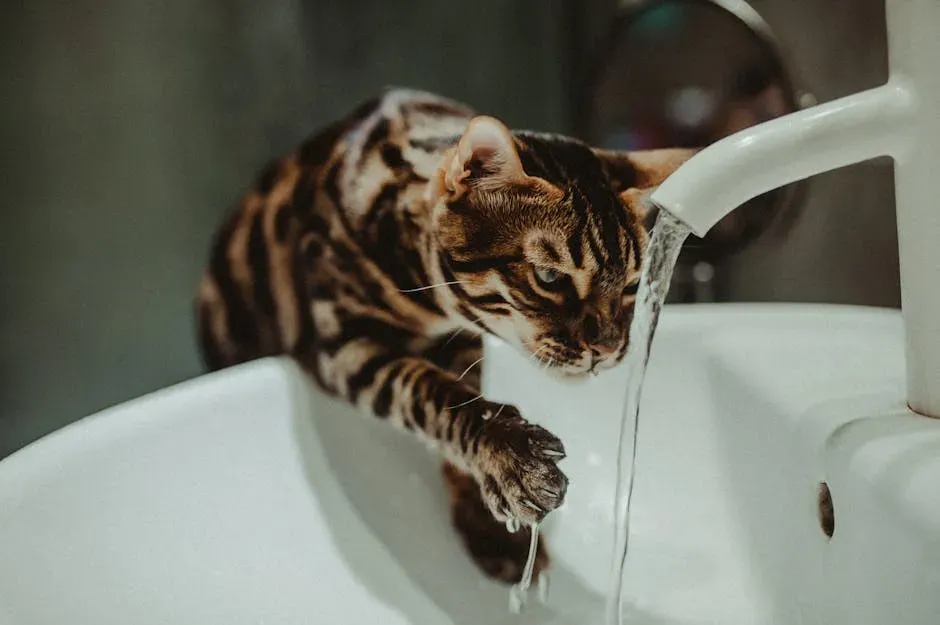
If your cat is suddenly drinking more water than usual or paying excessive attention to water, it is important not to ignore this behavior and talk to your veterinarian. Excessive thirst, medically called polydipsia, may be the first indicator of a problem with your cat’s health. There is a meaningful difference between a cat who has always loved faucets and one who has suddenly developed a new and urgent relationship with every water source in the house.
The most common causes of polyuria and polydipsia in cats are chronic kidney failure, hyperthyroidism, and diabetes mellitus. Excessive thirst is often accompanied by other symptoms like frequent urination, weight changes, or lethargy. If you are unsure whether your cat’s drinking habits are normal, monitoring their water intake and looking for additional symptoms can help determine if a veterinary visit is necessary. Catching these conditions early can genuinely change the outcome for your cat.
How to Read Your Individual Cat’s Water Habits
Learning your individual cat’s baseline behavior and preferences is crucial for detecting meaningful changes that might indicate problems. Every cat has their own unique relationship with water, and what matters most is recognizing when their behavior changes from their established normal patterns. A cat who has always been enthusiastic about running water and suddenly loses interest might be feeling unwell, while a cat who has always been indifferent to water sources but suddenly becomes obsessed could be experiencing increased thirst from a medical condition.
Signs of adequate hydration include moist gums, good skin elasticity when gently pinched, regular urination, and overall energy and alertness. Signs of dehydration can include dry or tacky gums, skin that remains tented when pinched, decreased urination, lethargy, and sunken eyes. It is hard to say for sure without a vet’s input, but keeping a rough mental note of your cat’s typical habits gives you a solid baseline to work from.
Practical Things You Can Do to Help Right Now
Many cats avoid drinking water that is placed right next to their food bowl. This behavior likely comes from their survival instinct, as African wildcats usually avoided eating their prey near their water source because the water could become contaminated by the remains of the prey. Our pet cats have the same natural instinct. Try placing their water bowl in a separate location from their food bowl – you may notice that they start to drink more.
If your cat seems to like running water, it is definitely worth trying a water fountain to encourage them to increase their water intake. Most cats, especially if they are on a dry diet, are a bit dehydrated, so anything you can do to keep them hydrated is great. This is especially important for cats with medical problems, but even for young, healthy cats, there is some evidence that keeping them hydrated can protect their kidneys and reduce the risk of several medical problems.
Conclusion: There Is Always More Behind the Tap Obsession
Your cat’s love of running water is not just a quirky habit to laugh at and share on social media. It is a window into their evolutionary history, their sensory world, and quite possibly their health status. The instincts that once guided wildcats to clean streams in the African Savannah are still quietly running in the background of your housecat’s brain, influencing every choice they make near a water source.
Paying attention to this behavior, really paying attention, can help you keep your cat healthier, happier, and more comfortable. Try repositioning the water bowl. Consider a fountain. Watch for changes. And if something feels different or new, trust that instinct of your own and call your vet.
After all, your cat has spent millions of years evolving the wisdom to seek out good water. The least you can do is make it easy for them to find it. What does your cat’s water behavior look like? Has anything here changed the way you see it? Drop your thoughts in the comments.