Cats are endlessly fascinating creatures, wrapped in mystery, independence, and enough quirky personality to fill a dozen books. Yet for all the time we spend with them, a surprising number of cat owners are still operating on outdated ideas, well-meaning guesses, or downright myths when it comes to their care. Honestly, some of these misconceptions are so widely accepted that questioning them feels almost controversial.
The truth is, despite the growing preference for cats as companion animals, beliefs and misperceptions about them are still common, and cultural and sociodemographic aspects can influence the way they are kept and cared for, directly affecting their welfare. If you love your cat, you owe it to them to know what’s true and what’s just feline folklore. Let’s dive in.
Misconception #1: Cats Are Low-Maintenance Pets That Basically Take Care of Themselves
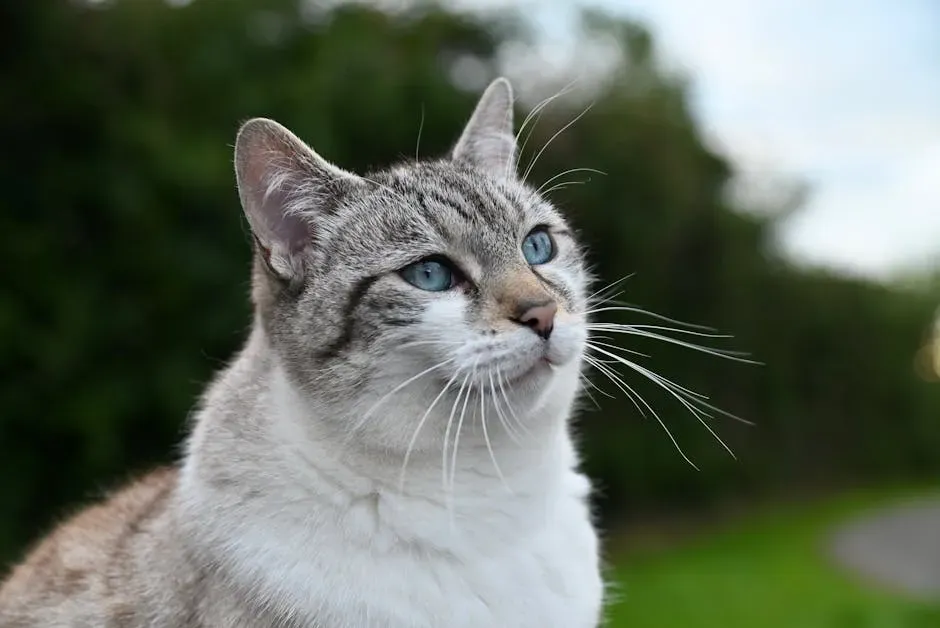
Here’s the thing – this might be the single most damaging myth in the entire world of cat ownership. Myths, anecdotes, and narratives of cats as “low maintenance, self-sufficient” animals are pervasive, and the degree to which these may underlie complacency about fully meeting cats’ needs is unknown. That’s a polite, scientific way of saying: this myth might be genuinely hurting your cat, and you might not even know it.
Cats have specific dietary requirements that must be met for optimal health, and it is crucial to provide high-quality cat food appropriate for their age, size, and health status. Additionally, some cats may require special diets due to health issues such as allergies or kidney disease. Add to that the need for regular vet visits, grooming, mental stimulation, and emotional bonding time, and you start to see the real picture. Your cat isn’t a houseplant. They need you, even if they pretend otherwise.
Misconception #2: Indoor Cats Don’t Need Regular Vet Visits
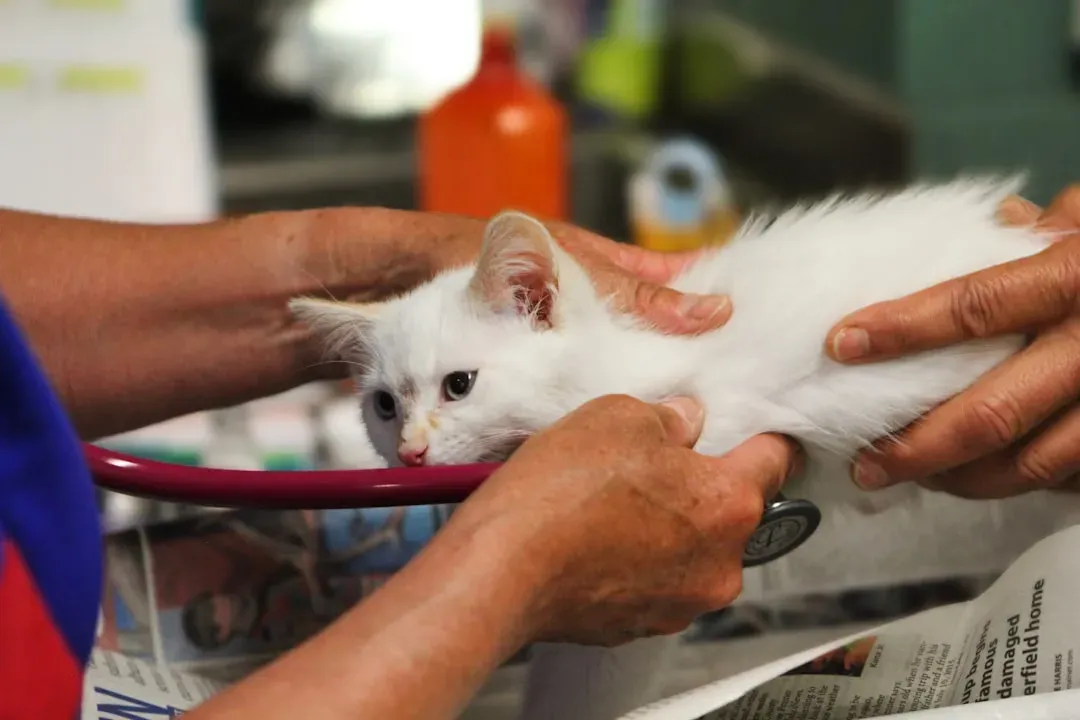
You might think: my cat never leaves the apartment, so what could possibly go wrong? Quite a lot, as it turns out. Just because your little prowler spends her days and nights indoors doesn’t mean she’s not susceptible to diseases. The reality is all cats can contract illnesses even if they never set paw outside, and indoor cats are most exposed to the airborne germs that travel through the air or come in on a cat owner’s clothing.
Indoor cats face health risks just like outdoor cats do. They can develop dental issues, obesity, and even kidney disease. Regular vet visits catch these problems early. Think of it this way: you wouldn’t skip your own doctor’s appointment just because you mostly stay home. Going to the veterinarian shouldn’t only be for when your cat is sick. Your cat needs annual wellness check-ups, vaccines, dental exams, and nutritional consultations, just like we do. Your indoor cat’s health is not a set-and-forget situation.
Misconception #3: Cats Are Solitary Animals Who Don’t Need Social Interaction
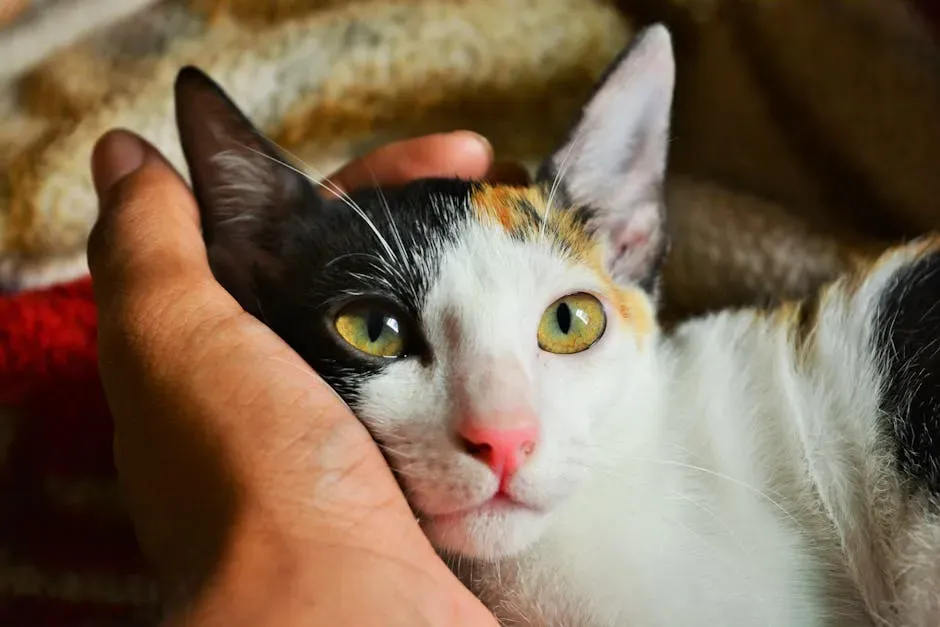
This one feels intuitive. Cats seem aloof. They walk away mid-cuddle. They stare at you like you owe them money. So it’s easy to assume they prefer being left alone. But that assumption misreads them completely. Domestic cats are not universally anti-social. Rather, they are “facultatively social,” meaning that their social behavior is flexible and heavily influenced by their genetics, early development, and lifetime experiences.
Domestic cats have complex social structures and form strong bonds with their human caregivers and other pets in the household. They engage in social grooming, play, and even communicate with each other through vocalizations and body language. Research has shown that cats can develop close relationships with both humans and other animals, debunking the myth of their solitary nature. The bottom line? Your cat may not be needy in a dog-like way, but that doesn’t mean they want to be ignored. Consistent, positive interaction genuinely matters for their wellbeing.
Misconception #4: A Purring Cat Is Always a Happy Cat
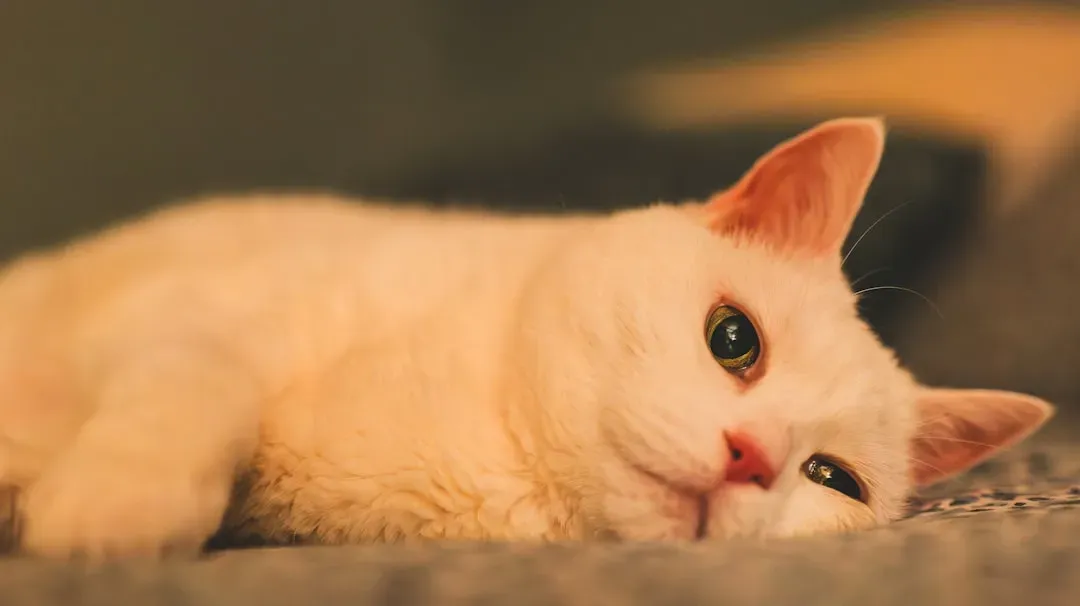
This misconception trips up even the most experienced cat owners. You see your cat purring, you smile, and assume everything is fine. Adorable. Peaceful. Possibly wrong. Purring is often associated with contentment and happiness in cats, but cats may also purr in other situations, including when they’re anxious, stressed, or in pain. Cats may purr as a self-soothing mechanism to alleviate stress or discomfort, or as a way to communicate with their human caregivers.
Additionally, some cats may purr when they’re hungry or seeking attention. Understanding the context and accompanying body language can help decipher the meaning behind a cat’s purring behavior, debunking the myth that purring always signifies happiness. So next time your cat is purring but also crouched low, ears back, or avoiding eye contact, don’t dismiss it as contentment. Read the whole picture. Their body is telling you something your ears alone might miss.
Misconception #5: Cats Don’t Need Mental Stimulation or Enrichment
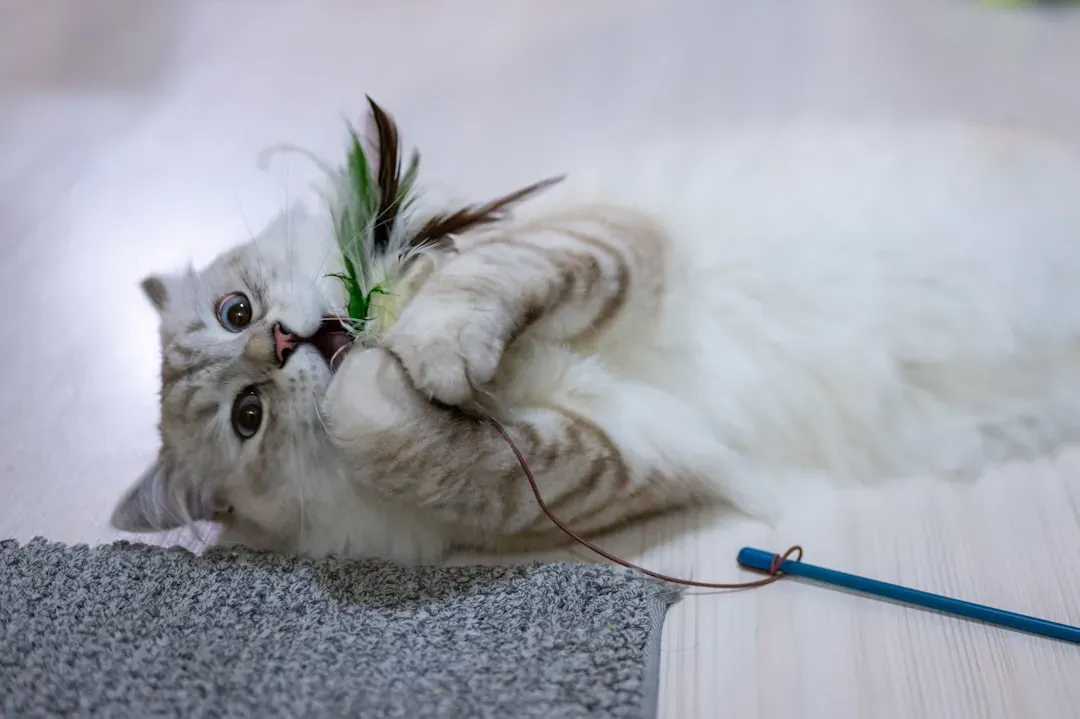
Let’s be real: a bored cat is a destructive cat. Many owners think that as long as there’s food in the bowl and a warm spot on the couch, their cat is living its best life. That couldn’t be further from the truth. Cats are intelligent creatures that require mental stimulation to prevent boredom and behavioral problems. Engaging them with toys, puzzles, and interactive playtime is essential for their mental health. Lack of stimulation can lead to anxiety and destructive behaviors.
One surprisingly underused tool is the food puzzle. One survey found that less than five percent of owners provided food puzzles or hid food around the home to stimulate their cat’s foraging behavior. That’s a striking number when you consider how much cats benefit from it. Because the most common natural prey of domestic cats is mice, it is likely that this lineage evolved eating several small meals per day. When allowed to choose their own feeding patterns, cats tend to eat between roughly eight and sixteen meals a day. Mimicking that natural foraging pattern, even in small ways, can make a real difference in your cat’s overall happiness and behavior.
Misconception #6: Outdoor Life Is Essential for a Cat’s True Happiness
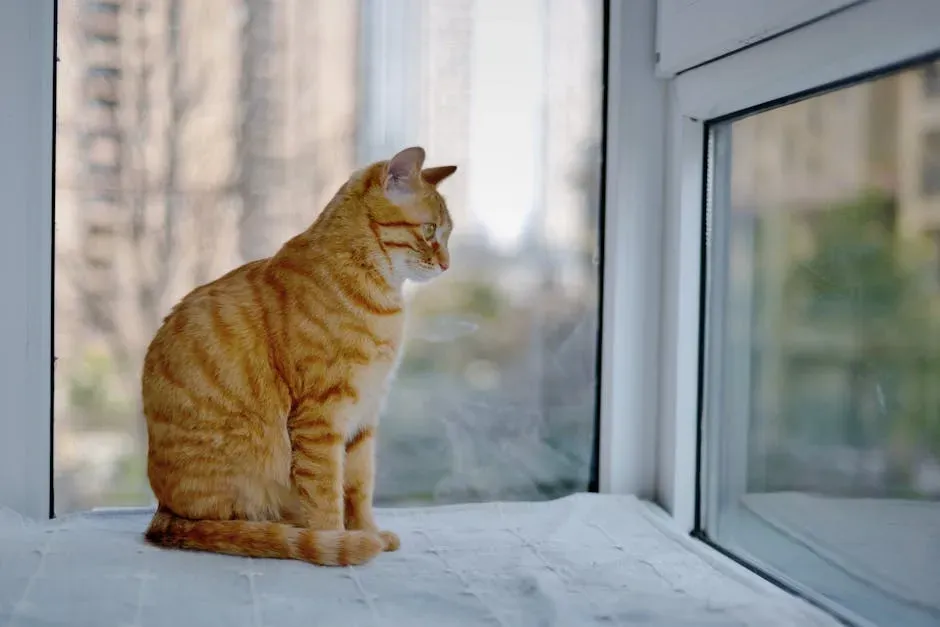
This misconception comes from a place of love, genuinely. You want your cat to feel free, to run, to experience the world. I get it. The problem is that the outdoors, romantic as it sounds, is genuinely dangerous for domestic cats. The truth is that indoor cats typically live longer, healthier lives than outdoor cats. Outdoor cats face numerous hazards including traffic, predators, diseases, parasites, poisons, and cruel humans. The average lifespan of an outdoor cat is two to five years, while indoor cats commonly live fifteen to twenty years.
Still, if you’re worried about your indoor cat feeling deprived, the solution isn’t to open the front door. Many cats thrive indoors, enjoying long and robust lives without the risks the outdoors pose, and it all comes down to providing opportunities for your feline friend to express their normal behaviors, such as hunting and exploring. Want your cat to still feel the grass under their paws? Consider leash training or building a catio so they can enjoy the outdoors danger-free. You can absolutely give your cat adventure, safety, and enrichment all at once. It just takes a bit of creativity.
Misconception #7: Cats Cannot Be Trained

Dogs sit, stay, and shake hands on command. Cats, the story goes, do whatever they want. So most people never even try to train them, assuming it’s pointless. That assumption sells your cat dramatically short. This myth stems from a misunderstanding of feline motivation and learning styles. The reality is that cats are highly trainable, but they respond to different techniques than dogs. While dogs often aim to please their owners, cats are more motivated by what benefits them directly. Using positive reinforcement with treats, toys, or affection, you can successfully teach cats various behaviors and tricks.
It is a misconception that training is not possible or relevant for cat welfare. Cats are trainable; the current world record for the number of tricks performed by a cat in one minute is 26. Even more practically, experts recommend teaching your cat to go inside of its carrier. This trick can decrease the stress associated with visiting the vet and could prove lifesaving in an emergency situation. Training isn’t about control. It’s about communication, bonding, and keeping your cat mentally engaged. Think of it less like a command and more like a conversation.
Misconception #8: Cats Love Milk and Human Food Is a Harmless Treat
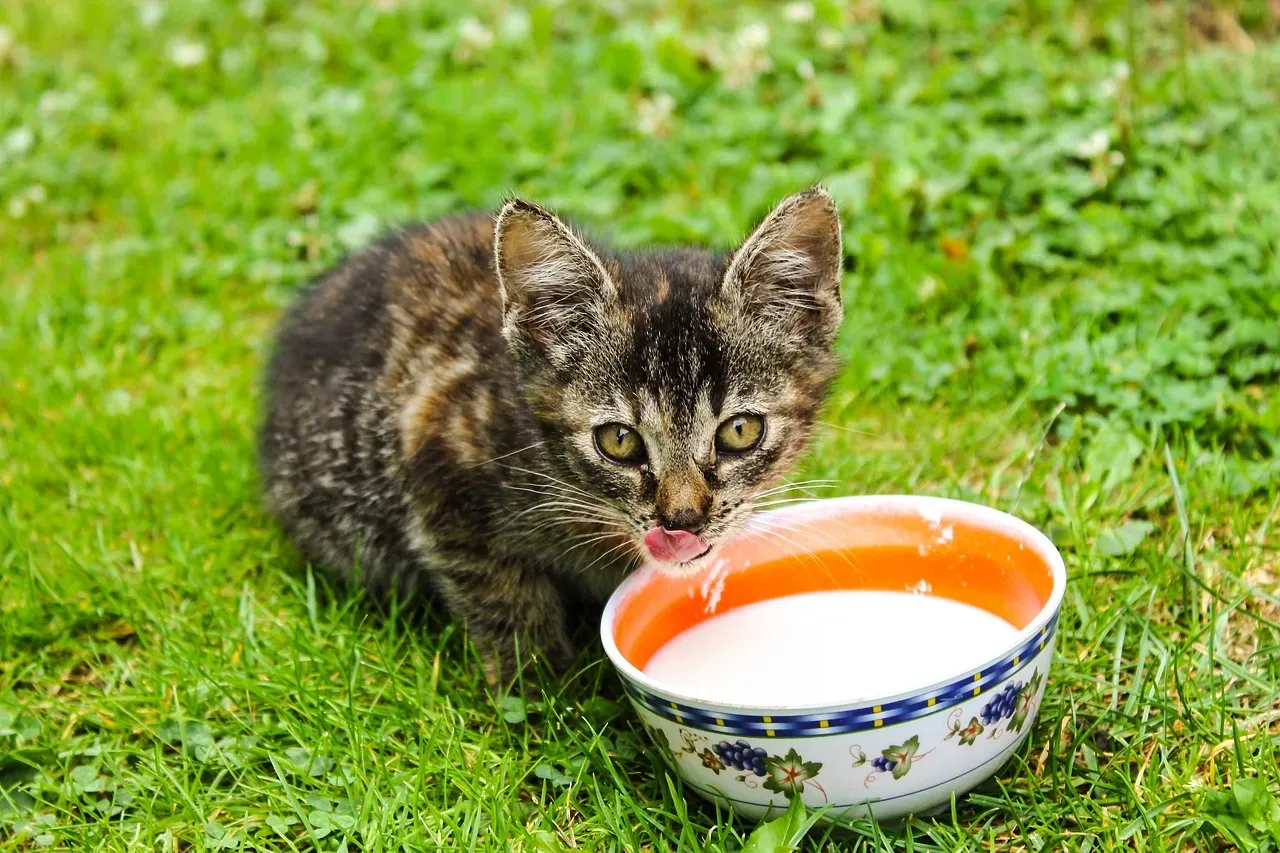
The image of a cat happily lapping up a bowl of milk is practically woven into pop culture. Cartoons, fairy tales, old movies. It’s everywhere. It’s also, unfortunately, misleading. Some cats do love milk, but many don’t, and that doesn’t mean they should have it. A lot of cats happen to be lactose intolerant. When cats wean off their mother’s milk, they typically lose the ability to digest it, so feeding them cow’s milk would upset their stomach.
The same logic applies to table scraps and human food in general. Chocolate contains theobromine, an alkaloid that is toxic to both cats and dogs. Dark chocolate is even more dangerous than milk variety, and cats aren’t able to digest dairy comfortably, which can lead to bowel issues such as diarrhea. Table scraps are empty calories for cats. They need precisely balanced nutrition for their specific life stage and special needs to remain healthy. No matter how pleadingly your cat stares at your dinner plate, sharing that pasta or cheese is doing them no favors.
What You Now Know Could Change Everything for Your Cat
It’s surprisingly easy to love a pet and still unintentionally shortchange them, simply because the myths are so convincing and so common. Several studies suggest that cat welfare and the human-cat bond may benefit from improved education about how to optimize the domestic cat’s management and husbandry needs in homes and elsewhere. That improvement starts with you, right now, with what you’ve just read.
Your cat is not low-maintenance, not untrainable, not solitary by nature, and definitely not purring its way through a blissful, milk-filled life simply because you leave food out. Despite their reputation, cats are loving, intelligent, and full of personality. By understanding and meeting their needs, you can help your cat live a happy, healthy life and deepen the special bond you share. The relationship you build on truth, curiosity, and genuine understanding is so much richer than one built on assumptions.
So take a second look at how you’re caring for your feline companion. Are you meeting their real needs, or the needs you imagined they had? What’s one thing you’ll change this week? Share it in the comments – your answer might inspire another cat owner to do the same.