You come home after a brutal day. You kick off your shoes, slump onto the couch, and your cat slinks over, pressing warmly against you. Coincidence? Maybe not. Millions of cat owners have quietly suspected their felines understand far more than they let on. Scientists are now starting to catch up.
For decades, cats wore the unfair label of being cold, indifferent creatures who tolerate humans at best. But a wave of new research is demolishing that idea, piece by piece. What you are about to read might genuinely surprise you, perhaps even change the way you see that seemingly uninterested ball of fur sleeping on your keyboard right now. Let’s dive in.
Your Cat’s Brain Is More Like Yours Than You’d Expect
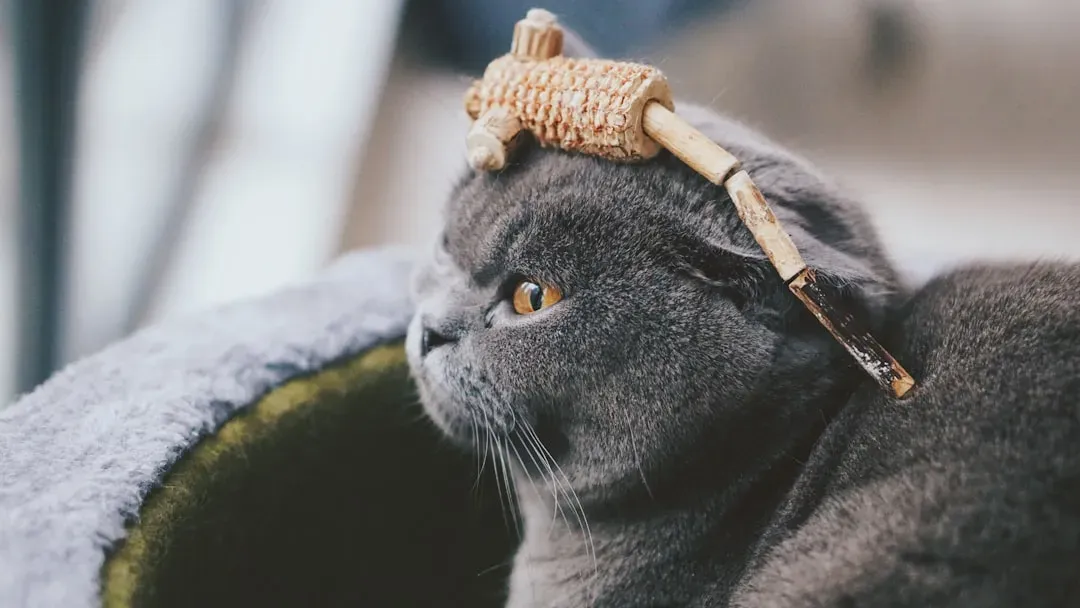
Let’s be real, most people assume cats operate on pure instinct, like a small, furry robot programmed for naps and ambushes. The reality is a lot more fascinating. A cat’s brain shares real structural similarities with the human brain, containing around 250 million neurons in the cerebral cortex, which is responsible for complex processing. That is not nothing. Think of it as a smaller but surprisingly capable version of the same architecture that lets you plan a vacation or remember an embarrassing moment from 2011.
Cats display neuroplasticity, allowing their brains to reorganize based on experience. They have well-developed memory, retaining information for a decade or longer. Those memories are often intertwined with emotions, allowing cats to recall both positive and negative experiences associated with specific places. Honestly, that last detail is both impressive and a little humbling. Your cat may still hold a grudge about that bath you gave them three years ago.
They Know Their Own Name, Even When They Ignore It
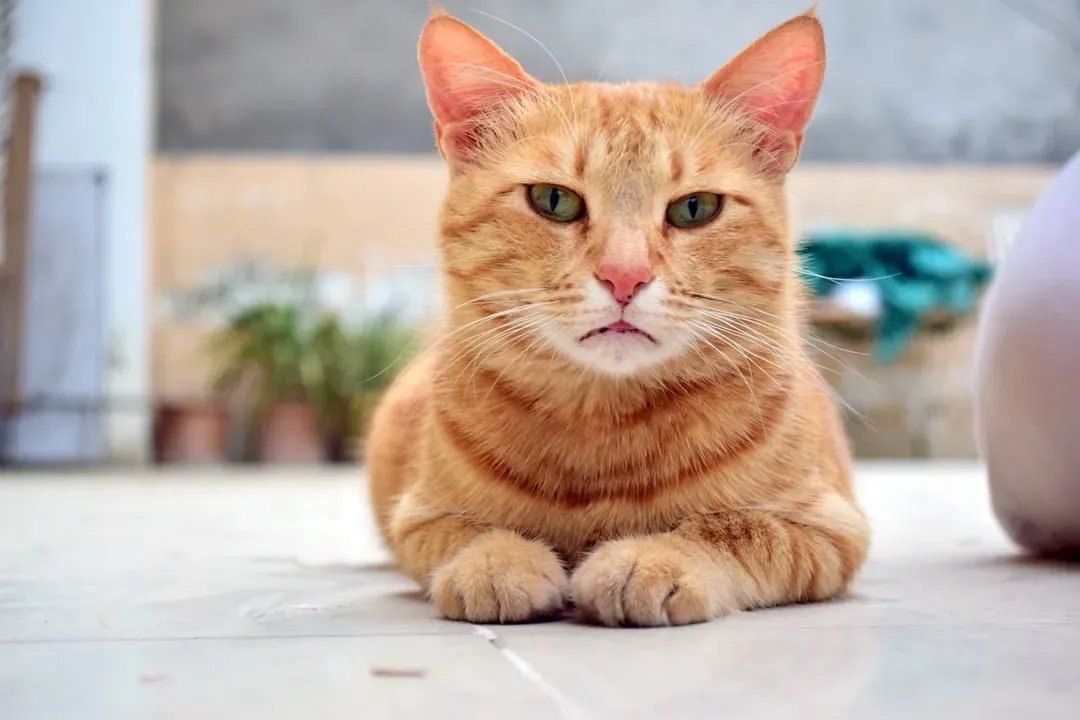
Here is something that feels impossible but has been proven in multiple studies. A study indicates domestic cats do recognize their own names, even if they walk away when they hear them. So when your cat stares blankly into the void while you call their name from across the room, it is not ignorance. It is a deliberate choice. I find that both maddening and deeply impressive.
Cats possess an acute sense of hearing, which allows them to detect a broader range of frequencies than humans. Their ears can rotate independently to capture sounds from various directions, enhancing their ability to pinpoint and interpret specific noises. This advanced auditory capability is crucial for understanding how cats can discern their names amidst a sea of sounds. They hear you perfectly. They simply decide when it is worth their time to respond. That is not ignorance. That is autonomy.
Your Cat Recognizes Your Voice Out of a Crowd
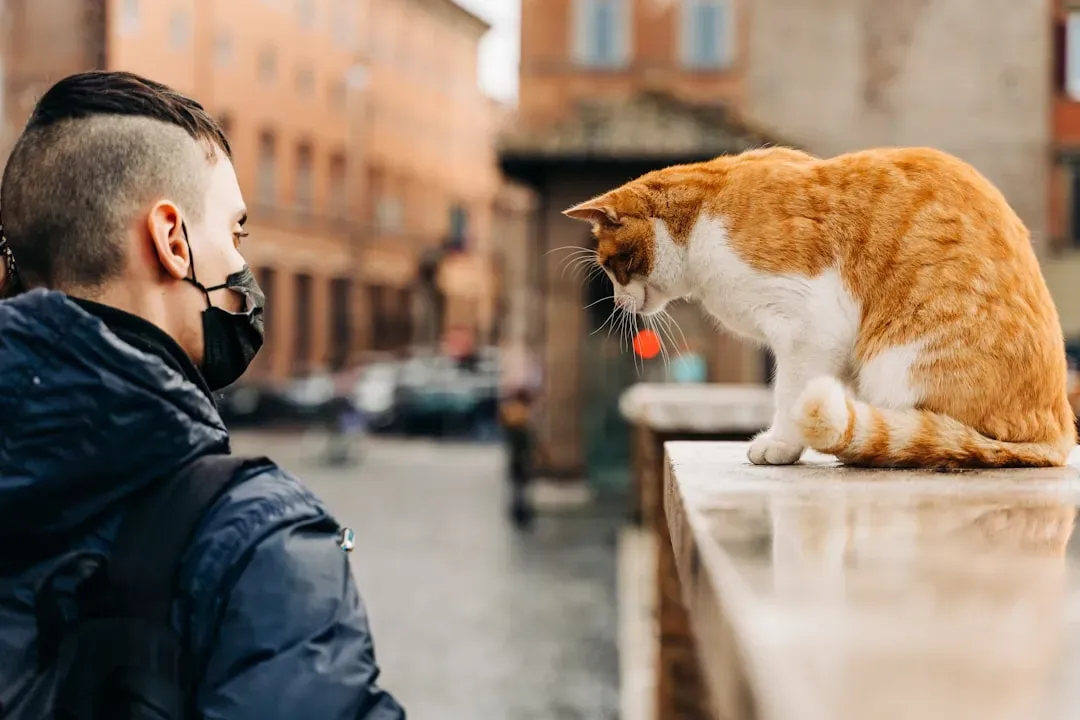
A small but significant study fills a long-standing gap in feline research, showing that cats can distinguish their owners’ voices from those of strangers. This might seem obvious to anyone who has ever watched their cat perk up the moment they hear a familiar voice at the door. But having it scientifically confirmed changes the conversation entirely. Your cat is not just reacting to noise. They are reacting to you, specifically.
The cats in the study responded when they heard their owners using cat-directed speech, but not human-to-human speech. They also did not show a response when they heard a stranger’s voice, whether using cat talk or adult talk. This indicated that the cats could recognize when their owners were talking to them. It is a nuanced distinction. Your cat knows the difference between you talking to them and you talking to someone else. That is a social awareness most people never credit felines with having.
They Can Smell Your Fear. Literally.
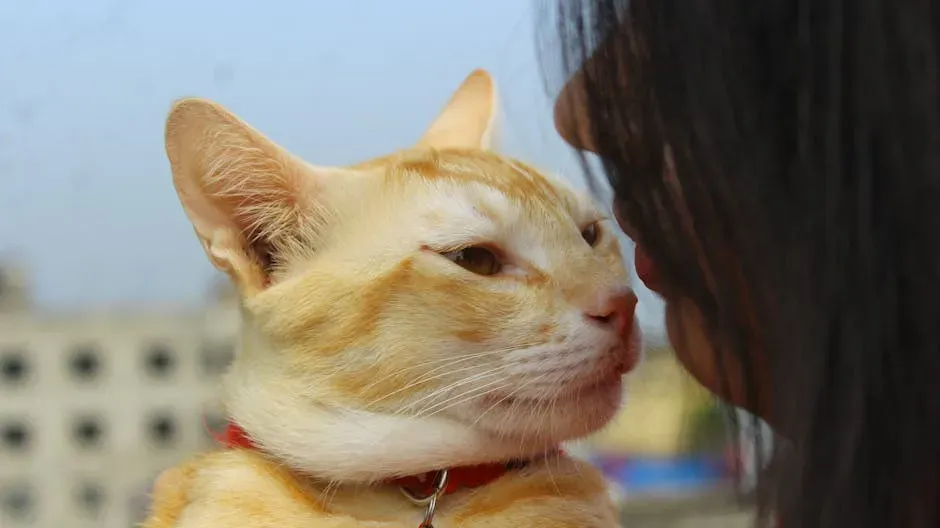
A recent study shows cats can detect human emotions through scent, especially fear, suggesting our feline friends might understand us more than we realize. This is one of those findings that made my jaw drop a little. We all know cats have powerful noses, but the idea that they are reading our emotional state through chemosensory signals feels almost supernatural. It is not magic, though. It is biology.
Cats used both nostrils equally often but relied on their right nostril more when displaying severe stress behaviors while smelling fear and physical stress odors. Since the right nostril connects to the right hemisphere of the brain, responsible for processing arousal and intense emotions, this suggests that these odors trigger a higher emotional response in cats. Conversely, cats used their left nostril more frequently when displaying relaxed behaviors, activating the left hemisphere, which regulates positive and pro-social behaviors. There is a whole neurological map being drawn here, and your cat is navigating it every single day.
Cats Track Your Emotions and Adjust Their Behavior Accordingly
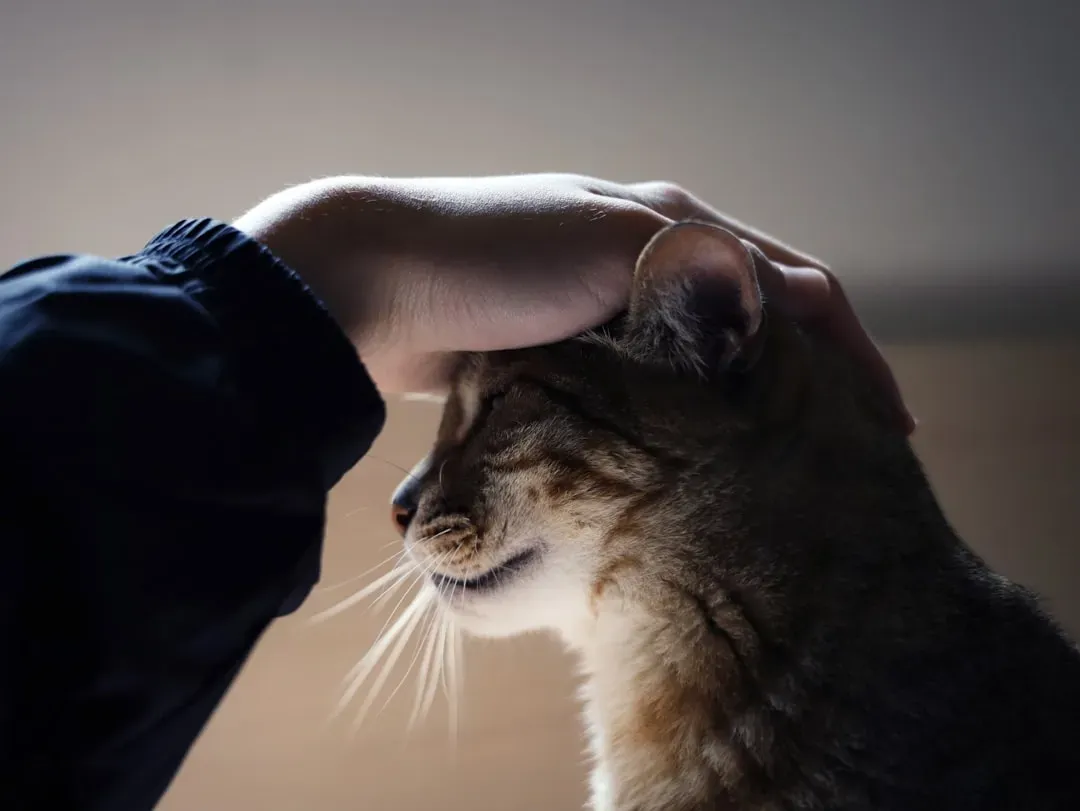
Studies show that cats react to their owners’ visual and vocal signals and adjust their behavior based on human emotions. This is not just a feel-good statement. Multiple independent experiments back it up. Think about the times your cat settled close to you when you were sad, or became more playful when your mood lifted. They were likely picking up on genuine emotional signals you were broadcasting without realizing it.
Research indicates cat behavior is influenced by human mood. Cats, within bouts of interaction, behaved sensitively to human depressive moods and engaged in more allorubbing of the head and flank, approached owners who described themselves as feeling numb less often, and approached owners who felt extroverted or agitated more frequently. That head-bump against your leg when you are down? It is not random. It is your cat reading the room and responding in the only way they know how.
Their Memory Is Surprisingly Long and Emotionally Loaded
People often assume cats forget you the moment you walk out the door. Science disagrees, loudly. Cats possess impressive long-term memory capabilities, retaining recollections of events and locations for a decade or longer. These memories are often intertwined with emotions, allowing cats to recall both positive and negative experiences associated with specific places. Decade-long memory. Wrapped in emotional context. That is a completely different animal from the blank-slate creature popular culture has painted.
Both cats and dogs have long-term memories of past events. These memories share many characteristics with human involuntary autobiographical memory. Social information and location were frequently remembered. Here is what makes this especially meaningful. The events your cat remembers are often tied to people and places, not just food or survival instincts. Cats prioritize voice, scent, and body movement over facial appearance. This is why a cat may take a few moments to warm up to someone they haven’t seen in years as they cross-reference familiar scents, voices, and behavior patterns.
Cats Follow Your Pointing Gestures, Just Like Dogs
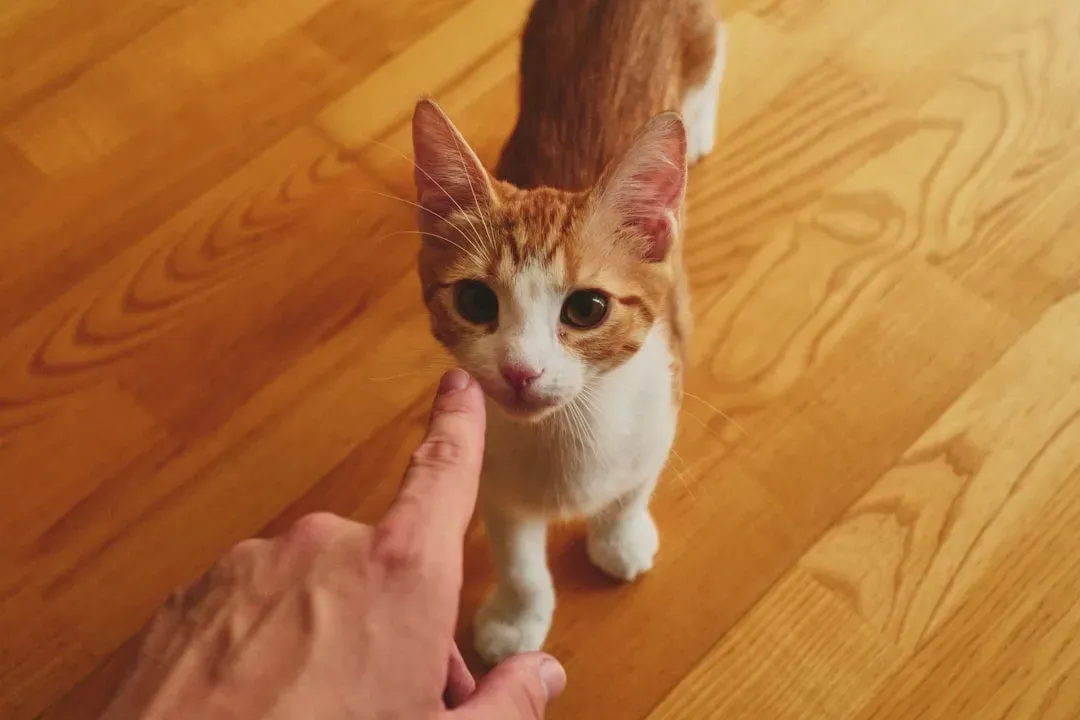
One of the biggest arguments used to rank cats below dogs in the intelligence debate has always been that dogs follow human gestures and cats don’t. Turns out, that argument has a serious flaw. A study by a team of Hungarian researchers found that cats can indeed follow human gestures to find food. Those researchers, incidentally, mainly studied dogs, which makes their findings about cats even more striking.
After years when scientists largely ignored social intelligence in cats, labs studying feline social cognition have popped up around the globe, and a small but growing number of studies is showing that cats match dogs in many tests of social smarts. The old assumption that cats simply could not perform these social tasks was never really tested. It was just assumed. Recent research has shown that cats have remarkable social cognitive abilities. They can follow human pointing and gazing cues, and they can discriminate human emotional expressions and attentional states. The evidence, when you actually look for it, is genuinely impressive.
Your Cat Knows the Names of Other People and Pets in Your Home
This one genuinely surprised even seasoned researchers. Cats recognize at least one companion cat’s name and possibly a human family member’s name. Think about that for a second. Your cat is not just processing a stream of meaningless sounds when you talk. They are mapping names to faces, building a social register of the household they live in.
Researchers examined whether cats linked a human utterance and the corresponding object. They used names of other cats cohabiting with the subjects and human family members’ names. Cats were presented with the face of the other cat or human following presentation of the model’s name. When the face and name did not match, the cats looked longer, indicating genuine surprise at the inconsistency. That is a form of referential understanding, the idea that a word points to a specific individual, not just a sound pattern to memorize.
They Are Problem-Solvers With Real Logical Reasoning
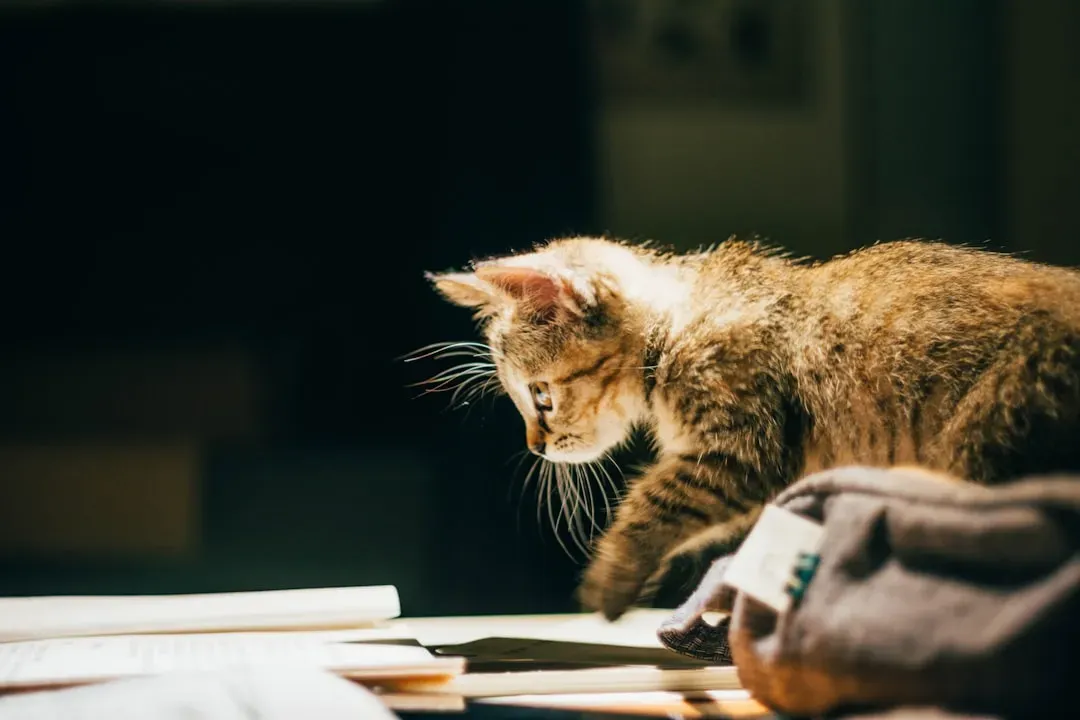
You have probably watched a cat figure out how to open a cabinet or unscrew a bottle cap and thought, okay, that was too smart. Your instinct was not wrong. Research has shown that cats possess a remarkable ability to learn and solve problems. They are naturally curious and have a penchant for exploration. One study presented cats with different puzzles and tasks to solve. Researchers found that cats use logical reasoning to access rewards through trial and error. These findings suggest feline cognition involves a combination of instinct and problem-solving skills.
Early experiments demonstrated that cats could learn to manipulate levers and latches through trial and error, thereby revealing their capacity for associative learning. Over time, more refined experiments began to examine additional facets of cognition, including spatial awareness, memory, and problem-solving strategies. Think of it like this. A cat working a puzzle feeder is not just randomly swiping. They are applying a learned solution, updating their mental model when something does not work, and trying again. That is not so different from how you approach a flat-pack furniture manual.
Your Cat Monitors Where You Are, Even When You’re Out of Sight
One of the more quietly astonishing discoveries in recent feline research involves something called social-spatial cognition. A study exploring this placed a cat in a room with an audio speaker, with another speaker outside the room. The sound of the owner calling the cat’s name was played through one speaker, and the sound of a stranger was played through the other. When the researchers switched speakers so the owner’s voice now seemed to come from a different place, the cats appeared very surprised. Your cat is mentally tracking where you are in the world around them.
When the scientists switched the stranger’s voice to a different speaker, or played other sounds that were not the owner’s voice, the cats didn’t seem to notice. The conclusion of this study was that cats’ memory is strongly connected to the whereabouts of their owners. Your cat builds an internal map, and you are on it. Prominently. Research has shown cats can form secure attachments to their owners, similar to infants with caregivers, and they recognize human emotions, read tone and gesture, and exhibit behaviors linked to empathy and social awareness.
Conclusion
The image of the cold, indifferent cat has always been more myth than reality. Science has been quietly dismantling it for years, and 2026 finds us with more evidence than ever that the animal curled up on your lap is doing something genuinely remarkable. They know your voice. They read your mood. They track your location. They remember you for years. They learn names and follow gestures. That is not a passive roommate. That is a relationship.
What is perhaps most striking is not just how much cats understand, but how long we failed to look. The dog got all the scientific attention while the cat sat in the corner, quietly taking notes. The next time your cat locks eyes with you across the room, consider this: they may know a great deal more about you than you have ever given them credit for. So here is a thought worth sitting with. Have you been underestimating your cat all along? Tell us what you think in the comments below.