You’ve probably heard it a hundred times. Someone gets a cat and a well-meaning friend says, “Oh, cats are easy – they basically take care of themselves.” It’s one of the most widely held assumptions in the entire world of pet ownership, and honestly, it’s doing real harm to real animals.
The idea that cats are cold, solitary, self-sufficient creatures is practically woven into our culture. Movies, memes, and Kipling novels have all played their part. In a review of the archaeological history and ancestry of the domestic cat, researchers noted that “the aloof and elusive nature of cats” is a uniquely persistent perception of the species. But here’s the thing – science has quietly been dismantling this myth for years, piece by careful piece. The gap between what people believe about cats and what researchers are actually discovering is surprisingly wide, and it keeps getting wider. Let’s dive in.
Myth 1: Cats Are Naturally Solitary Animals Who Don’t Need Social Interaction
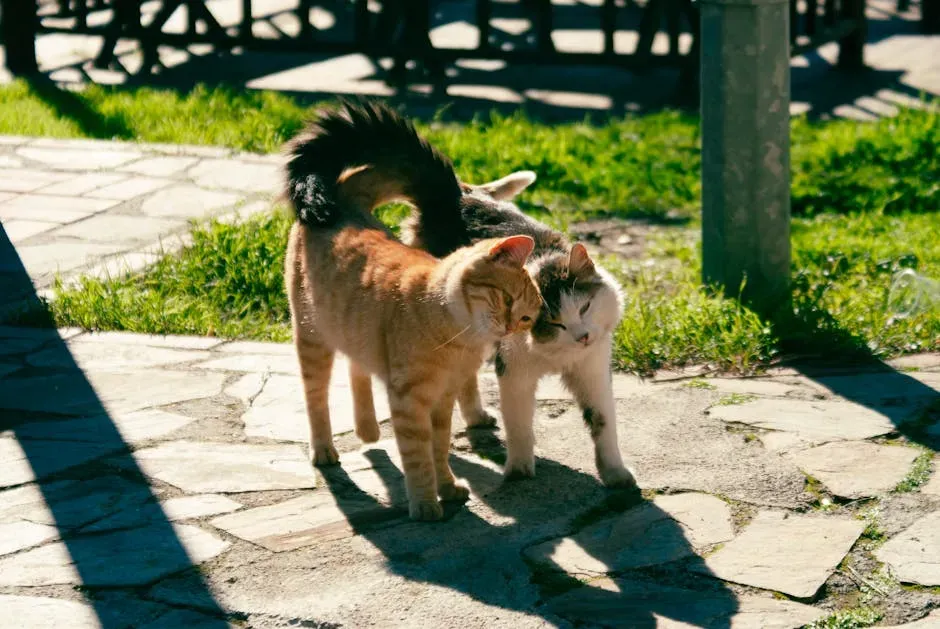
Let’s be real – this might be the granddaddy of all cat myths. The image of the lone cat, prowling through life with zero need for companionship, is deeply satisfying to a certain kind of storytelling. It just isn’t true. One of the most pervasive myths about cats is that they are solitary animals, uninterested in social interactions. While cats are indeed more independent than dogs, research shows they are not the lone wolves many believe them to be.
Studies conducted on feral cat colonies reveal that cats can form complex social structures and establish genuine bonds with both humans and other animals. Indoor cats, too, often exhibit affectionate behavior, seeking companionship and playtime with their human counterparts. Think of it like this: just because someone prefers a quiet dinner over a loud party doesn’t mean they hate people. Cats are selective, not antisocial. Research suggests that cats not only have the capacity to form strong social bonds with humans, but they also show great social sensitivity, preferentially approaching attentive humans and following human points or gazes to a location containing concealed food.
Myth 2: Cats Don’t Form Real Emotional Bonds With Their Owners
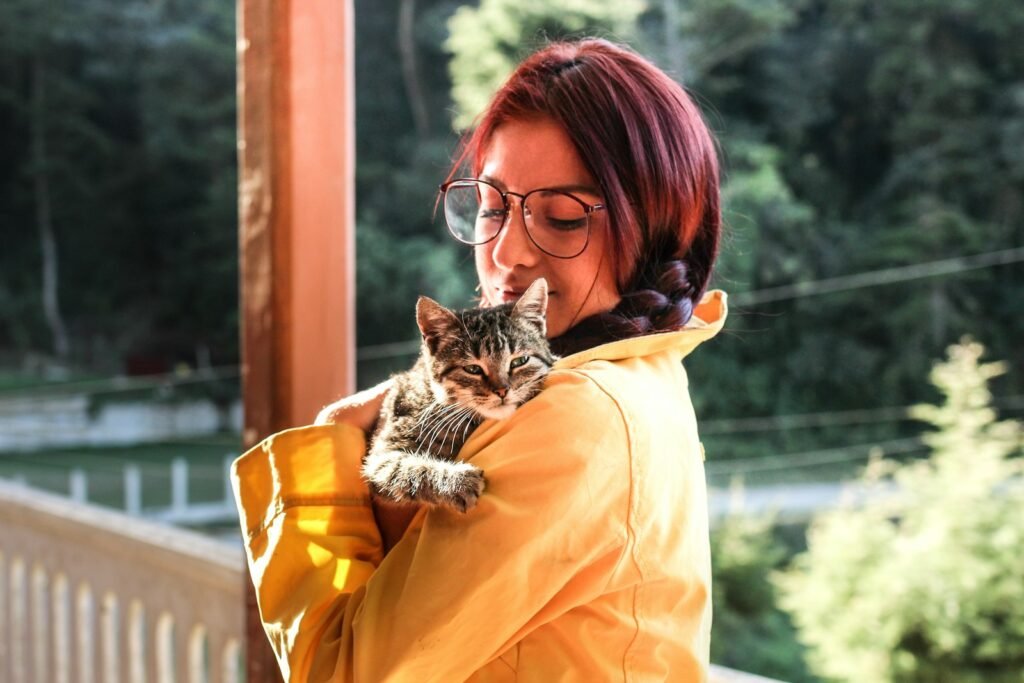
This one stings a little if you’re a cat person, because you’ve probably felt that bond and then second-guessed yourself when someone told you it wasn’t real. Science, thankfully, is on your side. Cats may have a reputation for being indifferent and standoffish, but cats bond with their people, often just as much as dogs do. In fact, studies show that most cats create strong attachments to their guardians and experience feelings of comfort and safety by being around them.
Because cats, like most domesticated animals, retain several juvenile traits into maturity and remain dependent on humans for care, researchers predicted that attachment behavior toward a primary caretaker would be present in adulthood. In a study of 38 adult cats, distinct attachment styles were evident, with roughly two-thirds classified as securely attached. You can think of it like those early childhood studies on secure base behavior. Cats express affection differently than dogs, often in subtler ways, such as purring, kneading, or gently head-bumping. Research indicates that cats can form strong emotional bonds with their owners, similar to the attachment children have to their caregivers.
Myth 3: Cats Are Low-Maintenance and Need Minimal Care
I think this myth has done the most real-world damage to cat welfare, honestly. It leads people to believe that a cat left alone for days, with a full bowl and a litter box, is perfectly fine. Myths, anecdotes, and narratives of cats as “low maintenance, self-sufficient” animals are pervasive, and the degree to which these may underlie complacency about fully meeting cats’ needs is unknown. Several studies suggest that cat welfare and the human-cat bond may benefit from improved education about how to optimize the domestic cat’s management and husbandry needs.
While cats have a reputation for being independent, they need just as much care as dogs do. Regular vet visits, daily exercise and mental enrichment, and plenty of positive attention from their guardians are all essential to a cat’s well-being. Playing, snuggling, and spending time with your cat also increases the bond between you and your furry friend. Neglect those needs and the consequences can be severe. Domestic cats are exposed to a variety of stressful stimuli which may have a negative effect on their welfare and trigger behavioral changes. Some of the stressors most commonly encountered by cats include changes in environment, inter-cat conflict, a poor human-cat relationship, and the cat’s inability to perform highly motivated behavior patterns. Stress is very likely to reduce feed intake, and stress-related anorexia may contribute to the development of potentially serious medical conditions.
Myth 4: Cats Cannot Be Trained Because They’re Too Independent

Every dog owner has a story about their pet’s impressive tricks, and every cat owner has been told, with a sympathetic smile, that their pet just can’t be trained that way. It’s a comparison that dogs have won by default for years, mostly because nobody was asking cats the right questions. Cat cognition research has exploded in recent decades, overturning assumptions that cats were simply “less trainable dogs.” The reality is that cats possess sophisticated cognitive abilities that went unrecognized because researchers were asking dog-centric questions.
New research shows cats possess high intelligence and demonstrate it in numerous ways. They can adapt new behaviors to different situations, communicate within social groups, and even respond to training cues. The approach, though, matters enormously. This myth likely arises from cats’ independent nature, but science has shown that cats are indeed trainable. Positive reinforcement techniques, such as treats and praise, are effective in encouraging desired behaviors in cats, much like with dogs. Behavioral research has demonstrated that cats can learn tricks, use litter boxes, and even walk on leashes when trained consistently and patiently. It’s less about their ability and more about their willingness to perform on your schedule, which, if you’ve ever owned a cat, you already know is a very different thing.
Myth 5: Cats Don’t Experience Stress Because They’re Self-Sufficient
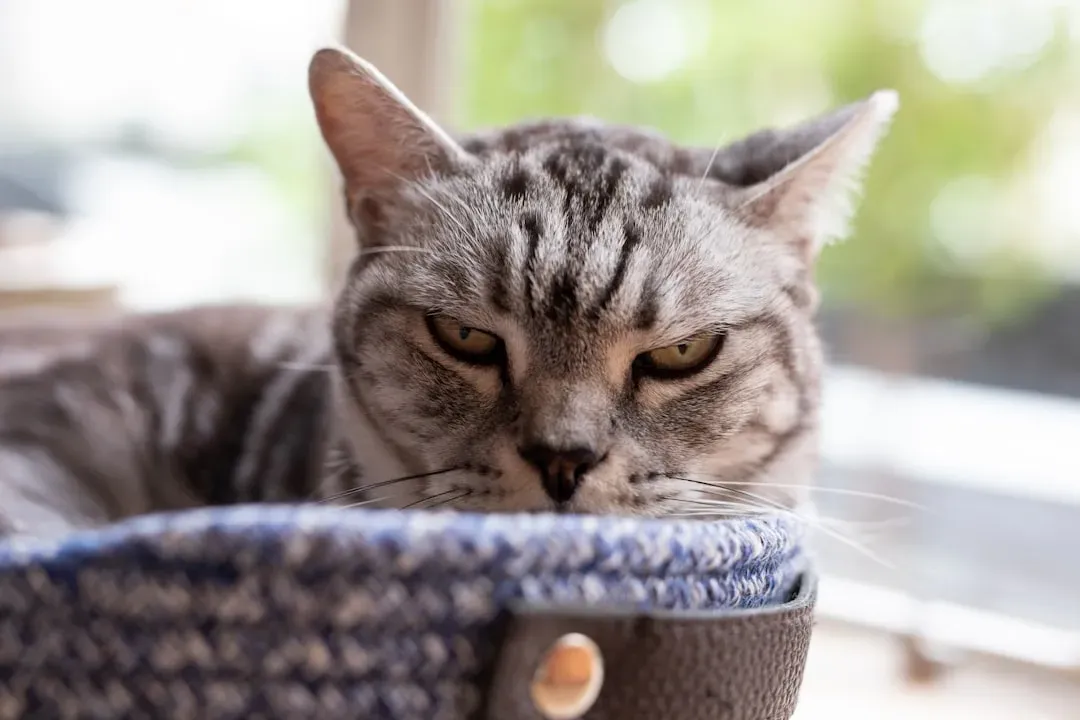
Here’s a myth that is not just wrong but potentially dangerous to believe. If you assume your cat is emotionally bulletproof, you will almost certainly miss the signs when something is very wrong. In one study, a number of domestic cat owners appeared unable to interpret the behavior of their pets, particularly as it pertained to gauging their stress responses. For example, nearly one in five owners failed to recognize house-soiling as a sign of distress in their cats, and more than half did not view aggression as indicative of distress. Lack of information and misinformation potentially jeopardize cat welfare.
Stress increases the risk of cats showing urine marking and some forms of aggression, including redirected aggression. A number of compulsive disorders such as over-grooming may also develop as a consequence of stressful environments. You might have seen a cat that compulsively over-grooms patches of fur until the skin is raw. That is not quirky behavior. Cats can exhibit an OCD-like behavior called psychogenic alopecia, or excessive grooming. Cats with this disorder excessively groom their fur, resulting in hair loss and in severe cases, skin lesions. This behavior is thought to be stress-related and is frequently induced by environmental changes or stressors. The good news? Research confirms that structured enrichment improves emotional stability, reduces stress behaviors, and increases longevity in indoor cats.
Conclusion: It’s Time We See Cats for What They Actually Are

Science has been quietly rewriting the story of the domestic cat for years, and it’s a far richer, more emotionally complex story than the cold-independence narrative most people inherited. Your cat needs you. Genuinely. They form real bonds, feel real stress, and have cognitive abilities that go far deeper than the aloof persona they sometimes project. The purpose of growing research in this area is to review and debunk common misconceptions about optimal cat care, because replacing these misconceptions with scientifically generated information could have a significant impact on the behavioral management of cats, positively influencing their physical health, mental stimulation, and well-being.
Think about how many cats are living in unstimulating environments right now, their social and emotional needs going unmet, simply because their owners believed the myth that cats don’t really need much. That’s a quiet welfare crisis hiding in plain sight. The cats we live with are, in every measurable sense, social animals with real emotional lives. They’ve just been wildly misunderstood. Now that you know, what will you do differently for your cat?
Kristina is a young writer from India. An arts graduate and an avid content creator, Kristina is passionate about animals and wildlife. She enjoys exploring topics related to pet care, animal behavior, conservation, and nature, combining thorough research with engaging storytelling.