Cats are famously mysterious. One moment they’re ignoring you with royal indifference, and the next they’re pressing their entire body weight against your legs like you’re the only safe thing in the universe. It can be genuinely hard to decode what’s going on inside that fluffy little head. The truth is, cats communicate their emotional state constantly – just not in the big, obvious ways dogs do.
If you’ve ever wondered whether your cat actually feels safe and at peace in your home, you’re not alone. Trust is crucial in animal-human relationships, but since cats communicate differently than people do, figuring out how your furbaby truly feels can be tricky. Cats tend to be more wary and cautious, which often leaves people wondering, “Does my cat love me and feel safe around me?” The good news? Your cat is probably telling you all the time. You just need to know what to look for. Let’s dive in.
1. The Slow Blink: Your Cat’s Version of “I Love You”
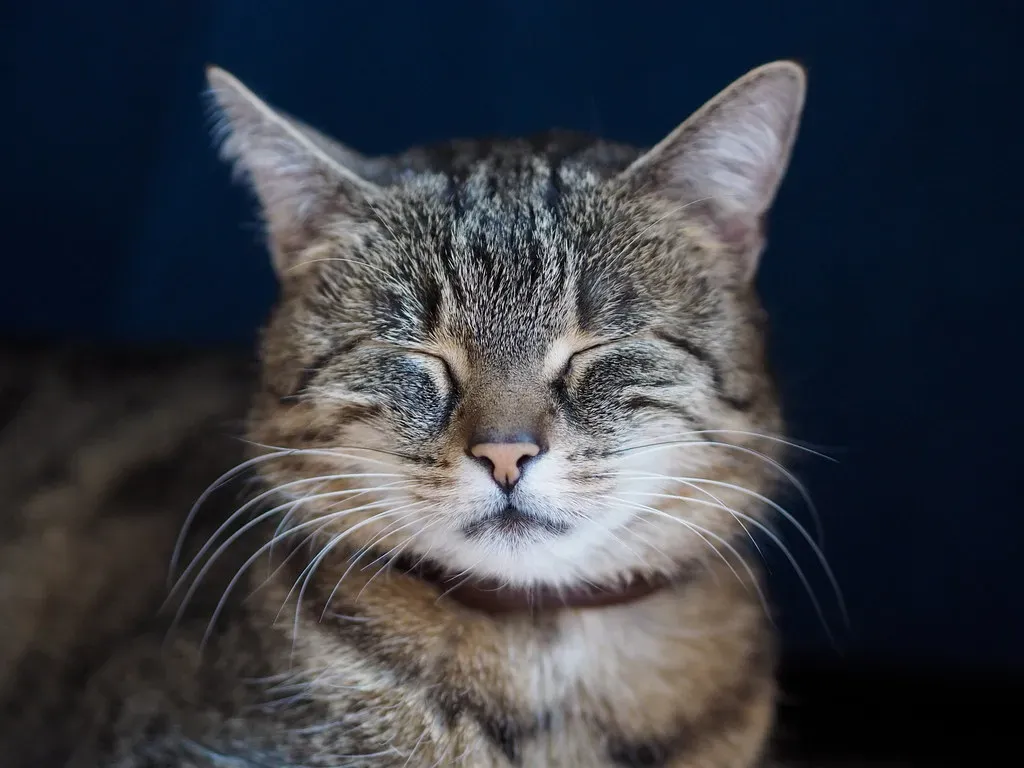
You’ve probably caught your cat staring at you from across the room with those half-lidded eyes, blinking slowly like they’re about to drift off. That’s not boredom. That’s actually one of the most intimate gestures in feline body language. A slow blink from your cat, often called a “cat kiss,” is a subtle but powerful sign your cat feels completely safe in your presence. In animal behavior, staring can be a threat, so when a cat slowly closes and opens their eyes around you, it’s a signal of trust.
Think of it like the feline equivalent of a long, warm hug. When your cat looks at you eye to eye and slowly closes and opens their eyes, it essentially means that they trust and love you. In the feline world, direct eye contact can be seen as a challenge, but a slow blink signals that your cat feels safe and comfortable around you. Try blinking back slowly next time. You might just get a response.
2. Sleeping in Vulnerable Positions Right Out in the Open
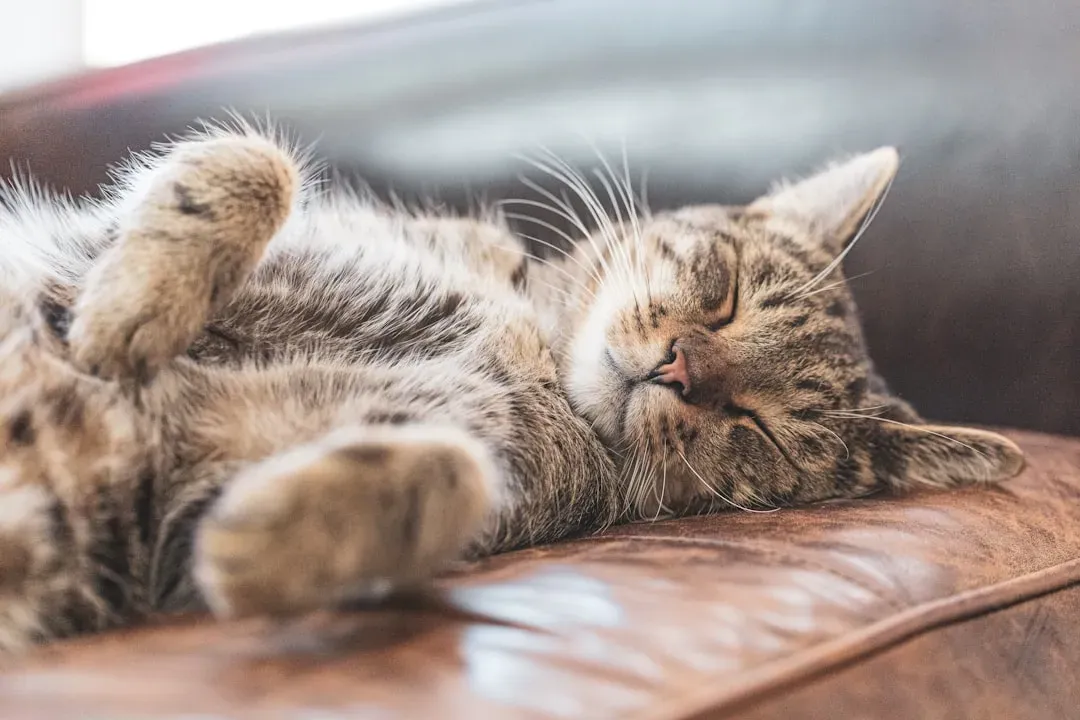
Here’s something you might not have thought about: where and how your cat chooses to sleep says everything about how safe they feel. A cat curled tightly into a ball with their tail wrapped around their face is a cat that feels the need to protect itself. That’s a very different picture from one sprawled flat on their back in the middle of the living room floor. Cats that are nervous, anxious, or afraid often hide or seek out secure spots when it’s time to sleep. In contrast, a cat that feels safe and comfortable in their home will confidently sleep in vulnerable positions, like lying in the middle of the living room with their belly fully exposed.
One of the clearest signs of a secure cat is the willingness to sleep in vulnerable positions, right out in the open. Cats in deeply secure homes often choose to nap near their humans, sometimes even on their backs, with their legs stretched out. It’s like they’re saying: “Nothing bad is going to happen here, and I know it.” Honestly, it’s one of the most wholesome things a cat can do.
3. Kneading You Like You’re Fresh Bread Dough
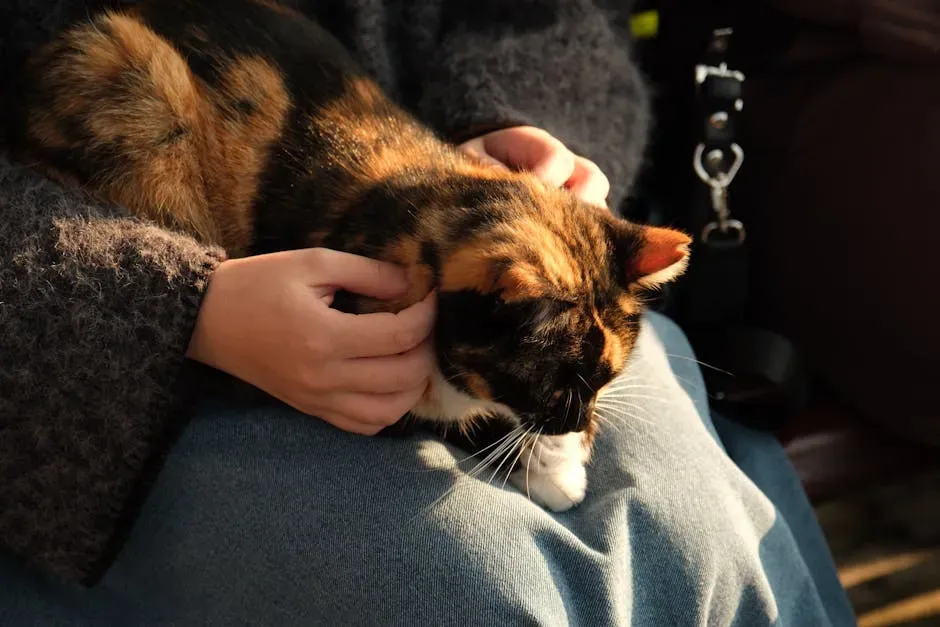
That rhythmic, slightly painful pressing of paws into your lap or stomach? That’s called kneading, and it’s a huge compliment. Cats will knead when they are feeling safe and affectionate. One theory is based on instinct: as nursing kittens, the kneading motion stimulates milk production from the mother cat, resulting in nourishment and a feeling of security. As they age, cats repeat this kneading behavior when they’re feeling content and happy, often while sitting on your lap or in other safe areas.
That adorable, rhythmic motion of your cat pressing its paws into your lap or chest harks back to kittenhood, when kittens kneaded their mother’s belly to stimulate milk flow. When adult cats knead their humans, it’s a sign that they associate you with comfort, warmth, and safety. So when your cat turns your thighs into a kneading board, just know they’re basically telling you that you feel like home to them.
4. Grooming You as If You’re Part of the Family
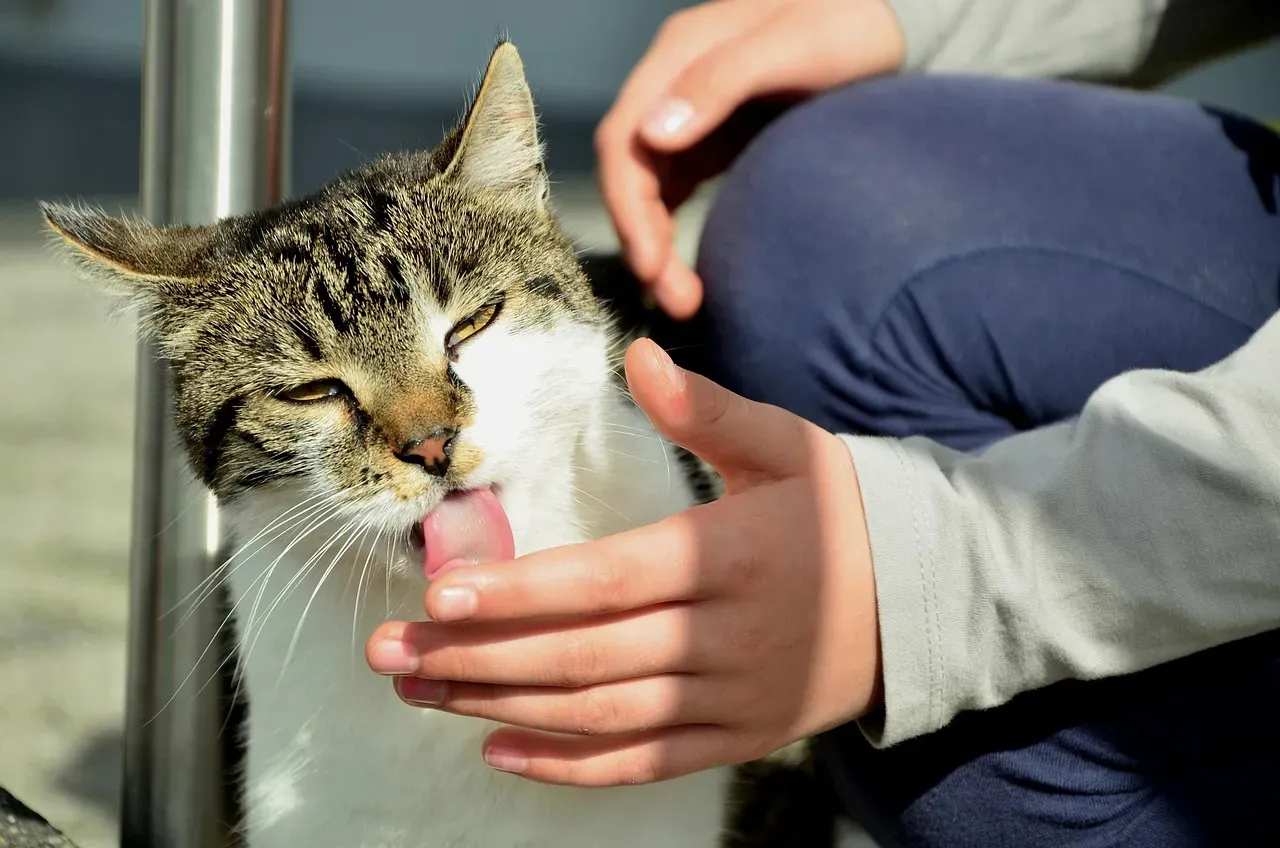
Getting licked by your cat might feel a little rough thanks to those tiny barbed tongues, but don’t pull away. That grooming session is a serious sign of trust and emotional security. Social grooming, also called allogrooming, is a sign of social bonding and is associated with security. Cats are often solitary animals, but if they live in a bonded pair or group, they will spend time grooming each other. If your cat licks you or grooms you, this is cat behavior indicating trust and love.
When it comes to signs your cat loves you, grooming is one of the most obvious signs of cat bonding. In multi-cat households, cats groom each other to establish social bonds and share scent. If your cat licks your hand or even your hair, it is a sign of including you in their social circle. You’ve officially been promoted to honorary cat. That’s no small thing in the feline world.
5. Showing You Their Belly
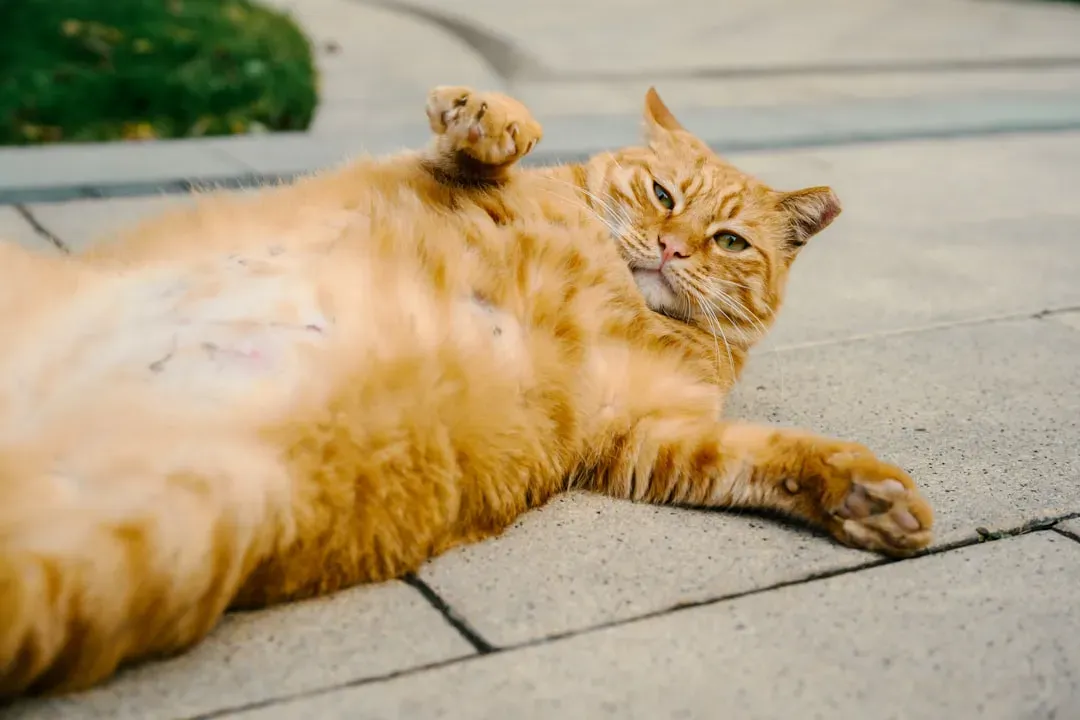
Let’s be real – the cat belly is a trap for many unsuspecting owners. You see that soft, fluffy tummy, you reach out, and suddenly you’re wearing a cat like a furry glove. But the actual act of showing you the belly? That’s something deeply meaningful. A cat’s belly is its most vulnerable area. When your cat rolls over and shows its stomach, it’s a sign of total trust and relaxation. They wouldn’t dare do this in an unsafe or uncomfortable environment. Sometimes this is an invitation for a gentle rub, but other times, it’s simply a sign that they feel secure enough to let their guard down.
The belly protects vital organs. By showing their belly, your cat is showing they aren’t fearful in that moment. Exposing their most vulnerable area is one of the biggest indicators that your cat is letting you know everything is good and it’s safe. Read the room before you go in for that belly rub. The gift here is in the gesture itself, not necessarily in the touch that follows.
6. Following You from Room to Room
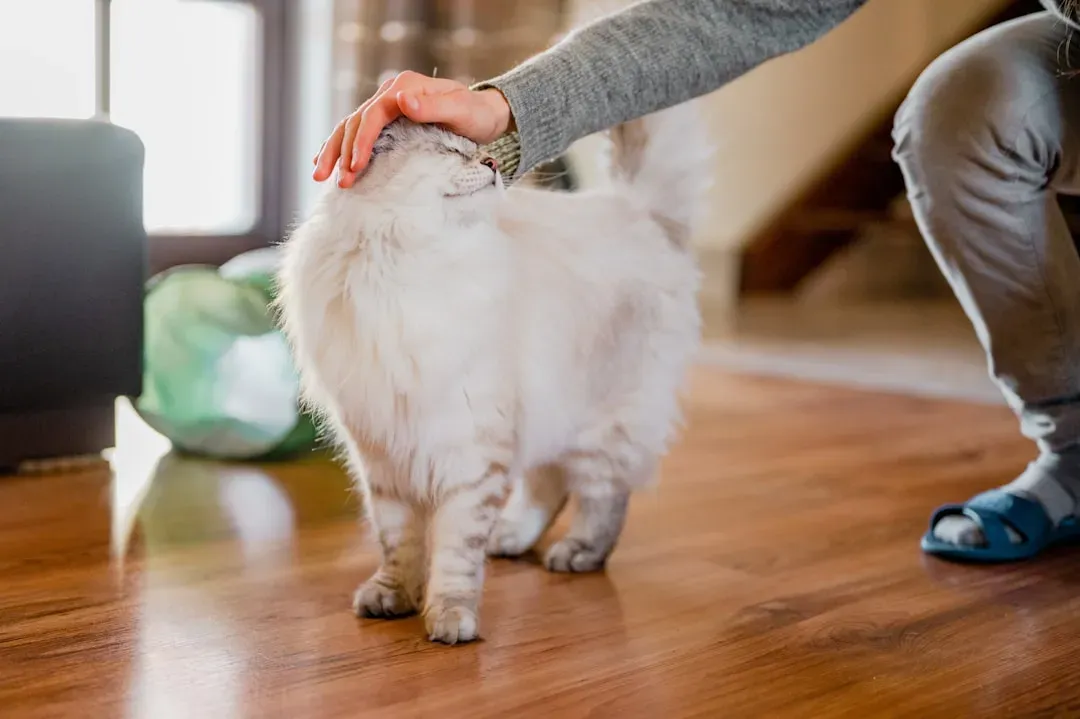
If your cat trails behind you like a small, furry shadow every time you get up, that behavior is telling you something important. It might look like curiosity or neediness, but it’s actually rooted in trust. Cats sometimes follow their owners around the house because they feel comfortable and secure in their presence. You might have almost tripped because of this, as they might stick to your feet, following you in every room you enter.
If your cat trails after you throughout your home, they’re not just curious – they want to be near you because they feel safe in your company. This shadow-like behavior is common among cats who have formed strong bonds with their humans. Rather than hiding or keeping their distance, they choose your presence over solitude. It’s as if you’re their security blanket, and they find comfort simply by being close. There’s something quietly beautiful about that.
7. Head-Butting You and Rubbing Their Face on You
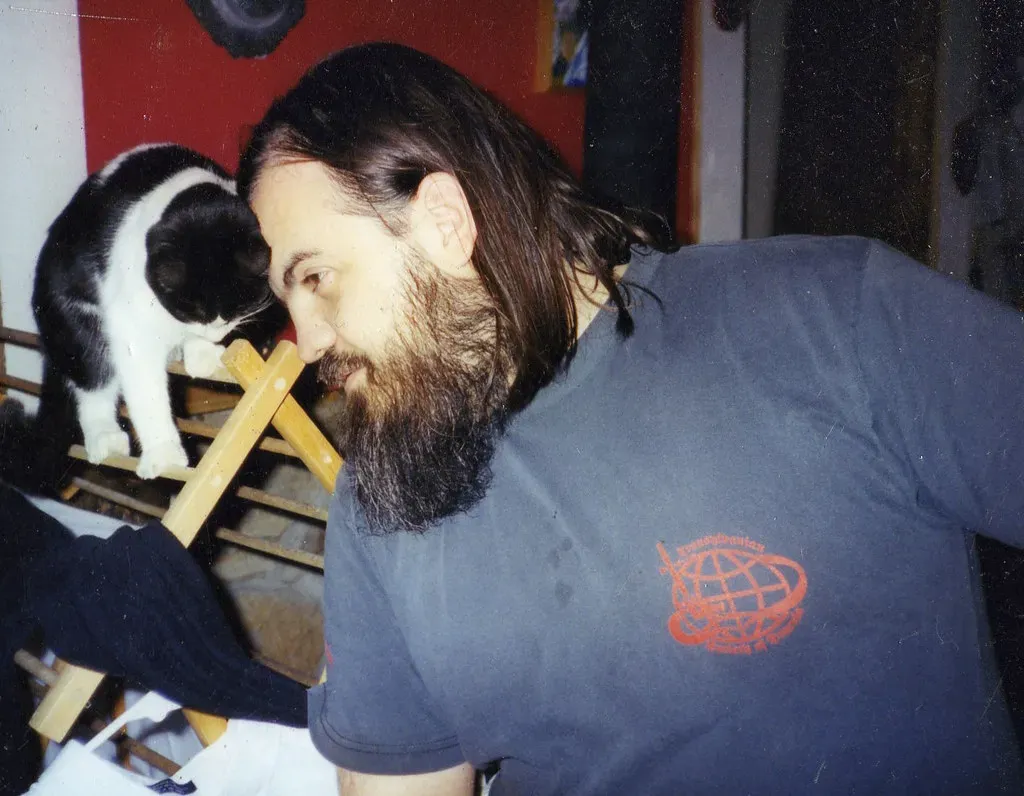
When your cat lowers their head and rams it gently into your chin, cheek, or hand, they’re not clumsy. That’s bunting, and it’s a deliberate act of affection loaded with meaning. Bunting, or head-butting, is when cats bump you with their heads. This is their way of saying hello. More than just a greeting though, it’s an act of scent-marking that carries real emotional weight.
Head butting or gently rubbing their face against you is classic cat affection. Cats have scent glands on their cheeks and forehead, and by rubbing against you, they’re marking you as “theirs.” This isn’t just a claim – it’s a way of mingling their scent with yours, creating a shared identity. The facial pheromones are the ones that express safety and familiarity. If your cat is constantly giving you head butts, they are indicating that they trust you – you are their comfort and safety. You’re basically wearing their signature perfume now.
8. Turning Their Back to You or Presenting Their Rear
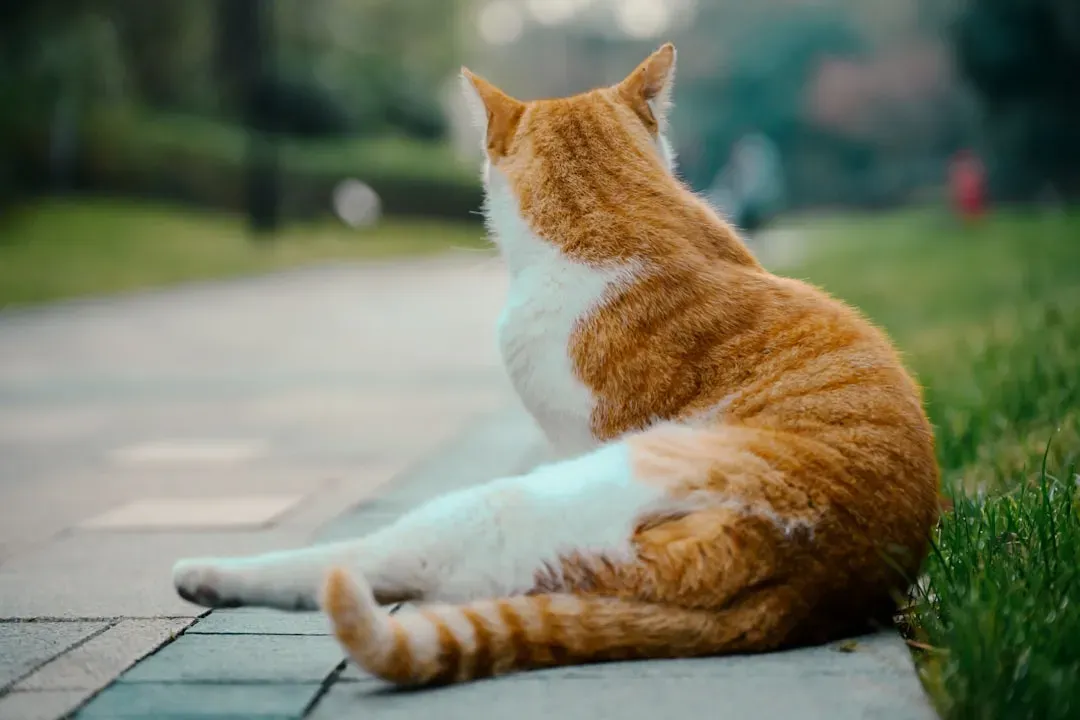
I know this one sounds counterintuitive, and yes, it can feel a little strange the first time your cat casually points their backside in your direction. But hold on before you take offense. It might seem odd or even rude, but when a cat turns its back to you or points its rear in your direction, it’s actually showing trust. In the animal world, exposing one’s back is a vulnerable act, and doing so means your cat feels safe.
Cats who present their bottoms to you with their tails straight up, who roll around, or who lay on their backs – all positions of a more vulnerable type – are demonstrating that they are happy, comfortable, and feel safe being around you. Some cats will even sit with their back pressed against you, as if to say, “I trust you to watch over me.” Your cat is letting you know that it feels no need to be on guard when you’re around. It’s a backwards hug, basically.
9. Chatting With You in Their Own Little Language
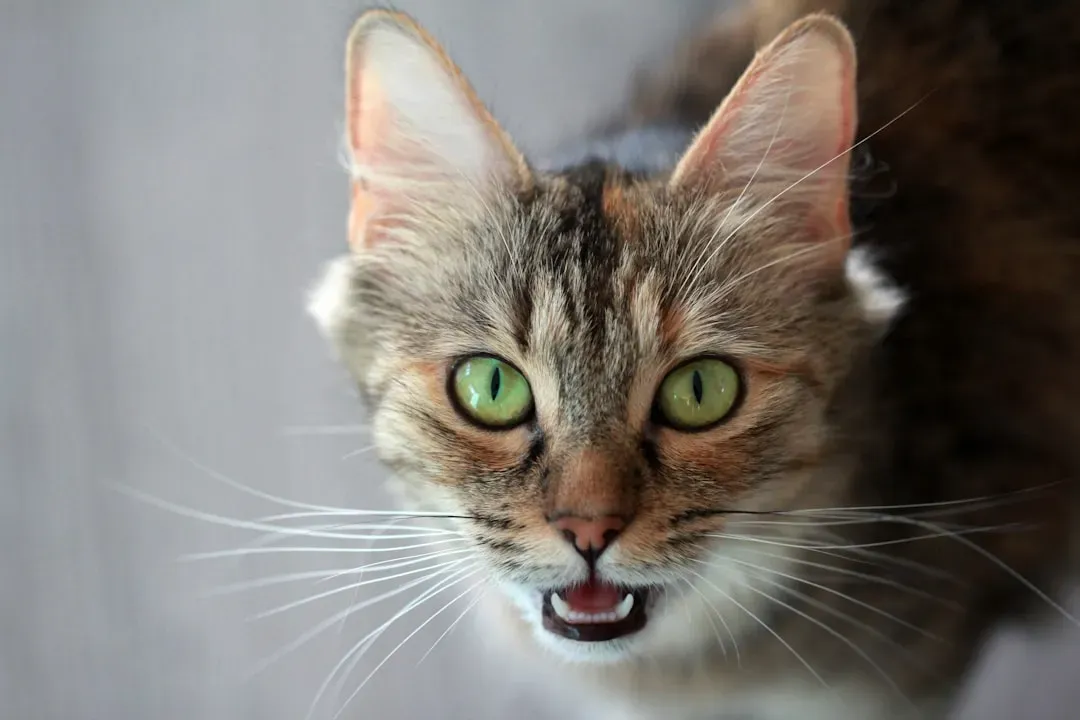
If your cat regularly trills, chirps, or meows at you for no apparent practical reason, congratulations. You have a cat who feels deeply, genuinely secure. Secure cats can be surprisingly chatty, developing a unique “language” with their humans. They might trill, chirp, meow, or even have conversations with you. Cats in stressful environments tend to go silent or only vocalize out of distress. But in a deeply secure home, they’re eager to communicate.
They don’t do this with everyone. If your cat consistently “talks” to you, it is a sign that the cat feels comfortable enough to interact with you and expects a response. Think about it like this: you don’t strike up easy conversations with people you don’t trust. Cats are exactly the same. Cats meow at their mothers, who provide them with food, warmth, and safety when they are kittens, and they meow at their people, who provide them with the same things as adults. Being spoken to by your cat is genuinely an honor.
10. Greeting You Confidently at the Door
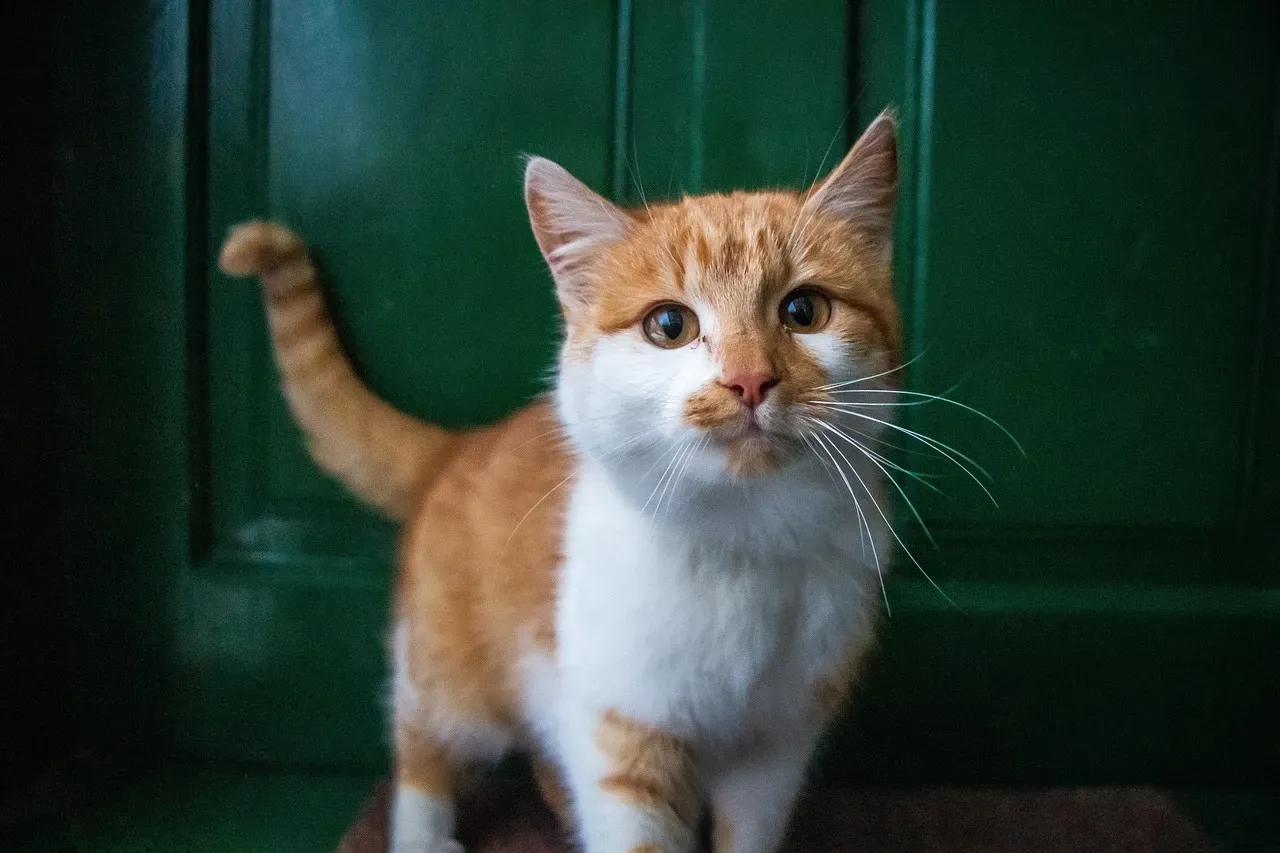
How your cat behaves when you walk through the front door is one of the most telling indicators of how secure they feel. A nervous cat hangs back. An insecure cat might not show up at all. If your cat comes running to greet you when you come home, it’s a good sign that your cat trusts you. A nervous cat may watch from afar, but if your cat comes running to greet you when you come home, this is a good sign that your kitty trusts their human companions. A tall upright tail as they approach you is also a compliment, as this usually indicates excitement and pleasure.
If you want a sign that your cat isn’t afraid of you, watch for their unique greetings when you get home. Cats who are emotionally bonded with you and who trust you will often have a special way of saying hello that they reserve just for you. If your cat comes to the door, walks towards you confidently, or even raises their tail as you come home, this is a sign of safety. It’s the feline equivalent of someone jumping up from the couch the moment they hear your key in the lock. Pure, unfiltered joy at the sight of you.
The Takeaway: Your Cat Is Speaking – Are You Listening?
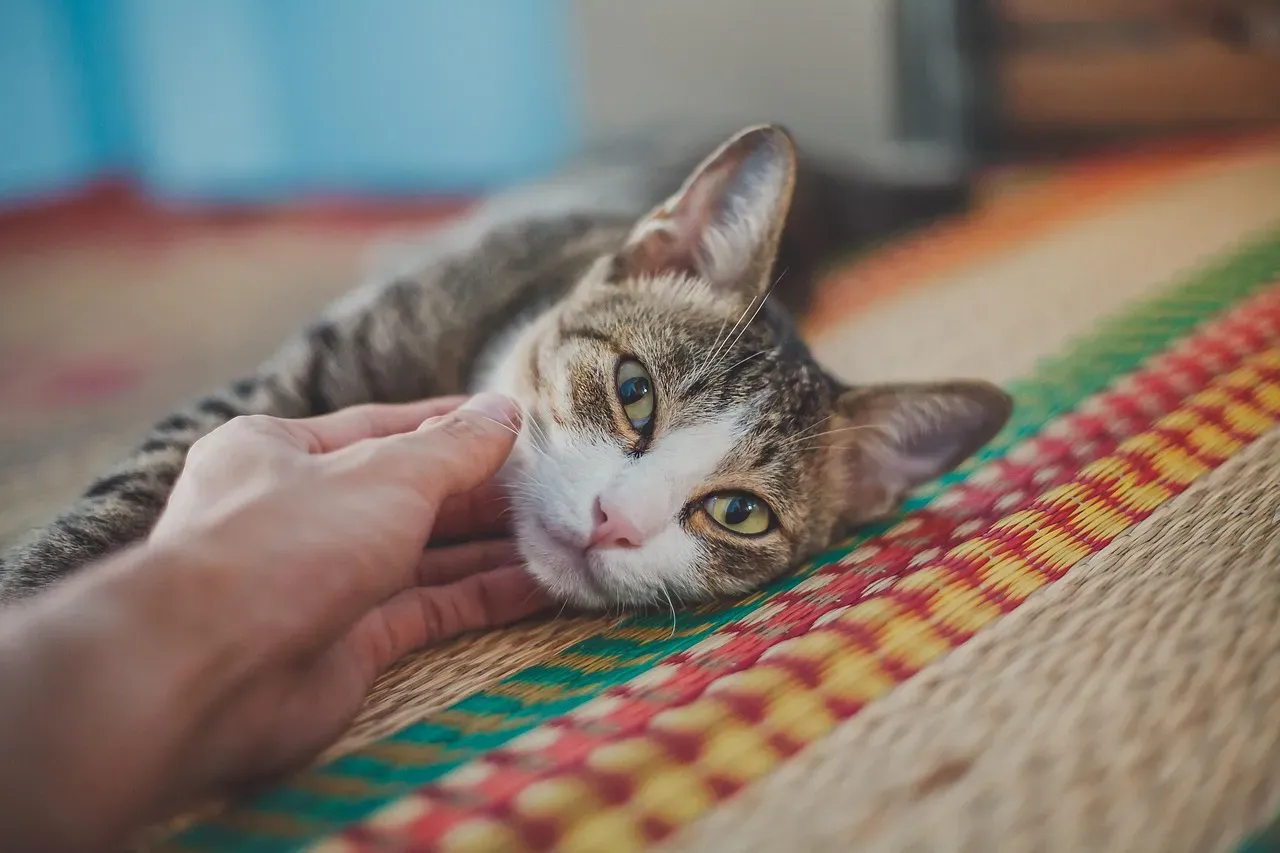
Here’s the thing about cats: they’re not as mysterious as their reputation suggests. They communicate constantly, beautifully, and honestly. The slow blinks, the belly flops, the kneading sessions, and the chatty greetings are all part of one consistent message – “I feel safe with you, and this is my home.”
Cats don’t express trust the way humans do, but they show it in consistent, quiet ways. When your cat feels safe, their behavior reflects comfort, predictability, and ease. These signals aren’t always obvious, but once you know what to look for, they’re hard to miss. The more you understand your cat’s language, the deeper and more rewarding that bond becomes.
It’s hard to say for sure what’s going on in a cat’s mind at any given moment, but these ten behaviors make it pretty clear that when a cat feels secure, they let you know in the most tender, subtle, and sometimes hilarious ways. Now that you know the signs, you might start seeing them everywhere. Which one does your cat do the most? Tell us in the comments – we’d genuinely love to know.